Content
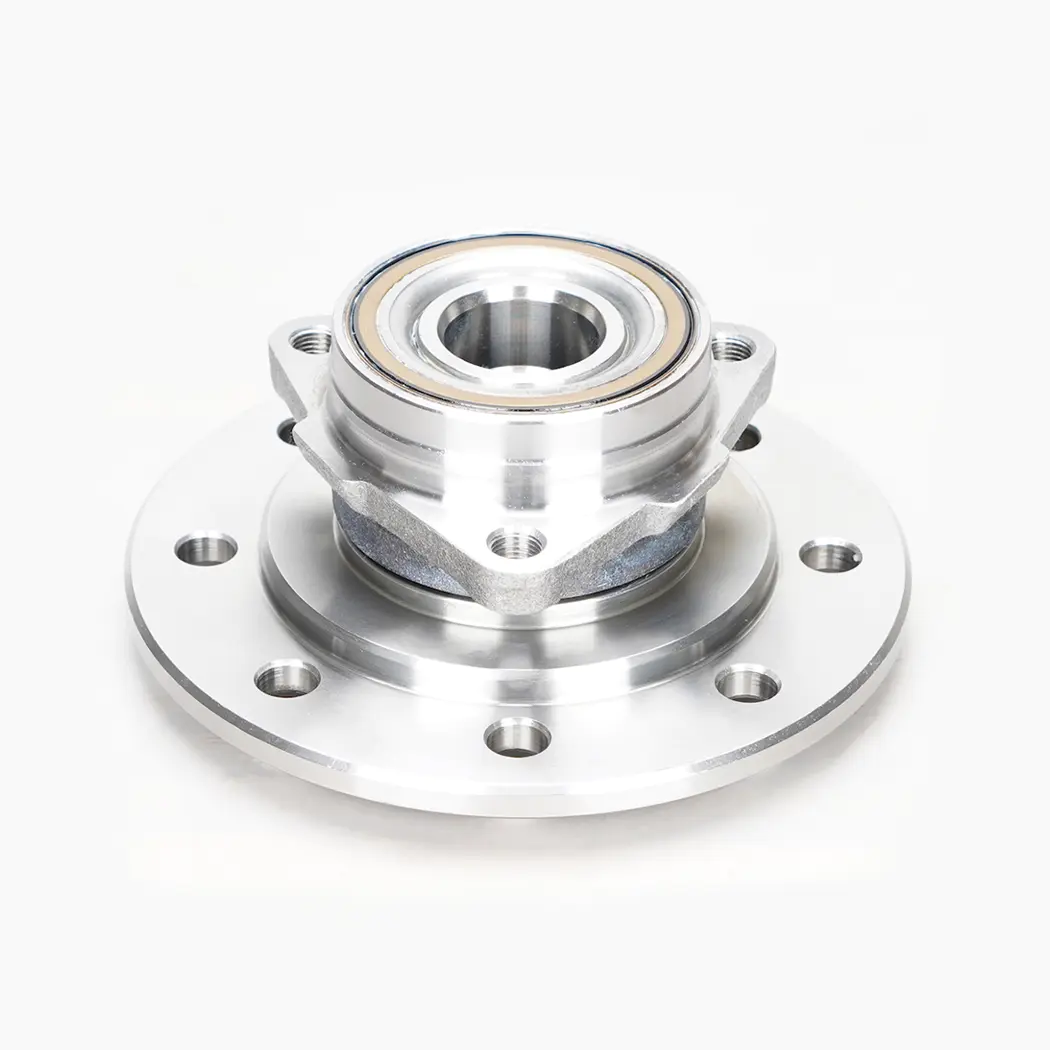
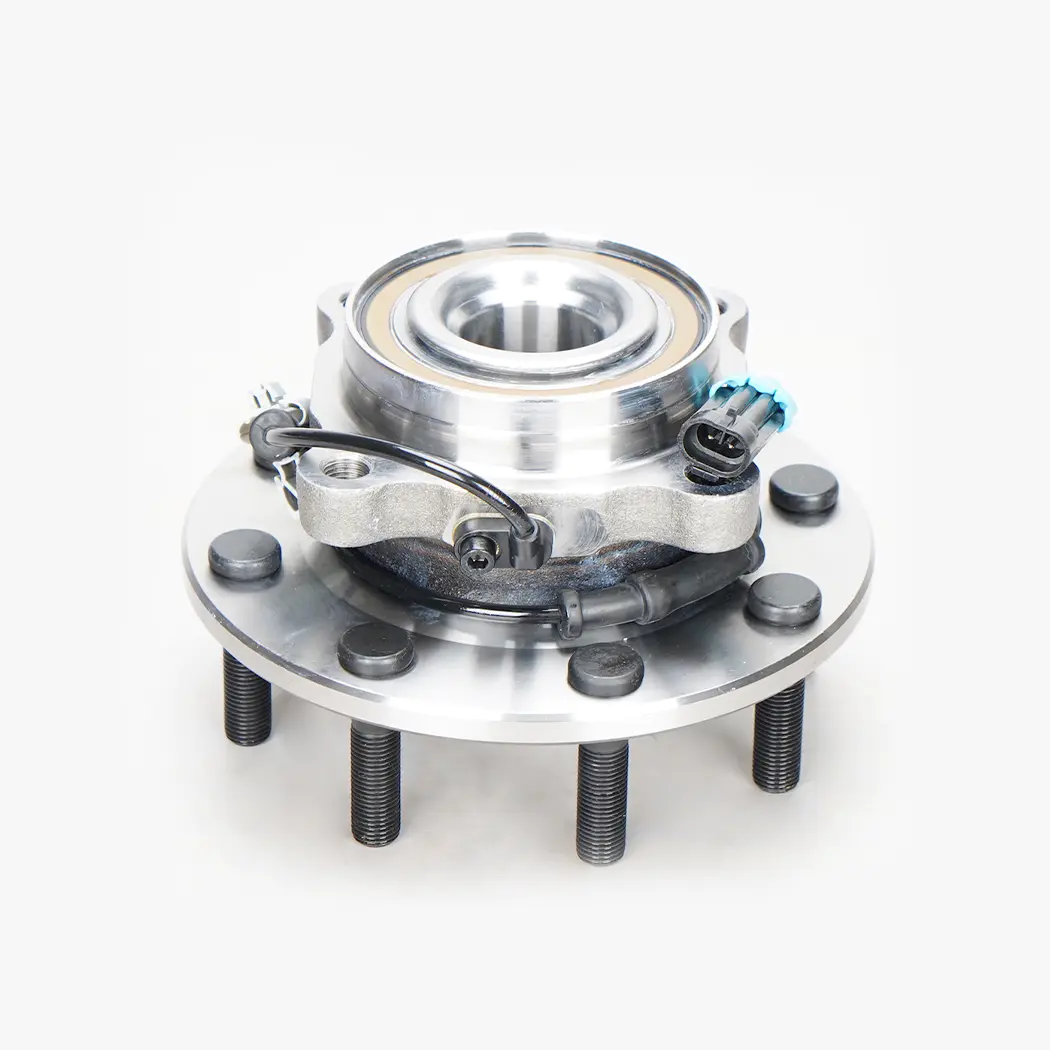
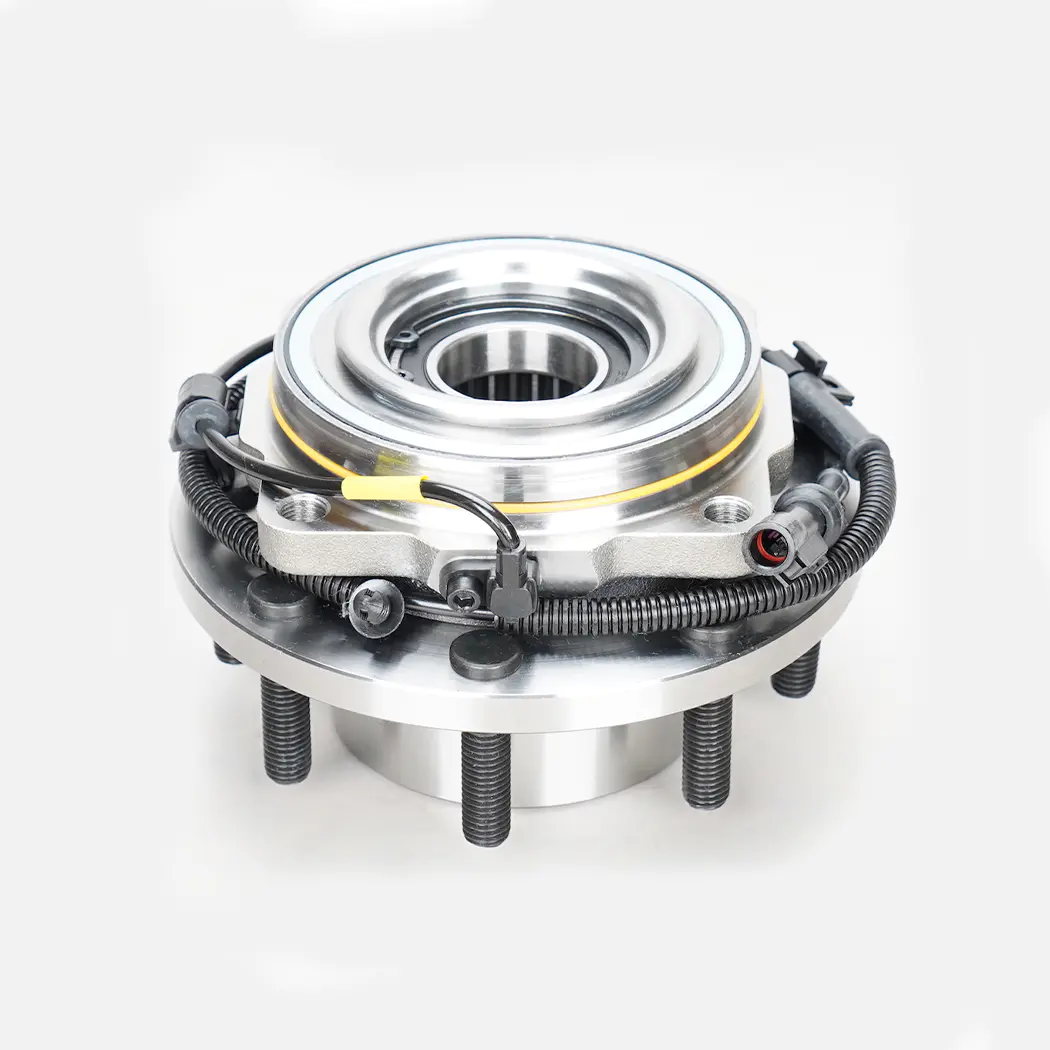
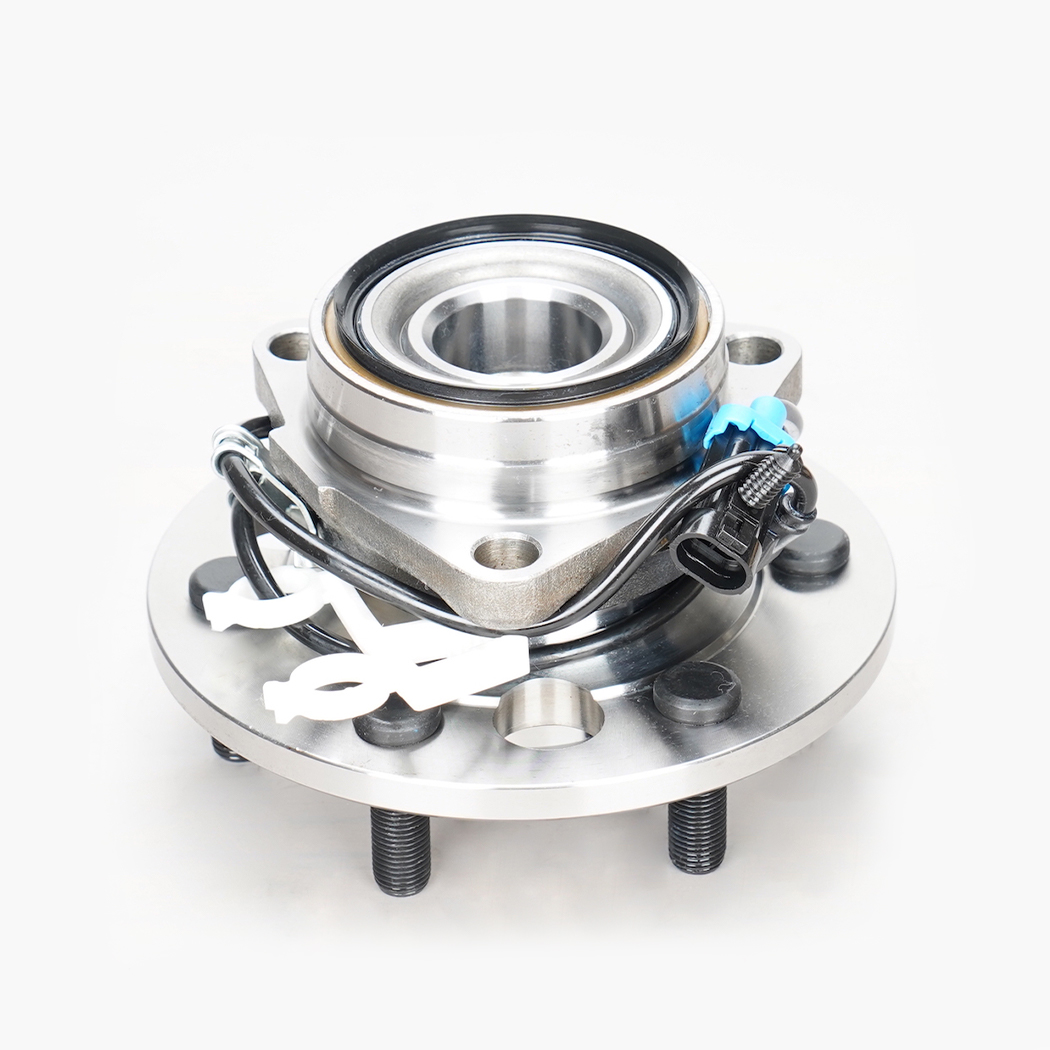
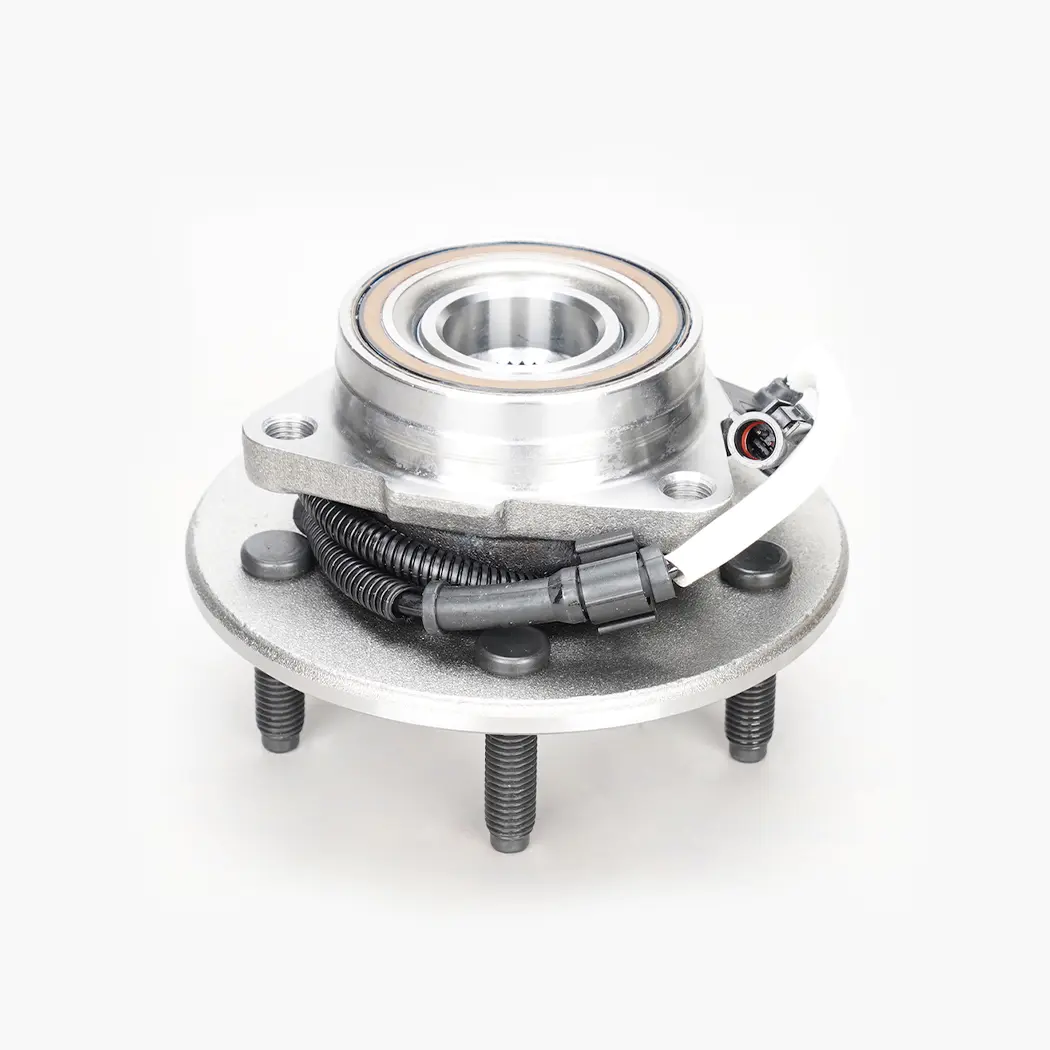
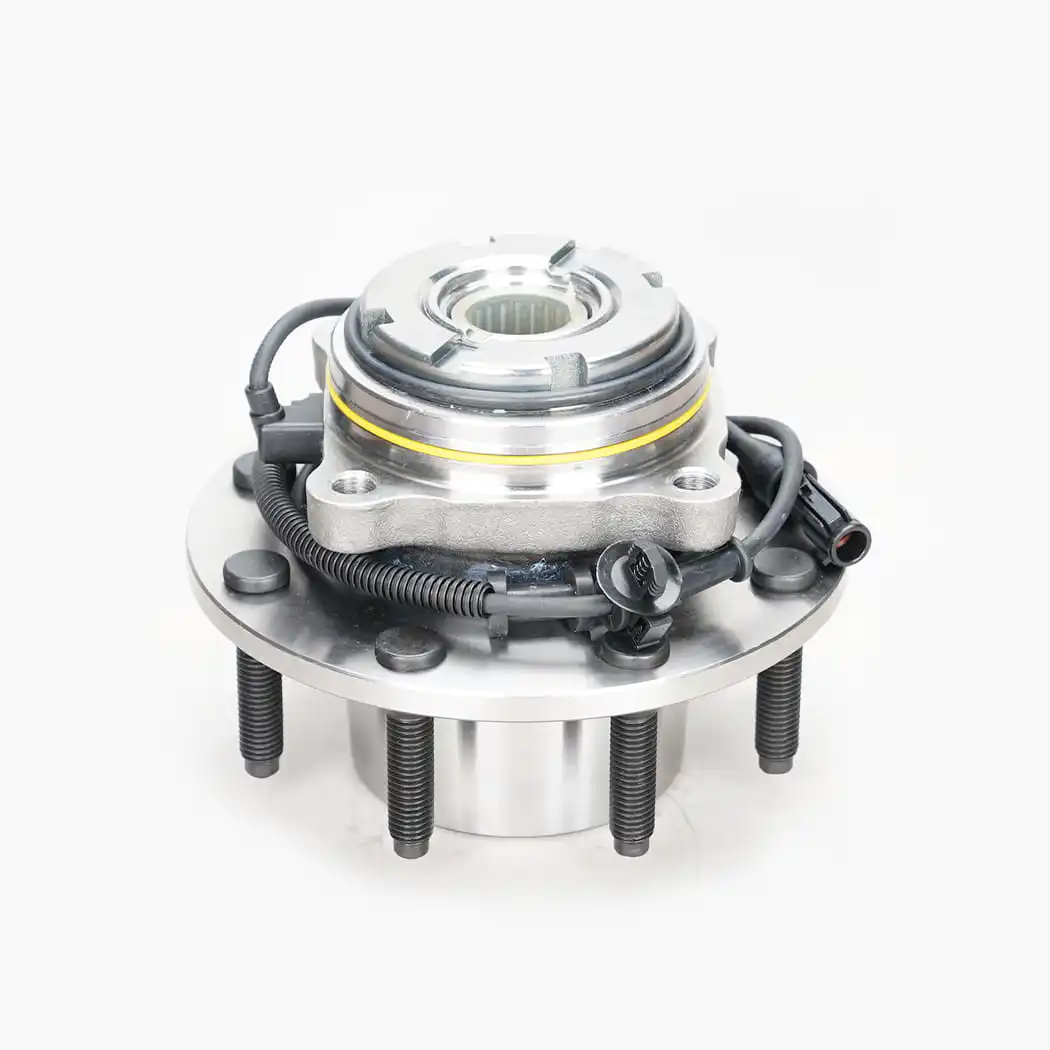
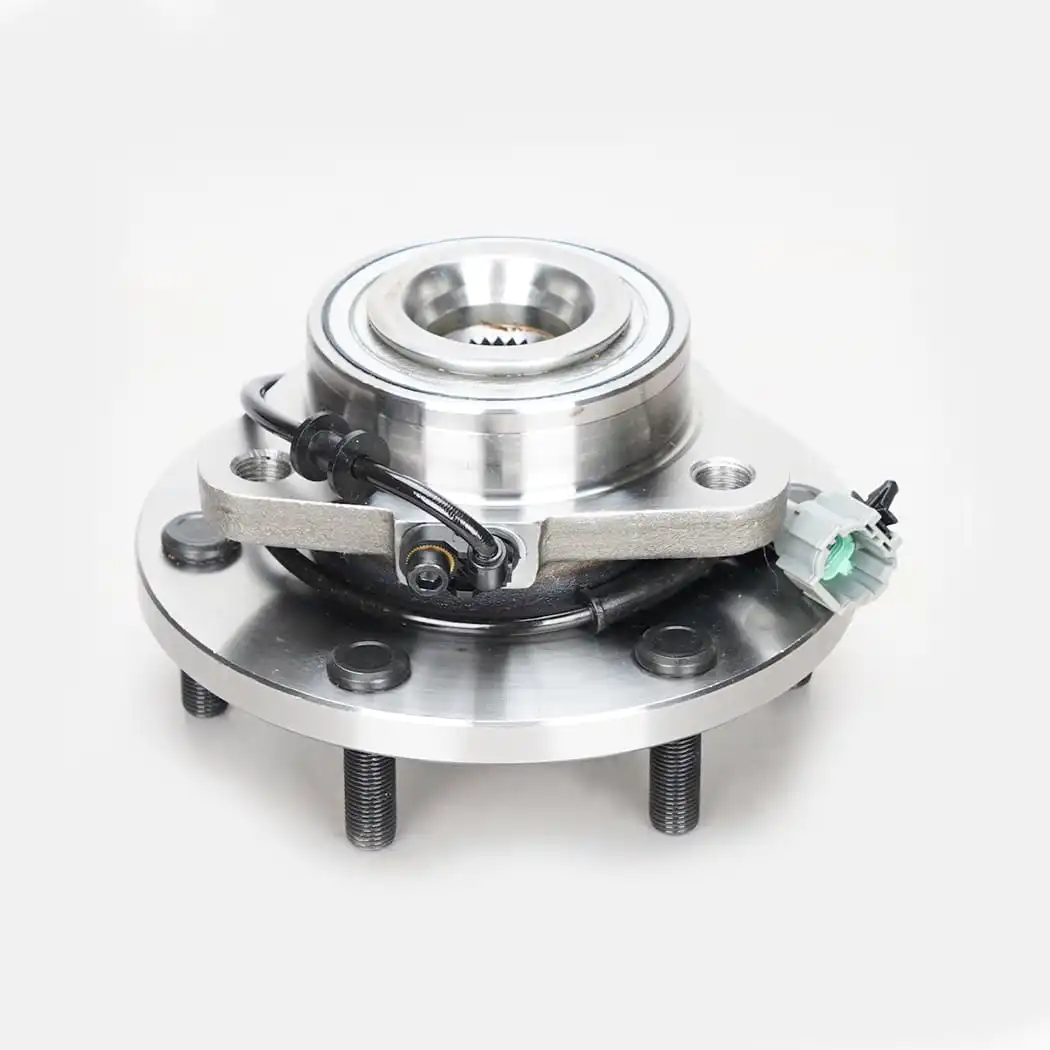
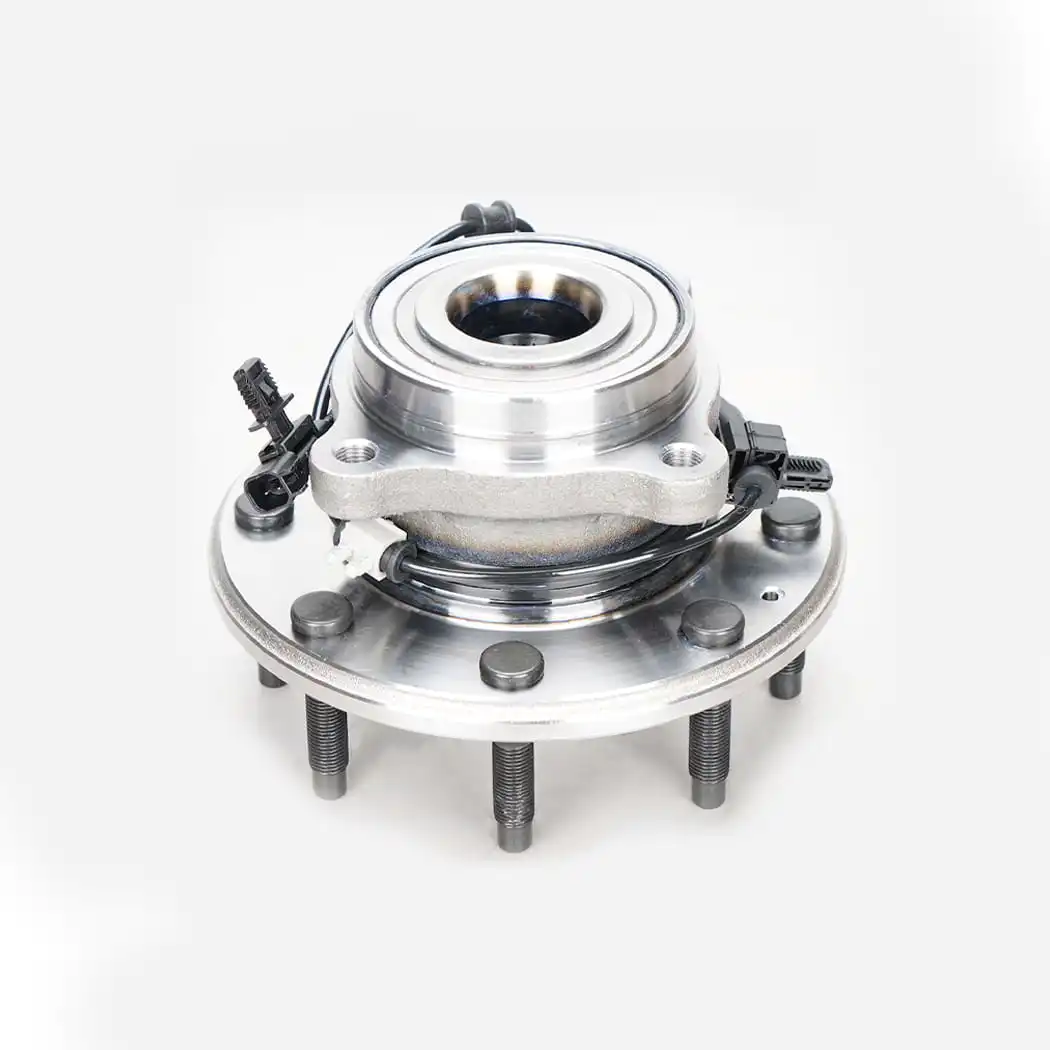
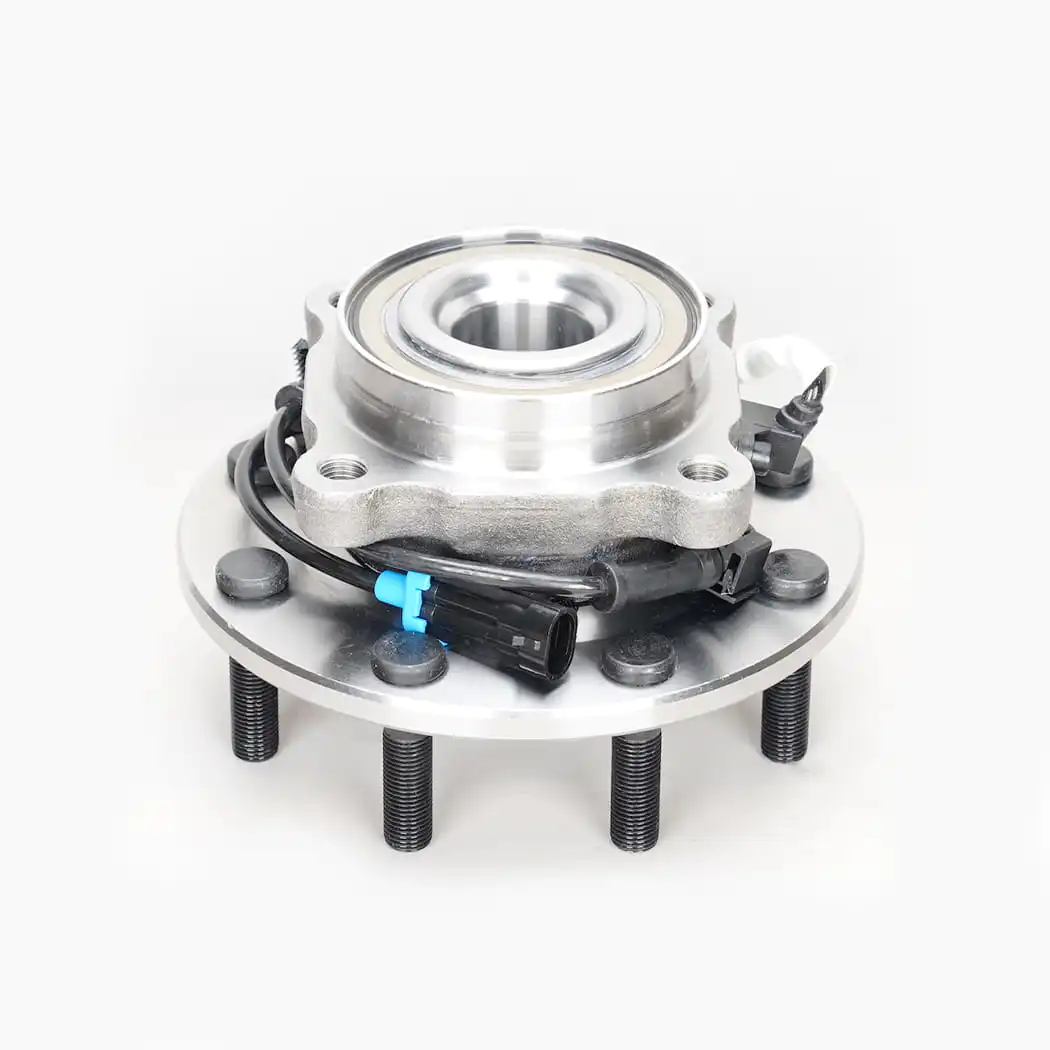
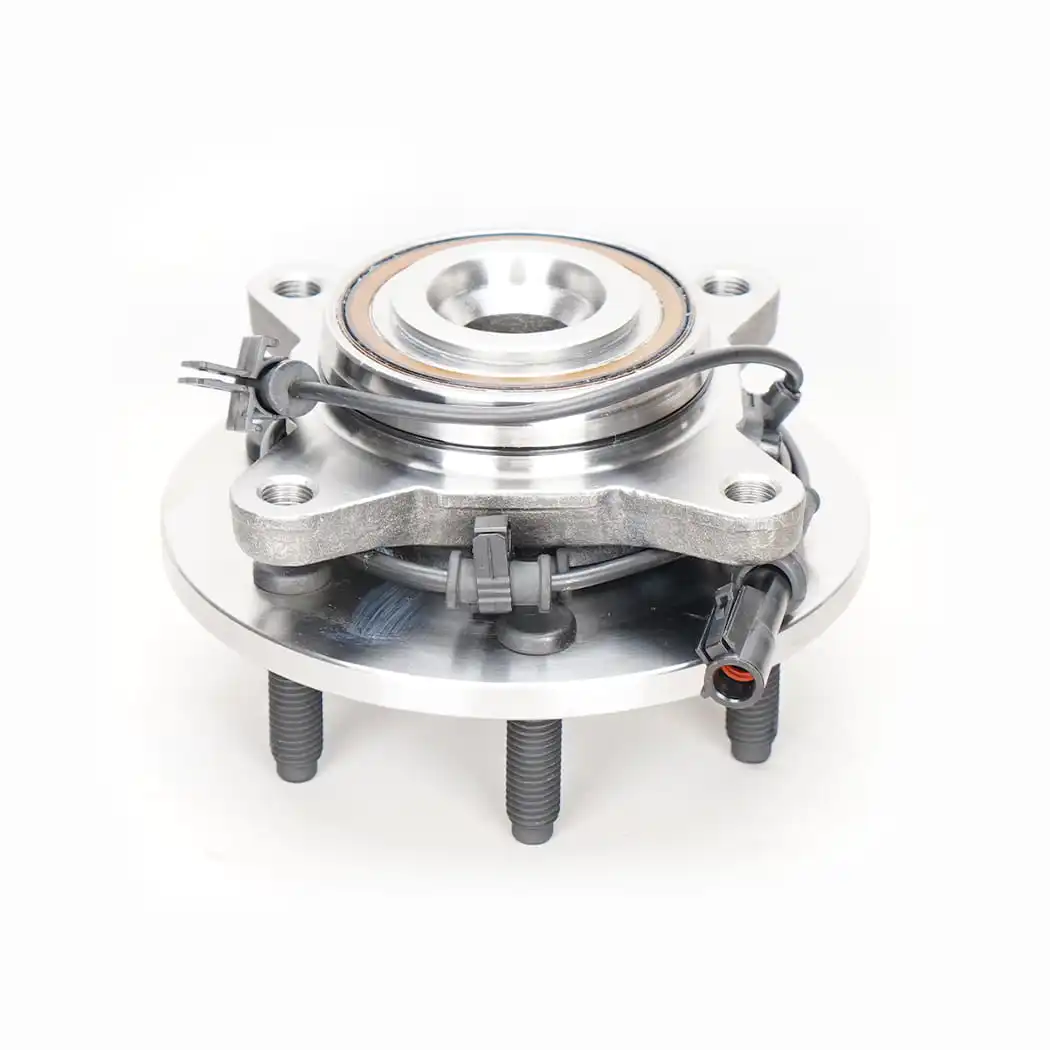
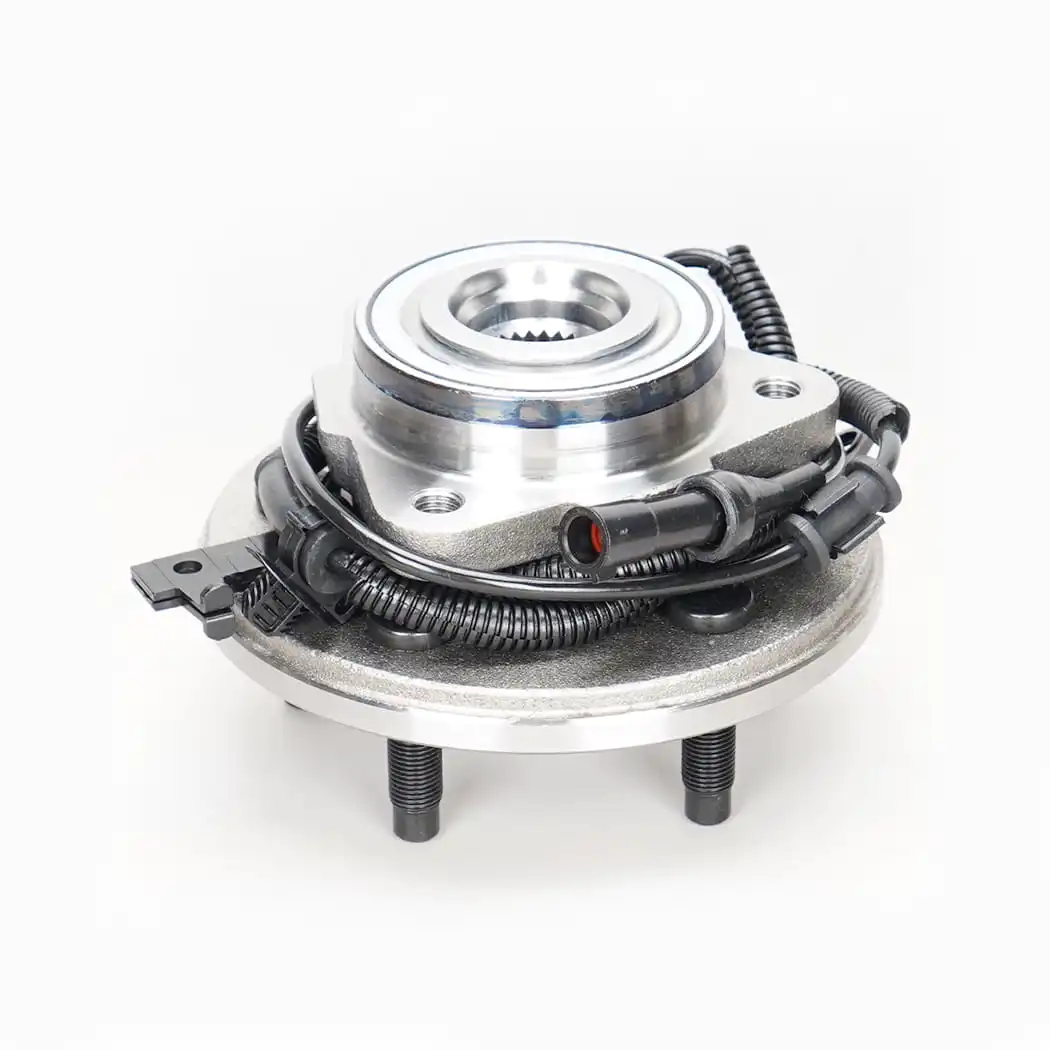
The rear hub assembly is a critical mechanical component that serves as the mounting point for your vehicle's wheels while houses the wheel bearings that allow the wheels to rotate smoothly. Unlike front hubs, which are often involved in steering, the rear wheel hub focuses on supporting the vehicle's weight and, in rear-wheel or all-wheel-drive systems, transmitting power to the ground. A high-quality hub unit is engineered to withstand immense radial and axial loads while maintaining precise alignment for the braking system, whether you utilize drum or disc brakes.
Modern vehicles typically utilize integrated hub units that come pre-sealed and pre-lubricated from the factory. These assemblies often include integrated Anti-lock Braking System (ABS) sensors. Because these components are vital for both vehicle mobility and safety, understanding the signs of wear—such as humming, growling, or clicking noises—is essential for any vehicle owner or DIY mechanic. A failing rear hub can lead to uneven tire wear, compromised braking performance, and, in extreme cases, wheel detachment.
A standard rear hub assembly consists of several precision-engineered parts working in unison. Understanding these parts helps in diagnosing specific failures and ensures you select the correct replacement part for your specific make and model.
| Component | Function |
| Hub Flange | The mounting surface for the wheel and brake rotor. |
| Wheel Bearings | Reduces friction during rotation; can be ball or roller type. |
| ABS Sensor | Monitors wheel speed for traction control and braking. |
| Wheel Studs | Threaded bolts that secure the wheel to the hub. |
Before beginning work on the rear wheel hub, ensure the vehicle is on a flat surface. Loosen the lug nuts while the tire is still on the ground, then lift the vehicle using a jack and secure it with jack stands. Safety is paramount, as you will be applying significant torque to the mounting bolts during the removal process.
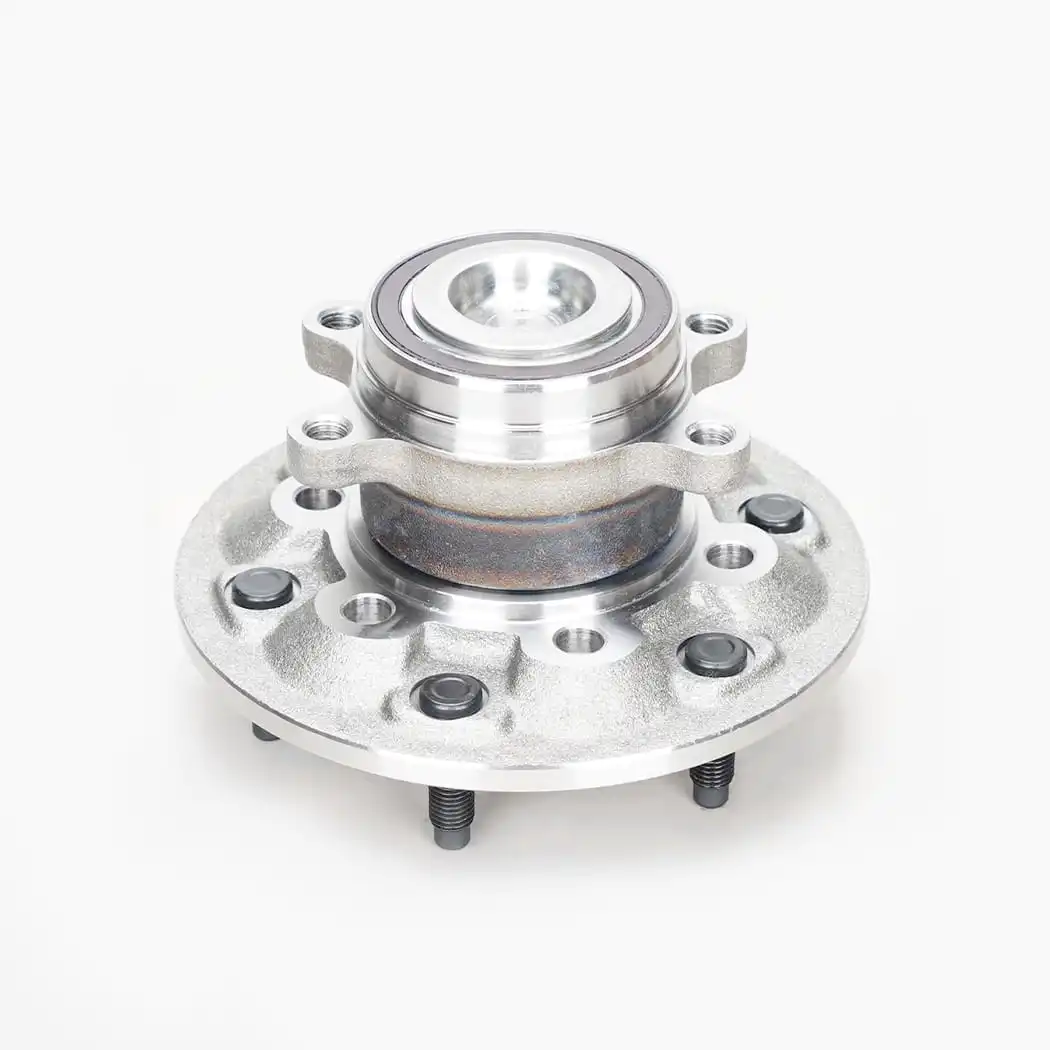
Once the wheel is removed, you must clear the braking components. This involves removing the brake caliper and the rotor. If your vehicle is equipped with an electronic sensor, carefully disconnect the ABS wiring harness to prevent damage. Most rear hub units are bolted to the suspension knuckle; you will need to access these bolts from the rear of the knuckle. In some cases, a hub puller tool may be required to separate the hub from the axle if corrosion has caused it to seize.
Clean the mounting surface of the knuckle thoroughly with a wire brush to ensure the new rear hub assembly seats perfectly flush. Apply a thin layer of anti-seize lubricant to the mating surfaces, but avoid getting any on the sensor or the bearing seals. Align the new hub, tighten the mounting bolts to the manufacturer's specific torque settings, and reconnect the ABS sensor. Finally, reinstall the brake components and the wheel.
While most modern rear hub units are considered "maintenance-free" because they are sealed, you can extend their lifespan by following these practical tips:
• ADD: 42705 Grand River Avenue, Suite 201, Novi. Michigan 48375, USA.
© Copyright 2017 HANGZHOU HANJI AUTO PARTS.CO.,LTD. All Rights Reserved. Wheel Hub Unit Manufacturer