Content
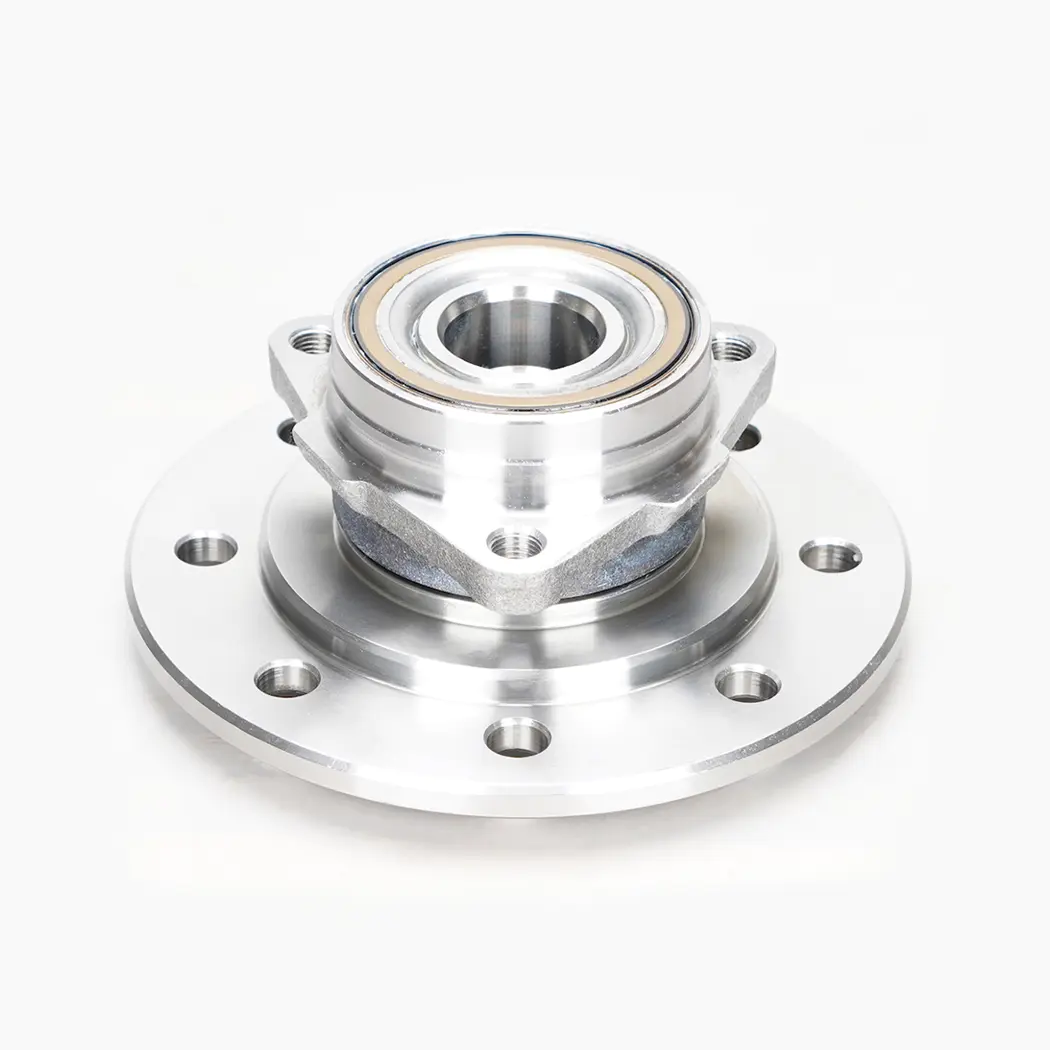
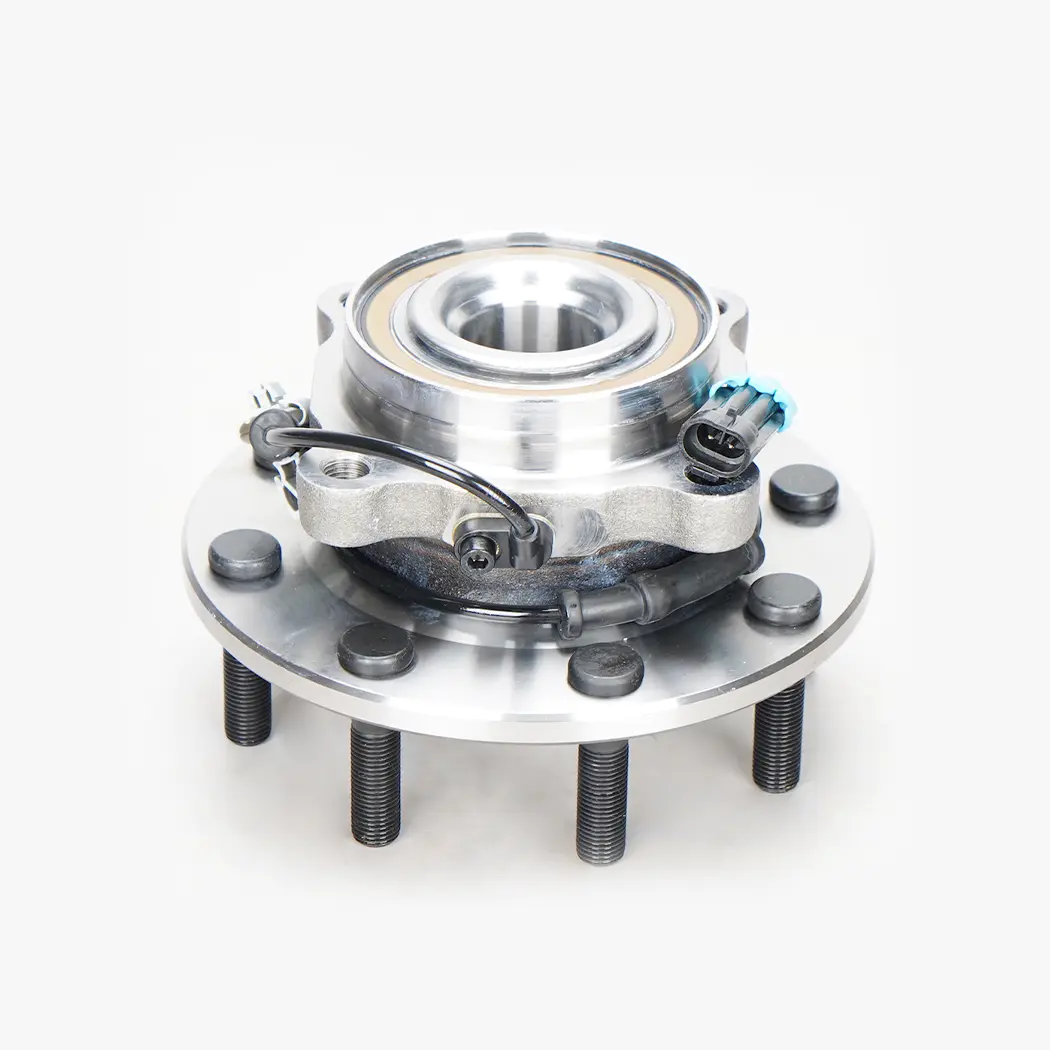
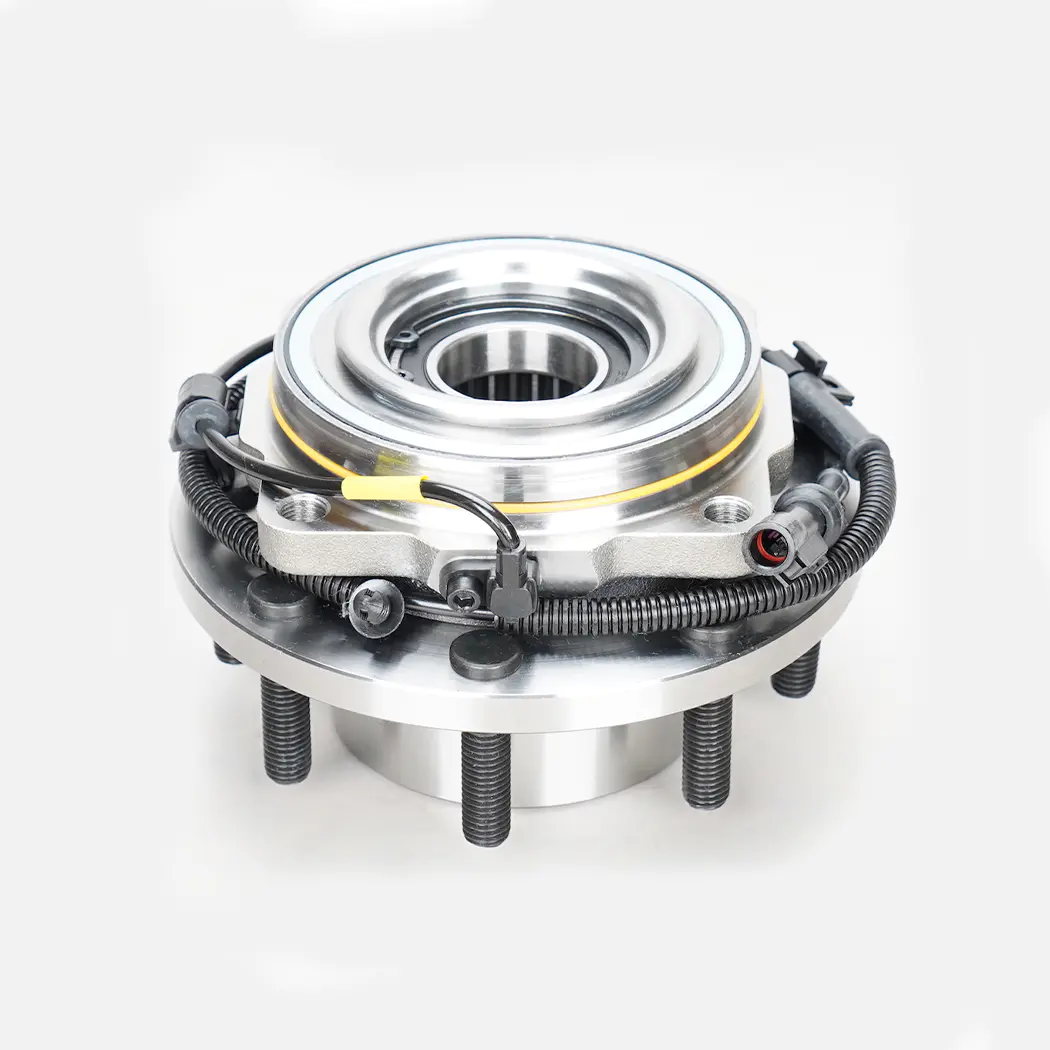
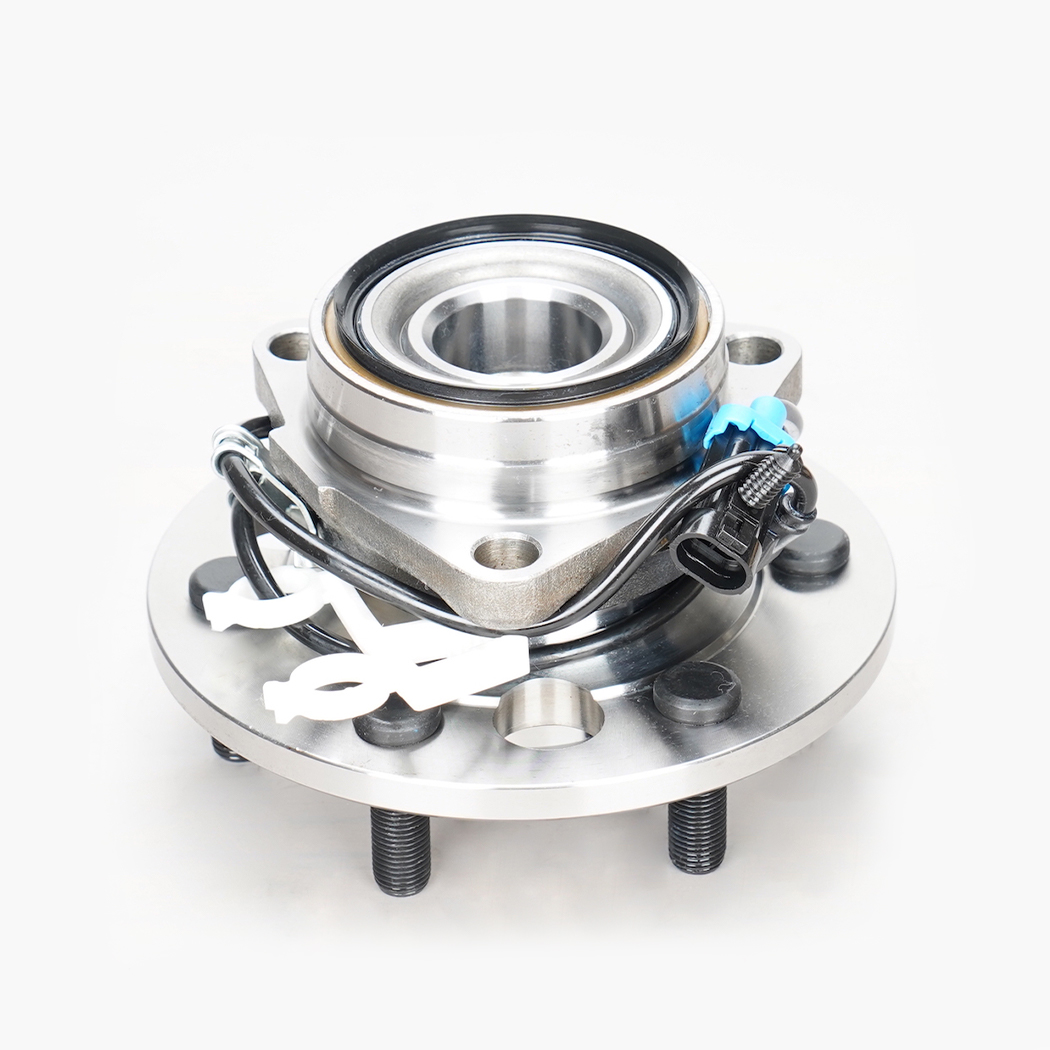
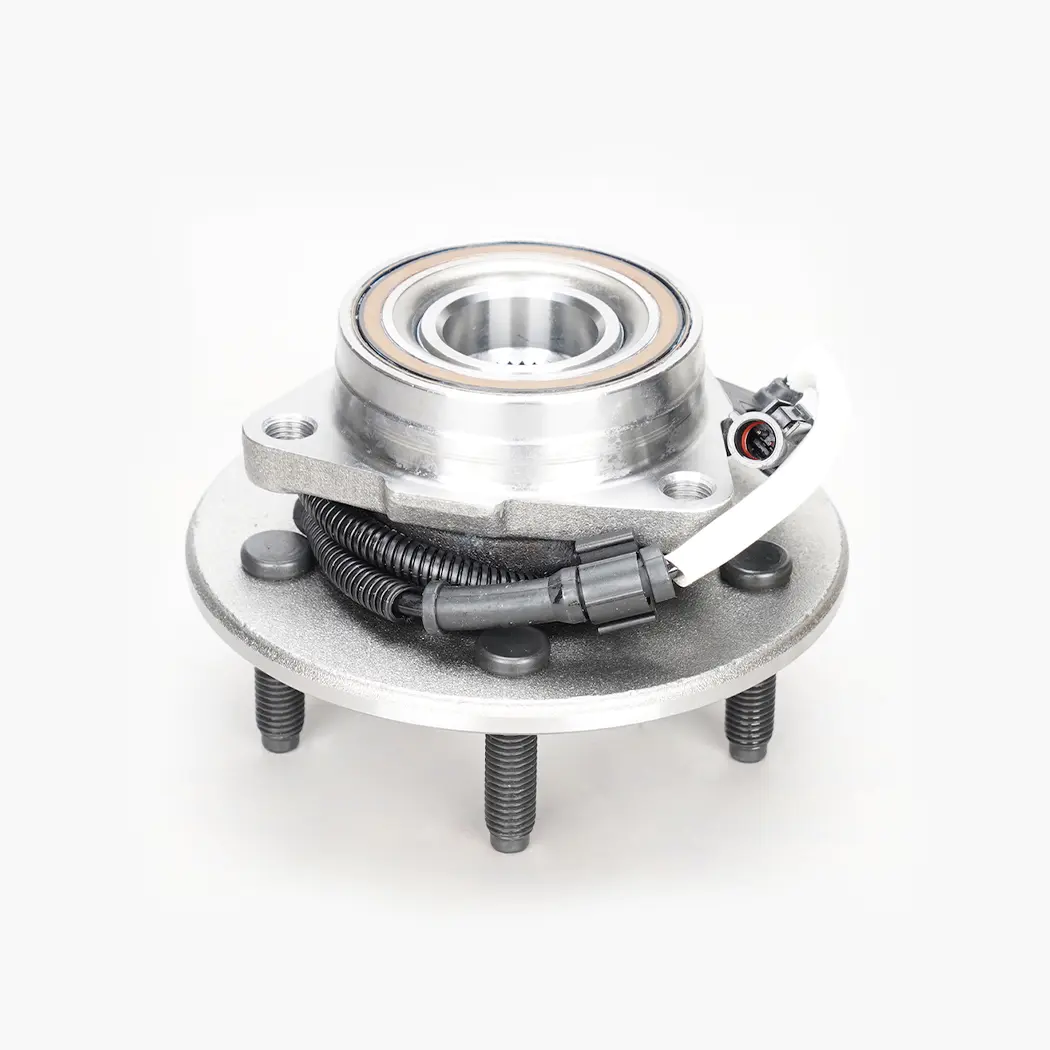
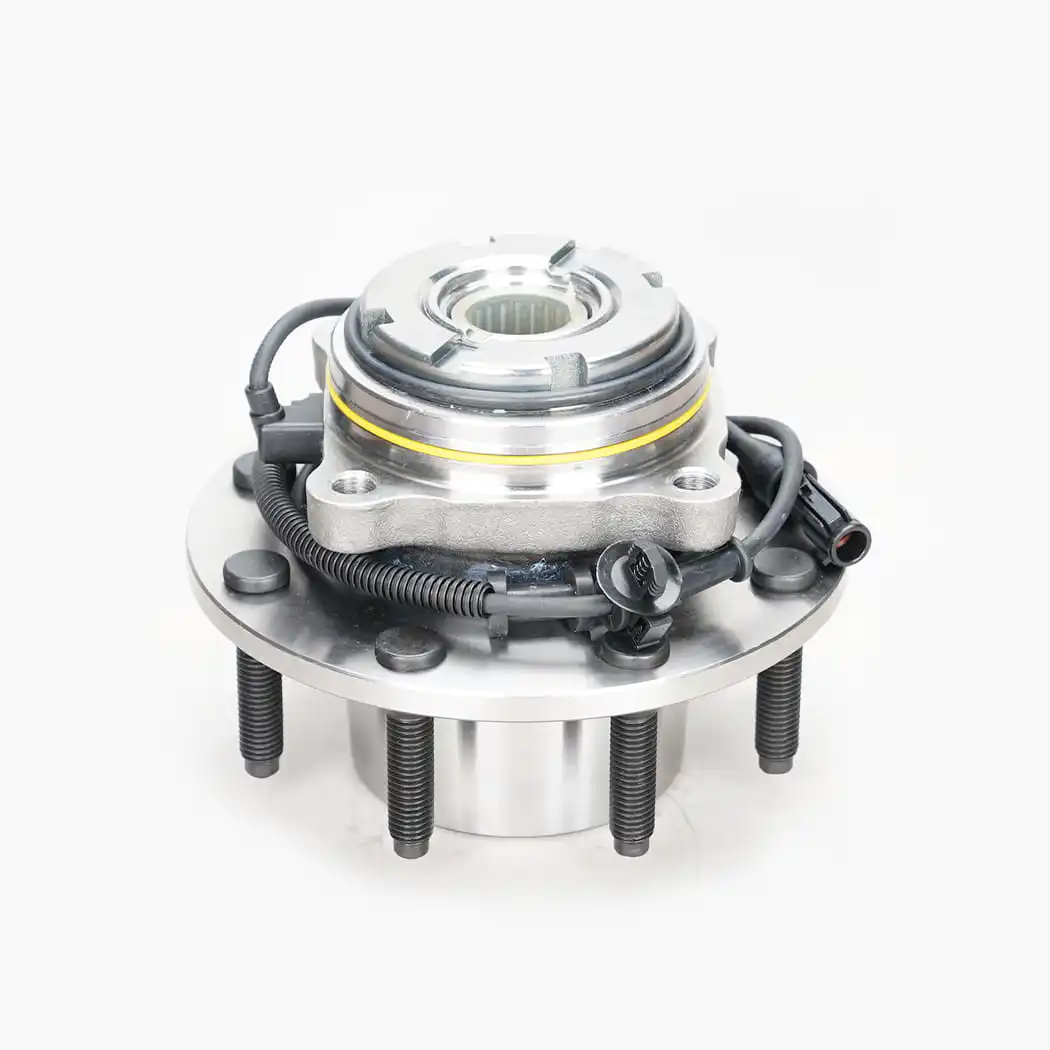
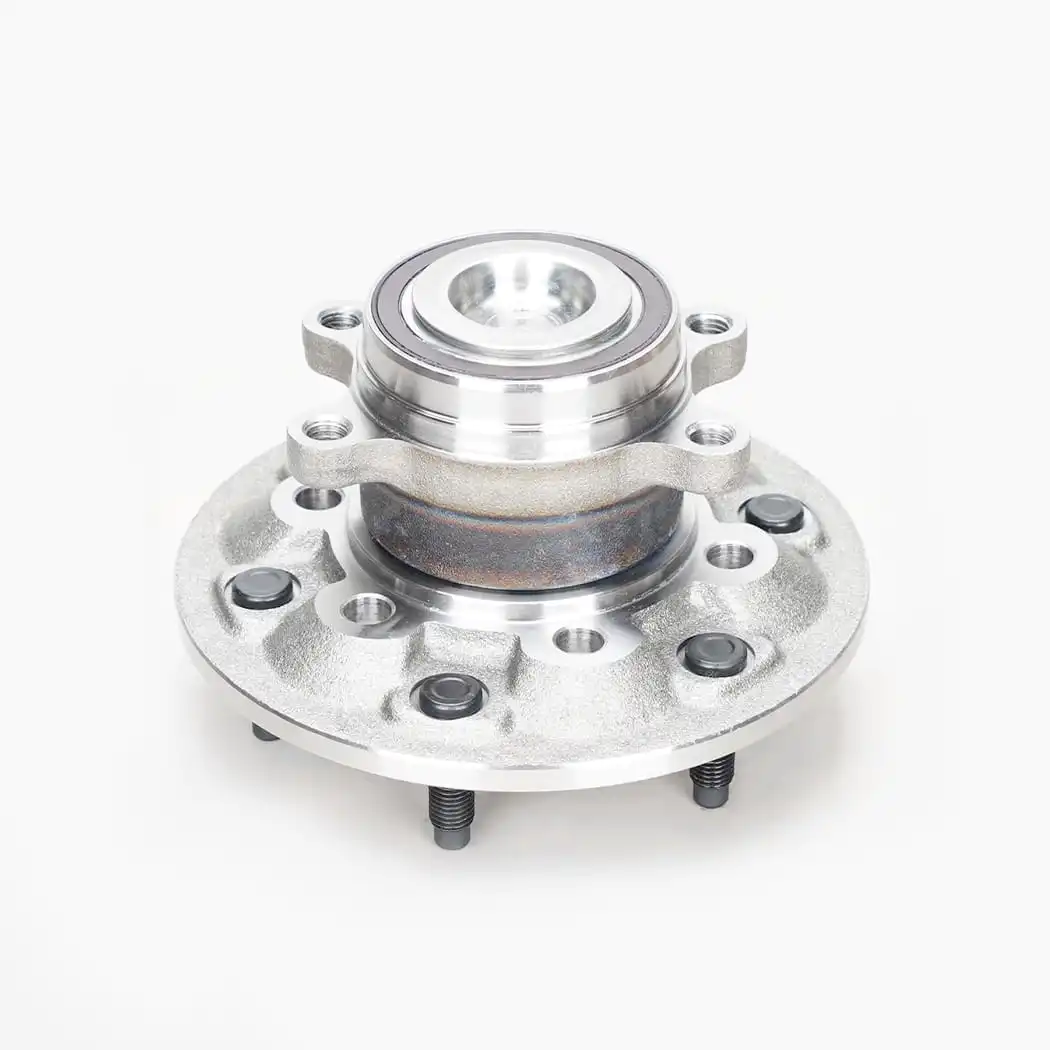
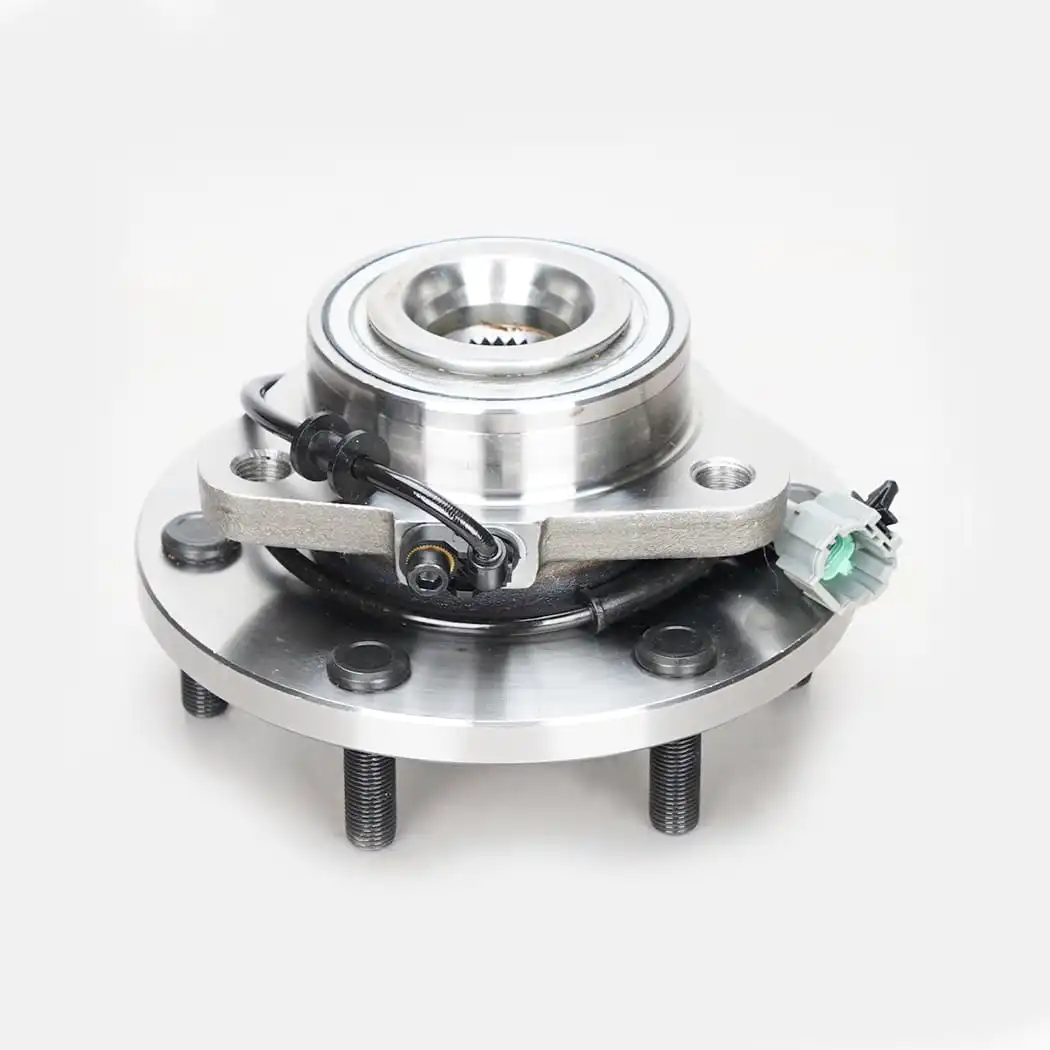
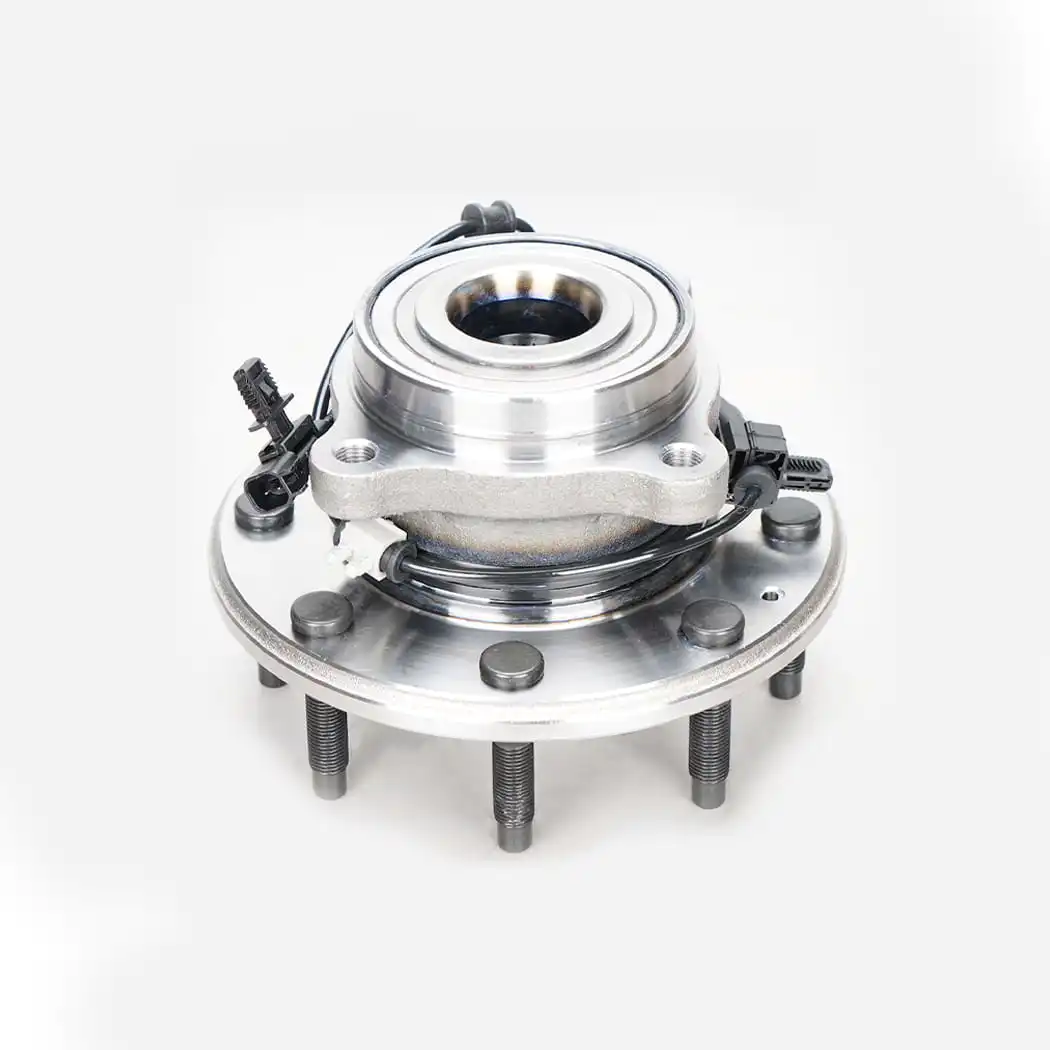
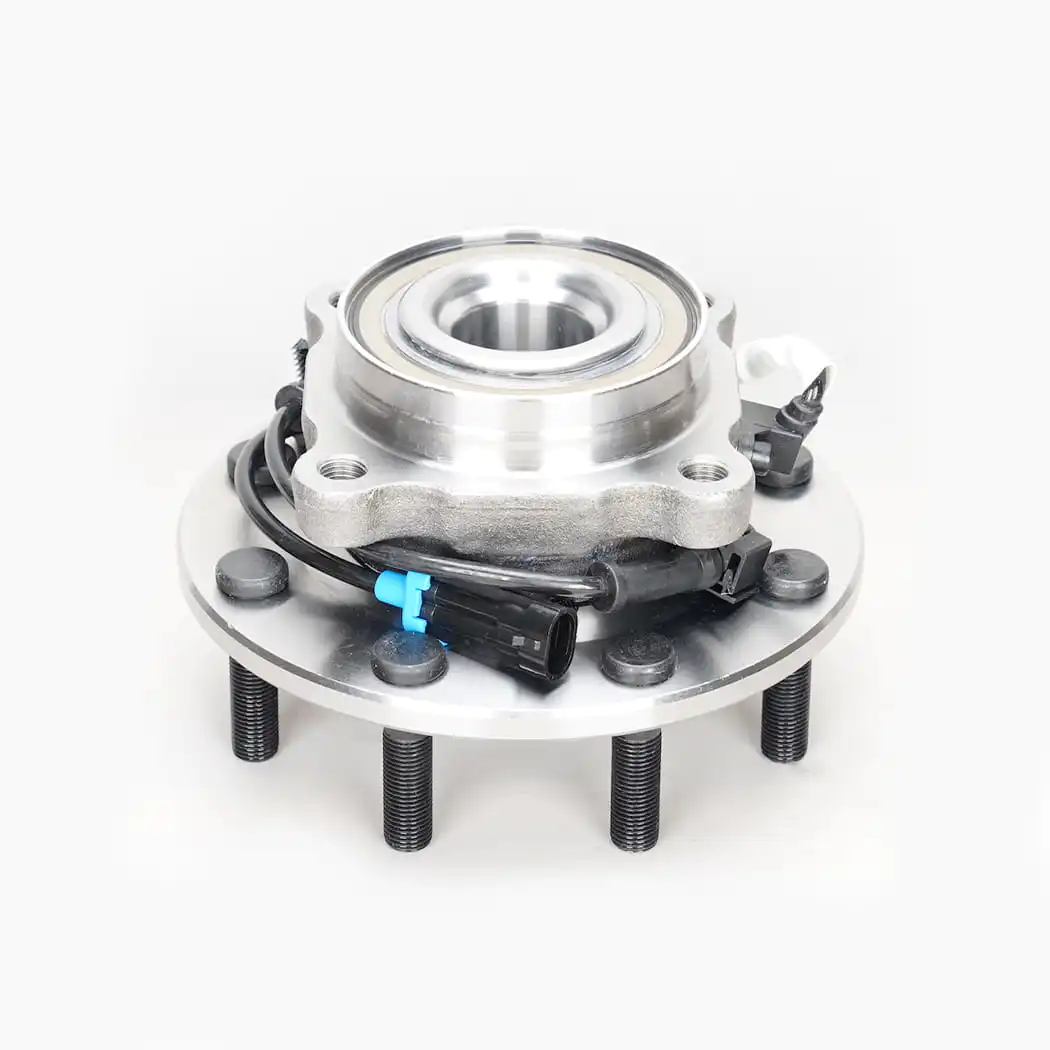
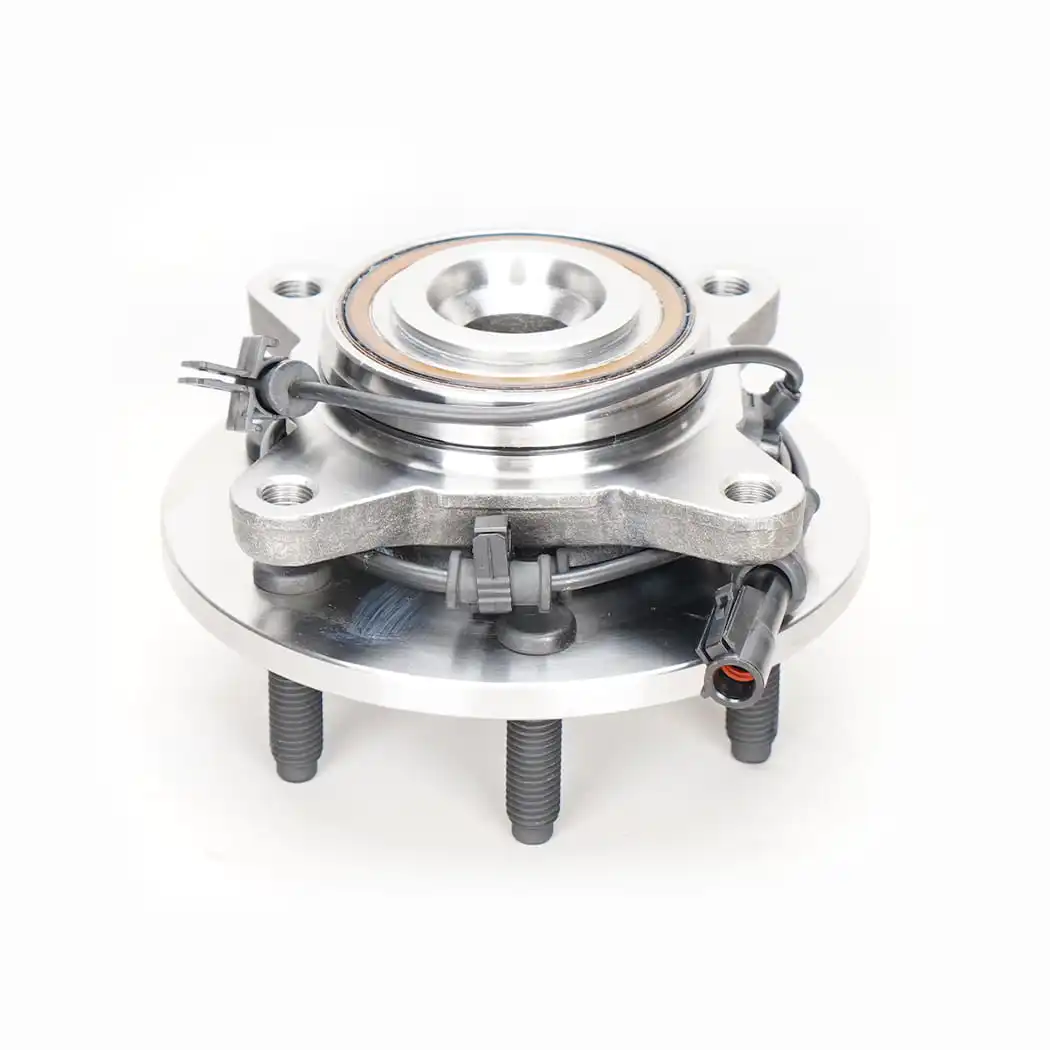
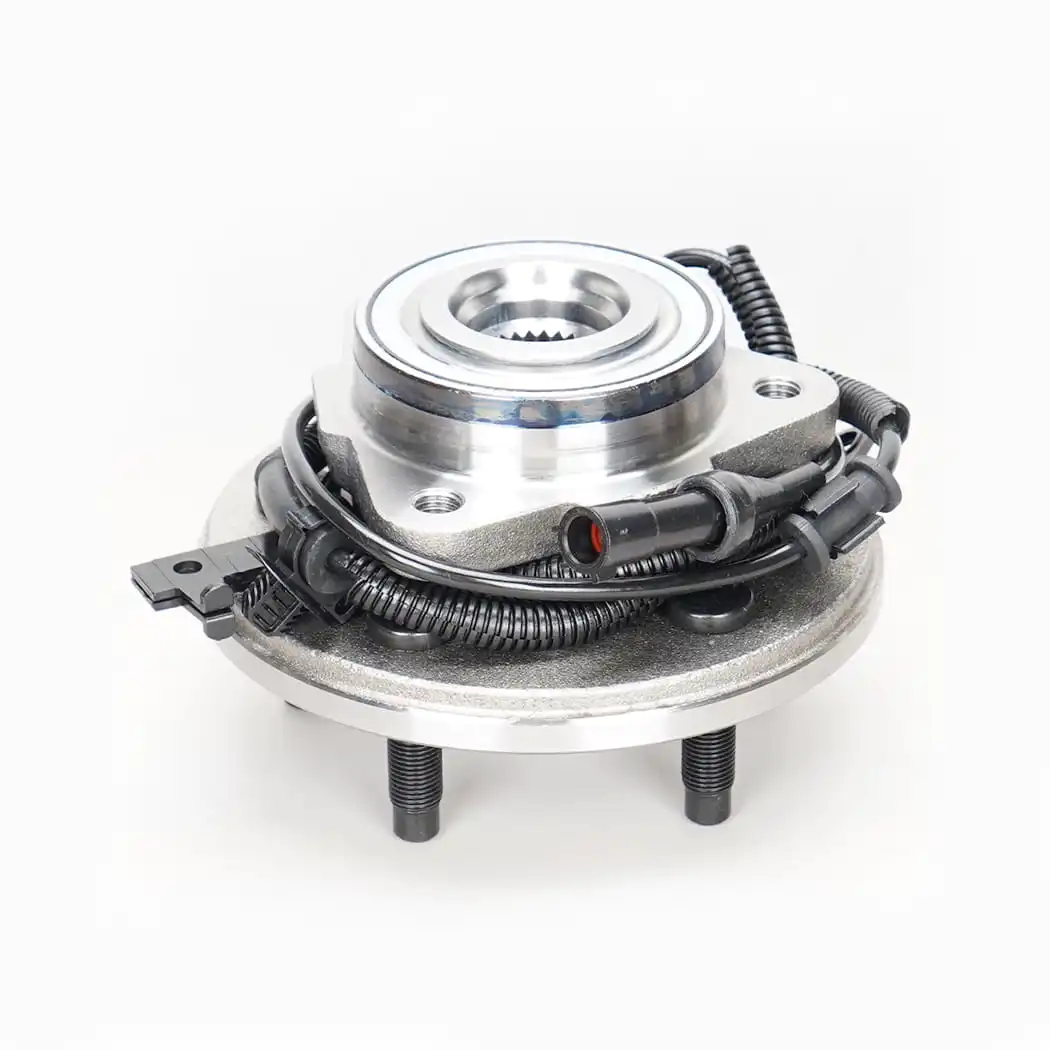
A wheel bearing is a critical component that allows your vehicle’s wheels to rotate smoothly with minimal friction. It is typically a set of steel balls or rollers held together by a metal ring, positioned inside the wheel hub.
In modern vehicles, wheel bearings are often integrated into a hub bearing assembly, making them easier to install and replace. Despite their small size, they carry the vehicle’s weight and handle significant stress during driving.
The wheel bearing reduces friction between the wheel and axle, allowing smooth rotation even at high speeds. It also supports both radial and axial loads generated by the vehicle’s weight and cornering forces.
Proper lubrication and sealing are essential for maintaining performance. Without them, the bearing can overheat, wear out quickly, or fail completely.
Different types of wheel bearings are used depending on vehicle design and performance requirements.
Ball bearings are the most common type and are suitable for handling both radial and thrust loads. They are widely used in passenger vehicles.
Roller bearings can carry heavier loads and are often used in trucks or heavy-duty vehicles. They provide greater durability under high stress.
Tapered wheel bearings are designed to handle both radial and axial loads effectively. They are commonly found in older vehicle designs or specific axle setups.
Recognizing early signs of wheel bearing failure can help avoid serious safety issues and costly repairs.
If any of these symptoms appear, it is important to inspect and replace the wheel bearing promptly to ensure safe driving.
Selecting the correct wheel bearing involves more than just matching the size. Several practical factors should be considered.
Making the right choice can significantly improve durability and reduce maintenance frequency.
Replacing a wheel bearing can vary in complexity depending on the vehicle design. Some modern cars use hub assemblies that simplify the process, while others require pressing bearings in and out.
It is generally recommended to replace wheel bearings in pairs (both front or both rear) to maintain balanced performance. Professional installation is often preferred to ensure proper fit and torque.
Proper maintenance can help extend the life of your wheel bearings and improve vehicle safety.
Simple preventive measures can reduce wear and help avoid unexpected failures.
The wheel bearing is a small yet vital component that directly affects your vehicle’s safety, performance, and comfort. From enabling smooth rotation to supporting heavy loads, its role is essential in everyday driving.
By understanding how it works, recognizing warning signs, and choosing the right replacement, you can ensure reliable performance and a safer driving experience.
• ADD: 42705 Grand River Avenue, Suite 201, Novi. Michigan 48375, USA.
© Copyright 2017 HANGZHOU HANJI AUTO PARTS.CO.,LTD. All Rights Reserved. Wheel Hub Unit Manufacturer