Content
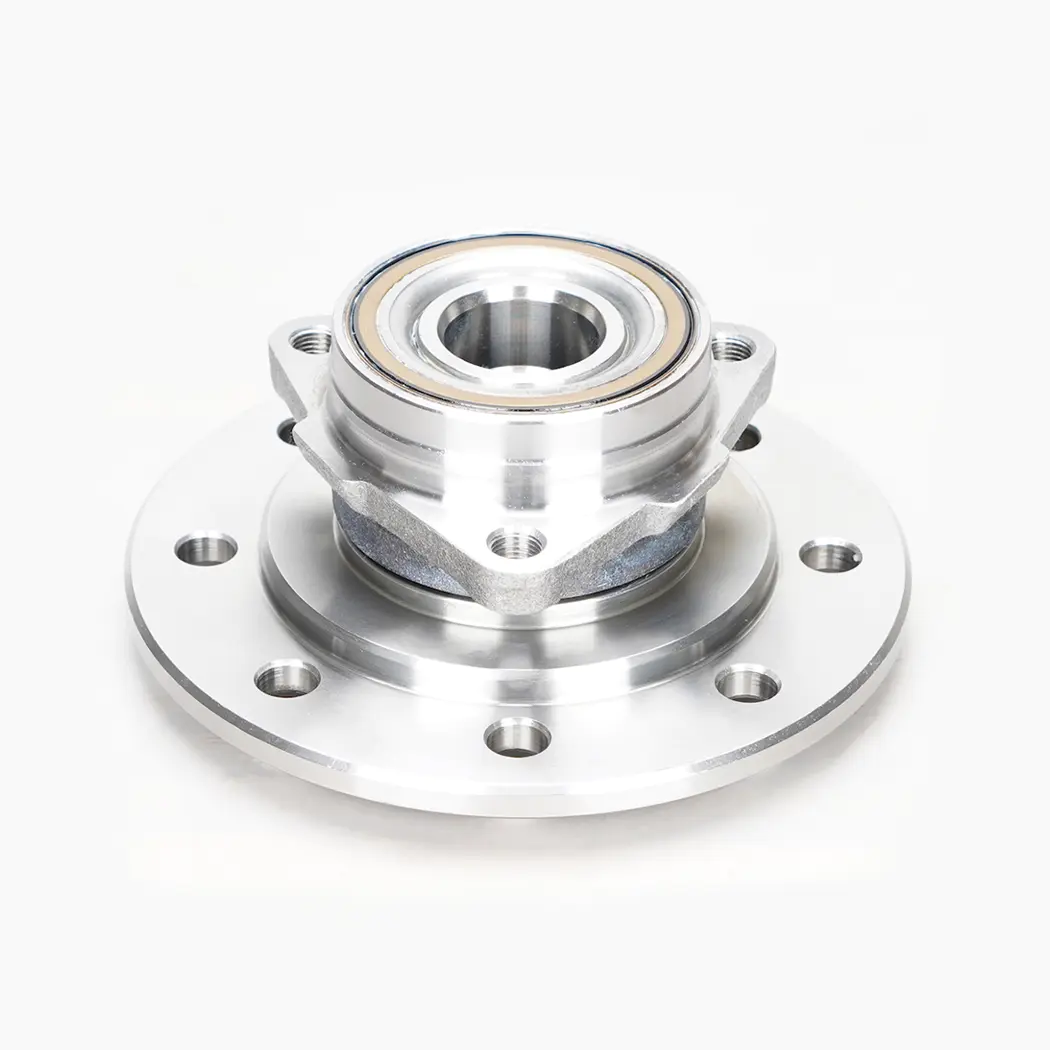
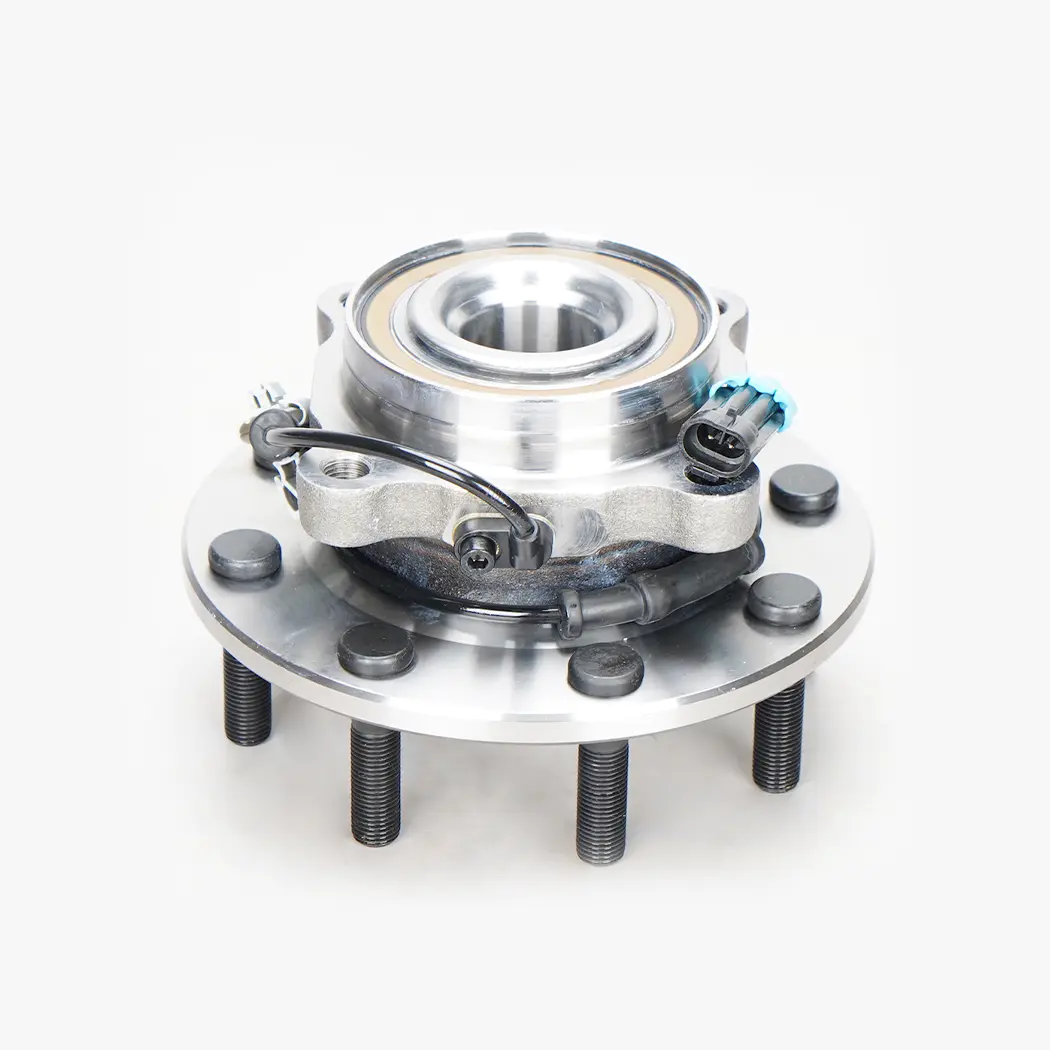
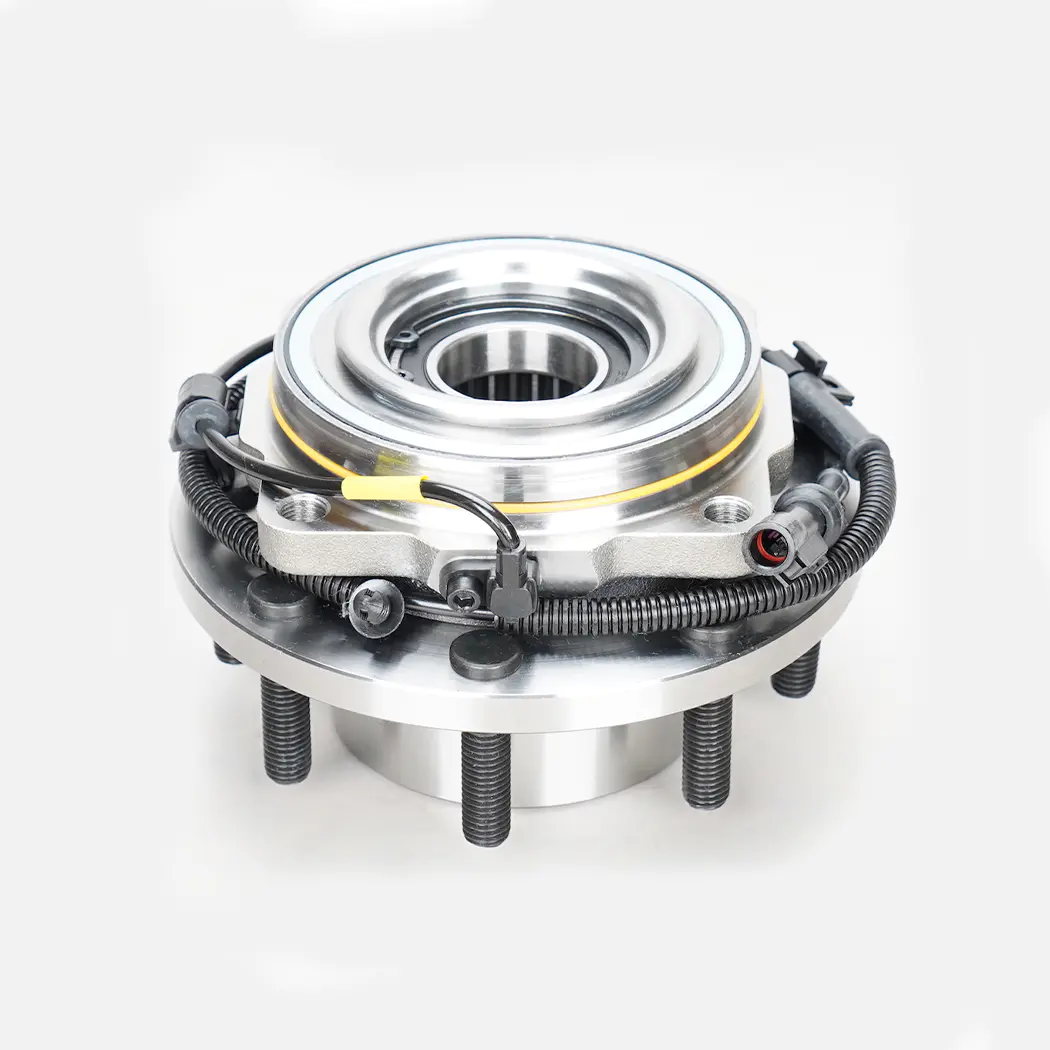
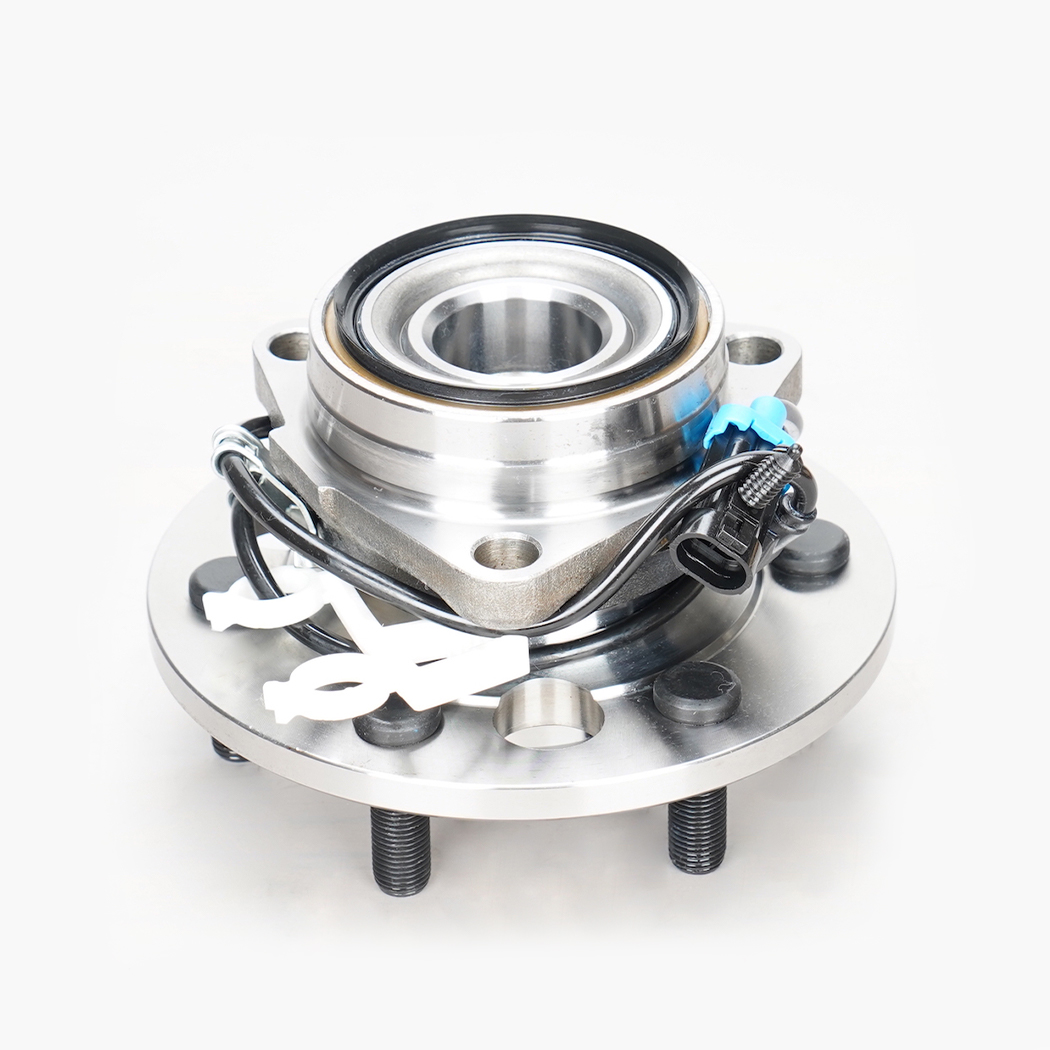
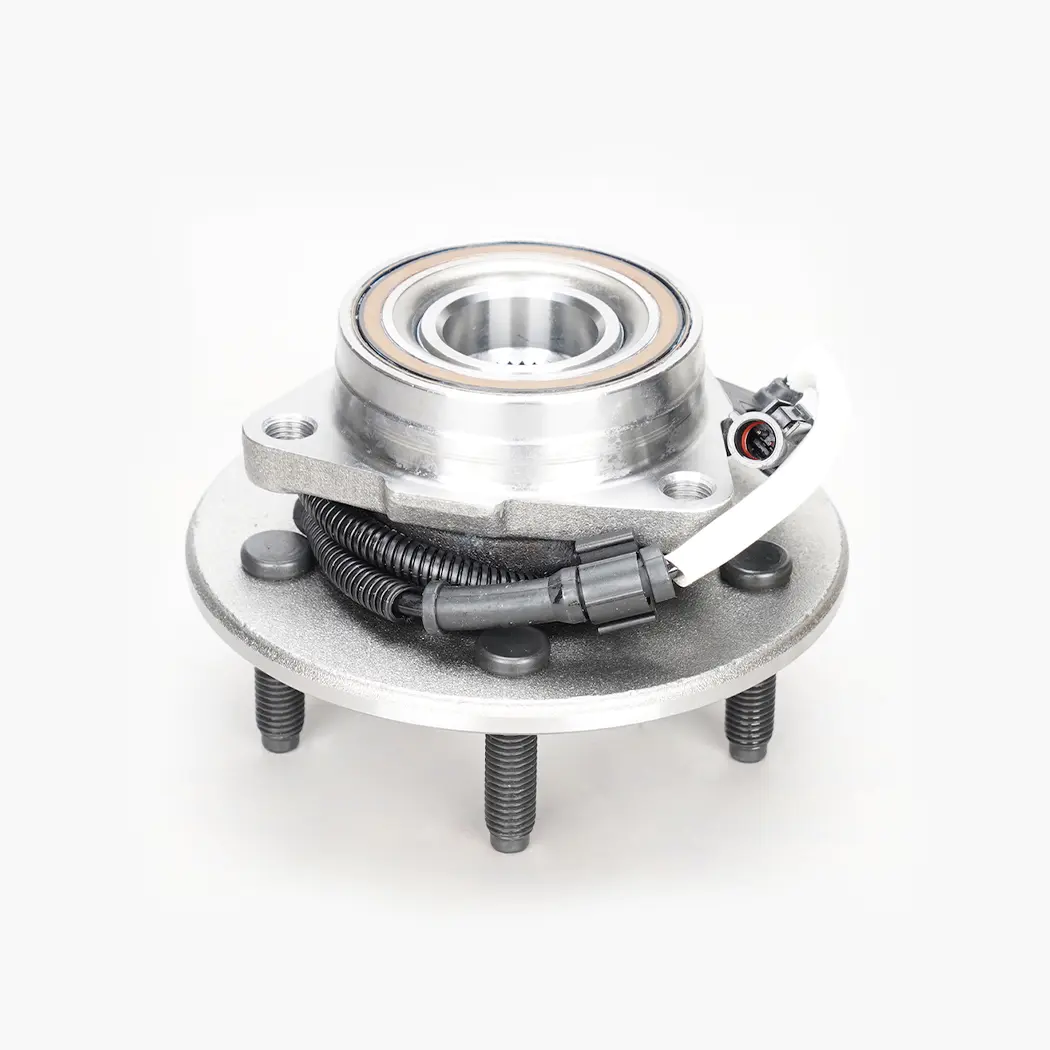
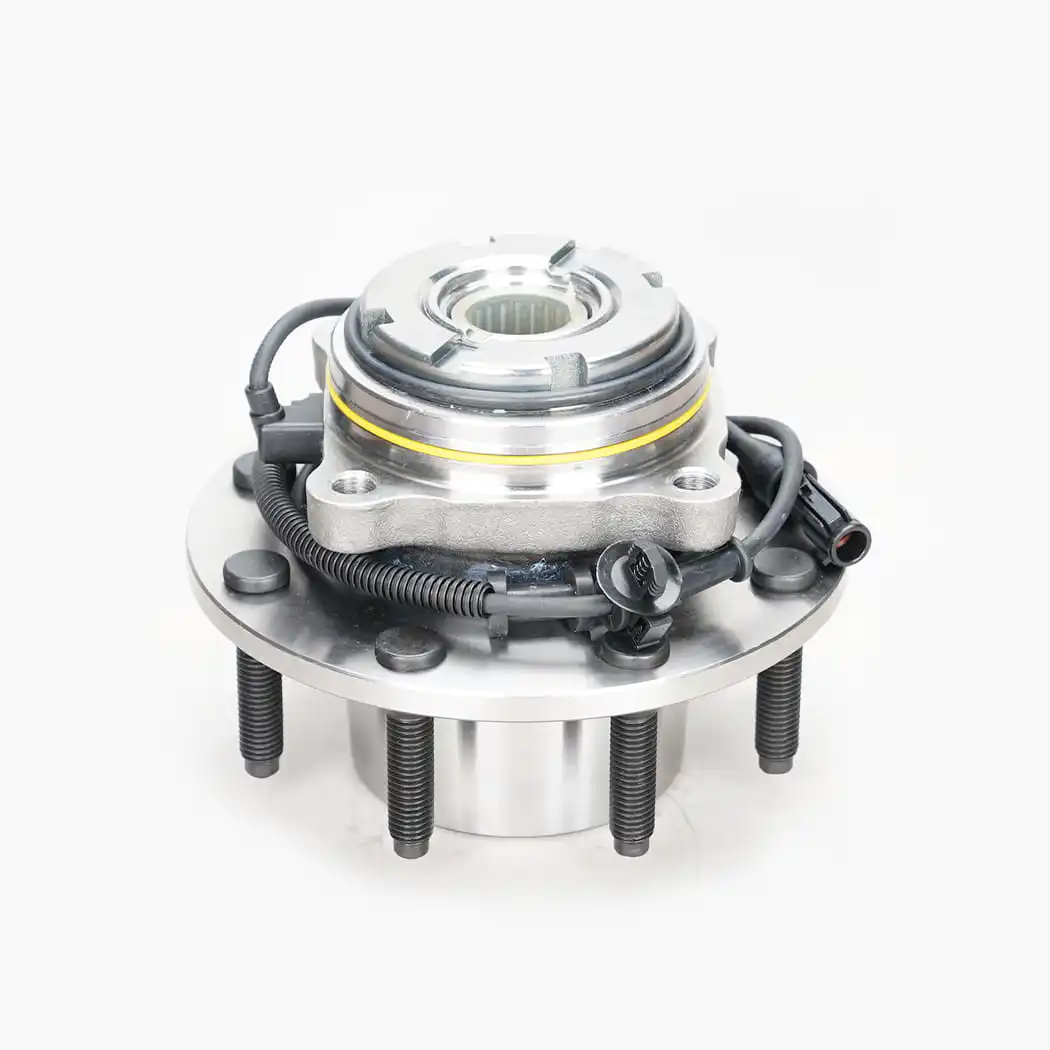
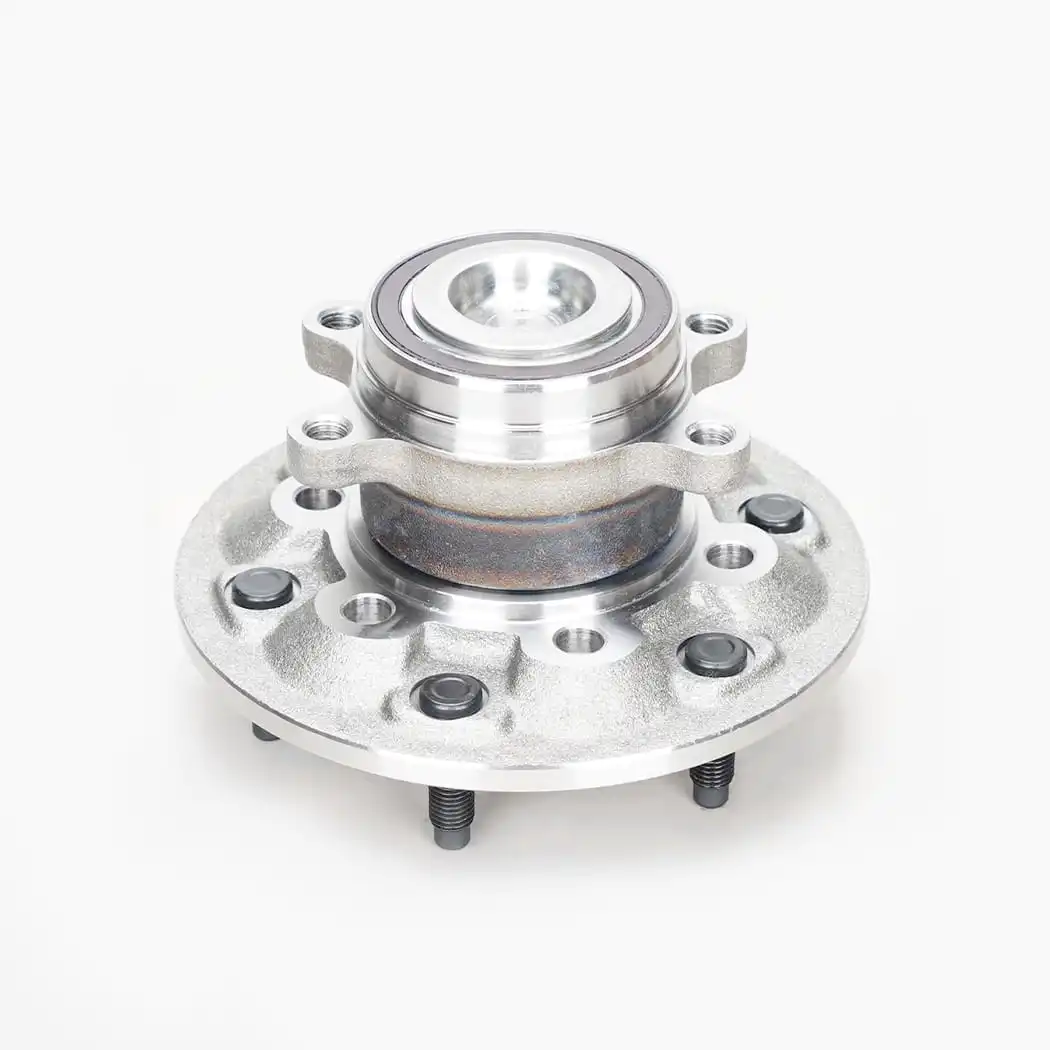
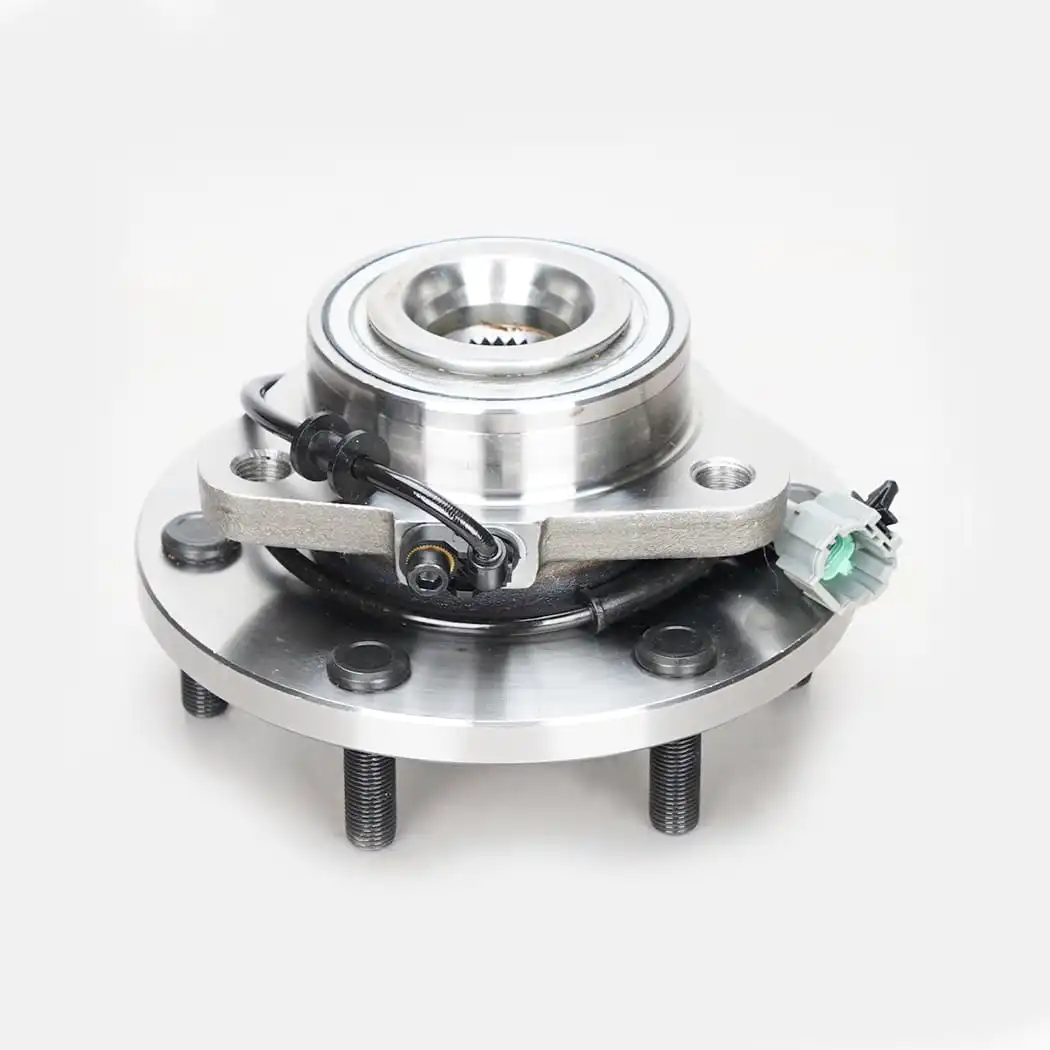
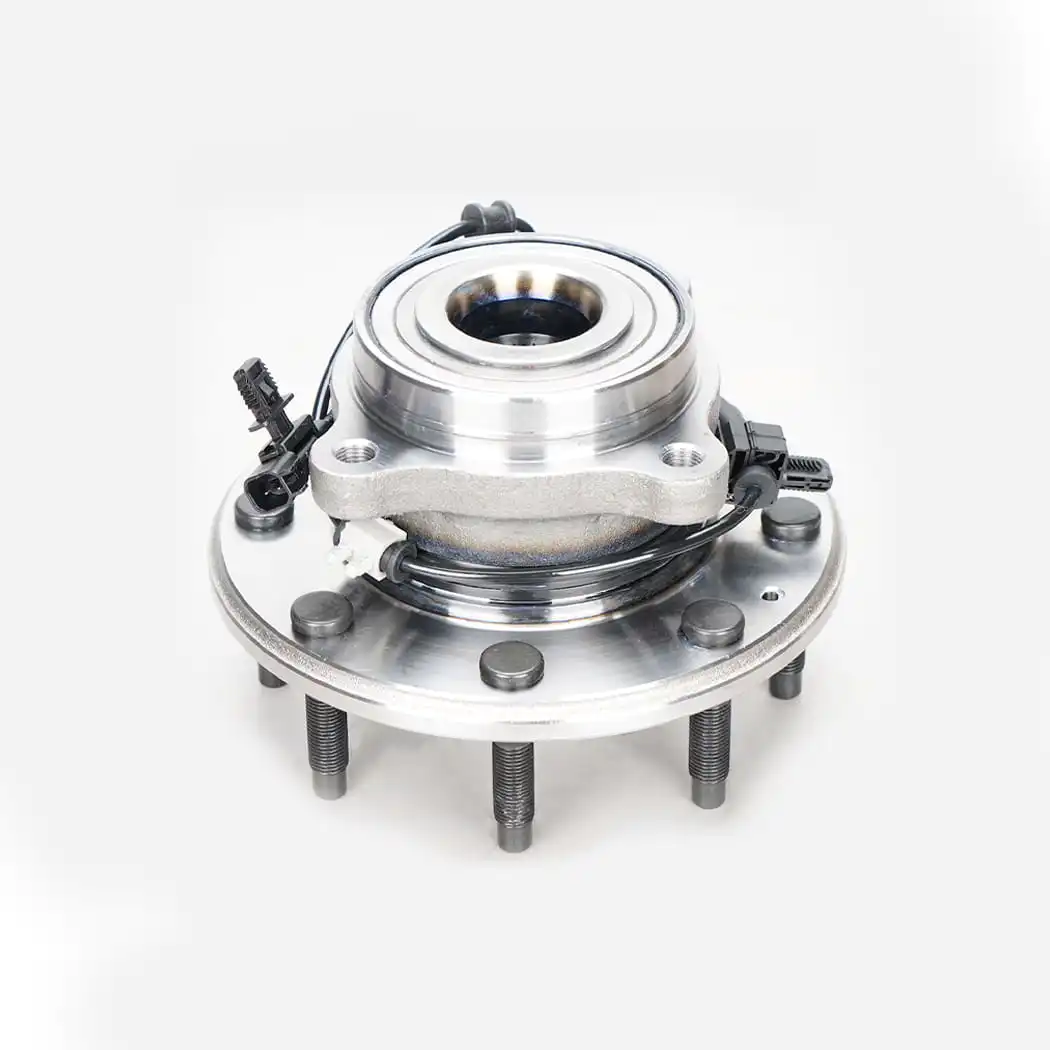
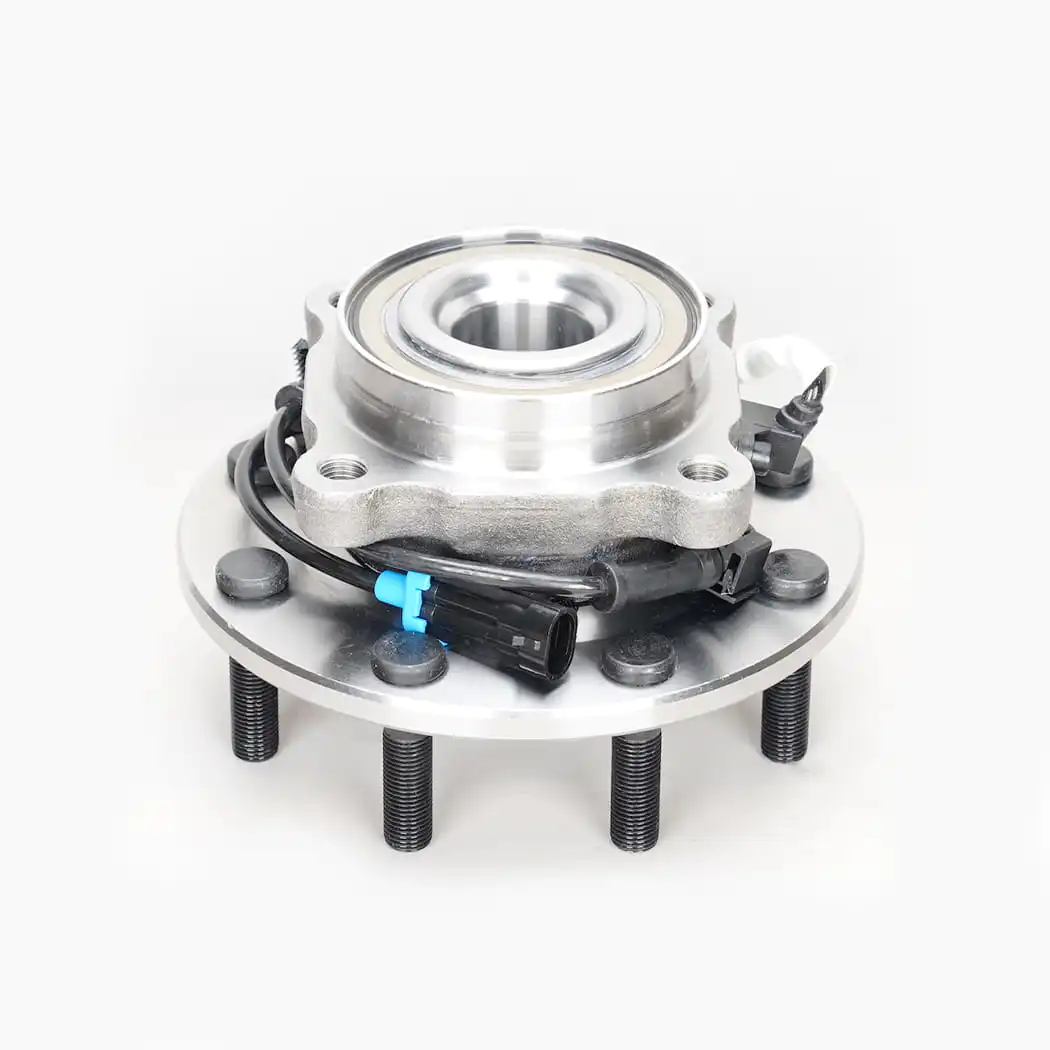
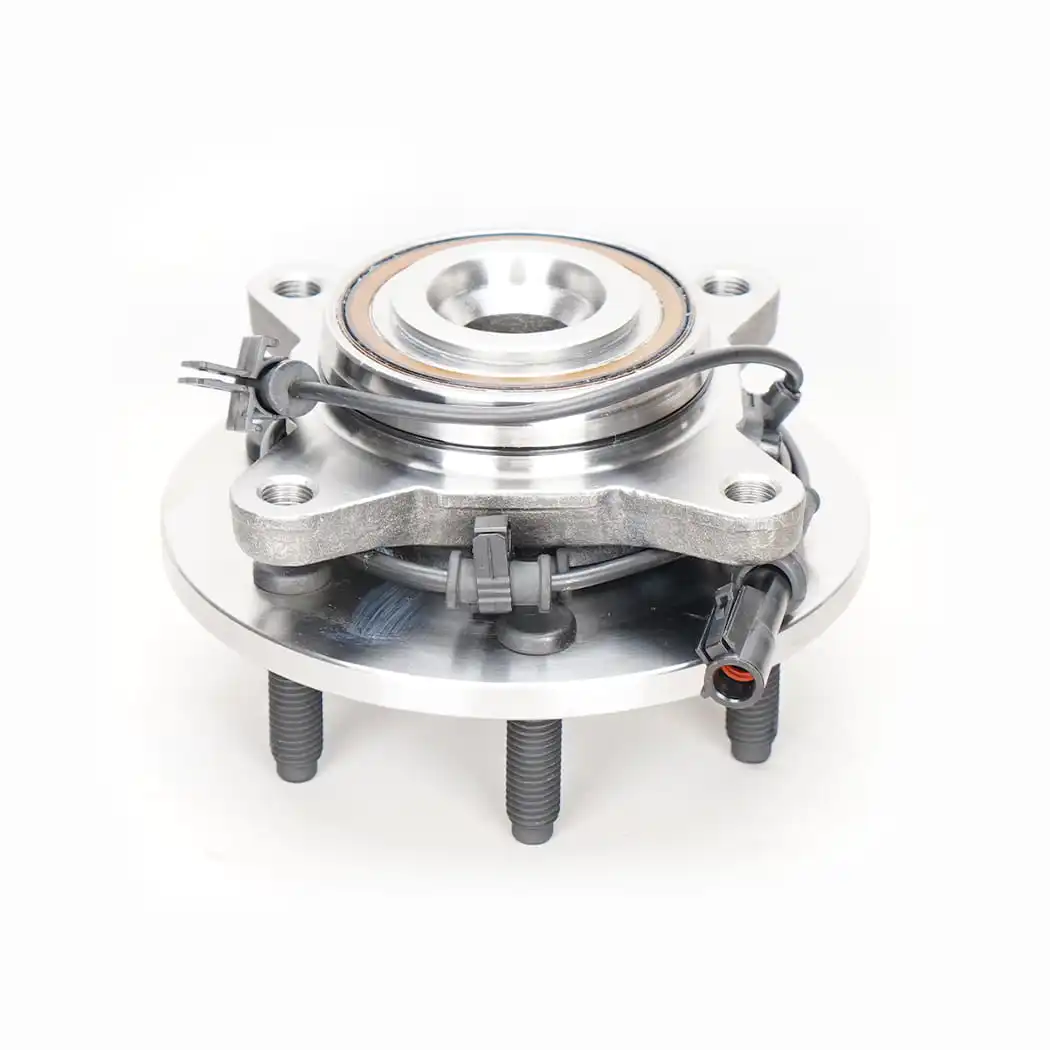
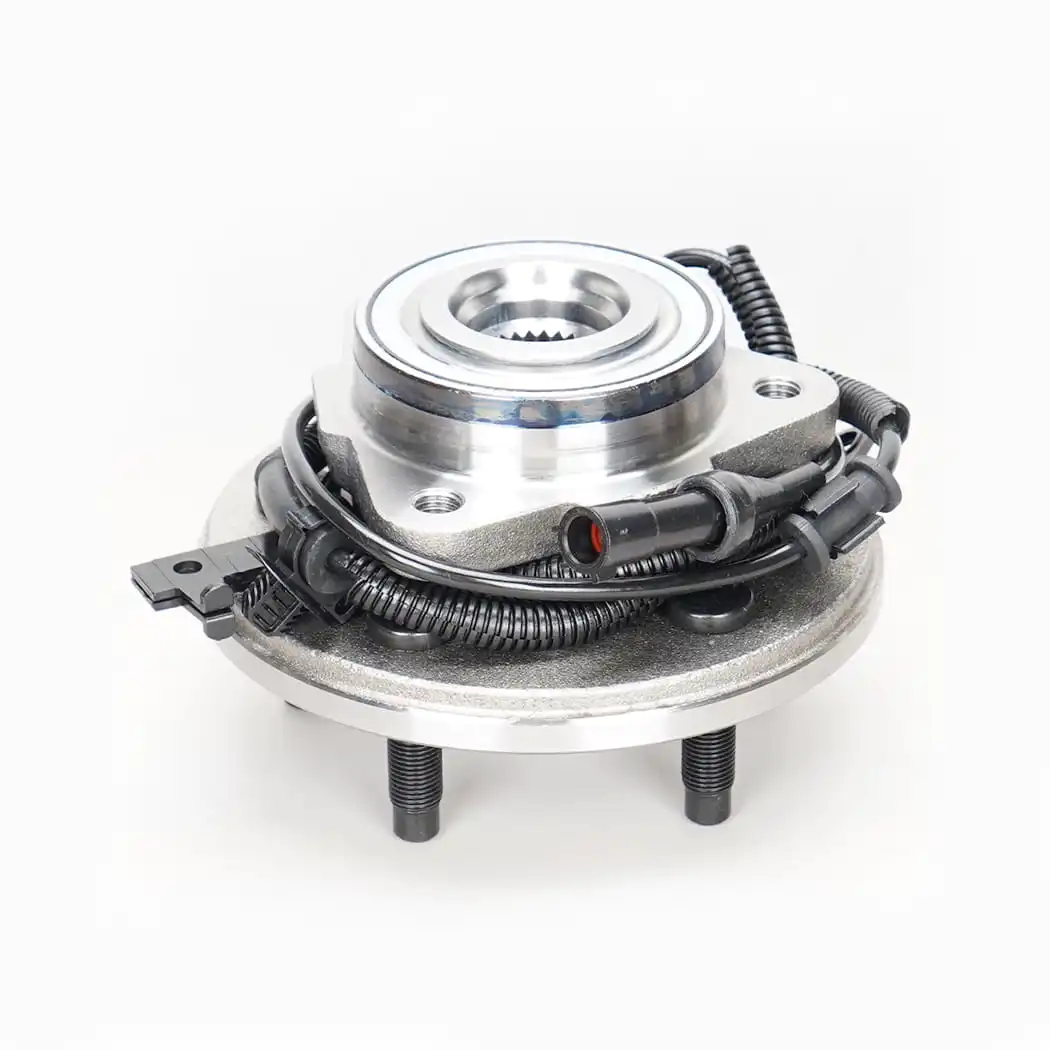
Vehicle wheel bearings are precision-engineered components that serve as the primary connection between the moving wheel and the stationary axle. Their dual purpose is to support the entire weight of the vehicle while ensuring the wheels can rotate with minimal friction. Most modern passenger vehicles utilize a hub assembly that houses these bearings in a sealed environment, often integrated with Anti-lock Braking System (ABS) sensors. Because they endure constant centrifugal force and heat, the integrity of the bearing directly impacts steering precision, fuel efficiency, and, most importantly, driver safety.
A wheel bearing consists of a set of steel balls or rollers held together by a metal ring known as a race. These are lubricated with heavy-duty grease to prevent metal-on-metal contact. When a bearing begins to fail, the friction increases exponentially, leading to heat buildup that can eventually cause the wheel to seize or, in extreme cases, detach from the vehicle entirely. Understanding how these components operate is the first step in preventing costly mechanical failures.
The most common indicator of a failing wheel bearing is a humming, growling, or chirping noise that changes in pitch with the speed of the vehicle. Unlike engine noise, this sound persists even if the car is coasting in neutral. A key diagnostic trick is to observe if the sound intensifies when turning; for instance, if the noise gets louder during a right-hand turn, the load is shifting to the left side, suggesting the left-side bearing is compromised.
Beyond noise, a failing bearing often manifests through physical feedback in the steering wheel or brake pedal. Drivers may experience "steering wander," where the car feels loose or unresponsive, or a vibration that resonates through the floorboards. In advanced stages of wear, the ABS warning light may illuminate on the dashboard because the wobbling wheel hub prevents the speed sensor from getting an accurate reading.
Depending on the vehicle's weight and intended use, manufacturers employ different bearing designs. Light-duty passenger cars typically use ball bearings for efficiency, while heavy-duty trucks and SUVs often utilize tapered roller bearings to handle higher radial and axial loads.
| Bearing Type | Common Application | Primary Advantage |
| Ball Bearings | Sedans & Hatchbacks | Low friction, high speed |
| Tapered Roller | Trucks & Towing Vehicles | High load-bearing capacity |
| Hub Unit Bearings | Modern AWD/FWD Vehicles | Maintenance-free, easy install |
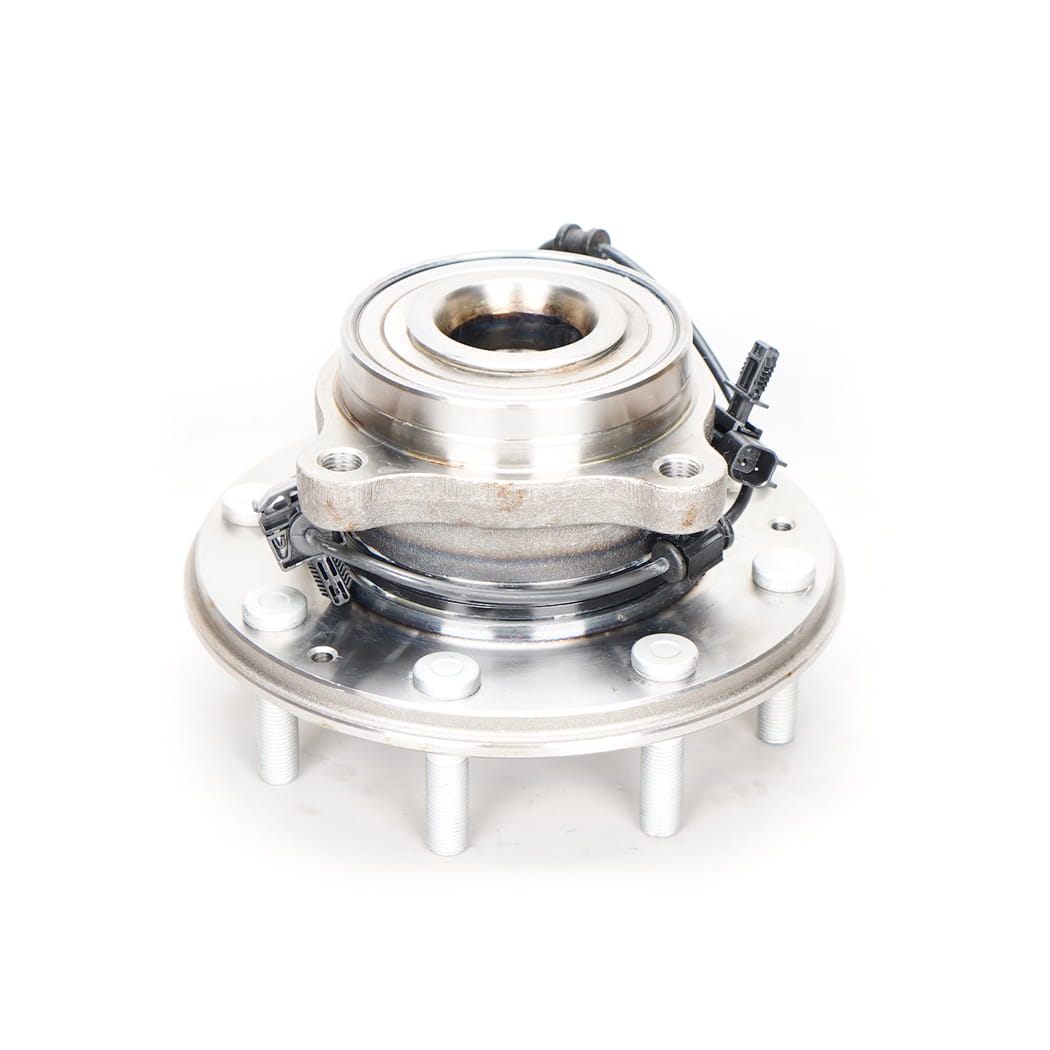
While wheel bearings are designed to last between 85,000 and 100,000 miles, several environmental and mechanical factors can significantly shorten their lifespan. Proactive drivers should be aware of these common "bearing killers" to avoid frequent replacements:
Maintenance for modern sealed hub bearings is generally hands-off; however, inspection is vital. During every tire rotation or brake service, a technician should perform a "shake test." By grabbing the wheel at the 12 and 6 o'clock positions and rocking it, any play or movement indicates that the bearing is worn and requires immediate replacement. If your vehicle uses older style serviceable bearings, they should be cleaned and repacked with fresh grease according to the manufacturer's intervals.
When replacement is necessary, it is highly recommended to replace bearings in pairs (both fronts or both rears). Because bearings on the same axle have traveled the same distance and endured the same road conditions, the failure of one is usually a harbinger for the other. Always ensure that the axle nut is tightened to the specific torque foot-pounds required by the manufacturer to ensure the proper "pre-load" on the bearing surfaces.
• ADD: 42705 Grand River Avenue, Suite 201, Novi. Michigan 48375, USA.
© Copyright 2017 HANGZHOU HANJI AUTO PARTS.CO.,LTD. All Rights Reserved. Wheel Hub Unit Manufacturer