Content
Wheel bearings are fundamental components of a vehicle's chassis system, acting as the primary connection between the moving wheels and the stationary axle or knuckle. Their primary function is to enable the wheels to rotate with minimal friction while simultaneously supporting the entire weight of the vehicle. In modern automotive engineering, these components are precision-engineered to withstand immense radial and axial loads, especially during high-speed cornering and braking. A failure in this component doesn't just result in noise; it compromises the structural integrity of the wheel assembly, potentially leading to catastrophic hub separation.
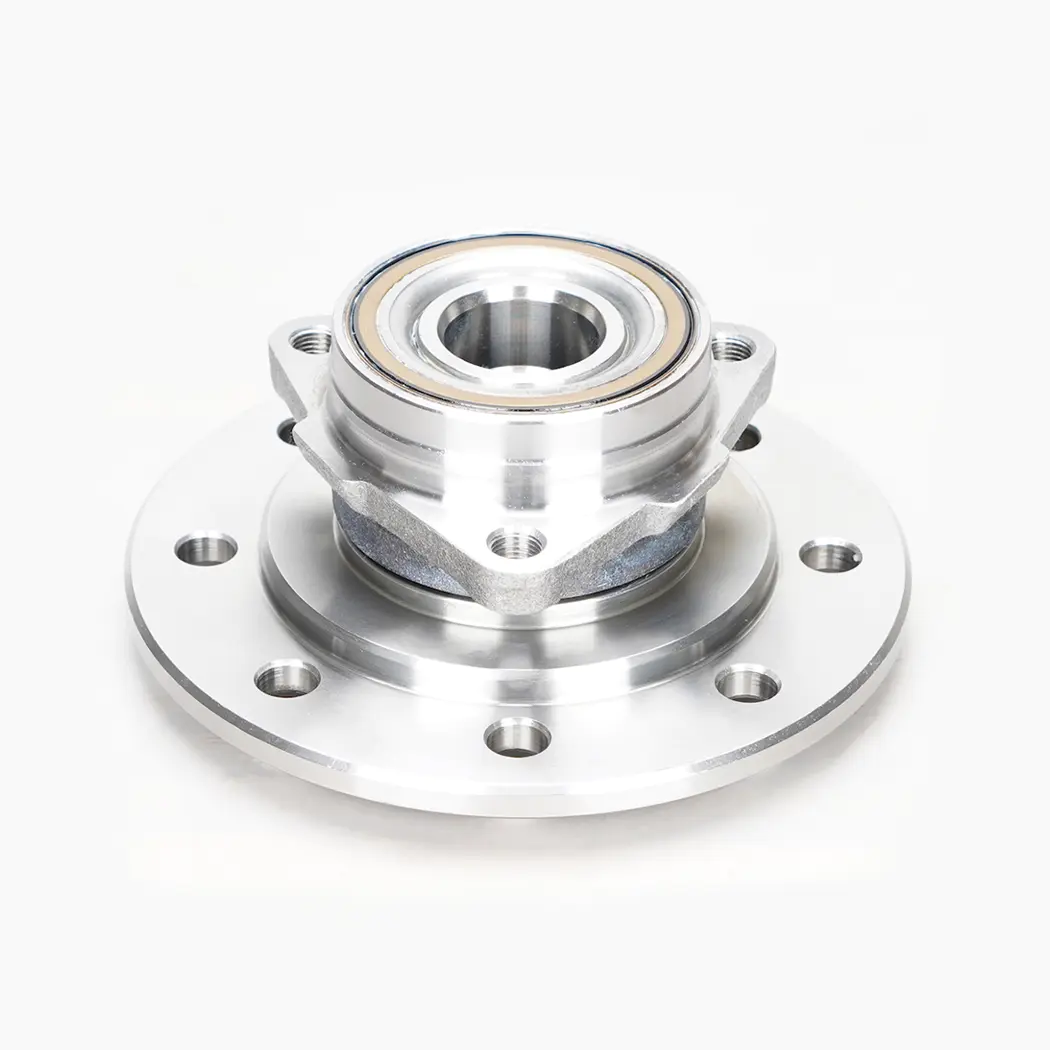
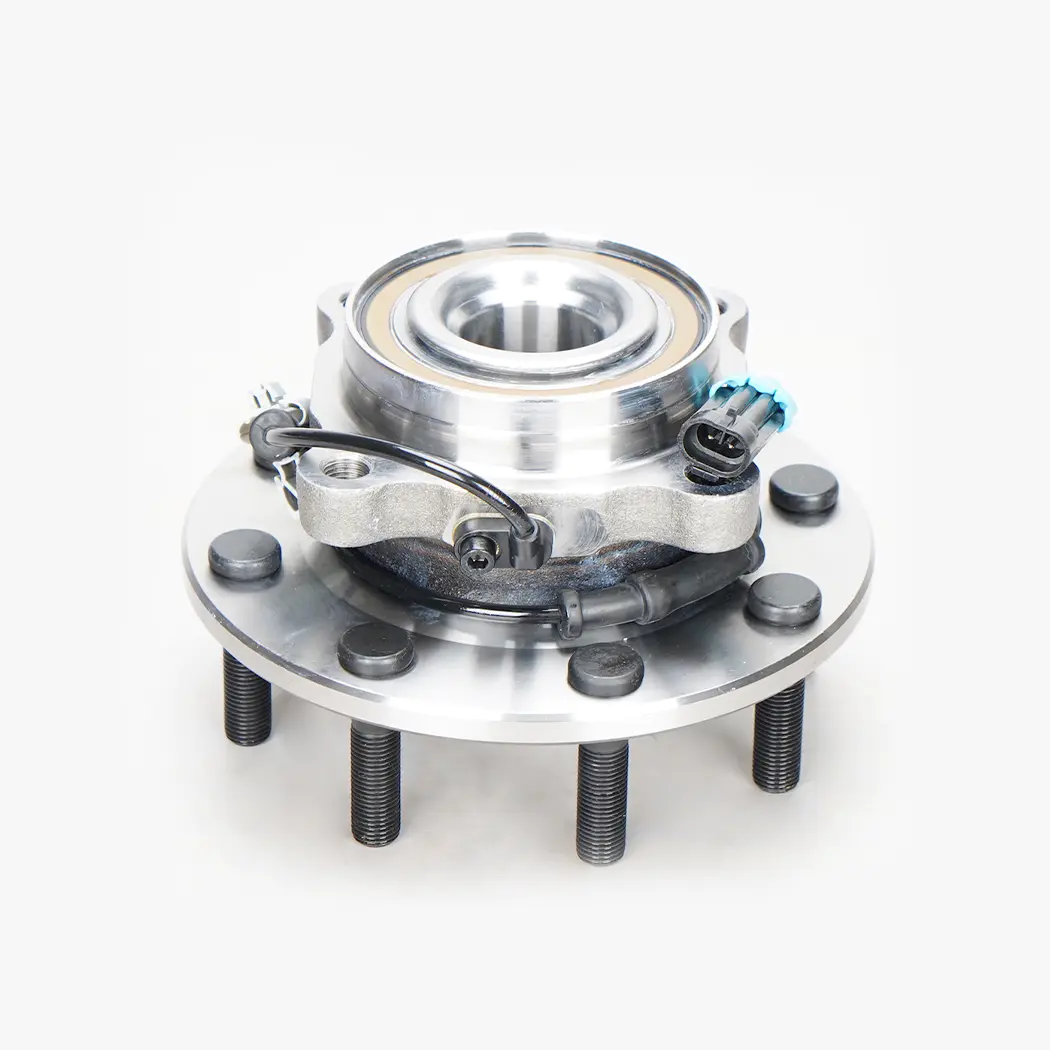
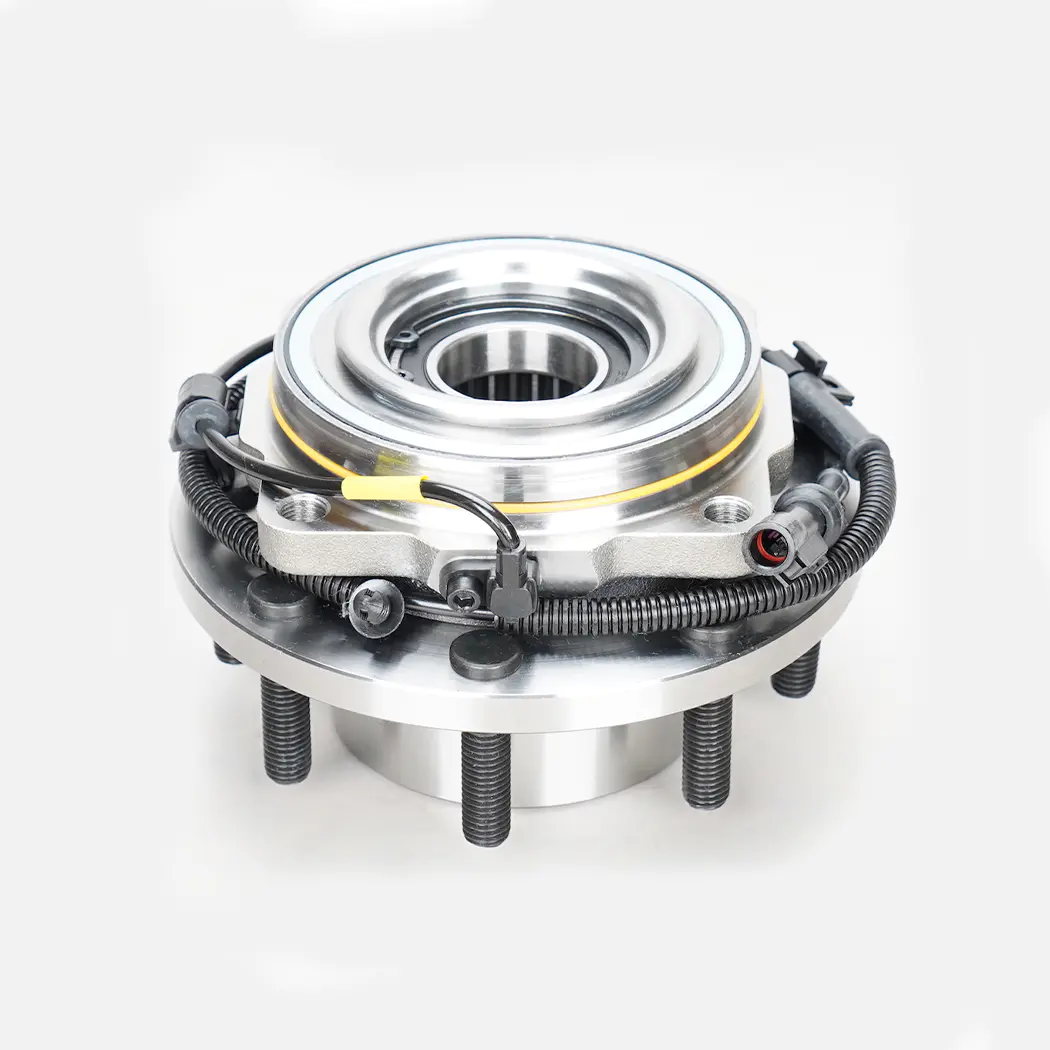
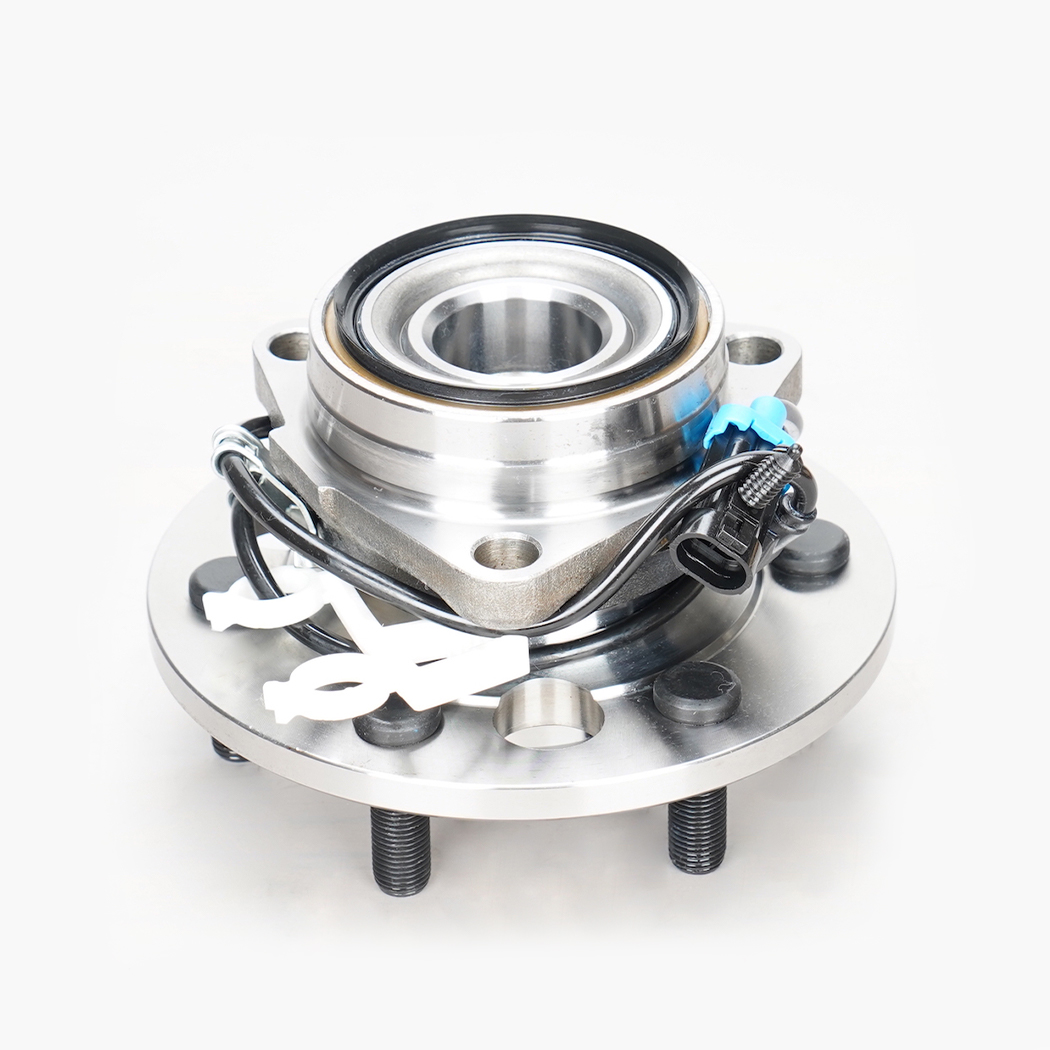
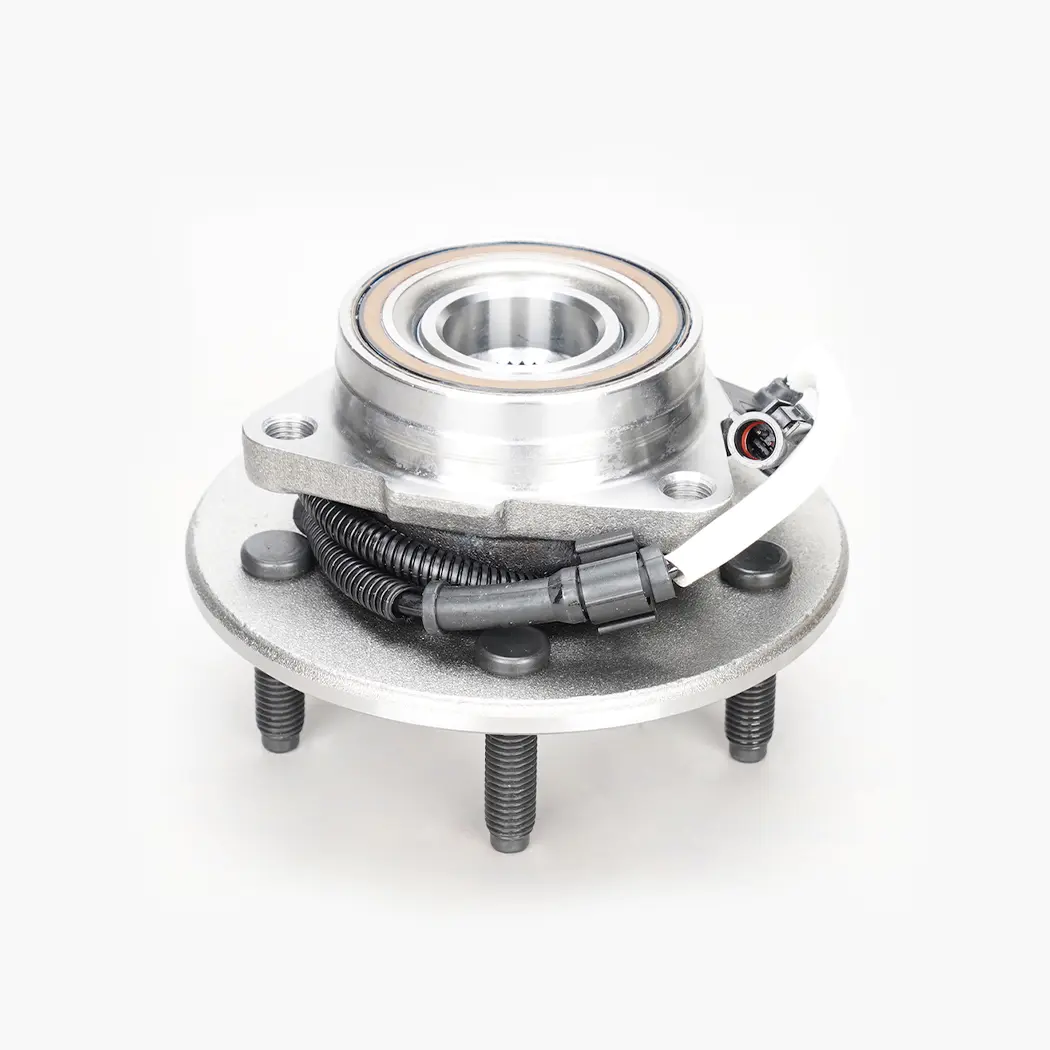
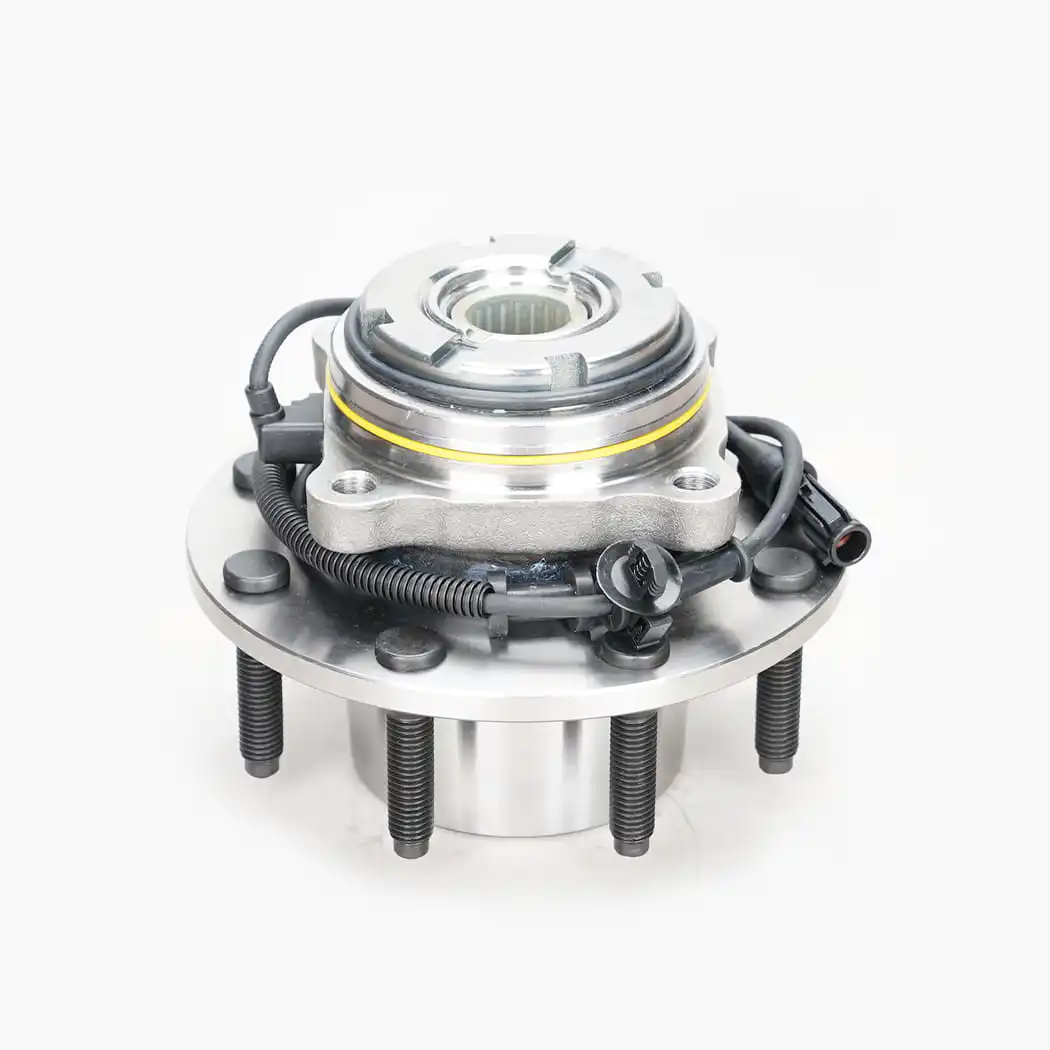
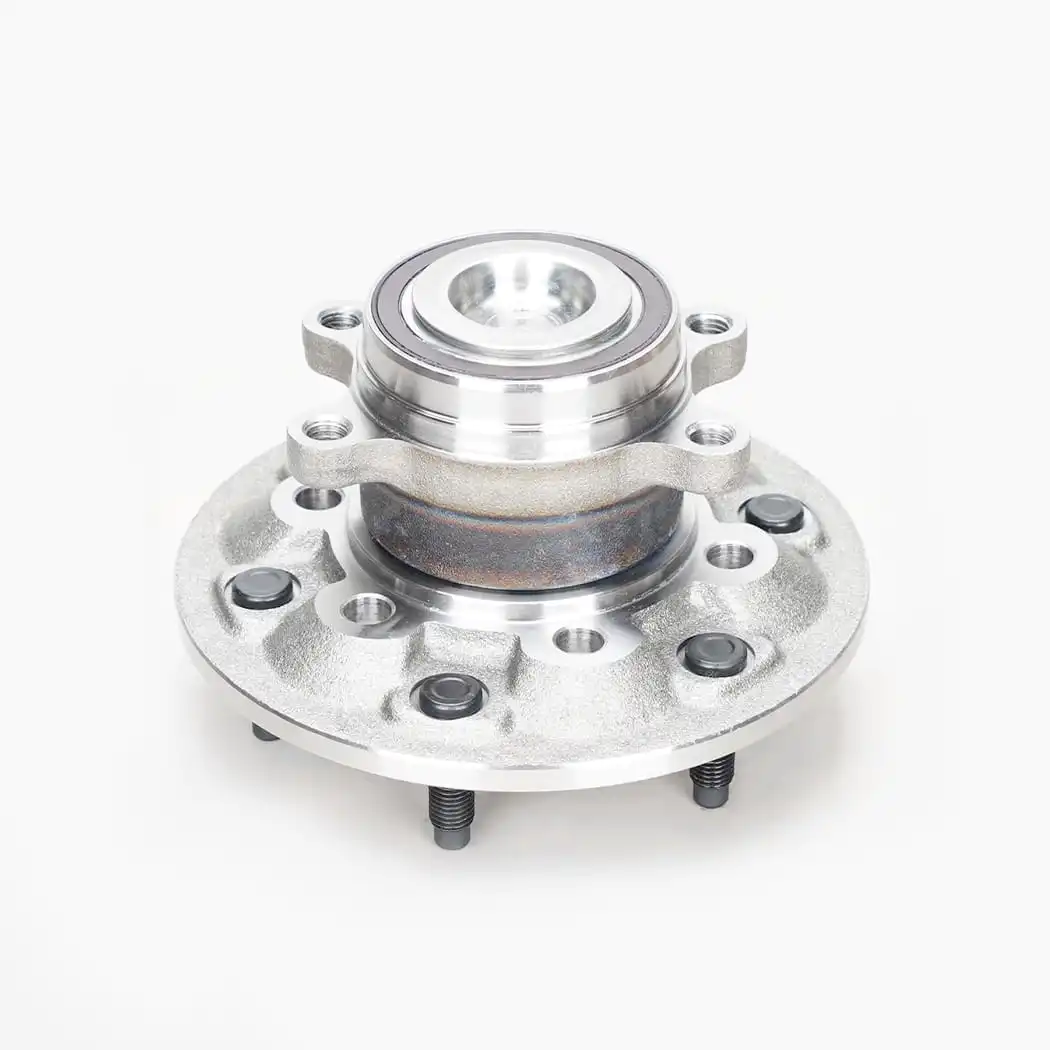
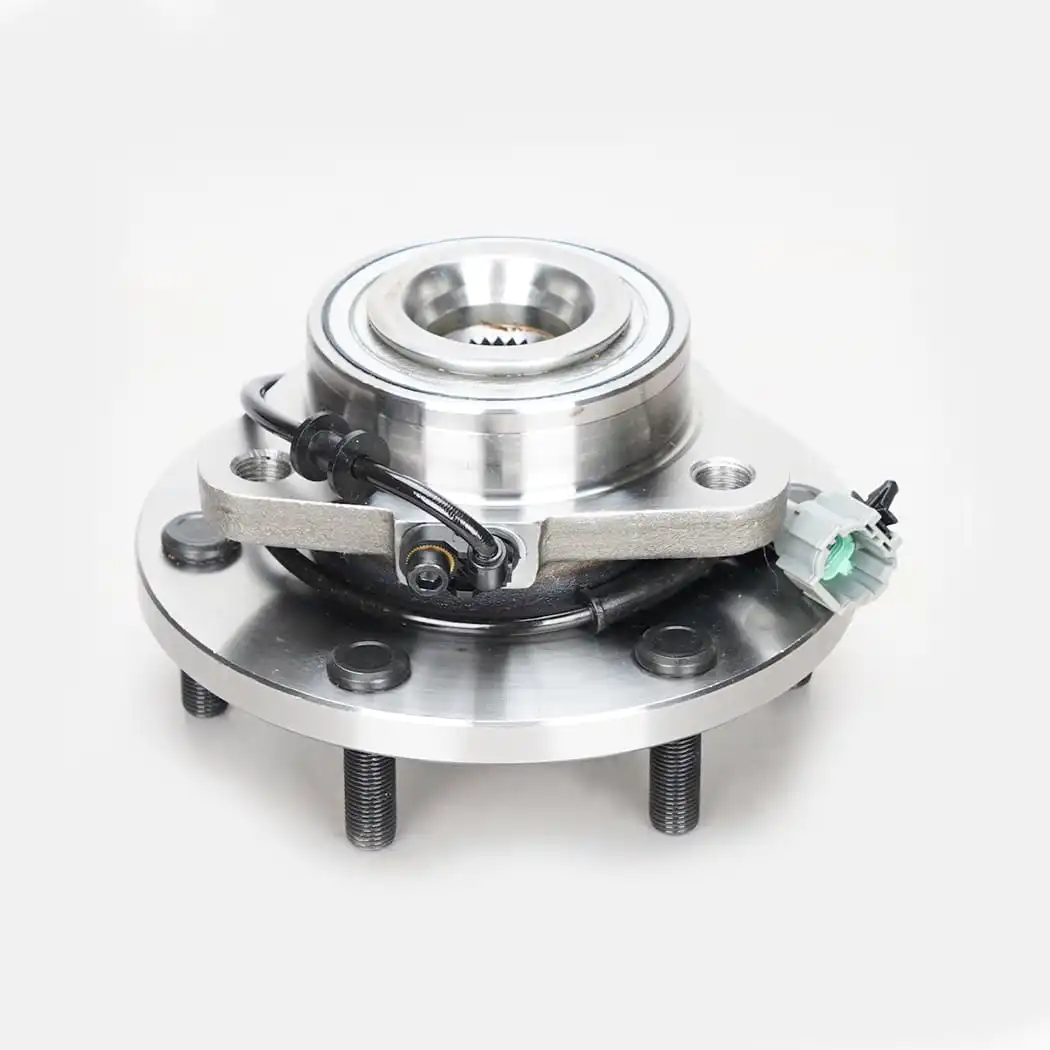
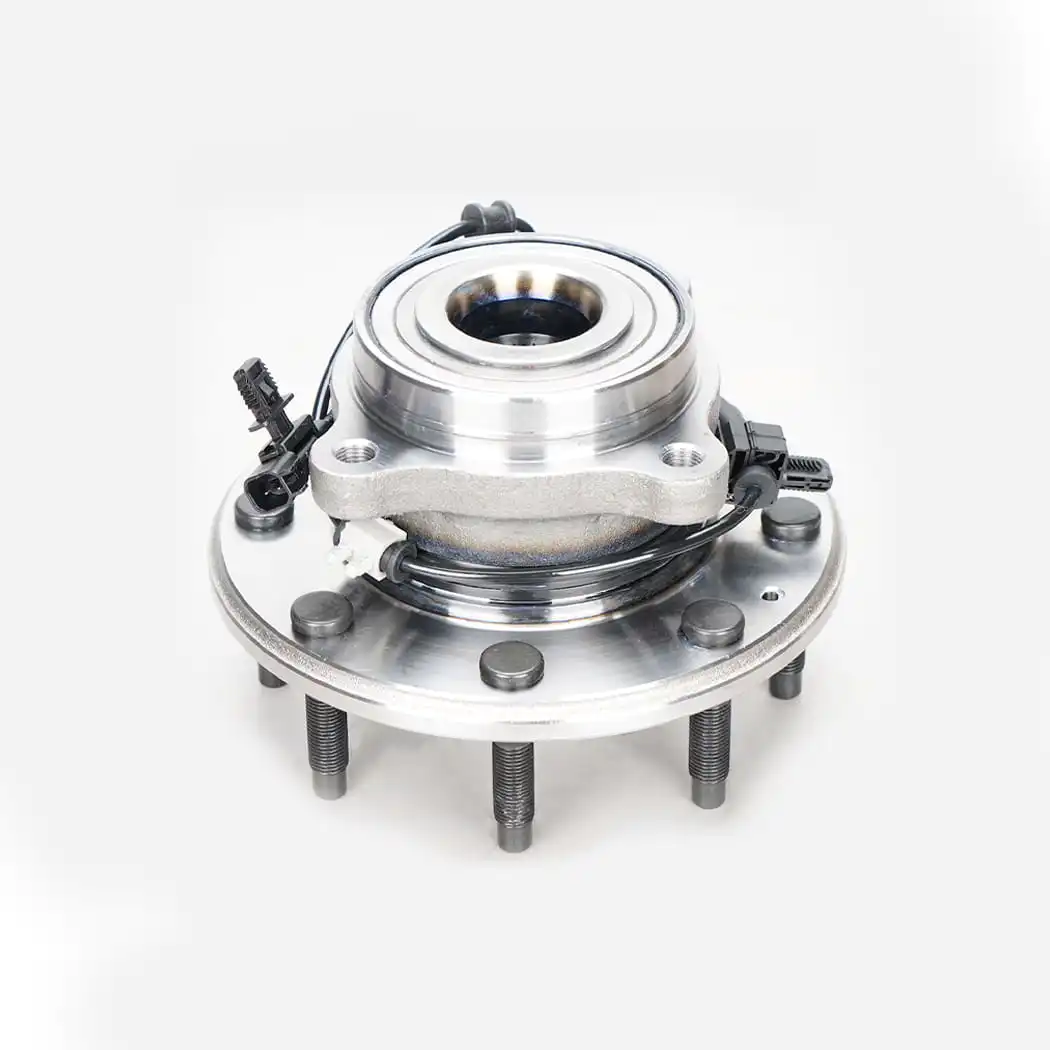
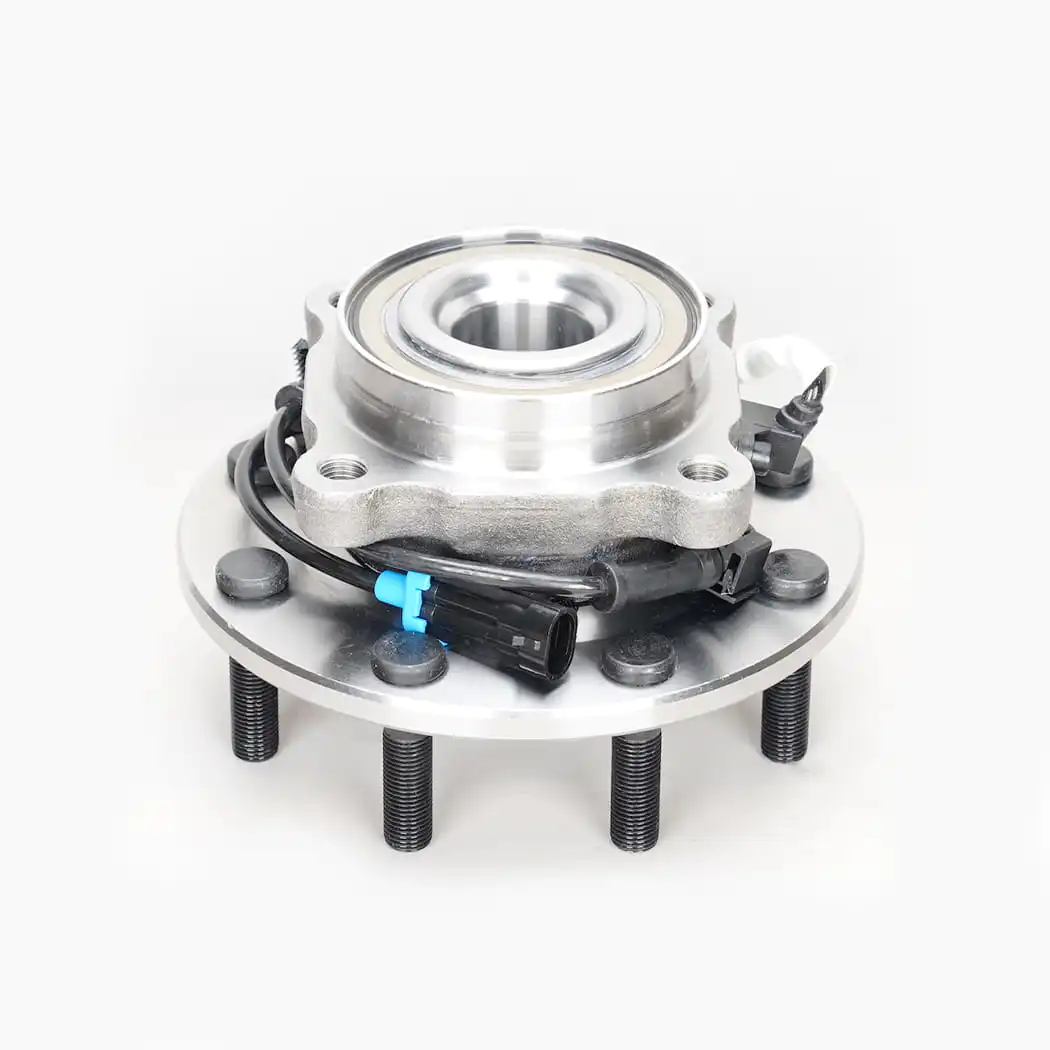
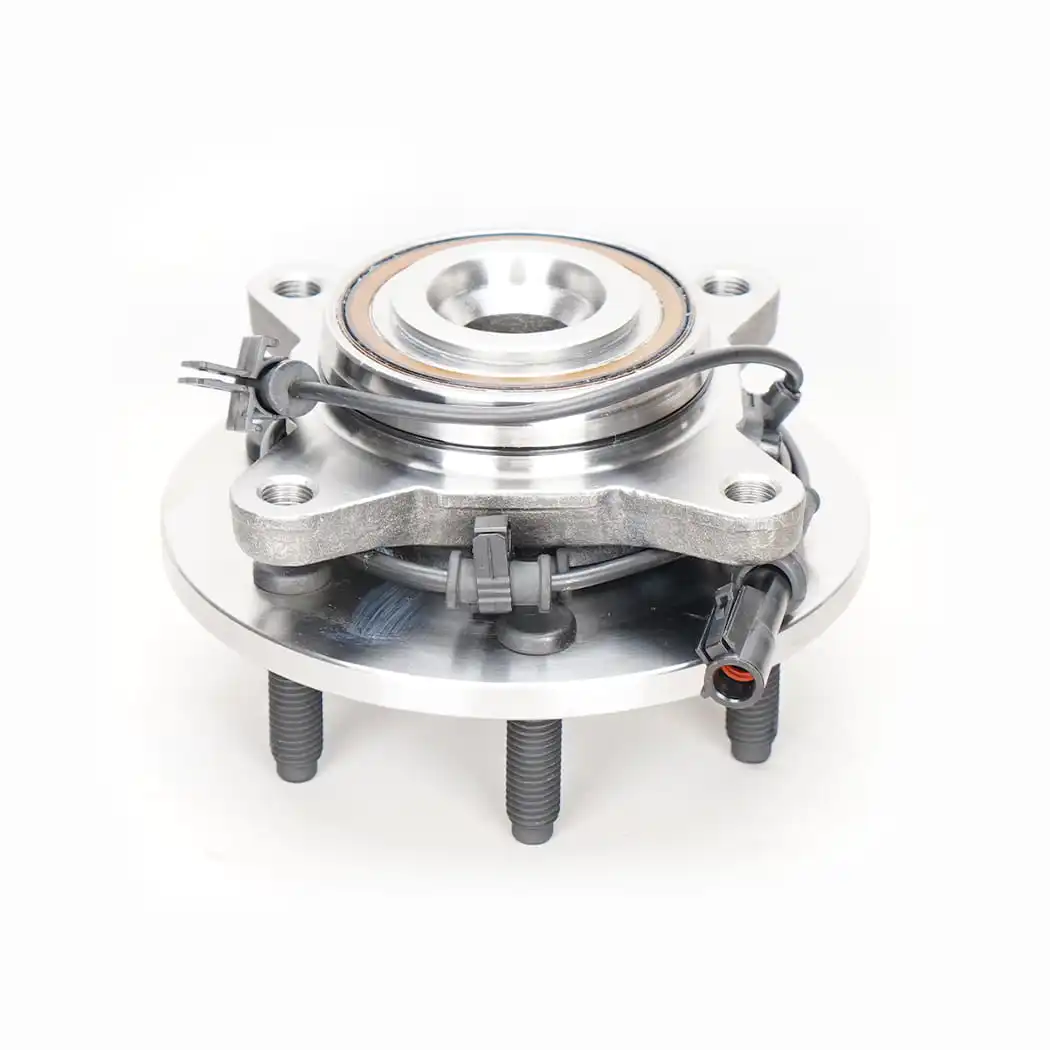
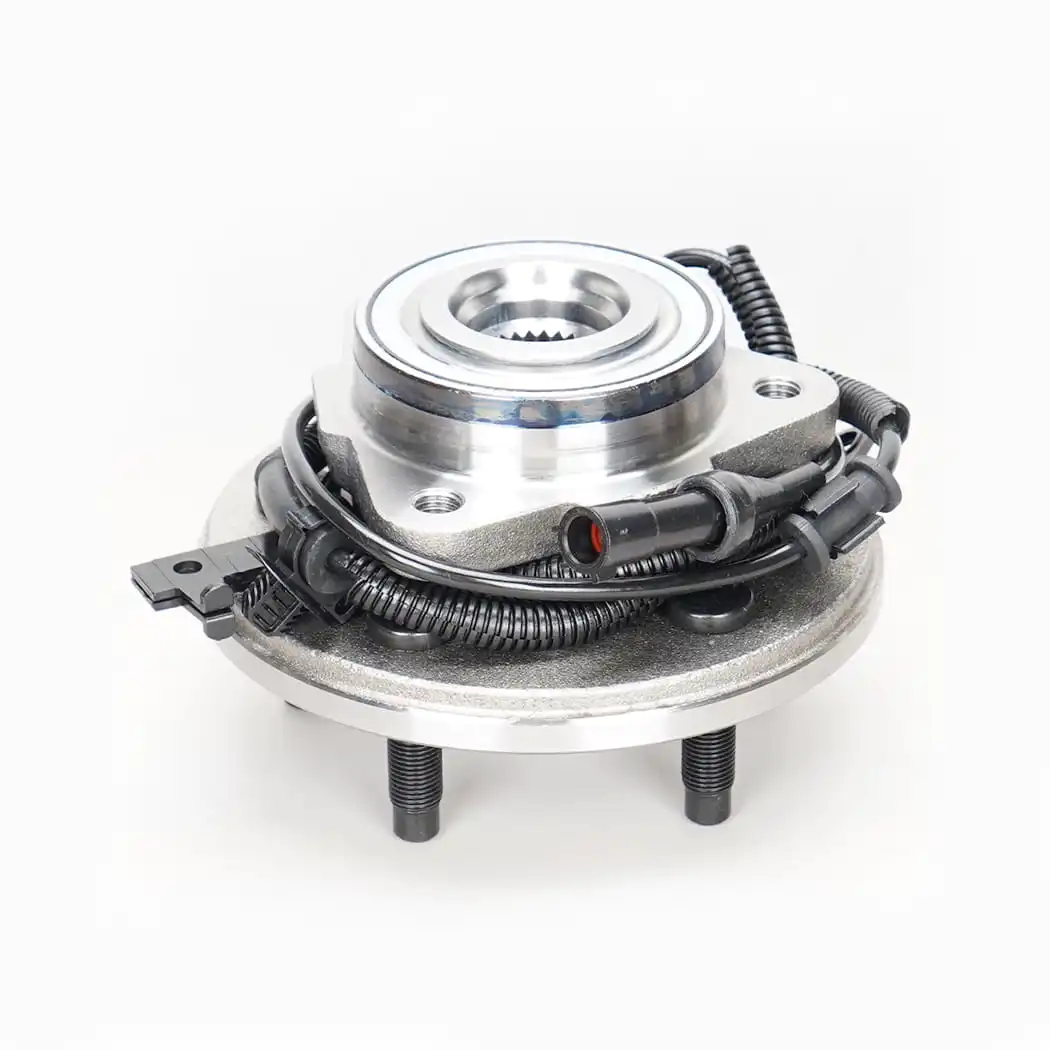
Most contemporary vehicles utilize Generation 2 or Generation 3 hub units, which integrate the bearing, flange, and often the ABS sensor into a single, non-serviceable assembly. These units consist of an inner and outer race, rolling elements—either balls or tapered rollers—and a high-pressure lubricant sealed within the housing. The transition from traditional adjustable bearings to these "sealed-for-life" units has simplified manufacturing and improved initial reliability, though it requires the replacement of the entire hub assembly when wear occurs.
Detecting a failing wheel bearing early can prevent secondary damage to the tires, CV joints, and braking system. The most common indicator is an audible "drone" or "hum" that increases in frequency as the vehicle accelerates. Unlike tire noise, which often remains constant, wheel bearing noise typically changes its pitch or volume when the vehicle's weight shifts during lane changes or turns. If the noise disappears or intensifies when turning in a specific direction, it is a definitive sign that the bearing on one side of the vehicle is losing its structural integrity.
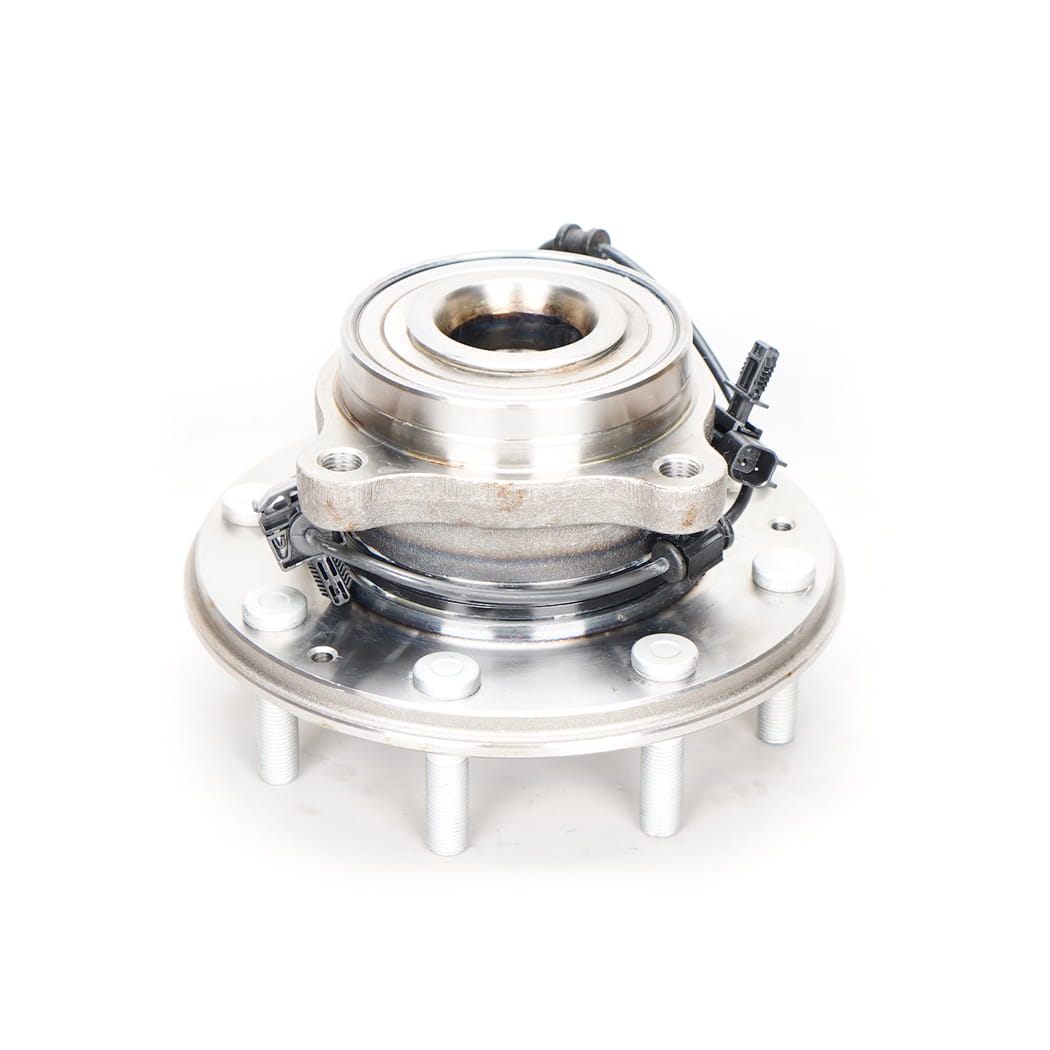
Depending on the vehicle's design and intended use, manufacturers choose between different rolling elements. Ball bearings are typically found in lighter passenger cars because they offer lower rolling resistance and better fuel efficiency. Conversely, tapered roller bearings are the standard for trucks, SUVs, and heavy-duty towing vehicles because their conical shape allows them to handle significantly higher thrust loads and heavy vertical weight more effectively than spherical balls.
| Feature | Ball Bearings | Tapered Roller Bearings |
| Load Capacity | Moderate | High |
| Friction Levels | Very Low | Moderate |
| Primary Application | Sedans / Hatchbacks | Trucks / Performance Cars |
While wheel bearings are designed to last between 100,000 and 150,000 miles, environmental factors and driving habits can drastically shorten this window. Water ingress is the leading cause of premature failure; driving through deep puddles or using high-pressure washers directly on the hub can bypass the seals, washing away grease and introducing corrosive elements. Additionally, using wheels with incorrect offsets or oversized tires increases the leverage on the bearing races, leading to uneven wear and accelerated pitting of the metal surfaces.
When replacing a bearing, the most critical step is ensuring the correct torque is applied to the axle nut. Over-tightening can crush the internal races and cause immediate overheating, while under-tightening allows for excessive movement that will destroy the bearing within a few hundred miles. Professional technicians always use a calibrated torque wrench rather than an impact gun for the final seating of the hub assembly. Furthermore, ensure that all mounting surfaces are cleaned of rust and debris to maintain perfect alignment within the knuckle.
• ADD: 42705 Grand River Avenue, Suite 201, Novi. Michigan 48375, USA.
© Copyright 2017 HANGZHOU HANJI AUTO PARTS.CO.,LTD. All Rights Reserved. Wheel Hub Unit Manufacturer