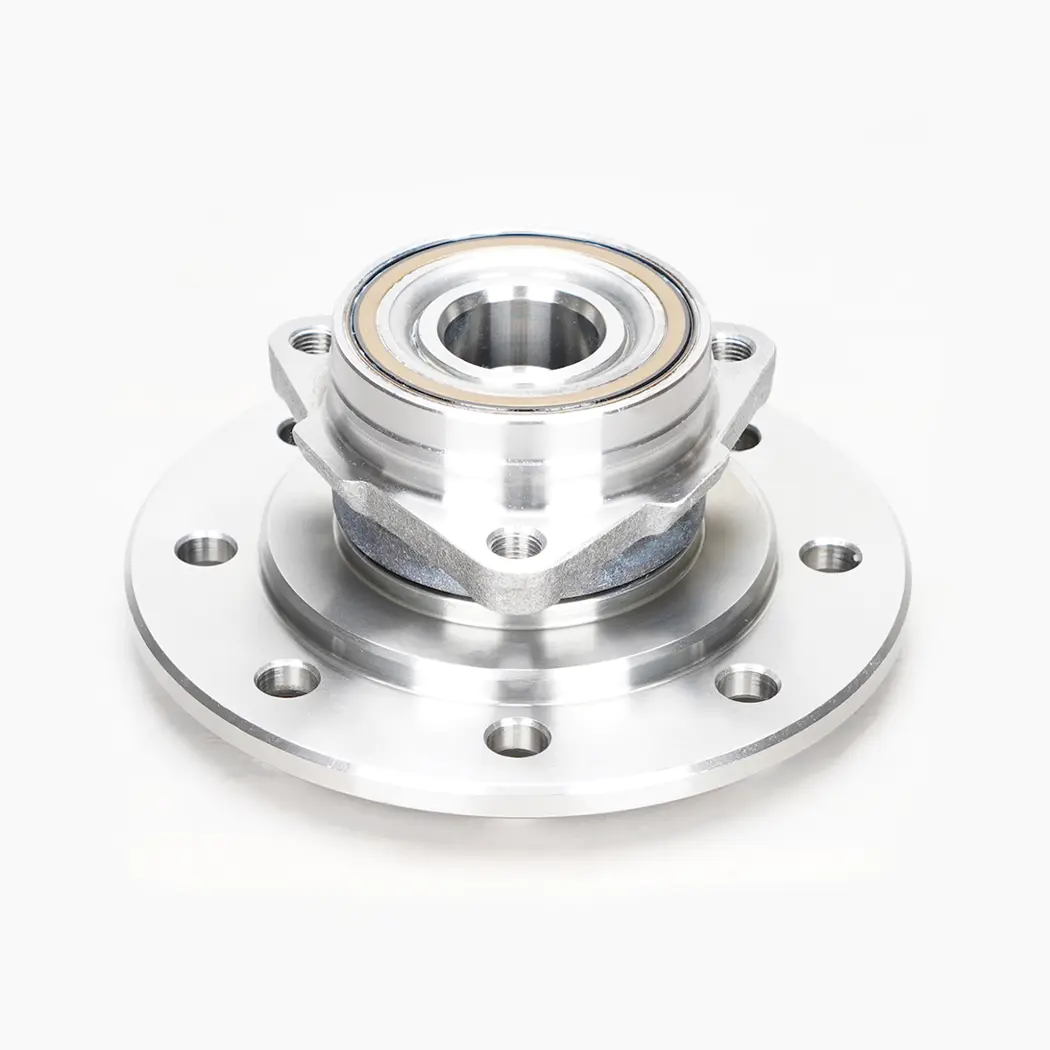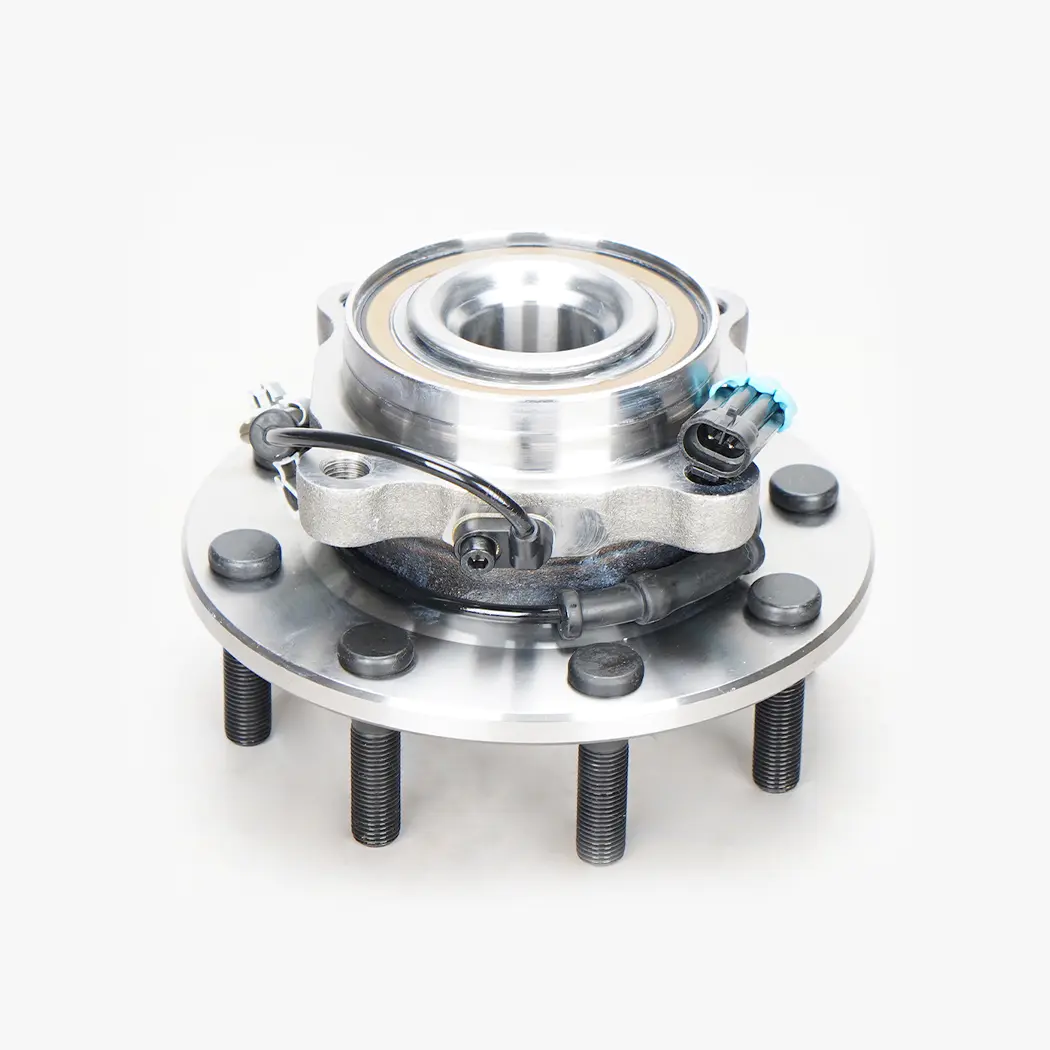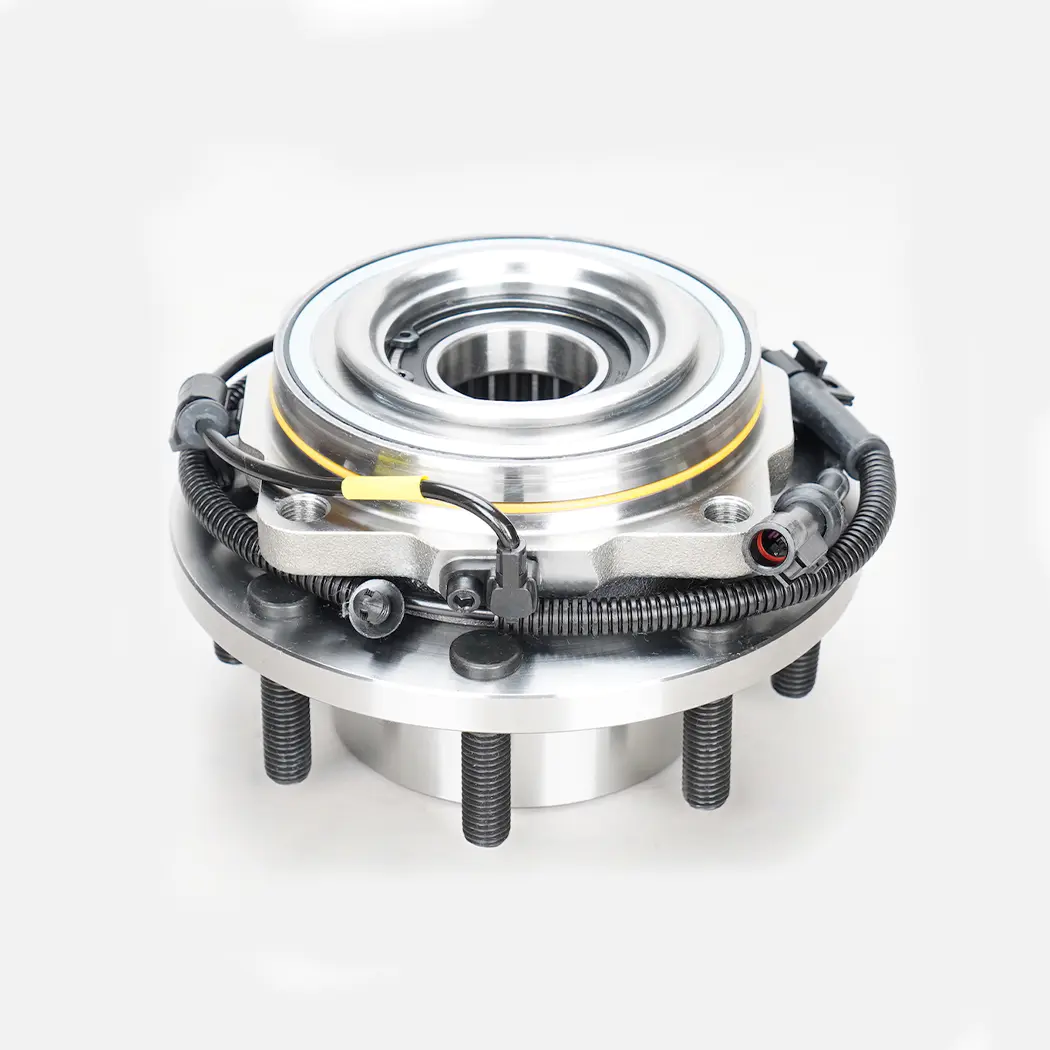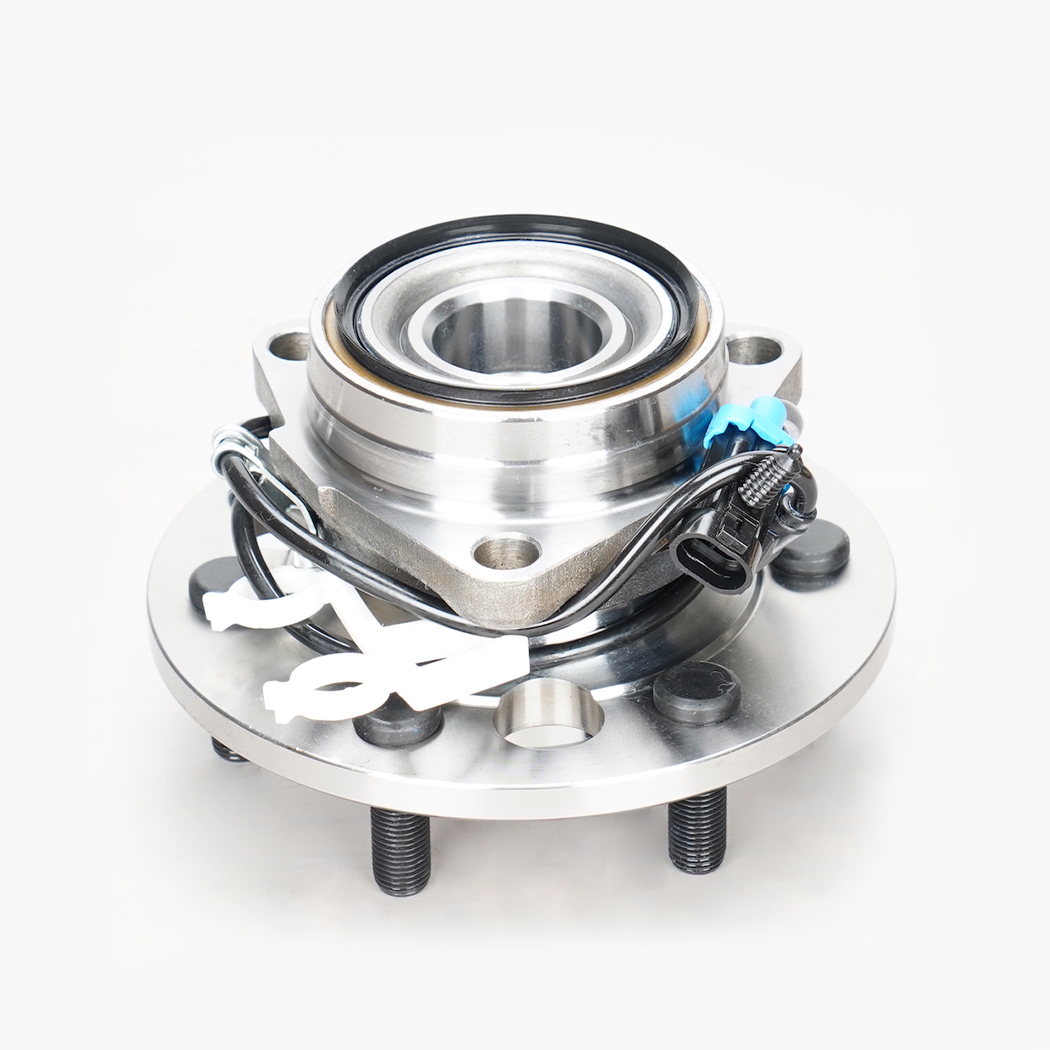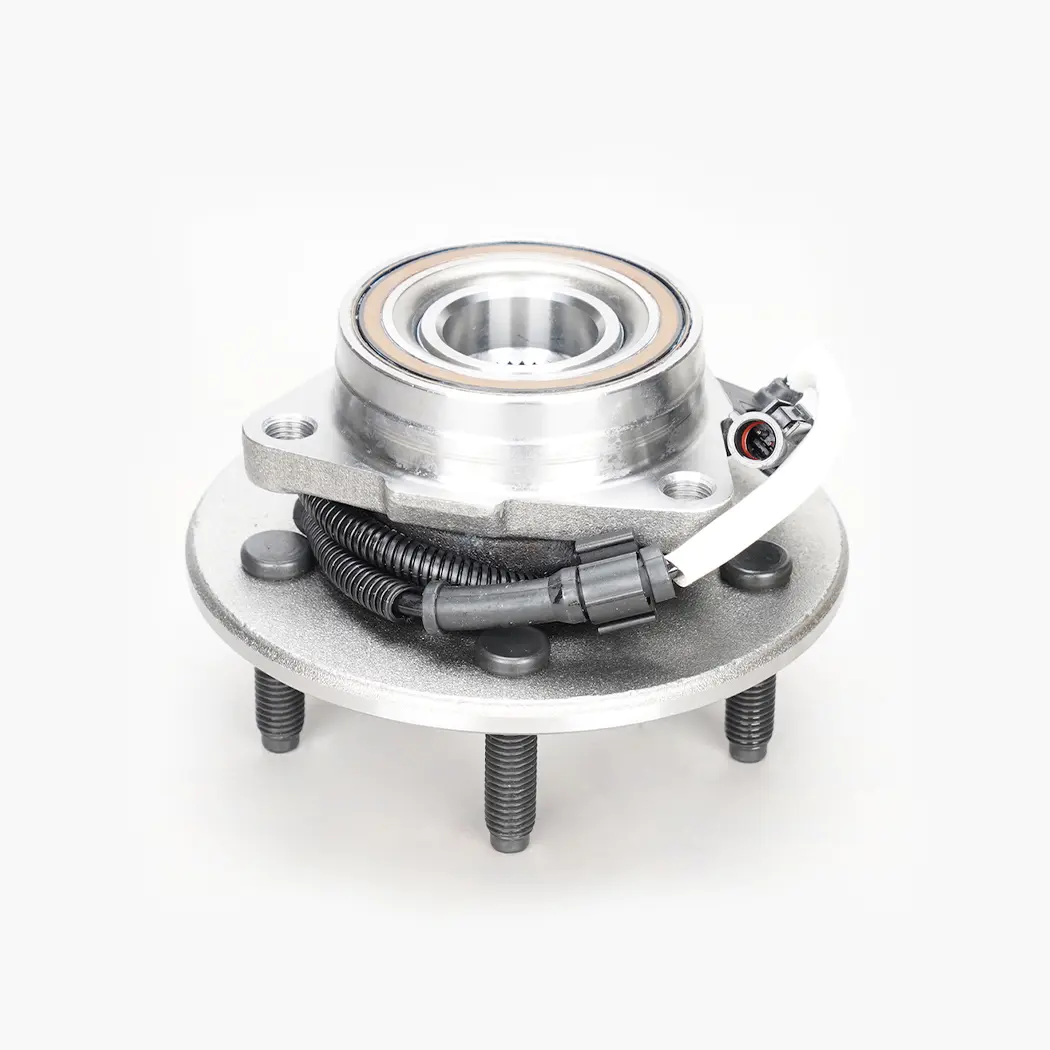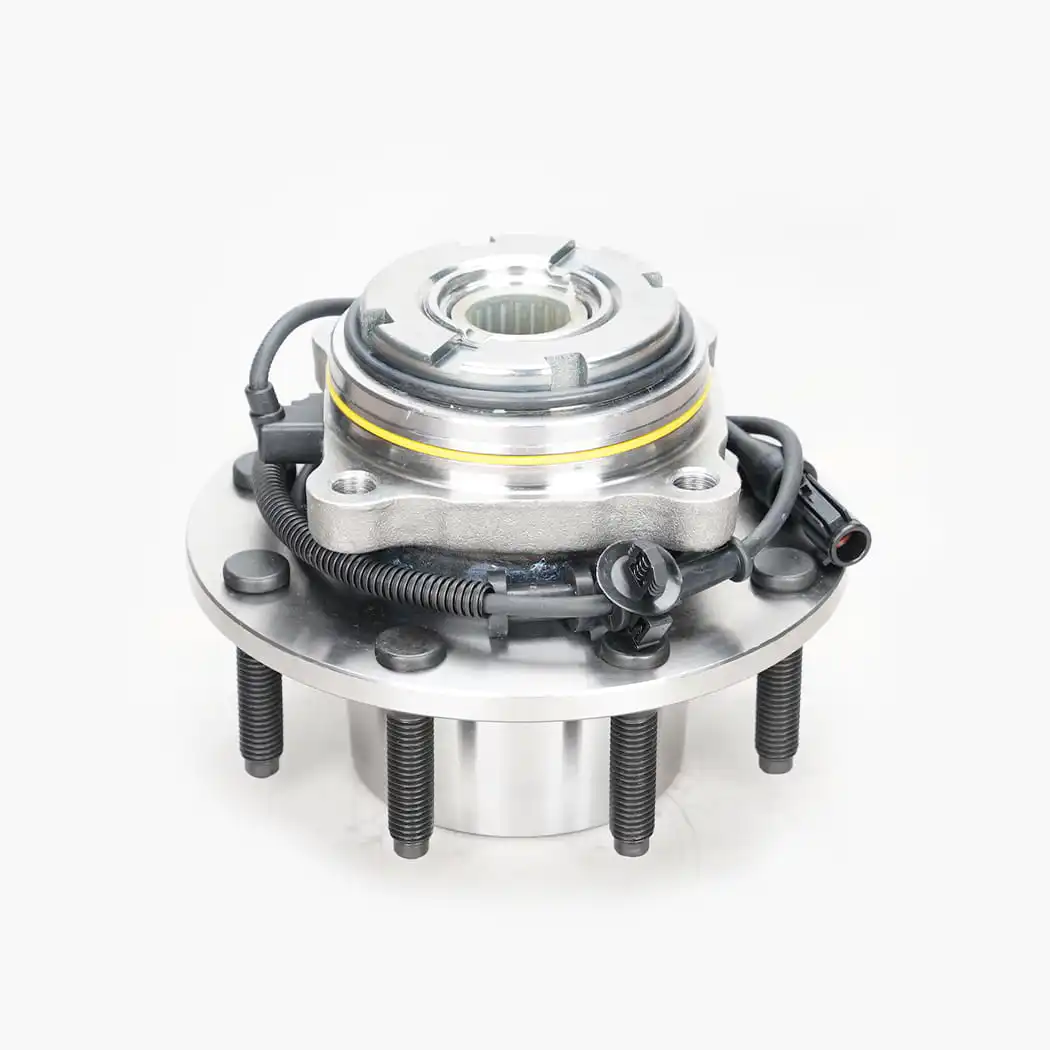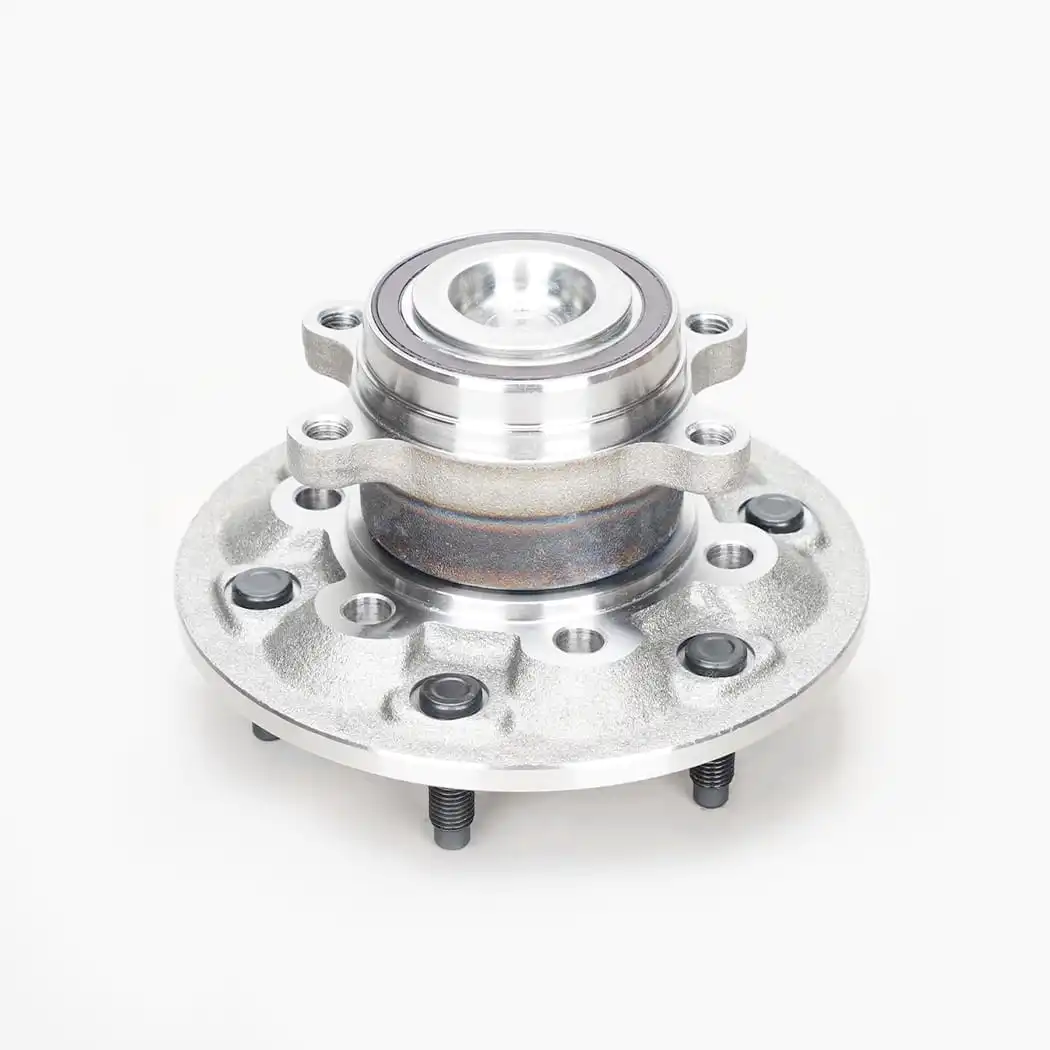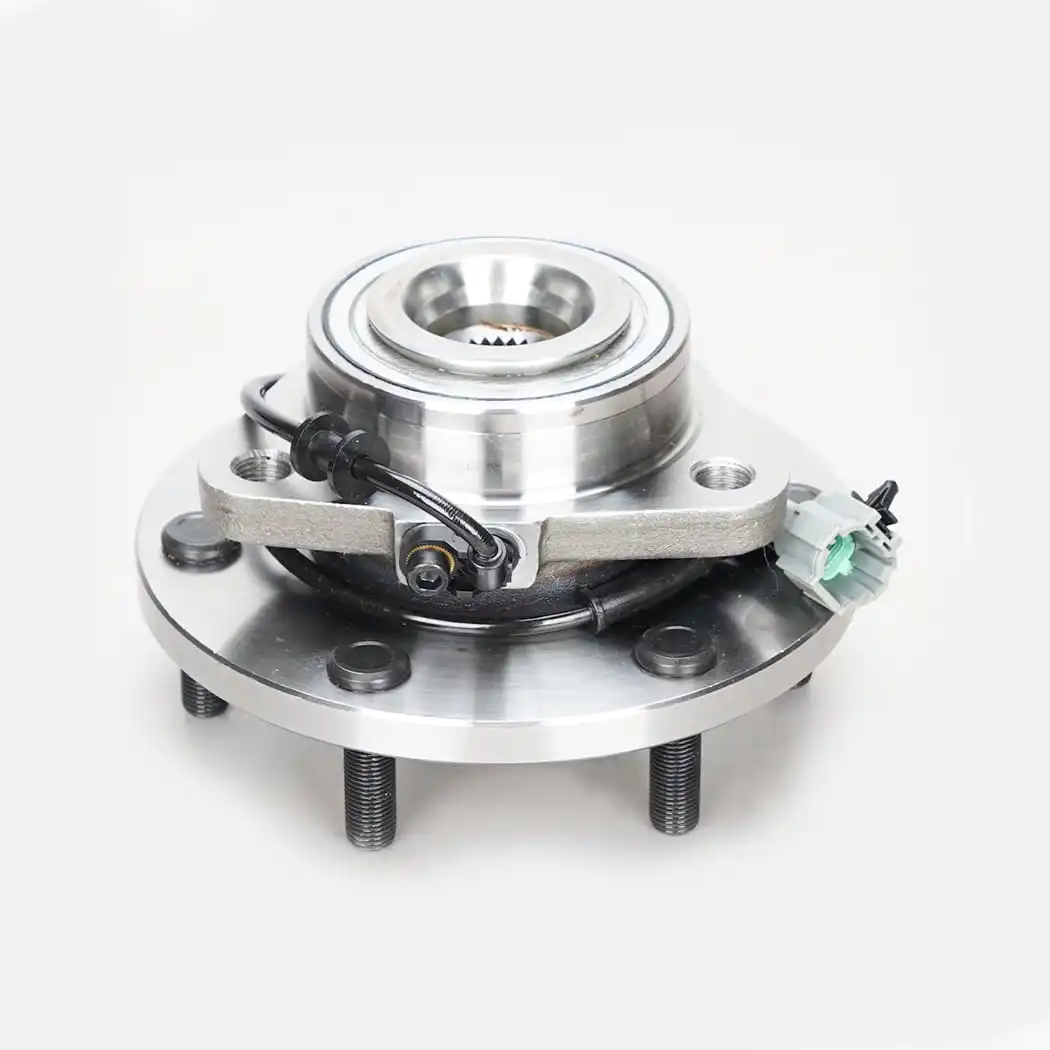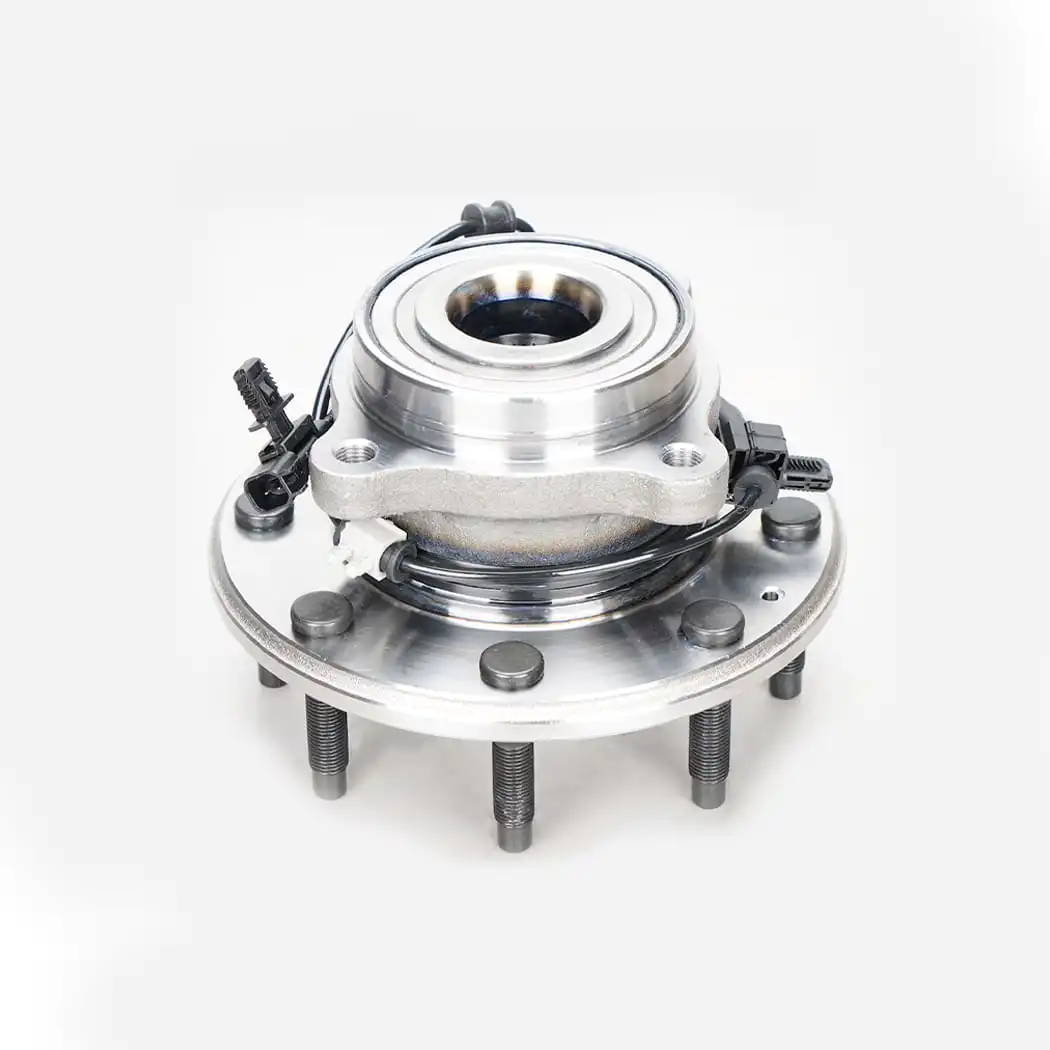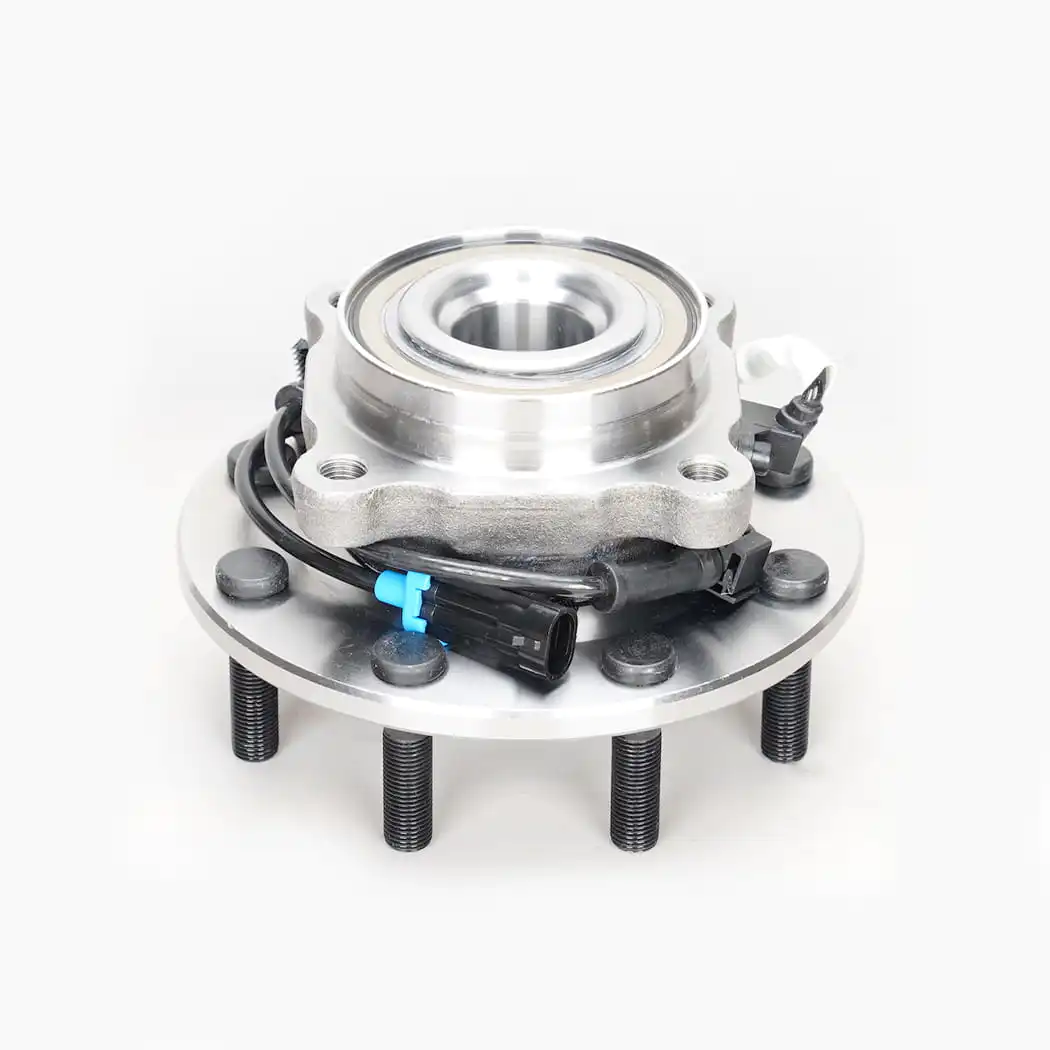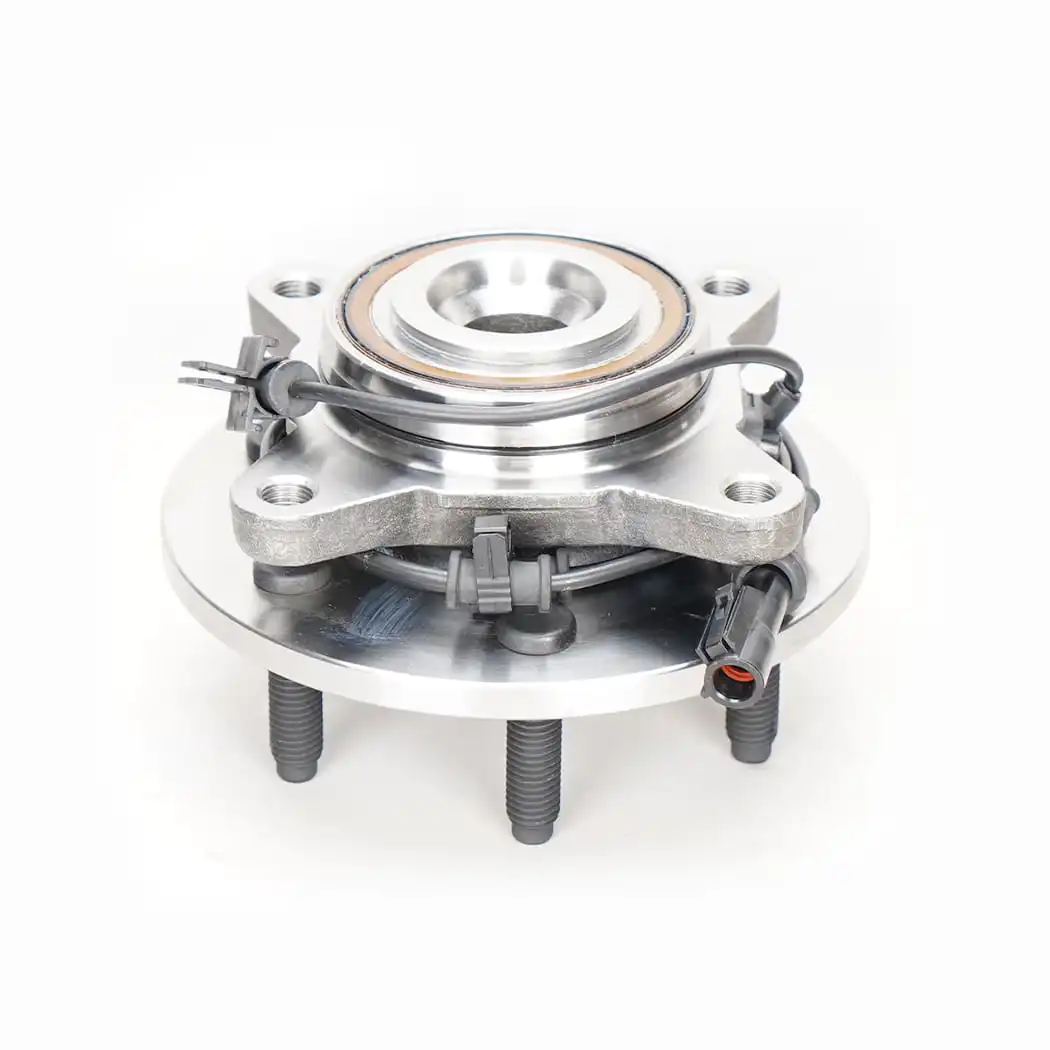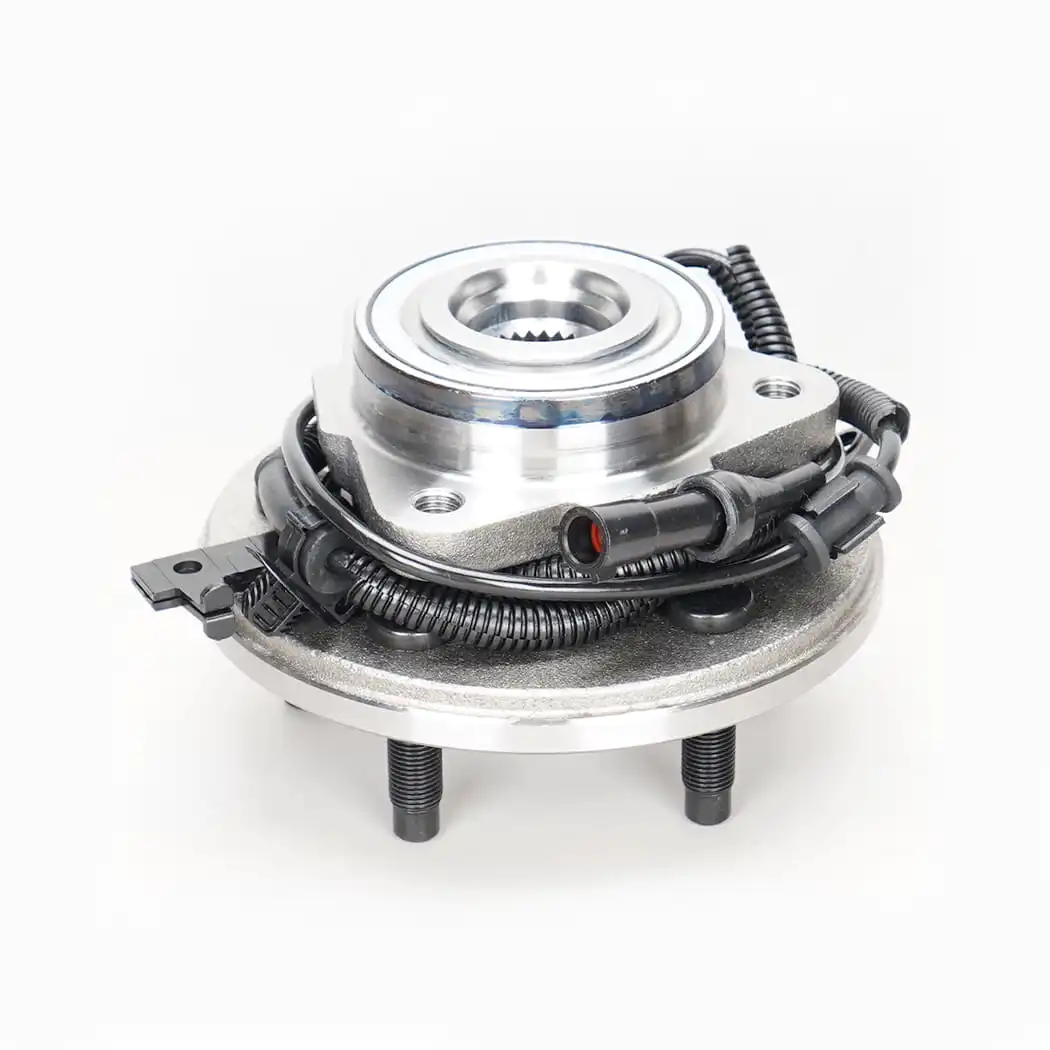
Ask three people what "electroplating a wheel hub" involves and you will get three different answers. A rebuilder may mean selective plating to bring a worn spindle back to size. A shop owner may mean sending rusty hub housings out for a fresh zinc layer. A parts buyer may simply mean a hub assembly that arrives already coated and ready to press in. All three are legitimate, and they meet at the same point: a coating has to keep road salt away from steel without disturbing the tolerances that let a wheel run true.
We have spent a long time building wheel hub assemblies, so we tend to treat plating as a process window rather than a cosmetic add-on. The notes below are how we think about it, and what we would want to know if we were the ones buying.
Content
A hub assembly is a stack of surfaces with very different jobs. The flange carries the wheel and the brake rotor. The housing holds the bearing. The studs clamp everything together. On most modern units a magnetic encoder ring or a sensor window feeds wheel-speed data to the ABS module. Electroplating touches several of these surfaces, and the goal is nearly always the same: a barrier that survives winter brine, gravel, and years of heat cycling.
The benefit is easy to see on cast or forged housings and on exposed hardware. Corrosion usually starts at edges, porosity, and chipped paint, then creeps under the surrounding coating. A properly applied zinc layer delays that start and slows the spread once it begins. Studs and mounting bolts gain even more, because a rounded, rusted nut is a roadside problem rather than a workshop one.
Just as important is knowing which surfaces should stay out of the bath:
The distinction that matters most is electrolytic versus non-electrolytic. Zinc plating uses current and generates hydrogen at the part surface. Zinc-flake dip-spin coatings and e-coat do not. On high-hardness parts such as studs and certain spindles, that single difference decides whether a post-plate bake is mandatory or whether a different chemistry makes more sense from the start.
The table below sums up the finishes we see specified on hub components most often. The numbers are ballpark industry ranges to help with early conversations, not a specification for any particular part.
| Finish | Typical thickness | Salt spray ballpark (ASTM B117) | Where it fits on a hub |
|---|---|---|---|
| Alkaline zinc with passivation | 8-12 microns | 300-500 hours to red rust | Cast or forged housings, general aftermarket assemblies |
| Acid zinc (chloride) | 5-10 microns | 150-300 hours | Bright low-carbon steel flanges where coverage matters more than extreme corrosion resistance |
| Zinc-nickel (12-15% nickel) | 8-15 microns | 700-1,000 hours | Spindles and hubs sold into heavy salt-belt markets |
| Zinc-flake dip-spin | 8-12 microns | 500-1,000+ hours | Studs and fasteners, and parts where hydrogen embrittlement is a concern |
| E-coat or powder coat | 20-60 microns | System dependent | Outer housing appearance, with controlled surfaces masked |
A durable coating is mostly preparation. Skip a rinse, or leave a film of drawing oil inside a blind hole, and the best bath chemistry will still blister. A typical line runs like this:
Masking is the step that quietly decides whether the part works. A plug that shifts by half a millimeter can leave a thin ring of deposit on a bearing seat, and that ring is enough to change press-fit force. For a closer look at how these surfaces are handled in production, our notes on surface treatment in hub assembly manufacturing go into more detail.
High-strength studs and hardened spindles absorb hydrogen during electrolytic plating and can crack hours or days later, sometimes with no load on the part. Relief baking within a defined window after plating is the standard control. Where the risk is high, a non-electrolytic zinc-flake coating removes the problem instead of managing it.
Ten microns per side means twenty microns on diameter. On a bearing housing that is the difference between a correct interference fit and one that either spins or cracks the housing during installation. Any coating on a bore should be a deliberate decision with a drawing tolerance behind it.
Encoder rings and sensor windows are unforgiving. A stray deposit on the magnetic track, or plating that bridges the sensor gap, can produce an erratic wheel-speed signal that looks like an ABS fault and never gets traced back to the coater.
A shiny surface hides porosity, laps, and残留 burrs rather well, at least until the first winter. Corrosion starting under a good coating spreads further than corrosion on bare steel, so substrate quality still sets the ceiling on coating performance.
Geography does most of the work here. A hub that spends its life in Michigan, Ontario, or the northeastern United States sees far more chloride than one in Arizona, and the coating specification should reflect that. Load matters just as much: a half-ton pickup front hub and a one-ton truck hub can share a finish family and still need different pretreatment and bake schedules because of stud hardness and section thickness.
For light truck and SUV front applications, a five or six lug hub with a mid-thickness zinc layer usually balances cost against service life. Toyota-style four-lug front units, such as the assembly covering 4Runner, FJ Cruiser, and Tacoma applications, are a good example of a part where masked bores and a clean flange face matter more than an extra few microns of deposit.
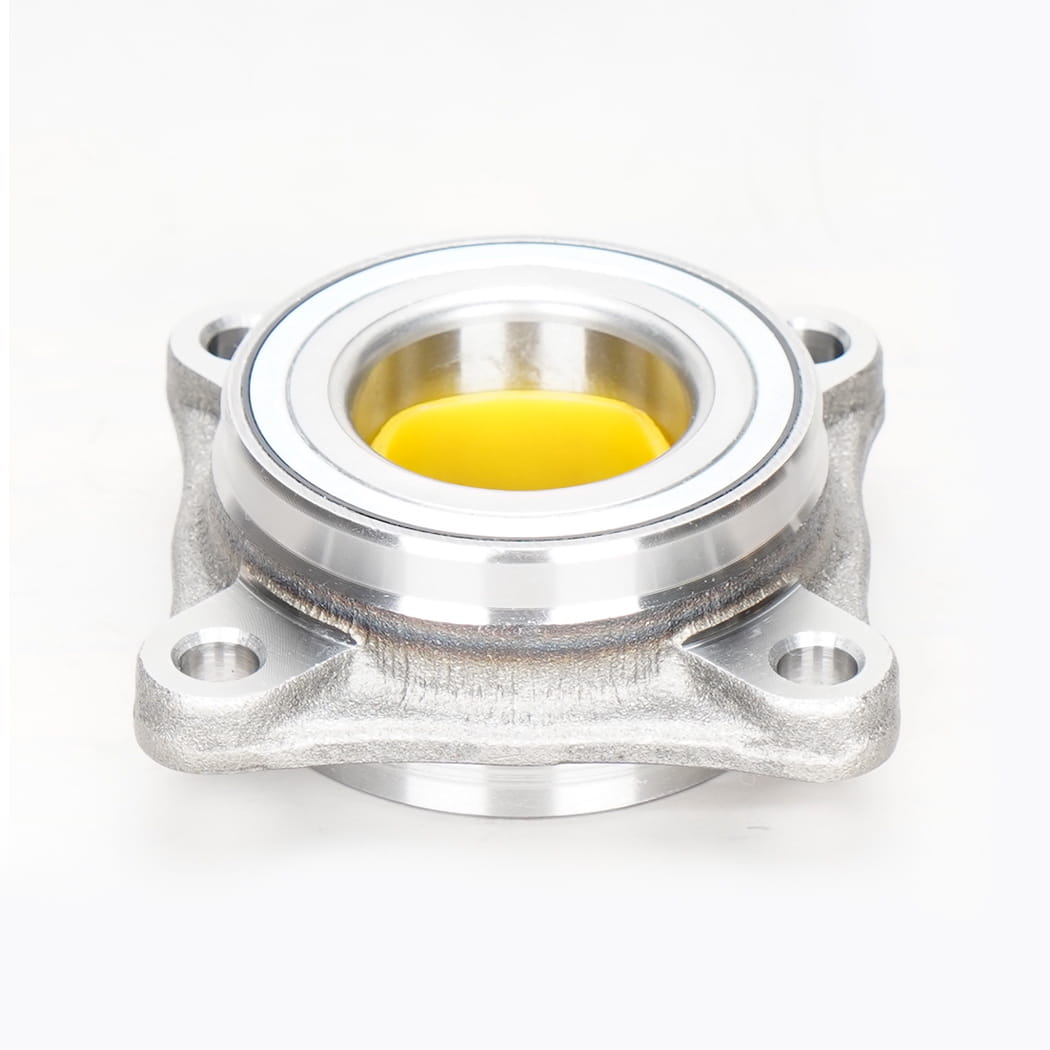 HANHUB 515040 Front Wheel Hub and Bearing AssemblyFour-lug front assembly for 4Runner, FJ Cruiser, Tacoma, GX460, and GX470; relevant when clean flange faces and masked bores matter.View Product →
Rear hub assemblies deserve their own conversation. On many 512-series units the encoder sits on the flange side, so the coating question is less about thickness and more about keeping the magnetic track absolutely clean through cleaning, plating, and passivation. A rear unit that passes bench checks and then throws a speed-sensor code is almost always a masking problem, not a bearing problem.
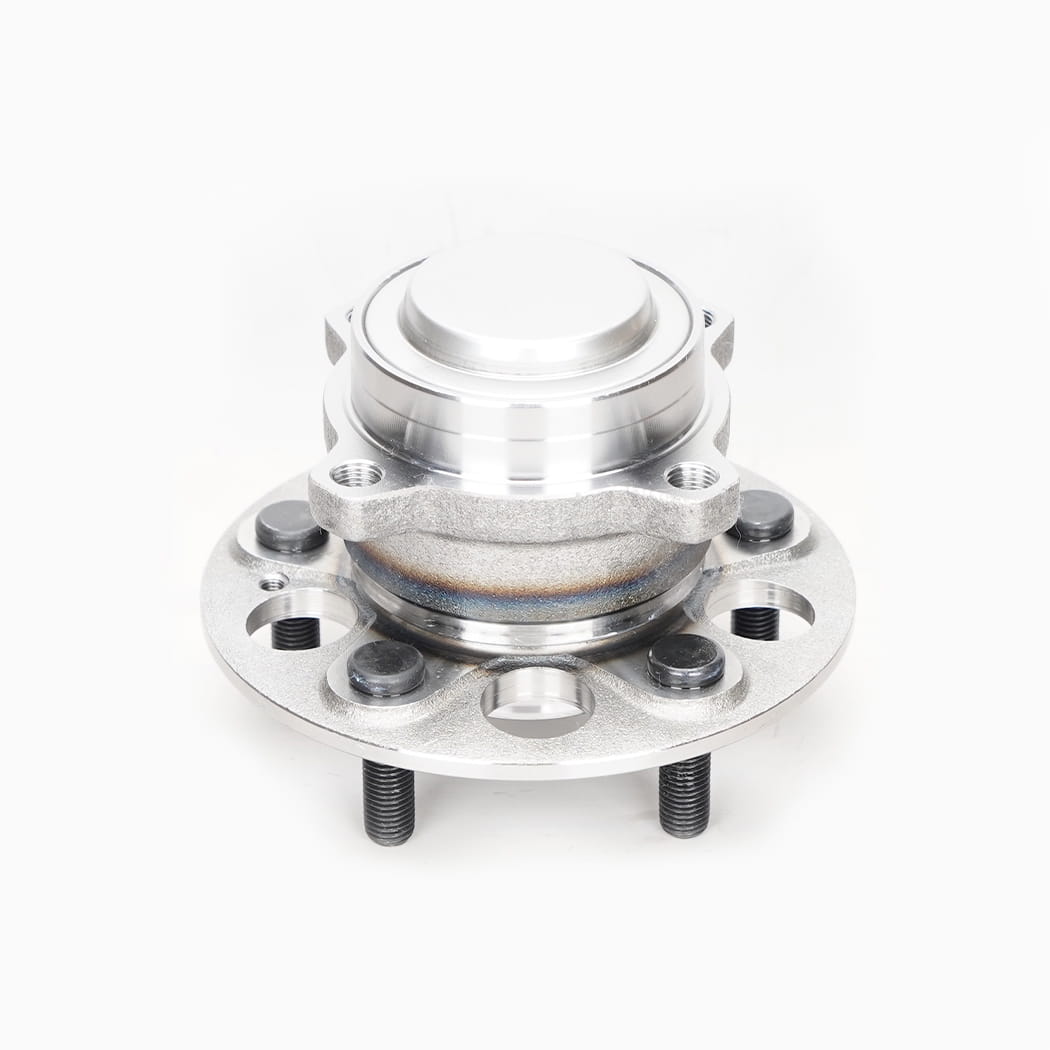 HANHUB 512633 Rear Wheel Hub and Bearing AssemblyFive-lug ABS rear assembly for 2017–2020 CR-V, suited to rear applications where encoder-side cleanliness and proper masking are critical.View Product →
Heavy-duty pickups and chassis-cab trucks sit at the other end. Eight and ten lug units carry higher wheel loads, thicker studs, and more exposed machined surface, which pushes specifications toward zinc-nickel or a zinc-flake system plus a relief bake. Units built for F-450 and F-550 Super Duty applications are typical of this group, where the plating decision is really a durability decision.
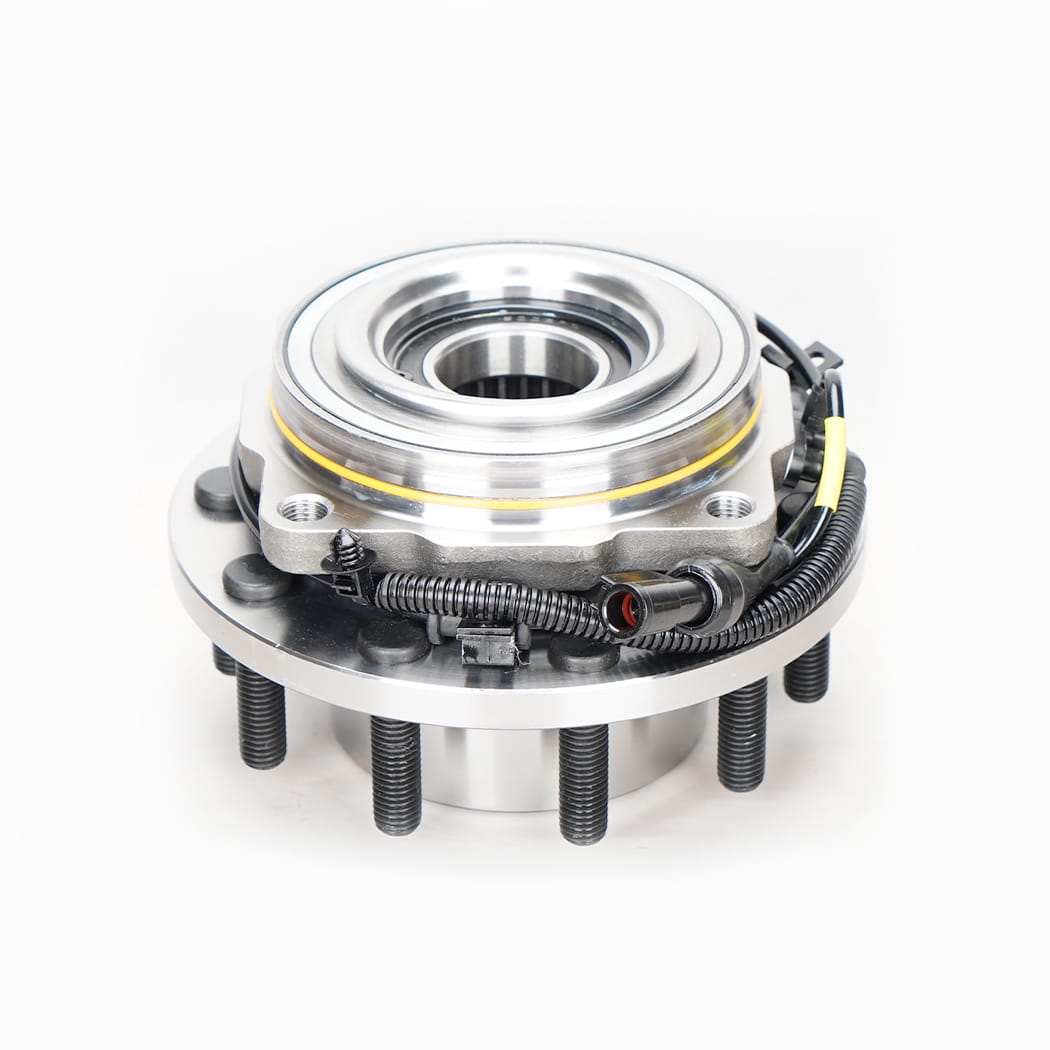 HANHUB 515083 Front Wheel Hub and Bearing AssemblyTen-lug front assembly for 2005–2010 F-450 and F-550 Super Duty, relevant for heavy-duty applications where plating durability is a key concern.View Product →
If you are qualifying a supplier, a handful of questions will tell you more than a brochure:
Our own answer starts with the fact that the hub itself is made in-house, with tooling, packaging, and a test laboratory under the same roof, which is why we can hold a plating window tight instead of negotiating it after the fact. You can see the setup on our factory page. For North American customers, stock and service run through our associated distribution company in Novi, Michigan, which is also where most plating questions turn into practical answers about lead time and mixed pallets.
Electroplating a wheel hub is not a decorative step bolted onto the end of a production line. It is a controlled process that protects steel in the worst conditions a vehicle will meet, and it only works when masking, thickness, baking, and inspection all agree with each other. Get those four in line and the coating disappears into the background, which is exactly what a good finish should do.
• ADD: 42705 Grand River Avenue, Suite 201, Novi. Michigan 48375, USA.
© Copyright 2017 HANGZHOU HANJI AUTO PARTS.CO.,LTD. All Rights Reserved. Wheel Hub Unit Manufacturer