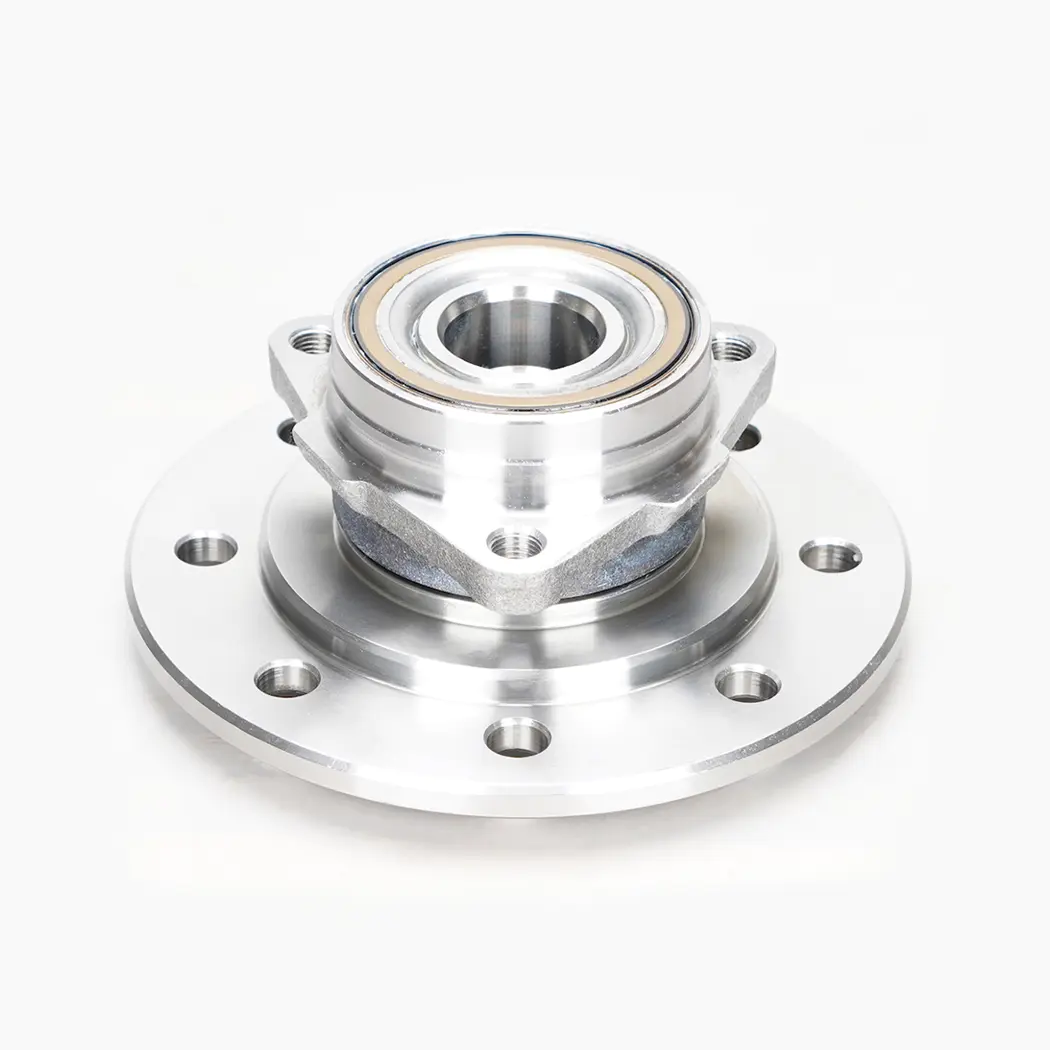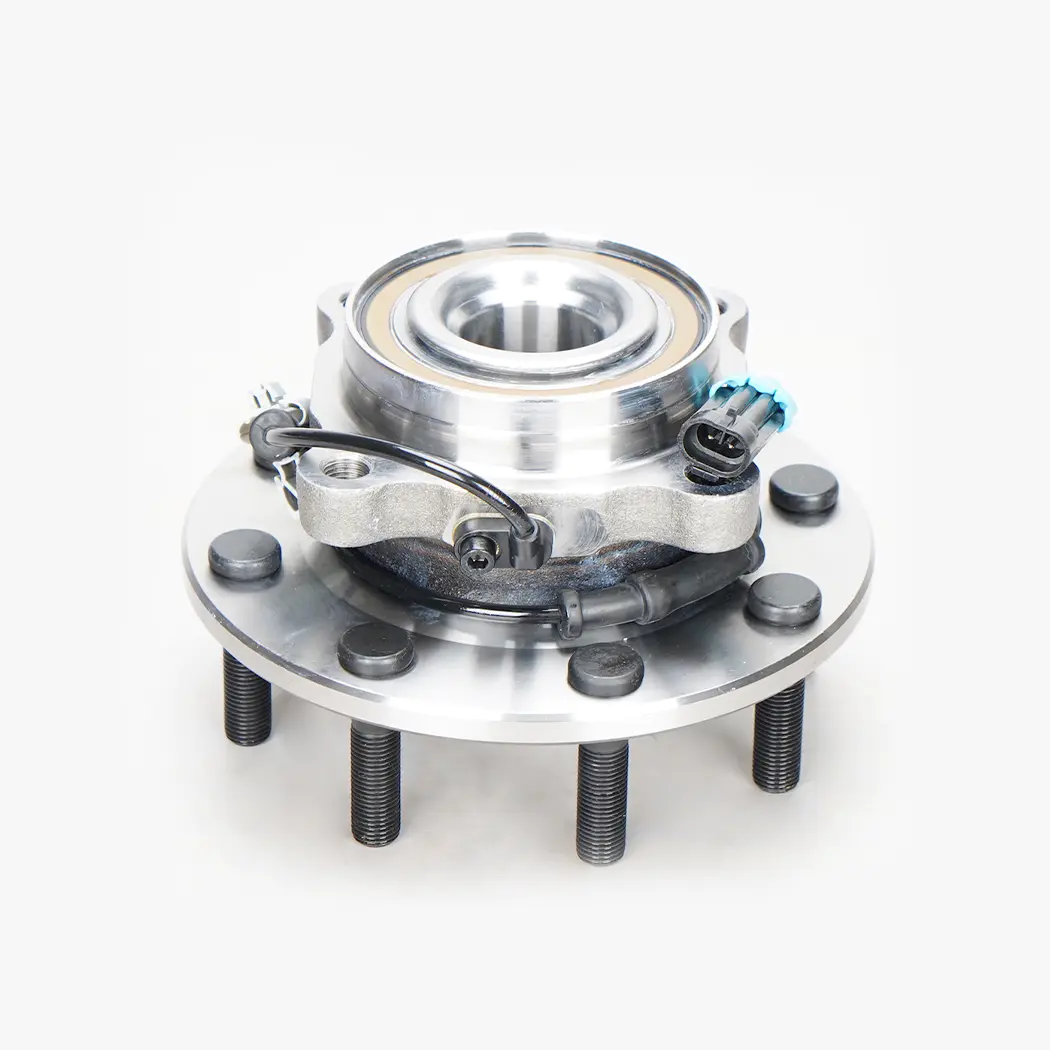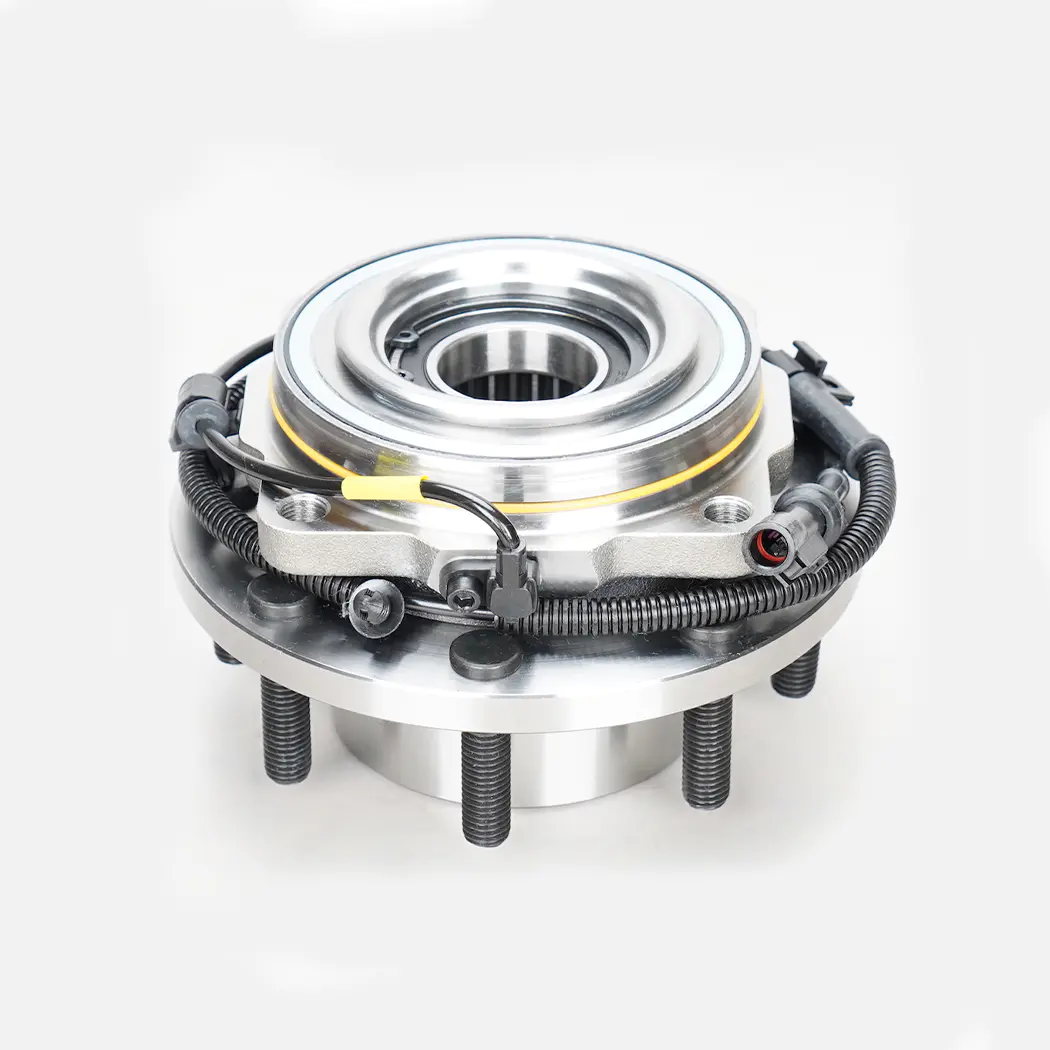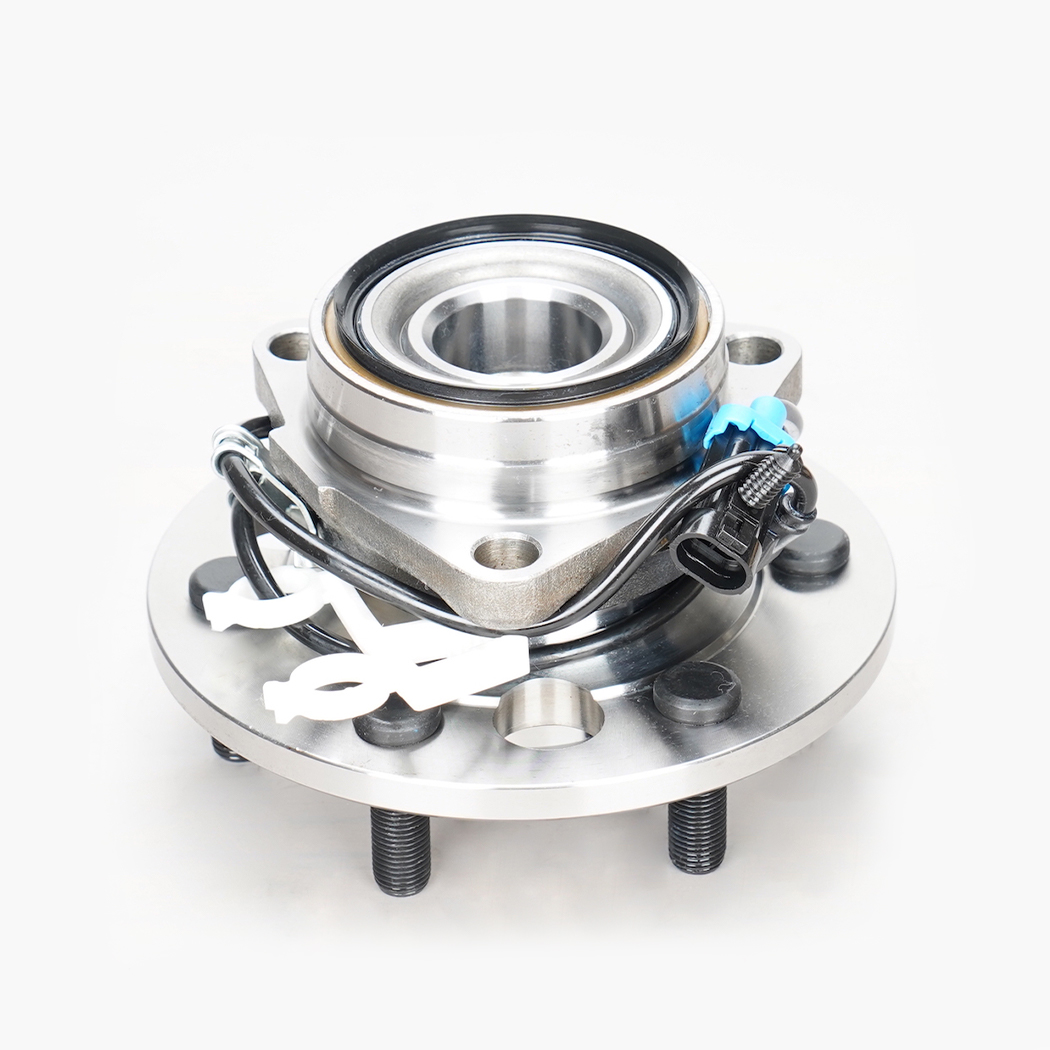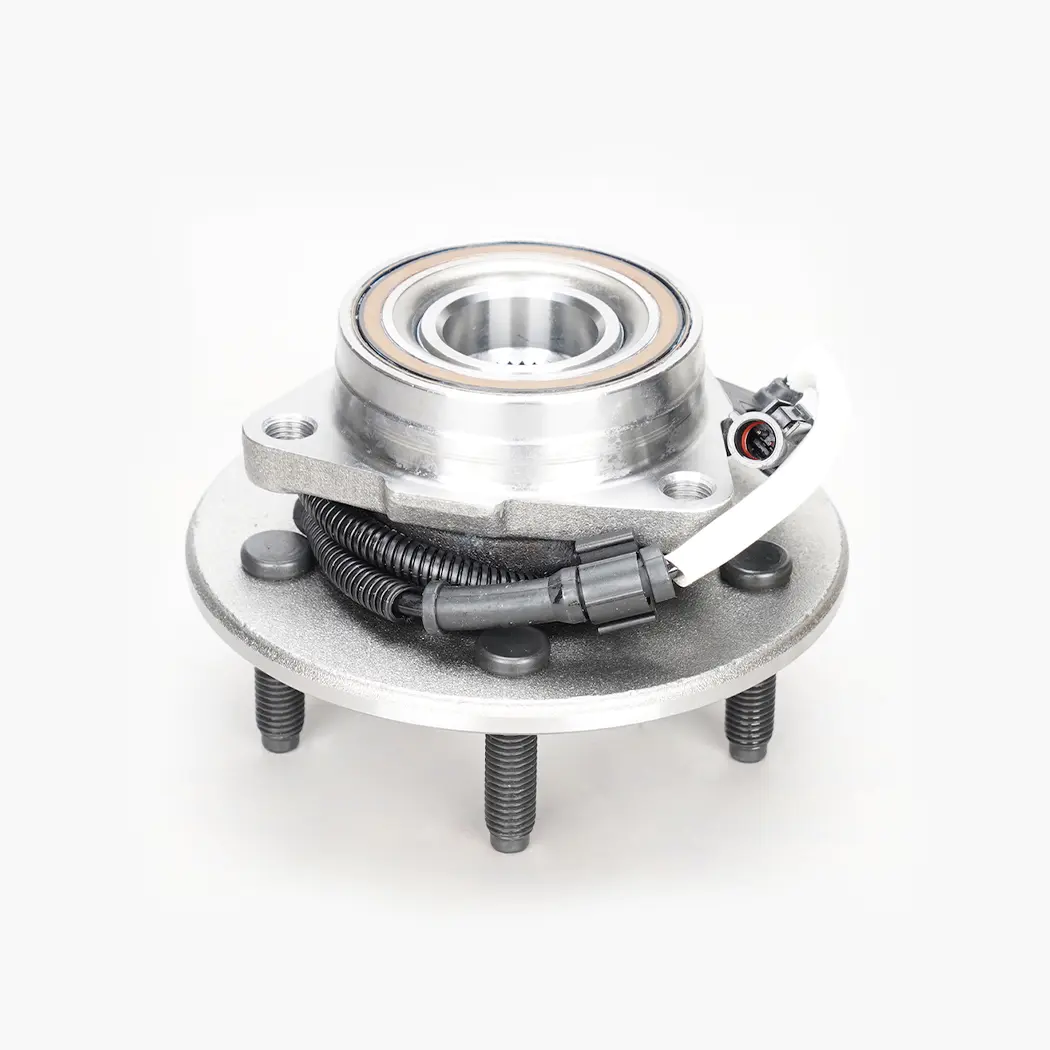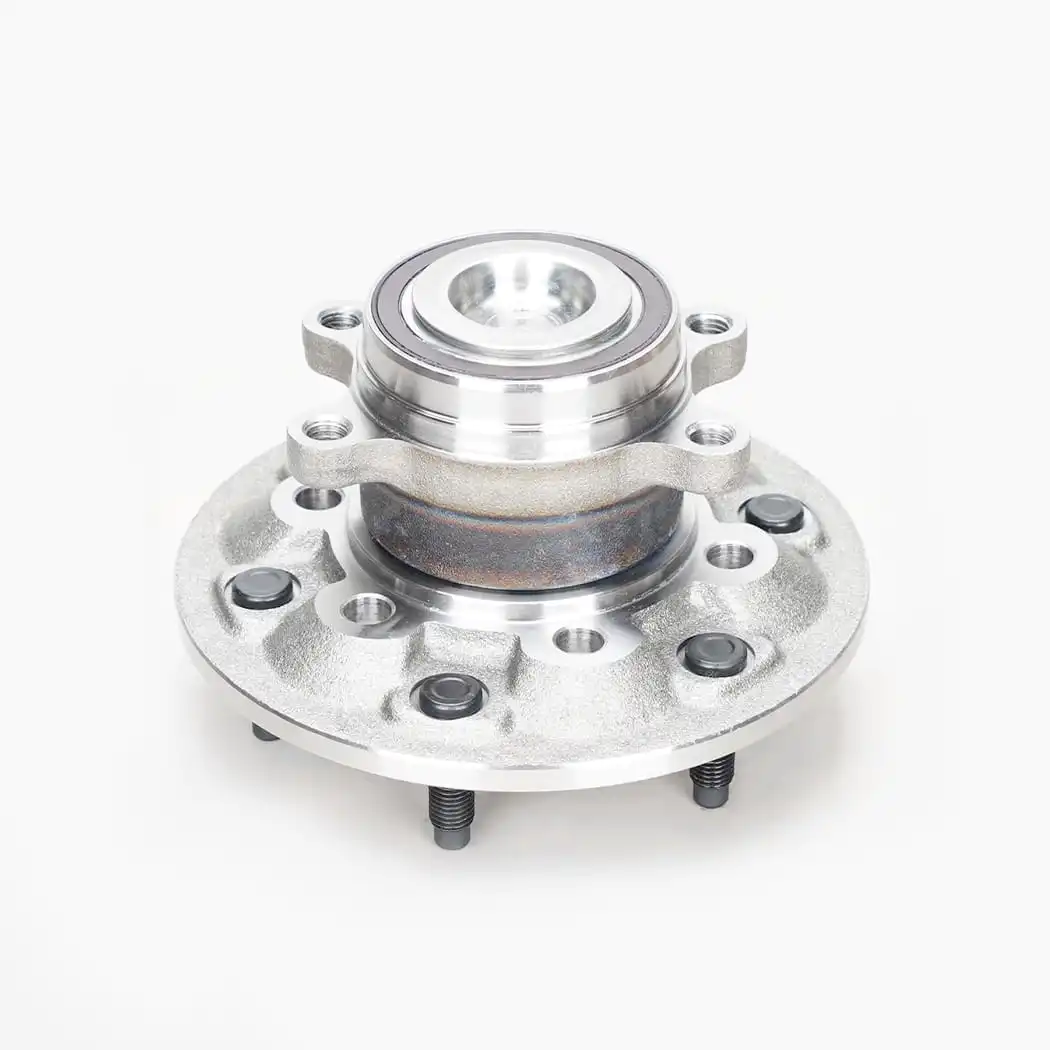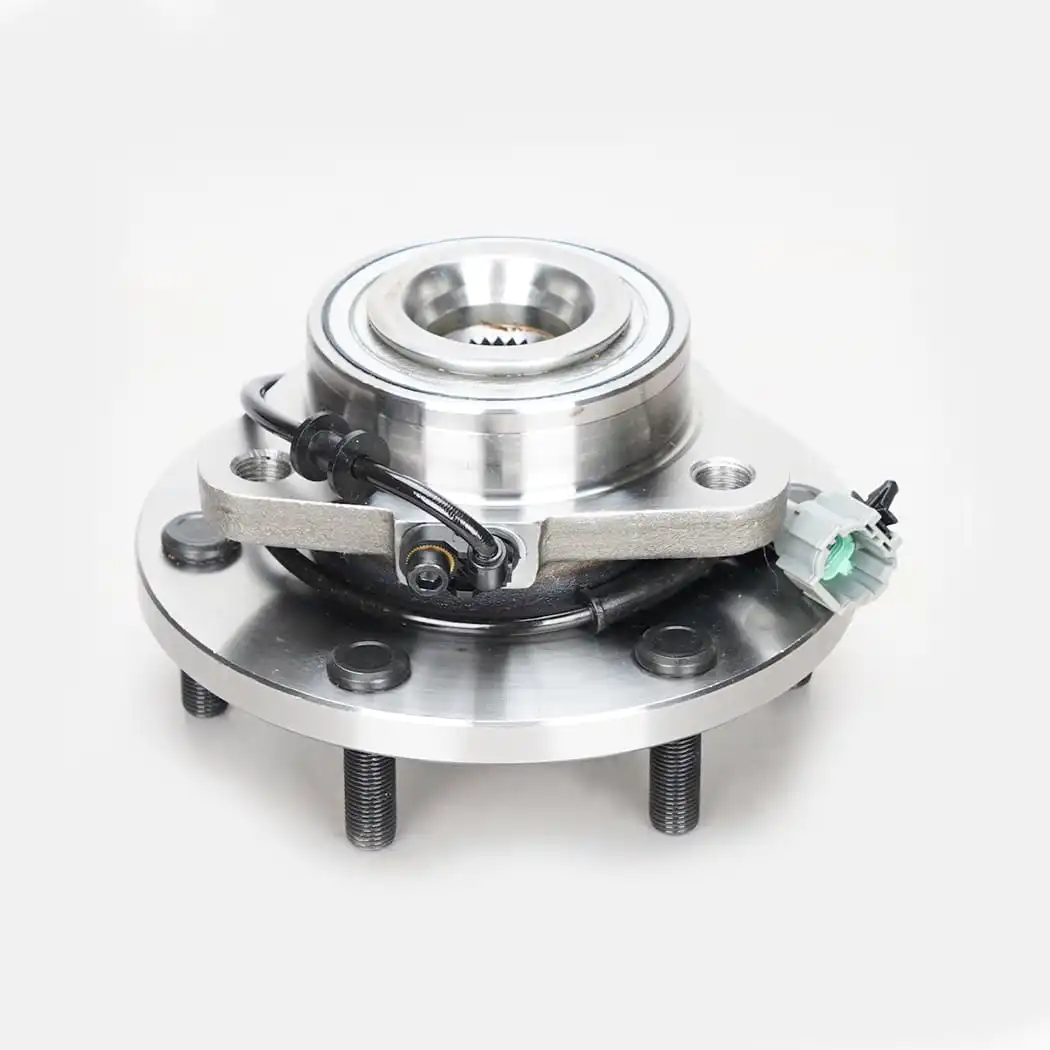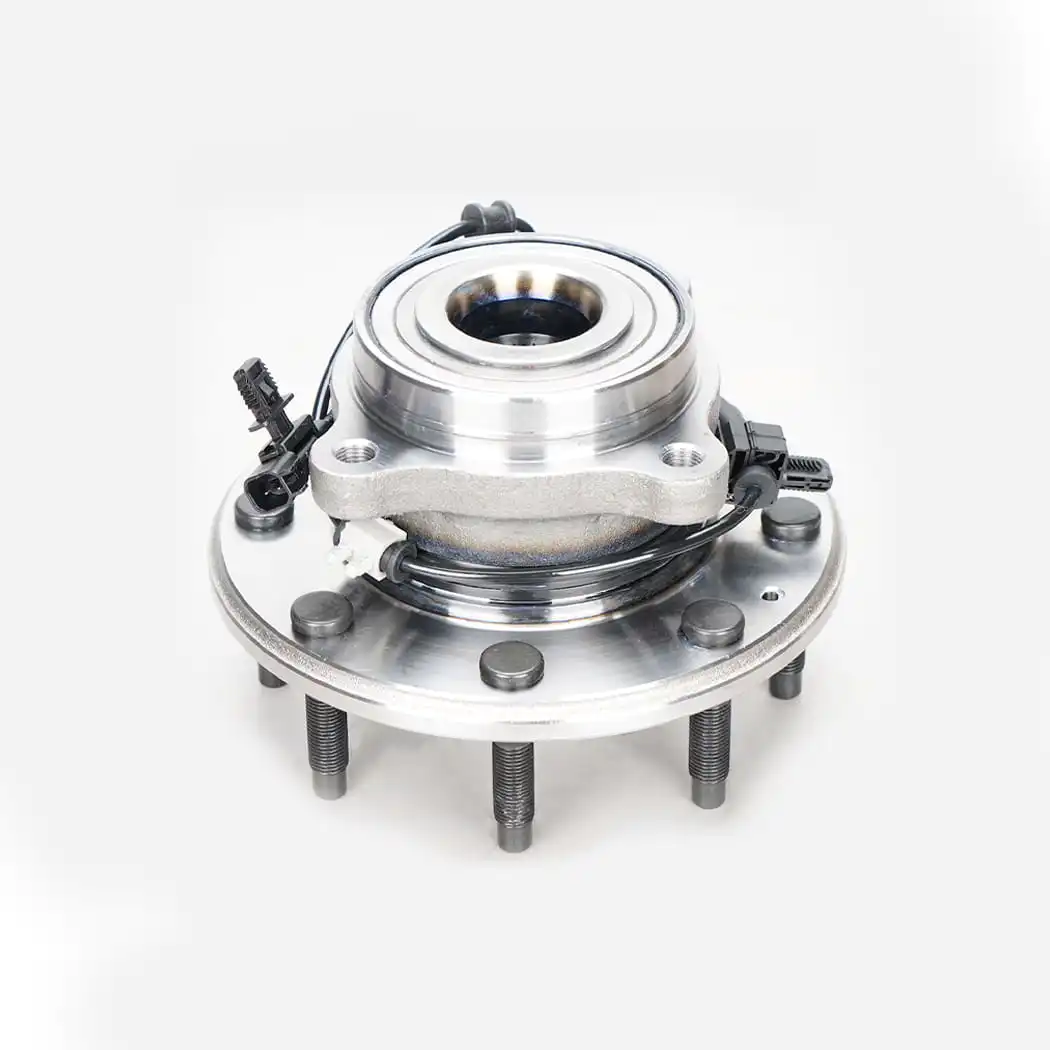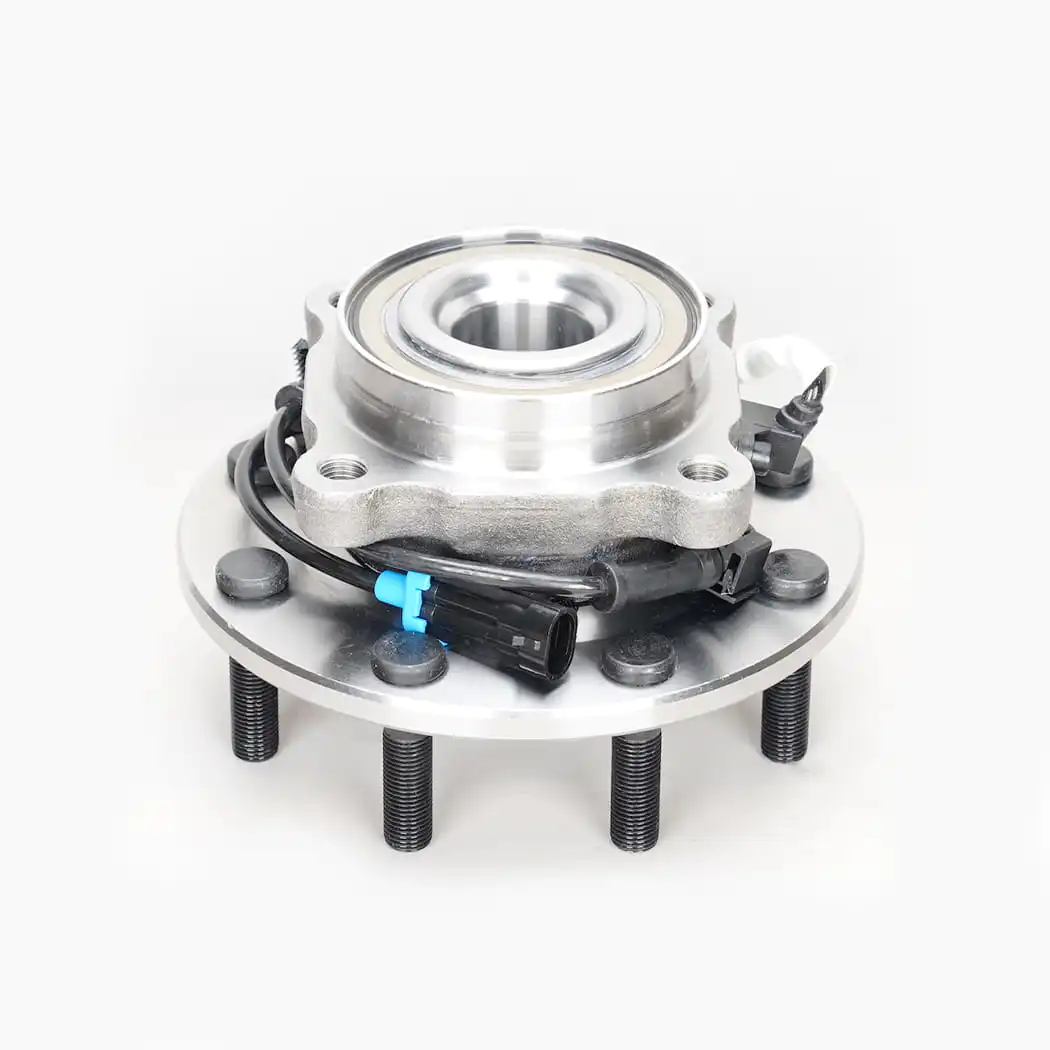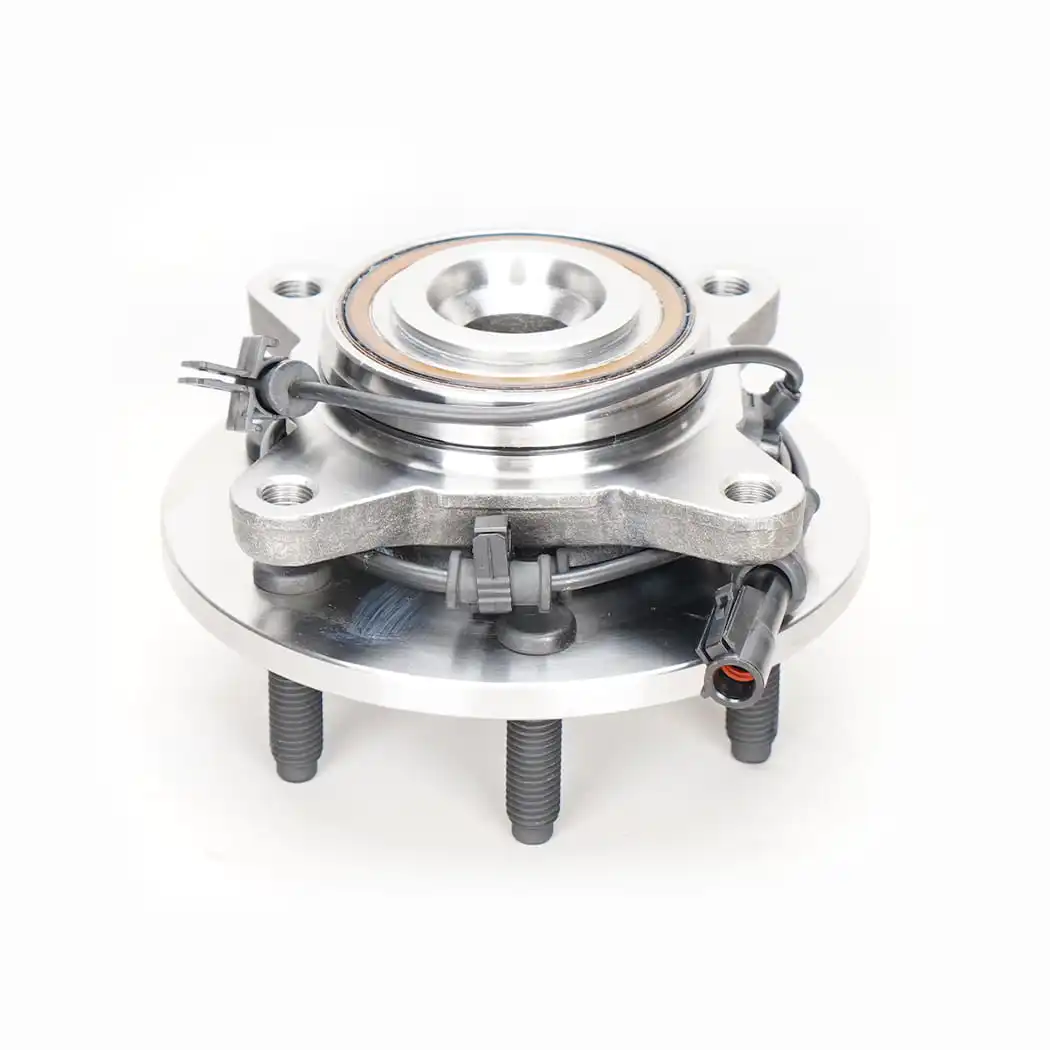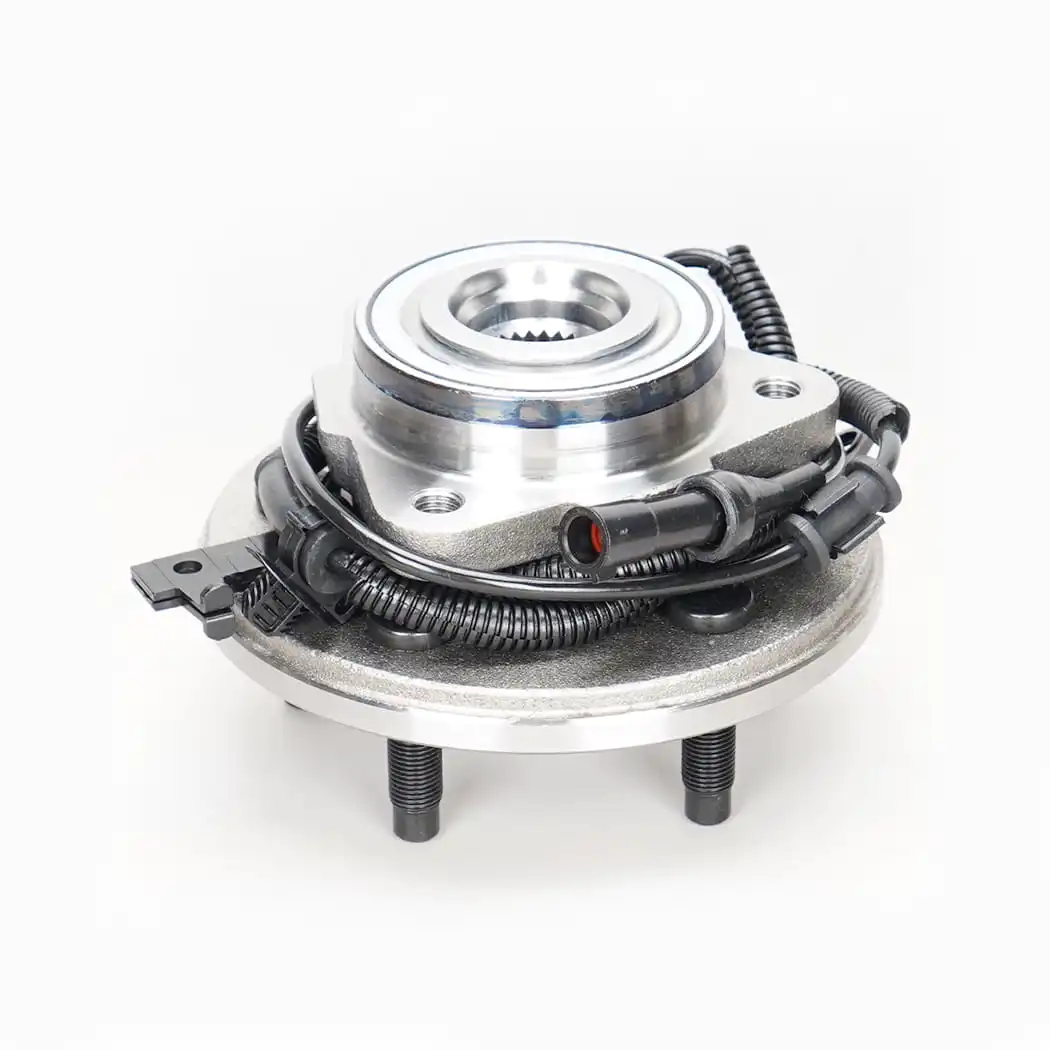
A heavy duty wheel hub rarely gets noticed until it starts complaining. Maybe it is a low rumble that shows up at highway speed and fades when you change lanes. Maybe it is a steering wheel that shivers, or a brake pedal that pulses at the end of a long off-ramp. By the time those symptoms appear, the bearing inside the hub unit has usually been running with worn raceways and contaminated grease for thousands of miles.
Replacing a hub on a compact car is a gentle afternoon job. Replacing one on a three-quarter-ton pickup or a 5500-series chassis cab is a different conversation: heavier parts, higher loads, and far less tolerance for a wrong cross-reference. We build wheel hub units for the replacement market, so this is familiar ground. What follows is a practical look at what "heavy duty" really means in a hub, how to match the right part to the right truck, and what to check before you place an order.
Content
"Heavy duty" is not a badge you can stick on any bearing. It describes a set of design choices made when a wheel end is expected to carry more static load, more dynamic load, and more heat than a passenger car will ever see. Three areas usually tell the story.
A heavy duty hub uses larger rolling elements and wider raceways. The flange is thicker, the studs are longer and larger in diameter, and the hub body is machined from a heavier blank. That extra material is what resists deformation when a loaded truck rolls over a pothole at highway speed.
Heavy duty trucks live in gravel dust, road salt, and towing heat. Good HD hubs use multi-lip seals, a sturdy seal carrier, and grease formulated for a higher operating temperature range. A seal that works fine on a sedan will not last long behind a loaded dump trailer.
Most modern heavy duty hubs carry an integrated tone ring or magnetic encoder so the ABS and traction control systems keep a clean signal. Tone ring configurations and sensor positions are not universal. A hub that physically bolts up but sends the wrong signal will light the dash and frustrate everyone involved.
In our catalog, the heavy end of the range centers on the trucks people use to tow, haul, and plow: Ford F-250 through F-550 Super Duty, Ram 2500 through 5500, Chevrolet Silverado 2500 HD and 3500 HD with their GMC Sierra counterparts, plus older K2500 and K3500 platforms and big SUVs such as the Suburban 2500 and Yukon XL 2500. These are the vehicles that arrive at driveline shops with a wheel end that has already done a decade of hard work.
Front and rear duties differ. Front hubs on these trucks absorb steering loads on top of vertical weight, which is why they tend to be the first to make noise. Rear hubs often sit inside a hub-and-rotor assembly on full-floating axles, so the replacement part looks different even when the load class is similar. In our numbering system, front assemblies are grouped in the 515 series and rear assemblies in the 512 series, which makes a quick first sort easier when you already know which corner of the truck you are working on.
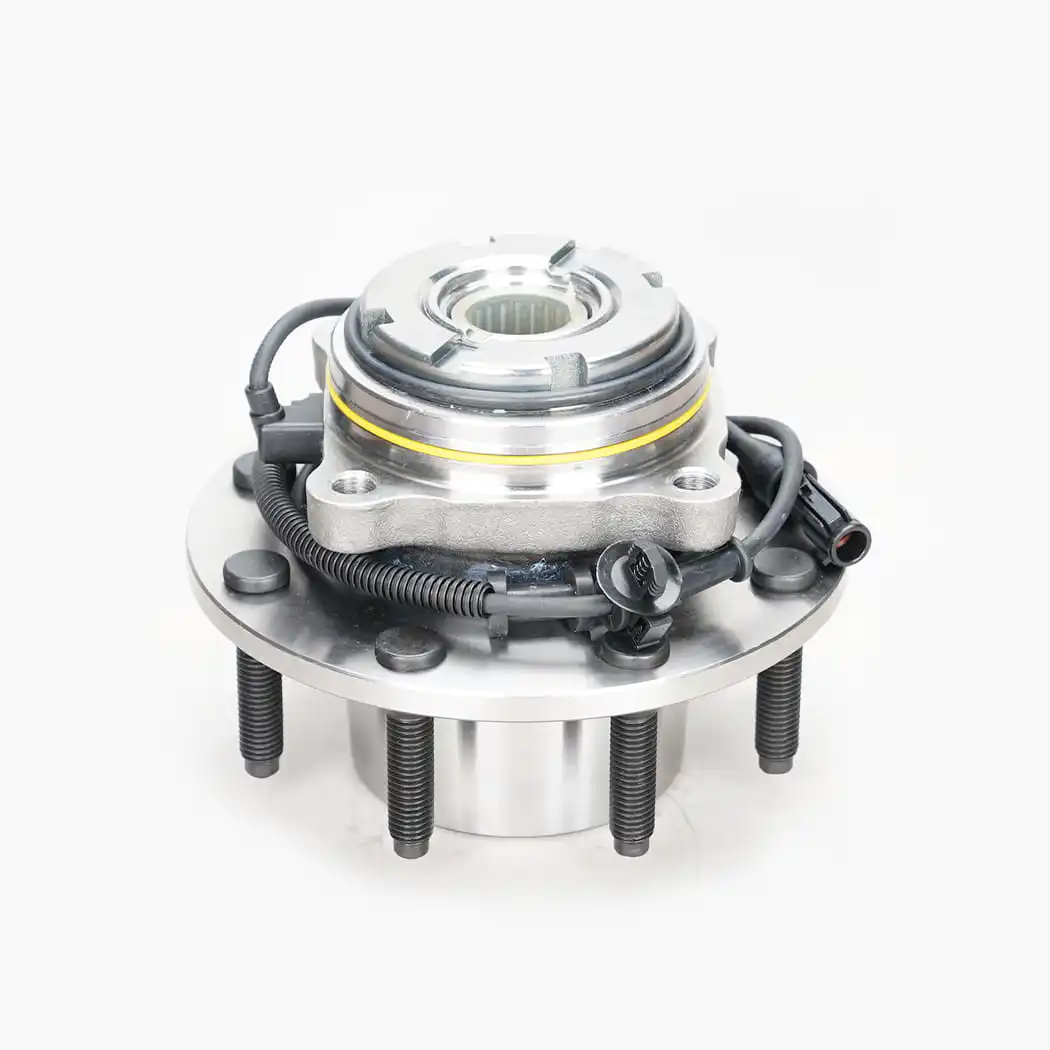
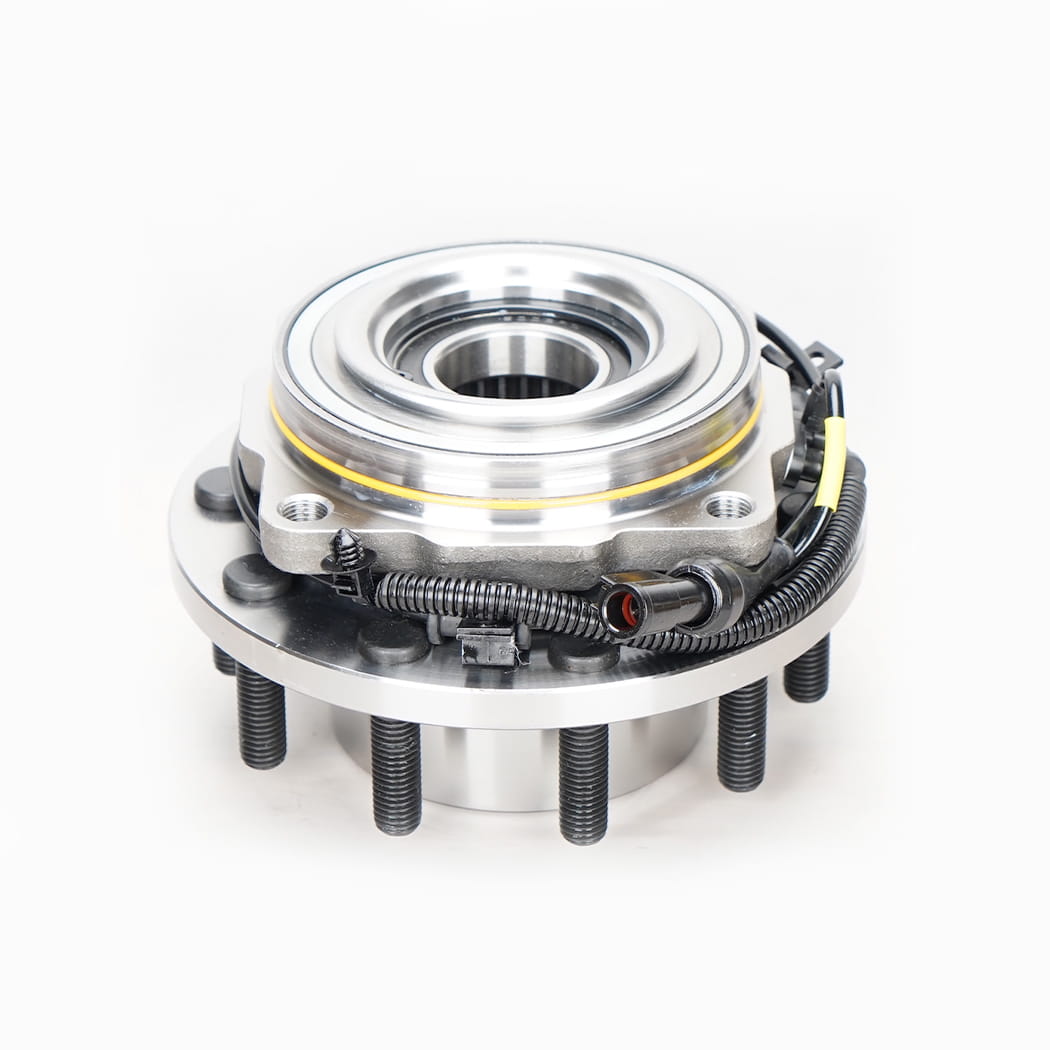 HANHUB 515083 Front Wheel Hub and Bearing Assembly for Ford Super Duty10-lug ABS front hub and bearing assembly for 2005–2010 Ford F-450/F-550 Super Duty, replacing SP940202, BR930639, 7C3Z1104E, and 6C3Z1104EA. Useful for front 515-series queries.View Product →
Lug count is the fastest filter when you are narrowing down a heavy duty hub, but treat it as a starting point rather than an answer. The table below shows how lug counts usually line up with vehicle classes in the North American market.
| Lug Count | Typical Applications | Load Class |
|---|---|---|
| 4 | Compact cars and a few light SUVs | Light |
| 5 | Mid-size cars, compact SUVs, some half-ton pickups | Light to medium |
| 6 | Half-ton and mid-size trucks such as F-150, Colorado, Frontier | Medium |
| 7 | Certain F-150 configurations | Medium |
| 8 | Three-quarter-ton and one-ton trucks, 2500 and 3500 HD | Heavy |
| 10 | 4500 and 5500 class chassis, F-450 and F-550 Super Duty | Extra heavy |
Heavy duty hubs usually fail gradually rather than all at once. Drivers notice the symptoms well before the part lets go, which is a good reason to take complaints seriously the first time they are mentioned.
One heavy duty hub often replaces a surprisingly long list of numbers. The original unit may carry an OEM casting number, the bearing inside may be referenced by a bearing-company code, and distributors may stock the same item under a third numbering system entirely. A useful catalog lists all of them so the search can start from whatever number is actually in front of you.
Take a Ram 4500 or 5500 front position as an example. The hub we build for that application is listed with references including HA590273, BR930508, BTD5038AA and 15178882, and it is a 10-lug design because that is what the chassis expects. Whether your search starts from an OEM number pulled off a rusty original or from a code in a distributor's system, both should land on the same part.
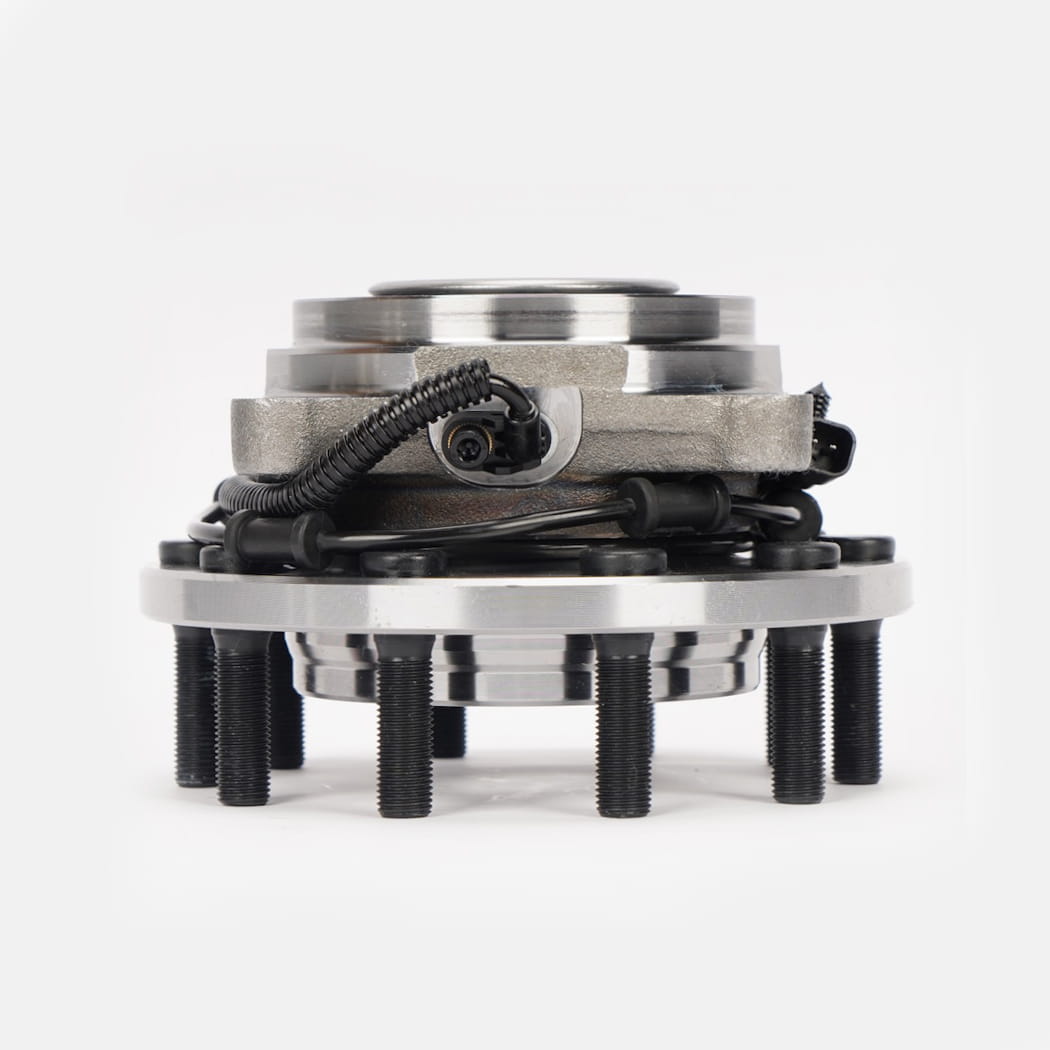 HANHUB 515102 Front Wheel Hub and Bearing Assembly for RAM 4500 550010-lug ABS front hub and bearing assembly for 2008–2018 RAM 4500/5500, useful for matching replacement numbers HA590273, BR930508, BTD5038AA, and 15178882.View Product →
We manufacture wheel hub units to OE dimensions and packaging standards from our production base in Hangzhou, supported by an in-house testing laboratory and our own printing and plastics operations for packaging and related components. When an application is not yet covered, products can be developed from a customer drawing or sample.
For the North American market, our affiliated distribution company WHB AMERICA LLC operates out of Novi, Michigan, handling packaging, warehousing, and local supply. That means a distributor in the Midwest can restock a fast-moving heavy duty number without waiting on an ocean container. You can read more about our production setup on the factory page, and if you want background on why wheel ends matter so much on working vehicles, our note on heavy duty wheel hubs in heavy machinery covers the broader picture.
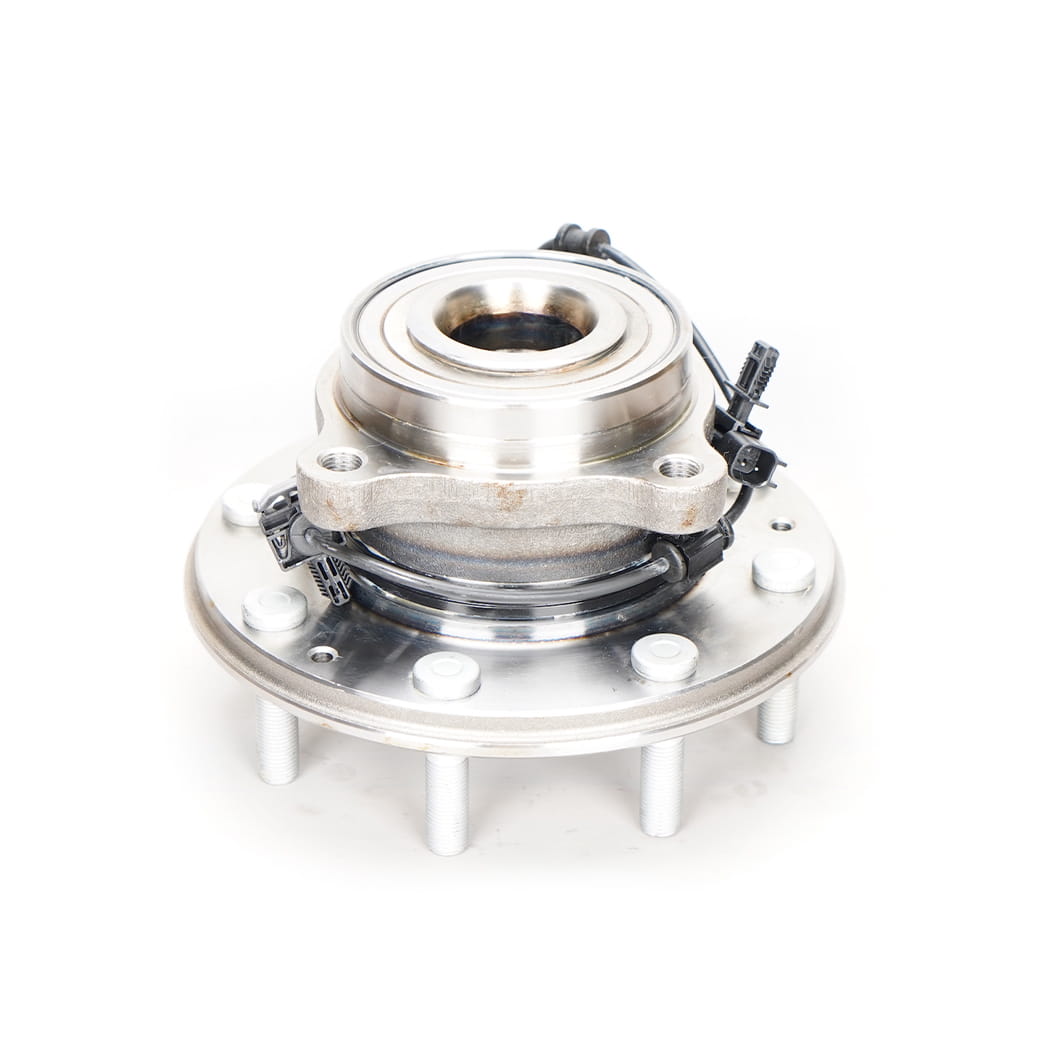 HANHUB 515144 Front Wheel Hub and Bearing Assembly for Silverado Sierra 3500 HD8-lug ABS front hub and bearing assembly for 2011–2019 Chevrolet Silverado/GMC Sierra 3500 HD, replacing 25807422 and other listed numbers with North American distribution support.View Product →
The hub itself is only half of a successful repair. The other half is what happens around it on the lift.
Only if the load rating, flange dimensions, and ABS configuration all match the original. Physical fit alone is not enough, because an underrated bearing will fail early under towing or plowing loads.
It depends on load, road conditions, and tire size. Many units run well past 100,000 miles, while trucks that tow constantly or run oversized tires may see considerably shorter service life. Regular inspection during brake or tire work is the practical answer.
If you are unsure which heavy duty wheel hub belongs on a particular truck, send us the VIN or the numbers from the original part. Matching the right unit the first time is far cheaper than doing the job twice.
• ADD: 42705 Grand River Avenue, Suite 201, Novi. Michigan 48375, USA.
© Copyright 2017 HANGZHOU HANJI AUTO PARTS.CO.,LTD. All Rights Reserved. Wheel Hub Unit Manufacturer