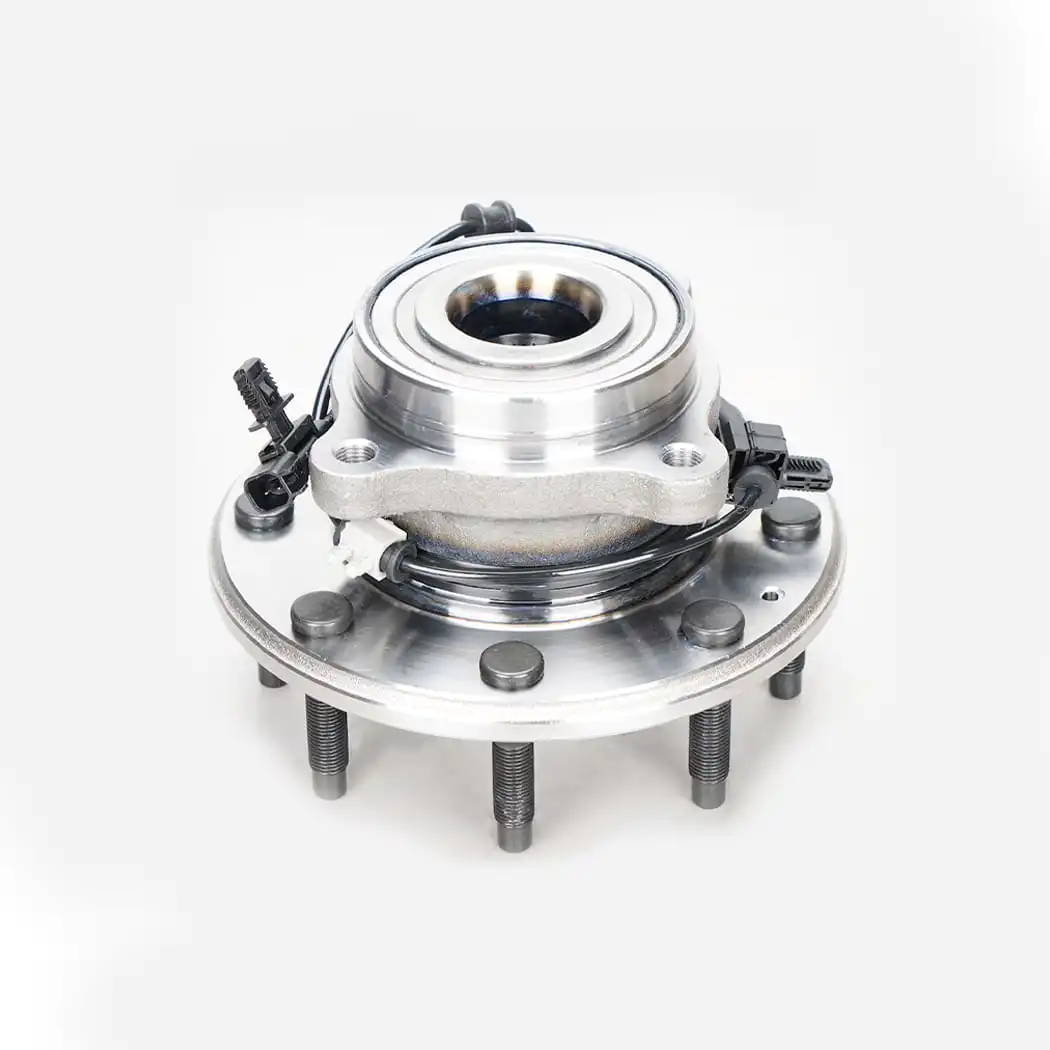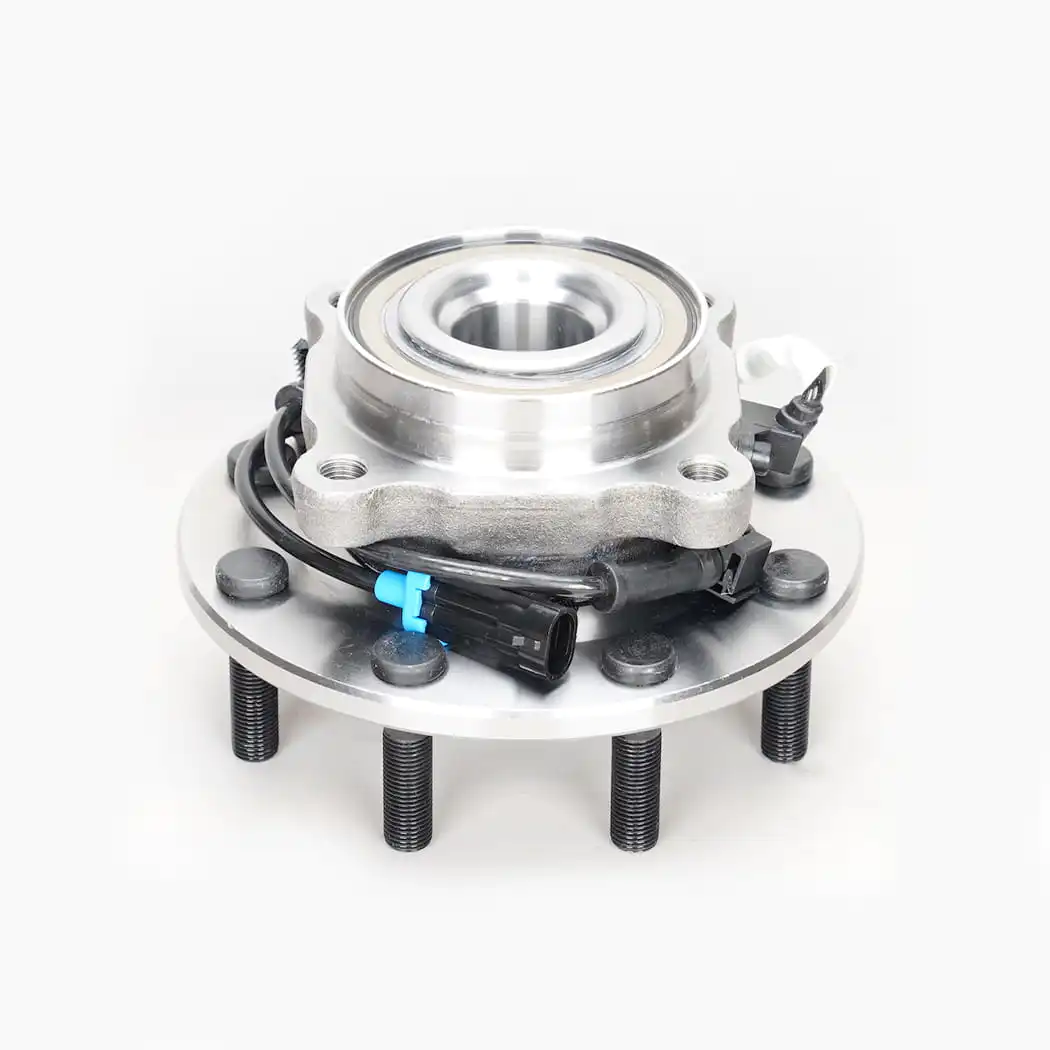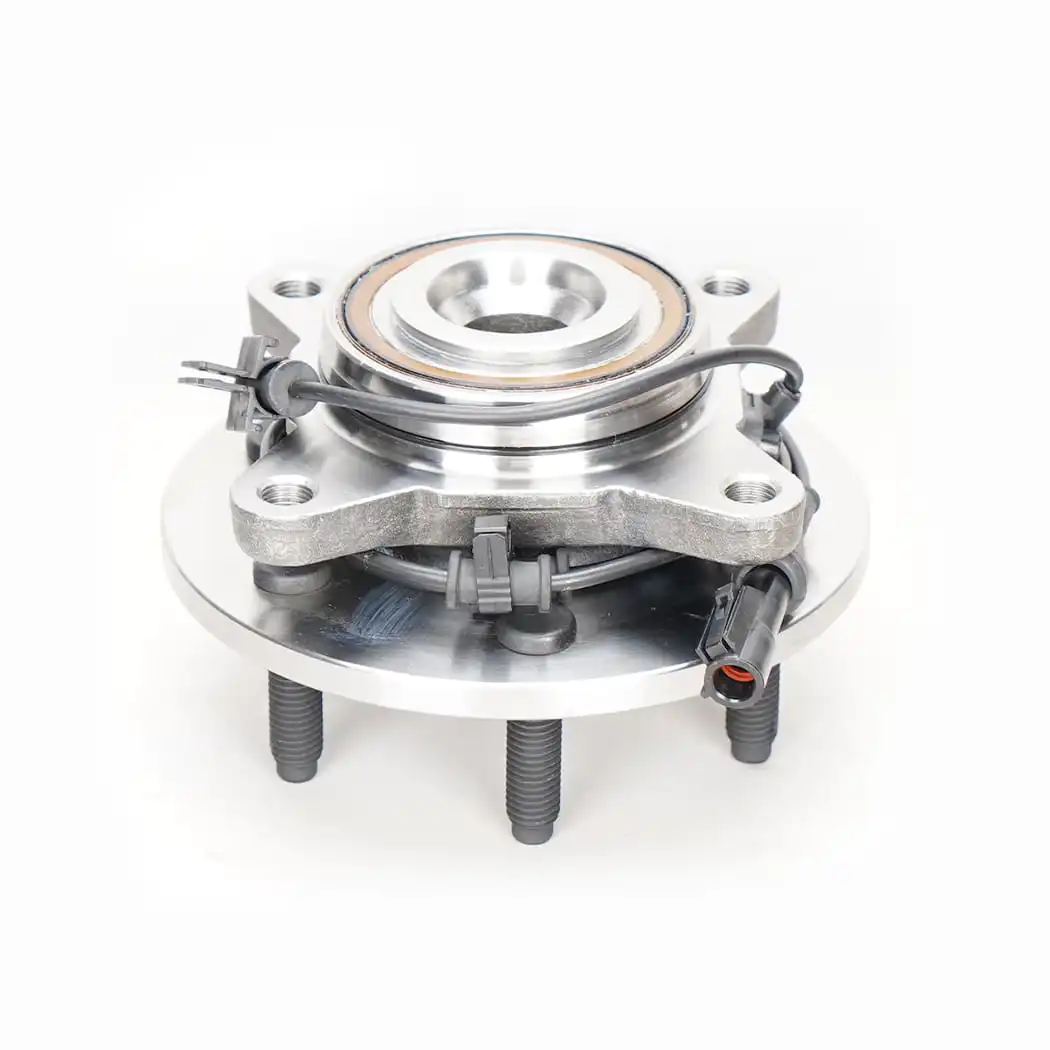
Few parts earn their keep as quietly as the front hub assembly. It carries the weight of the vehicle at the front corners, keeps the wheel spinning true, and gives the ABS system the signal it needs to do its job. When one starts to wear, the first clue is often a noise you feel before you hear, or a warning light that appears long after the bearing has begun to lose preload. This guide walks through what the part does, how to recognize trouble, and how to match a replacement correctly, whether you service a fleet of pickups or maintain a single family SUV.
Content
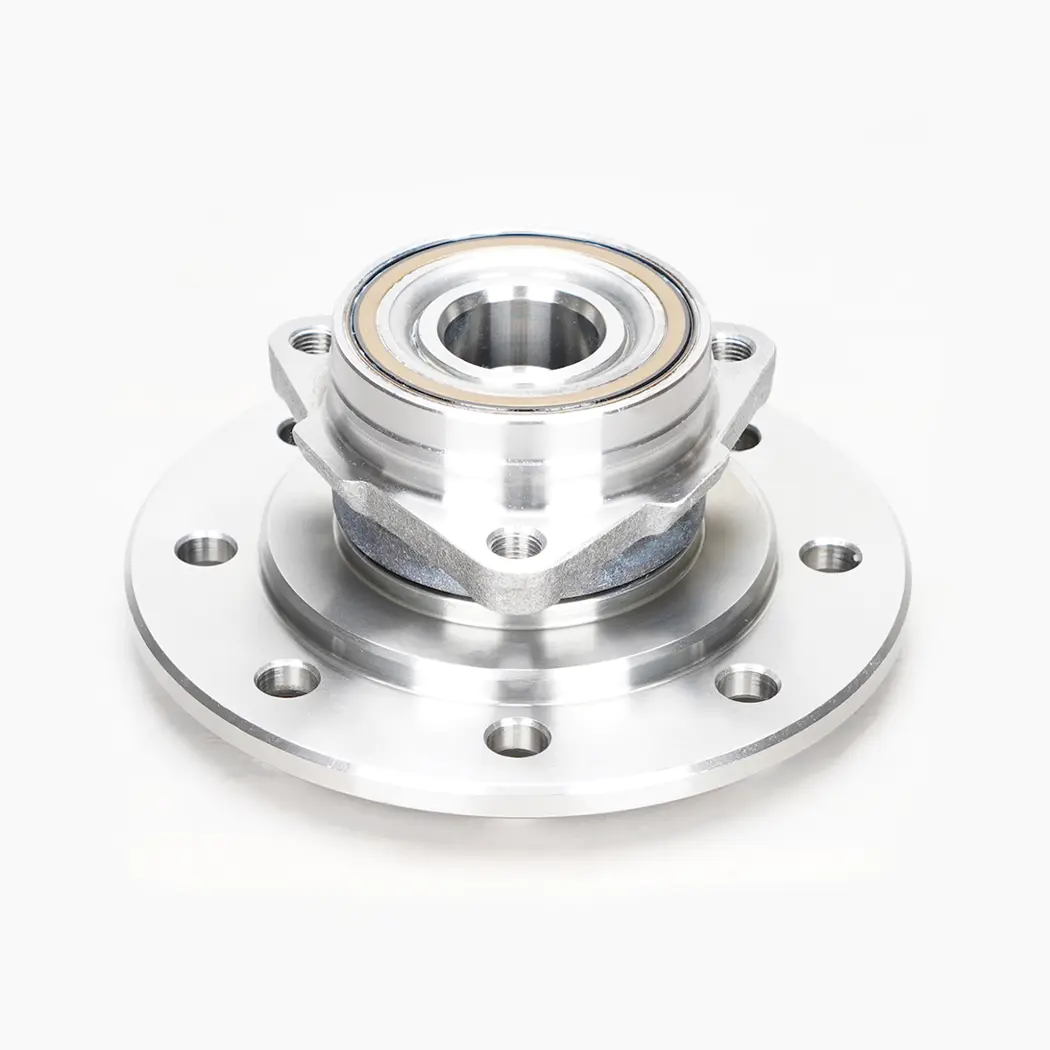
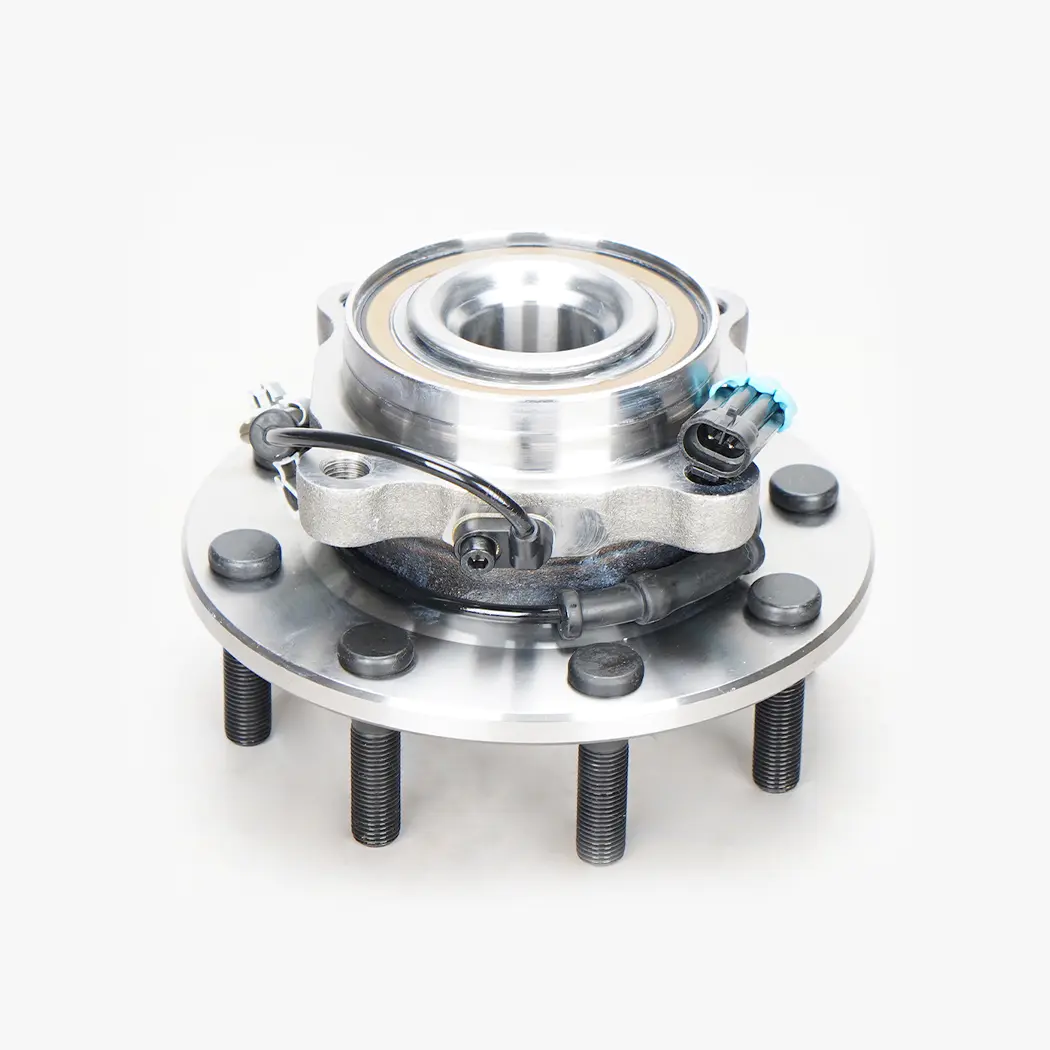
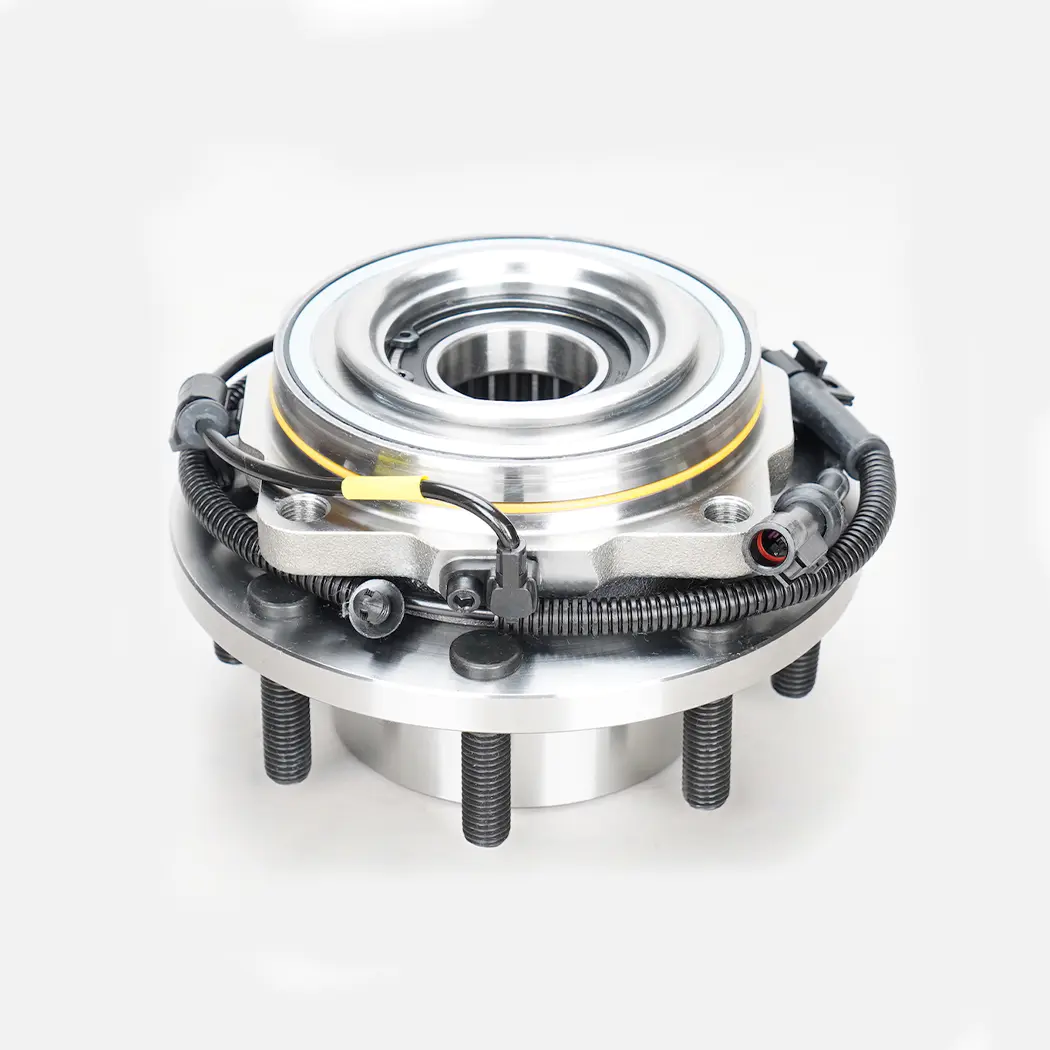
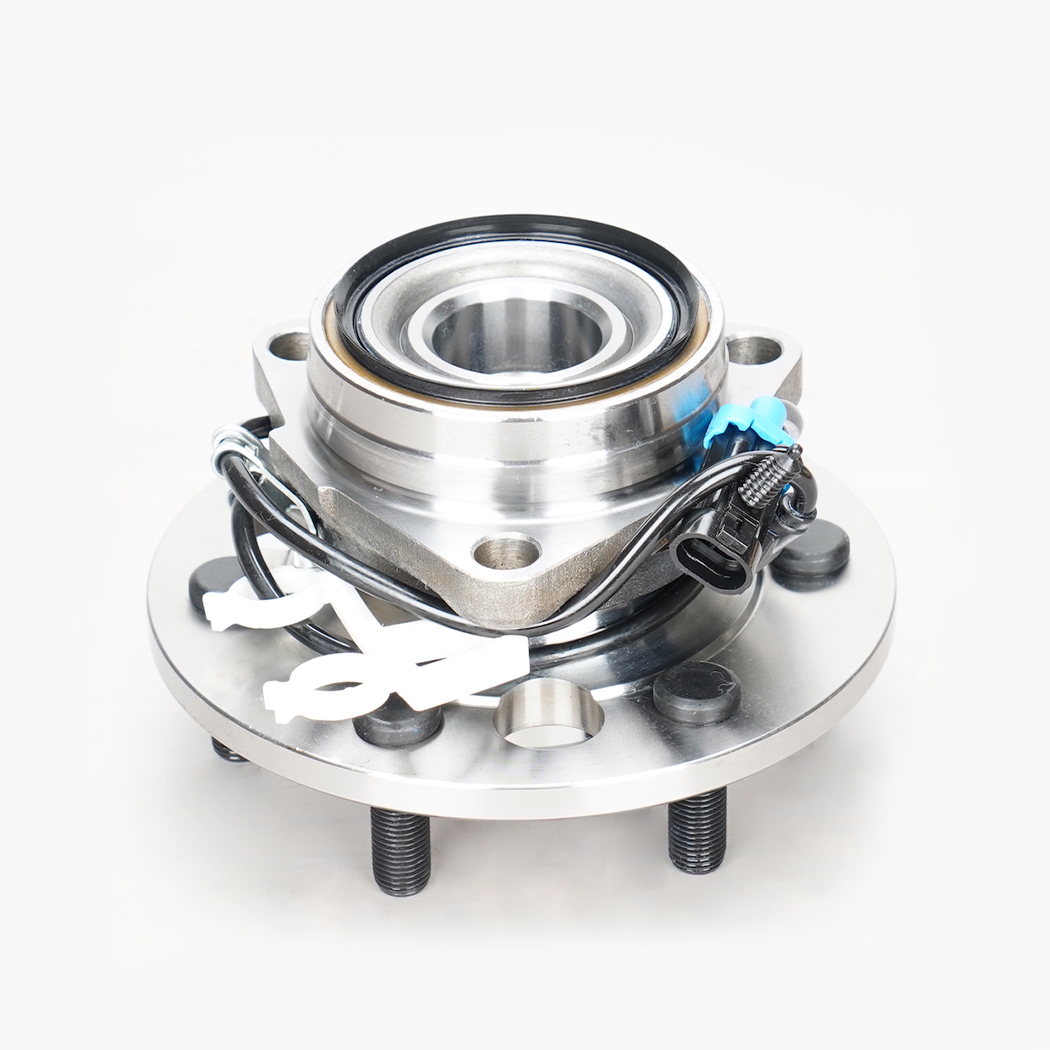
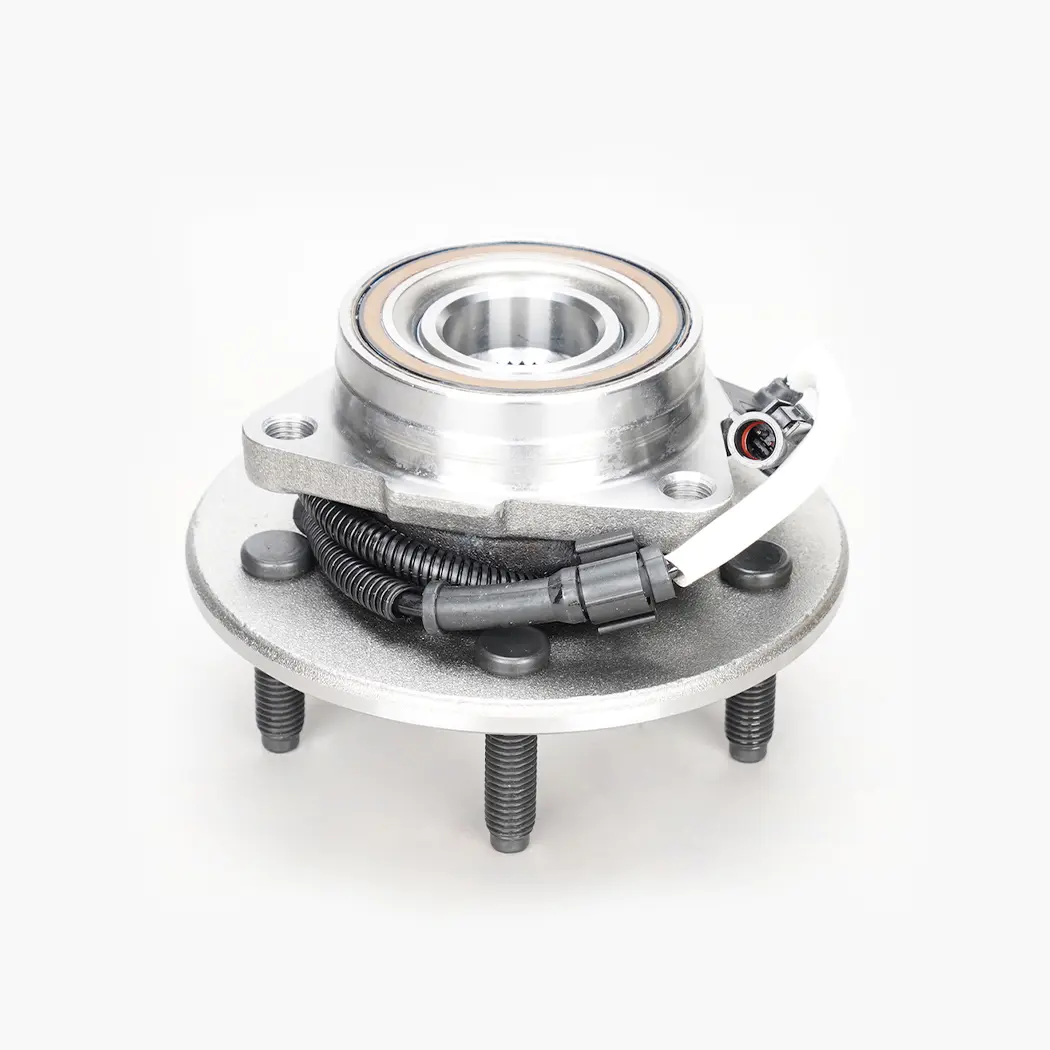
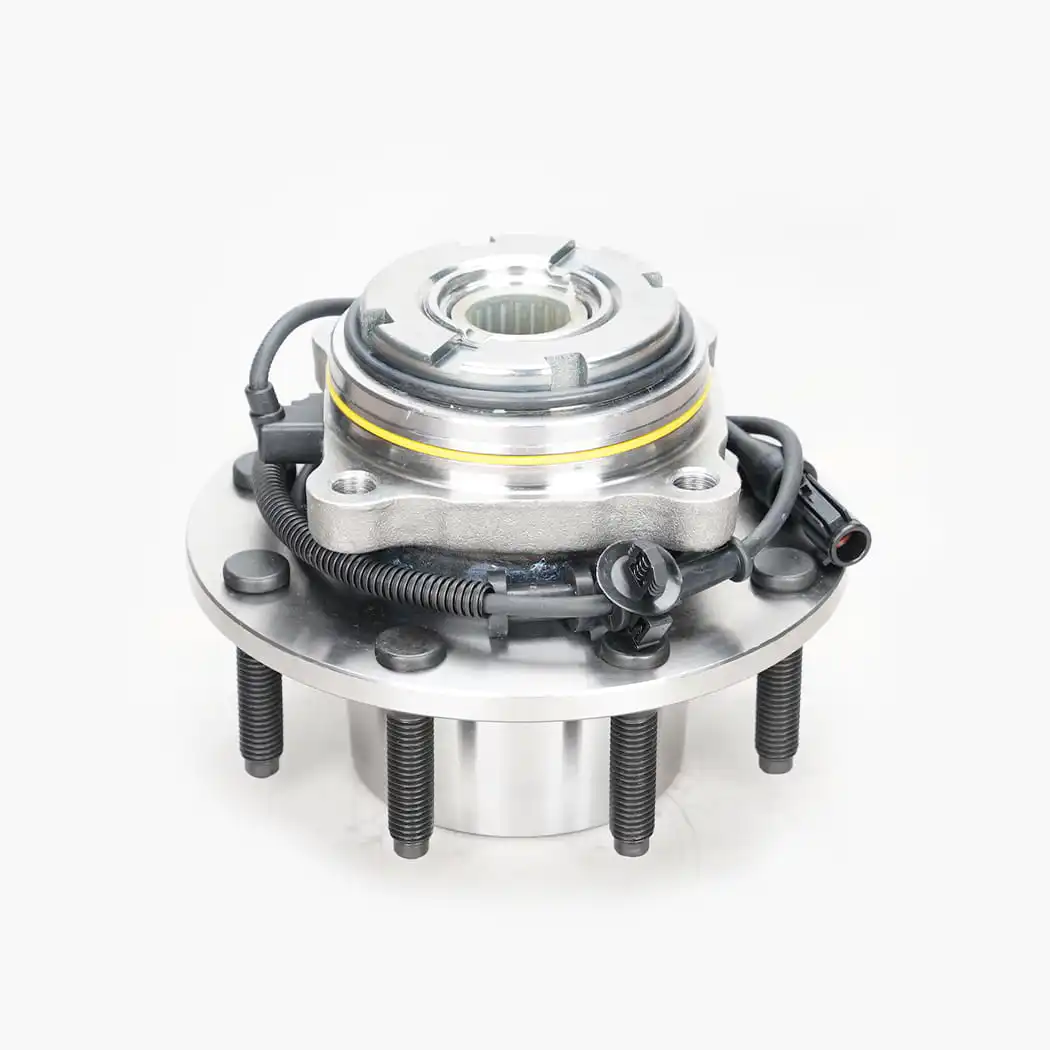
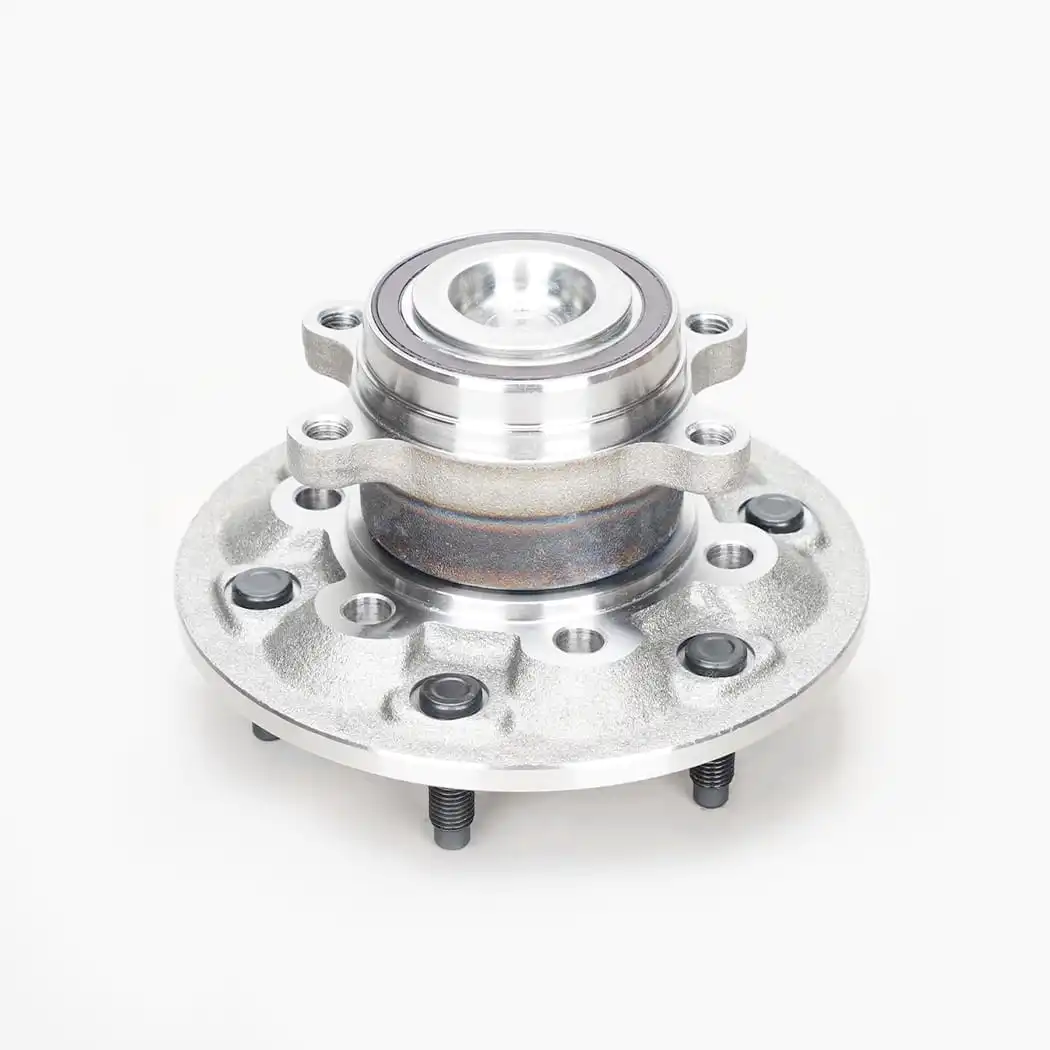
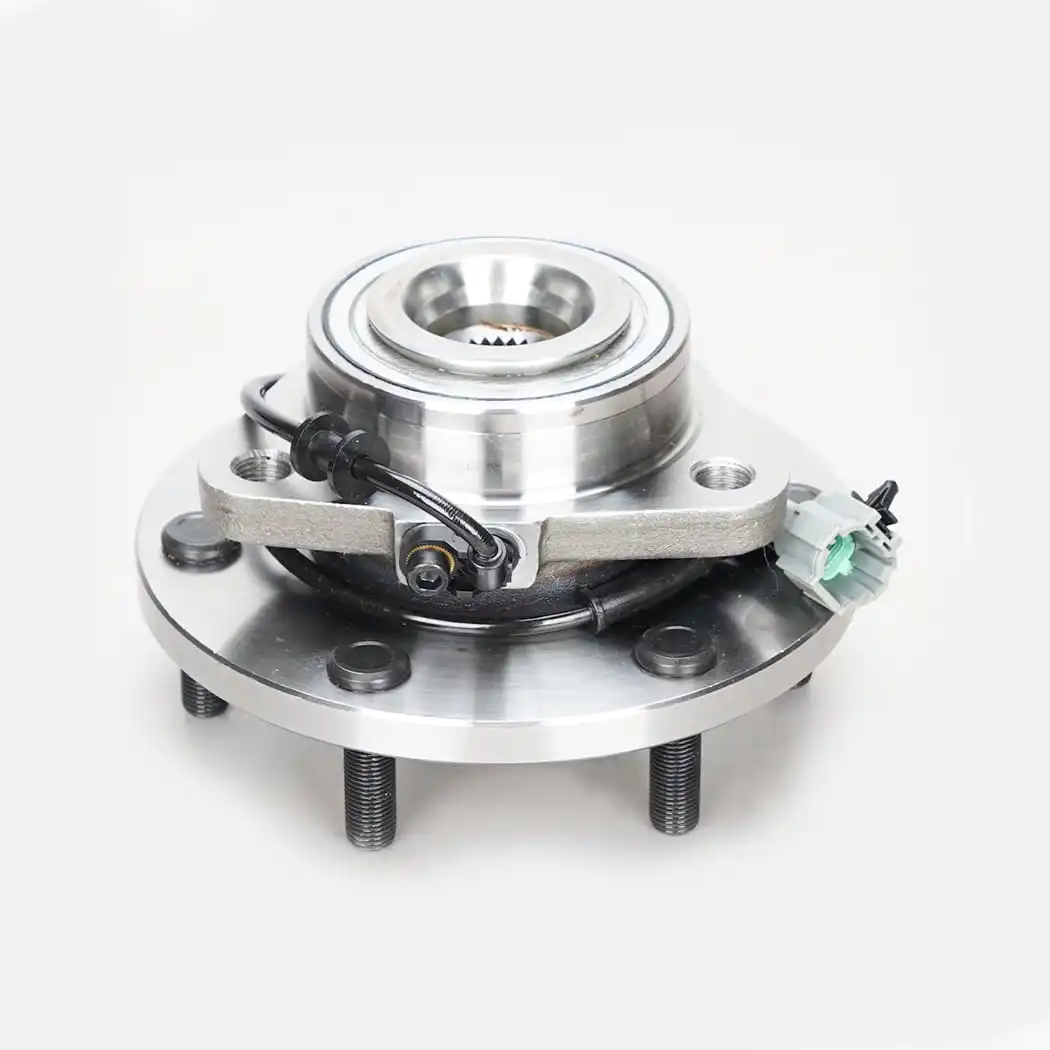
In practice, a front hub assembly is a pre-assembled unit: an outer flange with wheel studs, a sealed bearing race, a mounting flange with bolt holes, and often an ABS sensor or encoder ring. On 4WD and AWD vehicles, the center bore is splined to accept the CV axle; on two-wheel-drive vehicles, it may be a sealed non-driven hub. Because the bearing is set and sealed at the factory, installation is mostly a bolt-on affair once the old unit is removed, provided the replacement matches the knuckle, brake rotor, and axle interface. If you want a plain-language refresher on what a front hub assembly does, we cover the basics there.
The common confusion is between a wheel bearing and a hub assembly. A press-in bearing is a bearing alone; a front hub assembly includes the mounting flange and wheel studs. That difference matters at the counter: a hub assembly is matched by vehicle application, wheel position, bolt pattern, and ABS type, not just by bearing bore. It also explains why a hub assembly can be replaced as a complete unit without a press, and why the wrong flange or sensor can turn a straightforward job into a comeback.
Front hubs see constant radial load, cornering thrust, brake torque reaction, and road shock. A worn bearing can add runout, push the rotor out of alignment, trigger ABS faults, and cause uneven pad wear. Because the hub also positions the wheel relative to the knuckle, play can affect steering feel and tire wear. A small amount of play at the hub becomes a large amount at highway speed, which is why we treat noise and movement as early warnings rather than minor annoyances. On a heavy pickup or a loaded SUV, the same wear can show up faster because the front corner is carrying more mass and larger braking forces.
Front hub failure rarely happens without warning. The trick is separating hub noise from tire noise, brake noise, or CV joint noise. The table below is the quick check we use in the field.
| Symptom | What it may feel like | First checks |
|---|---|---|
| Hum or growl that rises with speed | Sounds like a bad tire but changes little on different road surfaces | Road test; note if noise changes when loading steering left or right |
| Wheel play or clunk | Steering feels loose; clunk over bumps | Lift the front; check 12/6 and 3/9 play; spin the wheel by hand |
| ABS or traction light | Light comes on intermittently or stays on | Scan codes; inspect sensor harness and encoder ring for debris |
| Vibration or pulsation | Felt through the floor or steering wheel | Check hub runout, rotor runout, and wheel balance |
| Uneven tire or brake pad wear | Inner or outer edge wear; pad taper | Inspect tires, alignment, and caliper slides; do not assume hub alone |
A noise that changes when you steer is a classic bearing clue: loading one side can make a bad front hub growl louder or quieter. A CV joint often clicks on turns, while tire noise tends to follow the road surface. If the noise remains after tire rotation and brake inspection, put the hub on the short list. Likewise, do not replace a hub to cure an ABS light without scanning the system first; the fault may be a damaged harness or a debris-covered encoder ring.
Fit is not just about bolt count. Before ordering, confirm the wheel position, stud count and bolt circle, ABS sensor type and connector, axle spline and pilot diameter, flange offset, and brake rotor interface. Some hubs are side-specific; others are symmetrical. A listing that says “front” is a starting point, not a guarantee. Use the VIN or a reliable catalog lookup, and compare the old unit to the new one before installation.
For a concrete example, the Hanhub 515002 front hub assembly is built for the Chevy K1500 application with a 6-lug flange and cross-references to common OE and aftermarket numbers. It is the kind of application where a few minutes with a tape measure and a catalog save a lot of time later.
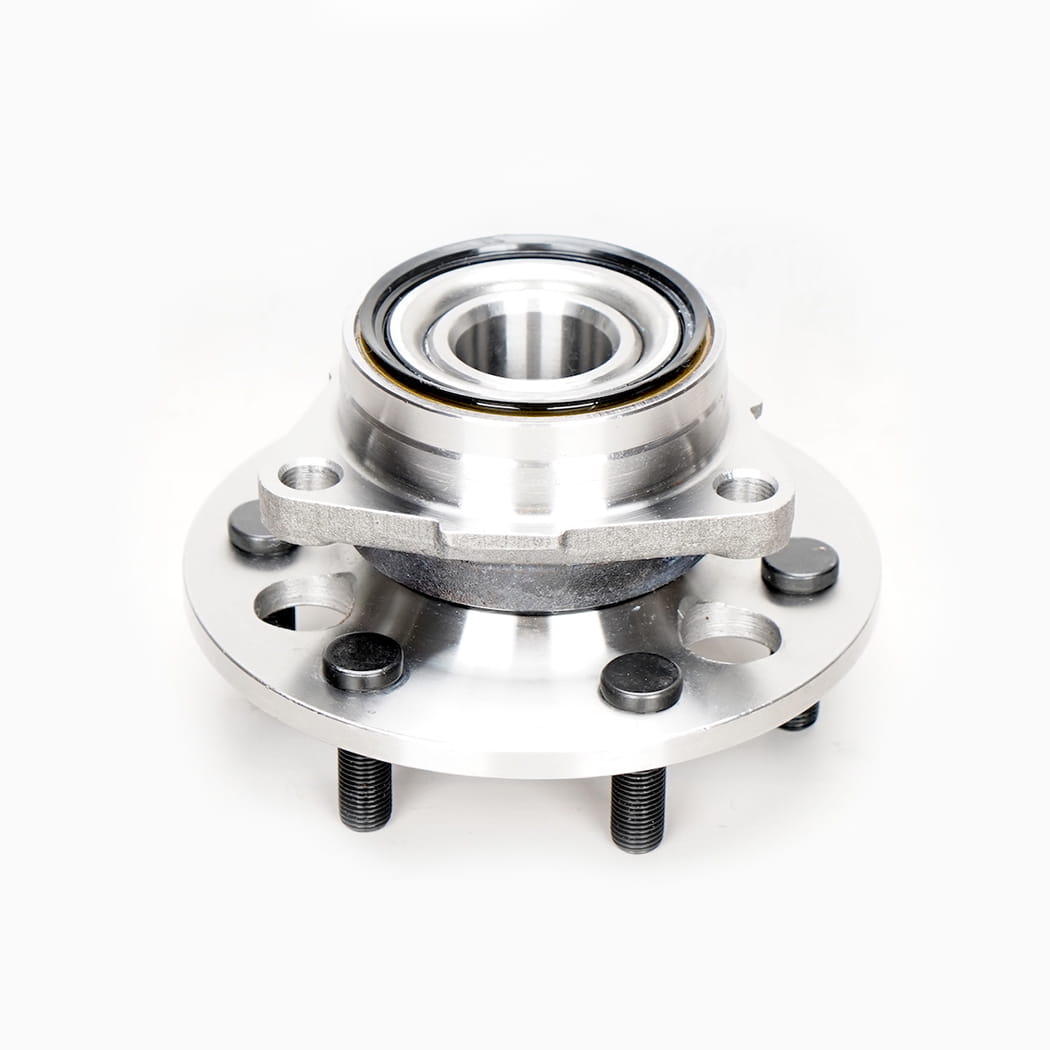 HANHUB 515002 Front Hub Assembly for Chevy K1500Six-lug, non-ABS front hub assembly for 1988–1991 Chevy K1500, with OE cross-reference numbers to confirm fit before installation.View Product →
A front hub assembly is not a place for impact guns and guesswork. Start by cleaning the knuckle face; rust, debris, or a burr can create runout even with a good bearing. Install the new unit with the specified fasteners and a new axle nut where required, then torque in the correct sequence. Support the axle shaft so its weight does not hang on the CV joint, and never hammer on the bearing or flange to seat it. Reconnect the ABS sensor carefully, check brake hose and caliper clearance, and road-test before handing the keys back.
For maintenance, inspect the wheel-end area at every oil change, watch for torn boots or a loose sensor harness, and avoid pressure-washing directly into the bearing seal. If one hub fails at high mileage, check the opposite side as well; matching wear is common, and replacing both sides at once can prevent a second repair a few months later.
At Hanhub, front hub assemblies are part of a broader wheel-end range that includes front and rear hub assemblies, hub spindles, and bearing kits. Our 515-series products are front wheel hub and bearing assemblies, while the 512 series covers rear applications. The catalog is organized the way counter staff actually search: model, wheel position, compatible vehicle, replacement numbers, and lug count. That structure helps a parts professional move from a vehicle description to a verified part without guessing.
Our factory and quality-control process is set up around OE-standard production, and our U.S. distribution through WHB AMERICA LLC in Novi, Michigan, supports packaging, warehousing, and local supply for North American customers. We have developed more than 1,400 U.S.-market products, with coverage aimed at the pickups, SUVs, and light trucks that keep repair bays busy.
Two examples show the range. The Hanhub 515078 front hub assembly fits Explorer, Explorer Sport Trac, and Mountaineer applications with a 5-lug flange. The Hanhub 515111 covers Colorado, Canyon, i350, and i370 applications with a 6-lug flange. Both are listed with compatible vehicles and interchange numbers so the counter can confirm the application before the part leaves the shelf.
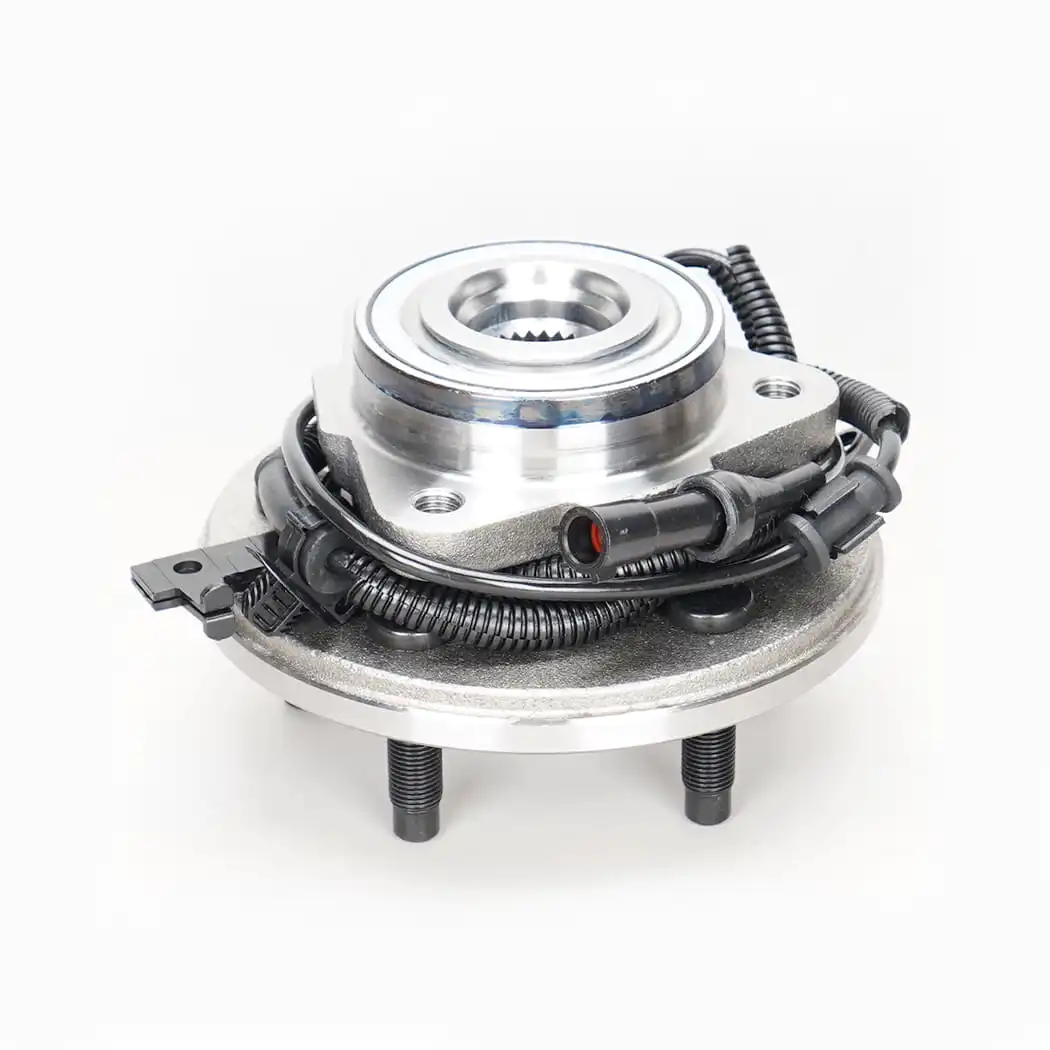 HANHUB 515078 Front Hub Assembly for Explorer and MountaineerFive-lug ABS front hub assembly for Explorer, Explorer Sport Trac, and Mountaineer applications, with interchange numbers to help confirm fitment.View Product →
 HANHUB 515111 Front Hub Assembly for Colorado and CanyonSix-lug ABS front hub assembly for Chevy Colorado, Canyon, i350, and i370 applications, with replacement part numbers for fitment reference.View Product →
Treat the front hub assembly as a safety part, not a commodity. Diagnose noise and play before replacing parts, match the unit by position, stud pattern, ABS type, and axle interface, and install it with clean surfaces and correct torque. When the fit is right and the installation is careful, a quality front hub assembly does exactly what it should: keeps the wheel stable, the ABS informed, and the driver unaware of the work going on at the front corner. If you are unsure which application fits, send us the VIN, wheel position, and a photo of the old unit; that is usually enough for our team to point you to the right Hanhub part.
• ADD: 42705 Grand River Avenue, Suite 201, Novi. Michigan 48375, USA.
© Copyright 2017 HANGZHOU HANJI AUTO PARTS.CO.,LTD. All Rights Reserved. Wheel Hub Unit Manufacturer