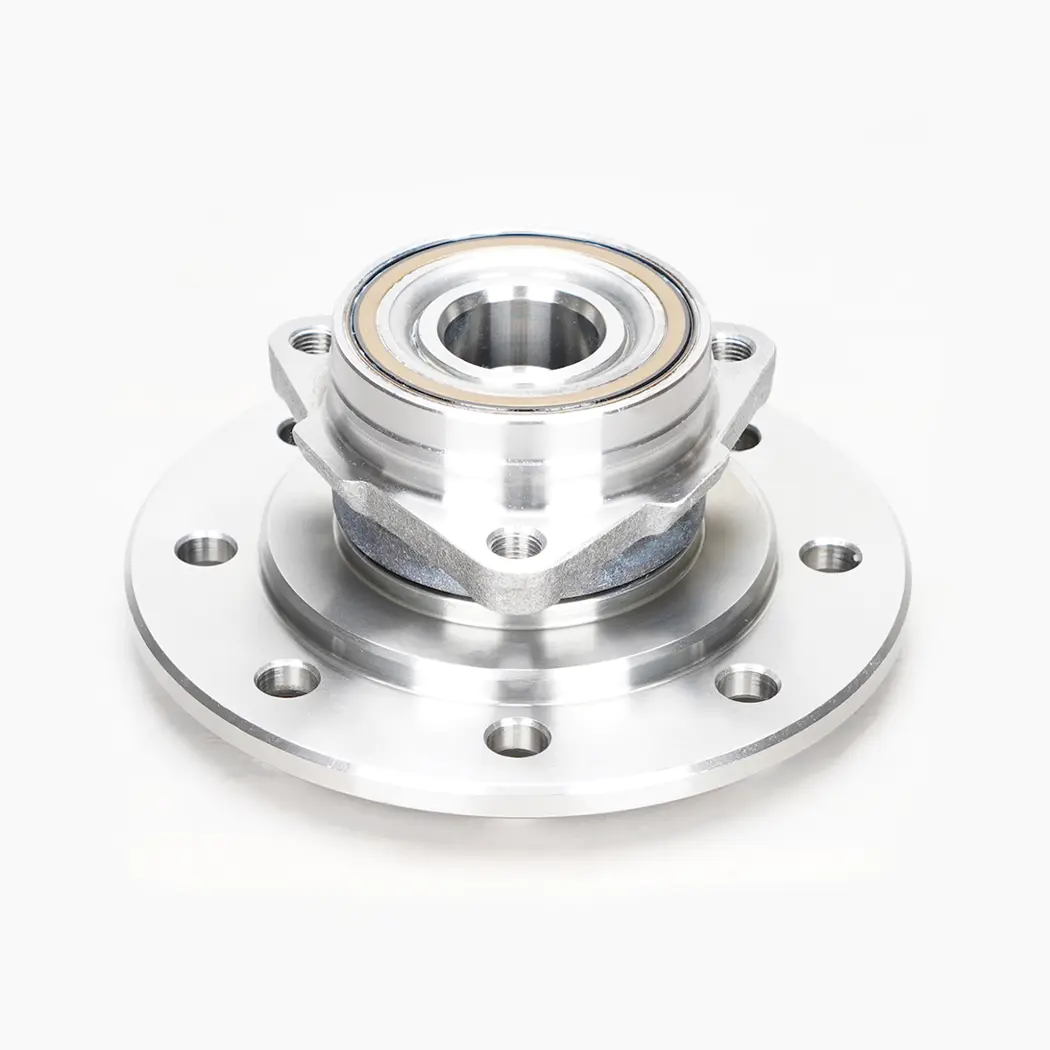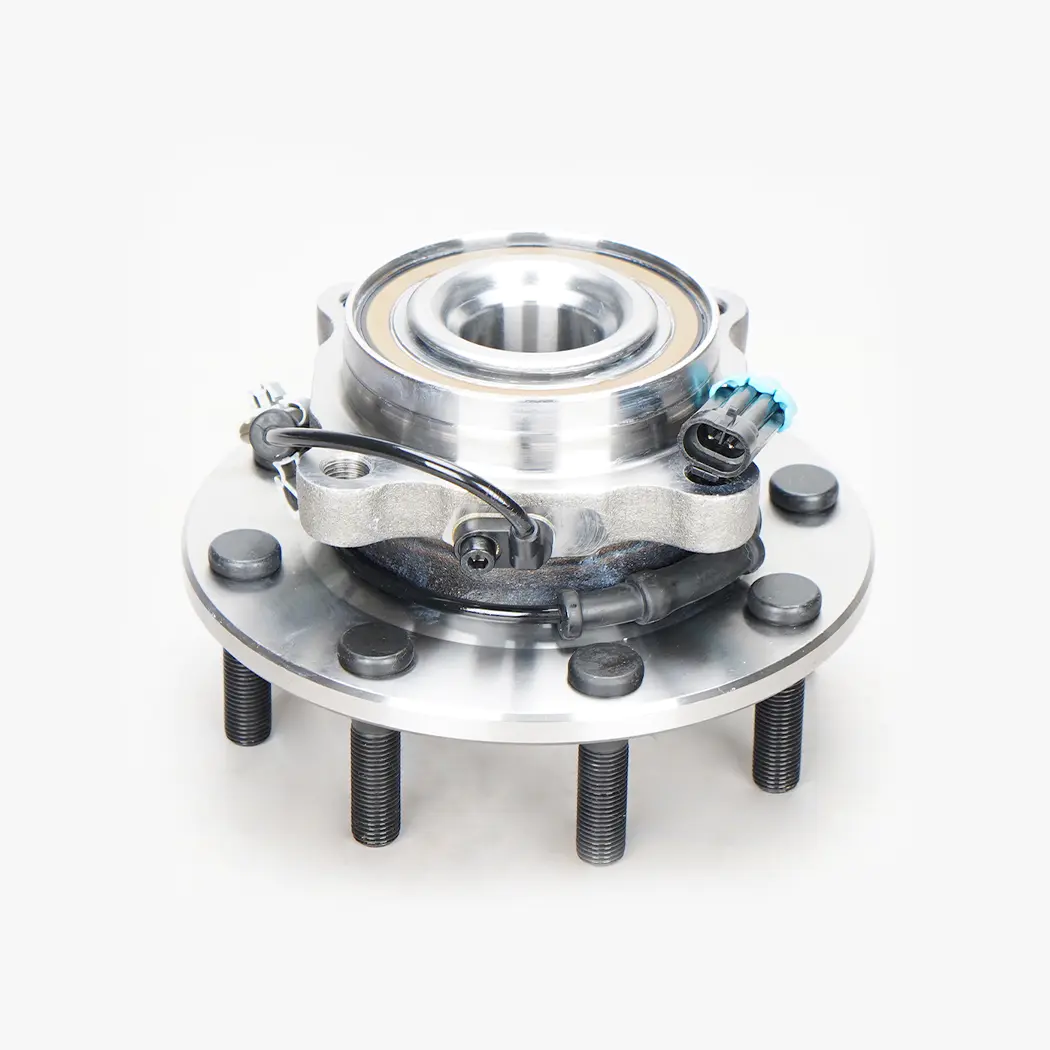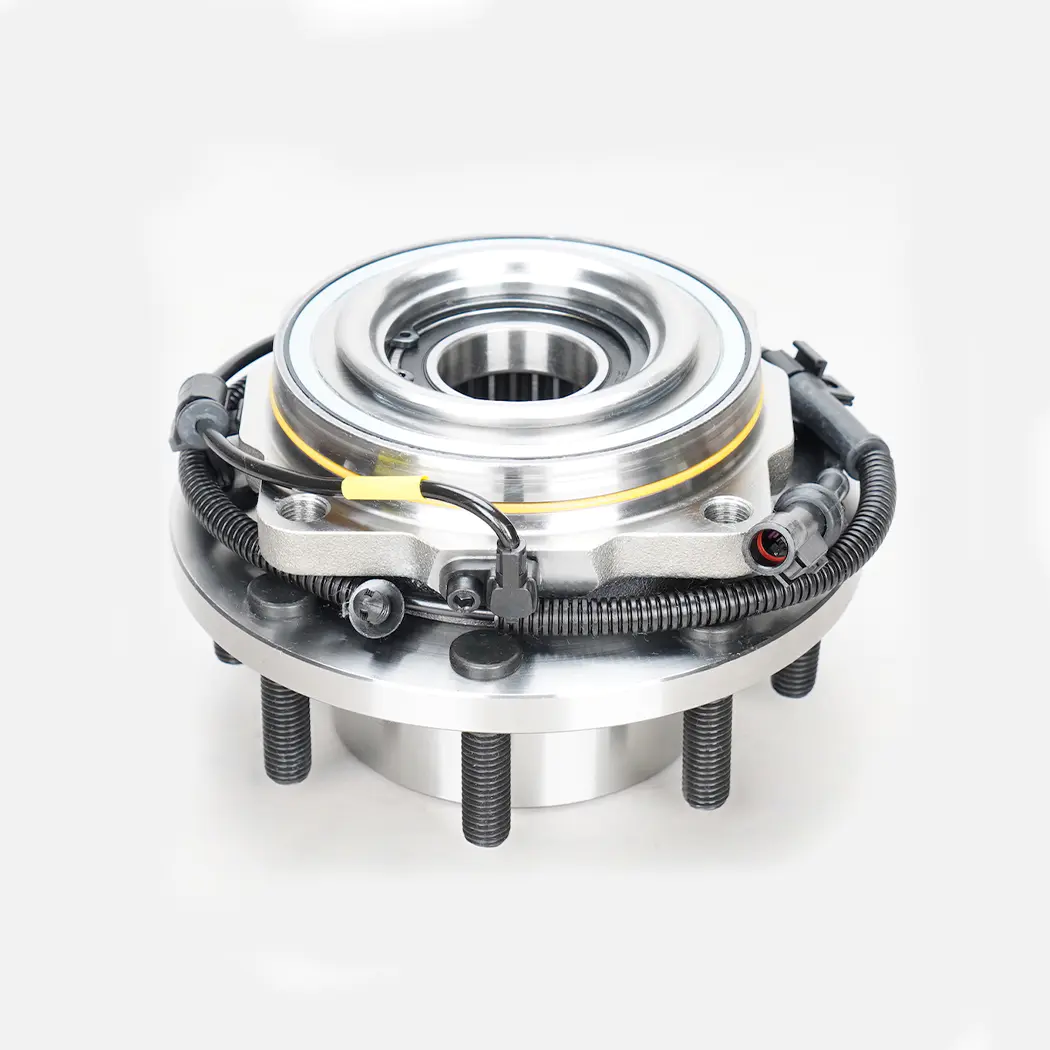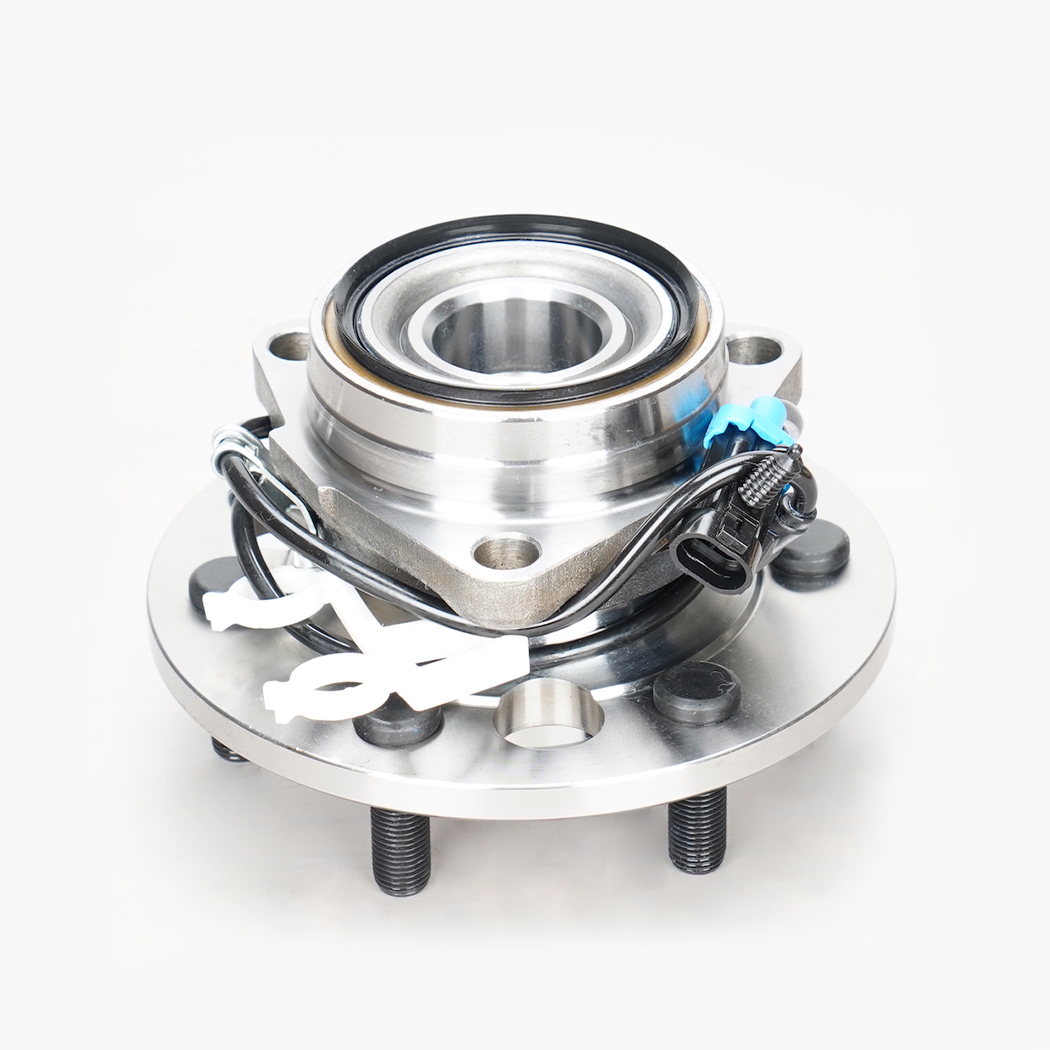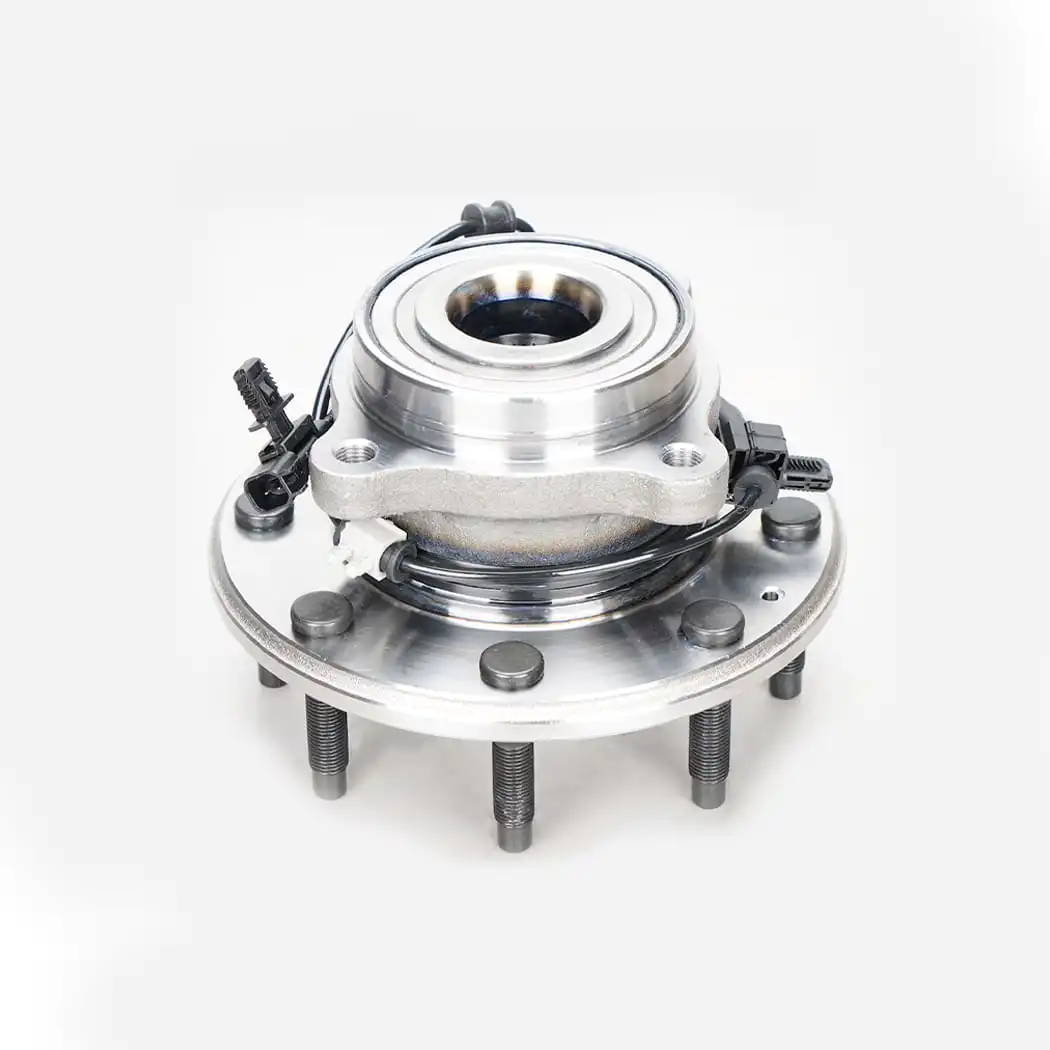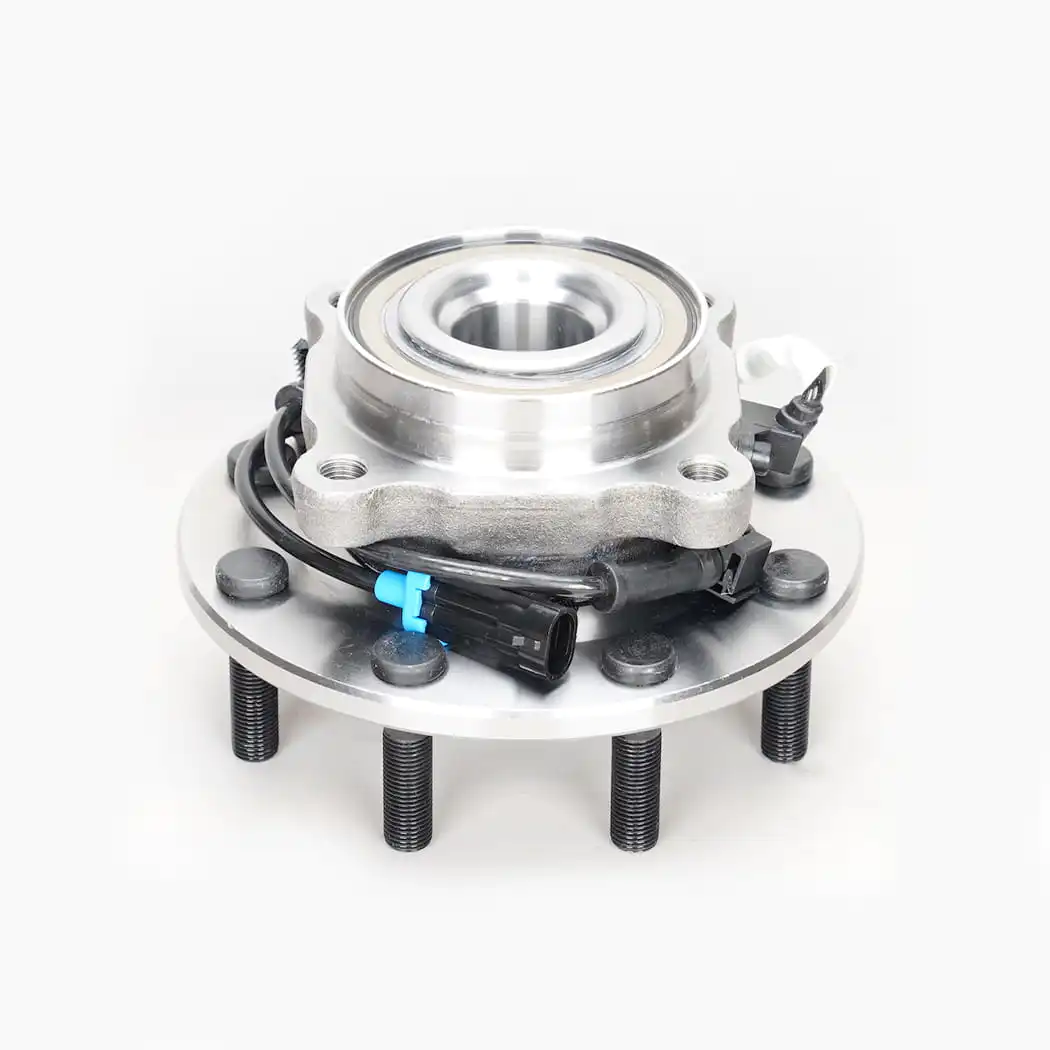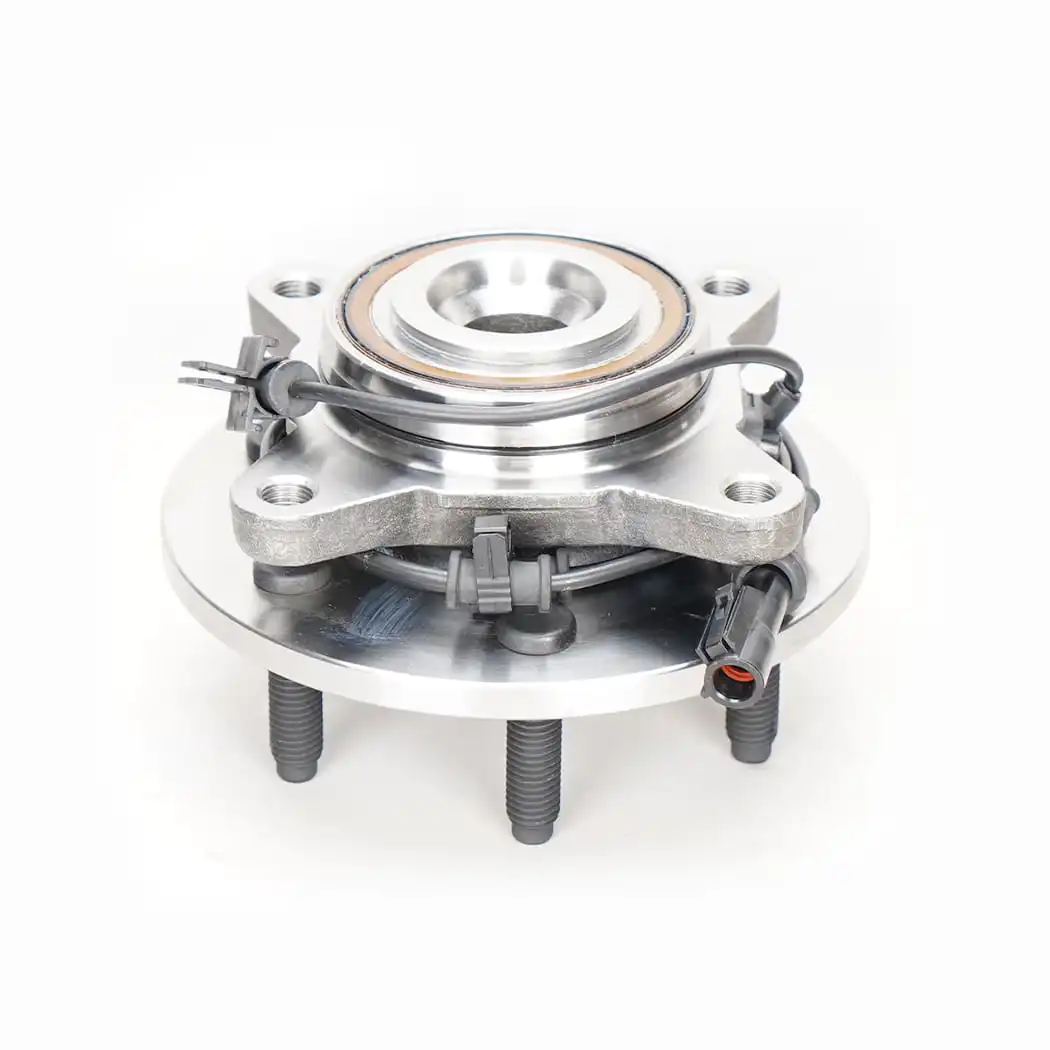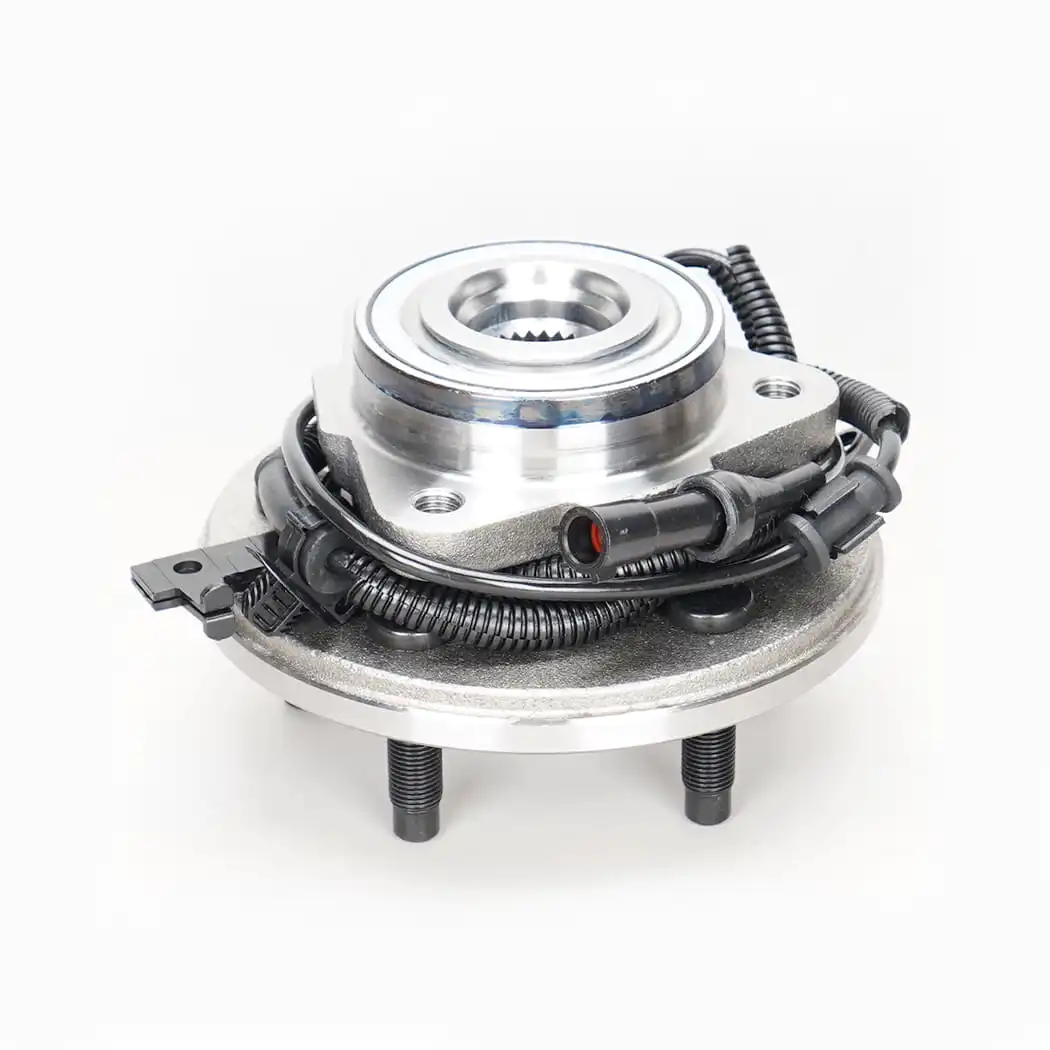
A wheel hub assembly is one of those parts nobody thinks about until a grinding noise appears at highway speed. On a compact sedan that is an inconvenience. On a three-quarter-ton pickup, a chassis-cab, or a truck that hauls a loaded trailer five days a week, it is a safety item — and a genuinely different piece of engineering.
We build heavy duty wheel hub assemblies for exactly that second group, and we have spent enough years shipping them into North American warehouses to know where the fitment mistakes happen. This guide covers what actually differs on a heavy-duty unit, how to read load ratings and bolt patterns, which symptoms mean it is time to replace, and how to order the right part the first time.
Content
The phrase "heavy duty" gets used loosely in the aftermarket. Strictly speaking, it describes a unit engineered for higher static and dynamic loads than a passenger-car hub — not simply a hub that happens to fit a big truck. Three things do the real work:
The practical result is that a heavy duty wheel hub assembly runs cooler at the same load. Temperature is the honest measure here: a bearing that runs 15 to 20 degrees Celsius cooler under load is a bearing that will still be quiet at 150,000 km.
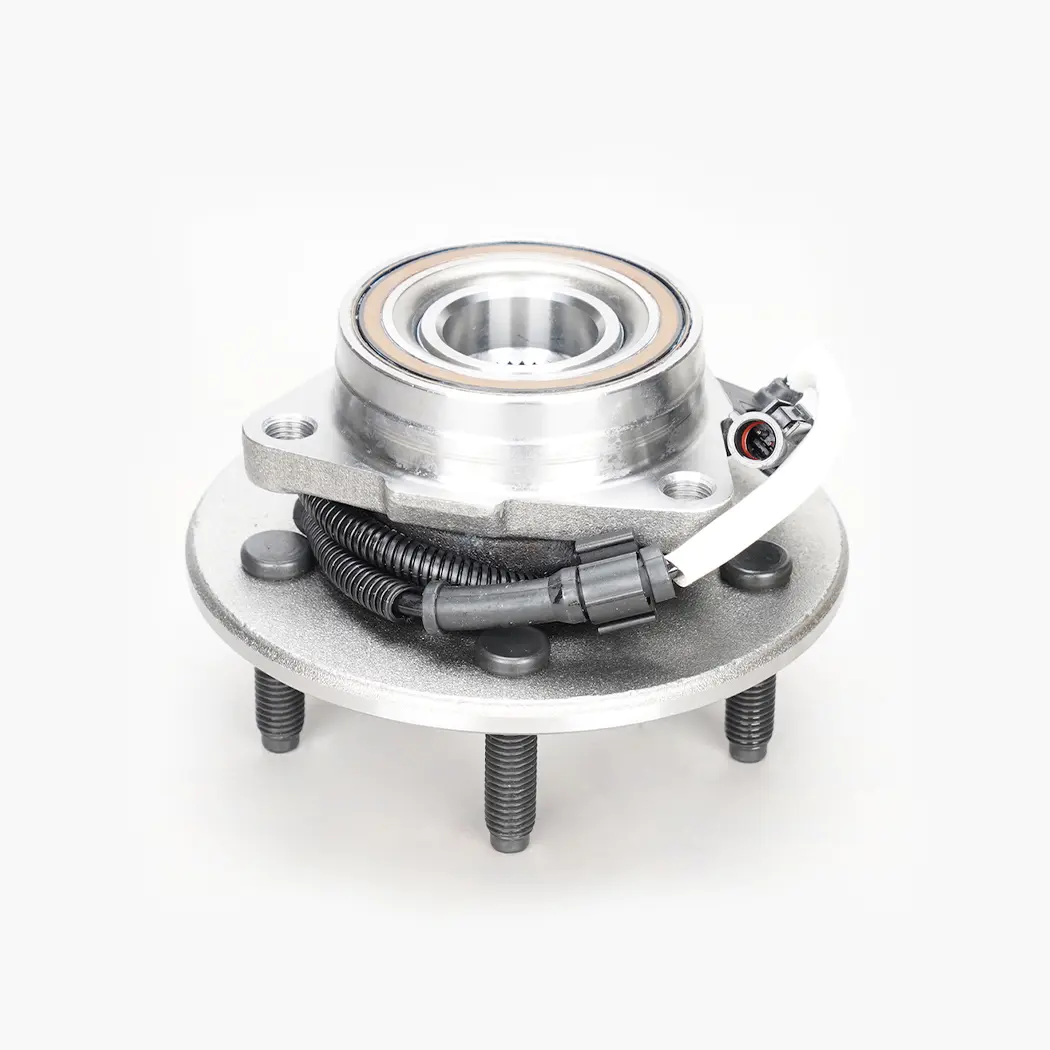
Bolt count is the fastest way to narrow the field, but it never closes the decision on its own. Use the table below as a starting filter, then confirm the OE number.
| Bolt count | Where it usually appears | What to confirm before ordering |
|---|---|---|
| 5 | Half-ton pickups, mid-size SUVs, crossovers | Stud thread, flange offset, and whether the tone ring sits on the hub or the rotor |
| 6 | Mid-size pickups and body-on-frame SUVs | ABS sensor style; early and late production often differ on the same nameplate |
| 7 | High-payload half-tons | Count the studs on the vehicle itself, not the catalog listing |
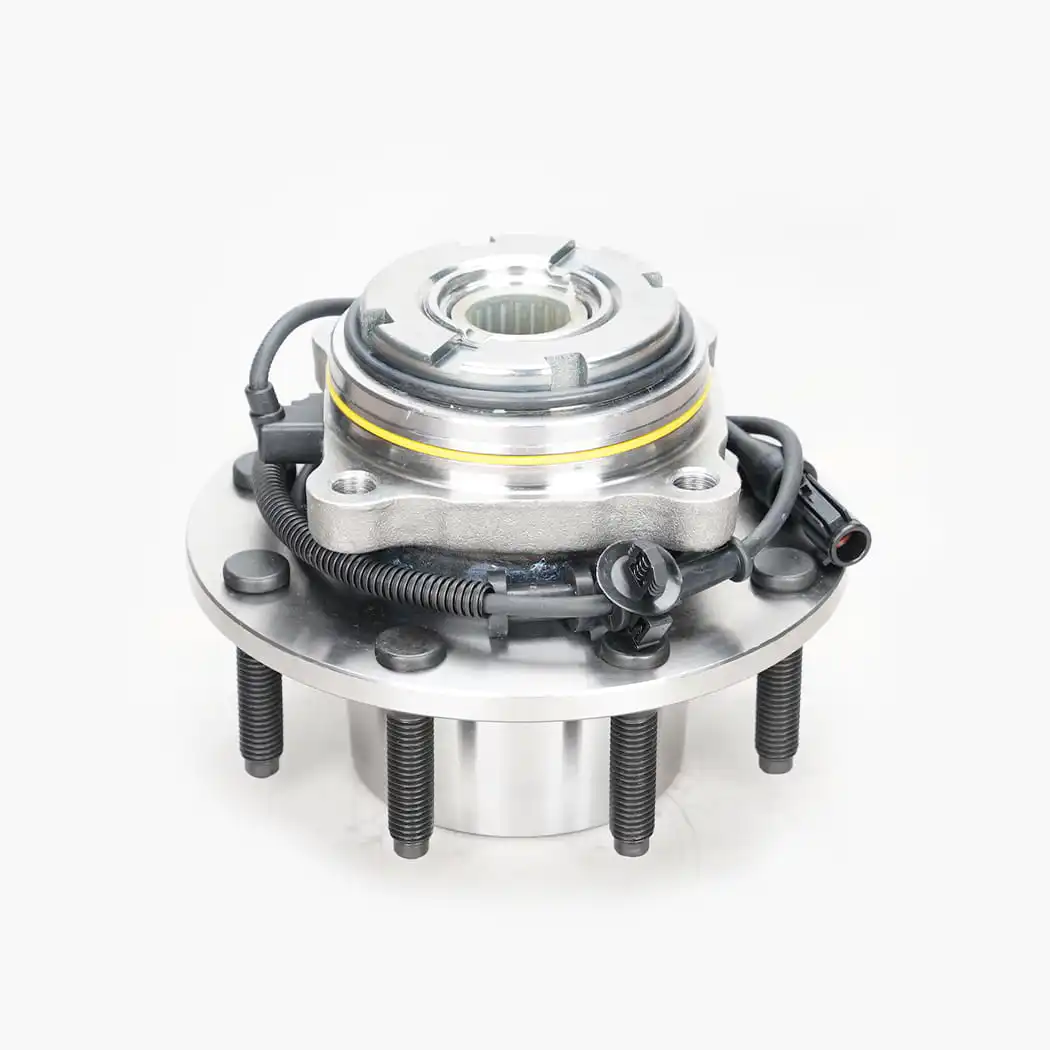
| 8 | Three-quarter-ton and one-ton trucks | Rotor-mounted versus hub-mounted sensor, and hub pilot diameter |
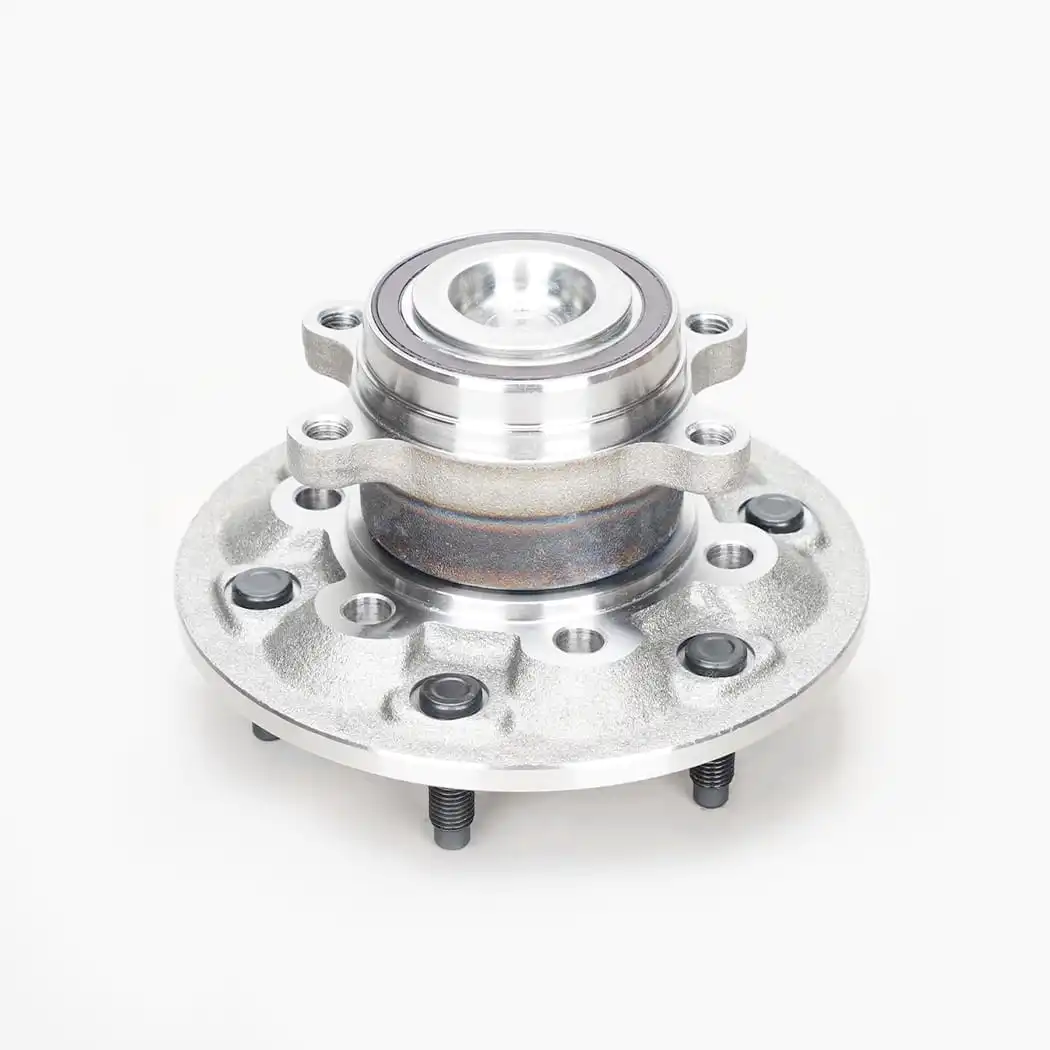
| 10 | Chassis-cab and 4500/5500-class trucks | Brake package, hub pilot diameter, and axle rating |
If you want a longer walkthrough of how load ratings map onto real axle configurations, our guide to load ratings and bolt patterns goes deeper into the numbers.
As a reference point for an 8-lug unit, the Hanhub 515077 front hub assembly is built for the F-250, F-350, F-450 and F-550 Super Duty range and carries the matching original-equipment interchange references.
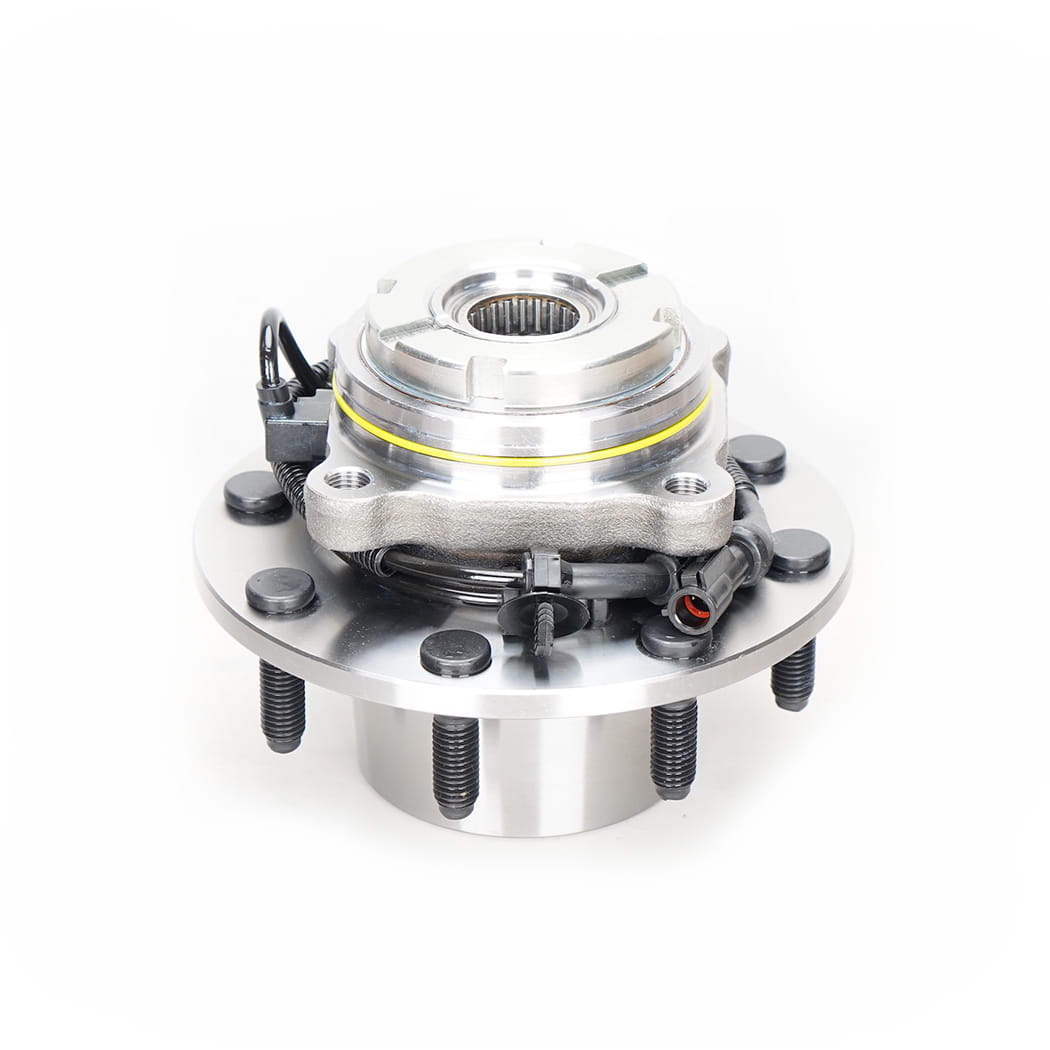 HANHUB 515077 Front Hub Assembly for Ford Super Duty8-lug ABS front hub assembly for Ford Super Duty F-250 through F-550, with OE interchange references; a reference point for diagnosing slow hub wear.View Product →
Heavy-duty hubs usually fail slowly, and drivers often blame the tires first. The sequence below is roughly the order in which symptoms tend to appear:
On a working truck, replace in pairs per axle. If one side has gone, the other has covered the same distance under the same loads.
You can browse the full wheel hub assembly range by vehicle and bolt pattern if you prefer to work from fitment rather than part number.
A single heavy duty wheel hub assembly often replaces a long chain of numbers: the original factory reference, plus several numbers that circulate through different aftermarket cataloguing systems. Those numbers exist because the same bearing unit was fitted to multiple model years, multiple trim levels, and sometimes multiple nameplates.
That is useful if you read it correctly. Match the OE number first, then use the aftermarket references as confirmation rather than as the primary key. When a listing shows ten references and your invoice shows one of them, you are almost certainly holding the right part. When none of them match, stop — especially on a truck that is booked into a service bay tomorrow morning.
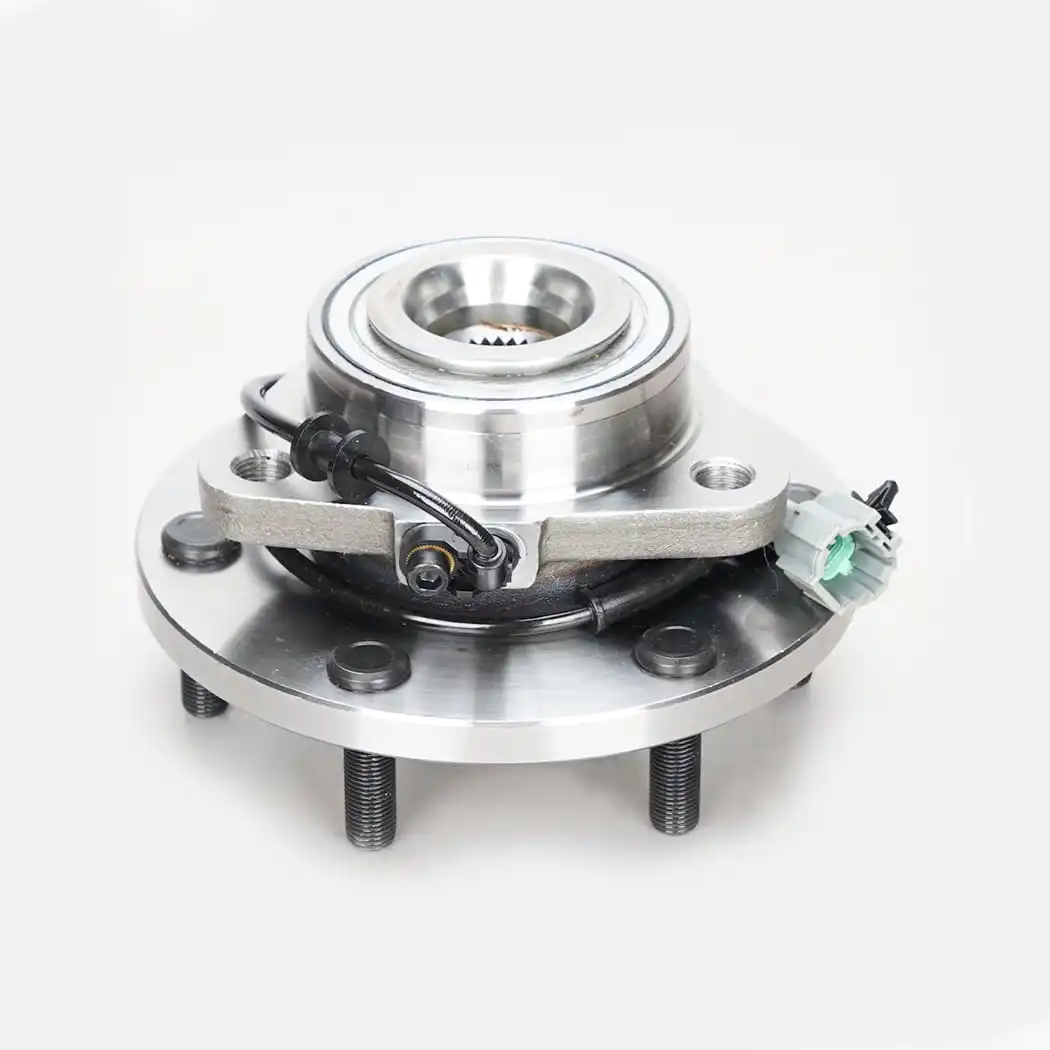
For a current example, the Hanhub 515099 covers the Silverado 3500 and Sierra 3500 front position with an 8-lug flange and the corresponding original-equipment references.
 HANHUB 515099 Front Hub Assembly for Silverado and Sierra 35008-lug ABS front hub assembly for 2007–2010 Silverado/Sierra 3500, with OE interchange references; worth checking before install-related hub failures.View Product →
Most premature heavy-duty hub failures we hear about trace back to installation, not to the part. A few habits make the difference:
Our heavy-duty coverage is built around the trucks that actually work: Super Duty Fords, Silverado and Sierra 2500 and 3500 models, Ram 2500 through 5500, and the mid-size platforms that share the same bearing architecture. Every unit is produced to original-equipment drawing standards, and each one is validated in our own test laboratory before it ships.
Because we manufacture our own packaging and plastic components, we can build private-label programs without a third party in the middle. From our production facility, product moves to our affiliated warehouse in Novi, Michigan, which keeps stocking distributors and national retail accounts supplied without the lead-time uncertainty of a pure import model. If a program needs a variant that does not exist yet, we can develop it from a drawing or a sample.
For 10-lug chassis-cab applications, the Hanhub 515102 fits the Ram 4500 and 5500 front position and carries the matching interchange references for that brake package.
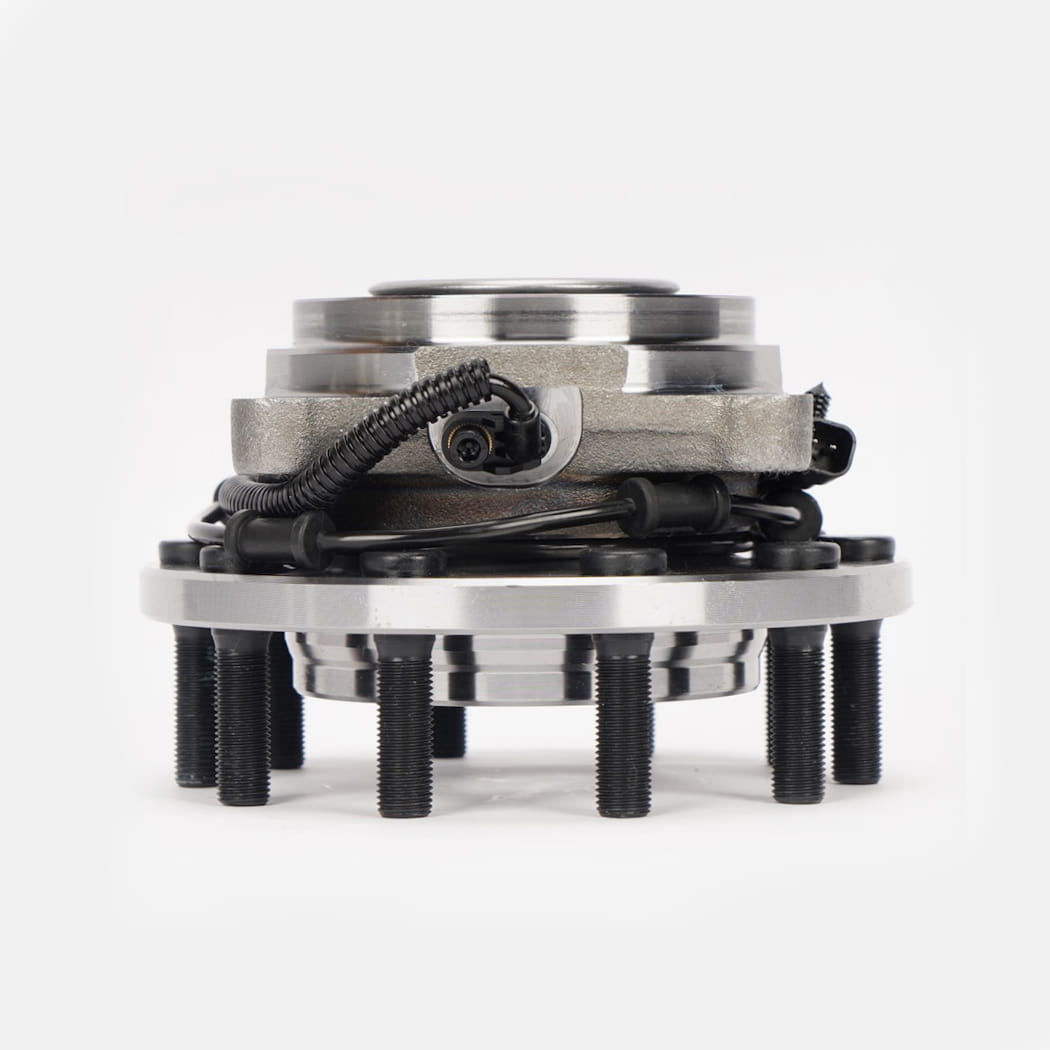 HANHUB 515102 Front Hub Assembly for Ram 4500 and 550010-lug ABS front hub assembly for 2008–2018 Ram 4500/5500, with OE interchange references; helps match chassis-cab duty and bolt count.View Product →
Choosing a heavy duty wheel hub assembly comes down to three things: the right OE reference, the right duty rating for how the truck is used, and an installation that respects the bearing. Get those right and the part quietly disappears into the background, which is exactly what a hub is supposed to do. If you are unsure which unit matches a specific vehicle, send us the OE number and the bolt count — that is usually all it takes to sort it out.
• ADD: 42705 Grand River Avenue, Suite 201, Novi. Michigan 48375, USA.
© Copyright 2017 HANGZHOU HANJI AUTO PARTS.CO.,LTD. All Rights Reserved. Wheel Hub Unit Manufacturer