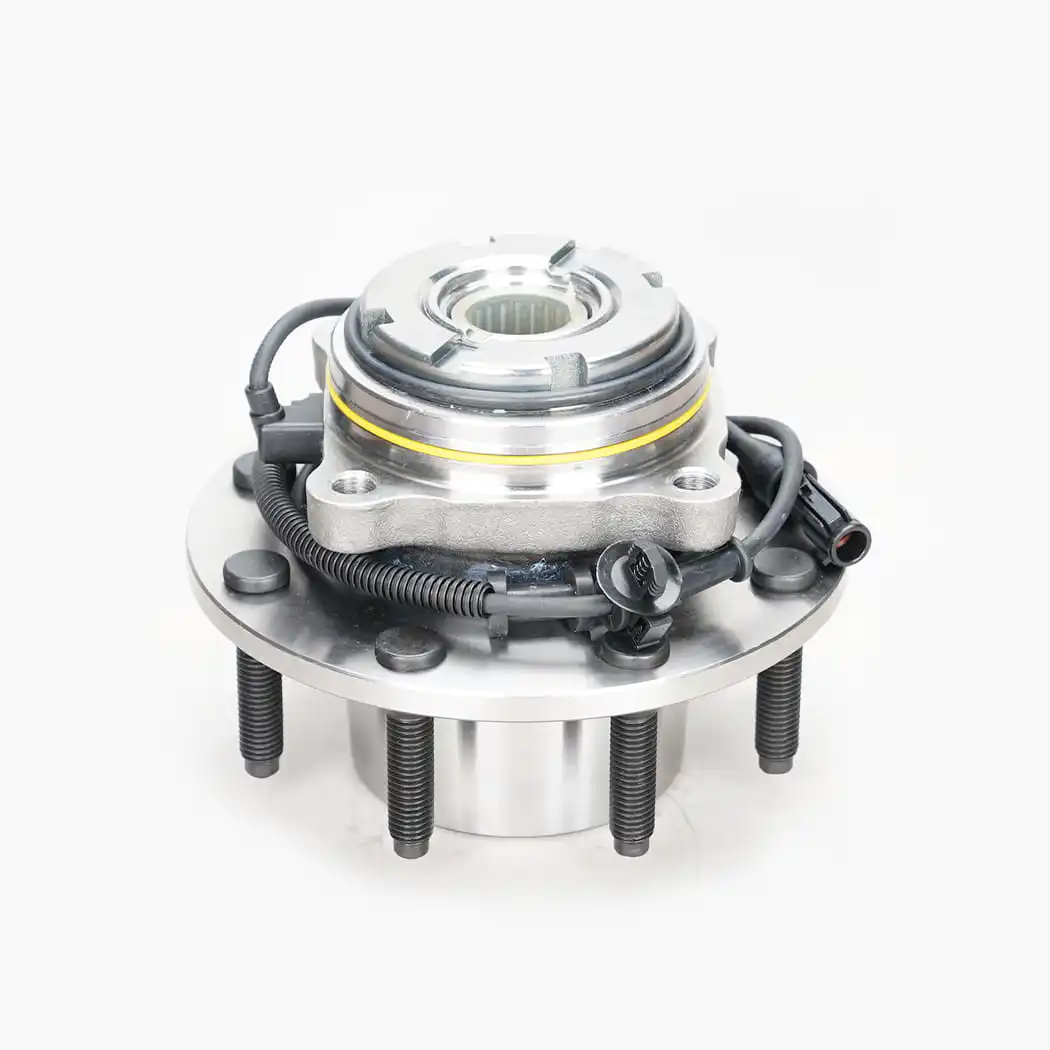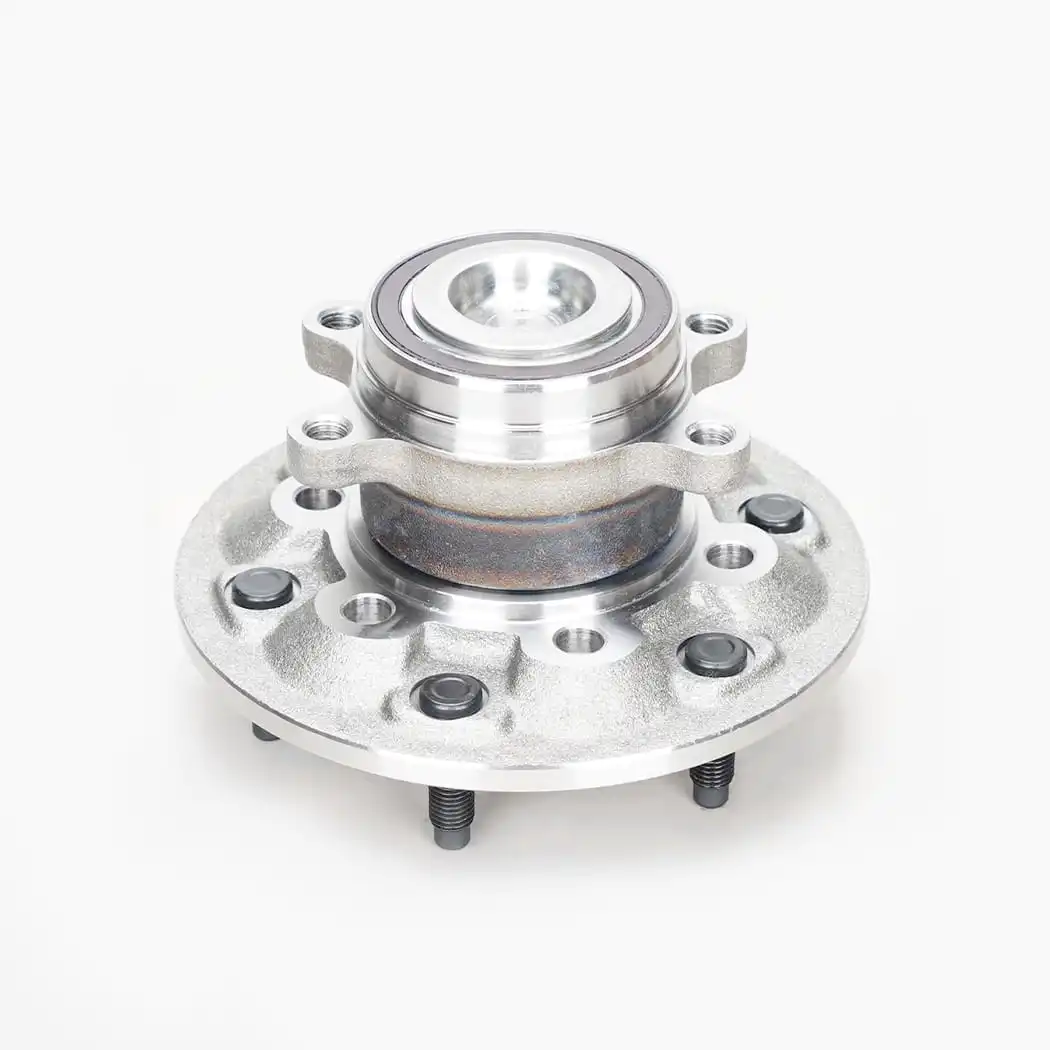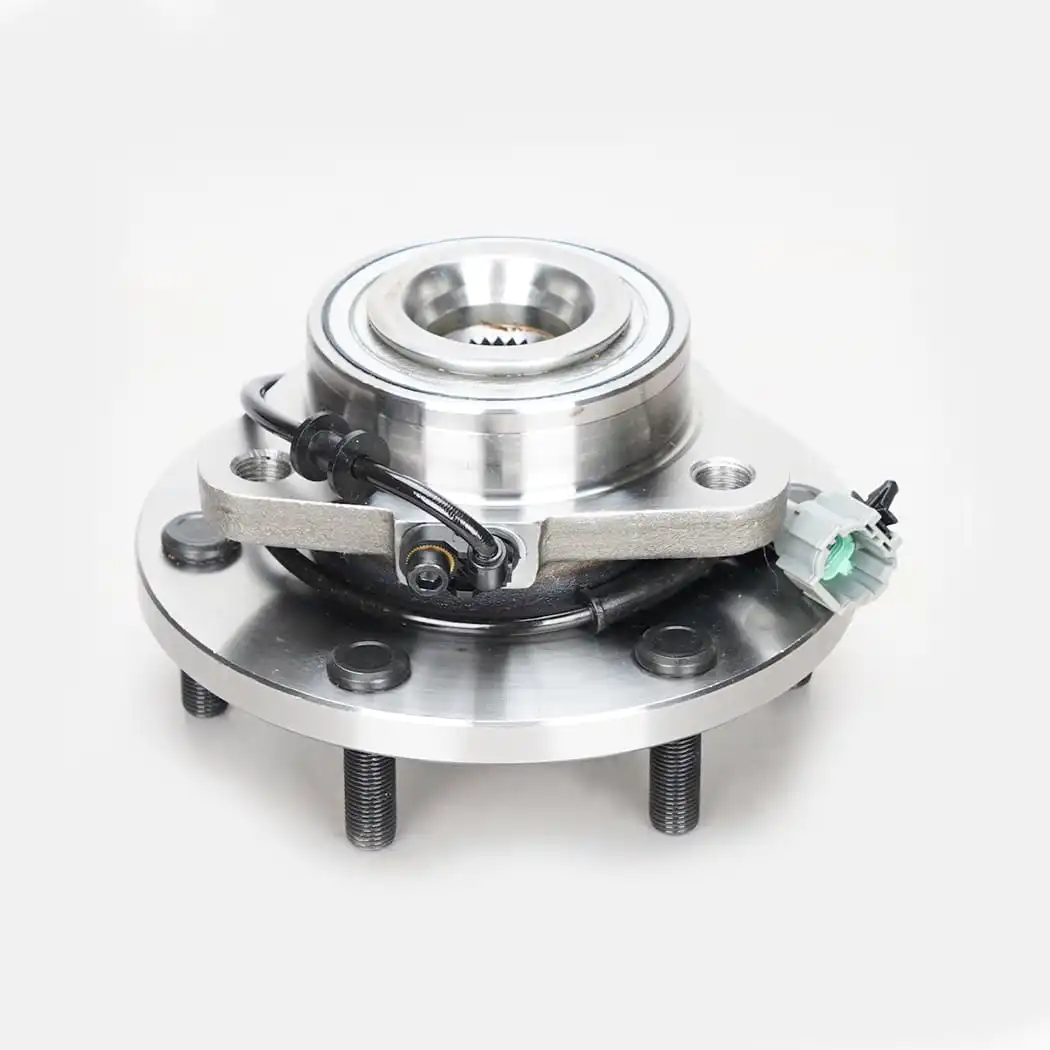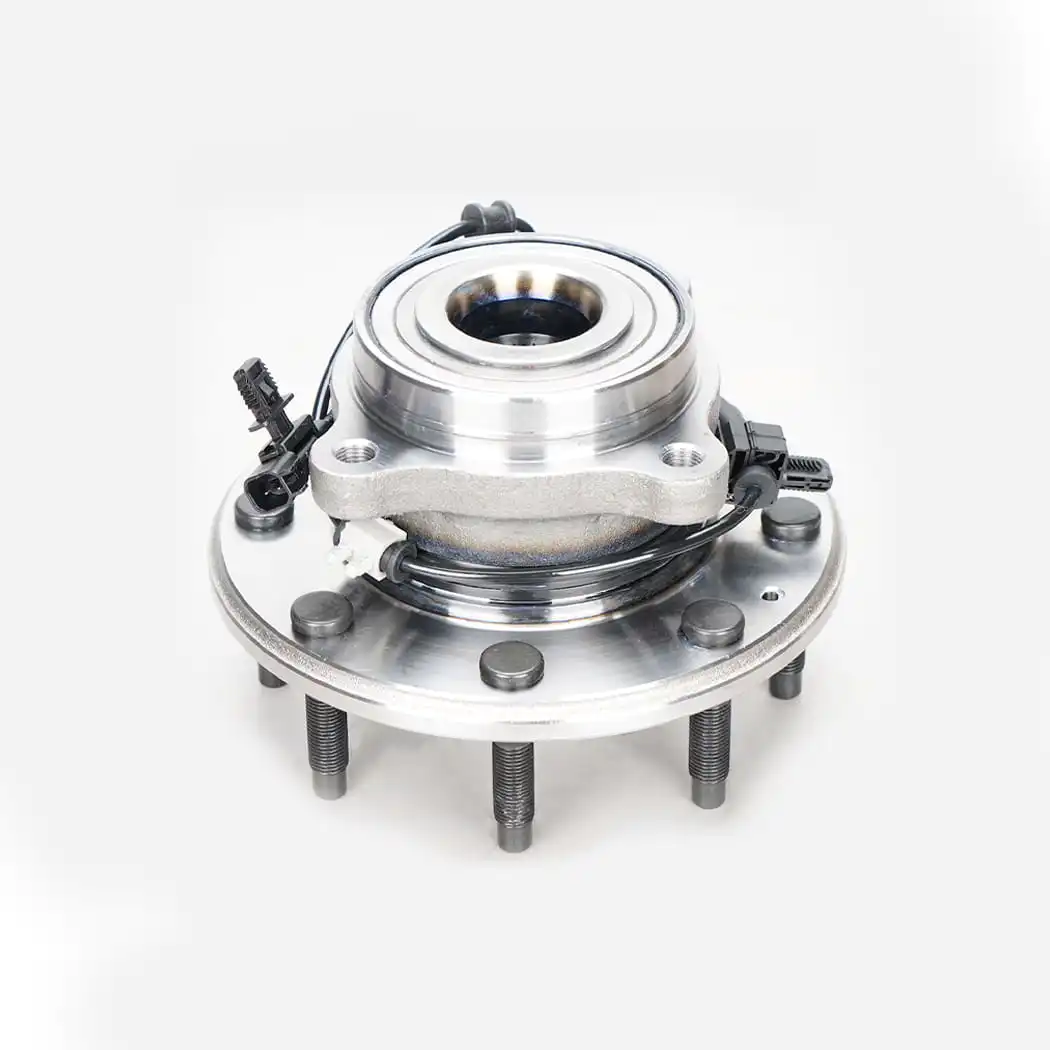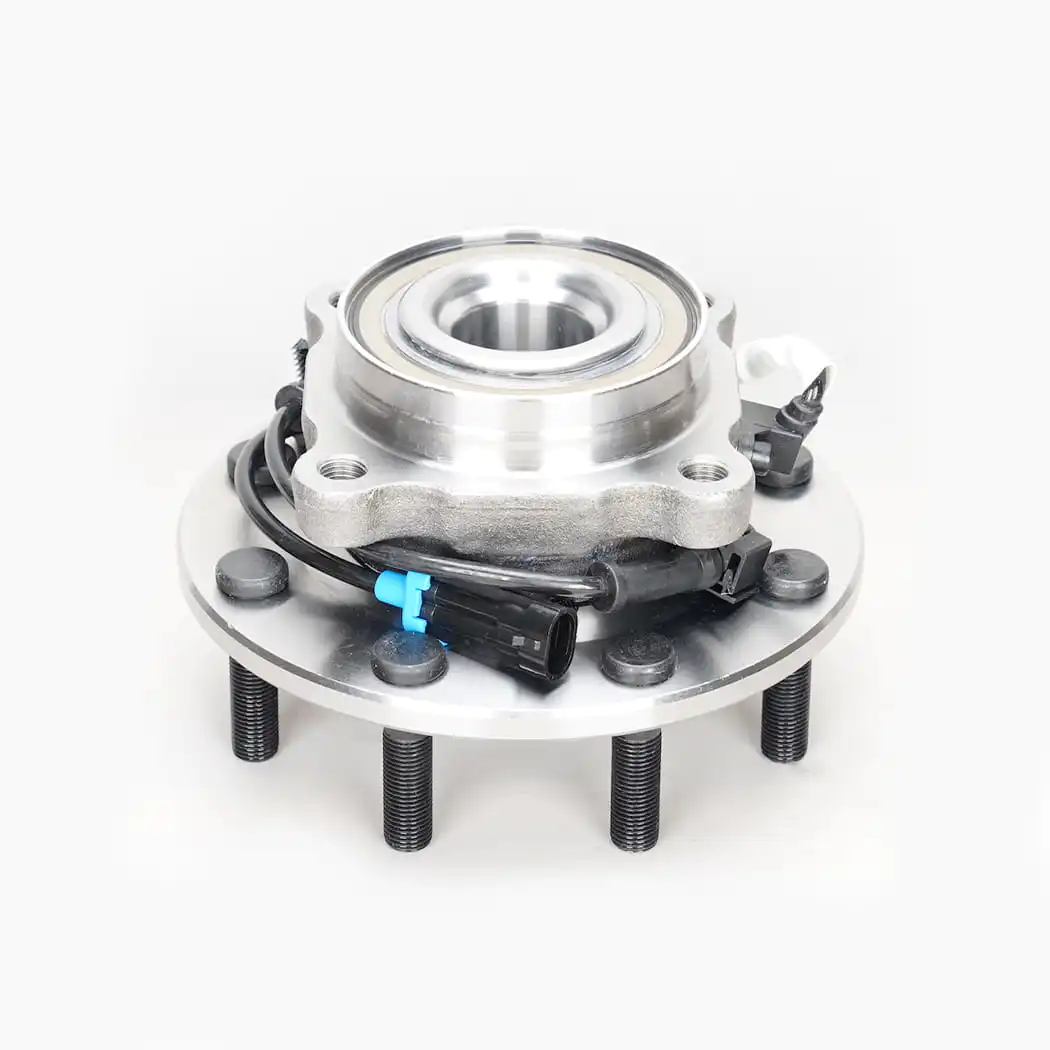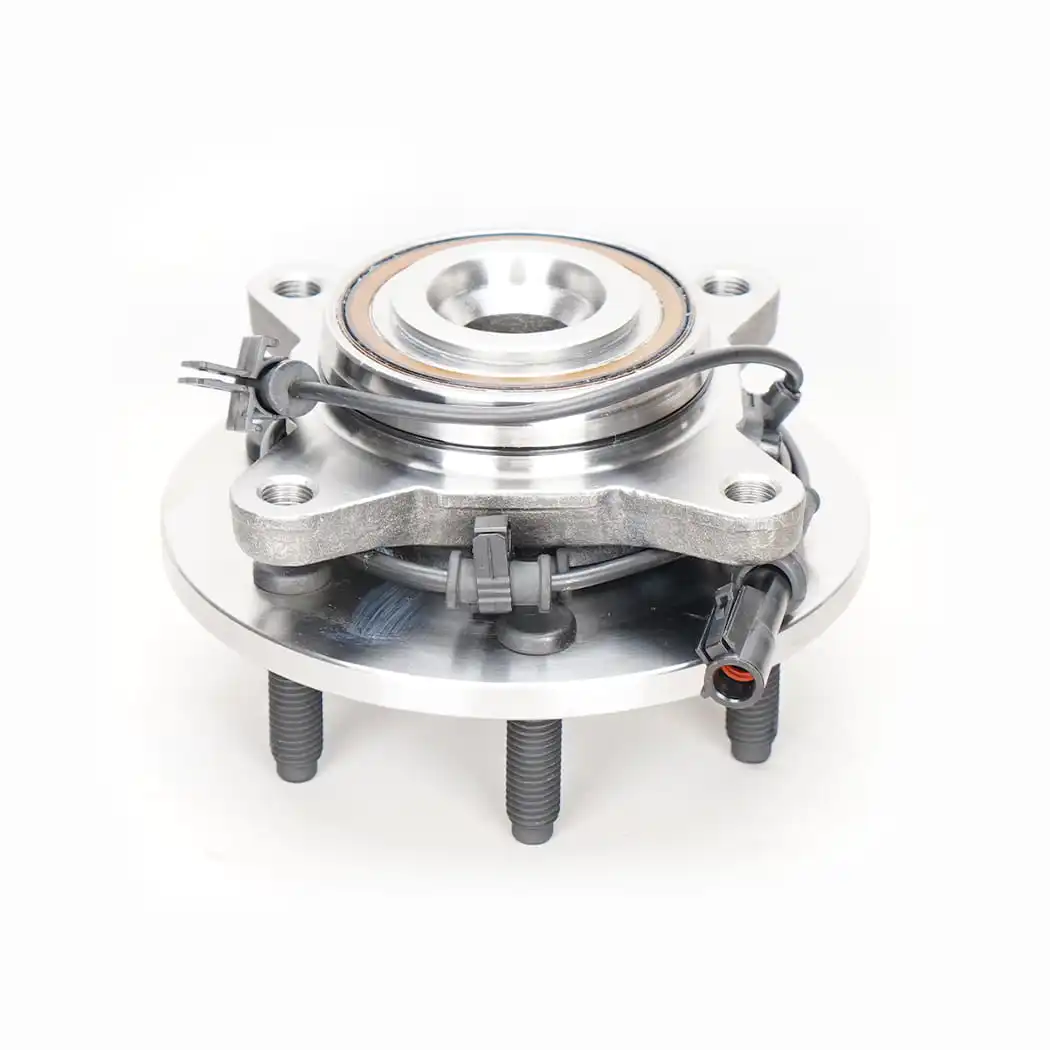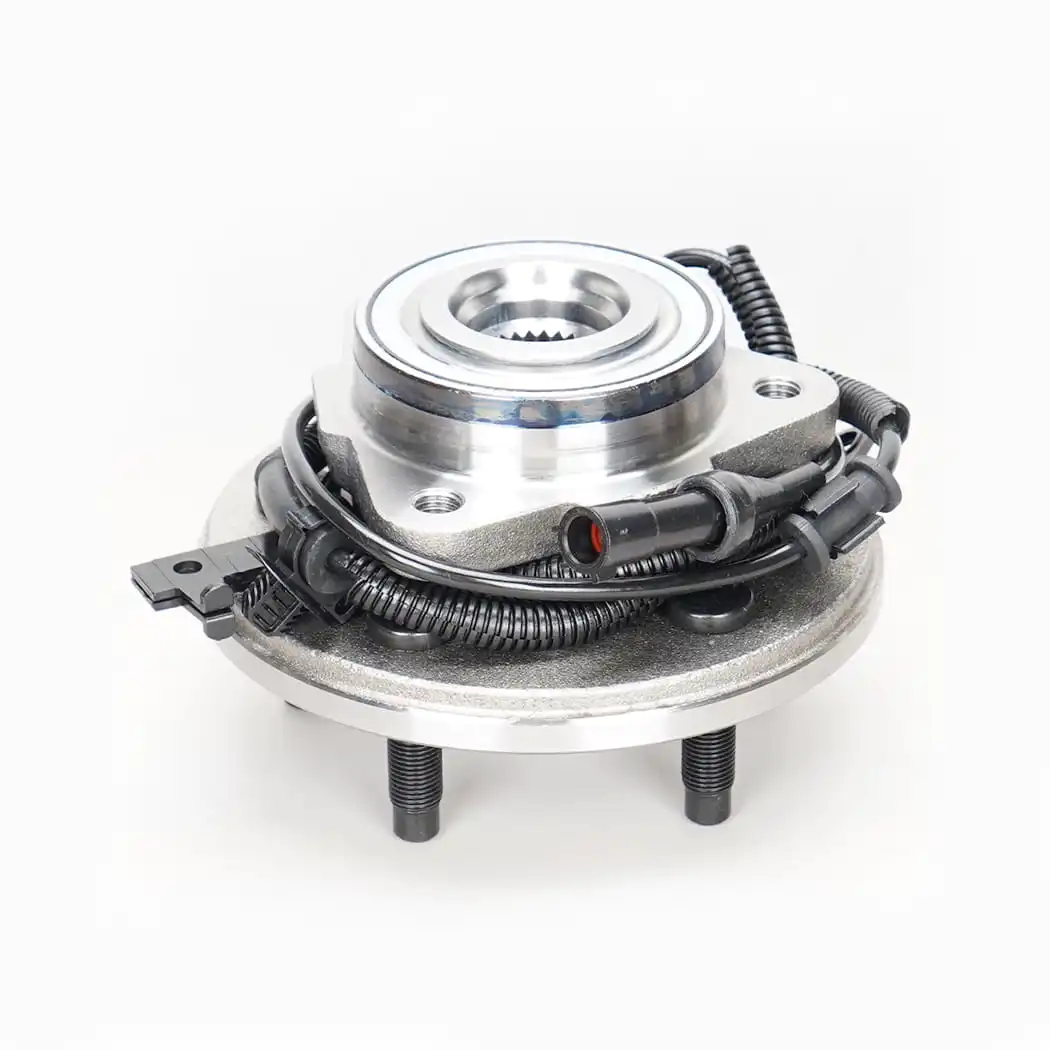
Picture this: you're driving at 65 mph on the highway and a steady hum begins to rise from the front of your car. The noise changes with speed, grows louder when you make a gentle turn, and eventually the steering wheel starts to vibrate. You pull into a shop, and the technician tells you the front hub assembly needs to be replaced. This is the classic signature of a worn front hub assembly. The front hub assembly is a safety-critical component that carries the wheel, supports the vehicle's weight, and allows the wheel to rotate freely. When it fails, you cannot simply ignore it. Replacing it with a quality product designed to original equipment (OE) specifications is the only way to restore a quiet, stable ride and protect your safety. In this guide, we'll walk through what a front hub assembly is, how to diagnose failure, and what to look for when you need a replacement.
Content
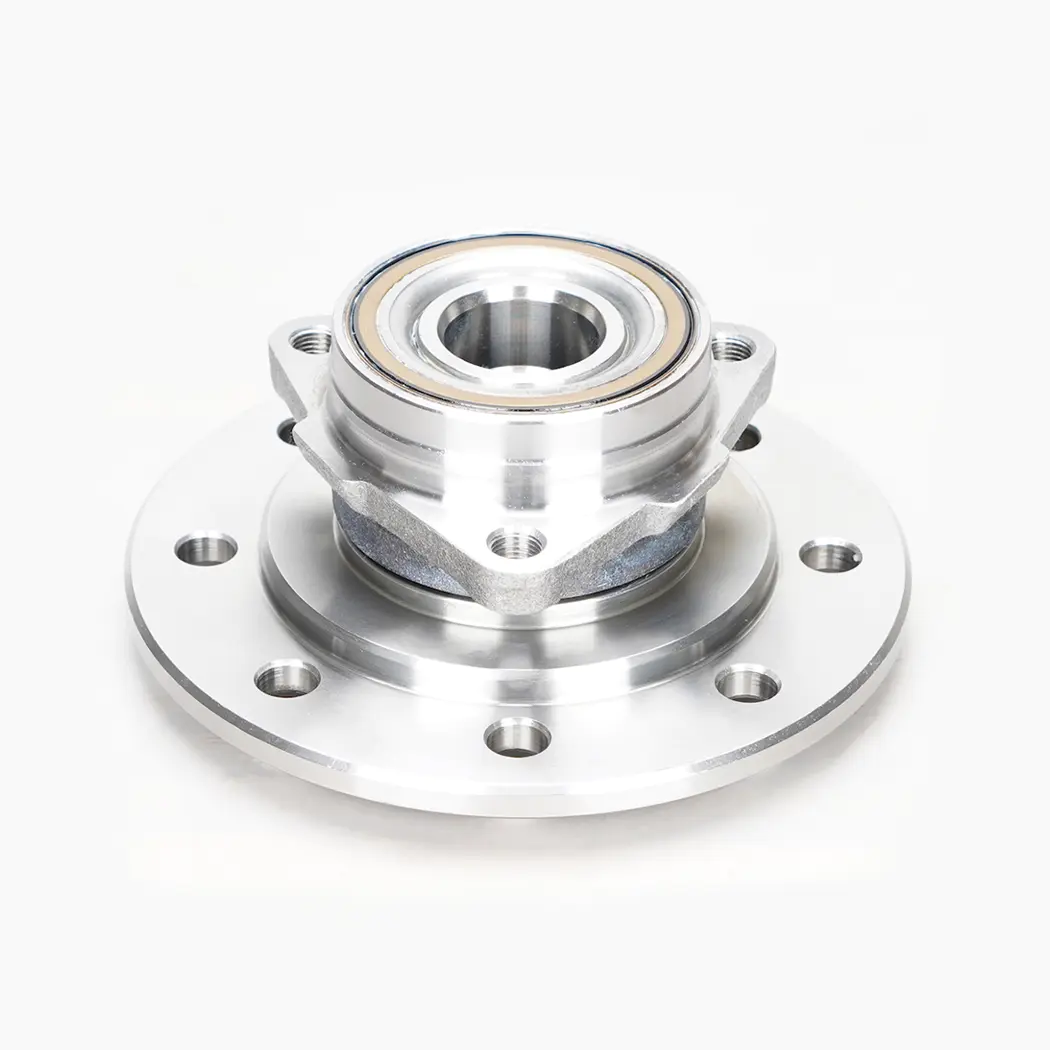
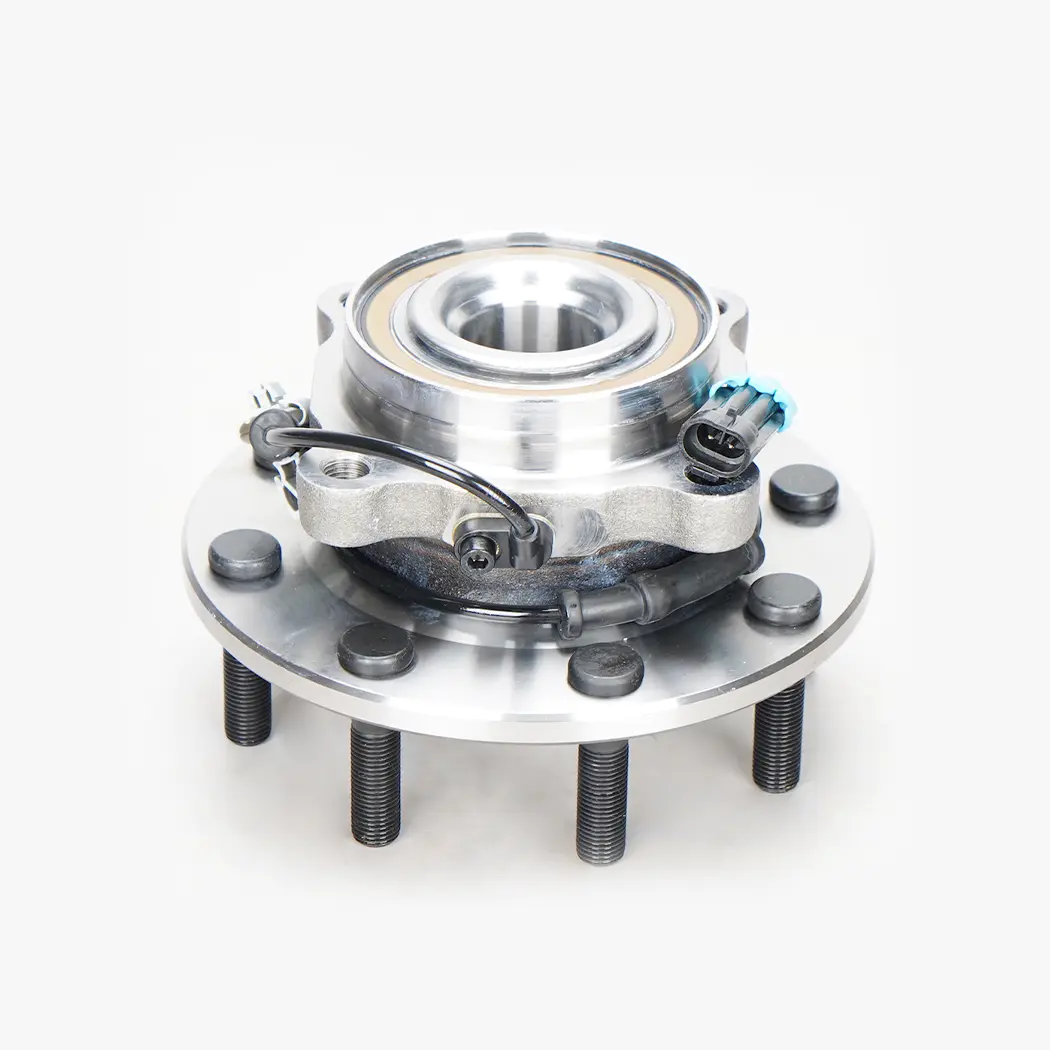
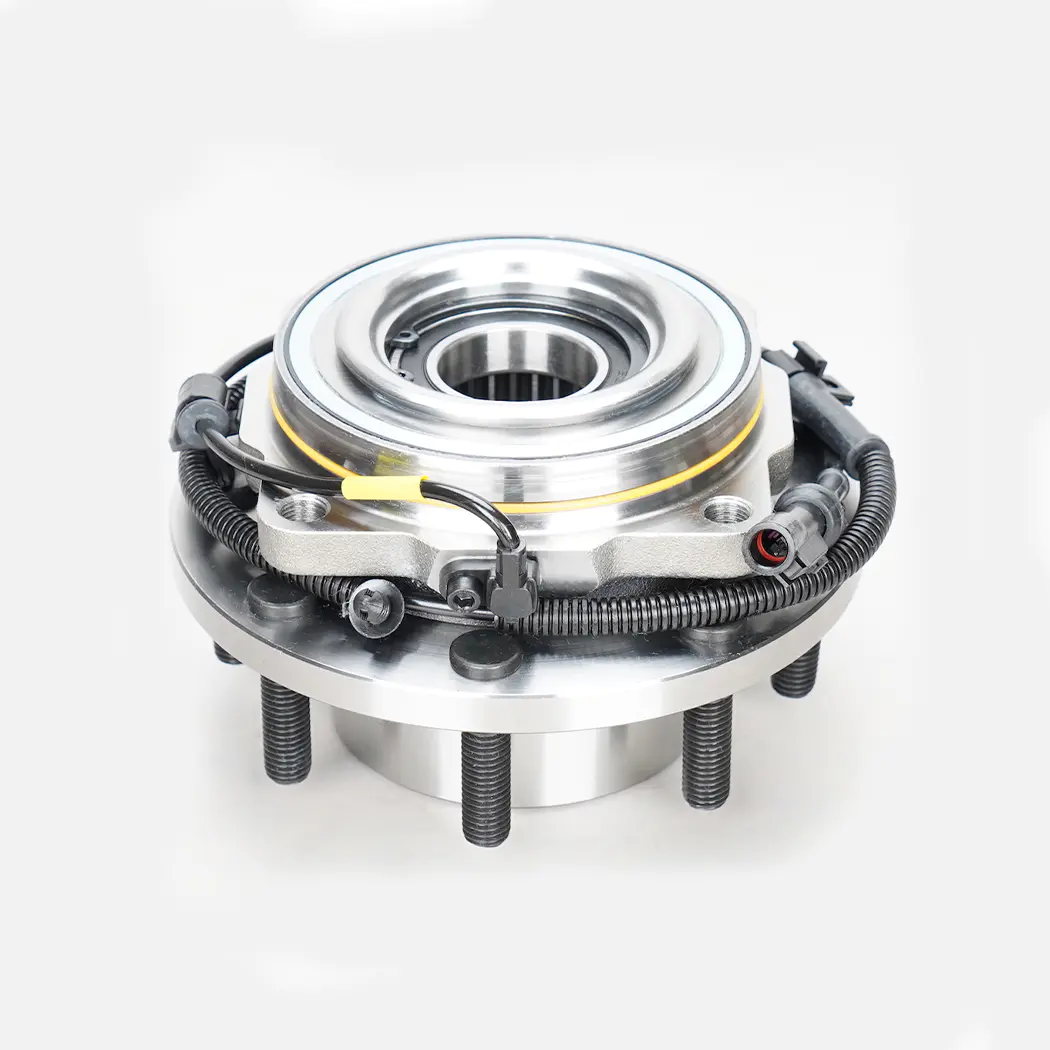
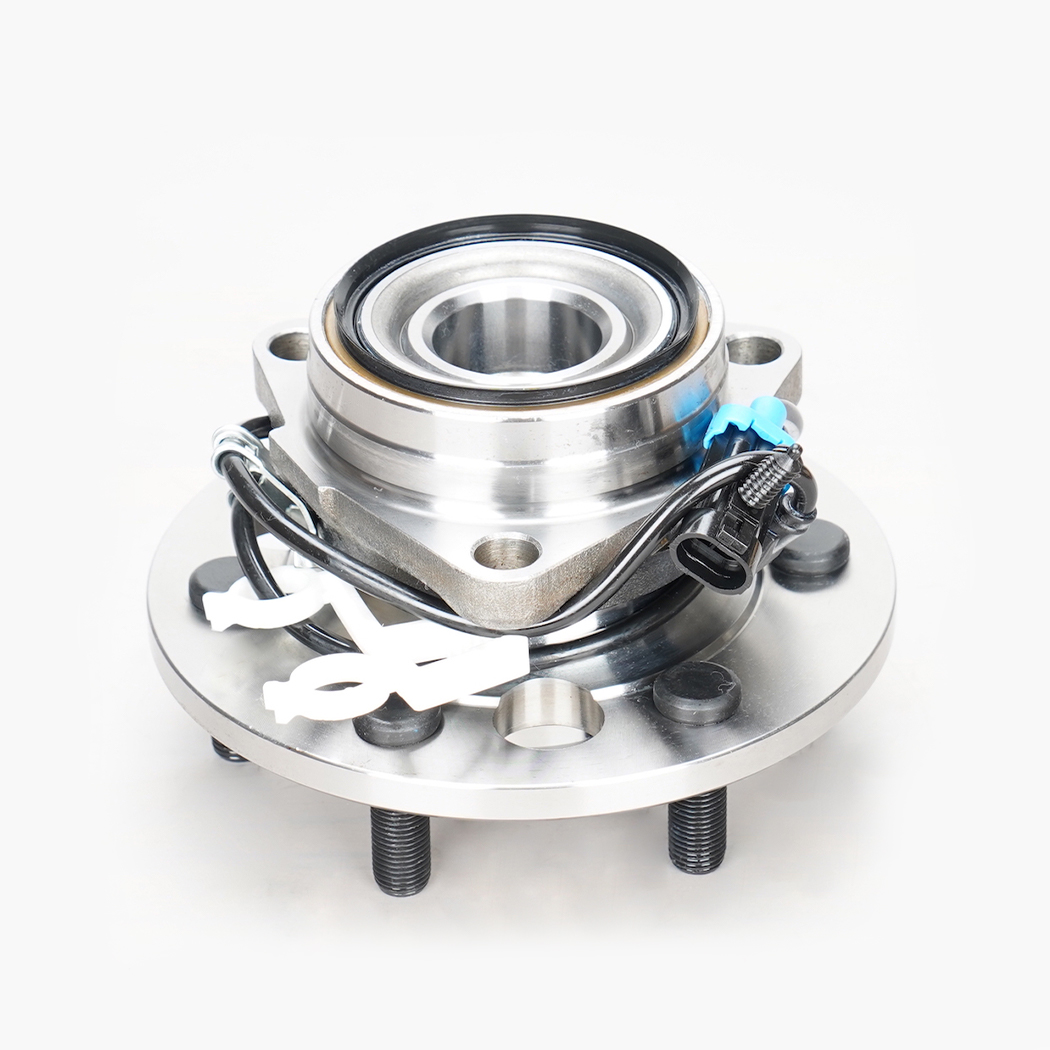
At each front wheel, the hub assembly bolts to the steering knuckle, which attaches to the vehicle's suspension. Unlike a traditional bearing that you press into a housing, a front hub assembly is a complete unit: the bearing races, rolling elements, seals, flanged mounting surface, and—on most modern vehicles—an ABS sensor ring are all preassembled in one sealed package. This design keeps contaminants out and makes installation a matter of bolting the unit into place.
Where is it located? Look behind the brake rotor and the wheel. The hub is the part that holds the wheel studs and spins with the wheel. In a front-wheel-drive vehicle, it is also the point where the axle shaft connects. In a rear-wheel-drive or all-wheel-drive vehicle, the front hub may have a locking mechanism or a drive flange for the axle. To understand more about the functions of this part, check out this detailed overview of what a front hub assembly does.
Think of the front hub assembly as the bridge between your car's steering system and its road contact. It serves several functions at once:
Because the front assembly handles steering loads as well as vertical loads, it is subject to higher stress than a rear hub. Curbs, potholes, and off-road use all accelerate bearing wear. That is why a front hub assembly must be manufactured with tighter tolerances and higher-quality materials than many people expect.
Many older vehicles used a loose bearing that you pressed into the knuckle. This created a risk of contamination and required careful shimming. The modern front hub assembly eliminates that problem. The pre-sealed unit keeps grease in and water out, which dramatically extends bearing life. It also simplifies installation: you lift the vehicle, remove the old hub, and bolt the new one in place. If a mechanic quotes you for pressing a bearing, consider upgrading to an integrated hub assembly for a more reliable result.
Recognizing the signs early can save you money and prevent an unsafe situation. The table below lists the most common symptoms and their likely causes.
| Symptom | Possible Cause | Immediate Action |
|---|---|---|
| Humming or grinding noise that changes with speed | Worn or damaged bearings inside the hub | Have the hub inspected and replaced |
| Steering wheel vibration or shimmy at highway speeds | Worn bearing race or poor wheel balance | Check the hub assembly and wheel balance |
| ABS warning light illuminated | Faulty wheel speed sensor or damaged wiring | Inspect sensor and hub unit |
| Uneven tire wear on the front tires | Excess hub play affecting alignment | Replace hub and re-align |
Any of these symptoms should be taken seriously. A loose hub can cause the steering wheel to shimmy under braking, which increases stopping distance and can make the car difficult to control. The heat generated by a failing bearing can also damage the ABS sensor and the brake rotor, turning a moderate repair into a major one. In the worst cases, the bearing can seize completely, locking the wheel while the vehicle is moving.
Choosing a replacement front hub assembly is not about finding a part that "fits." It is about matching the exact engineered specifications of your vehicle. A mismatched hub can cause vibration, premature bearing failure, ABS faults, and unsafe wheel attachment.
Three factors are critical:
Manufacturer depth also matters. A supplier that offers over 1,400 vehicle-specific applications for the U.S. aftermarket and covers more than 96% of the vehicles on the road has the engineering data to ensure the correct flange, bearing, and sensor orientation for each model. It is a strong signal that the part you receive has been validated through real-world testing. Browse the complete wheel hub assembly range from such a supplier to see the breadth of coverage.
Let's look at a few examples of match-specific assemblies.
For a 2004-2010 Ford F-150 or Heritage with a 5-lug pattern, this front hub and bearing assembly is a direct replacement.
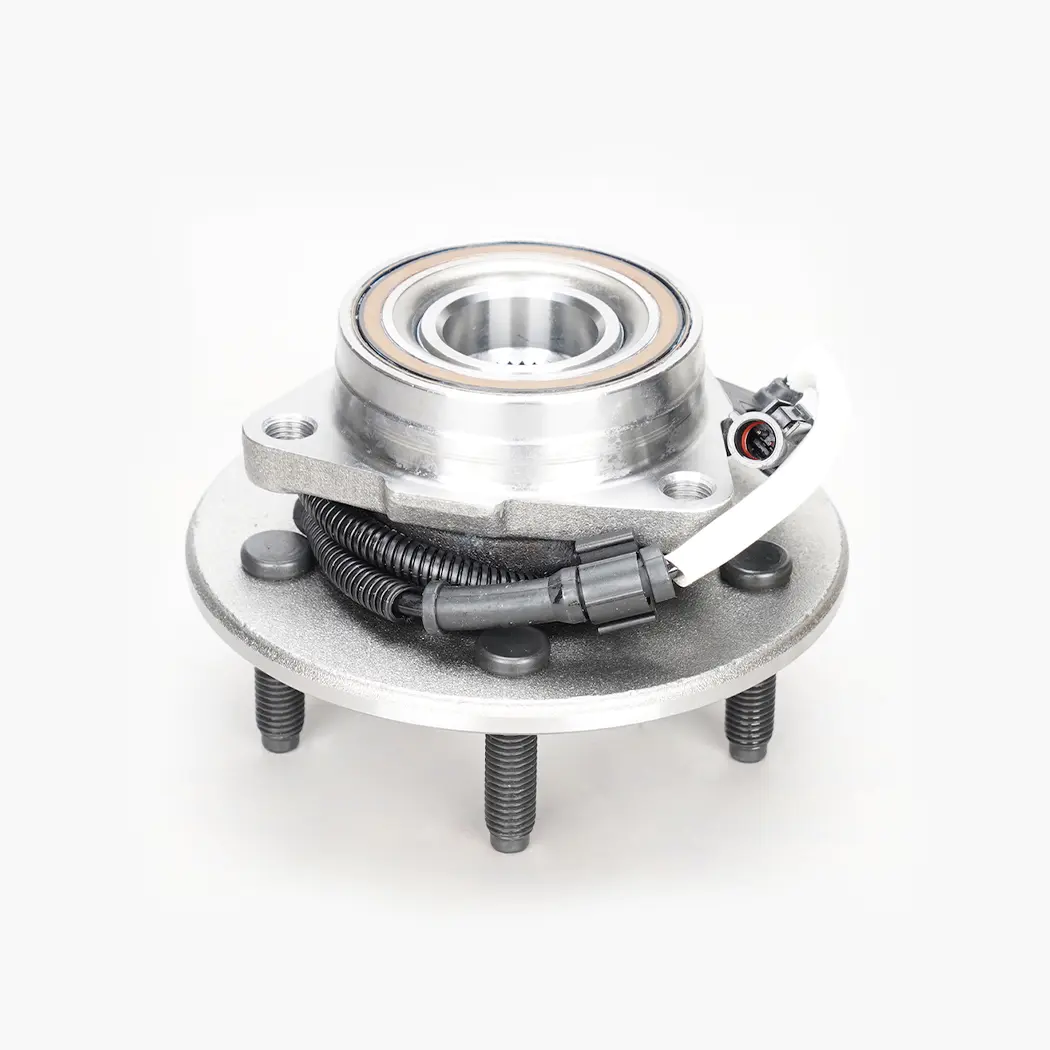 Front Wheel Hub and Bearing Assembly for Ford F-150 Heritage 5-LugDesigned for 2004-2010 Ford F-150 and Heritage models with 5-lug pattern, this assembly directly replaces original parts for reliable front wheel support.View Product →
Toyota 4Runner, FJ Cruiser, and Lexus GX460/470 models use a 4-lug pattern. The unit below includes the correct ABS tone ring for those vehicles.
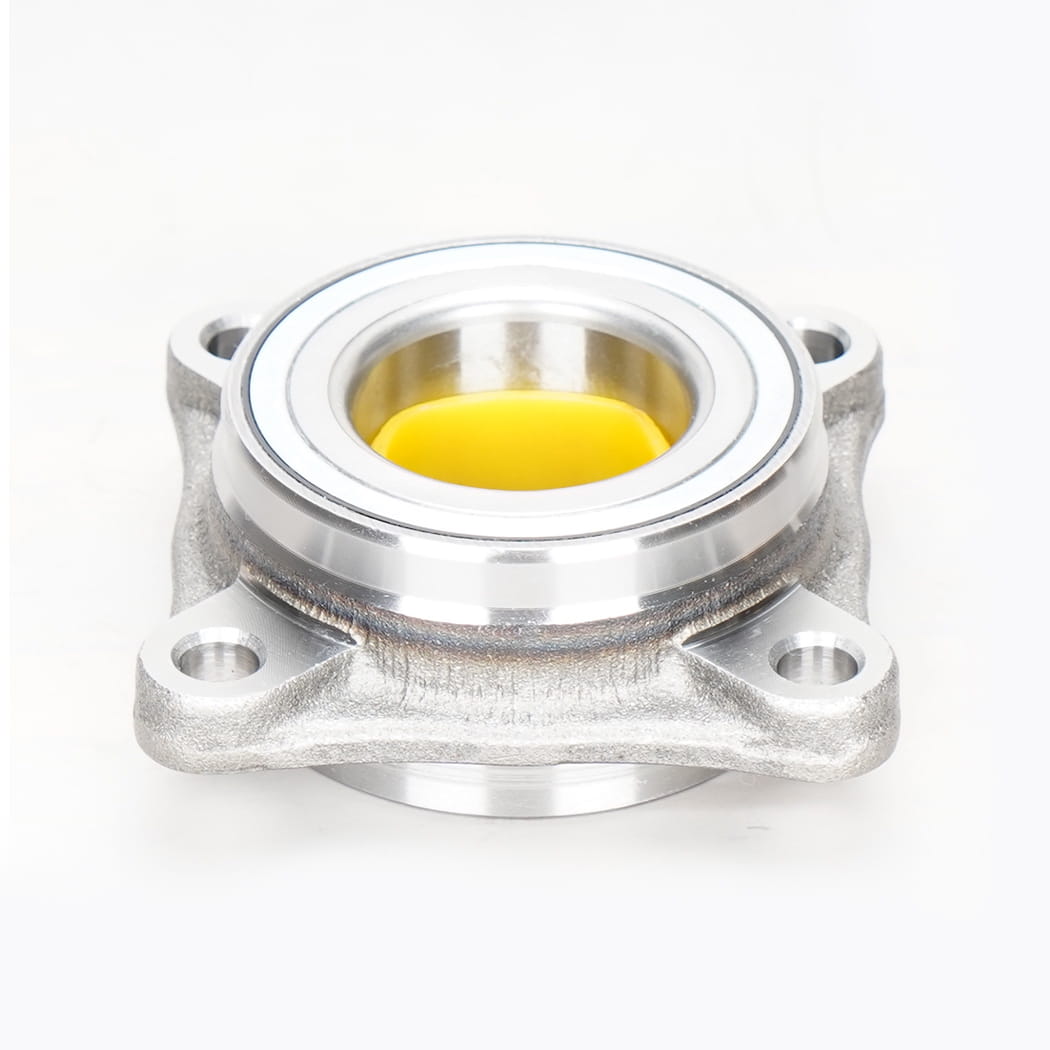 Front Wheel Hub and Bearing Assembly for Toyota 4Runner FJ Cruiser Lexus GXFits 4-lug applications on Toyota 4Runner, FJ Cruiser, and Lexus GX460/470, including the correct ABS tone ring for accurate sensor readings.View Product →
Chevrolet K1500 pickups and Suburban/Tahoe models from the 1990s use a 6-lug arrangement. This assembly is built for those heavy-duty applications.
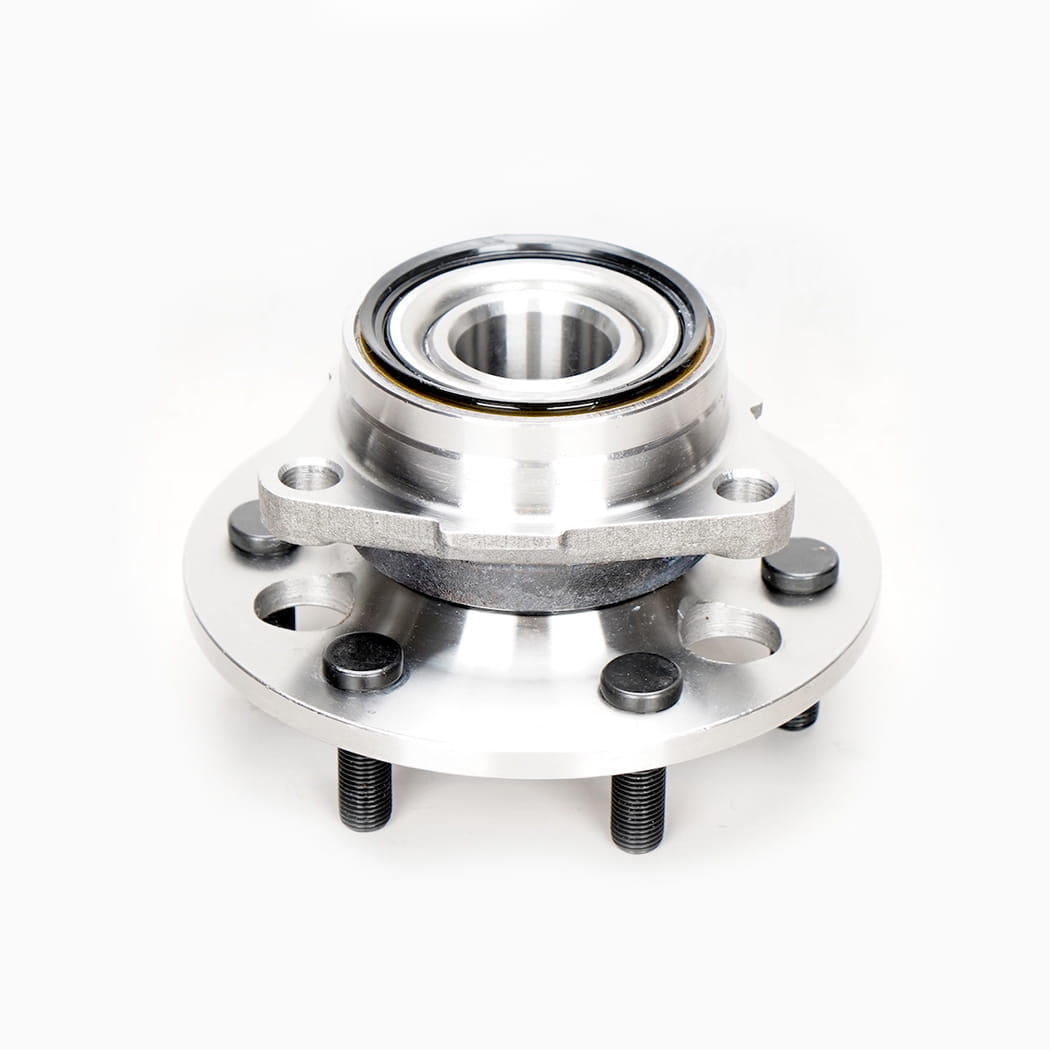 Front Wheel Hub and Bearing Assembly for Chevrolet K1500 6-LugBuilt for heavy-duty 1990s Chevrolet K1500 pickups and Suburban/Tahoe models with 6-lug pattern, ensuring proper fit and durable performance.View Product →
Choosing an assembly from a manufacturer that understands these differences saves you the time and expense of returning a wrong part.
Cost is a common consideration, but it should not drive the decision. A low-quality aftermarket hub may cost $20 to $30 less up front, yet it can fail within a few thousand miles and damage the brake rotor or axle. An OE-quality replacement from a manufacturer with proven application coverage generally lasts 100,000 miles or more, making it the more economical choice over the life of the vehicle.
Once you have the right front hub assembly, installation still requires care. Here are the steps that matter most:
Following these steps is essential. If you are not comfortable with the procedure, have a professional do it. A hub that is under-torqued or misaligned can fail fast and damage the axle.
Your front hub assembly is one of the most important safety components on your vehicle. It carries the wheel, supports the weight, and sends critical wheel-speed data to your braking system. Because it is a sealed unit, you cannot inspect the bearings directly—you have to rely on symptoms. Listen for noise, feel for vibration, and pay attention to your ABS light. When it is time to replace it, choose a part engineered to OE specifications from a manufacturer with a broad, tested application coverage. That will give you the safest and longest-lasting result.
• ADD: 42705 Grand River Avenue, Suite 201, Novi. Michigan 48375, USA.
© Copyright 2017 HANGZHOU HANJI AUTO PARTS.CO.,LTD. All Rights Reserved. Wheel Hub Unit Manufacturer