Content
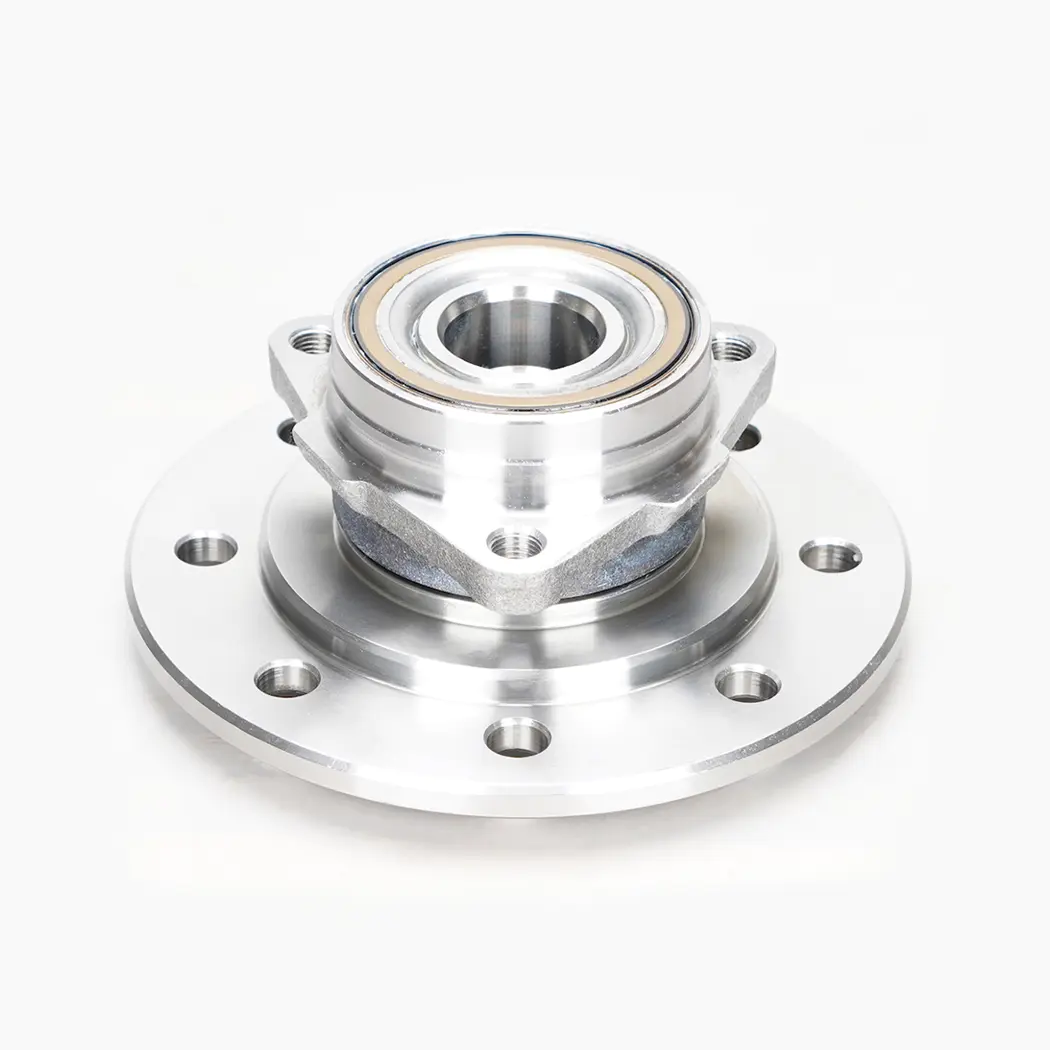
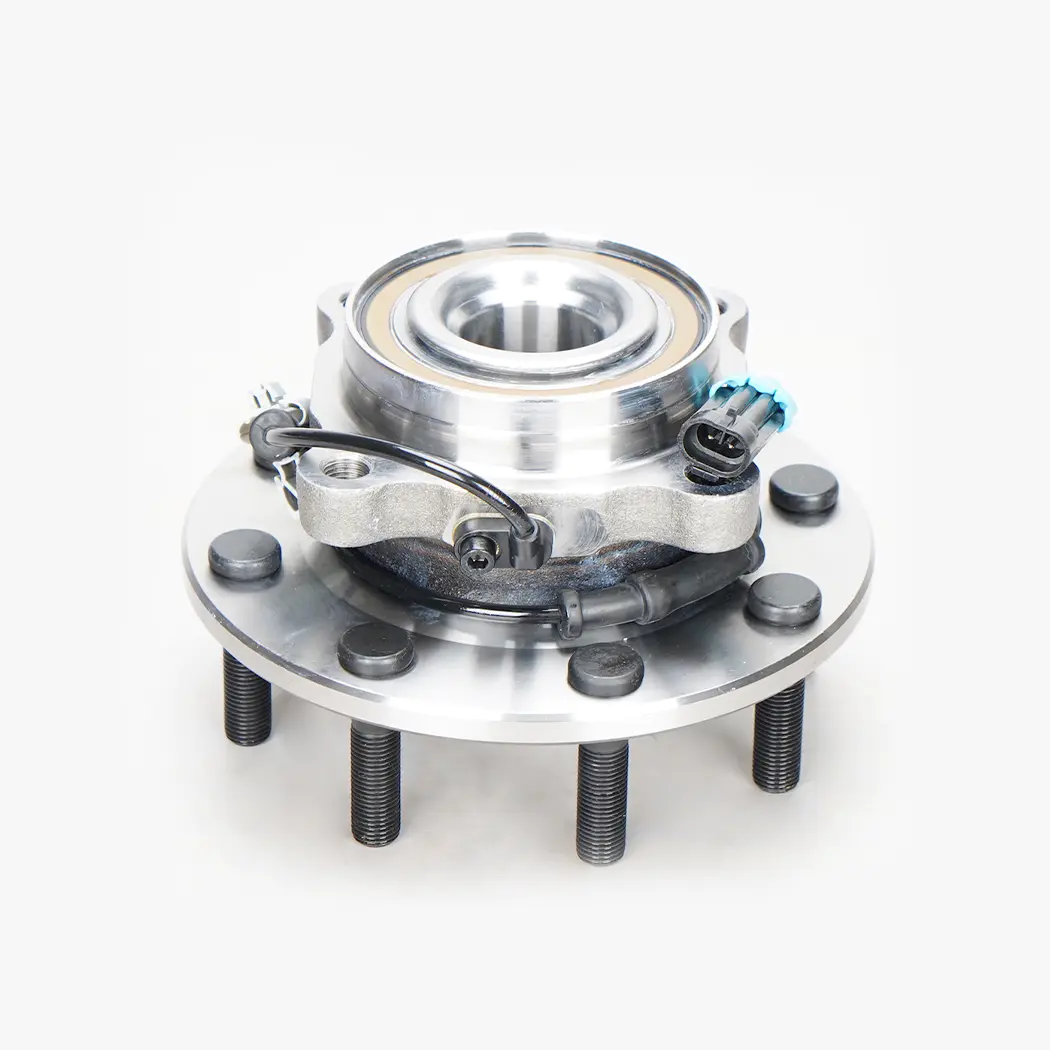
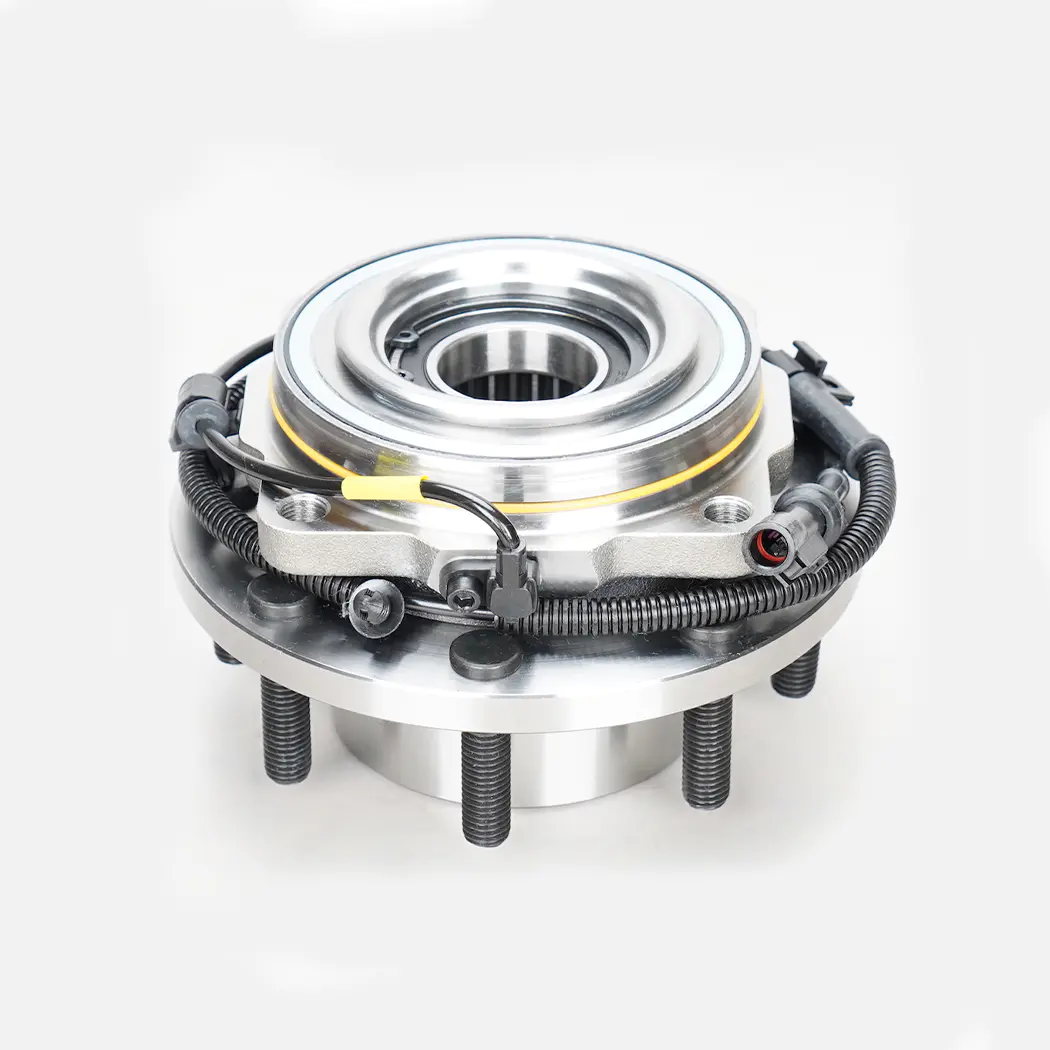
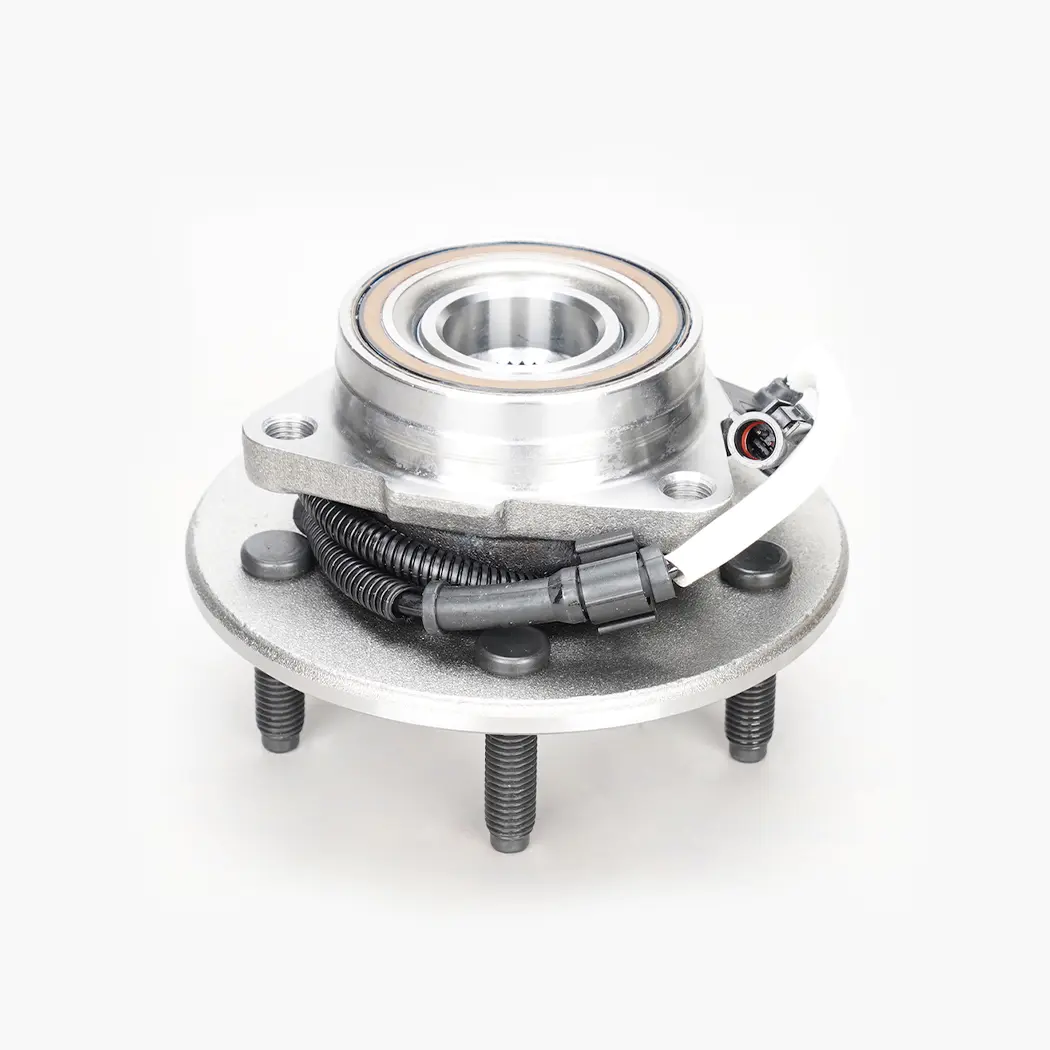
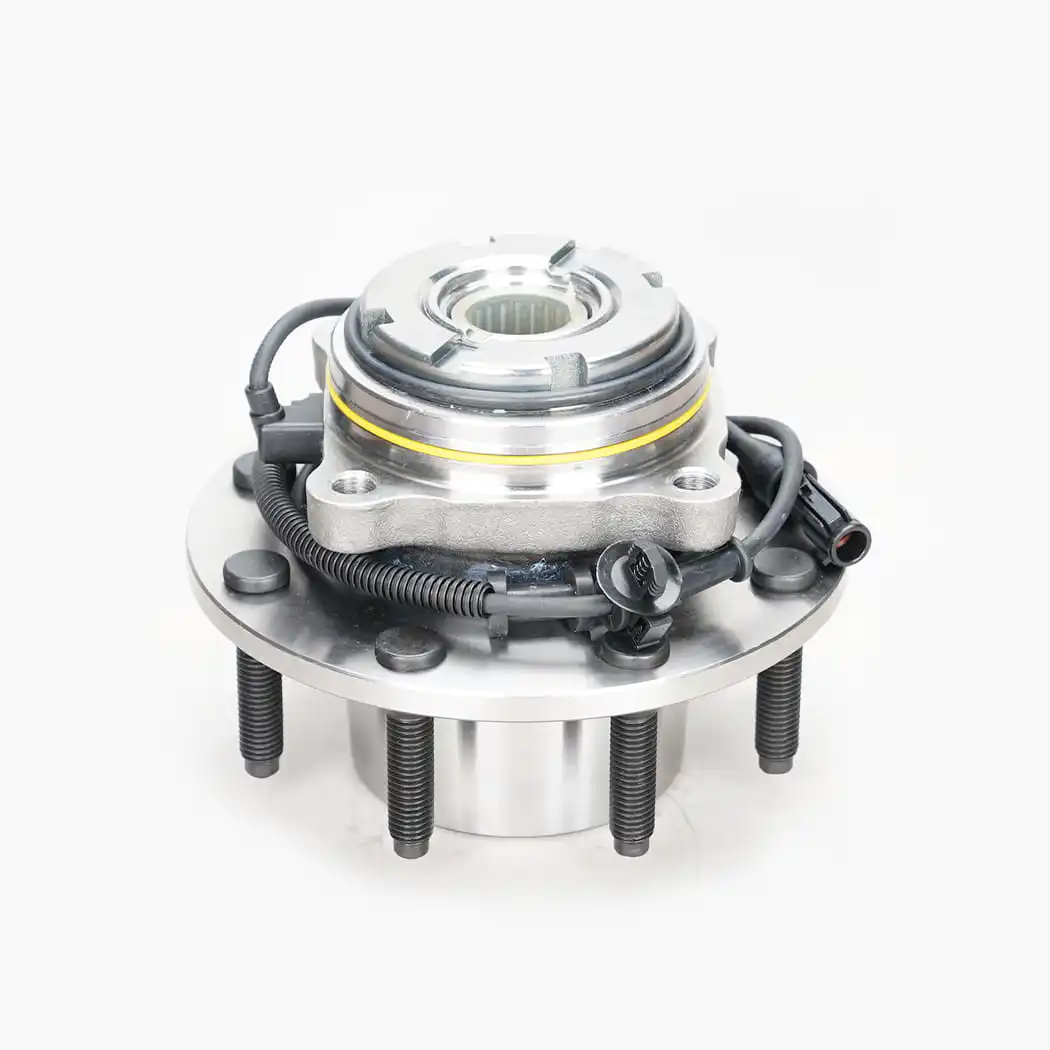
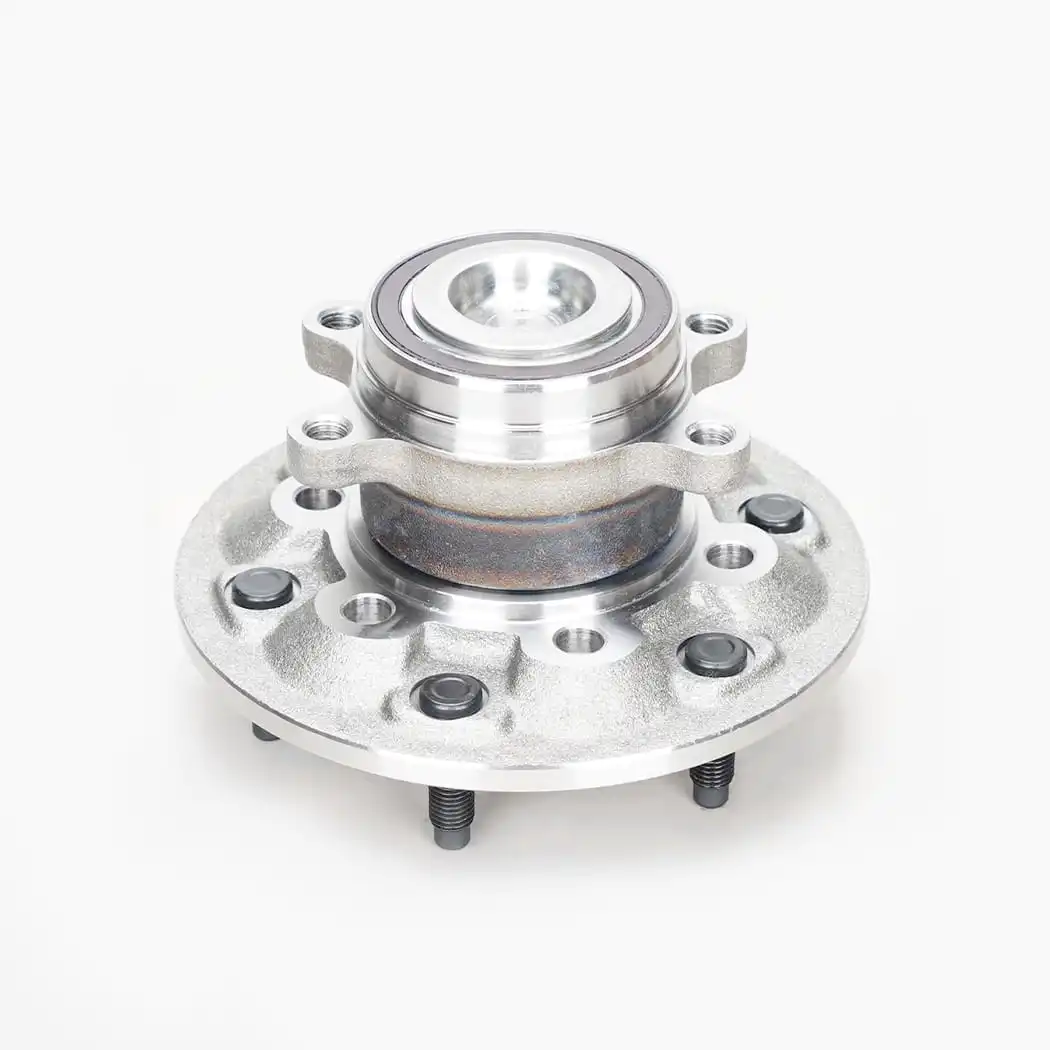
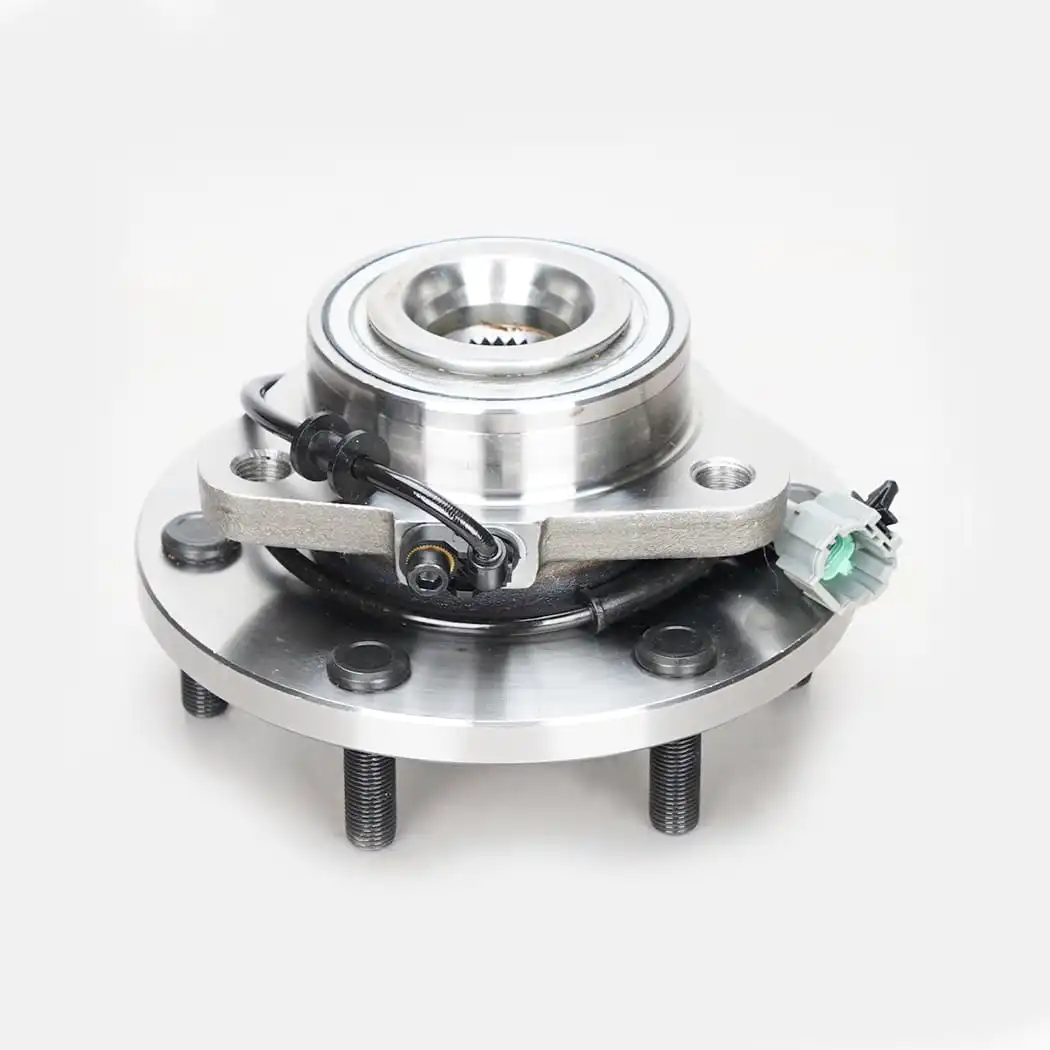
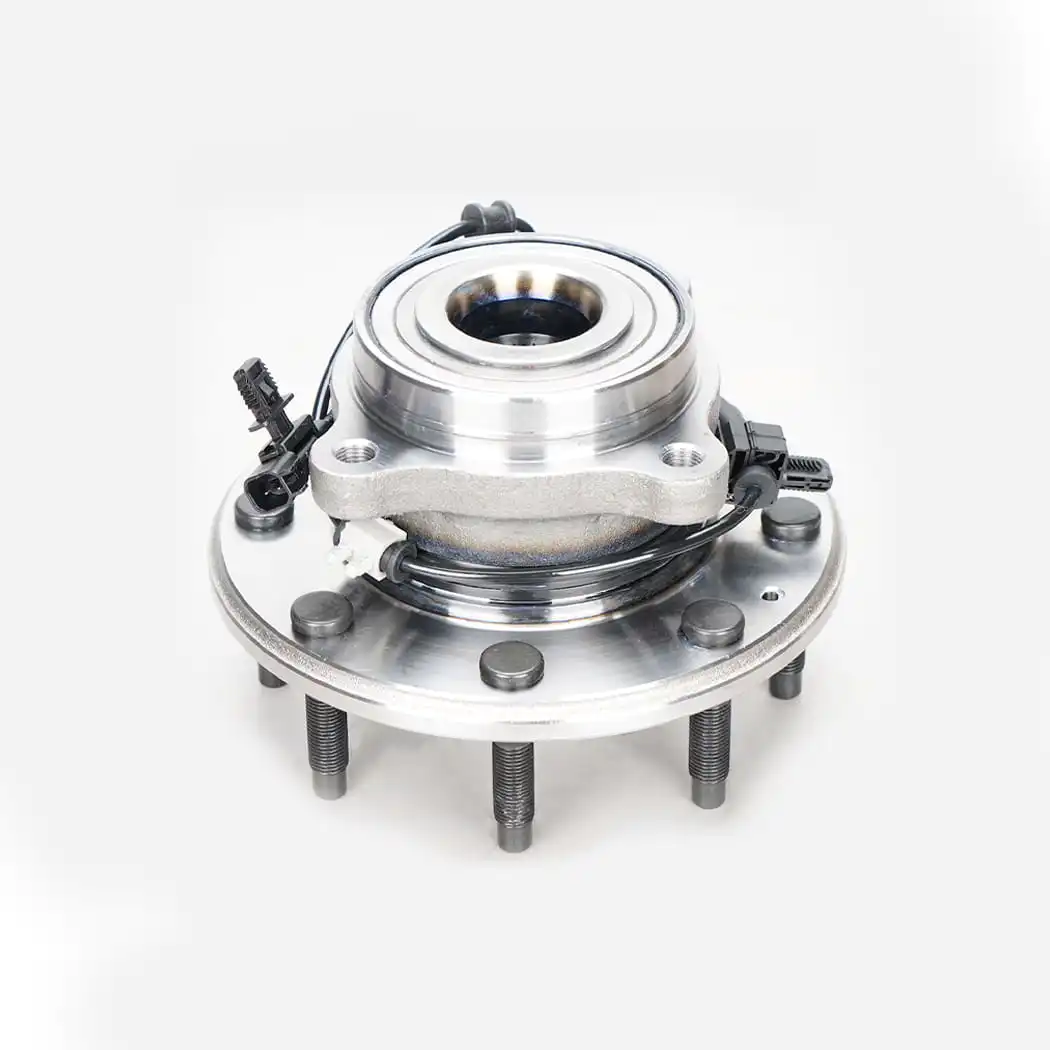
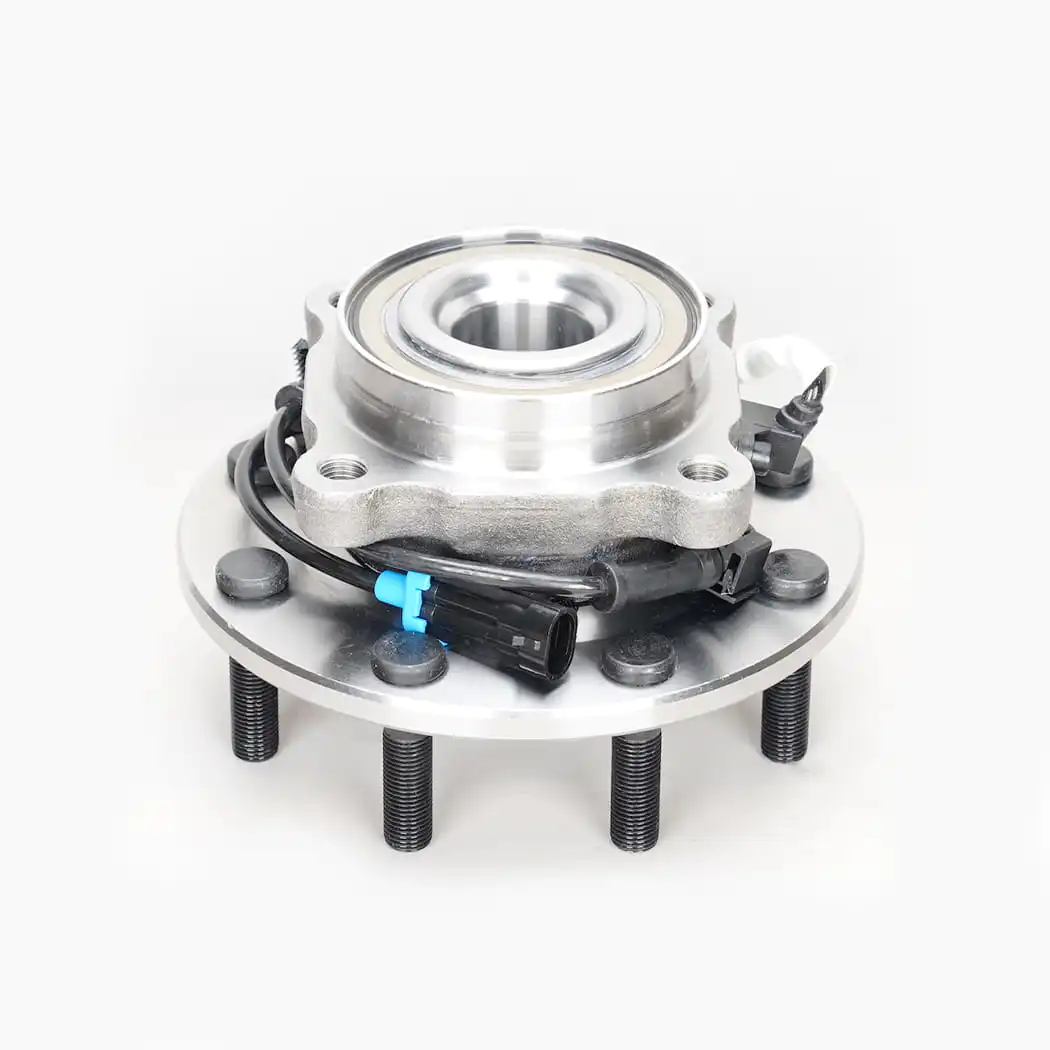
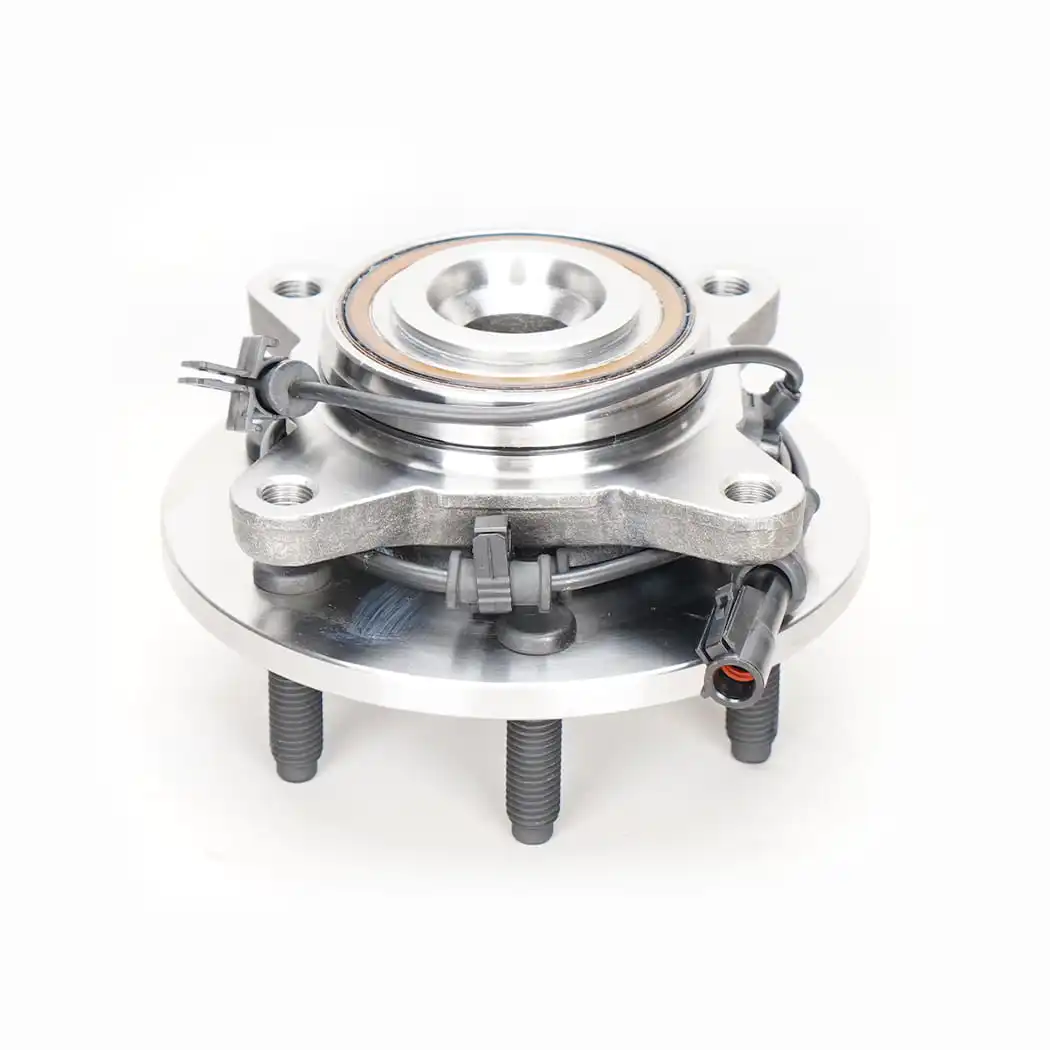
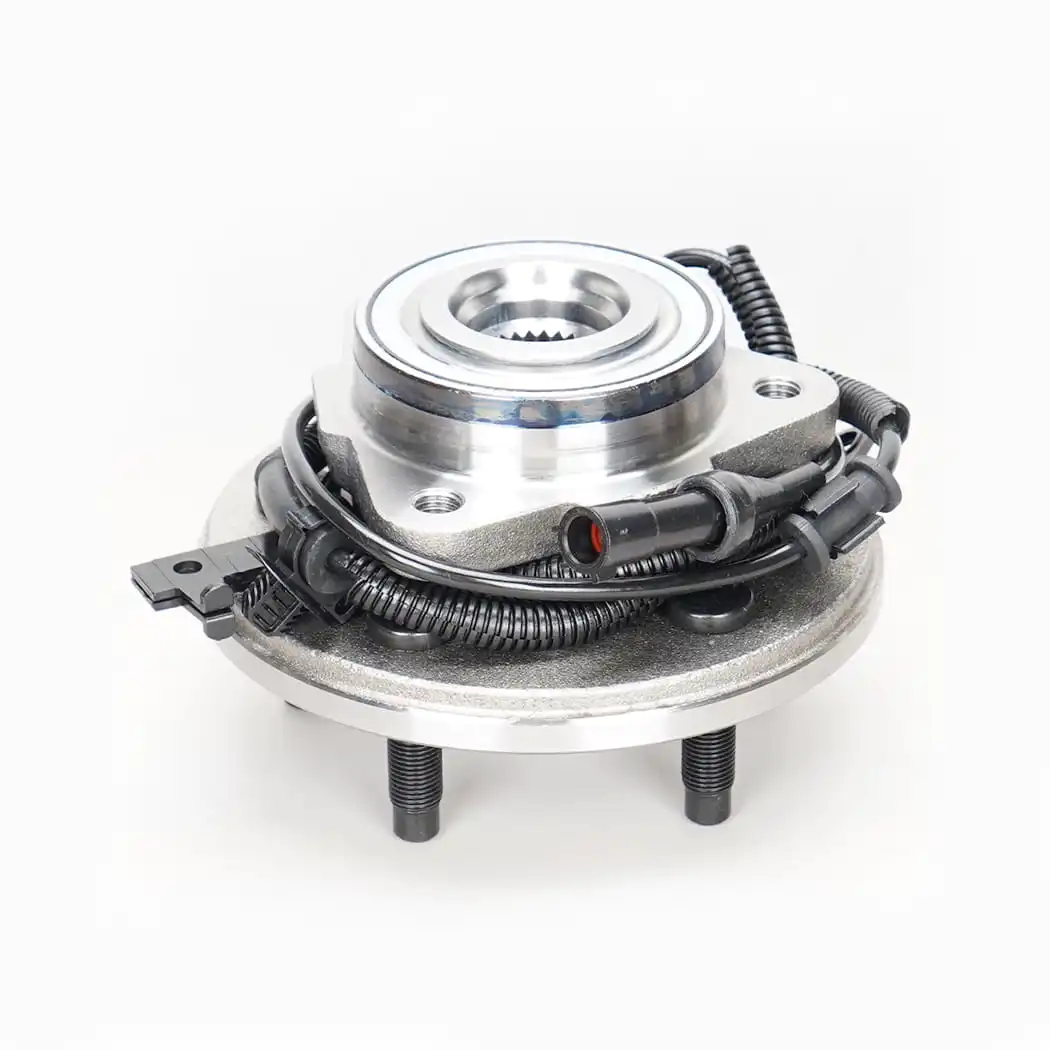
A wheel hub assembly is the component that connects your vehicle's wheel to the suspension system, allowing it to spin freely while supporting the weight of the car. It combines the wheel bearing, hub, and sometimes the ABS sensor into a single sealed unit. This part plays a critical role in your vehicle's handling, braking, and overall safety, since every wheel relies on a properly functioning hub assembly to rotate smoothly without excessive friction or play. When a wheel hub assembly starts to fail, it doesn't just cause noise or discomfort — it can affect steering precision, tire wear, and even brake performance. Understanding how this part works helps drivers recognize problems early and avoid more expensive repairs down the road.
Wheel hub assemblies wear out gradually, so the symptoms often start subtle and get worse over time. Catching these signs early can save you from a full wheel bearing failure while driving, which is dangerous and costly to fix.
Several factors contribute to premature wheel hub assembly failure, and knowing them can help you avoid unnecessary damage. Most hub assemblies are designed to last well over 100,000 miles, but harsh driving conditions or poor maintenance can shorten that lifespan significantly.
Driving through deep puddles, flooded roads, or heavy rain can force water past the hub seals, washing away lubricant and introducing rust or corrosion into the bearing.
Hitting potholes, curbs, or driving on rough terrain puts sudden stress on the hub assembly, which can damage the internal bearing races or dislodge the seal.
Like any mechanical part, the wheel hub assembly experiences gradual wear from constant rotation and load-bearing, eventually leading to looseness or failure even under normal driving.
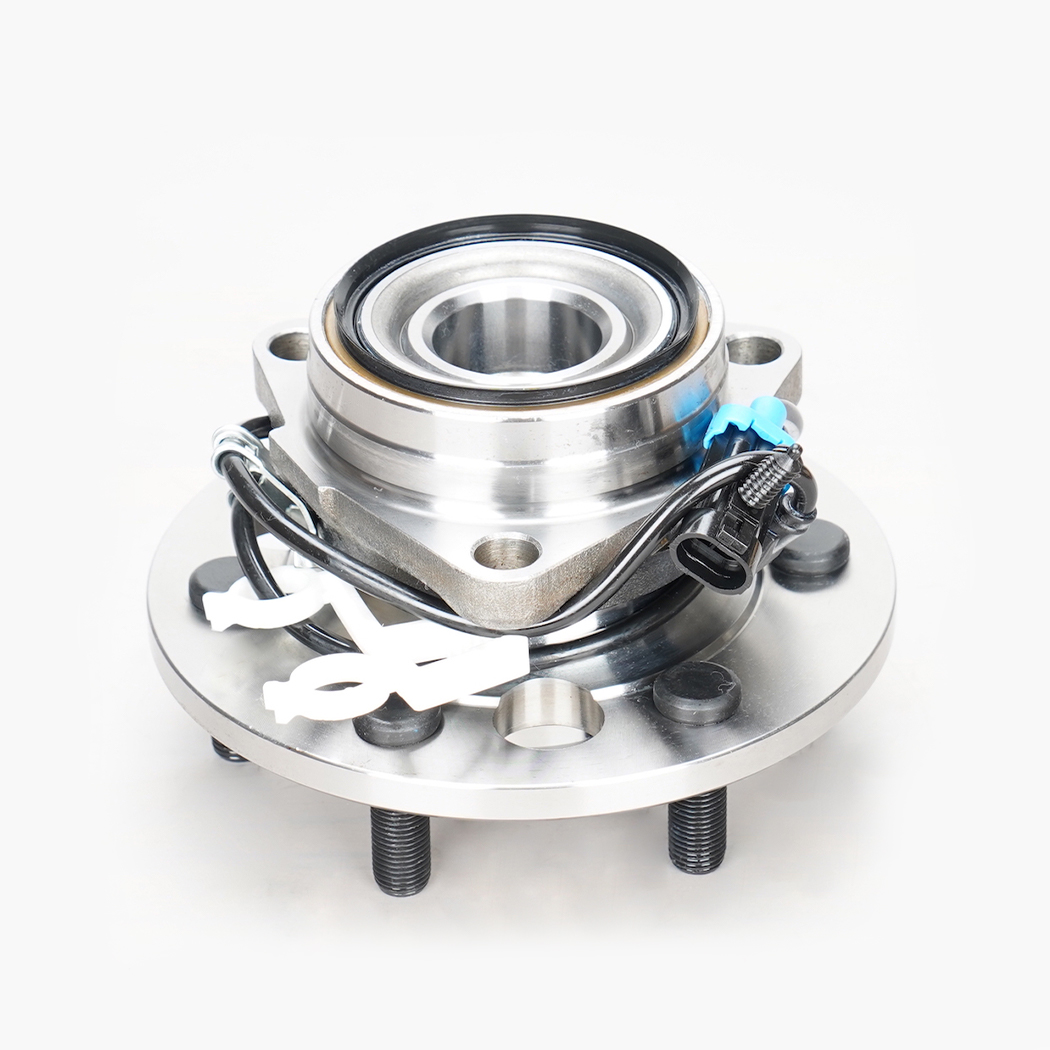
Diagnosing a faulty wheel hub assembly usually involves a combination of a road test and a physical inspection. A technician will typically drive the vehicle to listen for noise patterns, then lift the car to check for play in the wheel and test the bearing by hand. Below is a simple breakdown of the diagnostic steps often used in a shop setting.
| Diagnostic Step | What It Reveals |
| Road test at varying speeds | Confirms noise changes with wheel speed, pointing to a bearing issue |
| Wheel rock test (hand shake) | Detects looseness or excessive play in the hub |
| Spin test with wheel off ground | Identifies grinding or roughness during rotation |
| ABS sensor scan | Checks if the integrated speed sensor is triggering fault codes |
The cost to replace a wheel hub assembly varies depending on the vehicle make, model, and whether you choose OEM or aftermarket parts. On average, most drivers can expect to pay for both parts and labor, since the job typically requires disassembling part of the suspension or brake components to access the hub.
Replacing a wheel hub assembly is a moderately advanced repair that requires specific tools, including a torque wrench capable of high torque settings, a hub puller in some cases, and a reliable jack and stand setup. While experienced DIYers with the right equipment can complete the job, it's important to understand the risks involved before attempting it at home.
If you have prior experience with suspension work, access to a torque wrench, and the correct replacement part for your vehicle, replacing the hub assembly yourself can save on labor costs and typically takes one to two hours per wheel.
If your vehicle has an integrated ABS sensor, a complex all-wheel-drive system, or you're unsure about proper torque specifications, it's safer to have a certified technician handle the replacement to ensure the wheel is secured correctly and won't come loose while driving.
While wheel hub assemblies will eventually wear out, a few simple habits can help maximize their lifespan and reduce the chances of premature failure. Taking preventive steps not only saves money but also keeps your vehicle safer on the road.
The wheel hub assembly may not get much attention until something goes wrong, but it's one of the most important safety components on your vehicle. Recognizing early warning signs like unusual noise, vibration, or uneven tire wear can help you address problems before they become serious safety hazards. Whether you choose to replace it yourself or rely on a trusted mechanic, staying proactive about wheel hub assembly maintenance will keep your ride smoother, quieter, and safer for years to come.
• ADD: 42705 Grand River Avenue, Suite 201, Novi. Michigan 48375, USA.
© Copyright 2017 HANGZHOU HANJI AUTO PARTS.CO.,LTD. All Rights Reserved. Wheel Hub Unit Manufacturer