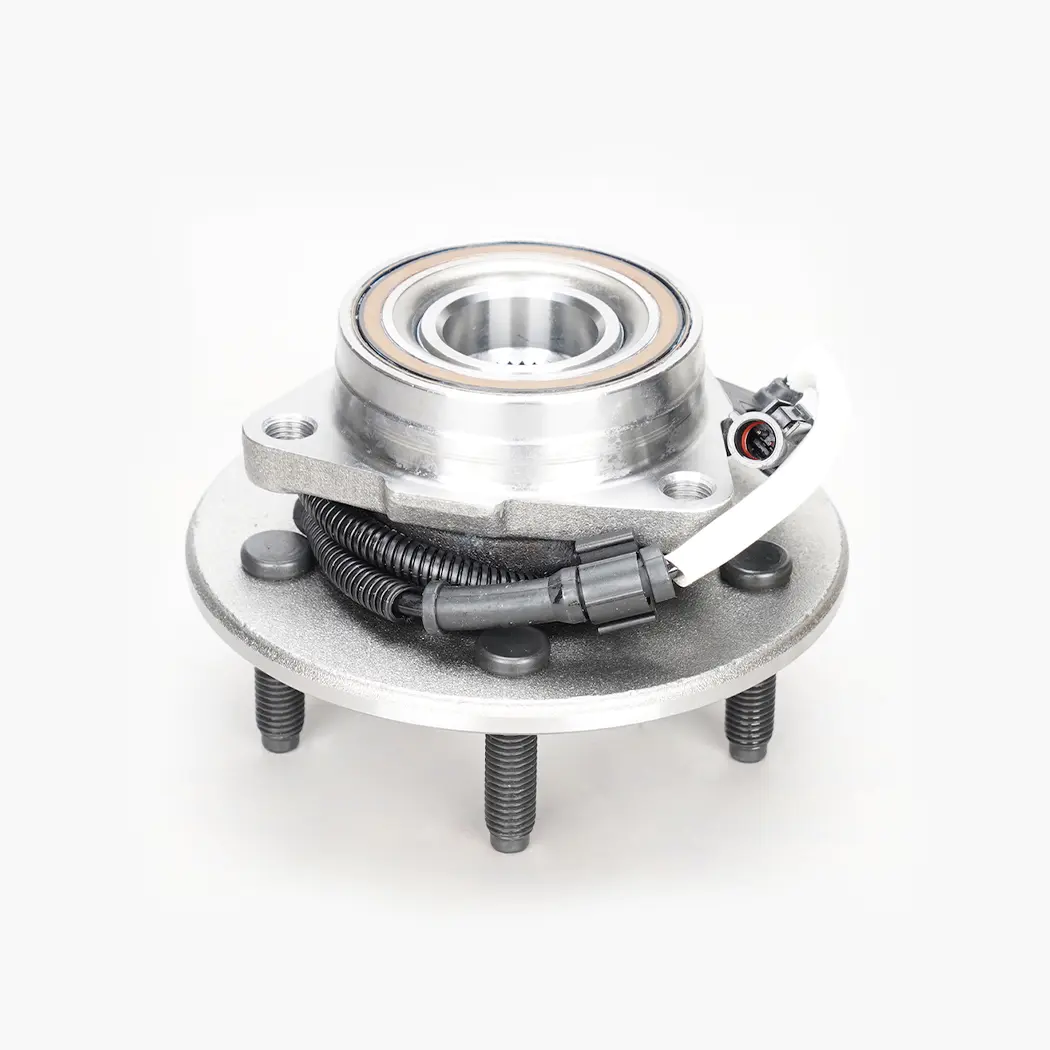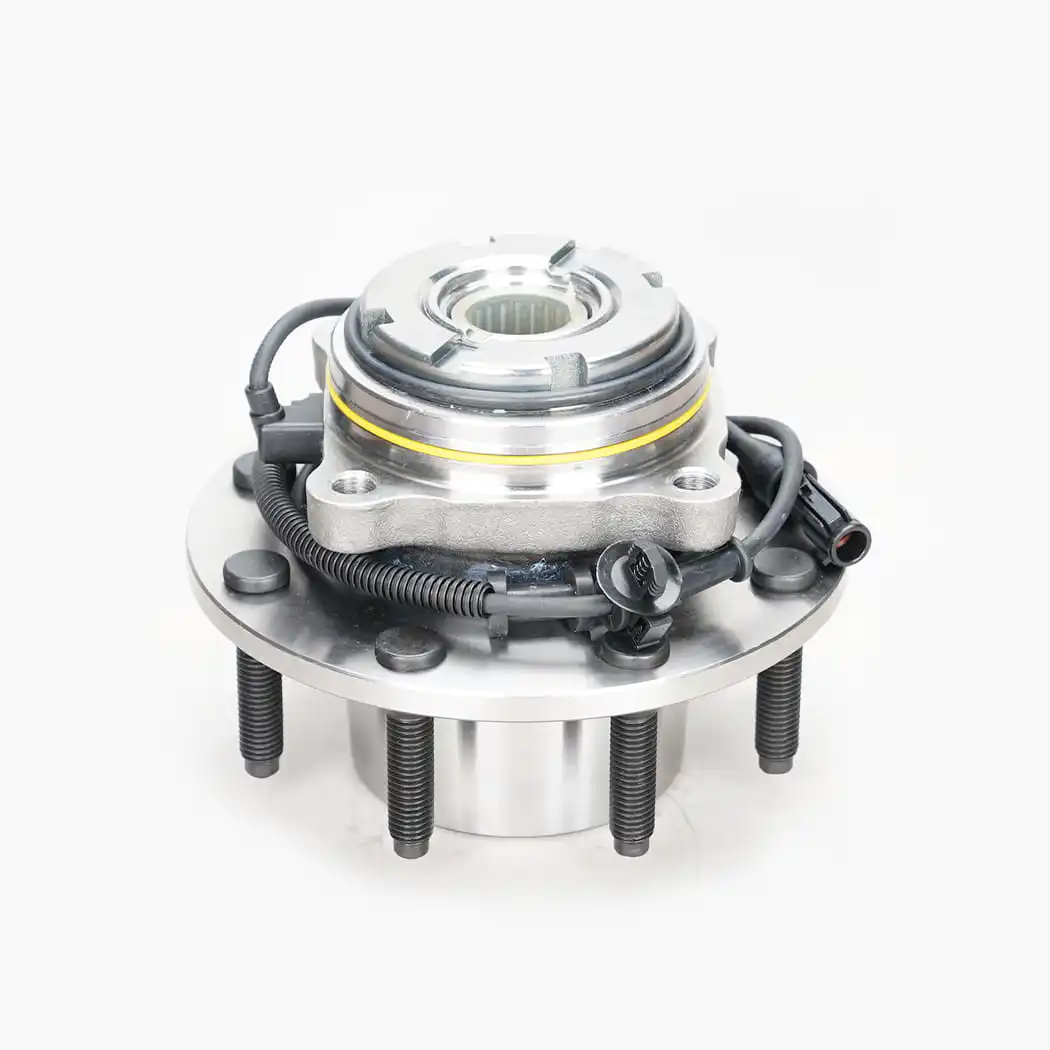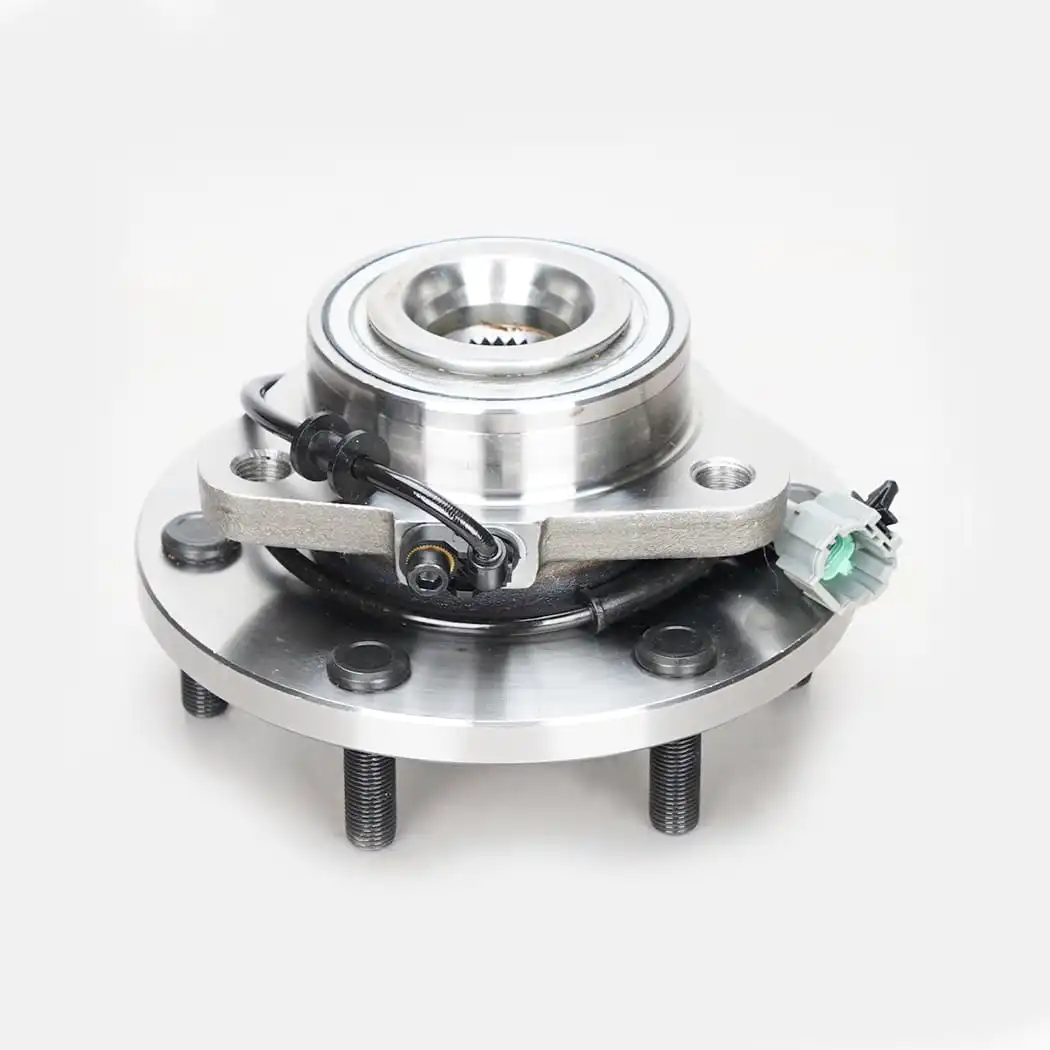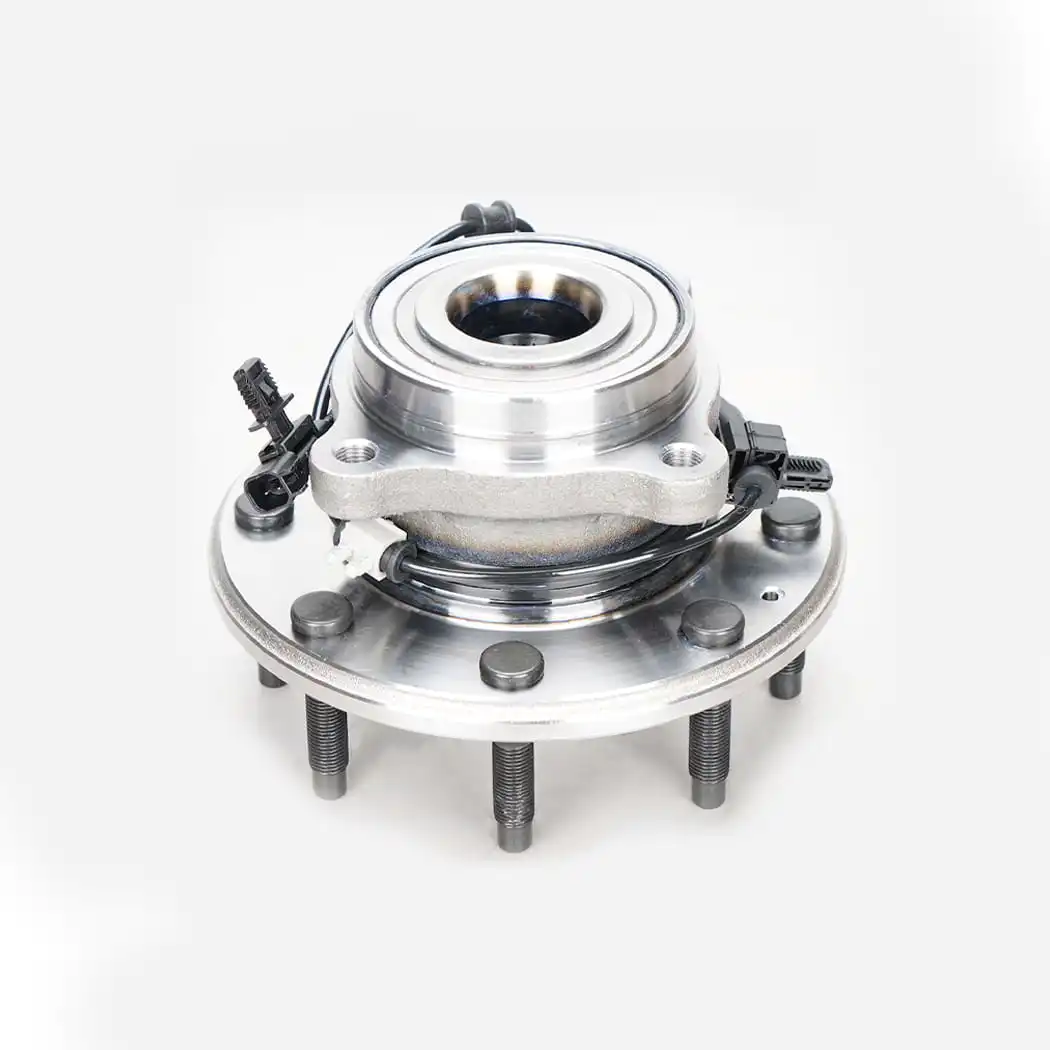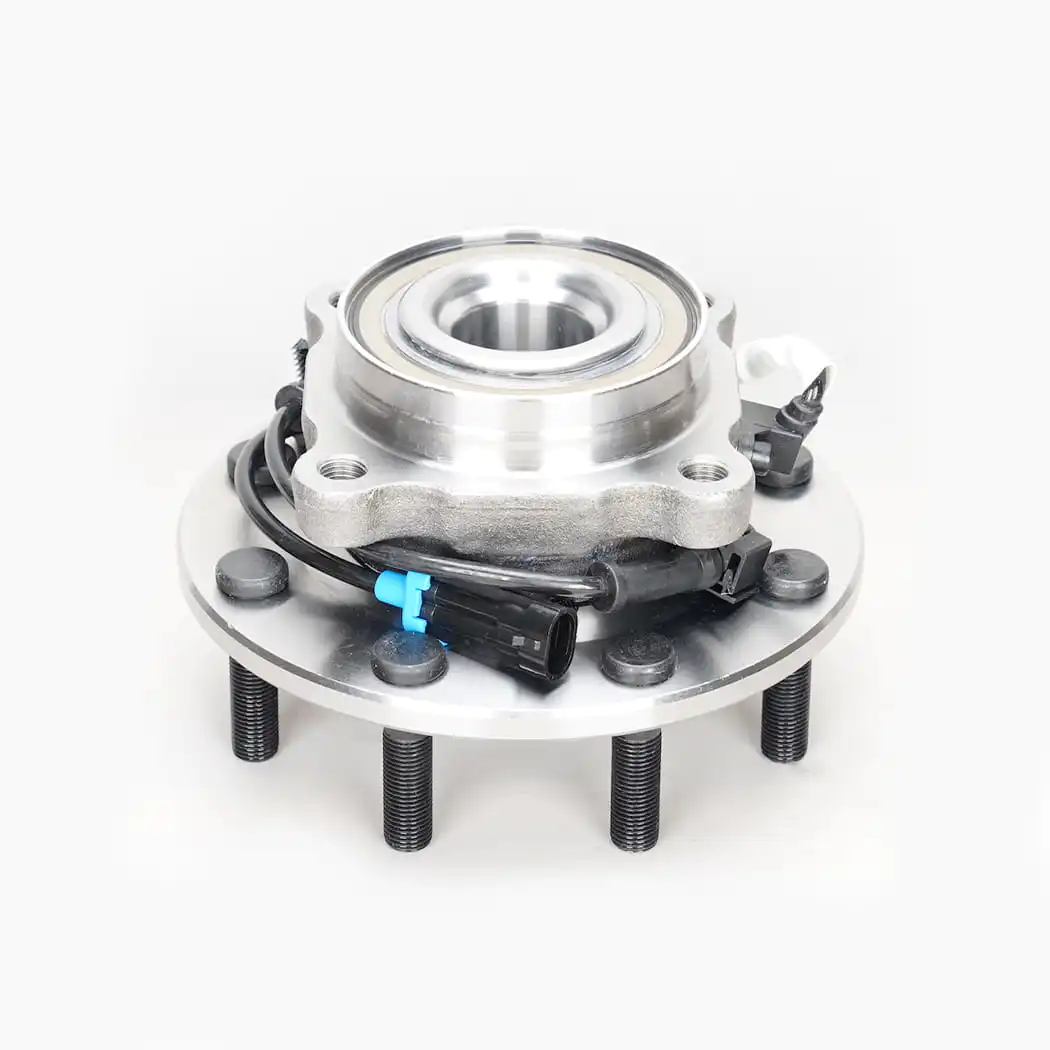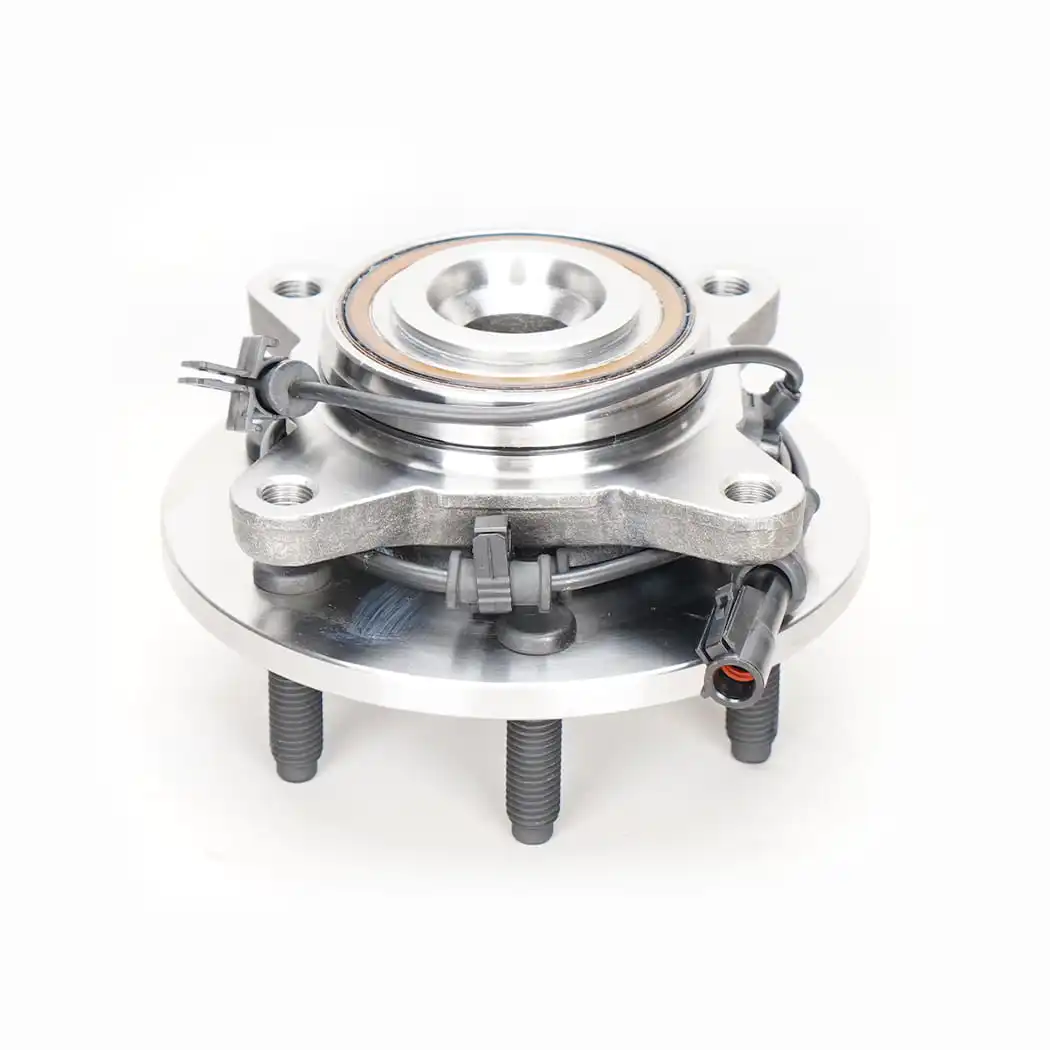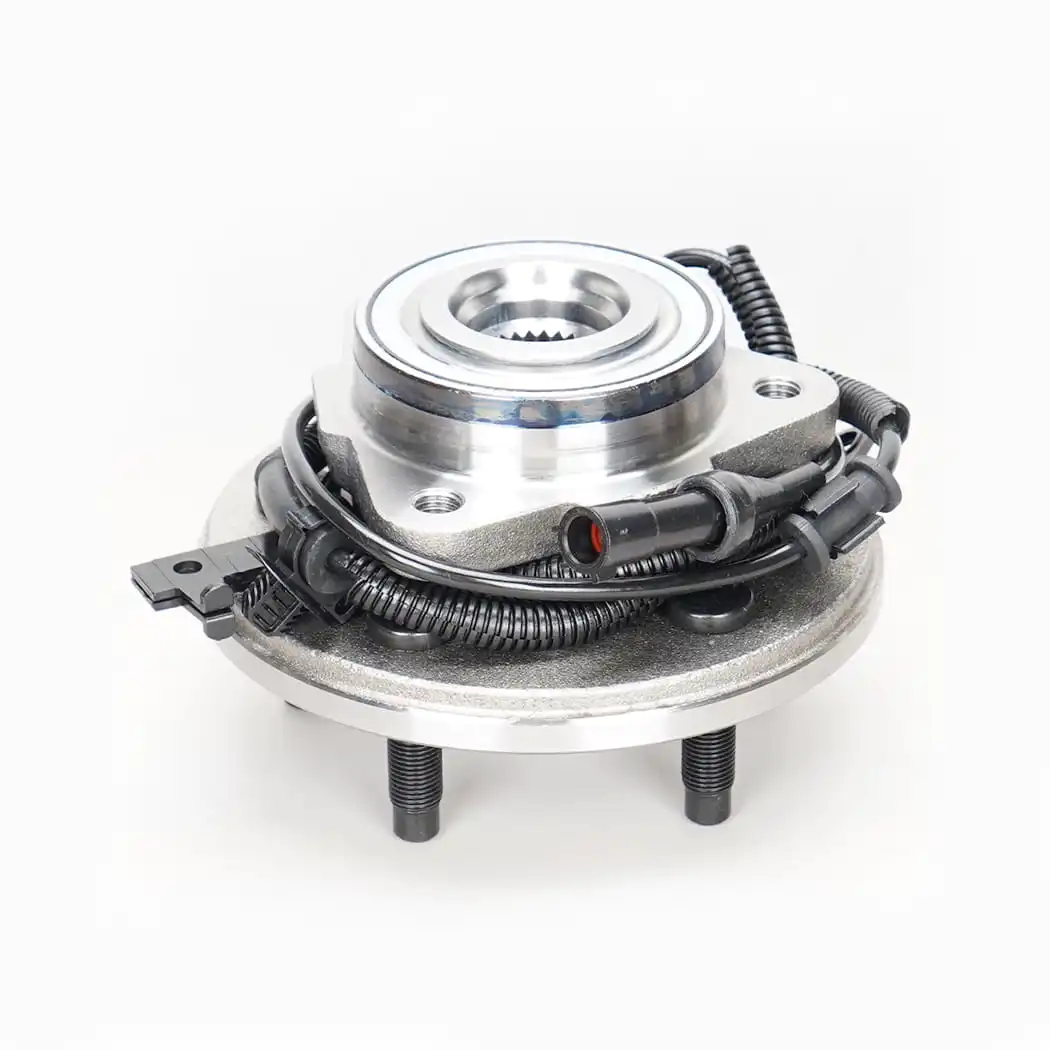
The modern automobile is a marvel of engineering, a complex machine where thousands of parts work in harmony. While the engine and transmission often steal the spotlight, a less glamorous but critically important component keeps your wheels turning smoothly and safely: the rear hub assembly.
This popular science article will dive into what the rear hub assembly is, how it works, why it matters, and the tell-tale signs that it might need some attention.
Content
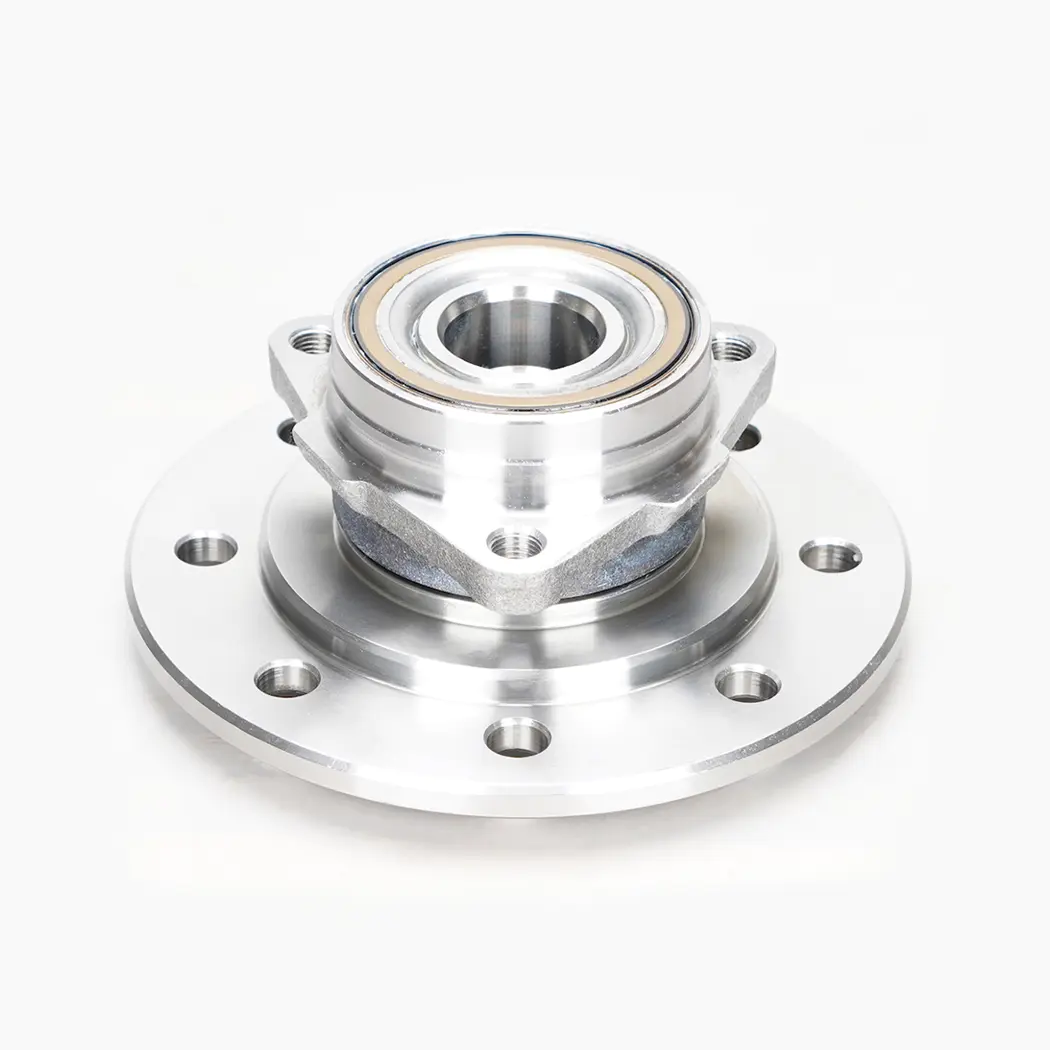
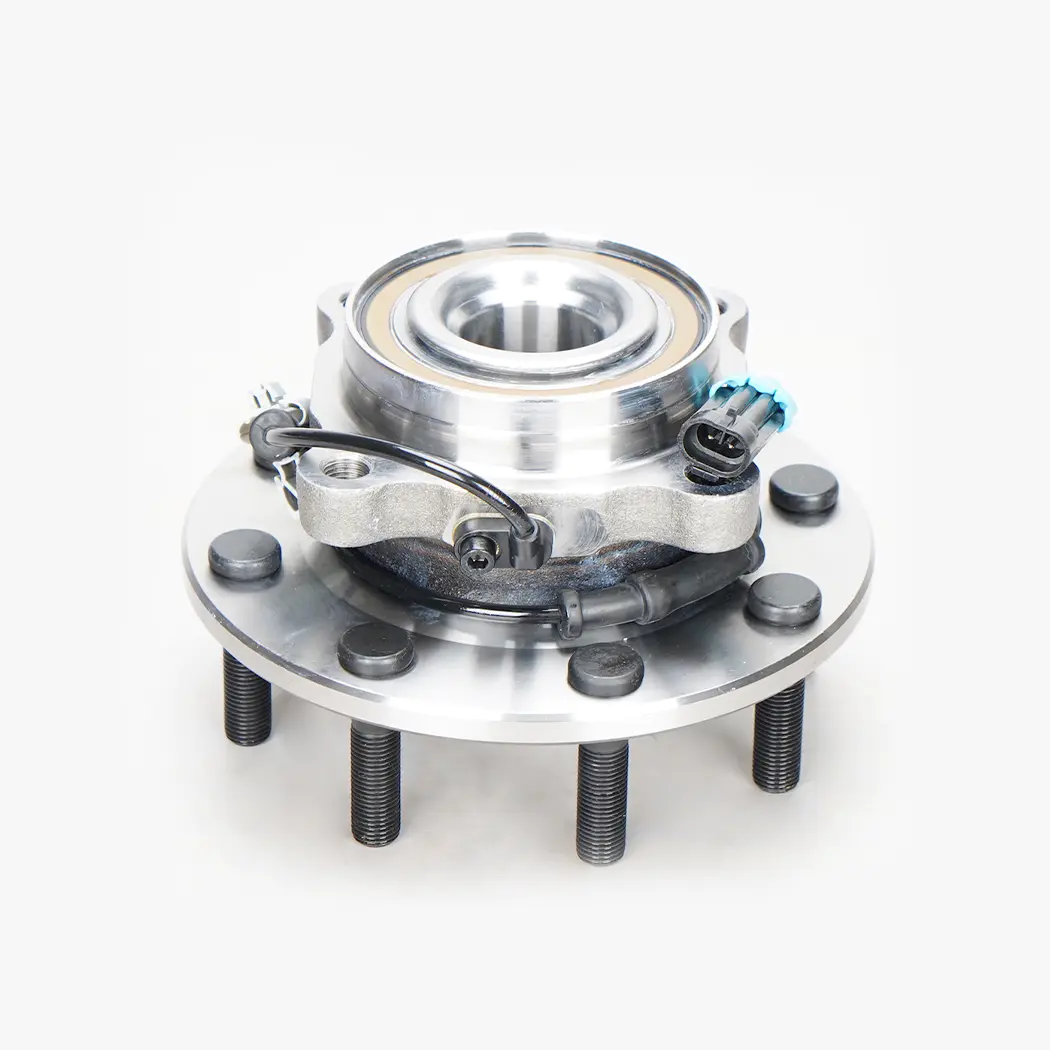
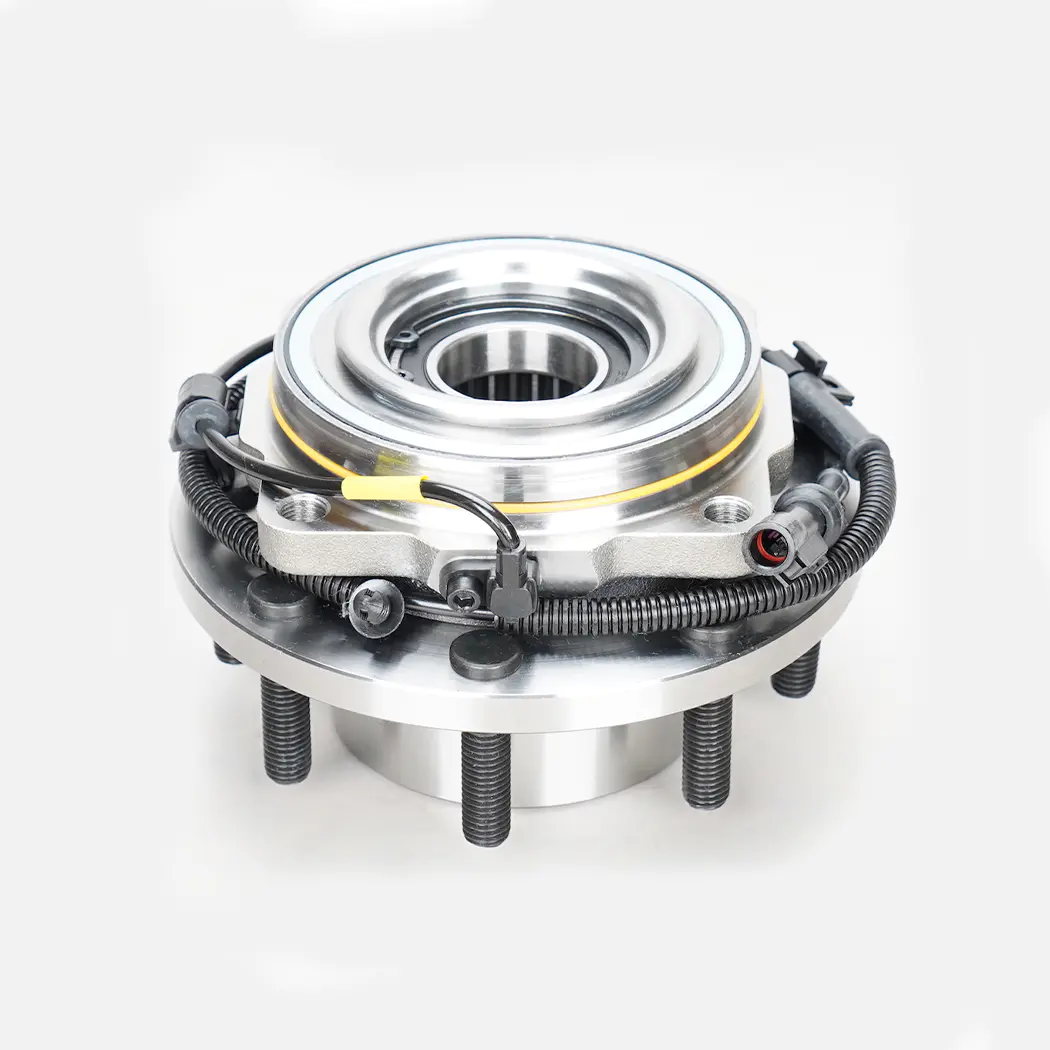
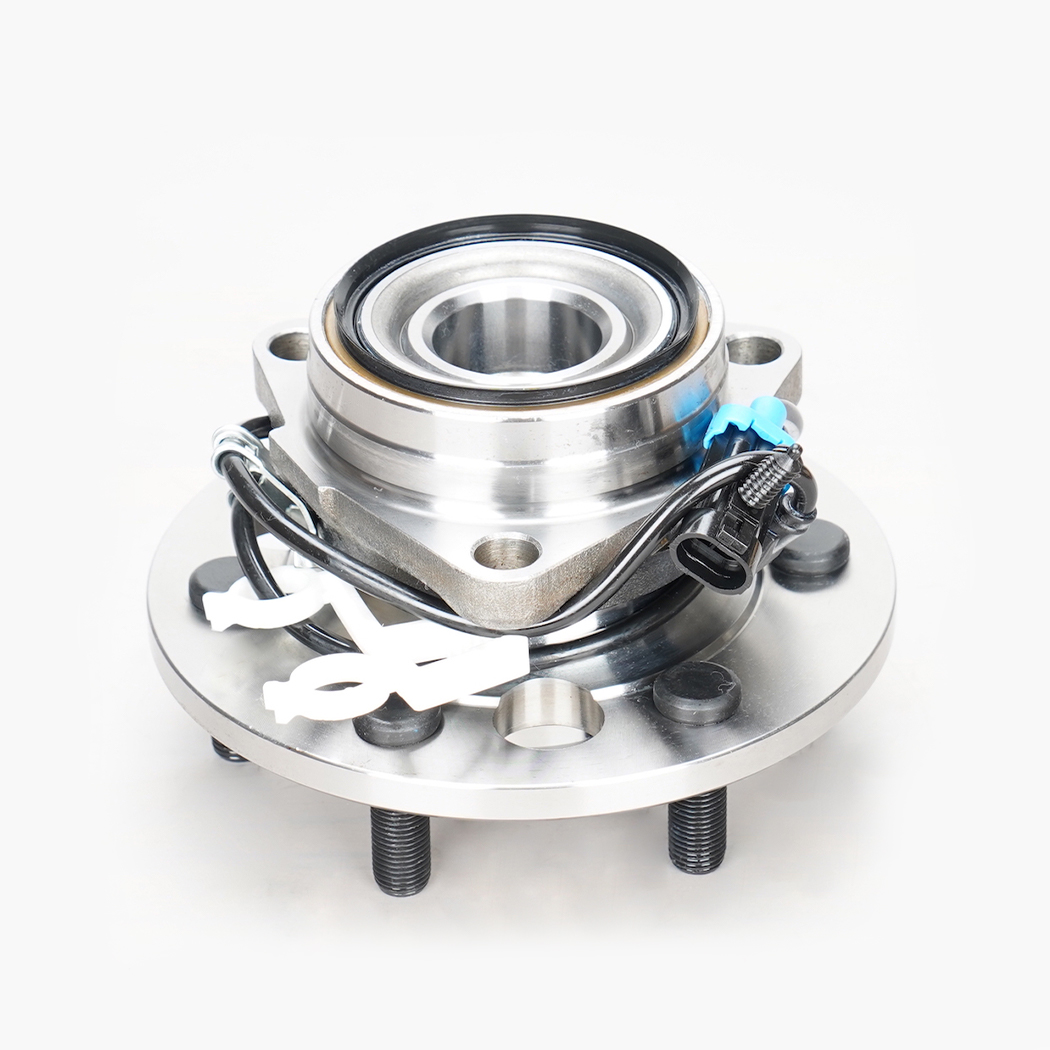
The hub assembly, often just called a wheel bearing assembly, is the component that sits between the drive axle (or suspension knuckle) and the brake rotor/drum, and the wheel itself. Its primary job is to connect the wheel to the vehicle and allow it to rotate freely with minimal friction.
A modern hub assembly is typically an integrated unit, which means its main parts are sealed together and sold as one piece. This makes replacement easier but prevents individual repair of the internal components. The key internal components include:
At the core of the hub assembly’s function is the wheel bearing, a simple yet ingenious piece of mechanical engineering.
Without bearings, a car wheel turning on a static axle would generate massive amounts of sliding friction. This would quickly turn the components red-hot, wasting enormous amounts of energy, and literally grinding the vehicle to a halt.
Bearings convert the high-energy sliding friction into much lower-energy rolling friction. Imagine dragging a heavy box versus putting it on a cart with wheels. The principle is the same. The steel balls or rollers inside the bearing allow the surfaces to roll over each other rather than scrape, keeping the wheel spinning with minimal energy loss and without overheating.
Beyond just allowing rotation, the hub assembly must withstand immense forces. As you drive, the hub assembly handles:
The bearings are designed to handle these multi-directional loads, ensuring the wheel remains firmly attached and aligned with the rest of the suspension, which is crucial for steering precision and overall vehicle stability.
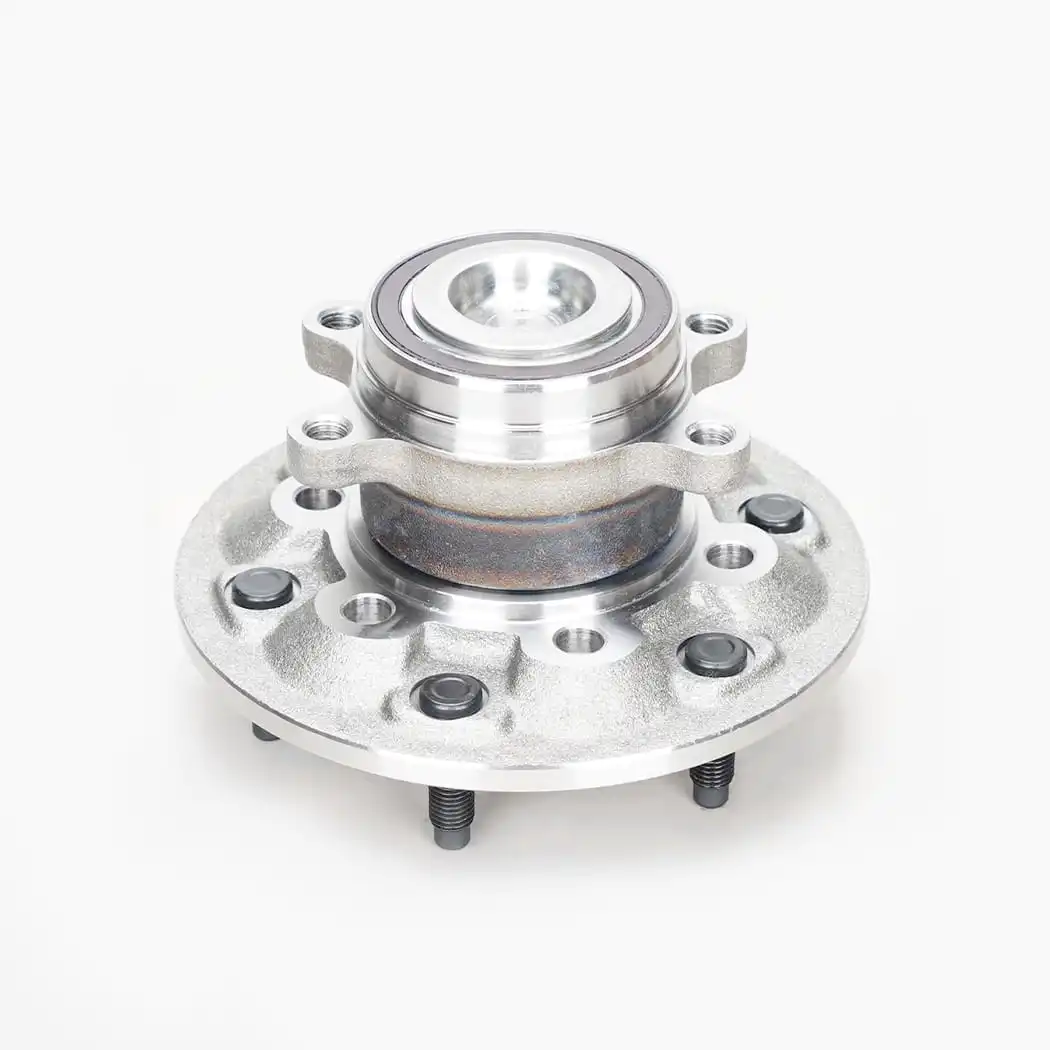
Because the wheel bearings are constantly in motion and under load, they are a wear item—meaning they will eventually fail. The most common cause of failure is the breakdown of the internal grease or the ingress of water and dirt, which compromises the smooth surface of the bearings.
When a hub assembly begins to fail, it usually presents a few distinct, easily recognizable symptoms.
A failing hub assembly almost always manifests as an increasingly loud noise. This is usually described as a growling, rumbling, or humming sound that typically changes pitch or intensity as the vehicle’s speed changes.
In later stages of failure, the internal damage can lead to a slight wobble or excessive “play” (looseness) in the wheel.
Thanks to sealed, integrated hub assemblies, the maintenance for this component is largely a simple replacement job. Modern hubs are incredibly durable, often lasting well over 100,000 miles (160,000 km) under normal driving conditions.
However, factors like aggressive off-roading, repeated exposure to deep water, and curb strikes can accelerate their wear. The rear hub assembly might be hidden behind the wheel, but it is one of the most critical parts for ensuring a smooth, safe, and efficient journey. Taking note of its “singing” is key to enjoying many more miles on the road.
• ADD: 42705 Grand River Avenue, Suite 201, Novi. Michigan 48375, USA.
© Copyright 2017 HANGZHOU HANJI AUTO PARTS.CO.,LTD. All Rights Reserved. Wheel Hub Unit Manufacturer