Content
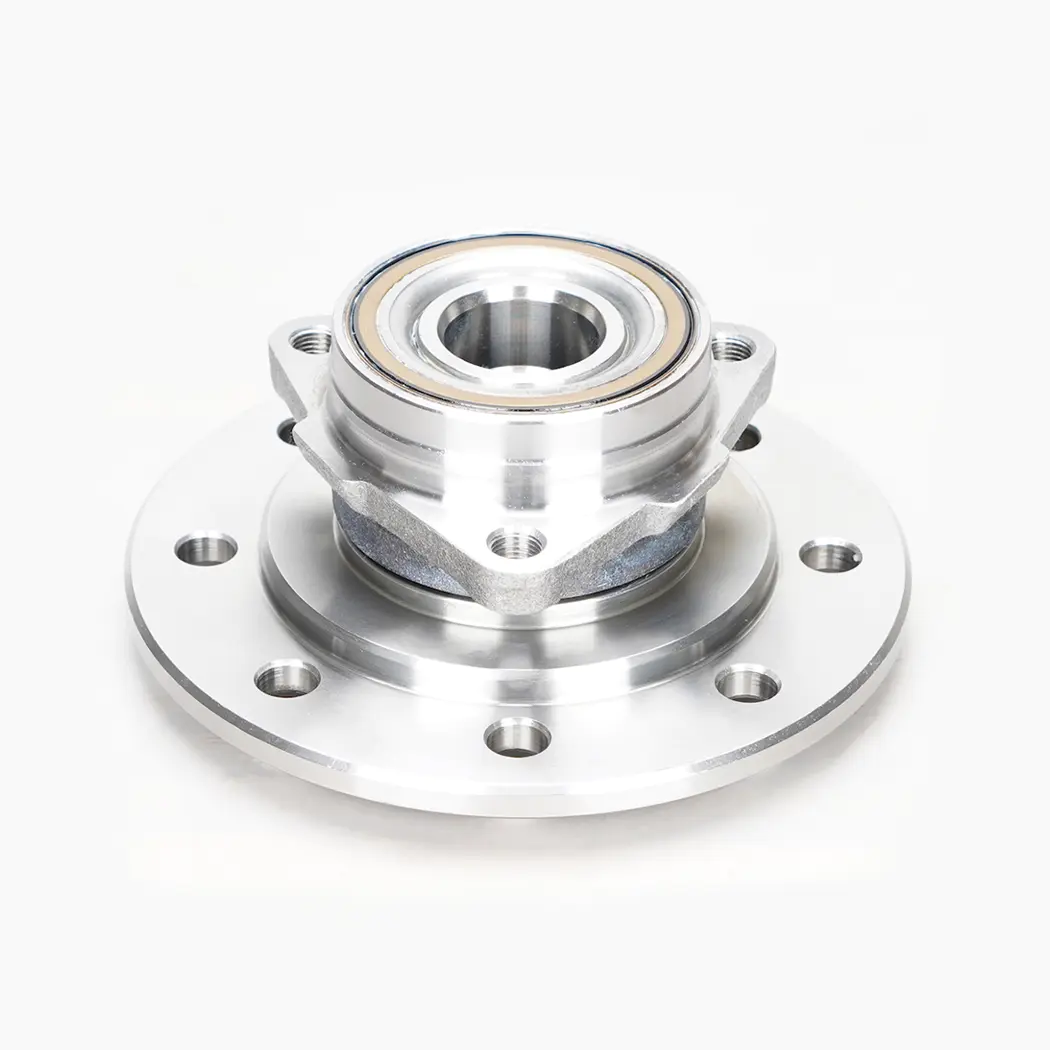
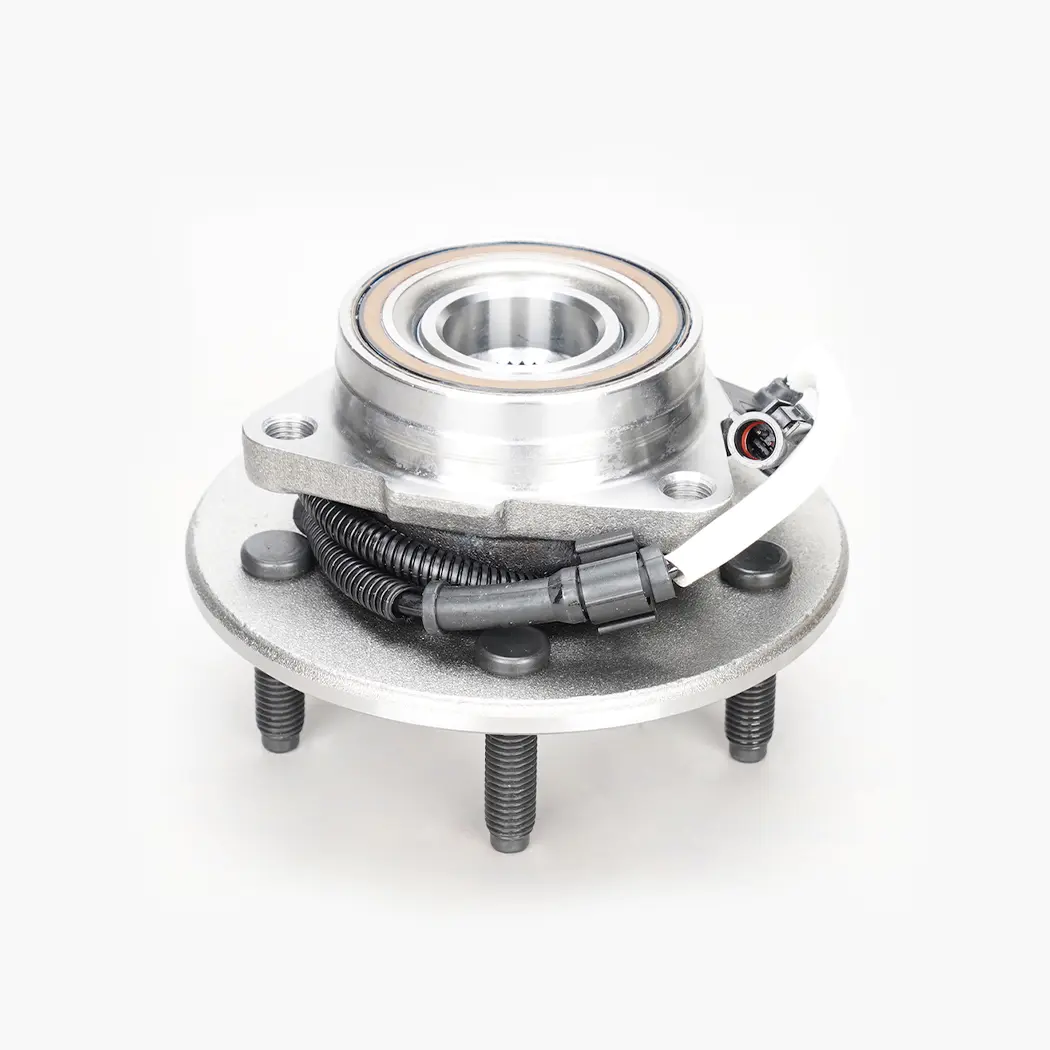
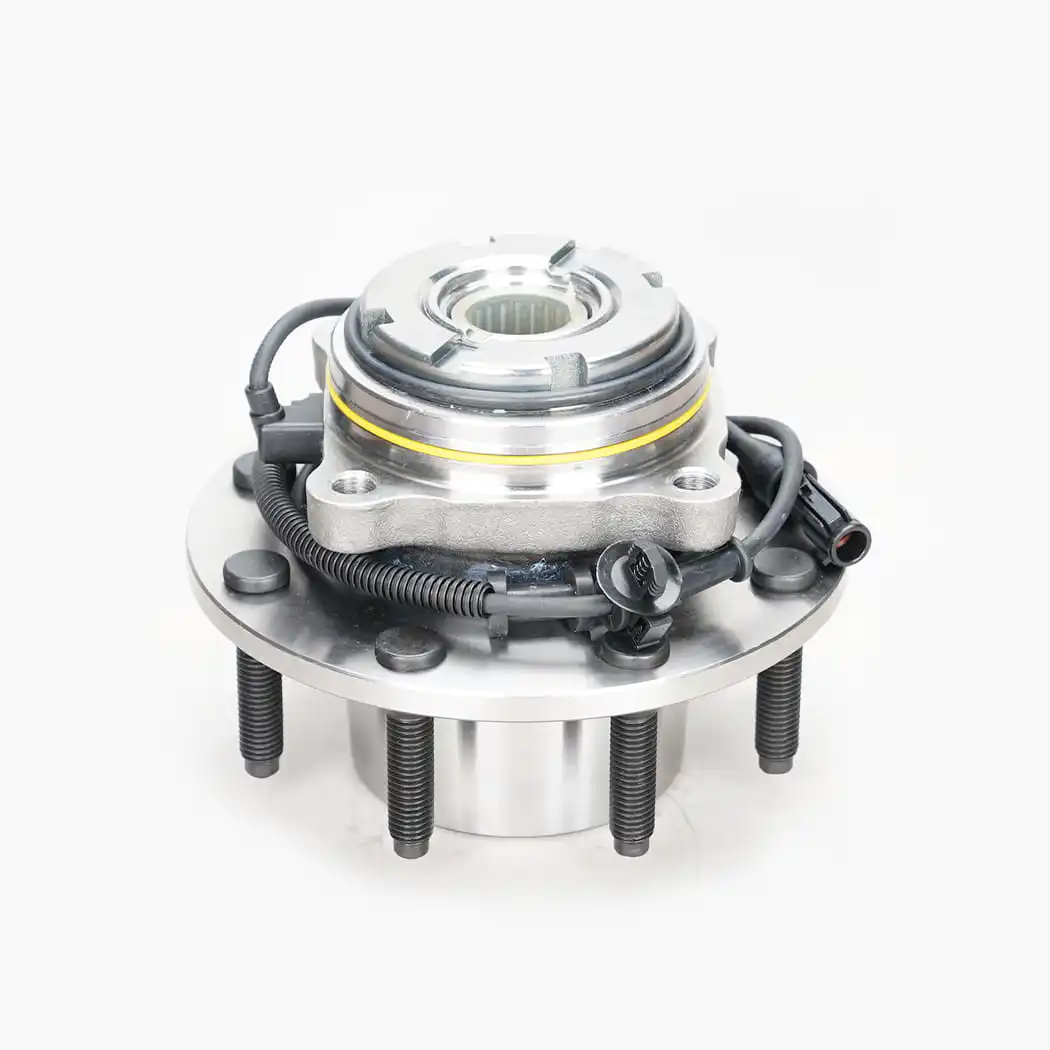
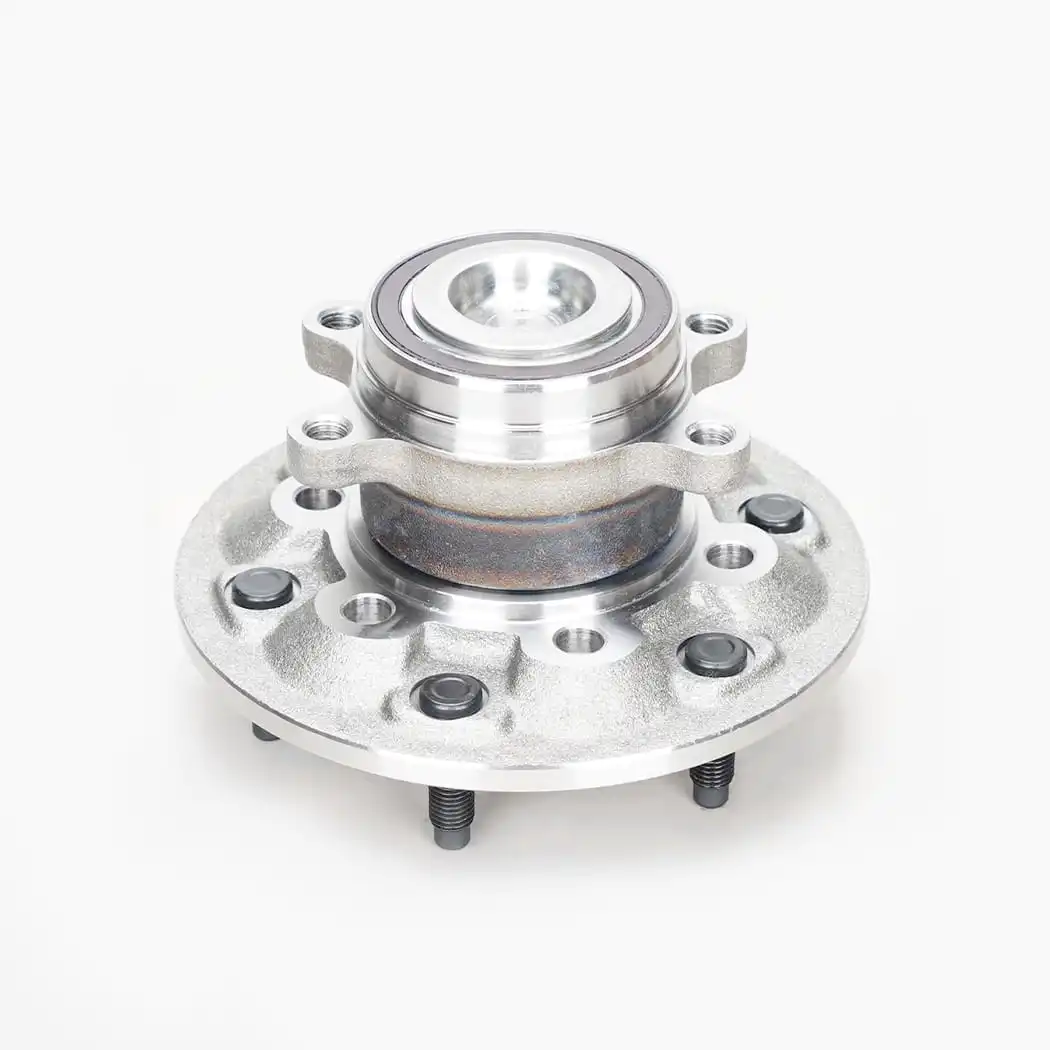
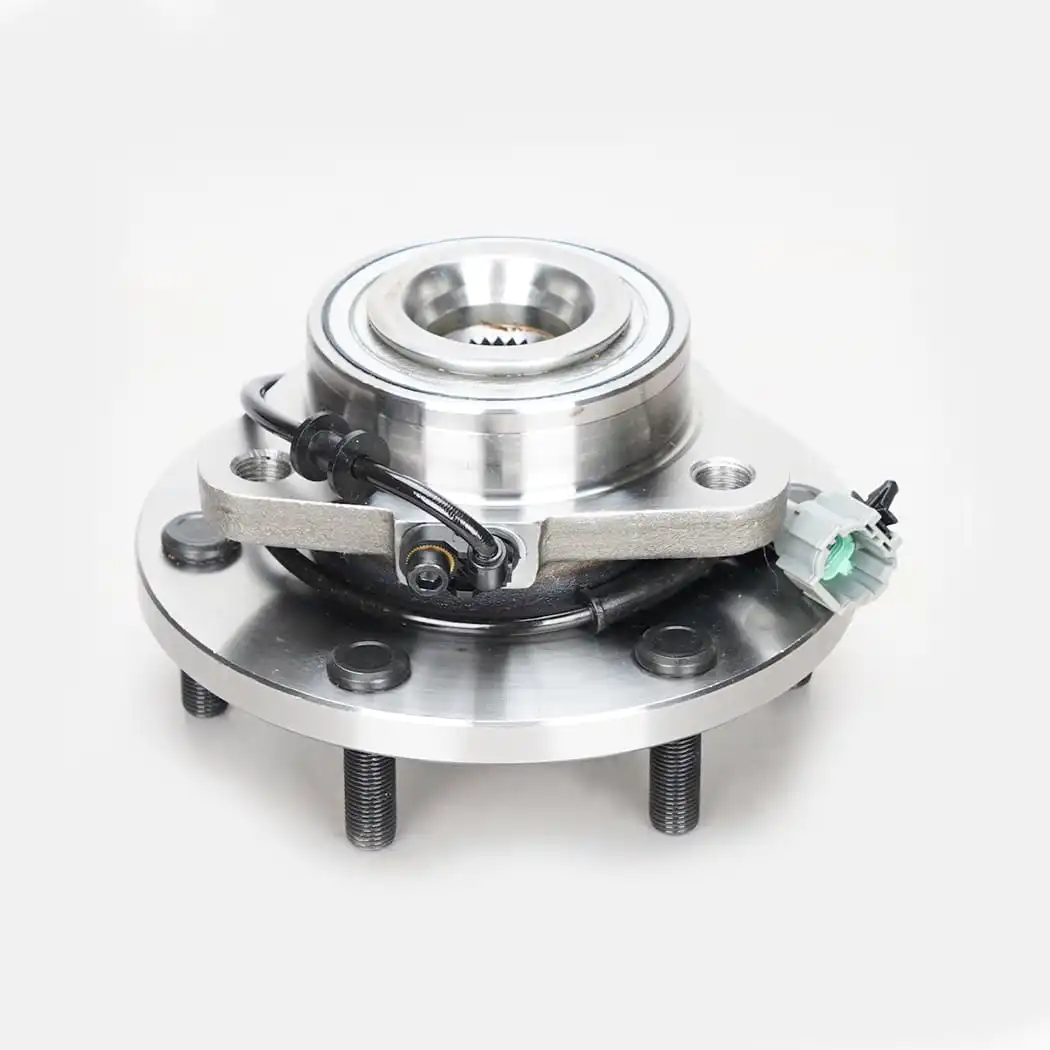
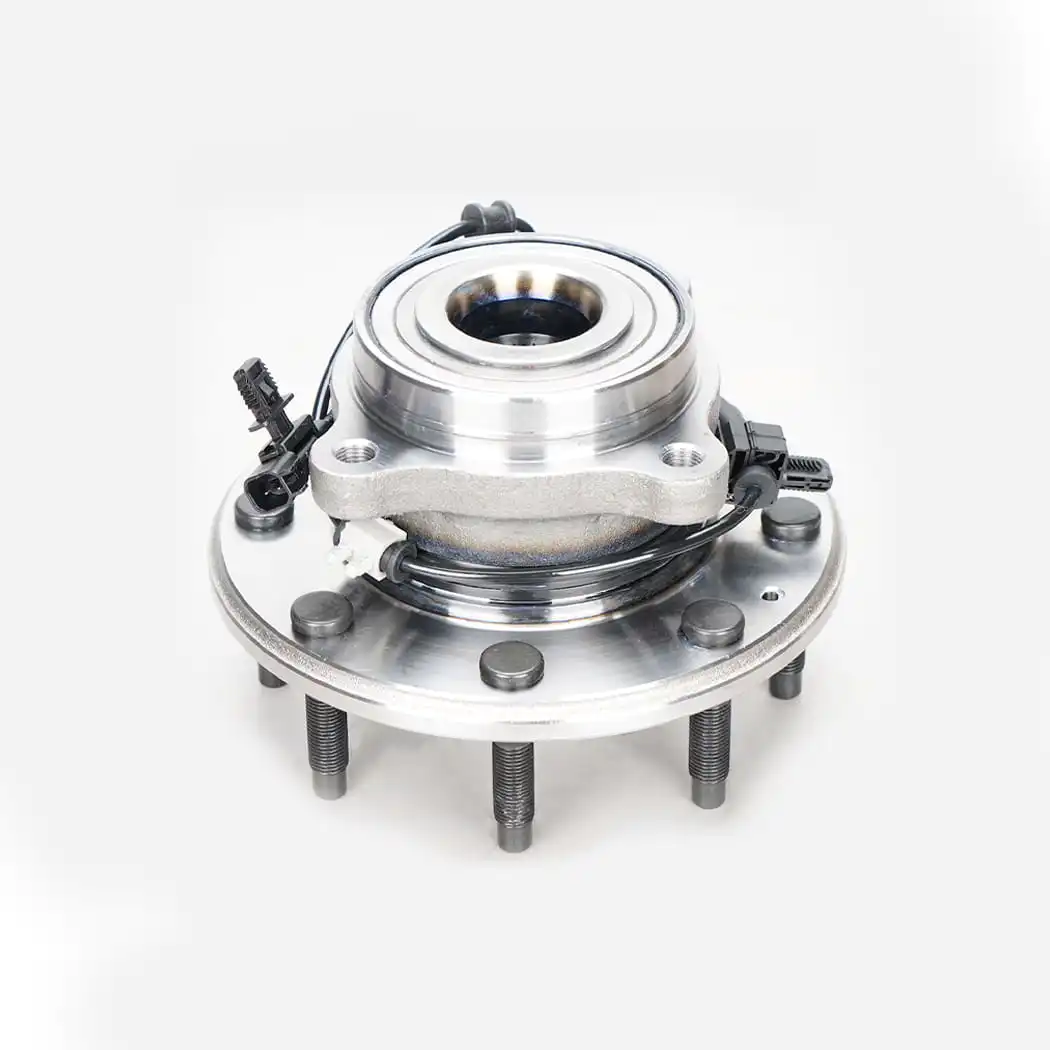
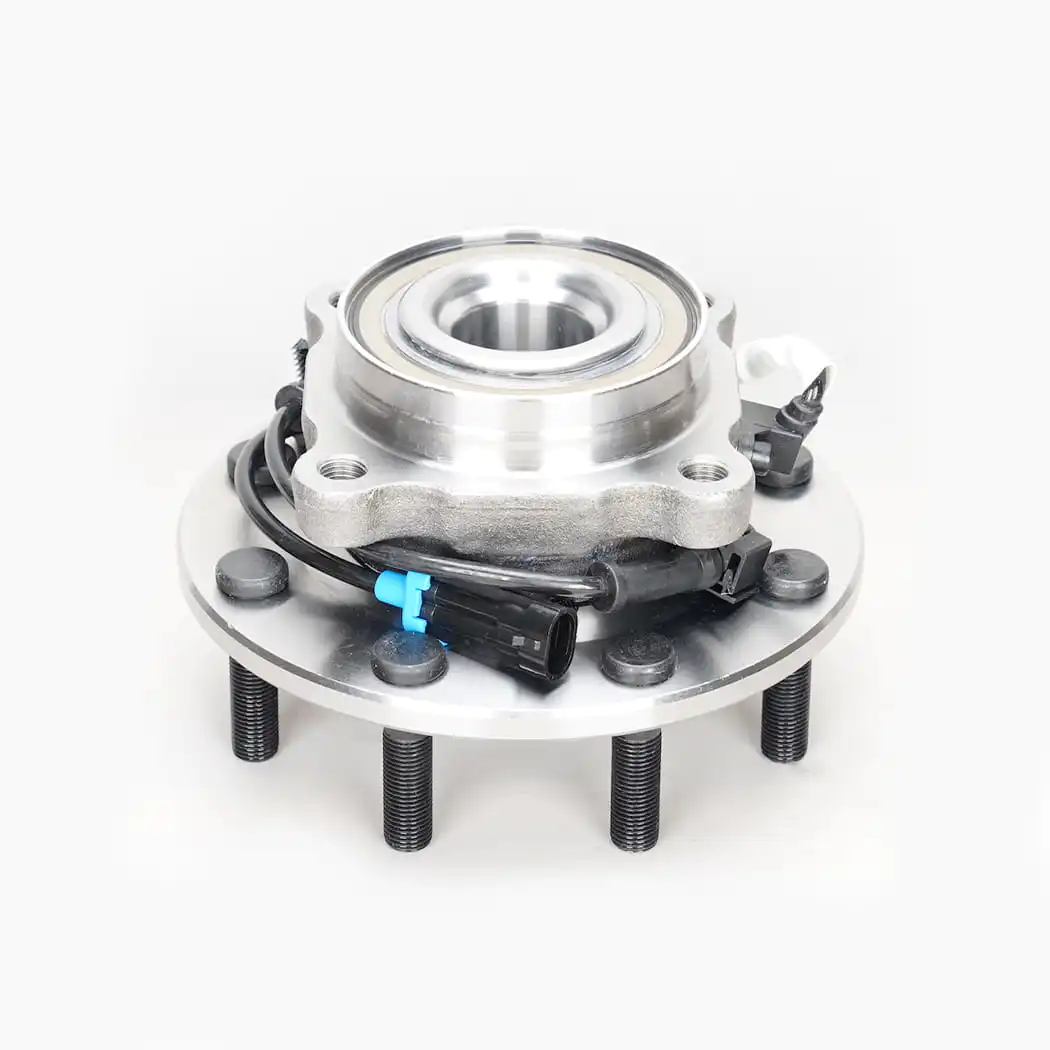
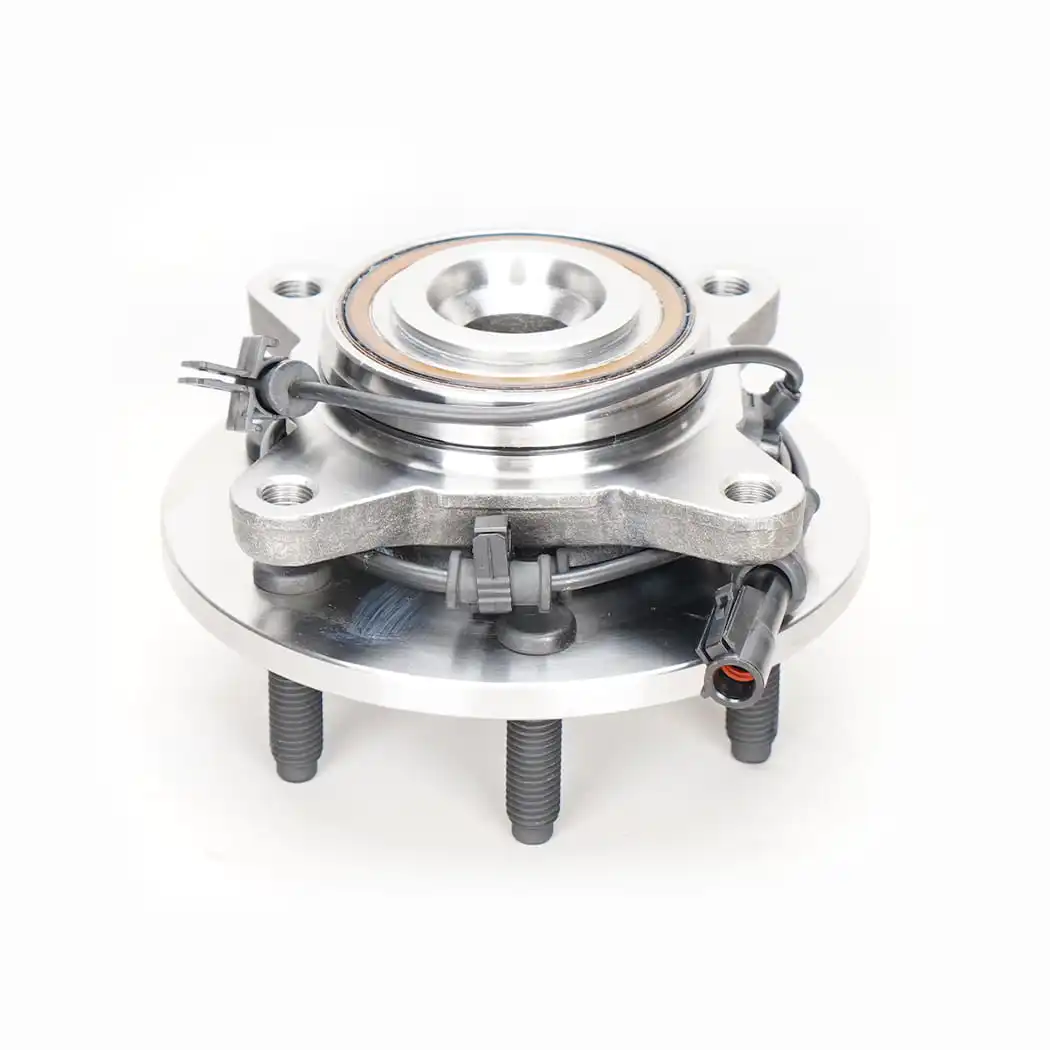
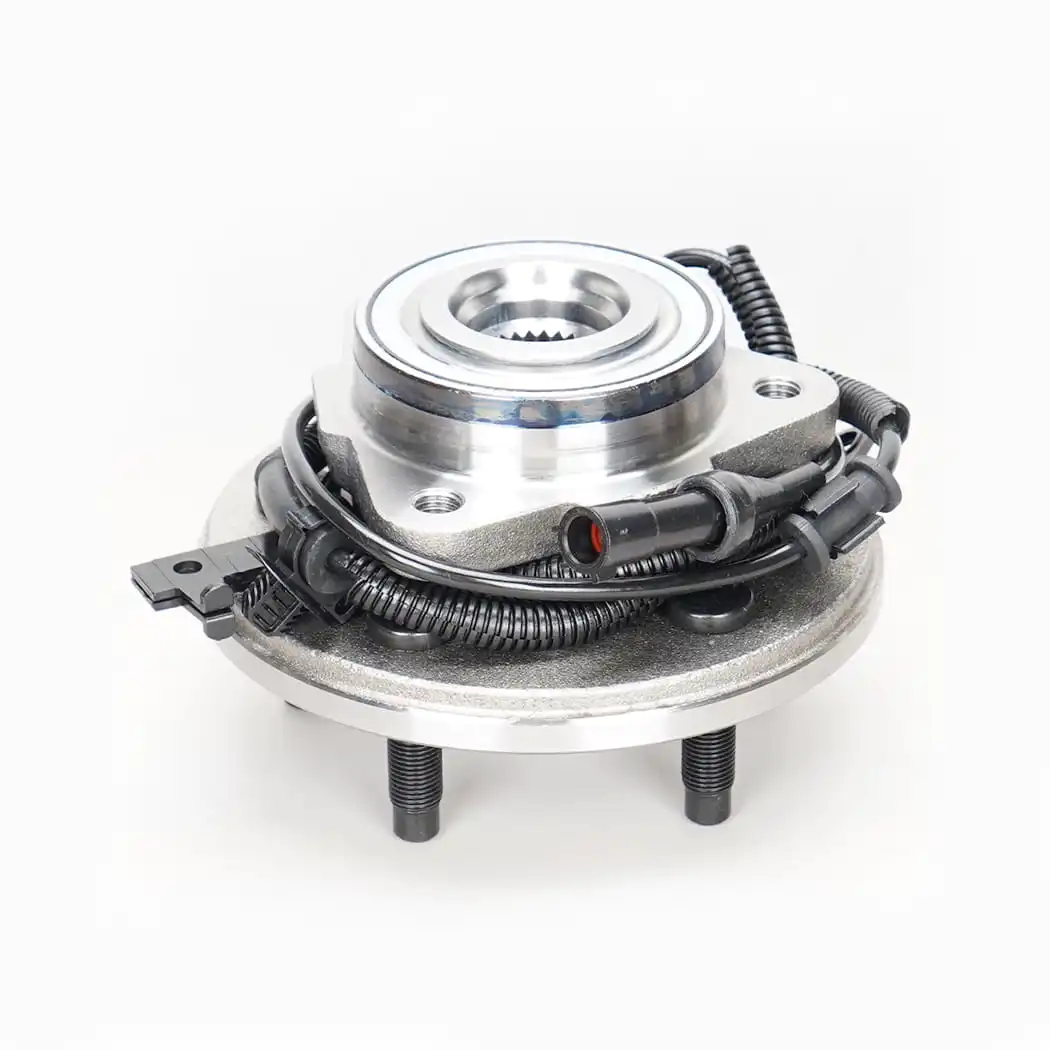
The Wheel Hub Assembly is one of the most critical, yet often overlooked, components of any modern vehicle’s suspension and braking system. Simply put, it’s the part that connects your wheel to your car. While that sounds simple, its function is far more complex and essential to both your car’s performance and, more importantly, your safety.
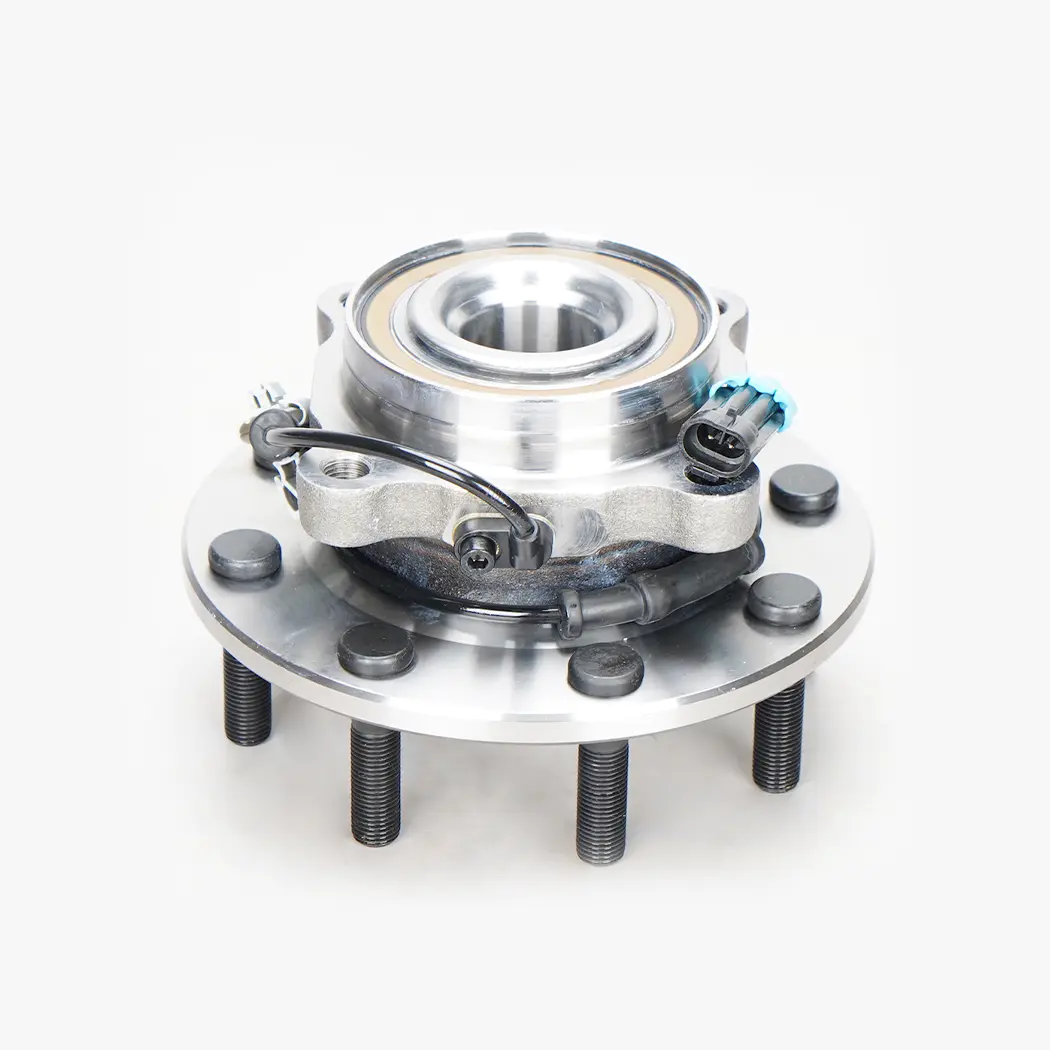
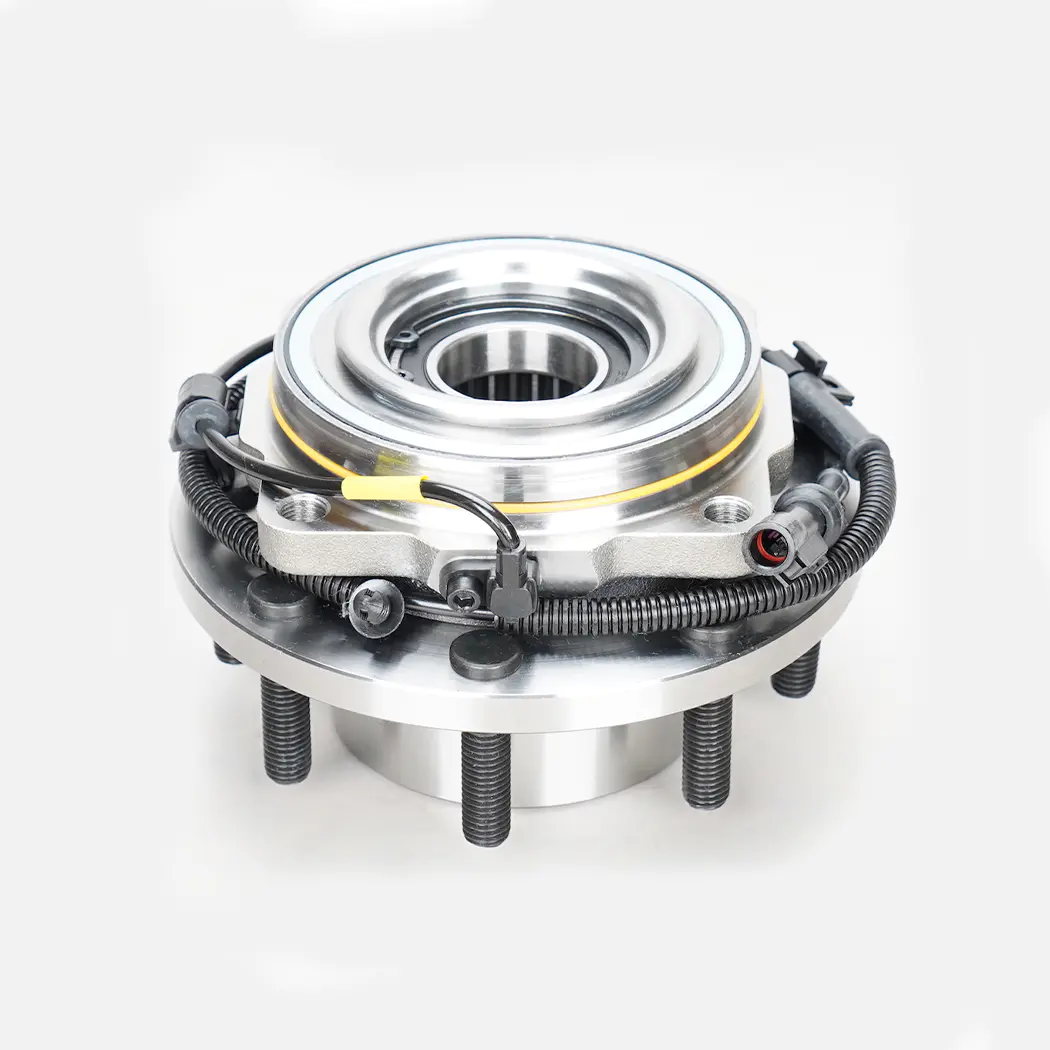
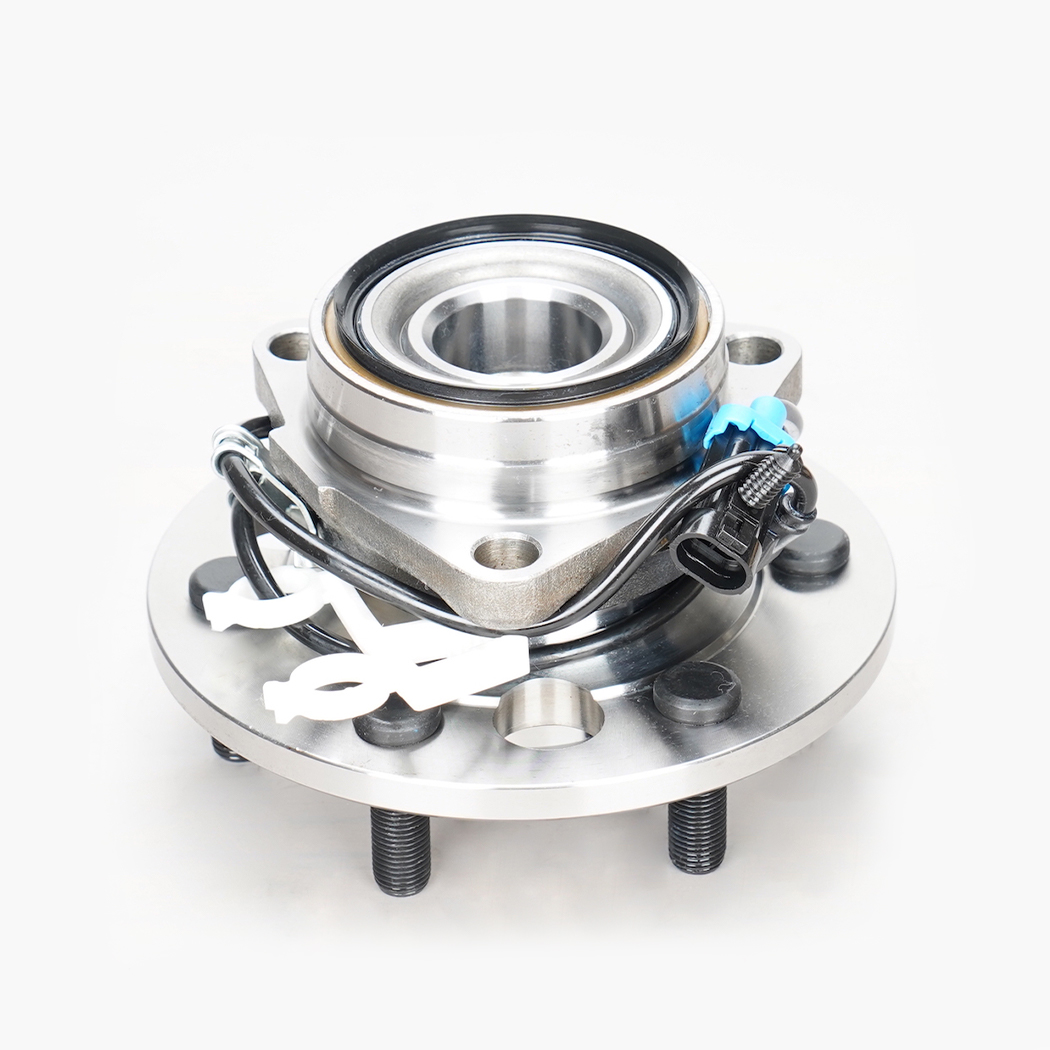
The Wheel Hub Assembly serves as the central mounting point for the wheel, brake rotor, and sometimes the brake drum. It is precisely machined to ensure the wheel spins true and without excessive vibration. At its core, the assembly consists of a flange (where the wheel bolts on) and a set of integrated bearings.
Inside the assembly, the bearings are what allow the wheel to rotate with minimal friction. These aren’t just simple friction-reducing components; they are engineered to handle immense forces, including:
Without high-quality, properly sealed bearings, the wheel wouldn’t spin freely, leading to noise, excessive heat, and eventually, catastrophic failure. Modern Wheel Hub Assemblies are typically sealed units, meaning the bearings are protected from contaminants like dirt and water, and they are maintenance-free for their service life.
In contemporary vehicles, the Wheel Hub Assembly is a vital communication point for many of the car’s advanced safety features.
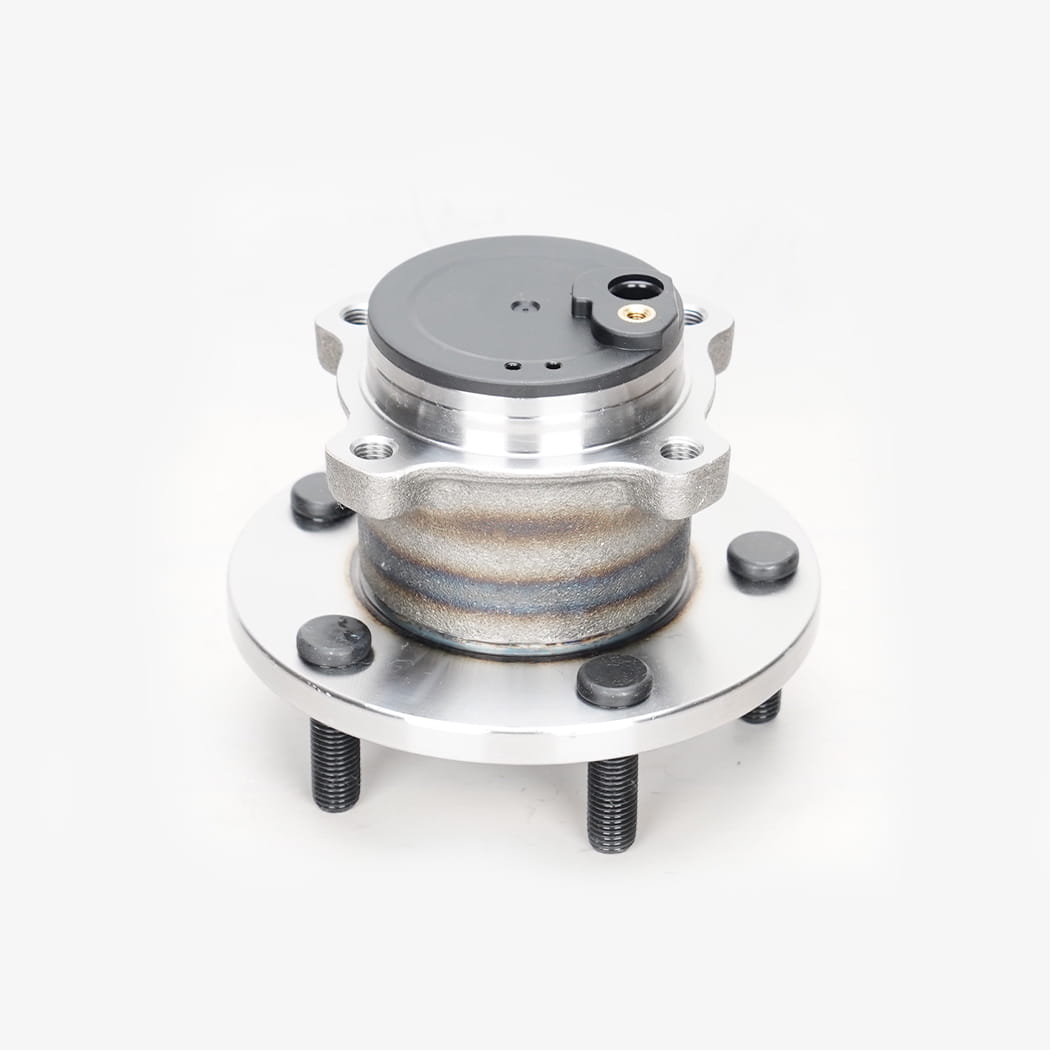
Integrated into the hub assembly is a wheel speed sensor, which is a key component of the Anti-lock Braking System (ABS) and the Traction Control System (TCS).
Like any moving part, a Wheel Hub Assembly has a finite lifespan. When it begins to fail, it usually gives several clear warning signs. Understanding these can help prevent a small problem from becoming a serious one.
While simple in concept, the Wheel Hub Assembly is a masterful piece of engineering, seamlessly combining mechanical reliability with critical electronic safety components. It’s a powerful reminder that some of the most important parts of your car are the ones you never see.
• ADD: 42705 Grand River Avenue, Suite 201, Novi. Michigan 48375, USA.
© Copyright 2017 HANGZHOU HANJI AUTO PARTS.CO.,LTD. All Rights Reserved. Wheel Hub Unit Manufacturer