Content
Vehicle wheel bearings are small but critical components that keep your car running smoothly. They allow the wheels to rotate with minimal friction while supporting the weight of the vehicle. Whether you drive a passenger car, truck, or SUV, understanding how automotive wheel bearings work and how to maintain them can help prevent costly repairs and improve driving safety.
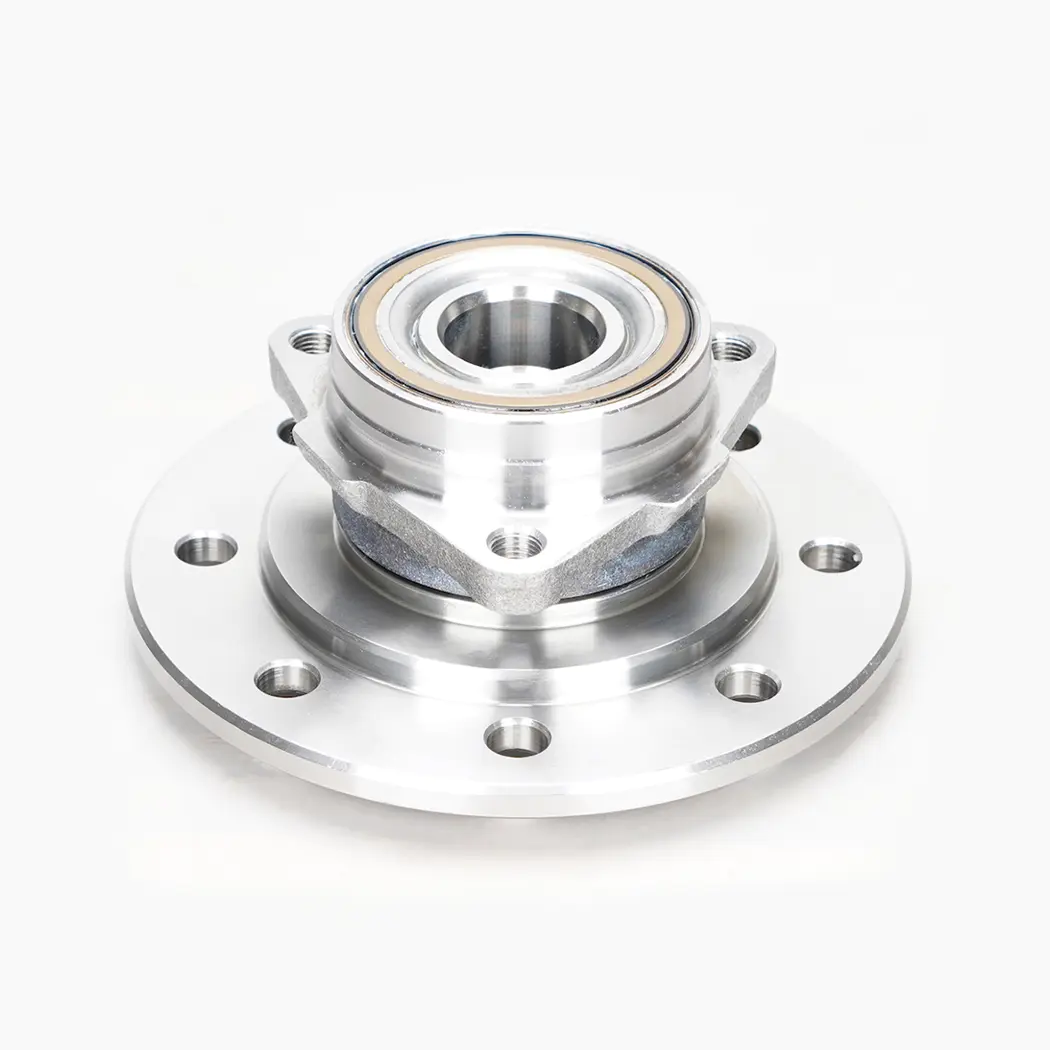
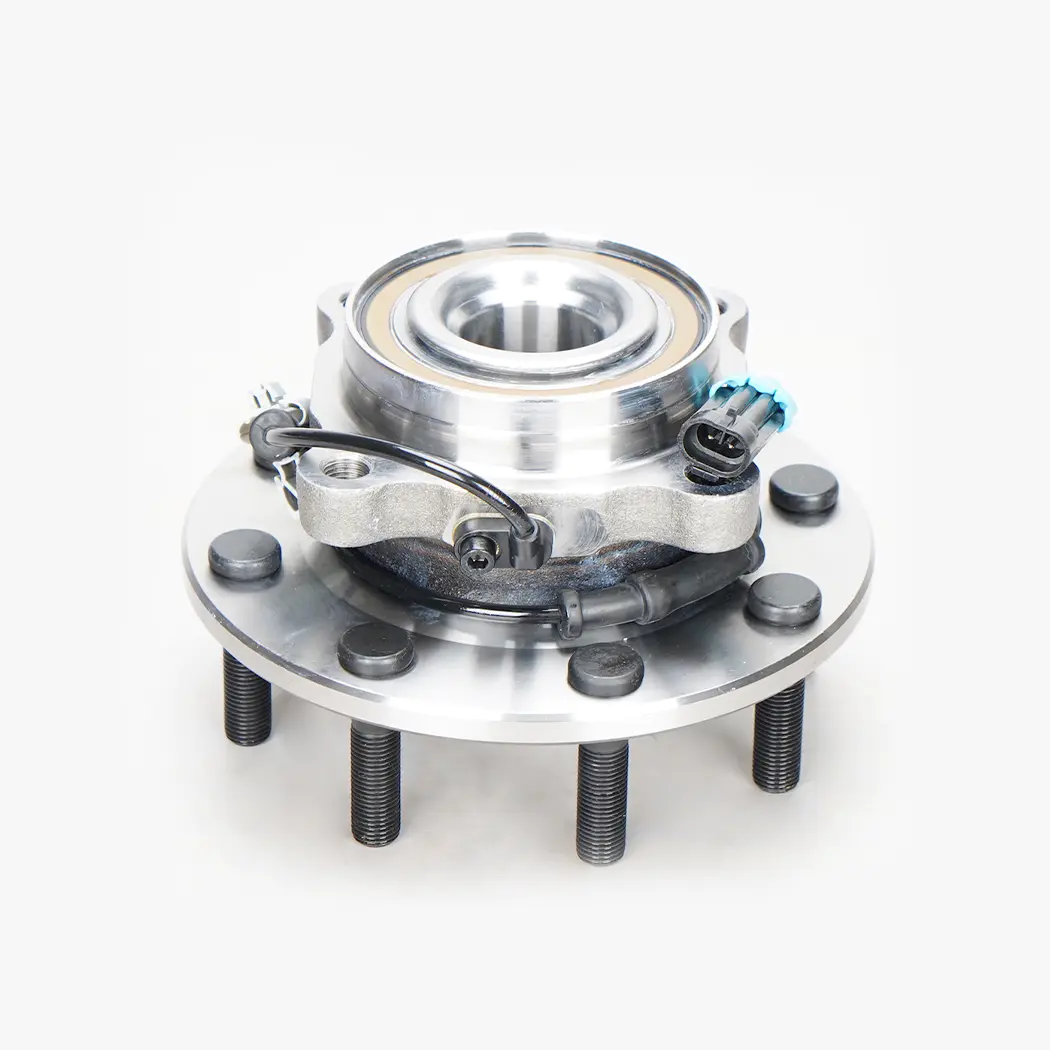
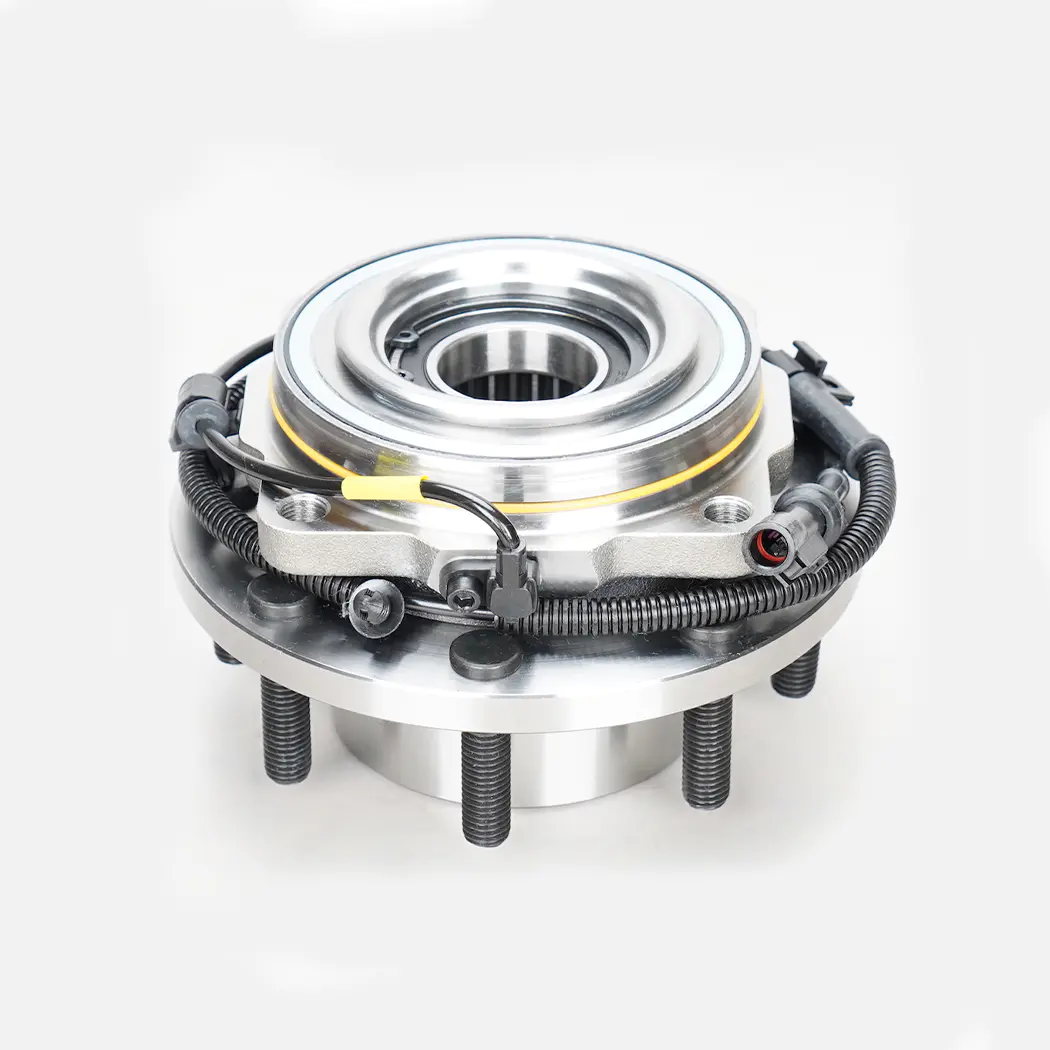
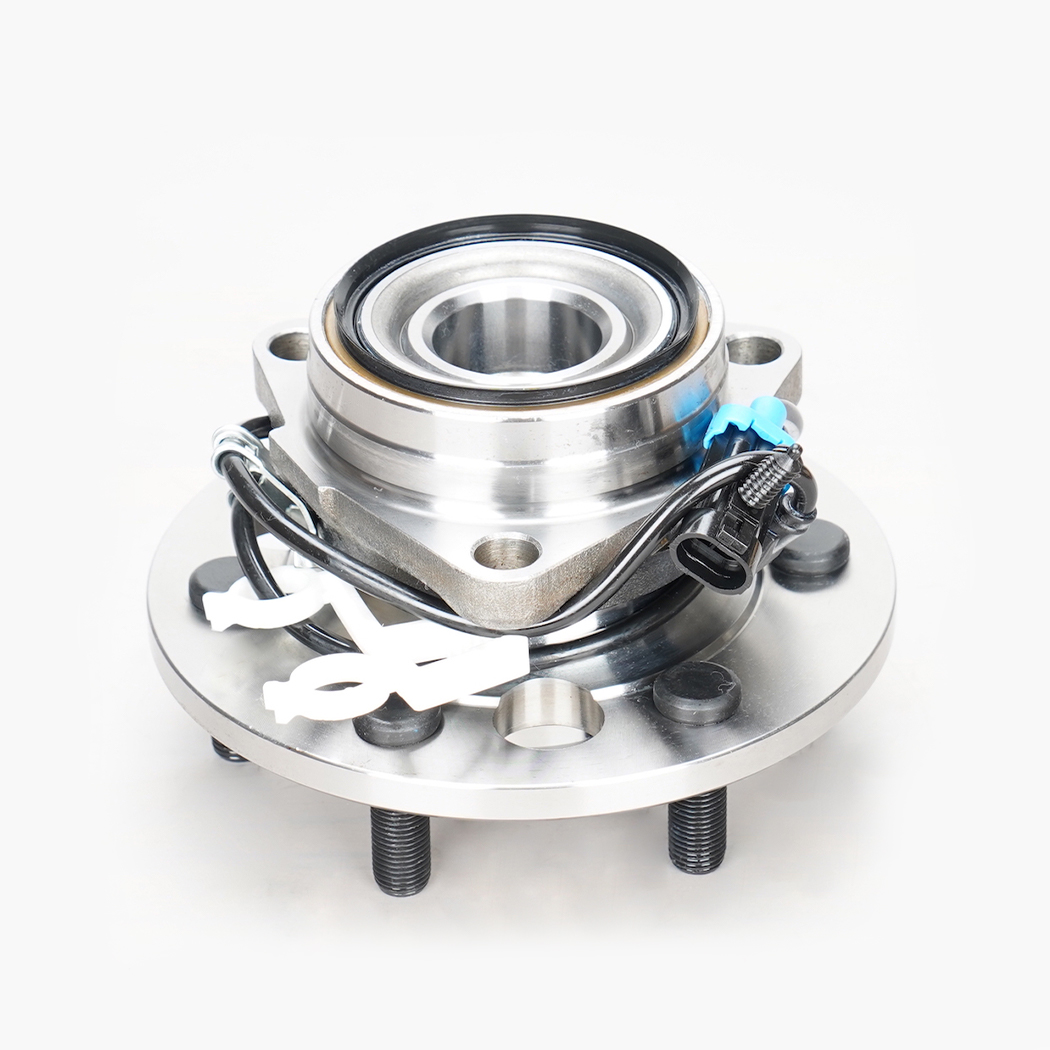
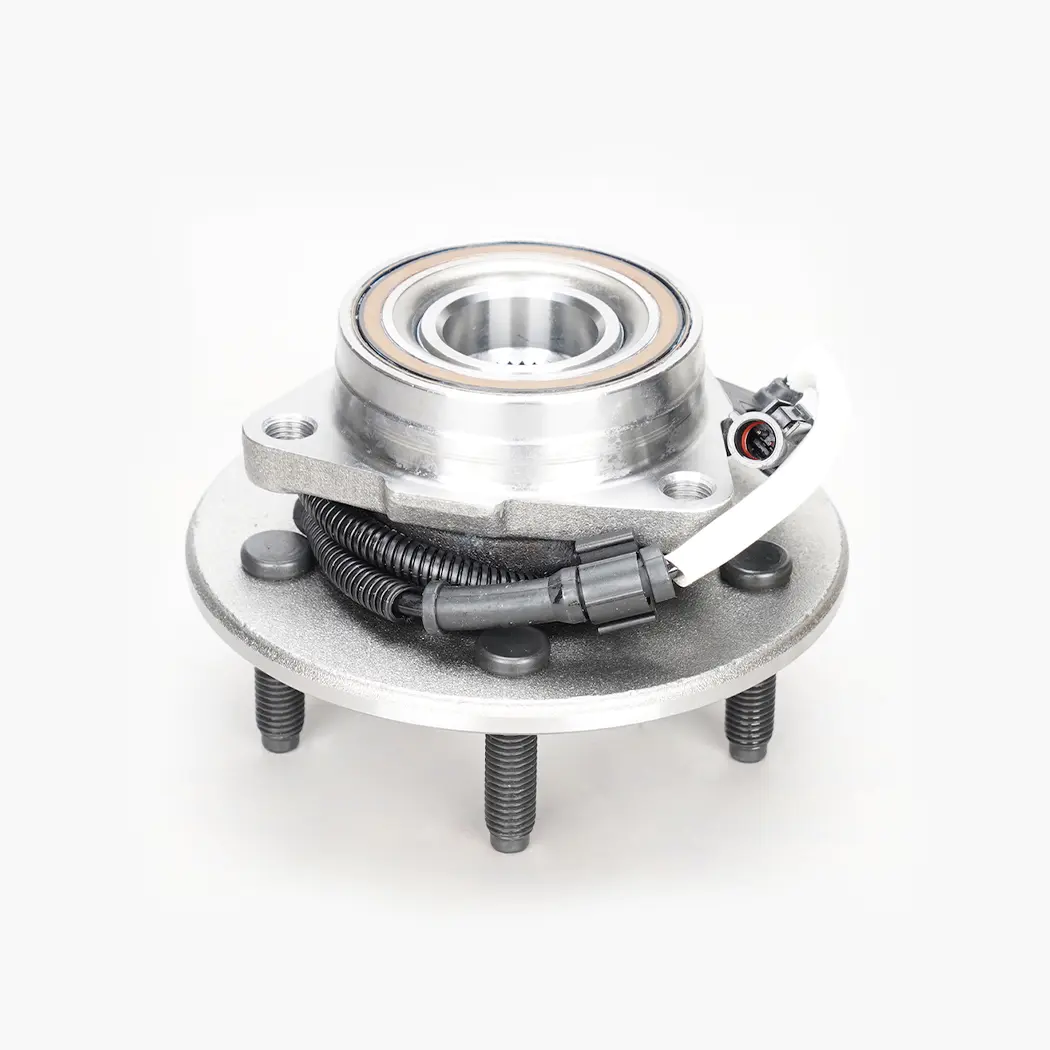
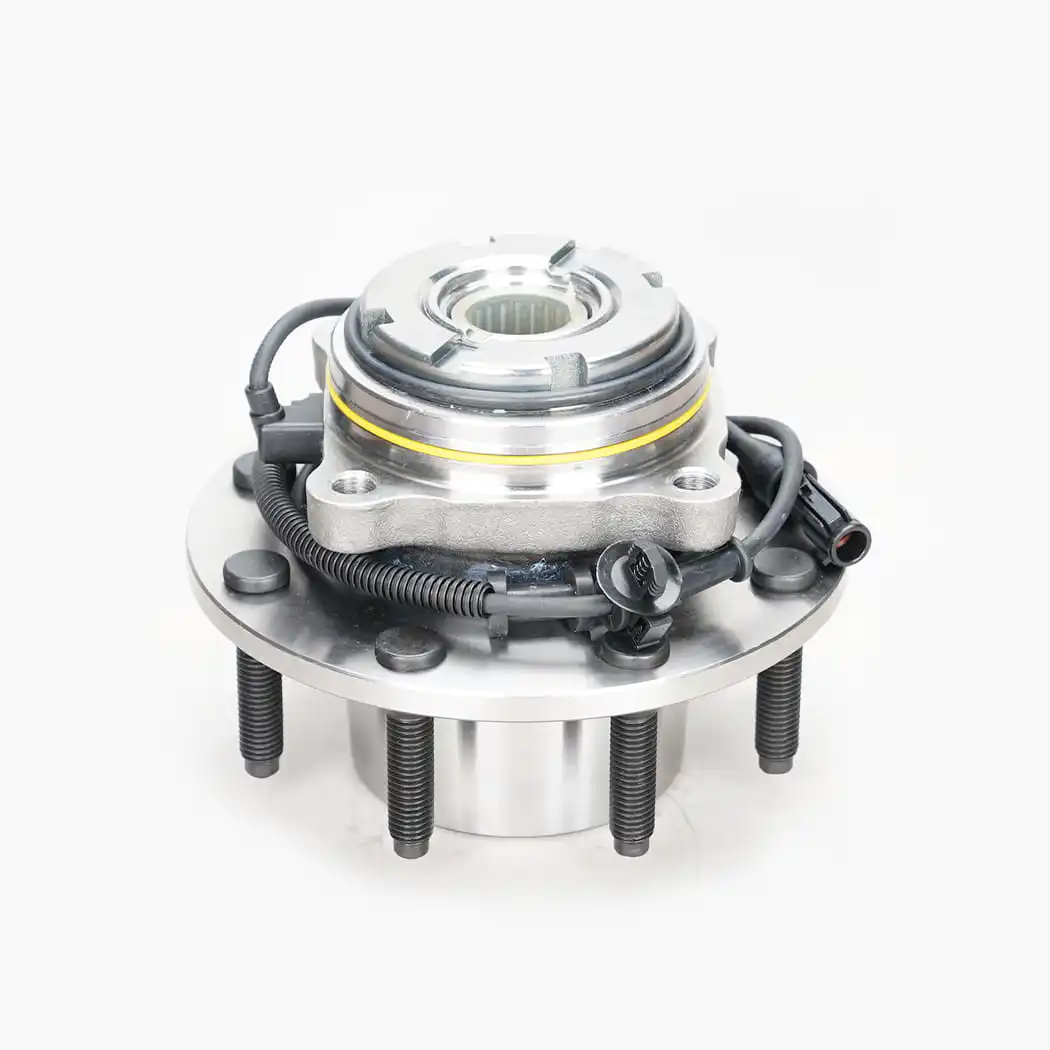
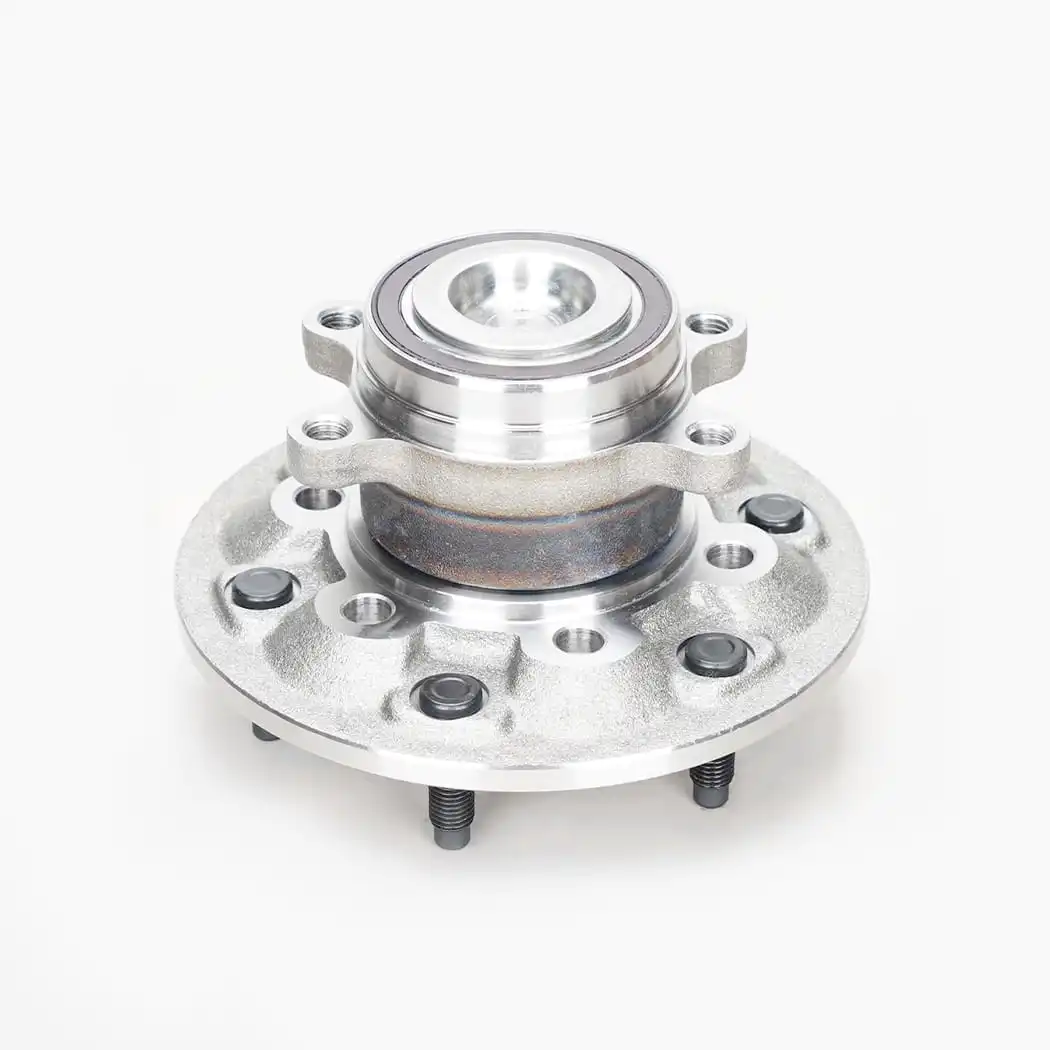
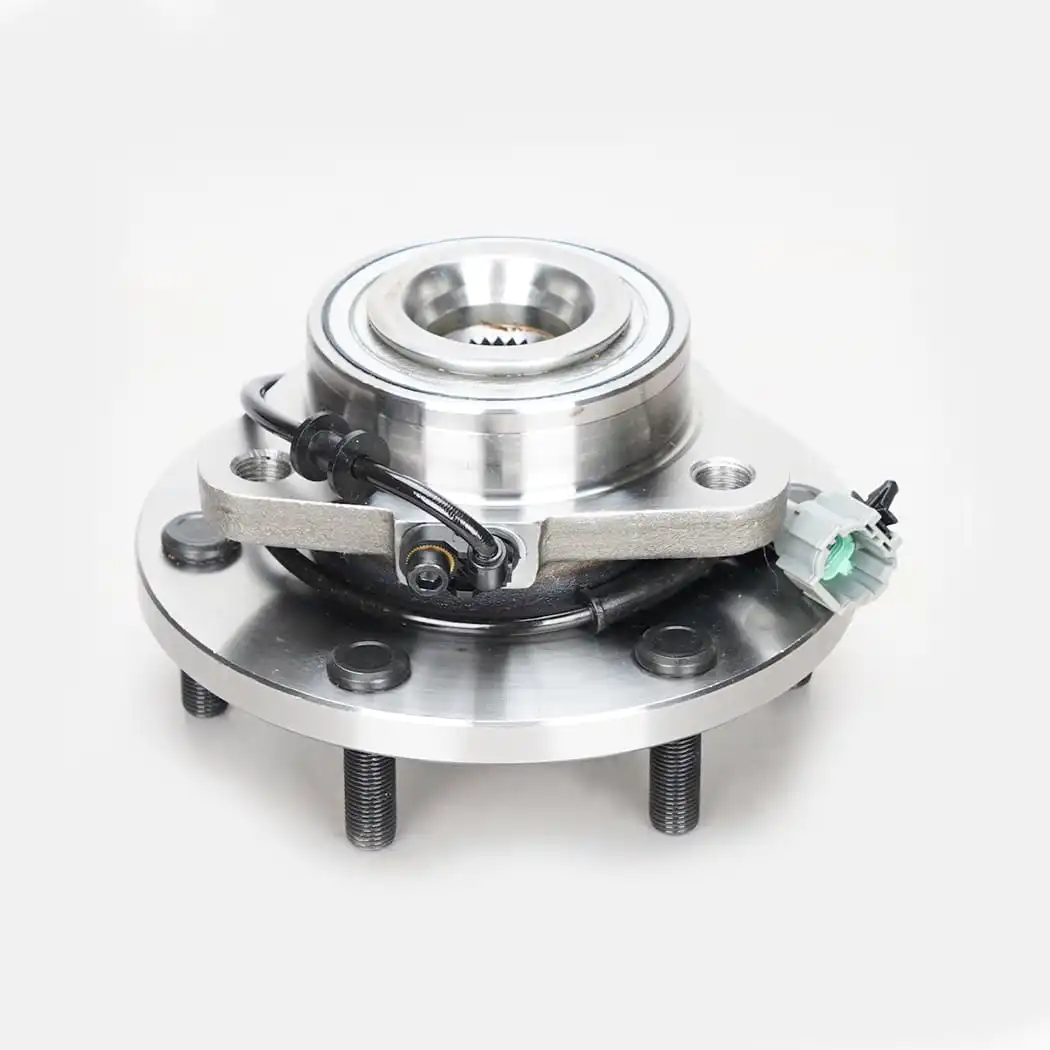
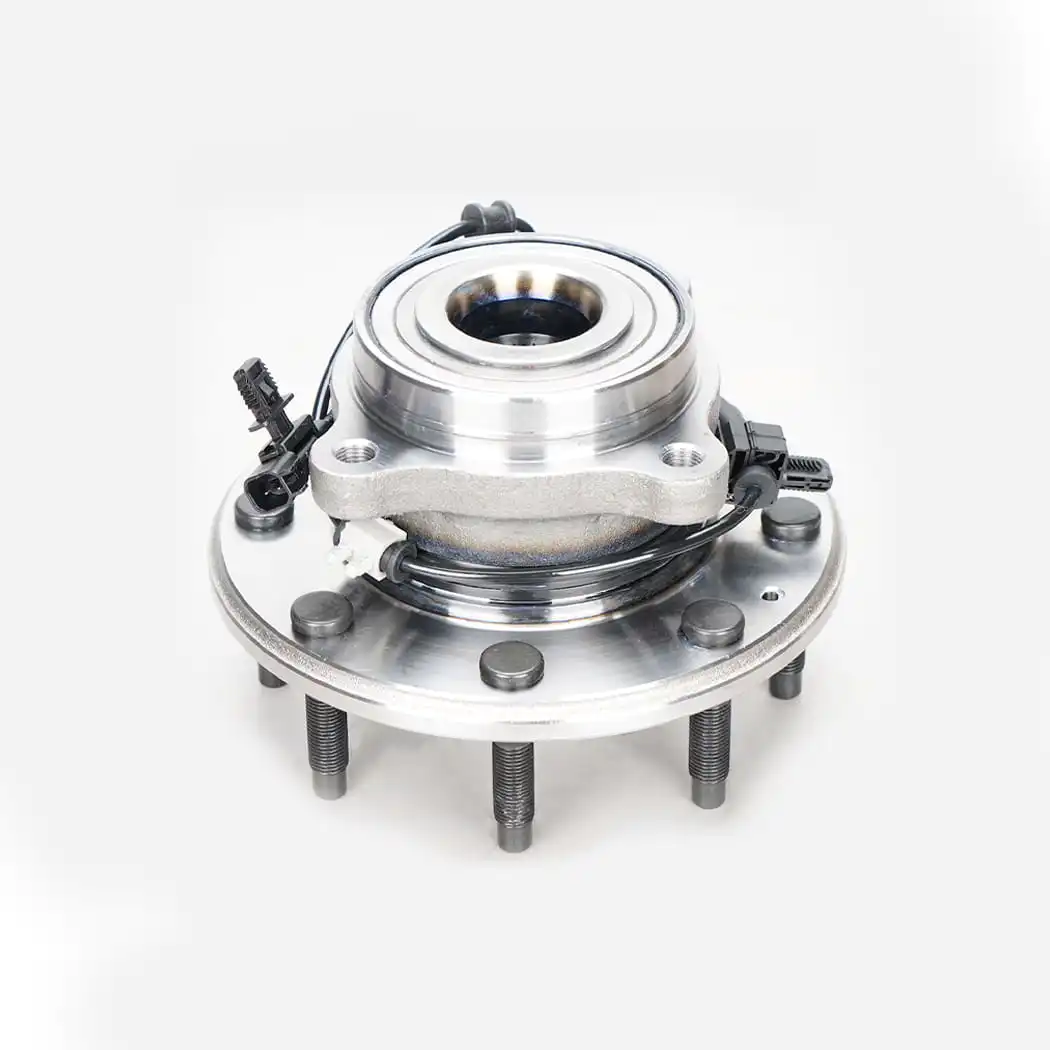
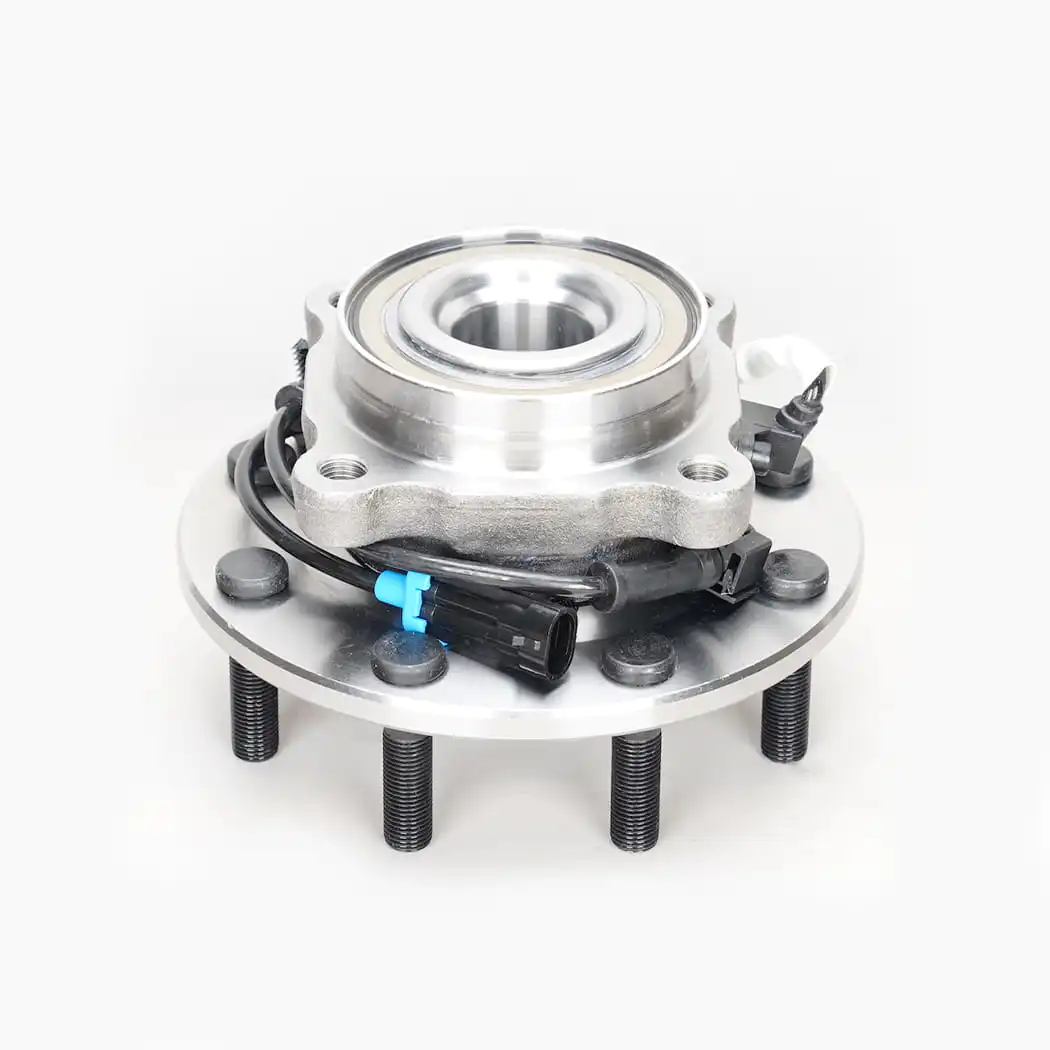
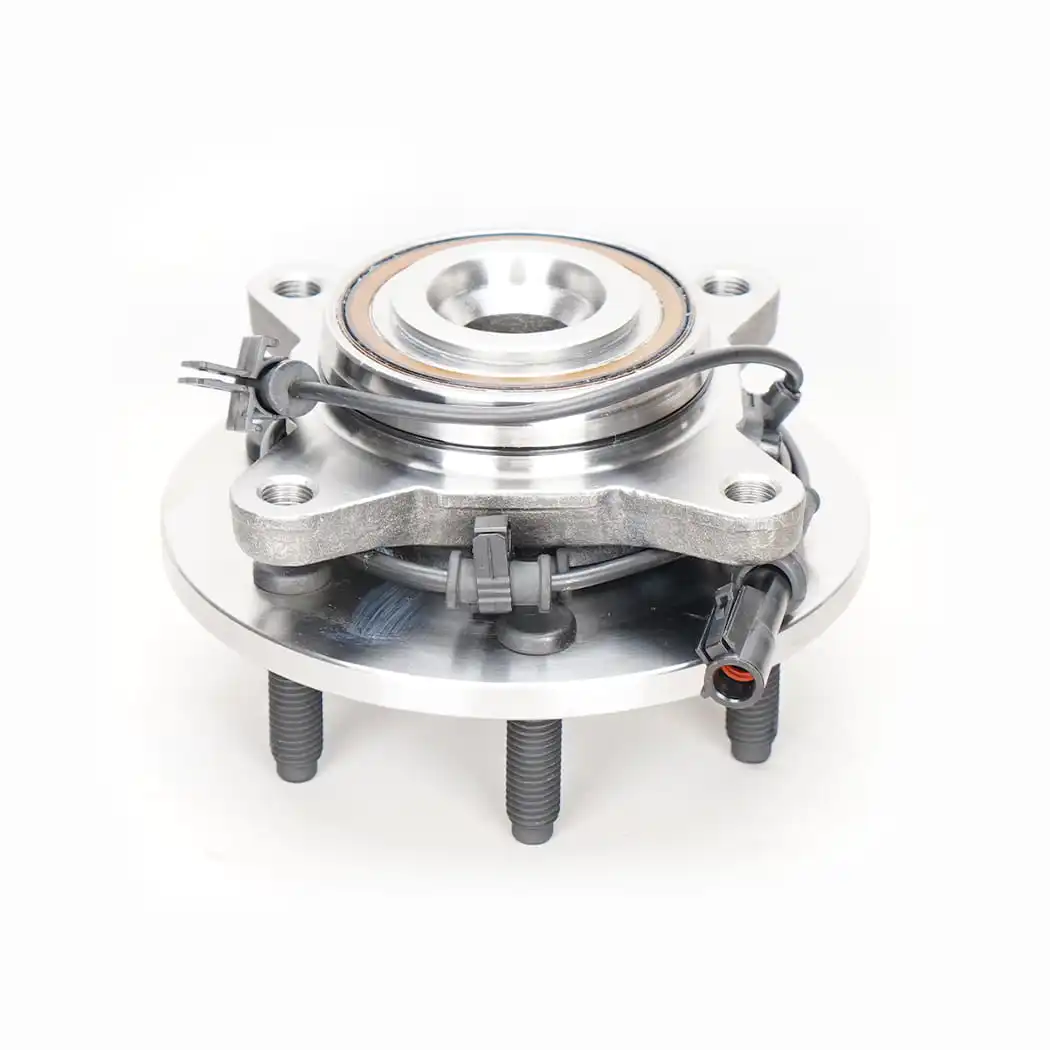
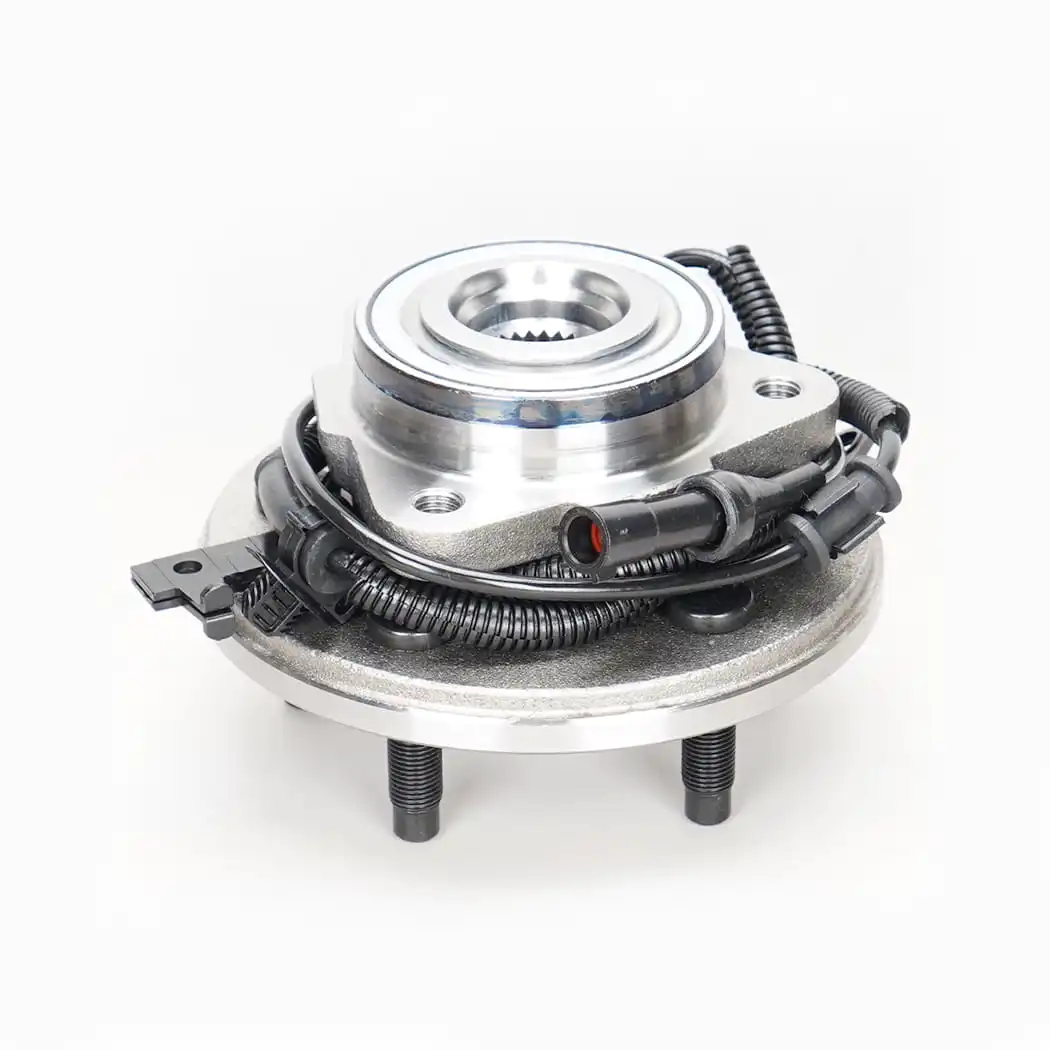
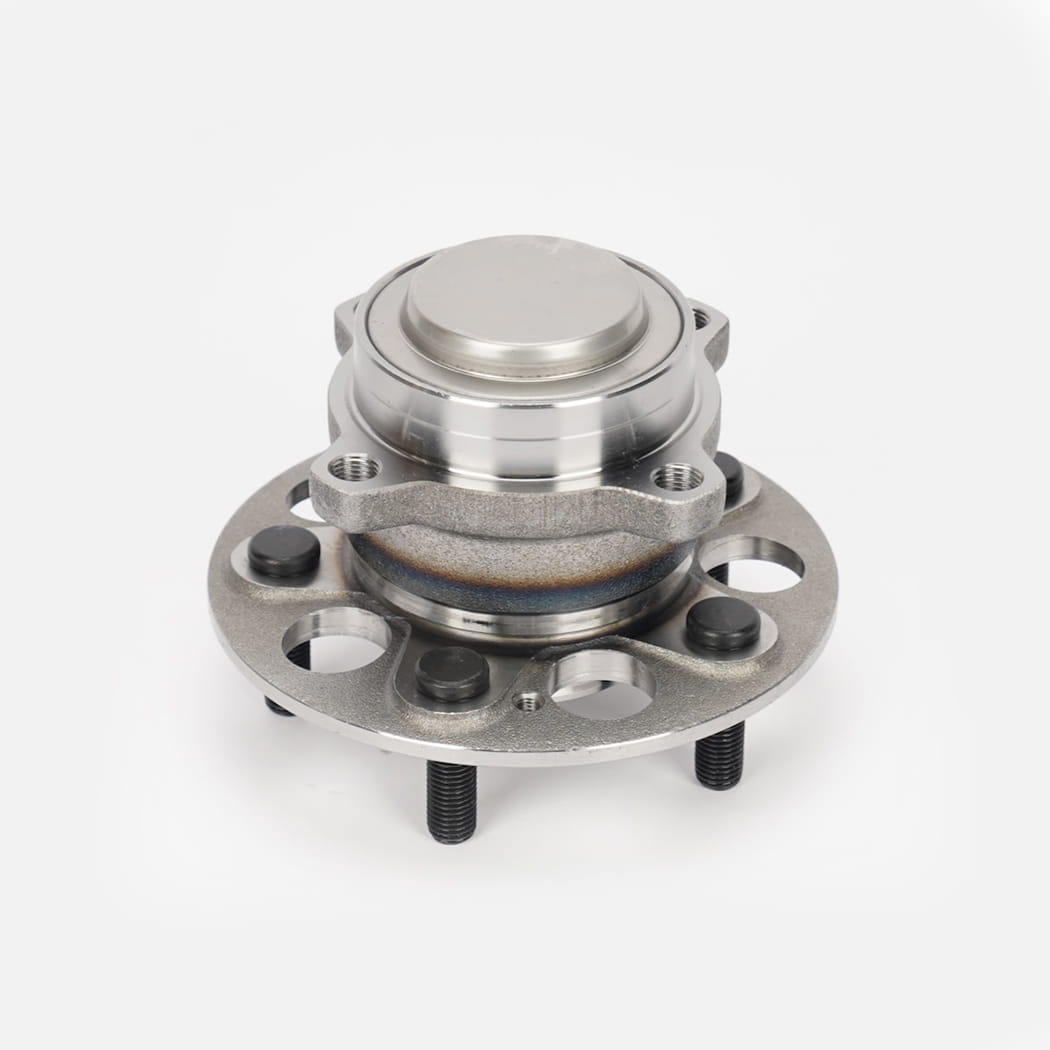
Vehicle wheel bearings are precision-engineered sets of steel balls or rollers held together by a metal ring called a race. These bearings are located inside the wheel hub and enable smooth wheel rotation by reducing friction between moving parts. Modern wheel hub bearings are typically sealed units designed for durability and minimal maintenance.
In most vehicles, wheel bearing assemblies are pre-lubricated and protected by seals to prevent contamination from dirt, water, and debris. This design ensures consistent performance over long periods under varying road conditions.
Ball bearings are the most common type used in passenger vehicles. They can handle both radial and axial loads, making them versatile for everyday driving conditions.
Roller bearings use cylindrical rollers instead of balls, allowing them to support heavier loads. These are often found in larger vehicles such as trucks and SUVs.
Tapered roller bearings are designed to handle combined loads more efficiently. They are commonly used in pairs and are ideal for vehicles that experience high stress, such as commercial vehicles.
Failing vehicle wheel bearings can lead to serious safety issues if not addressed in time. Recognizing early warning signs can help you take action before complete failure occurs.
Water, dirt, and debris can enter the bearing if seals are damaged, leading to corrosion and reduced lubrication.
Incorrect installation techniques, such as excessive force or misalignment, can damage the bearing and shorten its lifespan.
Insufficient or degraded lubrication increases friction and heat, accelerating wear and failure.
Driving over potholes, curbs, or carrying excessive loads can put additional stress on wheel hub bearings, causing premature damage.
Selecting the right automotive wheel bearings ensures optimal performance and safety. Consider the following factors when choosing a product:
Check for unusual noises, vibrations, or looseness during routine vehicle maintenance to catch problems early.
Always follow manufacturer guidelines or use professional services when installing new wheel bearings to avoid damage.
Replacing bearings in pairs (left and right) helps maintain balanced performance and reduces uneven wear.
Investing in high-quality wheel hub bearings ensures longer service life and better overall vehicle performance.
| Type | Load Capacity | Best Use | Durability |
| Ball Bearings | Moderate | Passenger cars | Good |
| Roller Bearings | High | SUVs, trucks | Very Good |
| Tapered Bearings | Very High | Heavy-duty vehicles | Excellent |
Vehicle wheel bearings are essential for safe and efficient driving. Although they are often overlooked, proper understanding, timely maintenance, and correct selection can significantly extend their lifespan and improve vehicle performance. By paying attention to early warning signs and choosing high-quality components, you can avoid unexpected breakdowns and ensure a smoother driving experience.
• ADD: 42705 Grand River Avenue, Suite 201, Novi. Michigan 48375, USA.
© Copyright 2017 HANGZHOU HANJI AUTO PARTS.CO.,LTD. All Rights Reserved. Wheel Hub Unit Manufacturer