Content
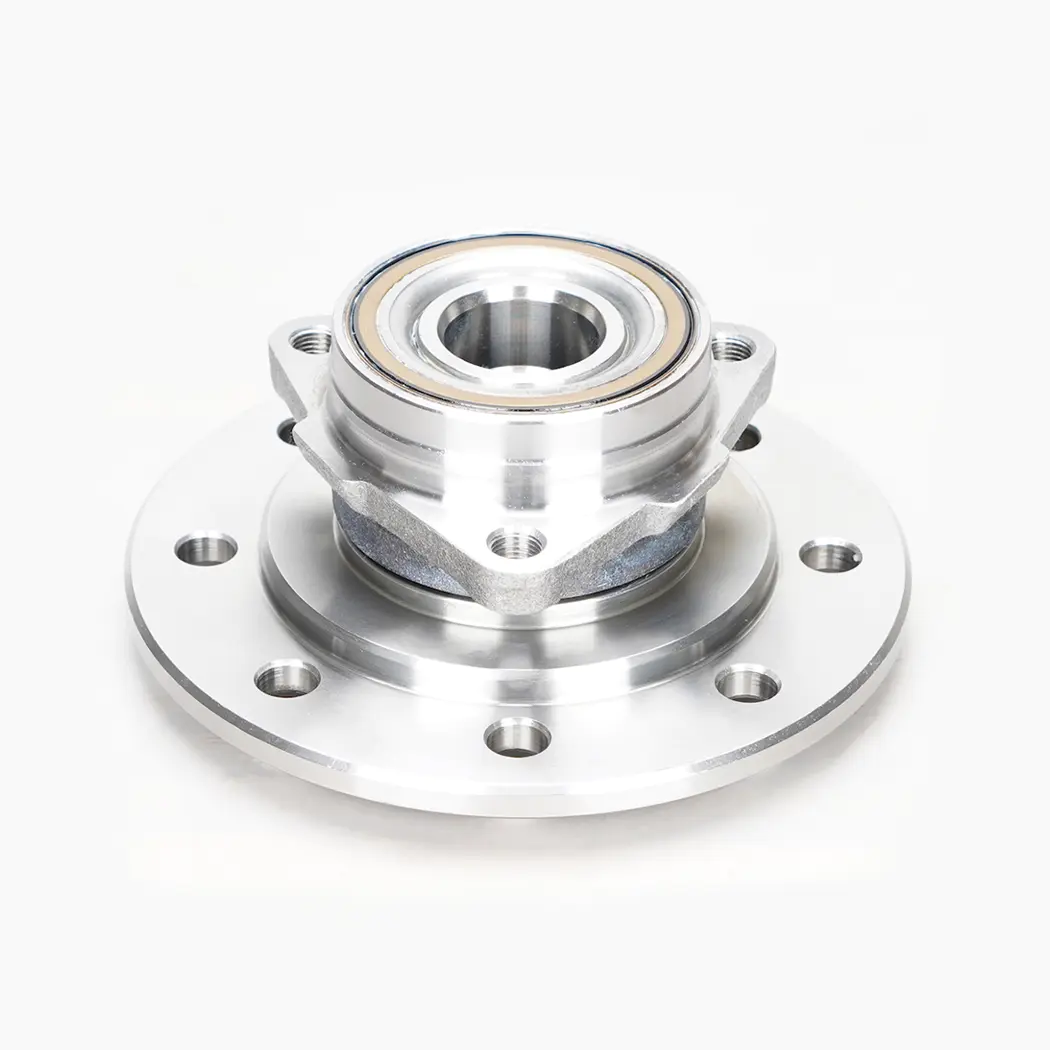
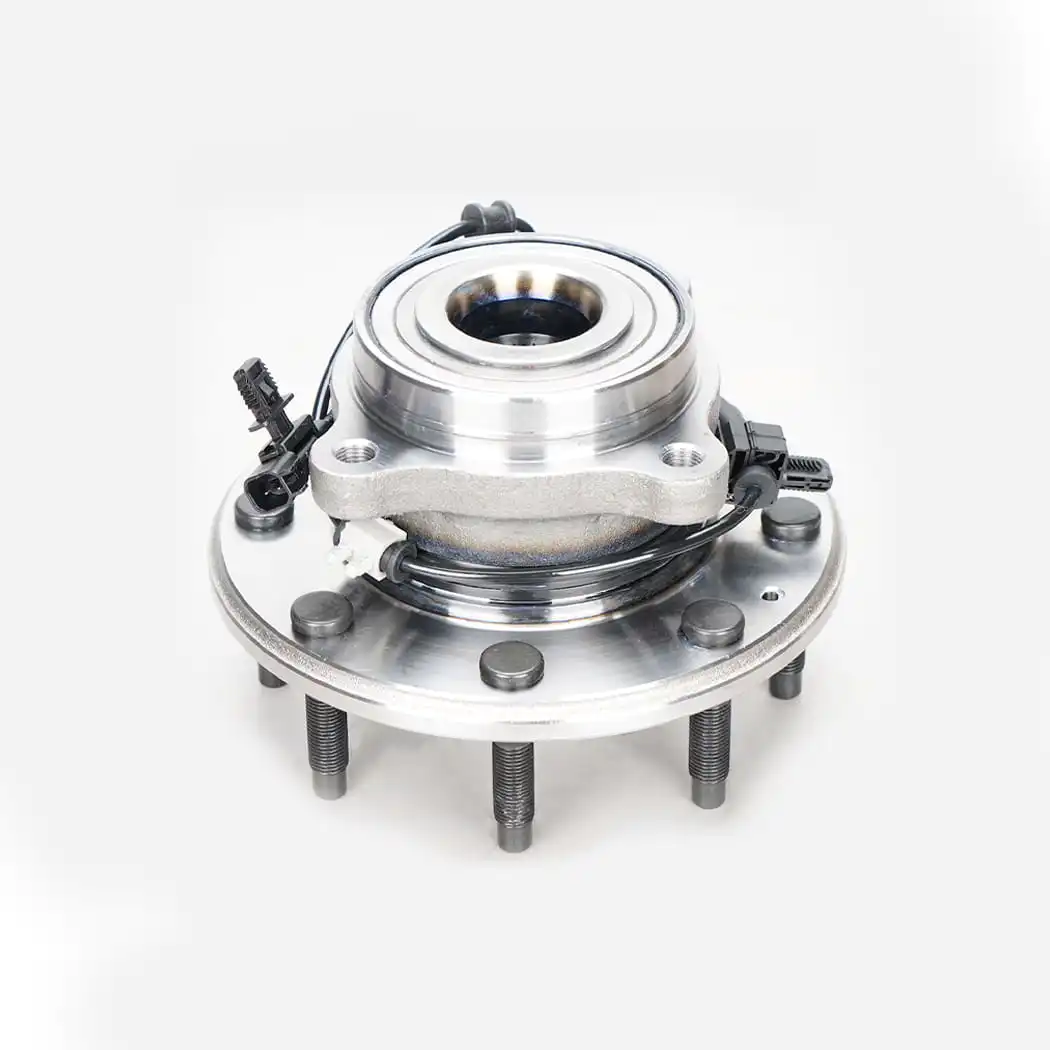
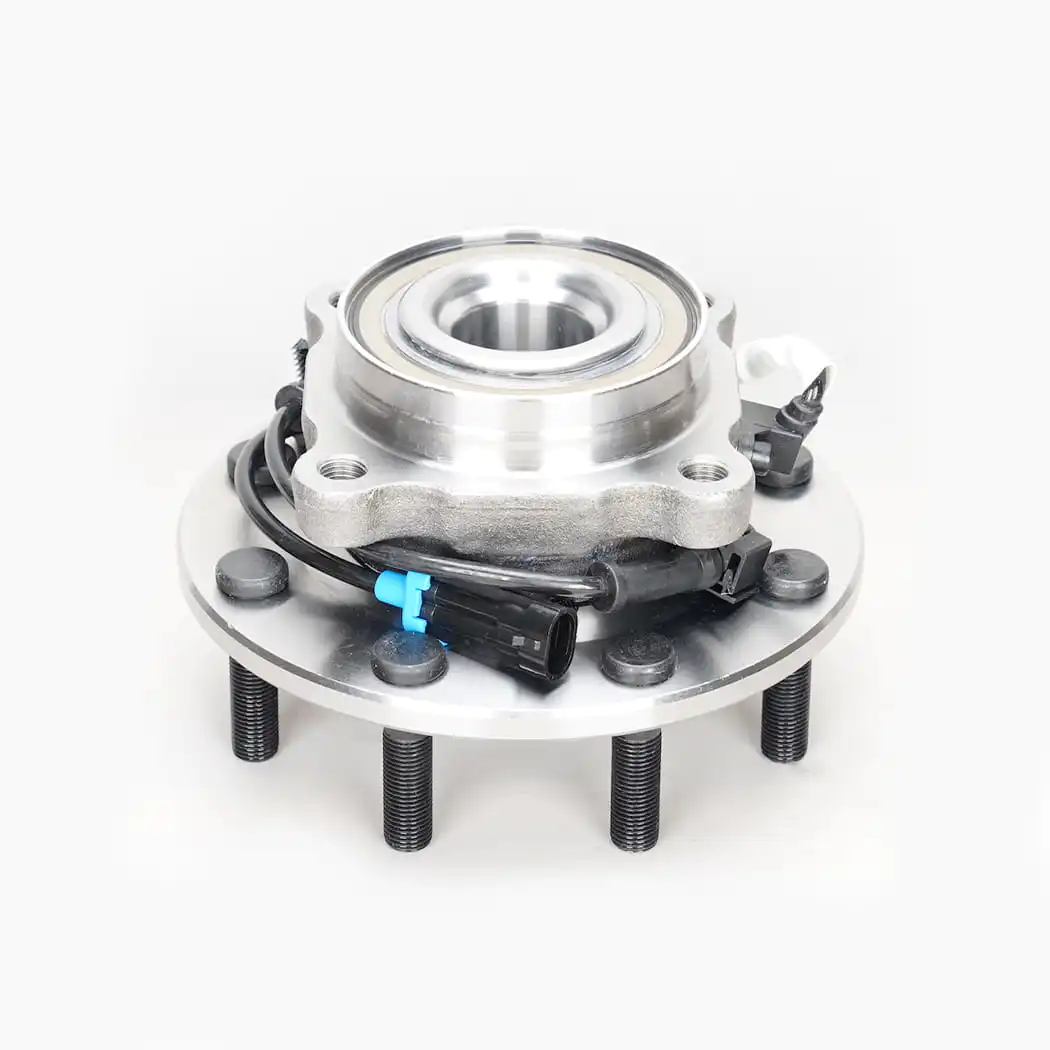
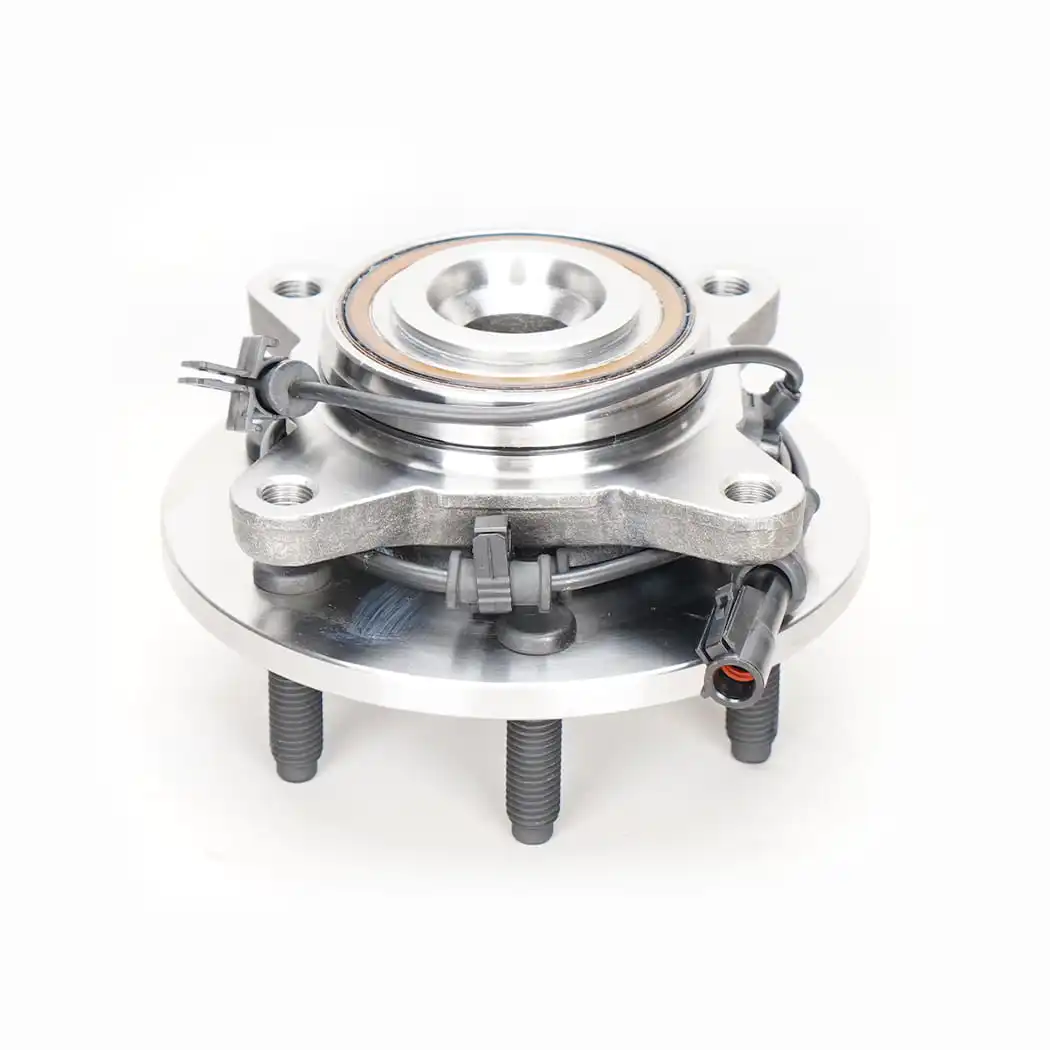
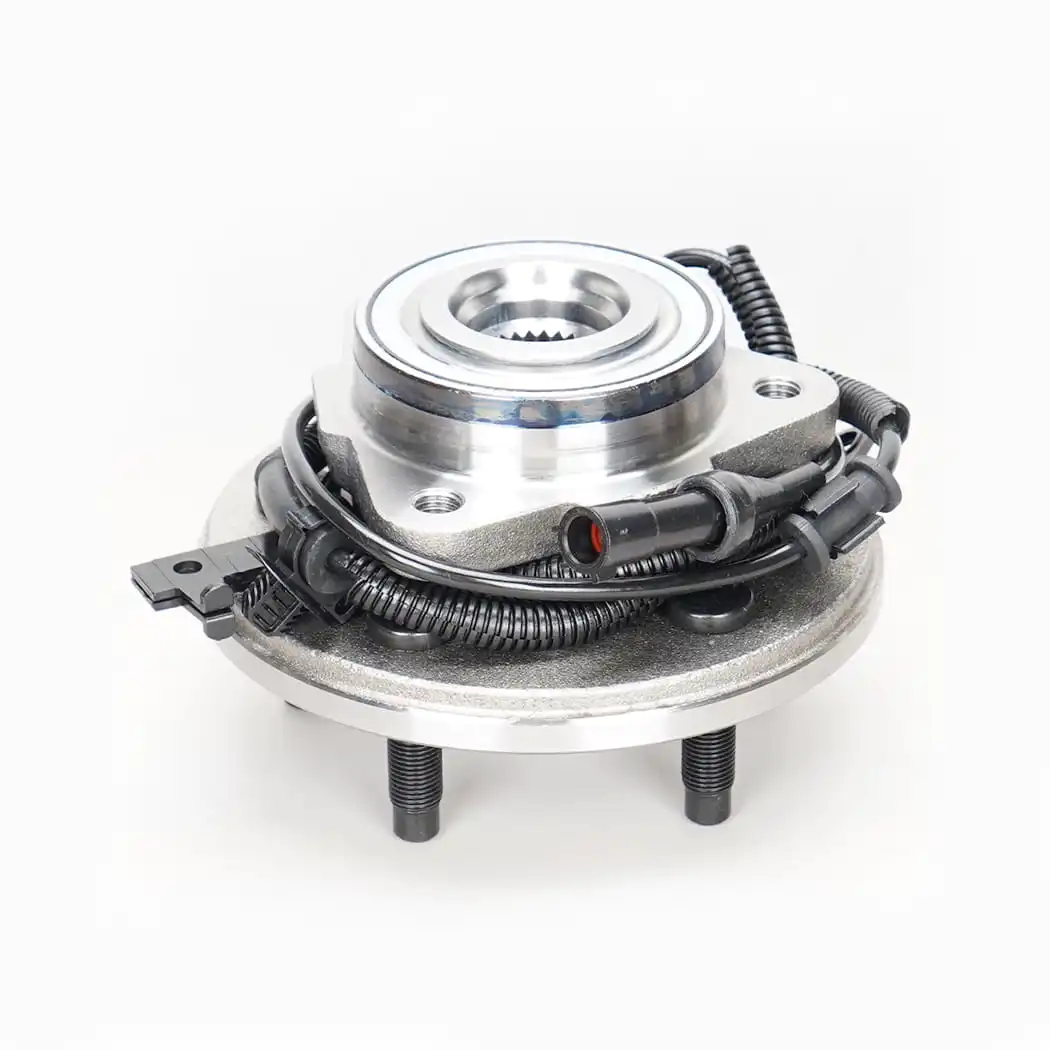
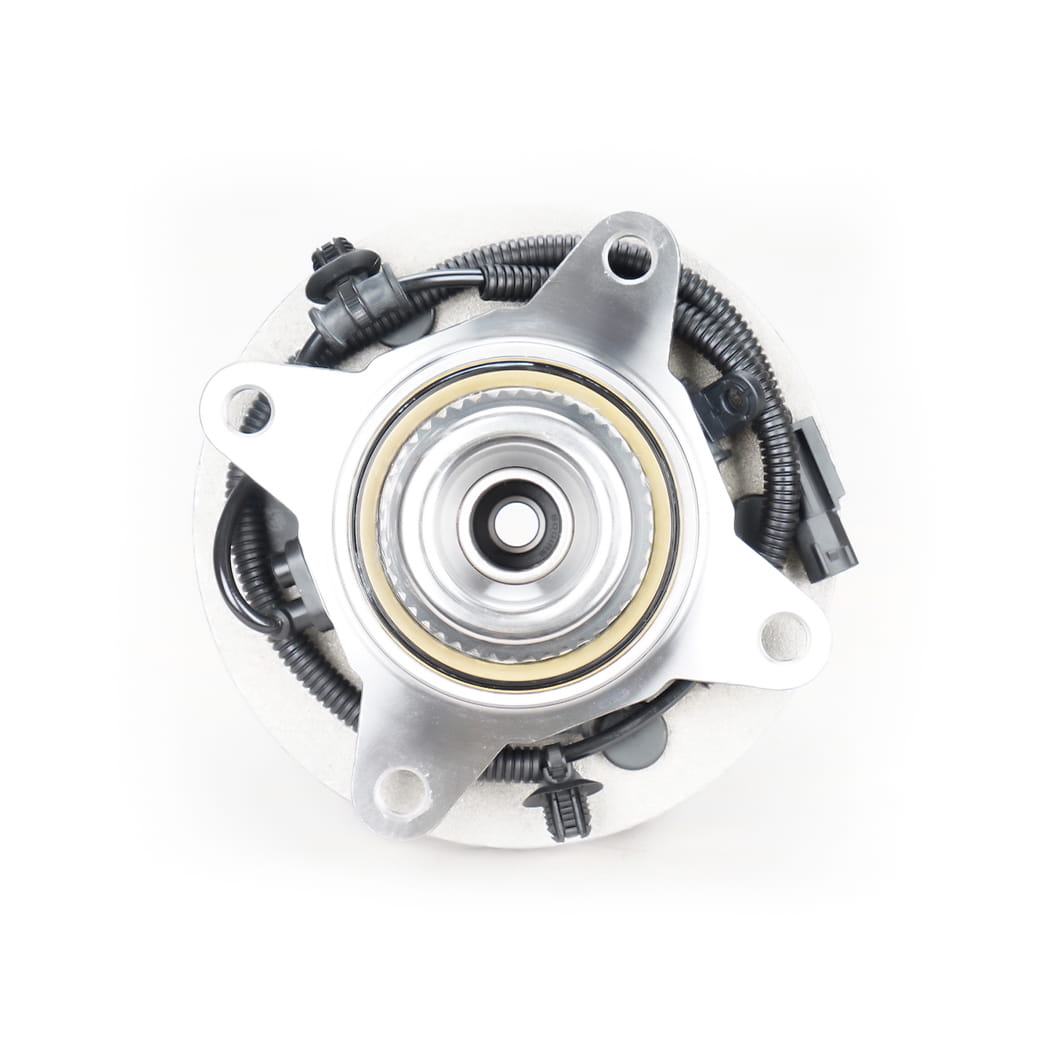
Vehicle wheel bearings are the set of steel balls or rollers housed inside a metal ring that sit between the wheel hub and the axle, allowing the wheel to spin smoothly with minimal friction while still supporting the weight of the vehicle. Every wheel on your car relies on a bearing assembly to handle constant rotational force, road vibration, and the side-to-side loads that come from cornering, braking, and accelerating. Without a properly functioning wheel bearing, a wheel would either bind up from friction or wobble dangerously under load, both of which create serious safety risks at speed.
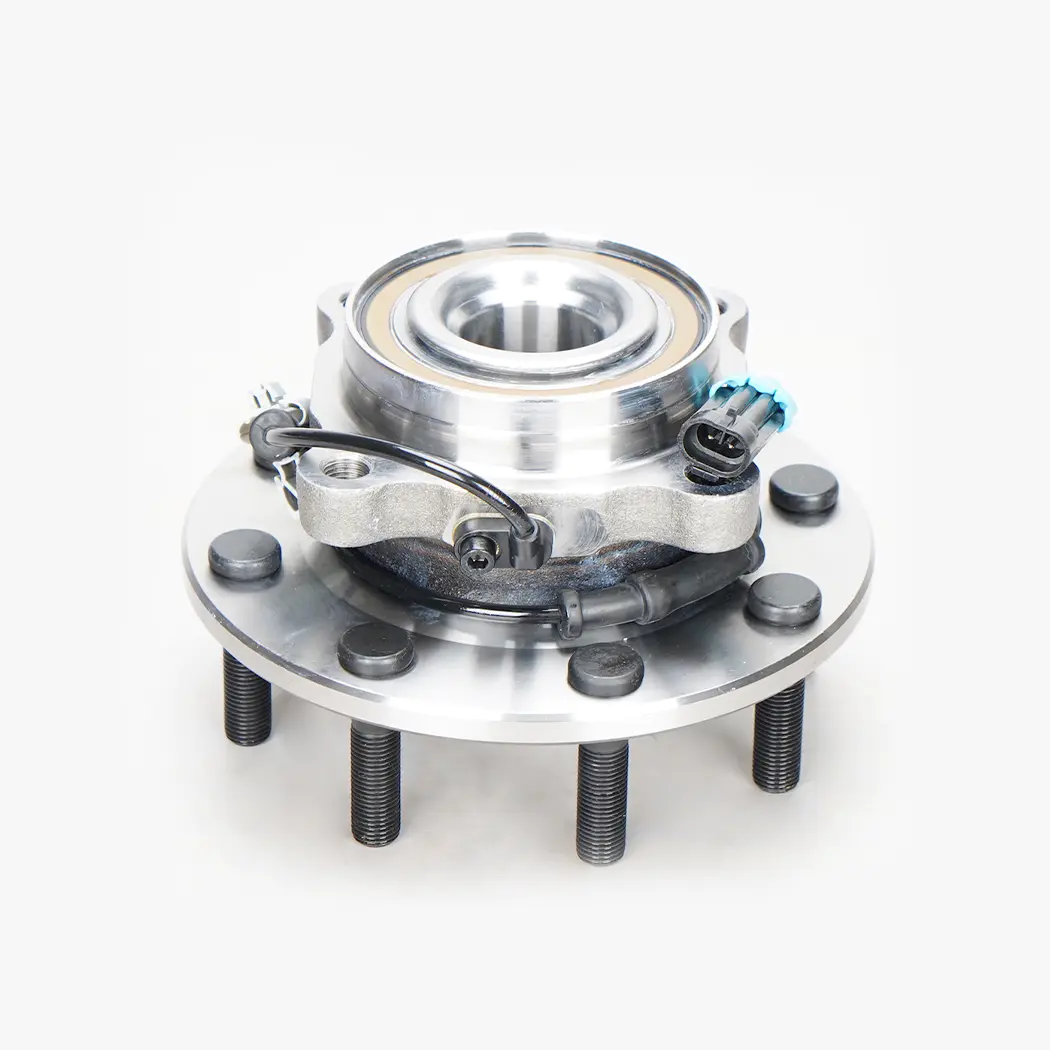
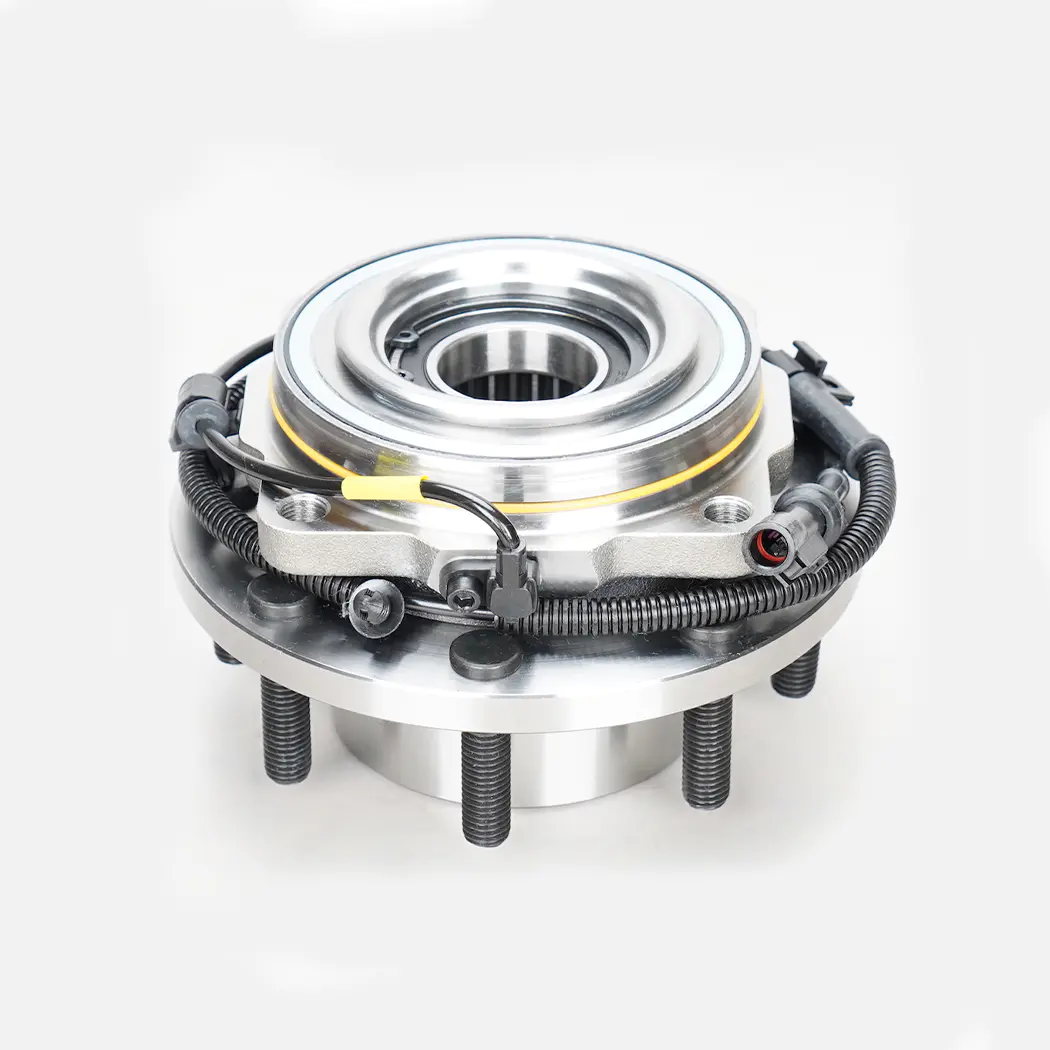
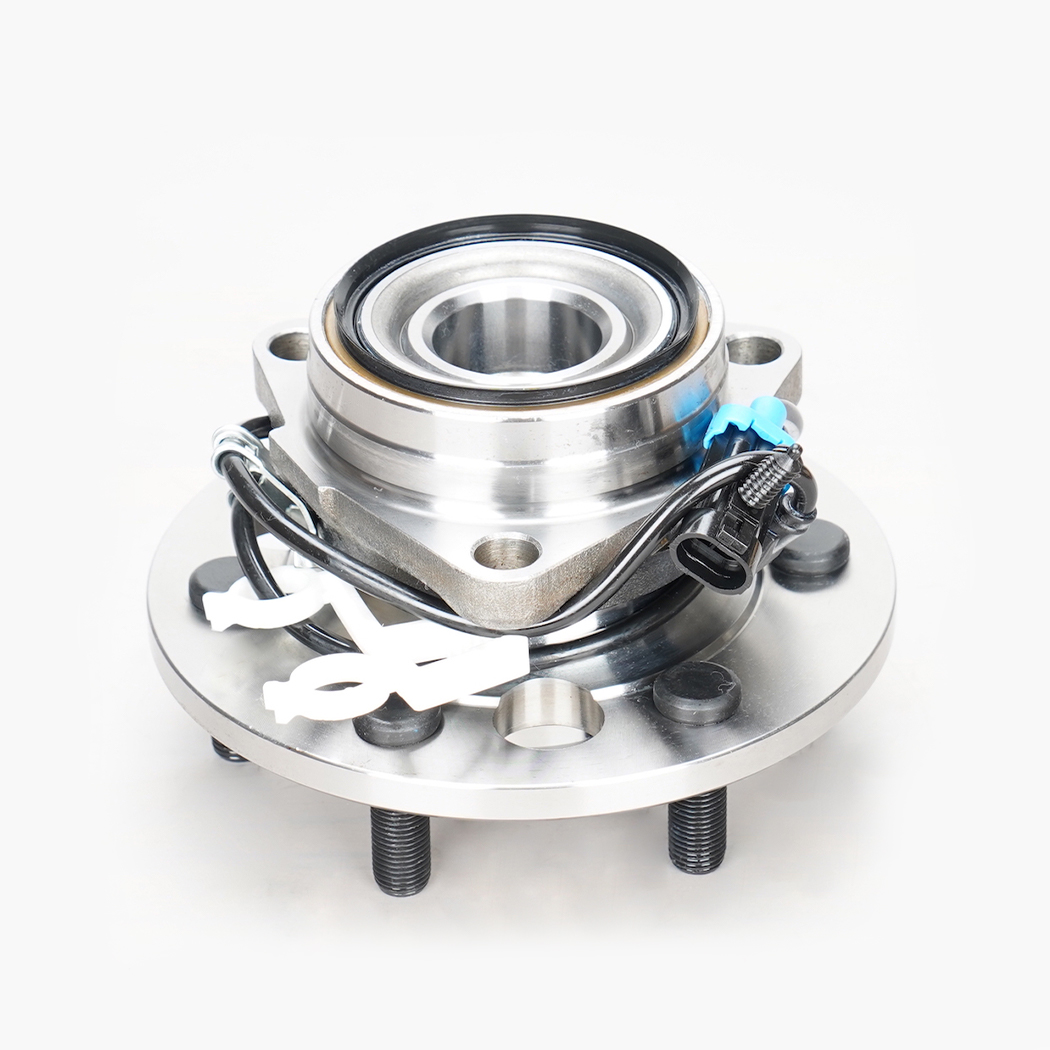
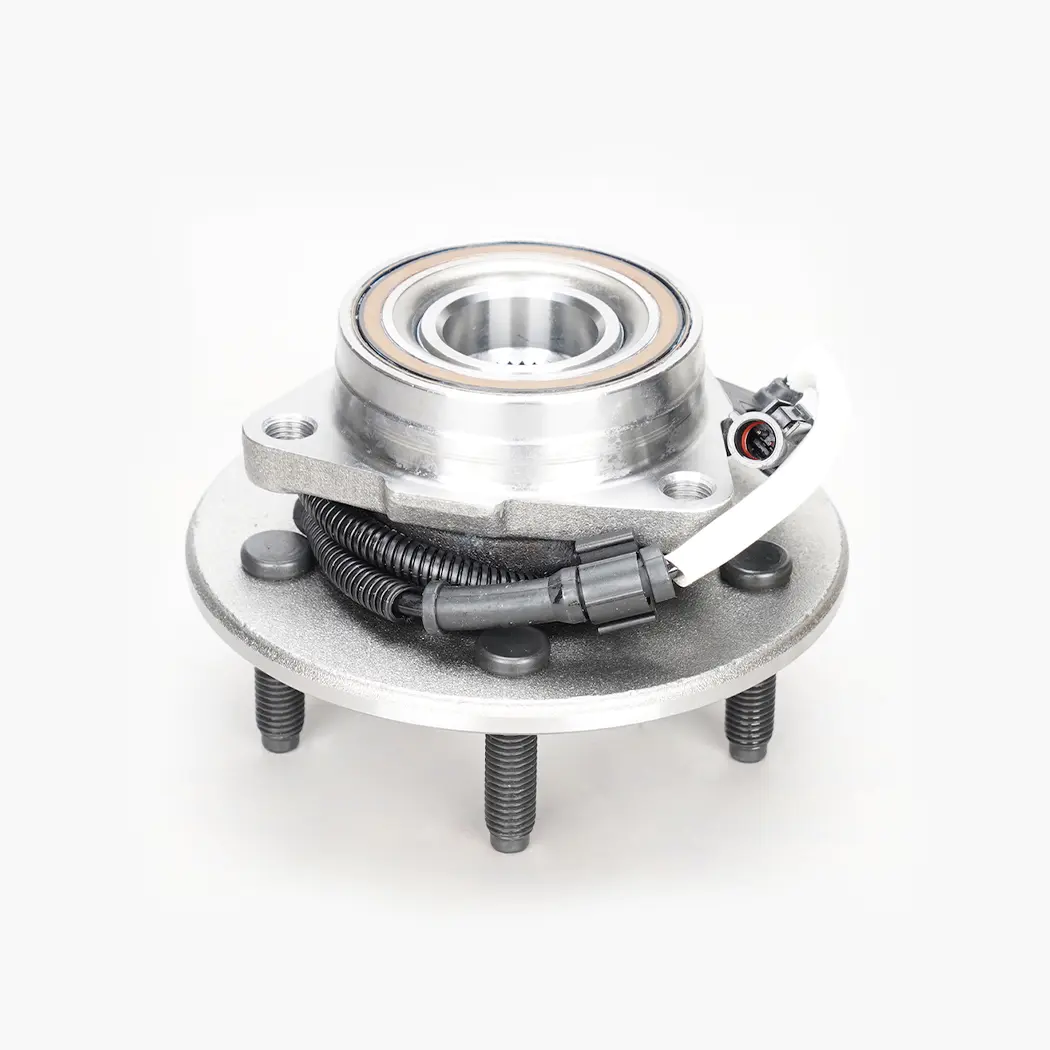
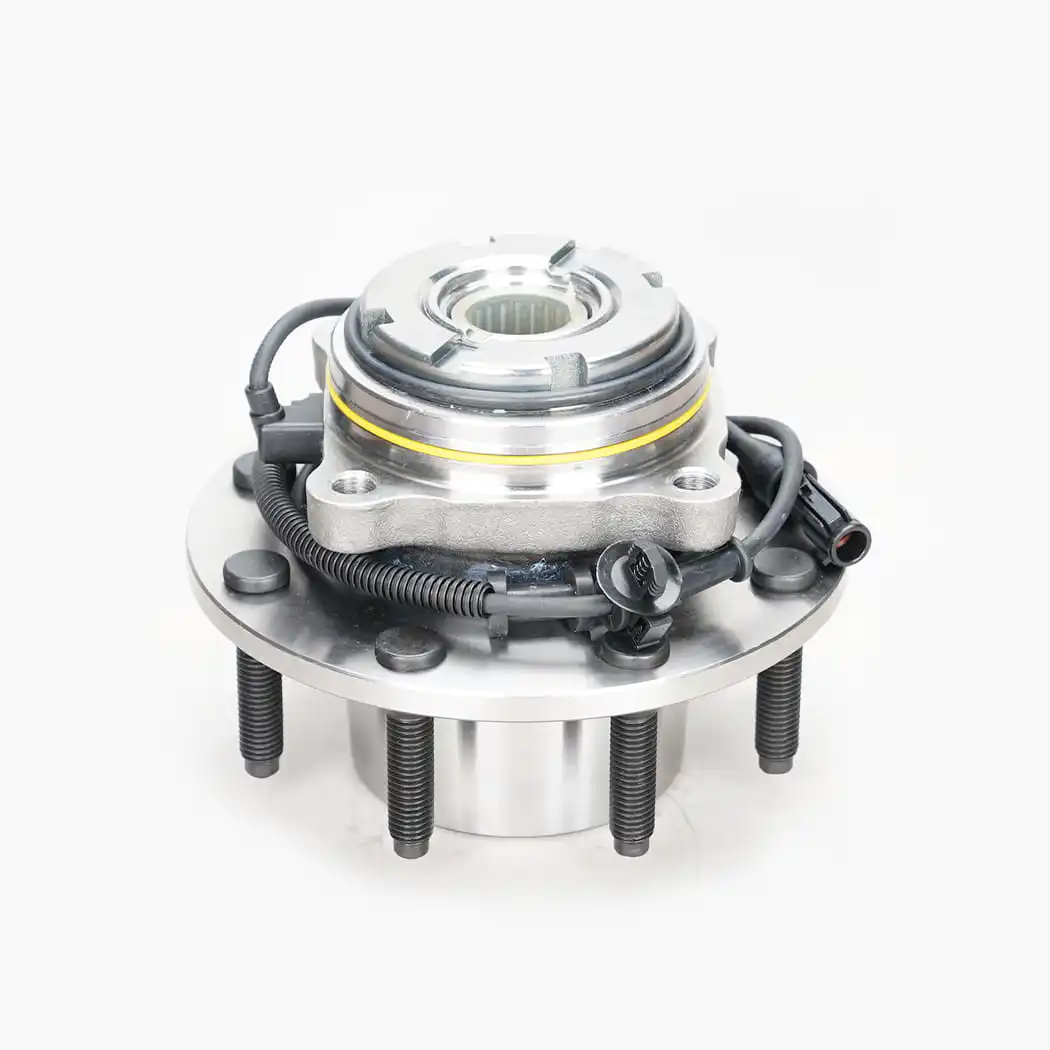
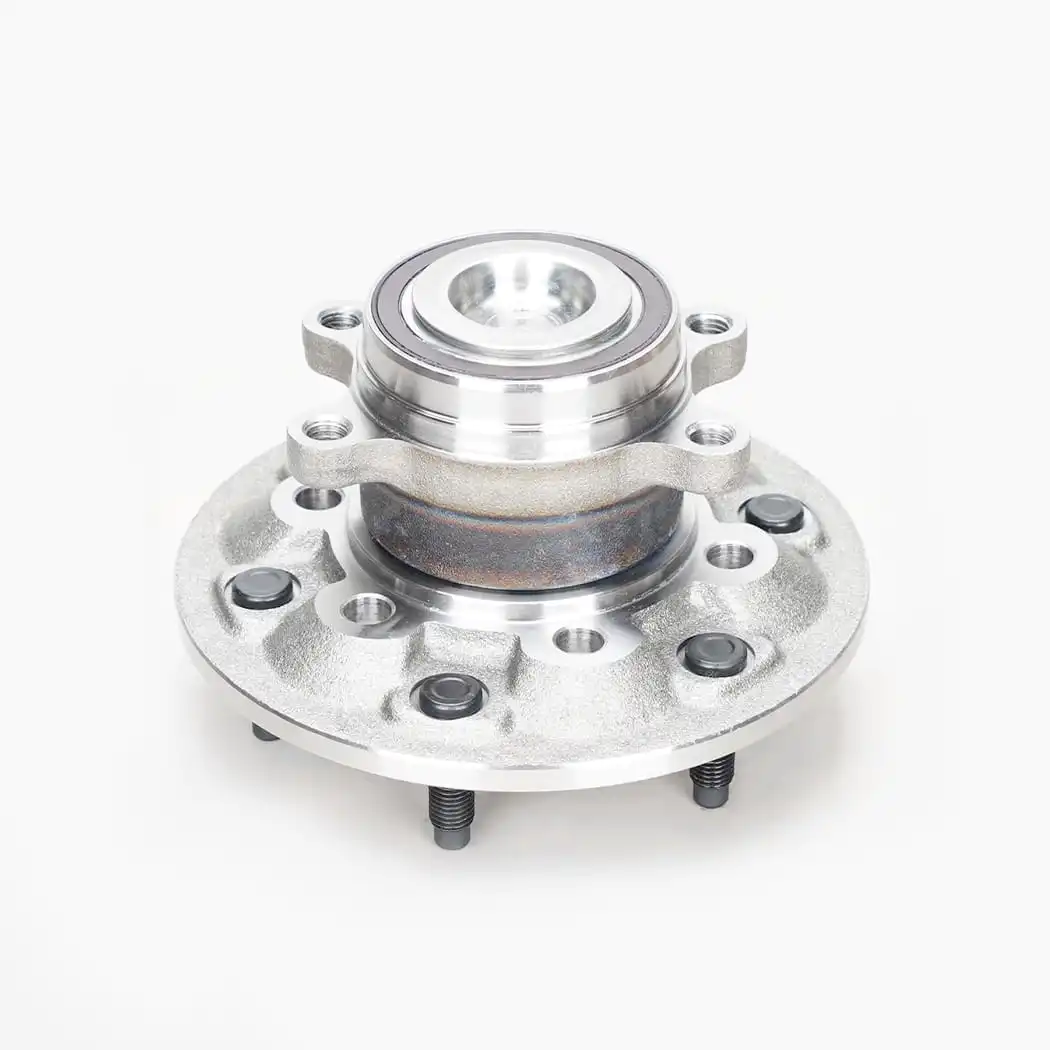
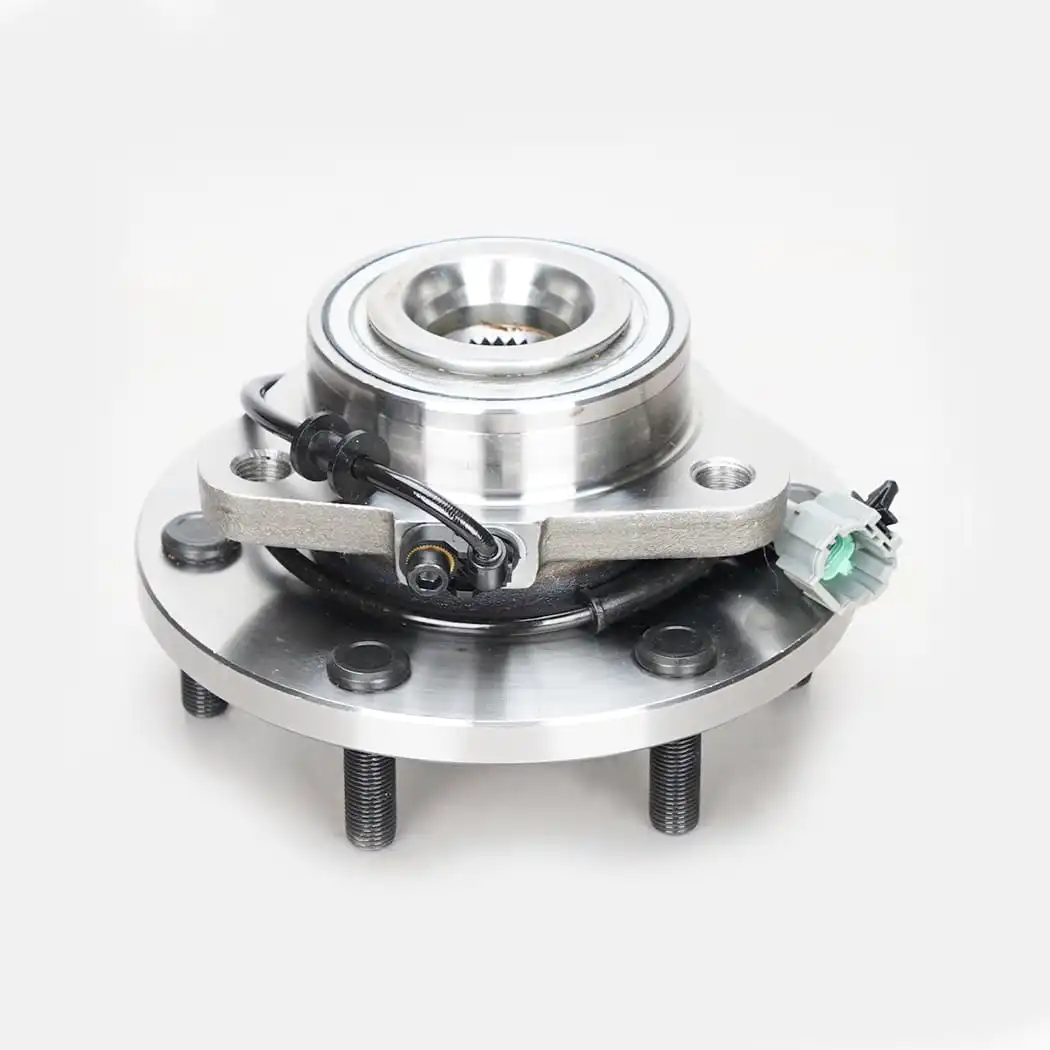
Most modern vehicles use sealed wheel bearing units that combine the bearing, hub, and sometimes the ABS sensor into a single assembly, which simplifies replacement but also means the entire unit typically needs to be swapped out rather than just repacking the bearing with grease the way older vehicles allowed. This shift toward sealed assemblies has made wheel bearings more maintenance-free under normal conditions, but it also means that once a bearing starts to fail, there's no quick fix beyond full replacement.
Wheel bearings rarely fail without warning. In almost every case, a failing bearing produces a distinct set of symptoms that get progressively worse over weeks or months, which gives drivers a real window to catch the problem before it becomes a safety hazard. The most telltale sign is a humming, growling, or grinding noise coming from the wheel area that changes pitch with vehicle speed and often gets louder when turning, since cornering shifts weight onto the bearing in a way that amplifies the noise of worn rollers.
While wheel bearings are designed to last for tens of thousands of miles, several common driving and maintenance habits can shorten their lifespan considerably. Water and road debris intrusion is one of the most frequent culprits, since even sealed bearings can develop tiny seal failures over time that let moisture and grit work their way in, accelerating internal wear. Driving through deep puddles or flooded roads repeatedly increases this risk significantly, as does regular exposure to road salt in colder climates, which corrodes seals and metal components faster than dry conditions would.
Physical impacts also play a major role in premature bearing failure. Hitting potholes hard, curbing a wheel, or being involved in a minor collision can all place sudden, uneven stress on a bearing that it wasn't designed to absorb in a single event, even if there's no immediately obvious damage. Over time, this kind of shock loading creates small fractures or deformities in the bearing's internal components that gradually worsen until the bearing fails outright. Improper installation during a previous repair, such as over-tightening or under-tightening the axle nut, can have a similar effect, placing uneven pressure on the bearing from day one.
Diagnosing a failing wheel bearing typically starts with a road test, since the speed-dependent humming or grinding noise is one of the clearest indicators a trained ear can pick up on. From there, a mechanic will usually jack up the vehicle and perform a hands-on inspection, checking for play in the wheel by grabbing it at the top and bottom and rocking it firmly to feel for looseness that shouldn't be present in a healthy bearing. Spinning the wheel by hand while listening and feeling for grinding or roughness is another standard check, since a bearing in good condition should spin freely and smoothly with no resistance or noise.
| Step | What It Reveals |
| Road test at varying speeds | Confirms speed-dependent humming or grinding noise |
| Wheel rock test (jacked up) | Detects excess play or looseness in the hub assembly |
| Manual wheel spin test | Identifies roughness, grinding, or resistance in rotation |
| Visual seal and CV joint inspection | Rules out related issues that mimic bearing symptoms |
The cost of replacing a vehicle wheel bearing varies widely depending on the vehicle, the type of bearing assembly, and whether the front or rear wheels are affected. Front-wheel bearings on most passenger vehicles tend to be more affordable to replace than rear bearings on all-wheel-drive or four-wheel-drive vehicles, partly because rear assemblies on these platforms are often more complex and labor-intensive to access. Vehicles with a separate ABS sensor integrated into the bearing hub also tend to cost more to replace than older designs without this feature, since the entire sensor assembly typically must be replaced along with the bearing itself.
While wheel bearing failure is sometimes unavoidable simply due to age and mileage, a few driving and maintenance habits can meaningfully extend their service life. Avoiding hard impacts with potholes and curbs whenever possible reduces the cumulative shock loading that wears bearings down faster than normal use alone. Having wheel bearings inspected during routine tire rotations or brake services gives a mechanic the chance to catch early-stage wear before it turns into a noisy, more expensive repair. It's also worth paying attention to tire wear patterns, since a bearing problem can sometimes show up first as uneven wear on one tire before any noise becomes noticeable.
Addressing a failing wheel bearing promptly rather than waiting until the noise becomes unbearable is one of the most important things a driver can do, since a bearing that fails completely while driving can cause the wheel to seize or detach, creating an immediate and serious safety hazard. Catching the early warning signs and scheduling replacement before that point keeps both repair costs and risk to a manageable level.
• ADD: 42705 Grand River Avenue, Suite 201, Novi. Michigan 48375, USA.
© Copyright 2017 HANGZHOU HANJI AUTO PARTS.CO.,LTD. All Rights Reserved. Wheel Hub Unit Manufacturer