Content
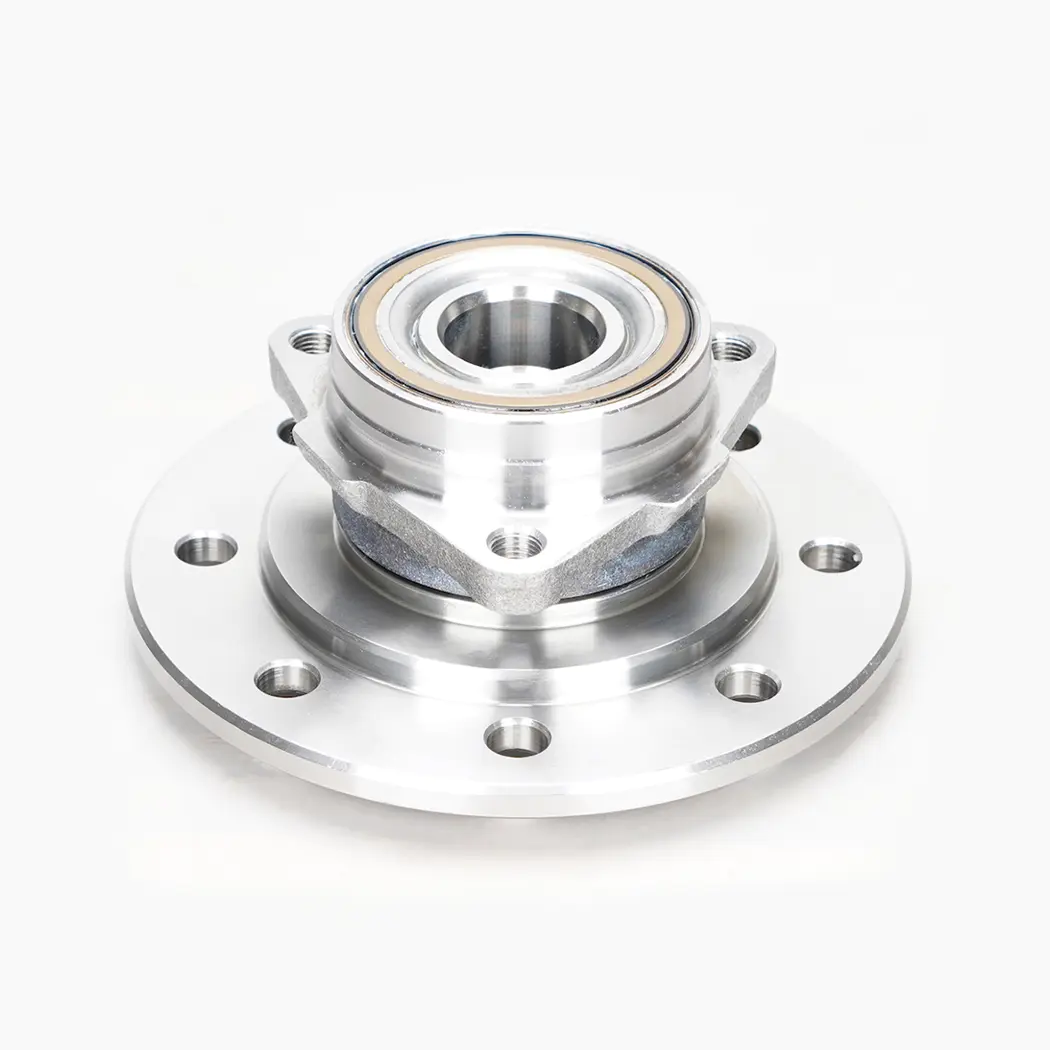
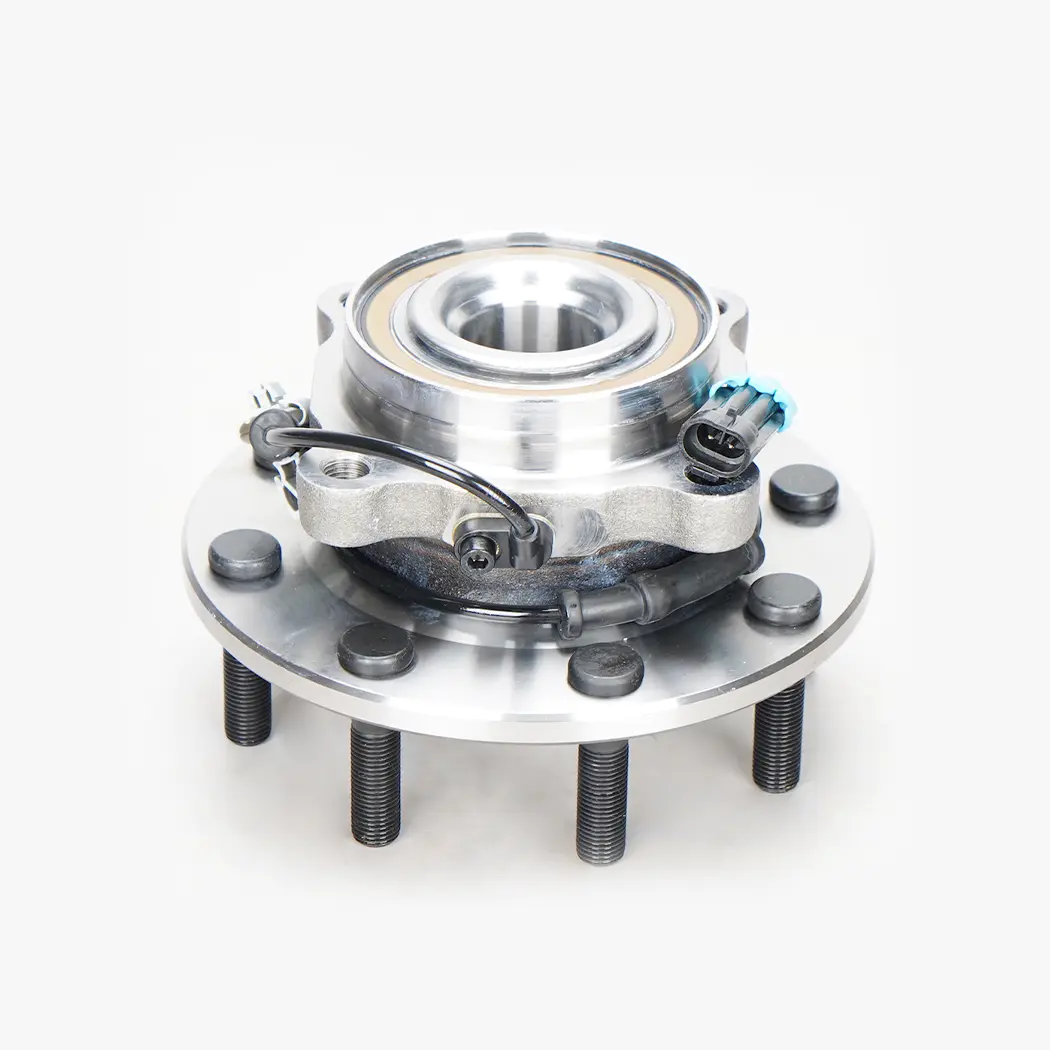
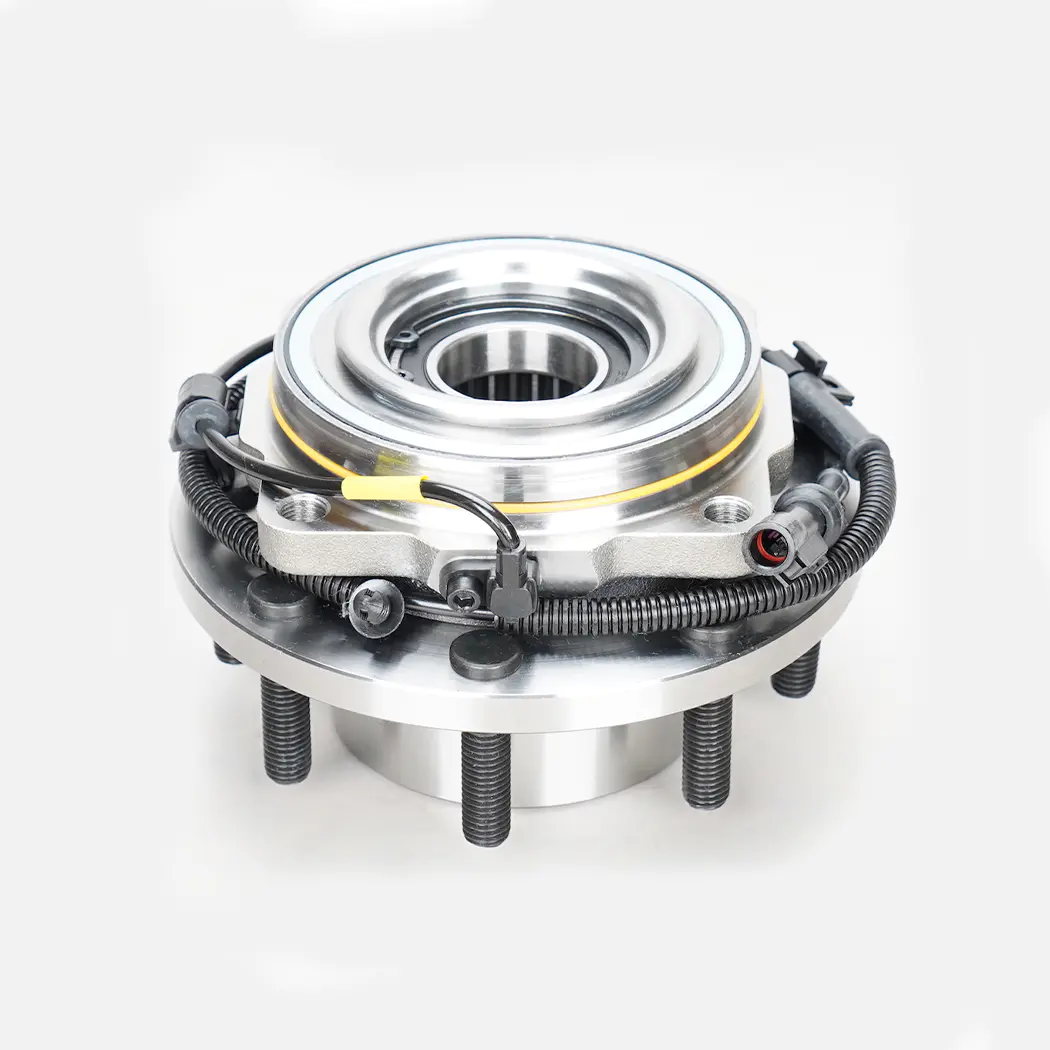
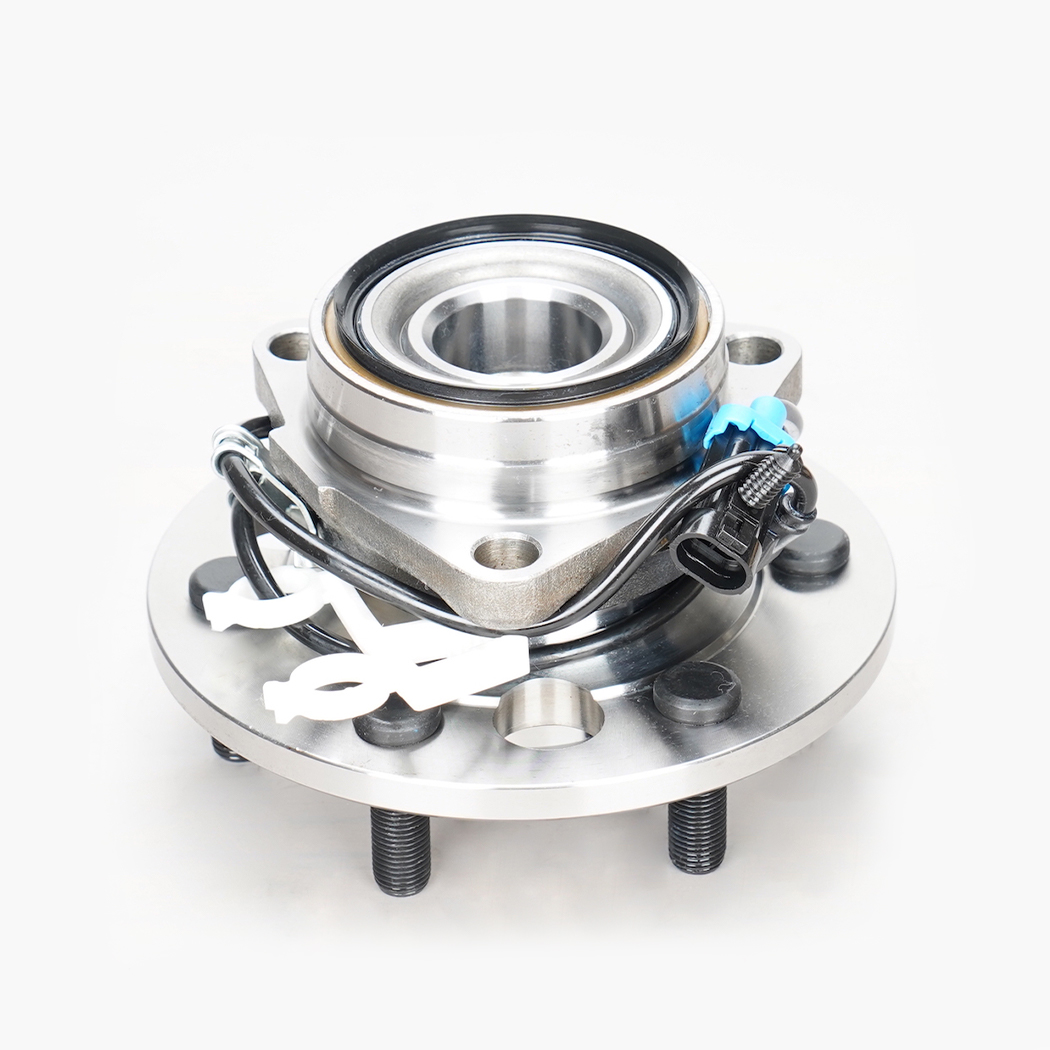
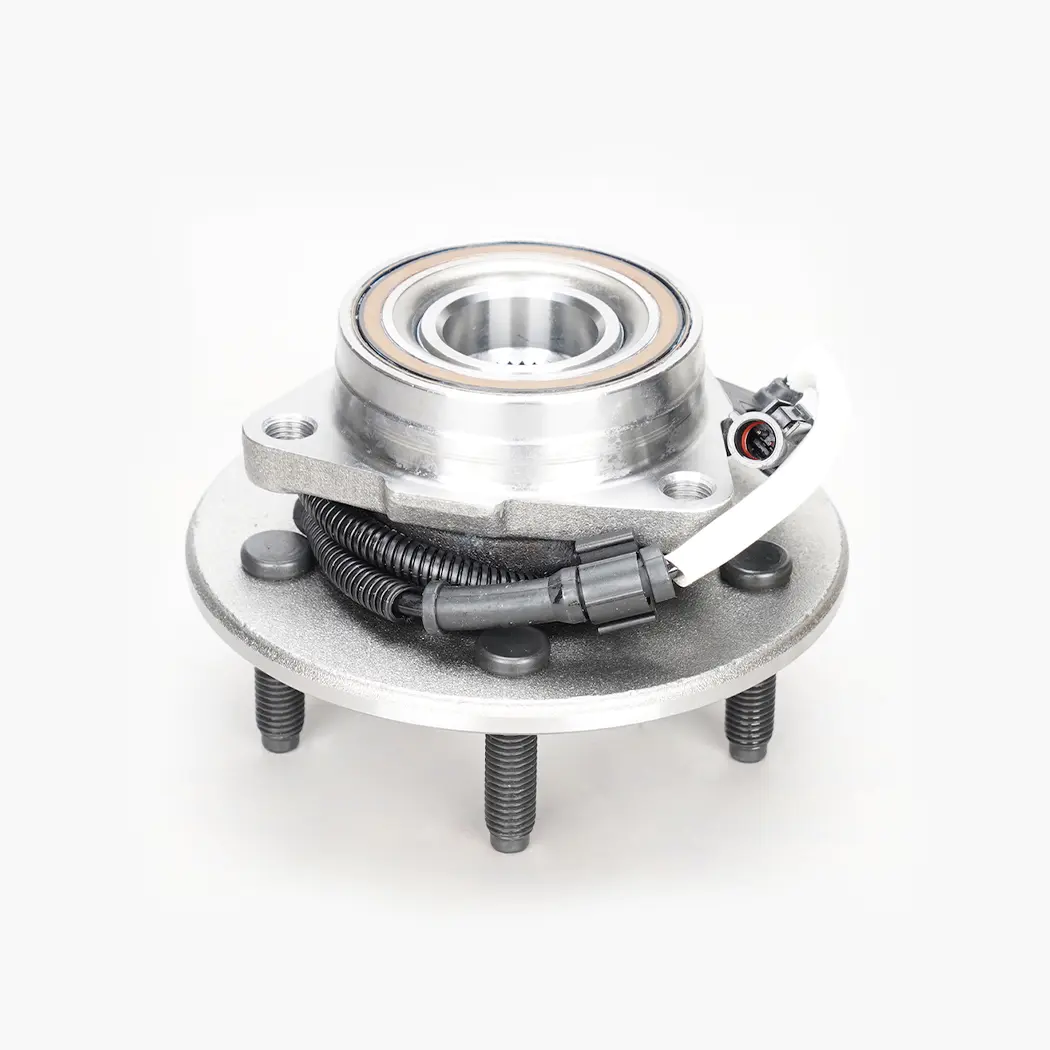
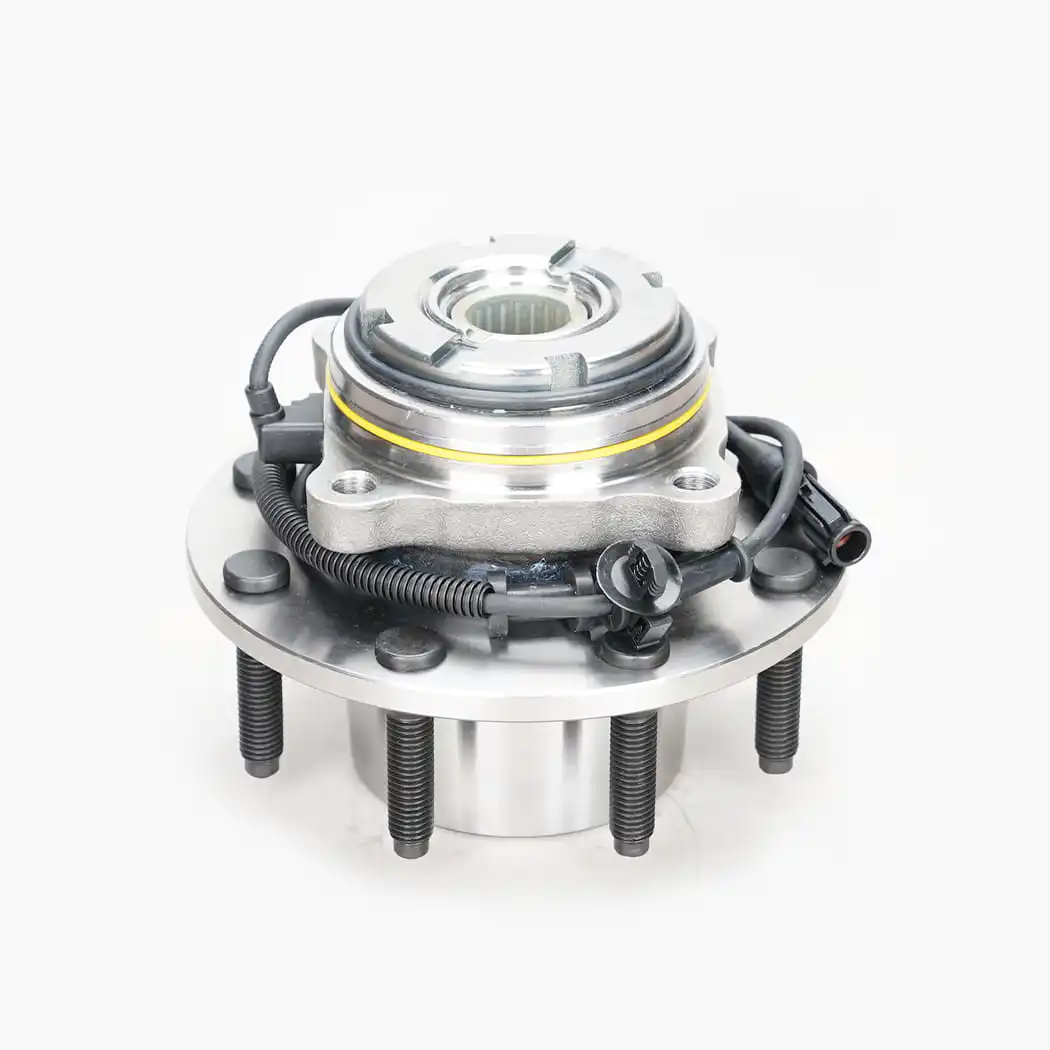
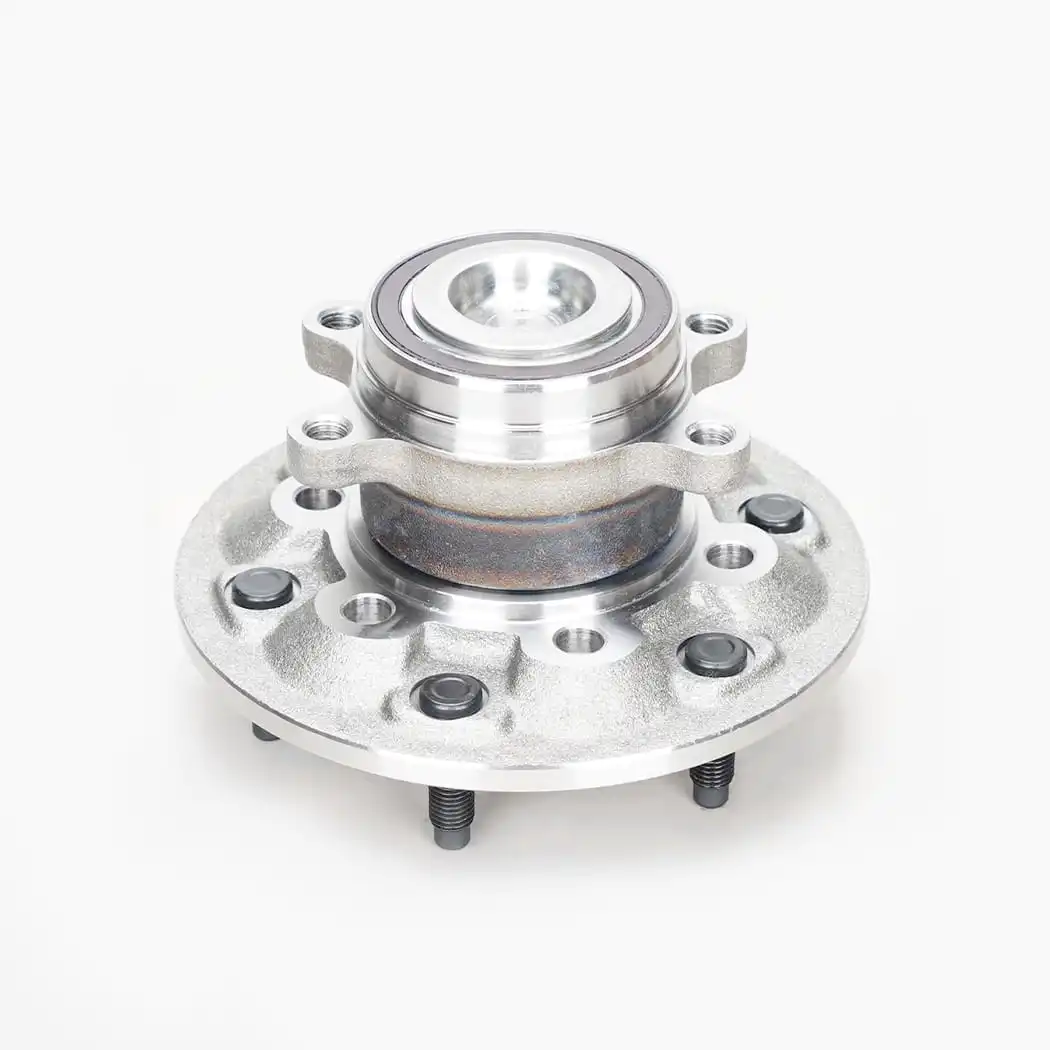
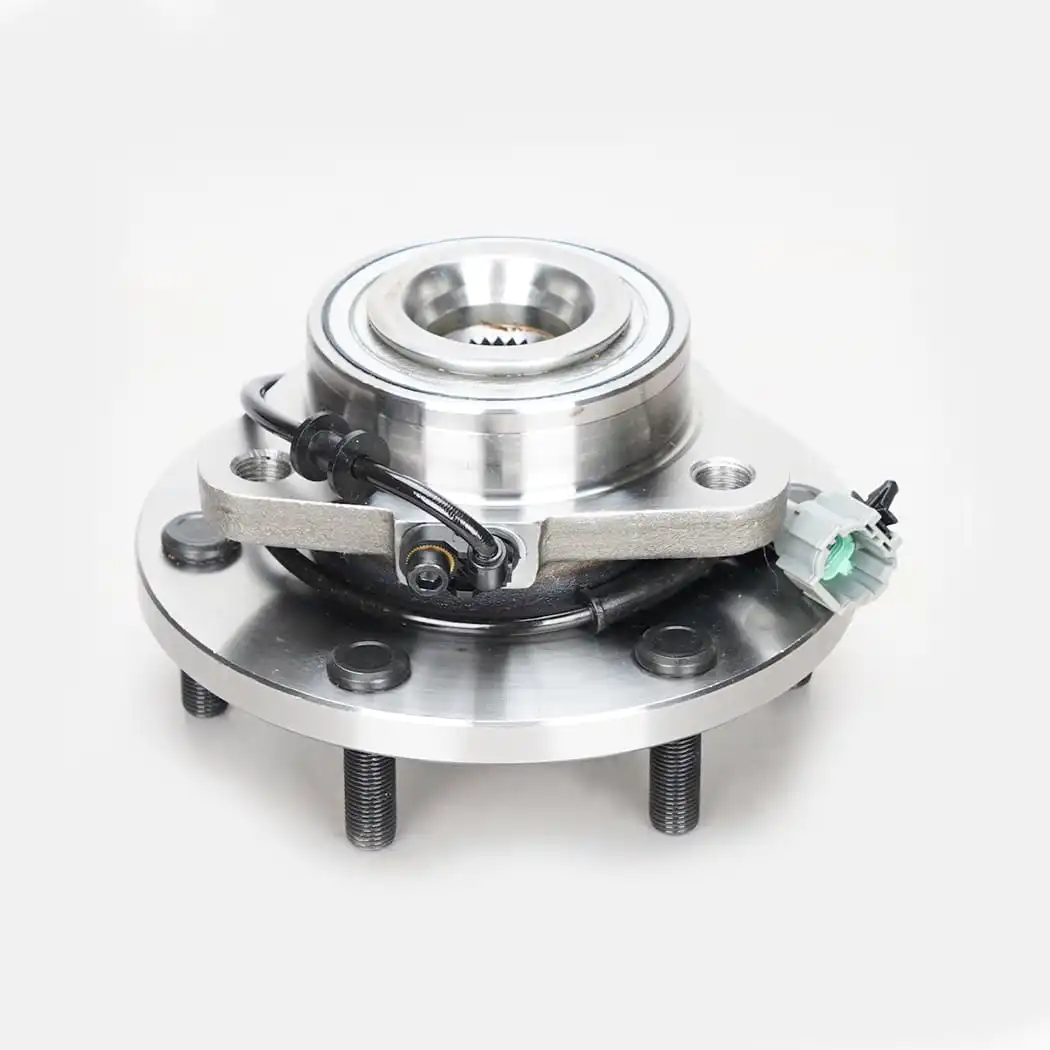
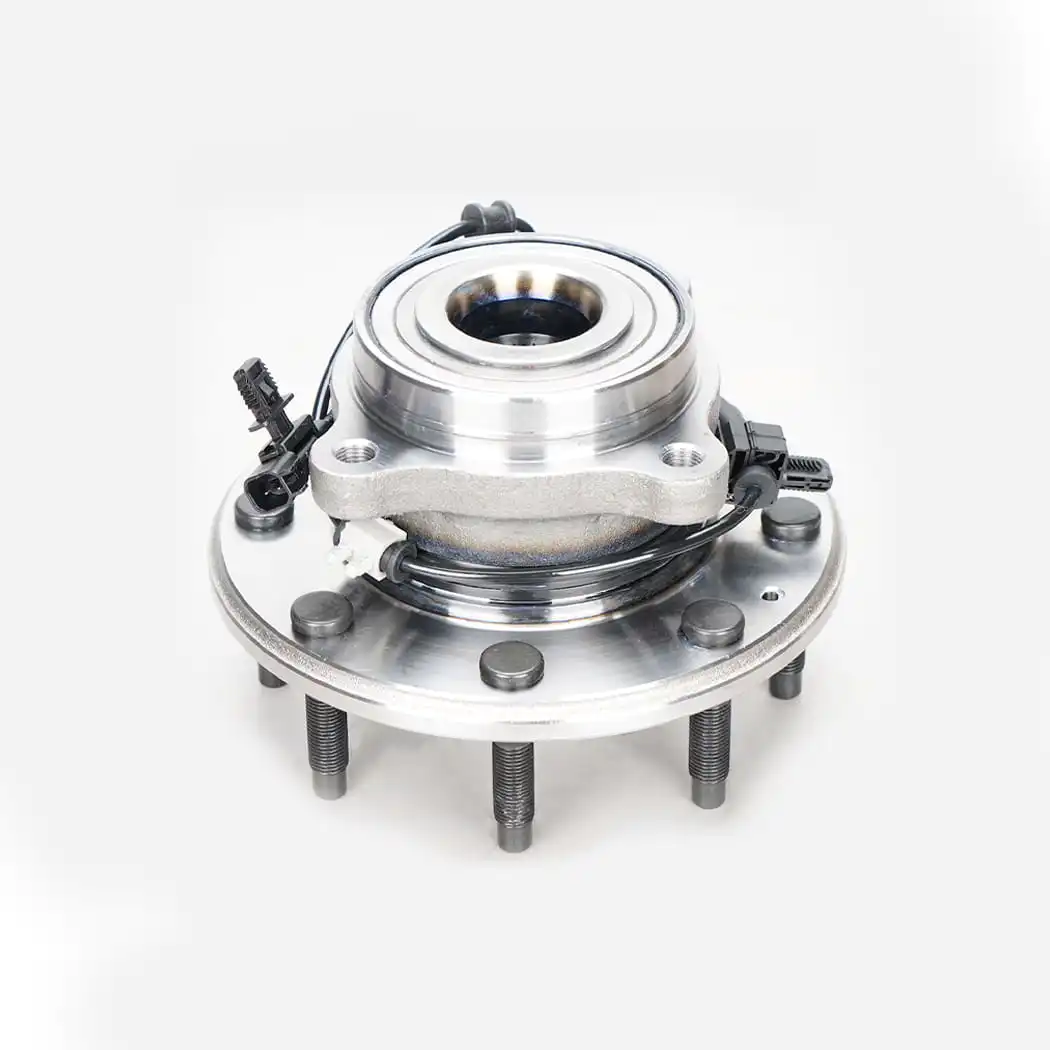
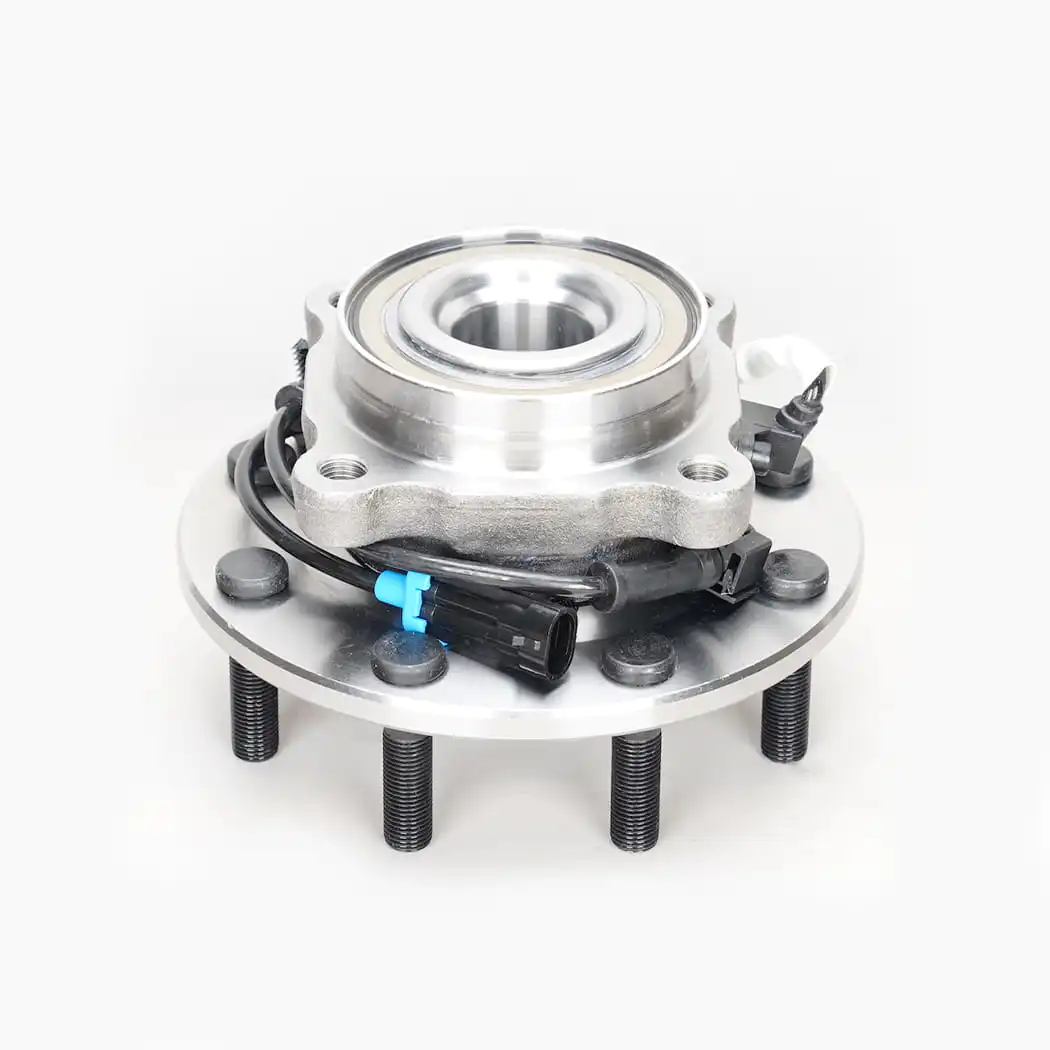
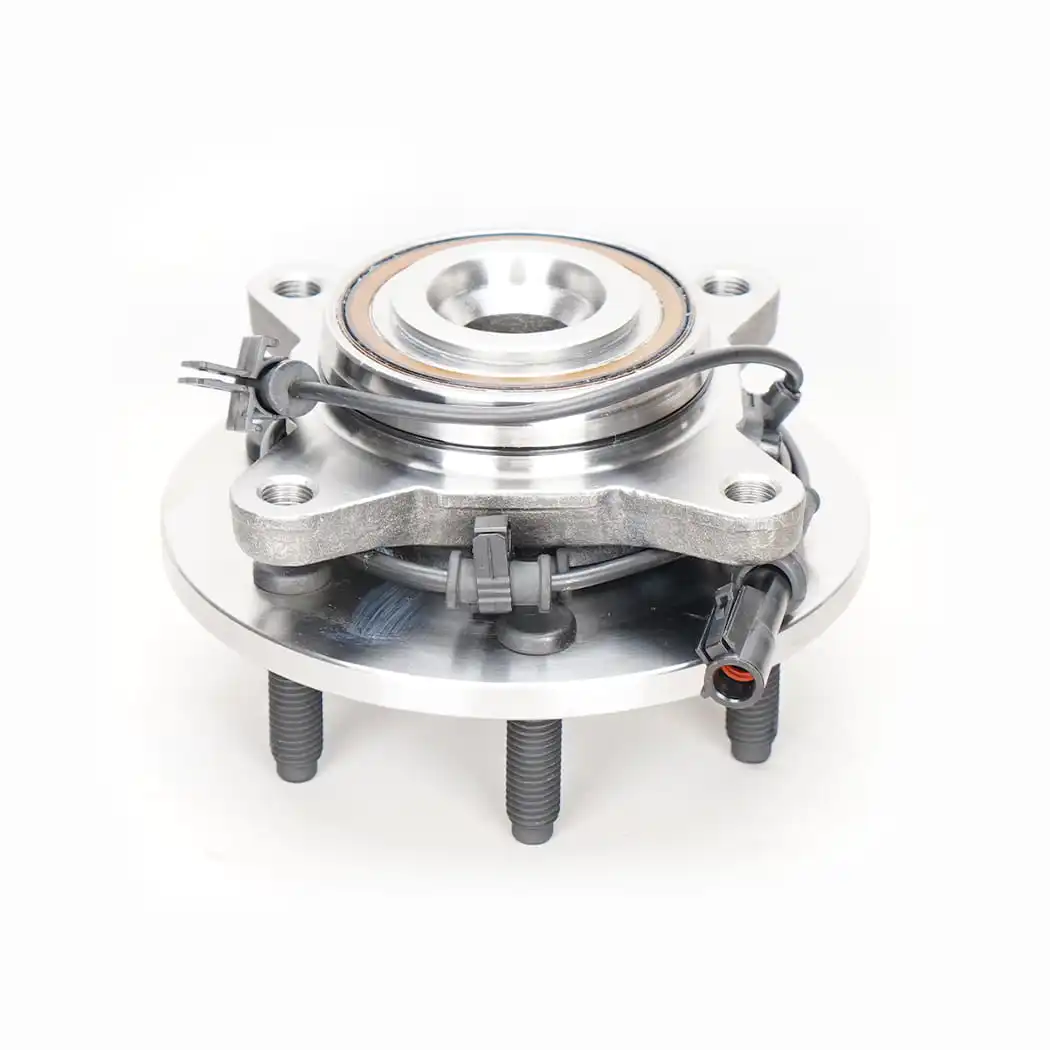
A rear hub assembly is the component that connects your vehicle's rear wheel to the axle, allowing it to spin freely while supporting the full weight of the car. It typically combines the wheel bearing, hub flange, and in many modern vehicles, the ABS (anti-lock braking system) sensor into a single sealed unit. This design is often called a "hub bearing assembly" because the bearing and hub are pressed together as one part rather than sold separately like older vehicles used to have.
Because the rear hub assembly carries so much load and spins thousands of times per mile, it's a part that wears out gradually rather than failing all at once. Understanding what it does and how it can fail helps you catch problems early, before they turn into a safety hazard or a much larger repair bill. Whether you drive a sedan, SUV, or truck, the rear hub assembly plays the same essential role: keeping your wheel spinning smoothly and your braking system functioning correctly.
Most rear hub assembly problems announce themselves through noise, vibration, or handling changes long before total failure occurs. Catching these symptoms early can save you from a roadside breakdown or unsafe driving conditions.
If you notice more than one of these symptoms at once, it's a strong indicator that the rear hub assembly needs inspection soon. Ignoring these warning signs can lead to a wheel bearing seizing up completely, which in rare but serious cases can cause the wheel to wobble dangerously or even separate from the vehicle while driving.
Like most mechanical components, a rear hub assembly doesn't fail randomly. Several specific factors accelerate wear and shorten the lifespan of the bearing inside the hub.
Most rear hub assemblies are designed to last somewhere between 75,000 and 150,000 miles, though this varies significantly by manufacturer and driving conditions. Over time, the grease inside the sealed bearing breaks down, and the metal rollers or balls inside begin to develop microscopic pitting that gradually worsens.
Driving through deep puddles, flooded roads, or frequently washing the undercarriage with high-pressure water can force moisture past the hub seal. Once water gets inside, it washes away lubricating grease and introduces rust, which dramatically speeds up bearing failure.
Hitting a deep pothole, curb, or debris in the road at speed can shock-load the hub bearing. Even if the impact doesn't cause an immediate symptom, it can create small fractures or deformities that lead to faster wear down the road.
A rear hub assembly that wasn't torqued to the correct specification, or one that was installed without proper alignment, will wear unevenly and fail far sooner than expected, sometimes within just a few thousand miles.
Replacement costs vary depending on your vehicle's make and model, whether you choose an OEM or aftermarket part, and whether you do the work yourself or pay a shop. The table below gives a general idea of what to expect.
| Cost Factor | Typical Range |
| Aftermarket hub assembly part | $50 - $150 per unit |
| OEM hub assembly part | $120 - $350 per unit |
| Professional labor (per wheel) | $80 - $200 |
| Total shop repair (parts + labor) | $150 - $500 per wheel |
| DIY replacement (parts + tools) | $60 - $200 |
Luxury and all-wheel-drive vehicles tend to sit at the higher end of this range because their hub assemblies are often more complex and may require specialized tools for removal. If both rear wheels show signs of wear, many mechanics recommend replacing them as a pair, since the other side is usually not far behind in wear even if it hasn't started making noise yet.
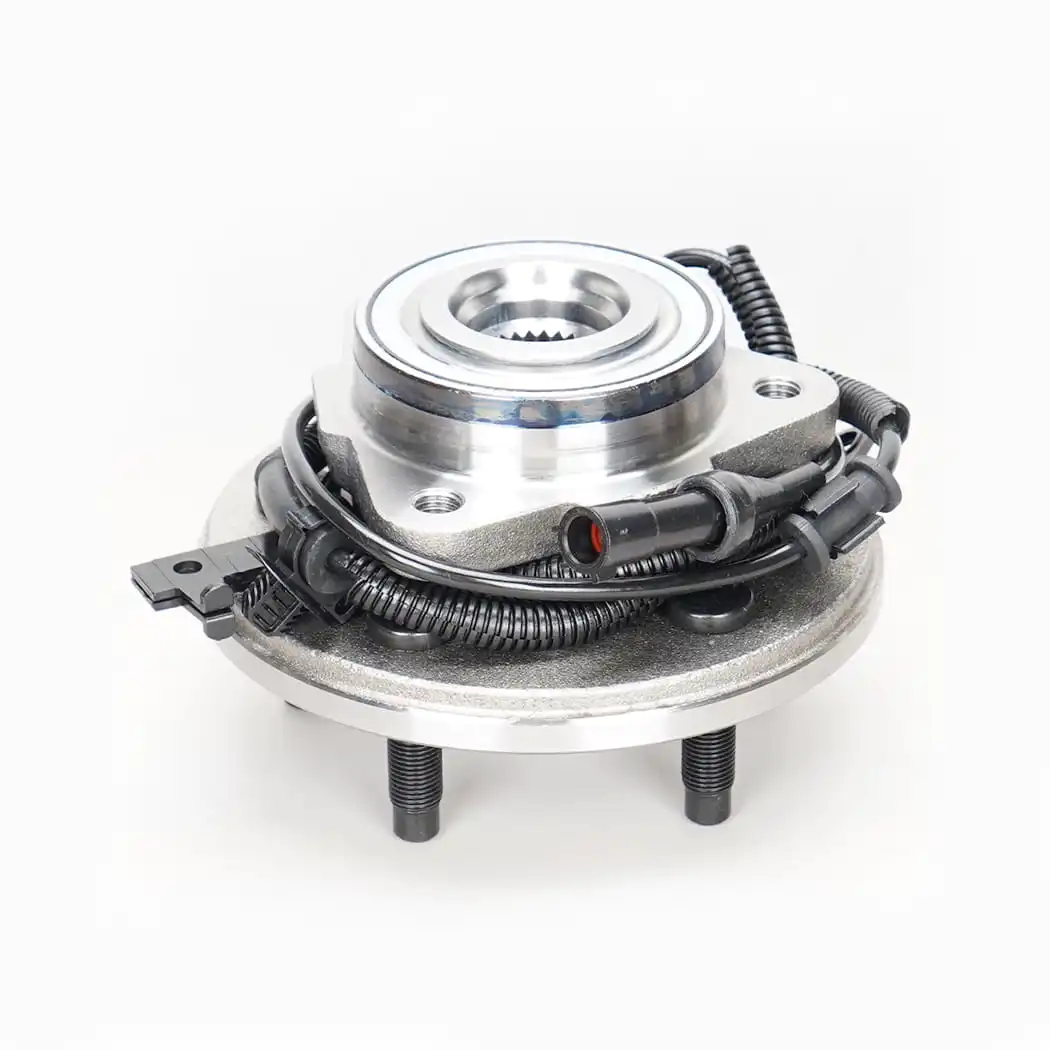
Replacing a rear hub assembly is a moderately advanced repair that falls in a gray area for many home mechanics. It's more involved than changing brake pads, but with the right tools and patience, it's achievable in a home garage.
If your vehicle uses a bolt-on hub assembly design, meaning the unit is held in place by a few bolts on the back of the spindle, the job is relatively straightforward. You'll need a torque wrench, a basic socket set, jack stands, and possibly a hub puller or breaker bar for stubborn bolts. Many vehicles with this design allow the entire job to be done in one to two hours per wheel.
Some vehicles use a press-fit hub design where the bearing must be pressed into the knuckle using a hydraulic press, which most home garages don't have. Additionally, if your rear hub assembly includes an integrated ABS sensor or is part of an independent rear suspension system requiring realignment afterward, a professional shop with the right diagnostic and alignment equipment is the safer choice.
After any rear hub assembly replacement, it's important to torque the axle nut or retaining bolts to the manufacturer's exact specification. Under-tightening can cause premature failure, while over-tightening can damage the new bearing before it even gets a chance to wear in normally.
While every hub assembly eventually wears out, a few habits can meaningfully extend its service life and help you avoid premature replacement.
Taking these precautions won't make a rear hub assembly last forever, but it can help you get the full expected mileage out of the part and avoid the kind of sudden, unexpected failure that leads to costly towing or roadside repairs.
• ADD: 42705 Grand River Avenue, Suite 201, Novi. Michigan 48375, USA.
© Copyright 2017 HANGZHOU HANJI AUTO PARTS.CO.,LTD. All Rights Reserved. Wheel Hub Unit Manufacturer