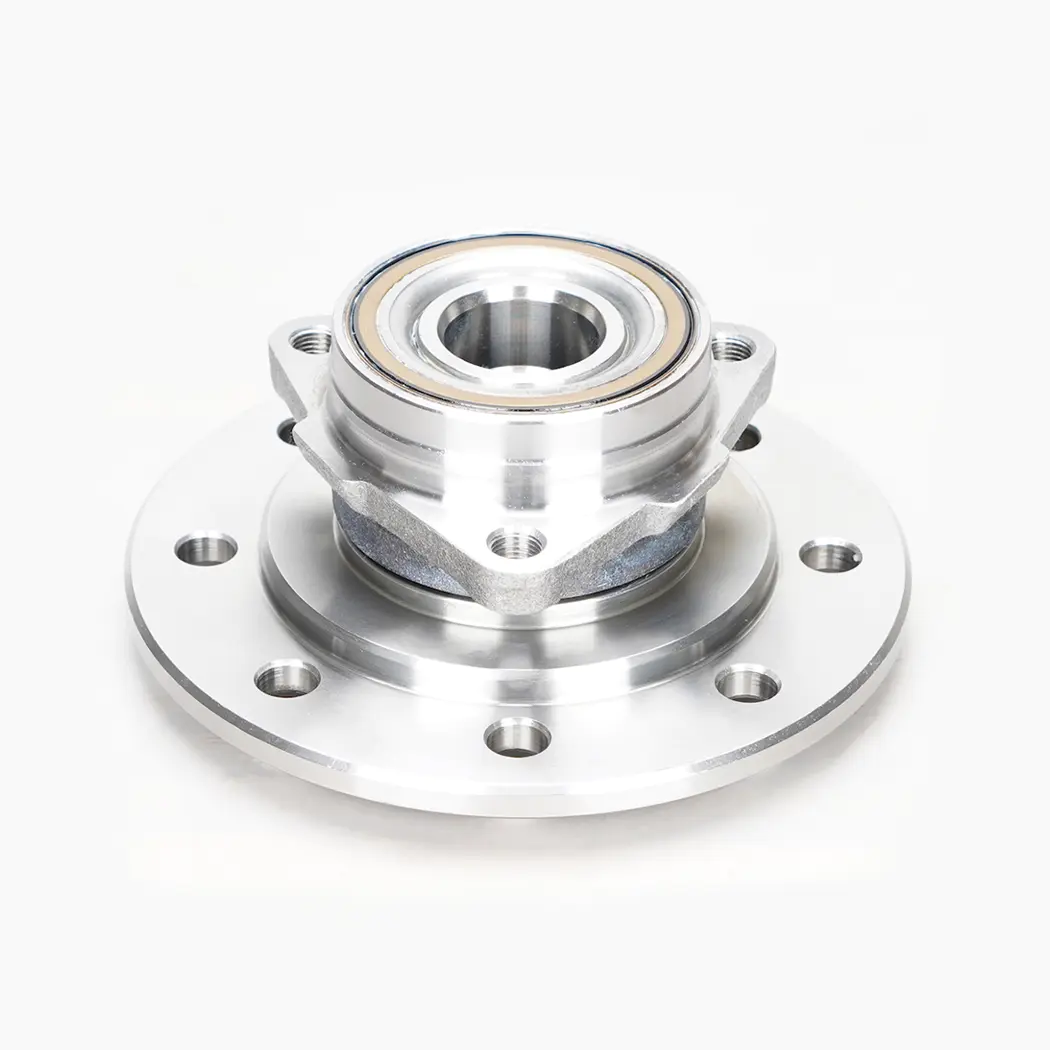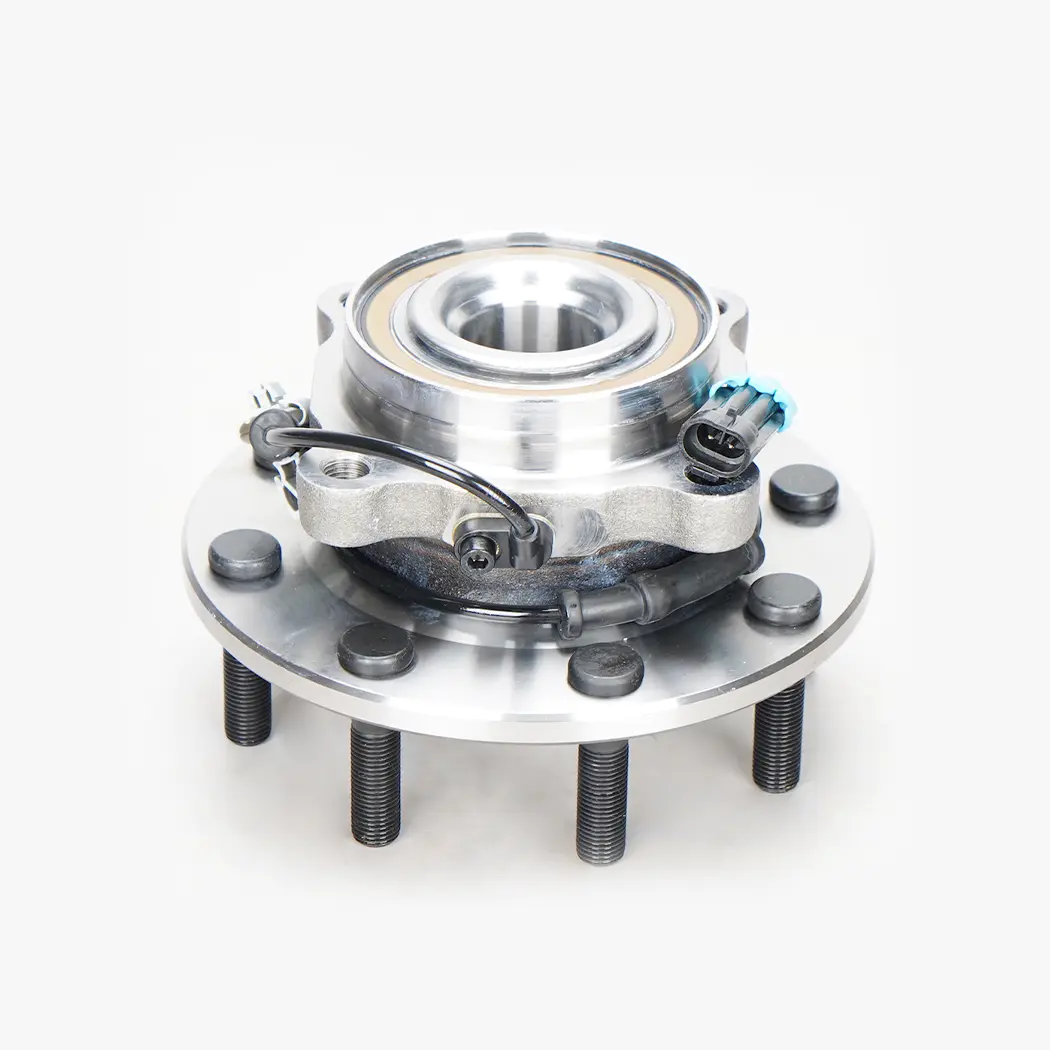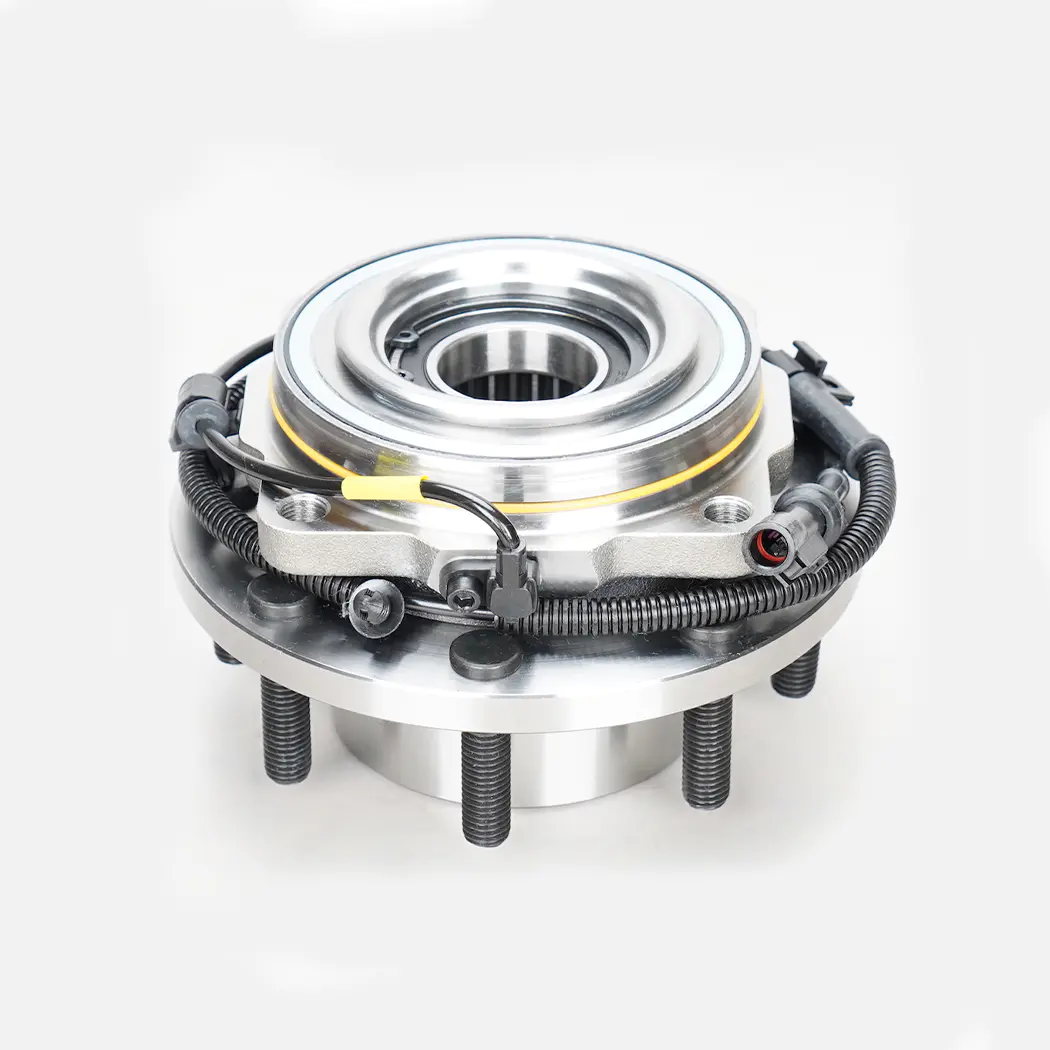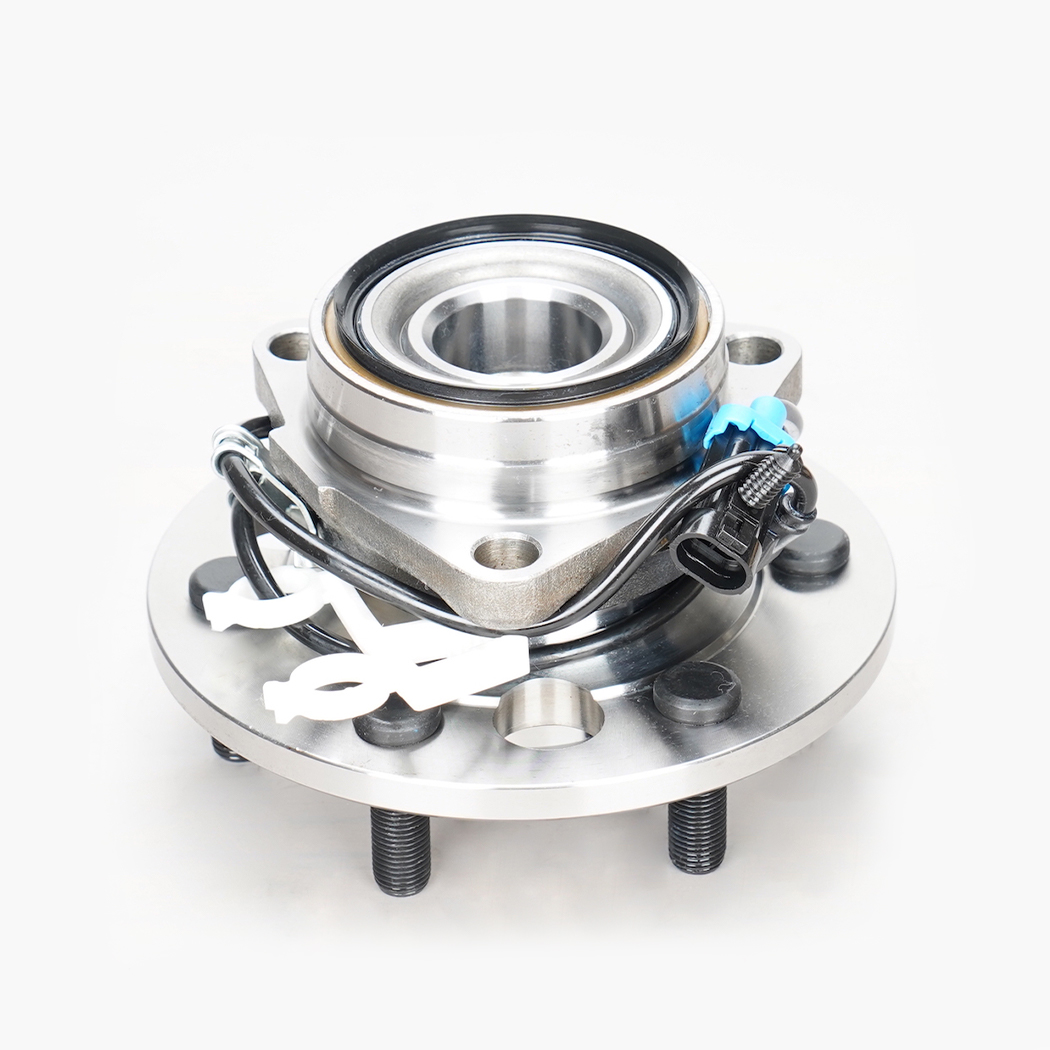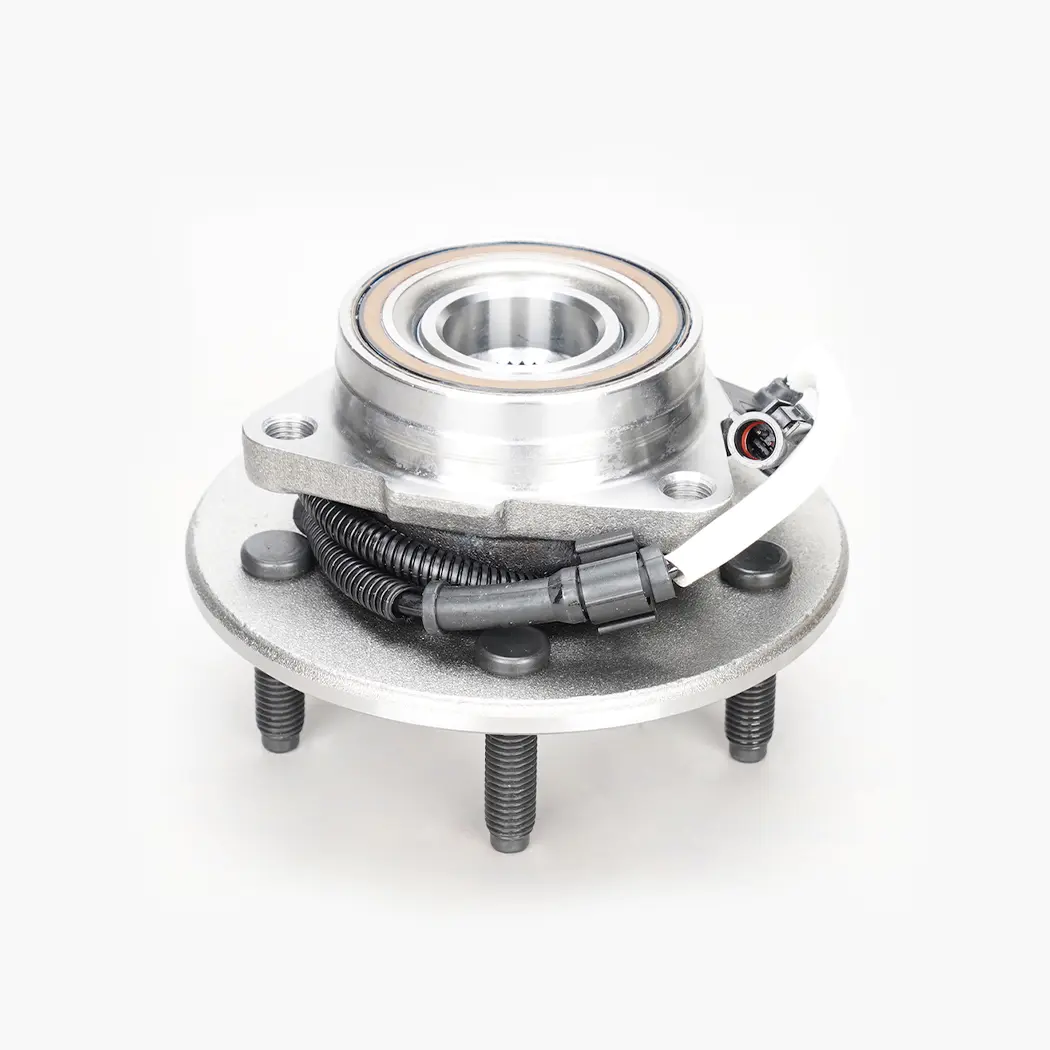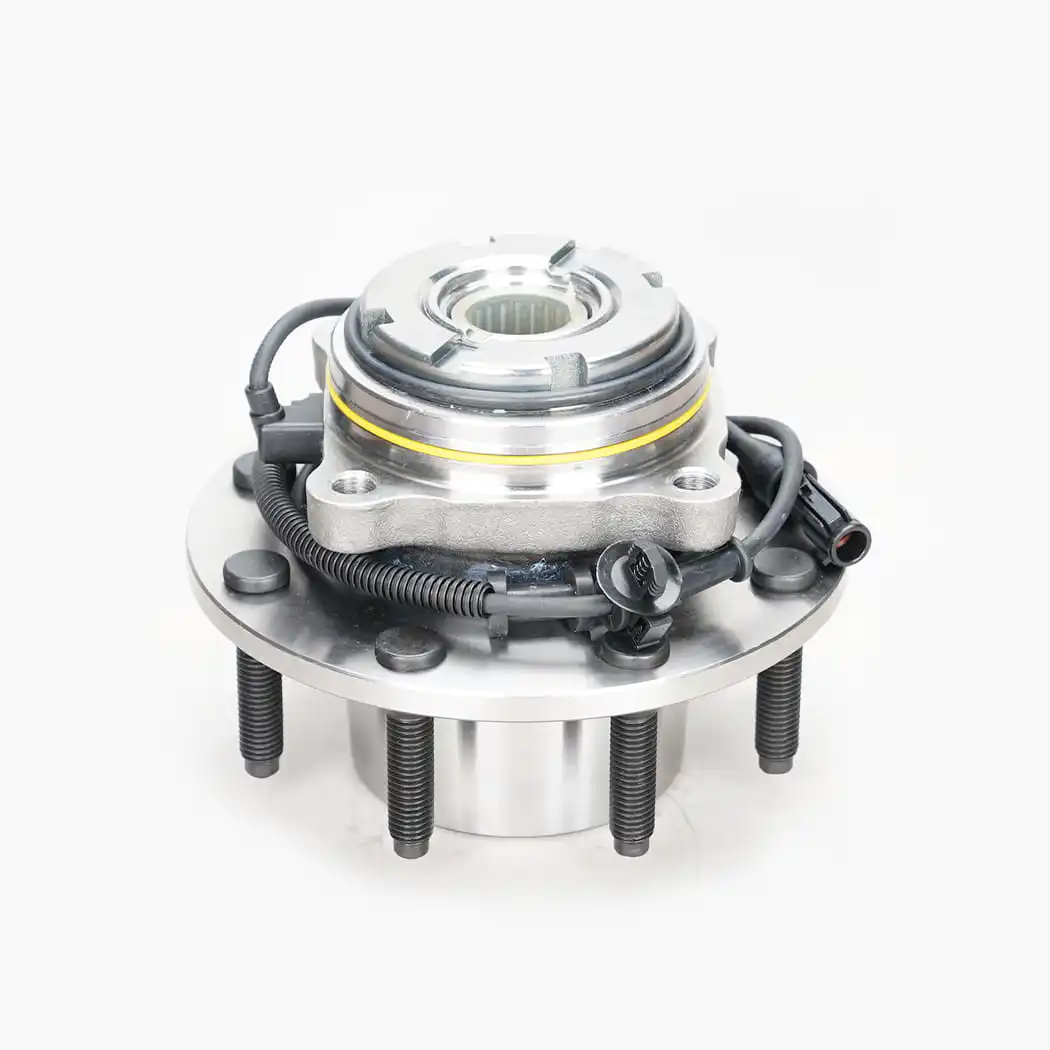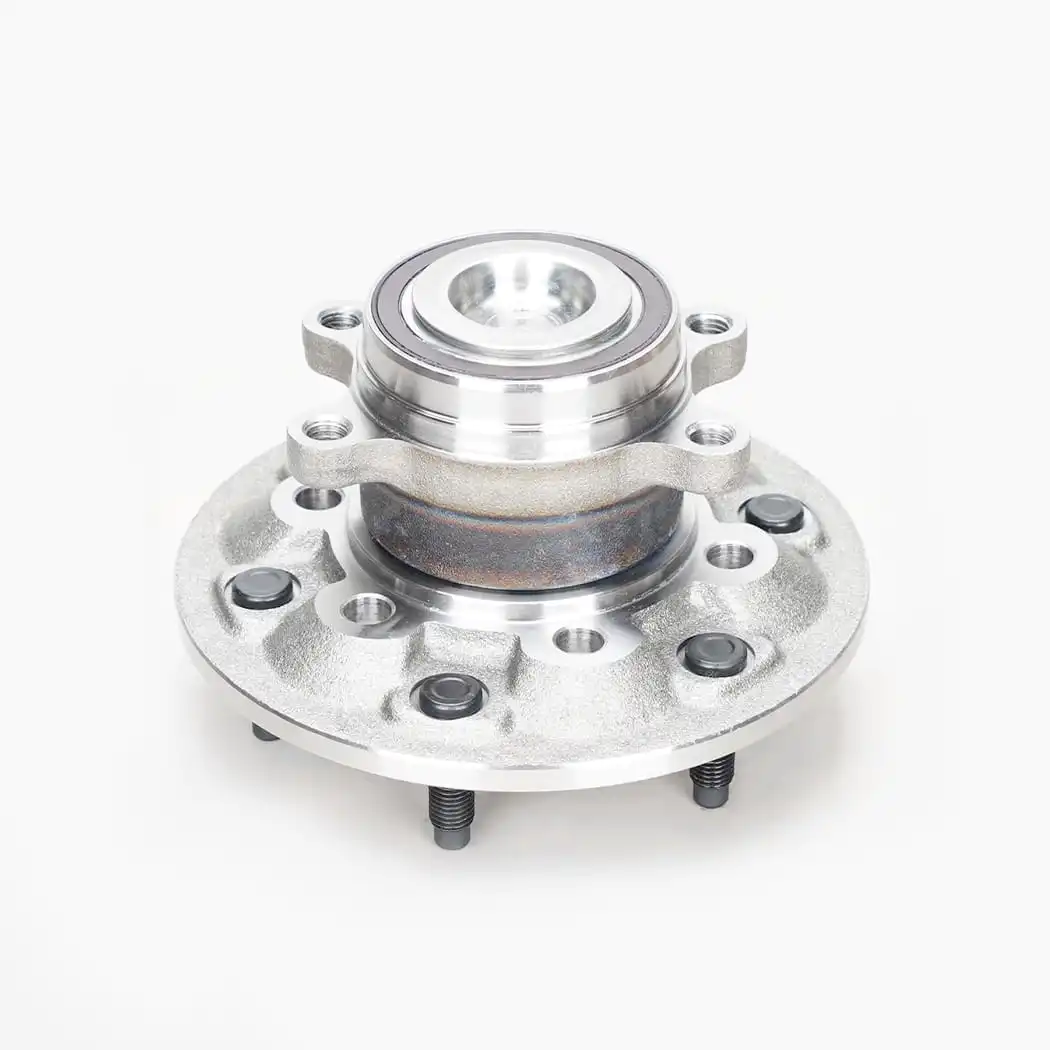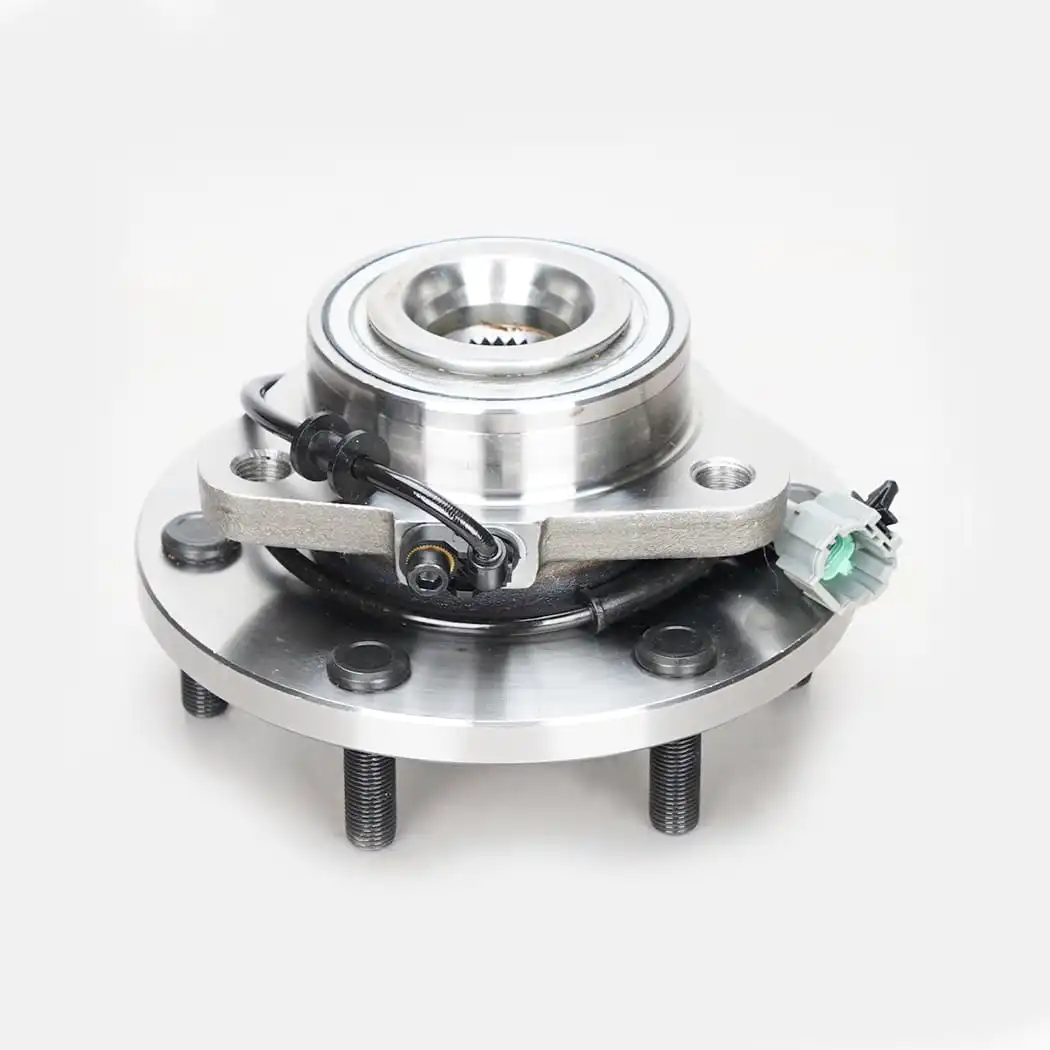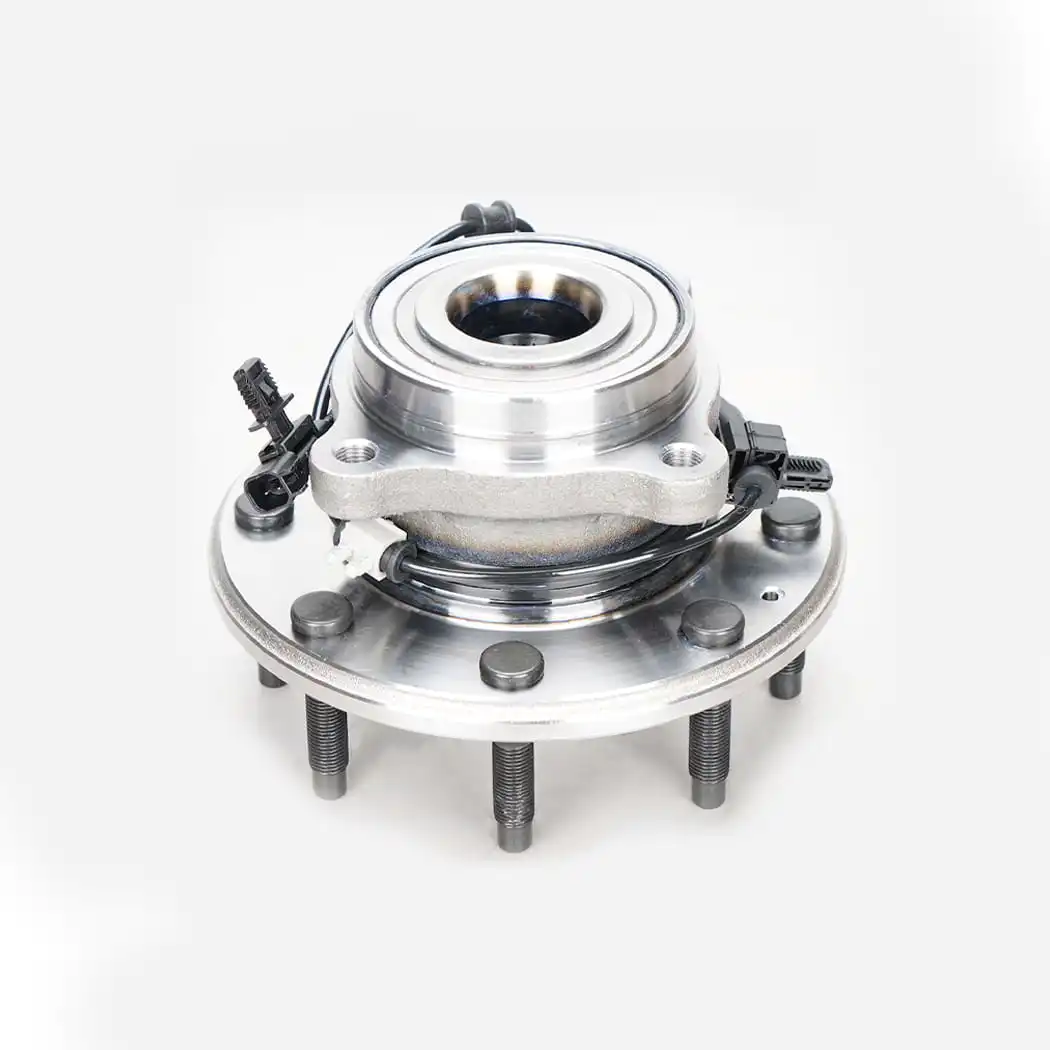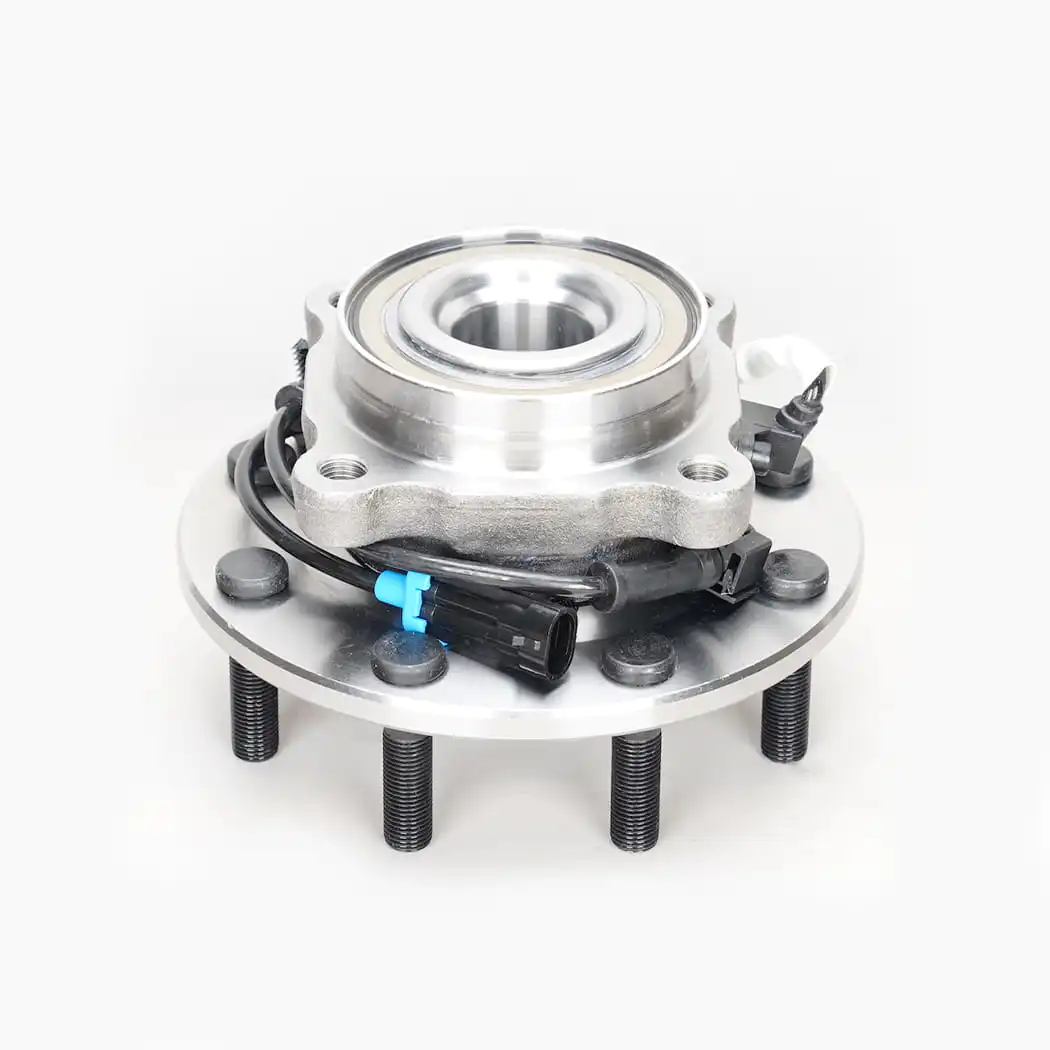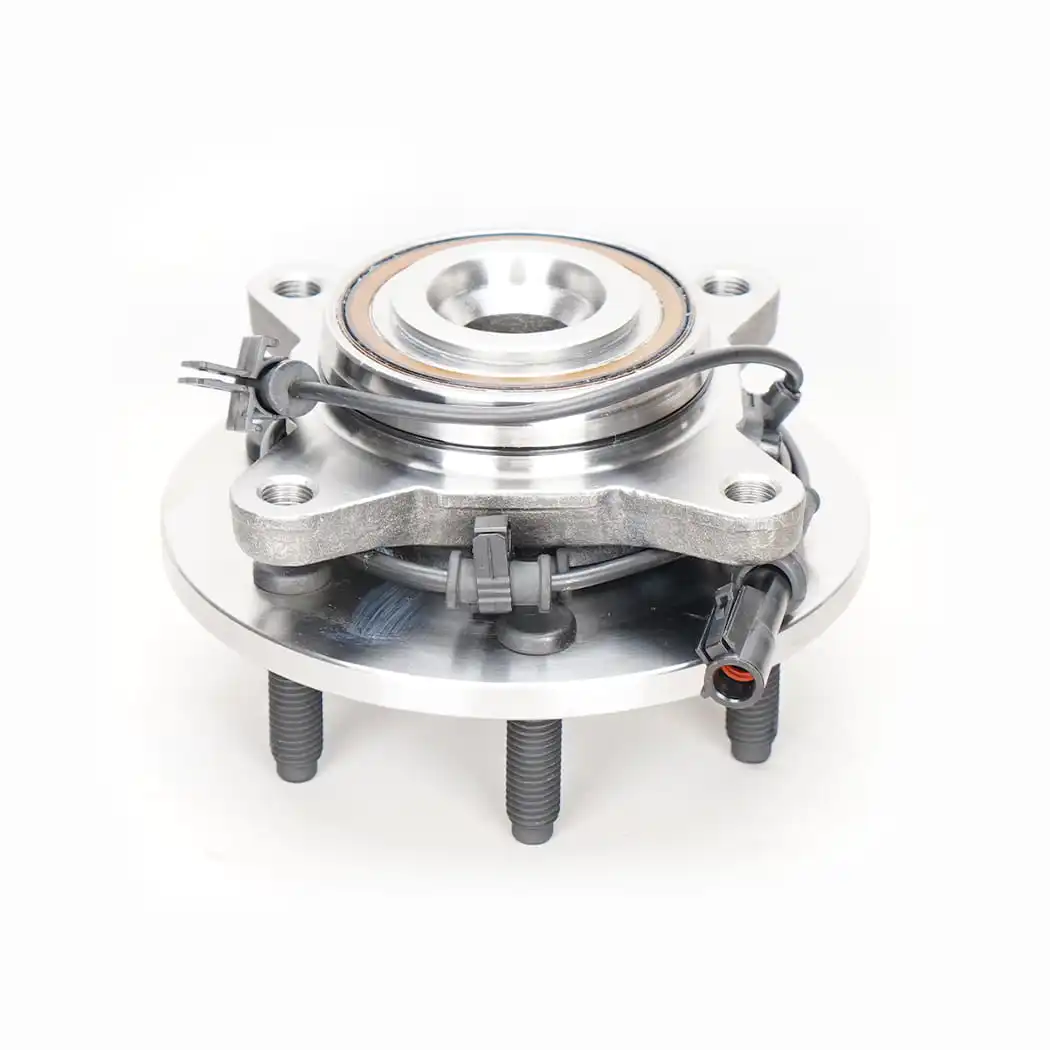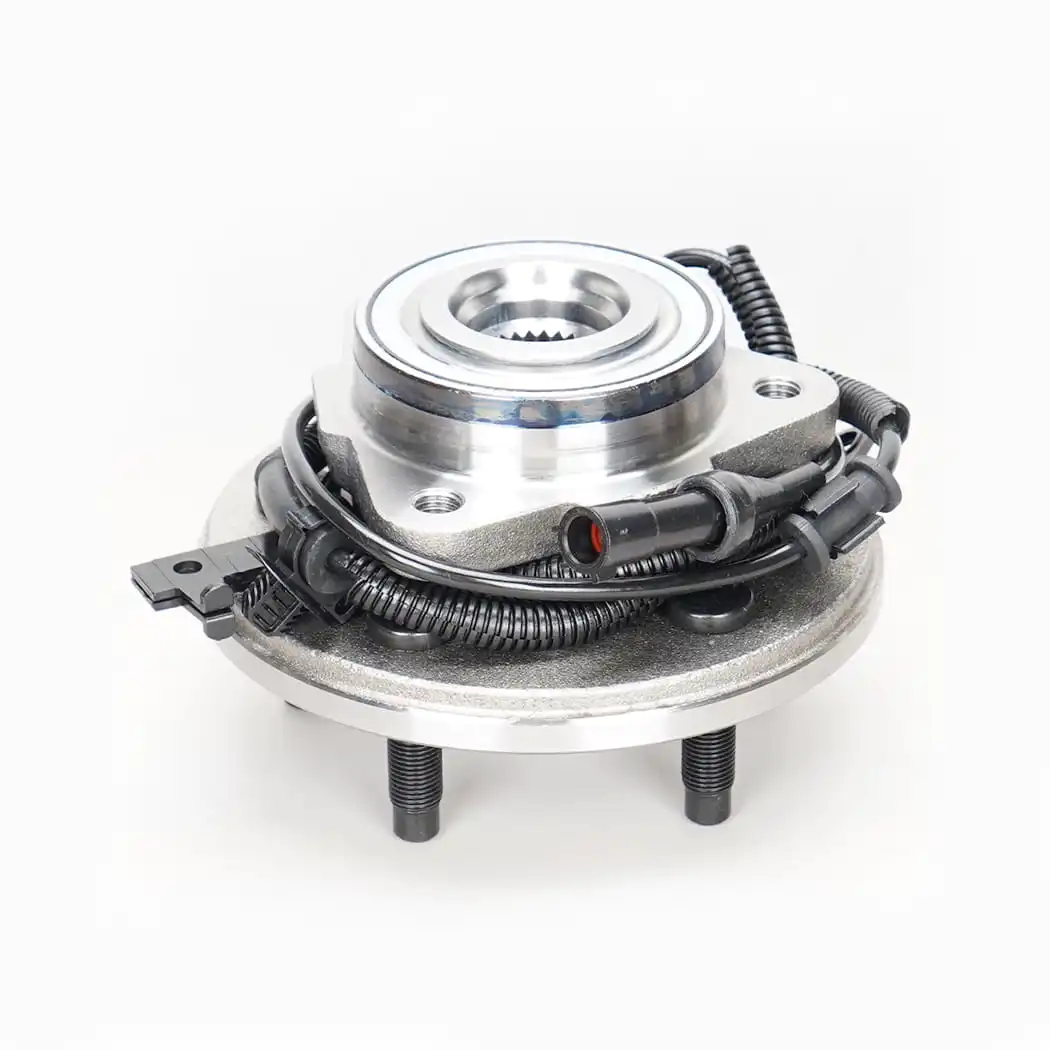
Vehicle wheel bearings are a critical part of your car’s suspension system. They help the wheels rotate smoothly while supporting the weight of the vehicle. Without properly functioning wheel bearings, your car can experience noisy rides, reduced performance, and even dangerous situations on the road.
Content
Wheel bearings are essentially small metal balls or rollers enclosed in a ring, which sits inside the wheel hub. These bearings reduce friction between the wheel and the axle, allowing the wheel to rotate freely while supporting the vehicle’s weight. Modern vehicles often use sealed wheel bearings, which come pre-lubricated and protected from dirt and water.
Recognizing the symptoms of a failing vehicle wheel bearing can save you from bigger repairs later. Some common signs include:
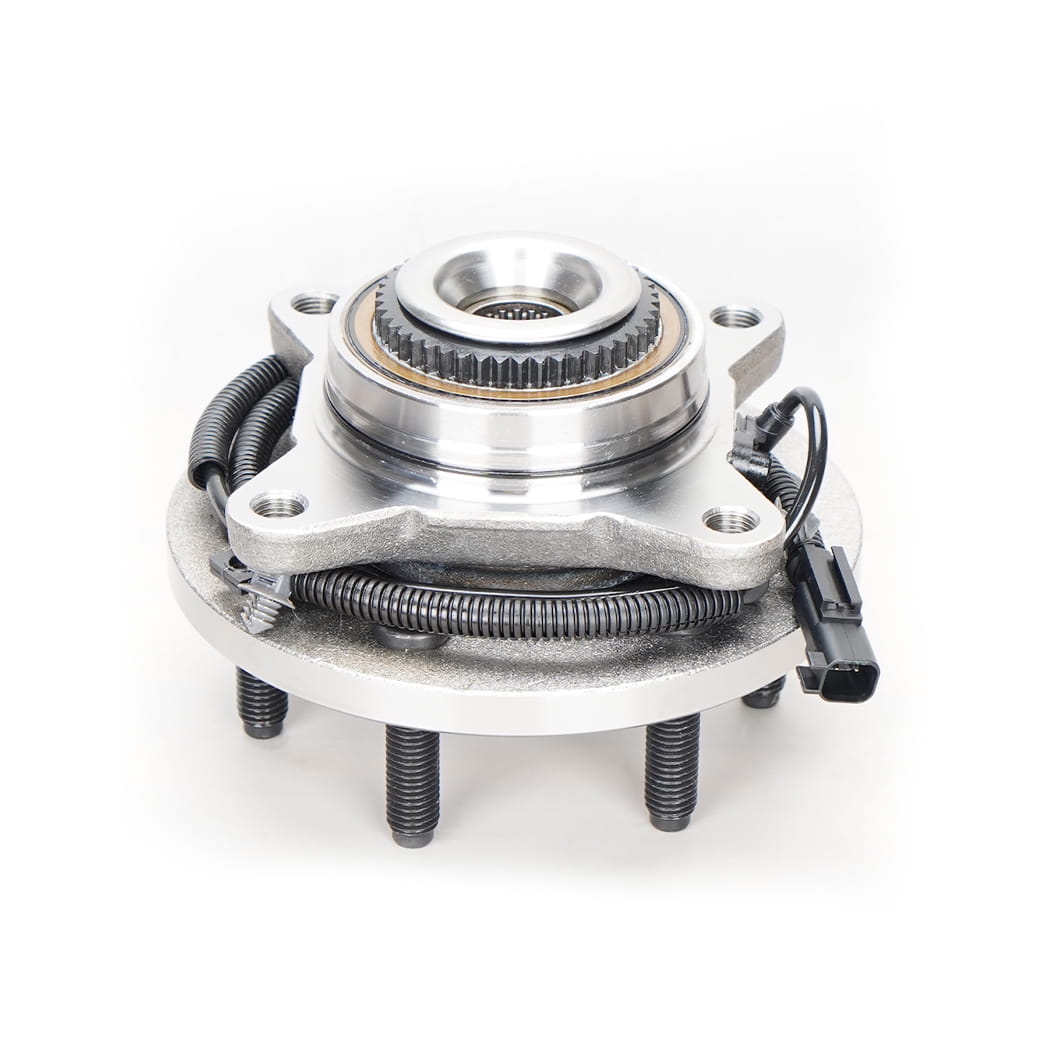
Vehicle wheel bearings come in different types depending on the design and purpose. Understanding the differences can help when choosing replacements.
| Type | Description | Common Use |
| Ball Bearings | Uses spherical balls to reduce friction. | Light to medium vehicles |
| Roller Bearings | Uses cylindrical rollers for higher load capacity. | Trucks, SUVs, heavy-duty vehicles |
| Tapered Bearings | Designed to handle radial and axial loads simultaneously. | Cars, trucks, and off-road vehicles |
Proper maintenance can extend the life of your wheel bearings and keep your car safe on the road. Here are some practical tips:
When your vehicle wheel bearings need replacement, selecting the right type is crucial. Factors to consider include:
In conclusion, vehicle wheel bearings may seem like small parts, but they play a huge role in driving safety and comfort. Regular checks, proper maintenance, and timely replacement can prevent accidents and keep your ride smooth for years.
• ADD: 42705 Grand River Avenue, Suite 201, Novi. Michigan 48375, USA.
© Copyright 2017 HANGZHOU HANJI AUTO PARTS.CO.,LTD. All Rights Reserved. Wheel Hub Unit Manufacturer