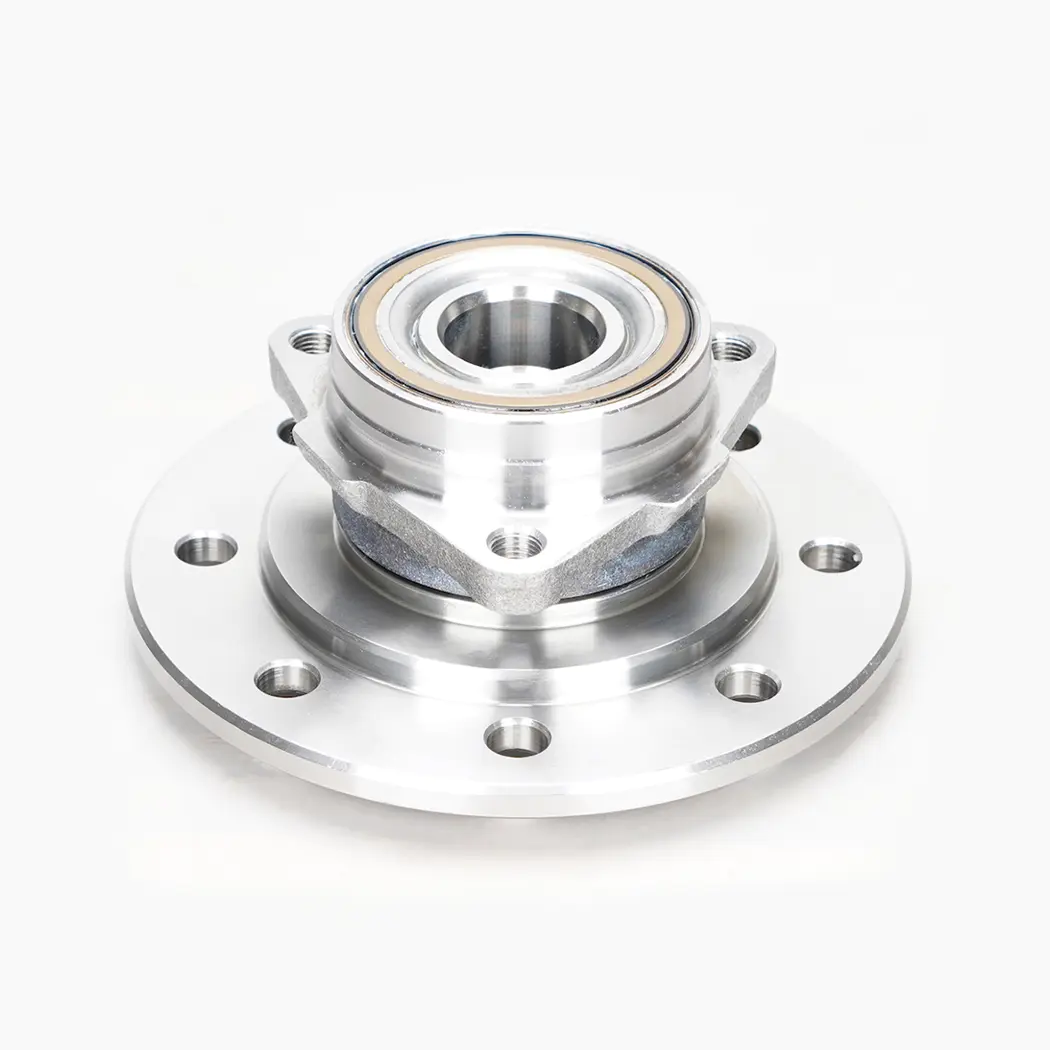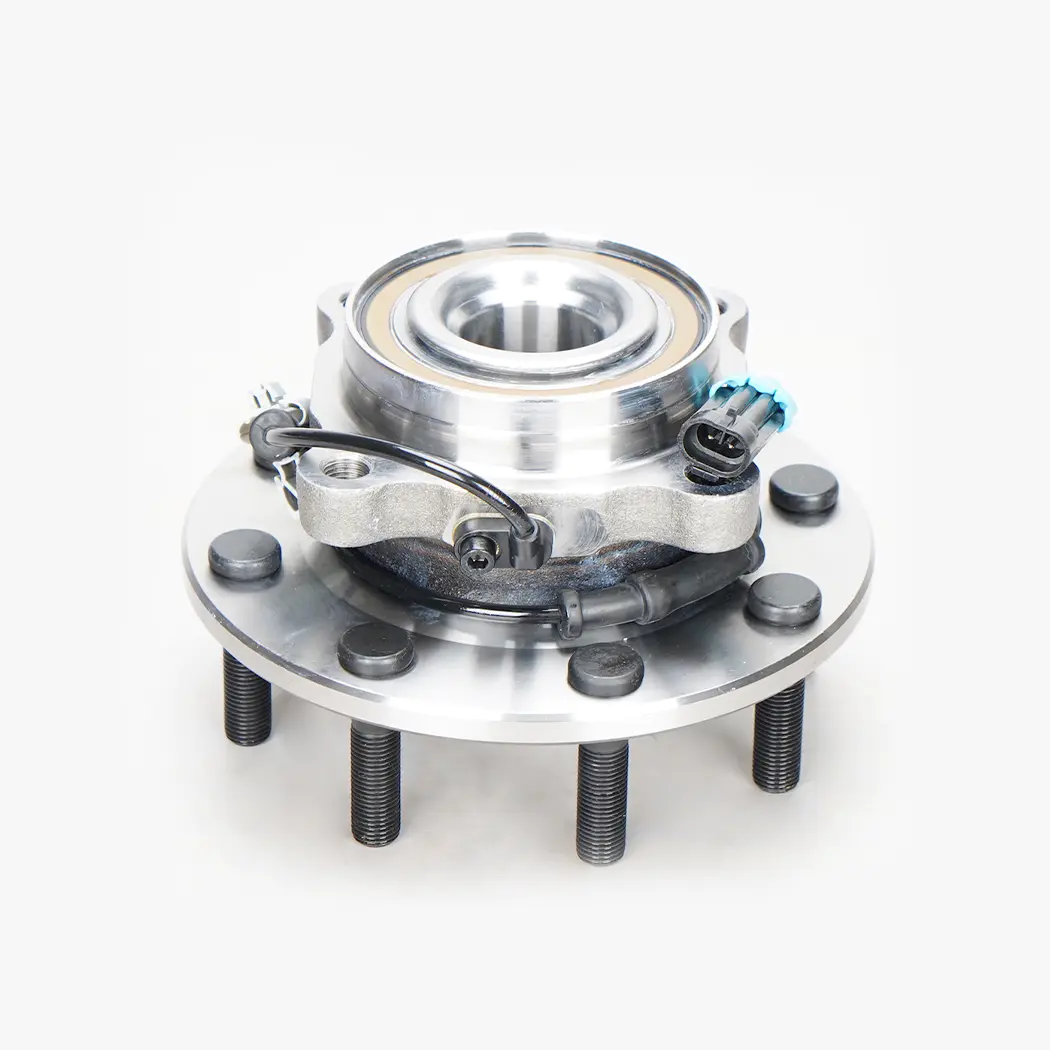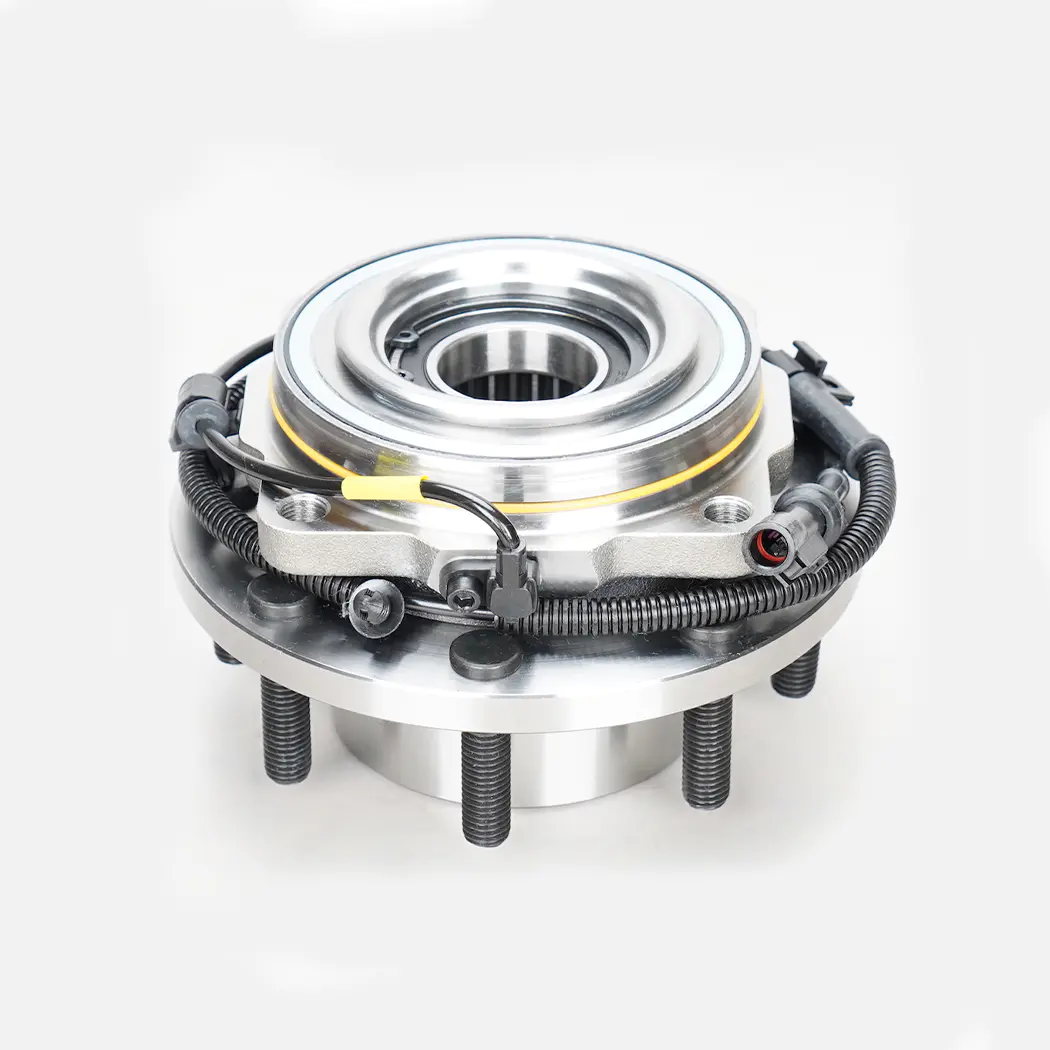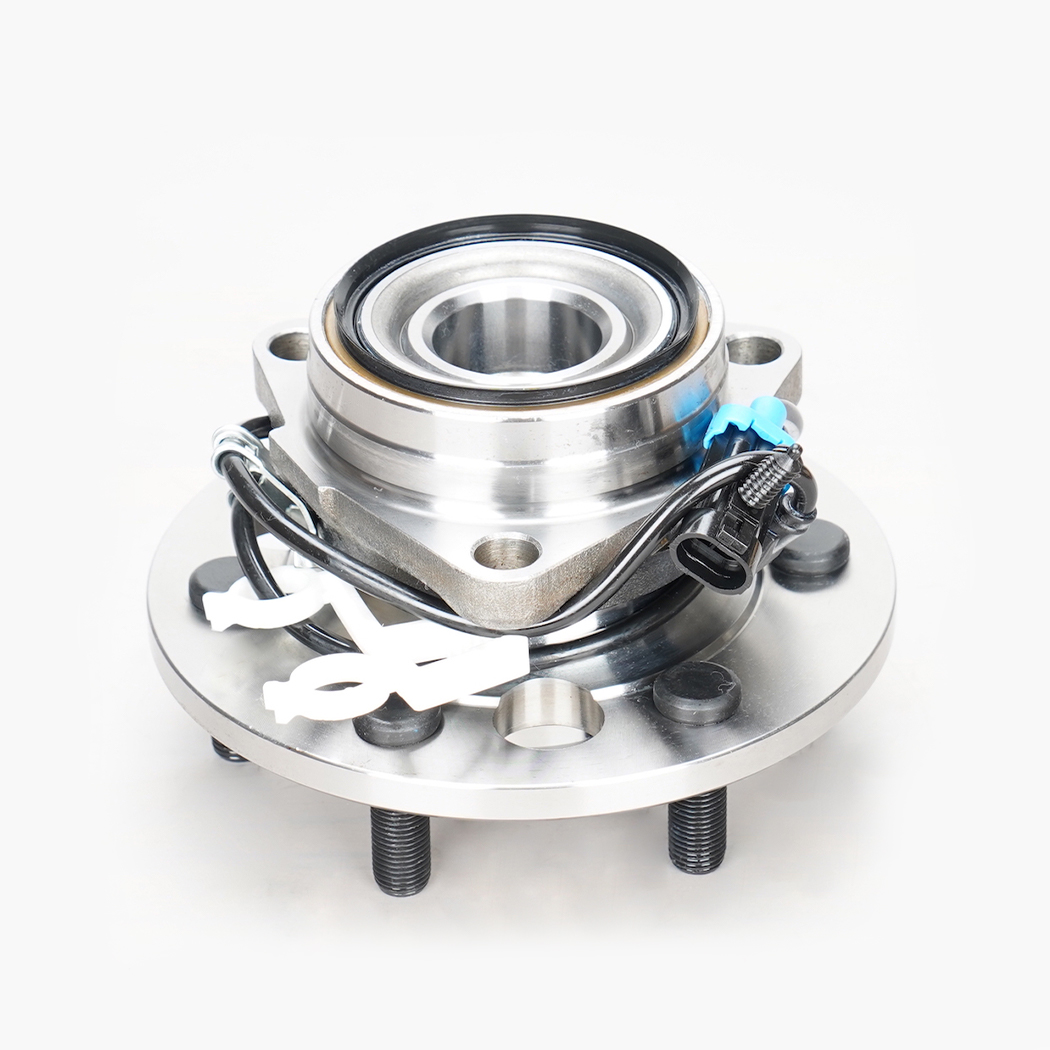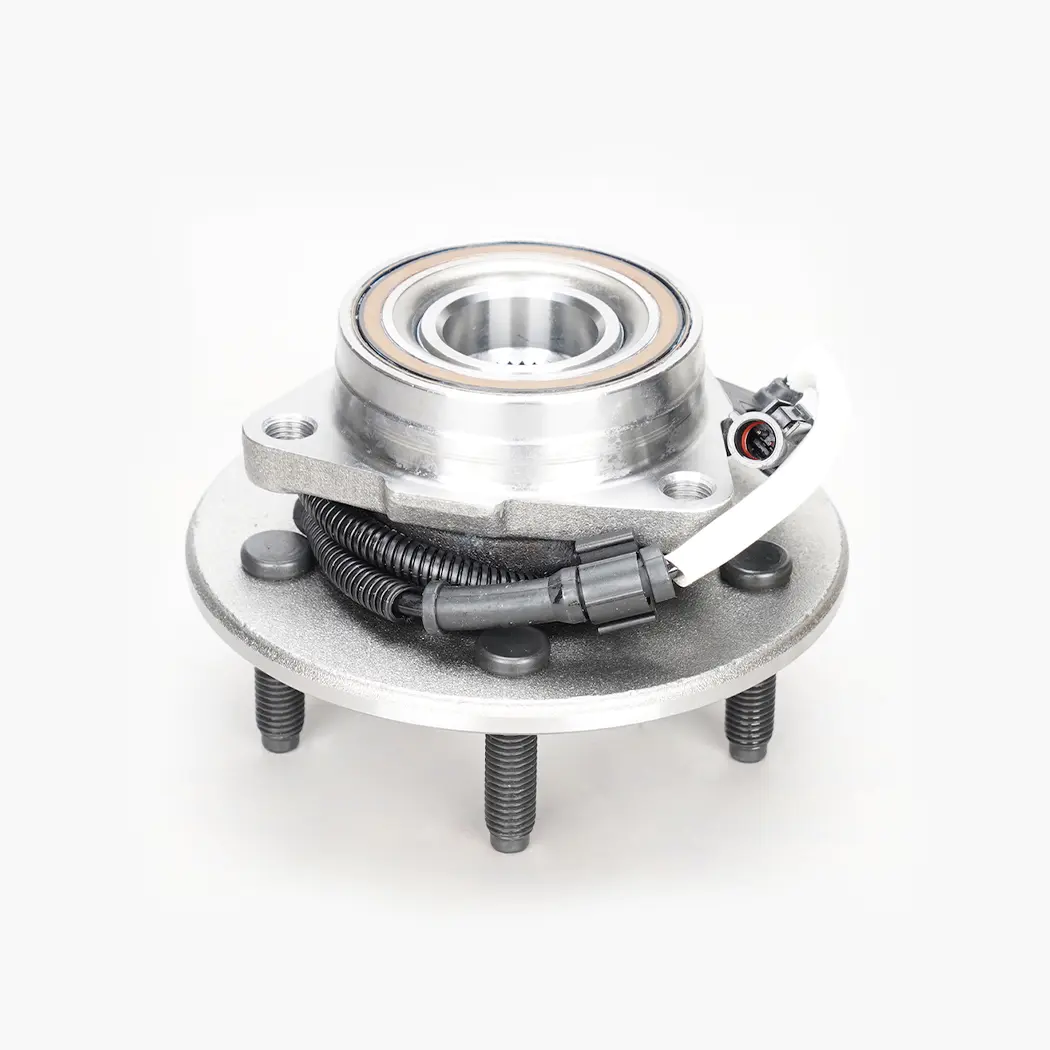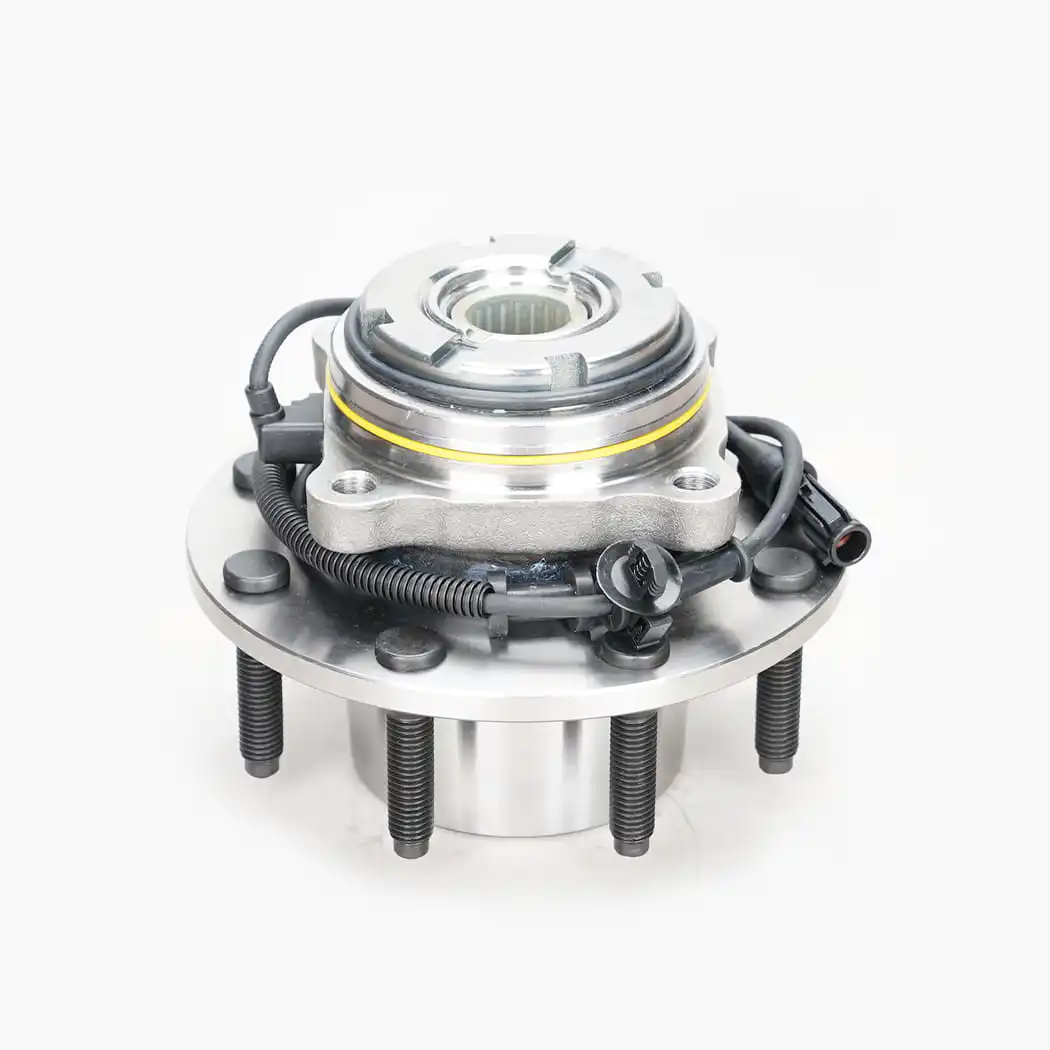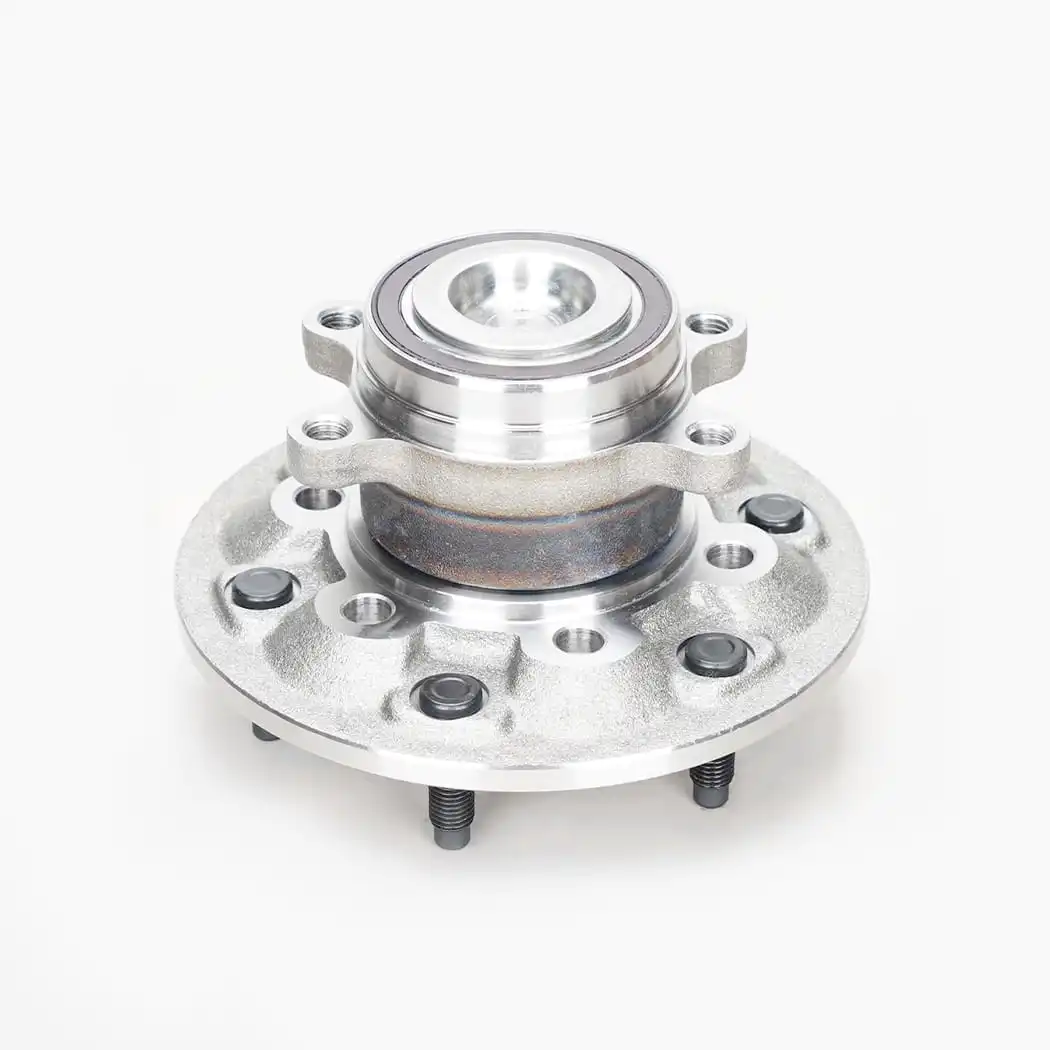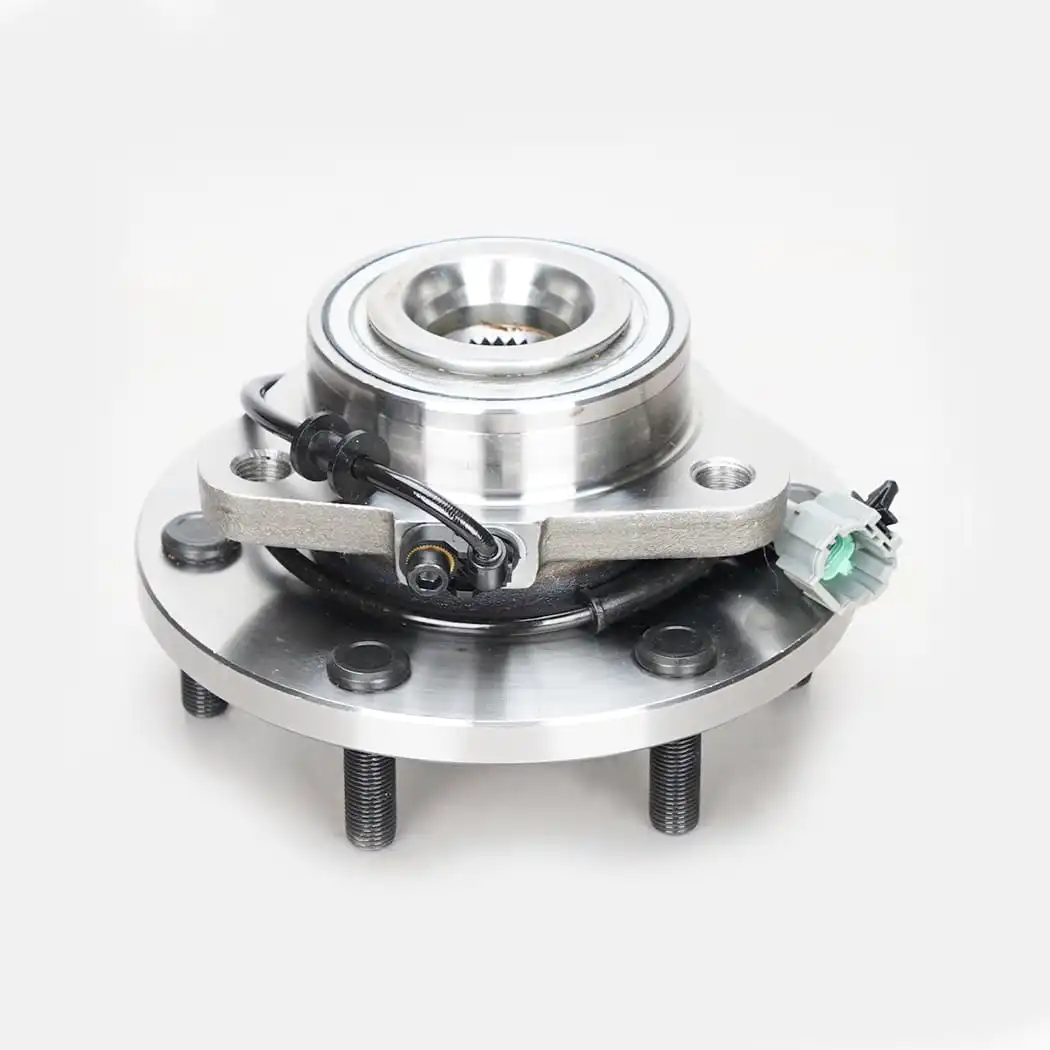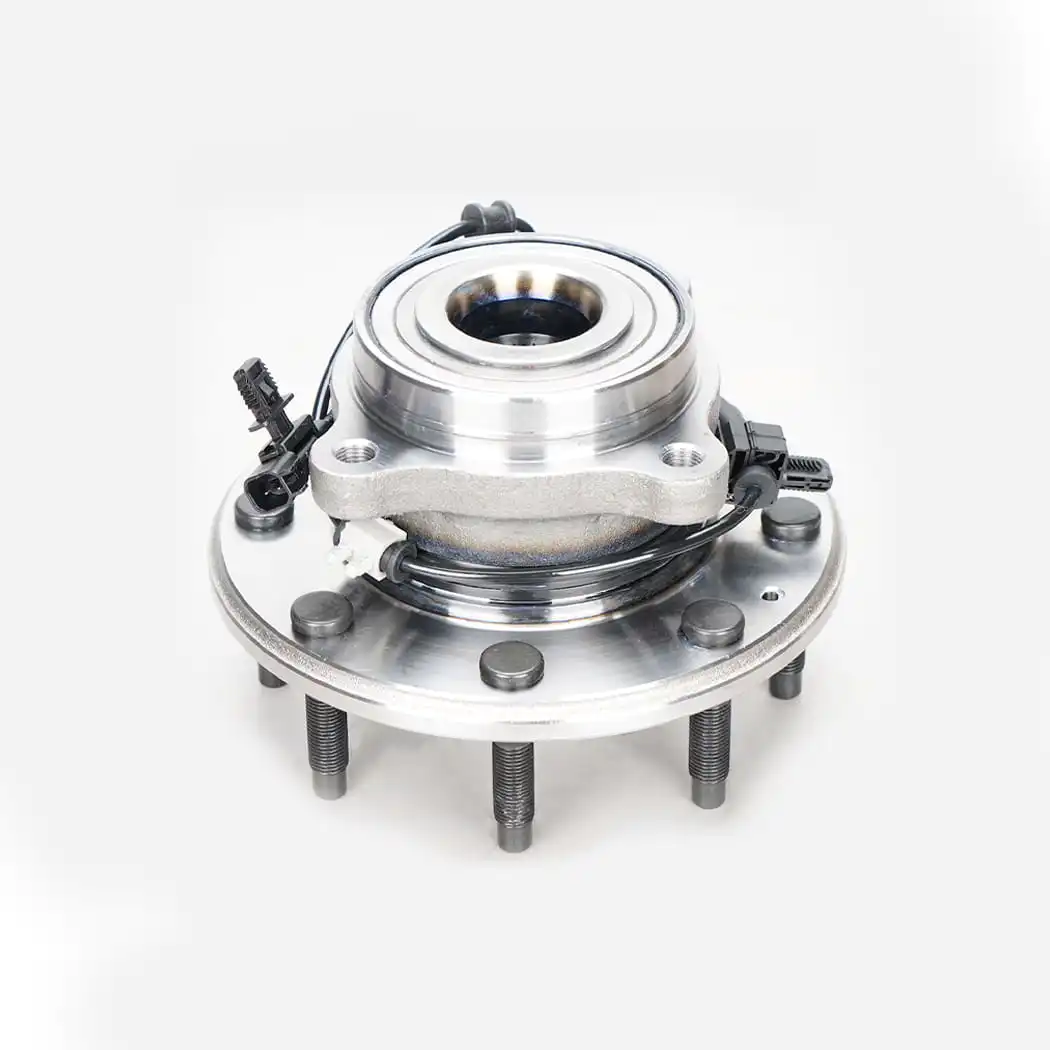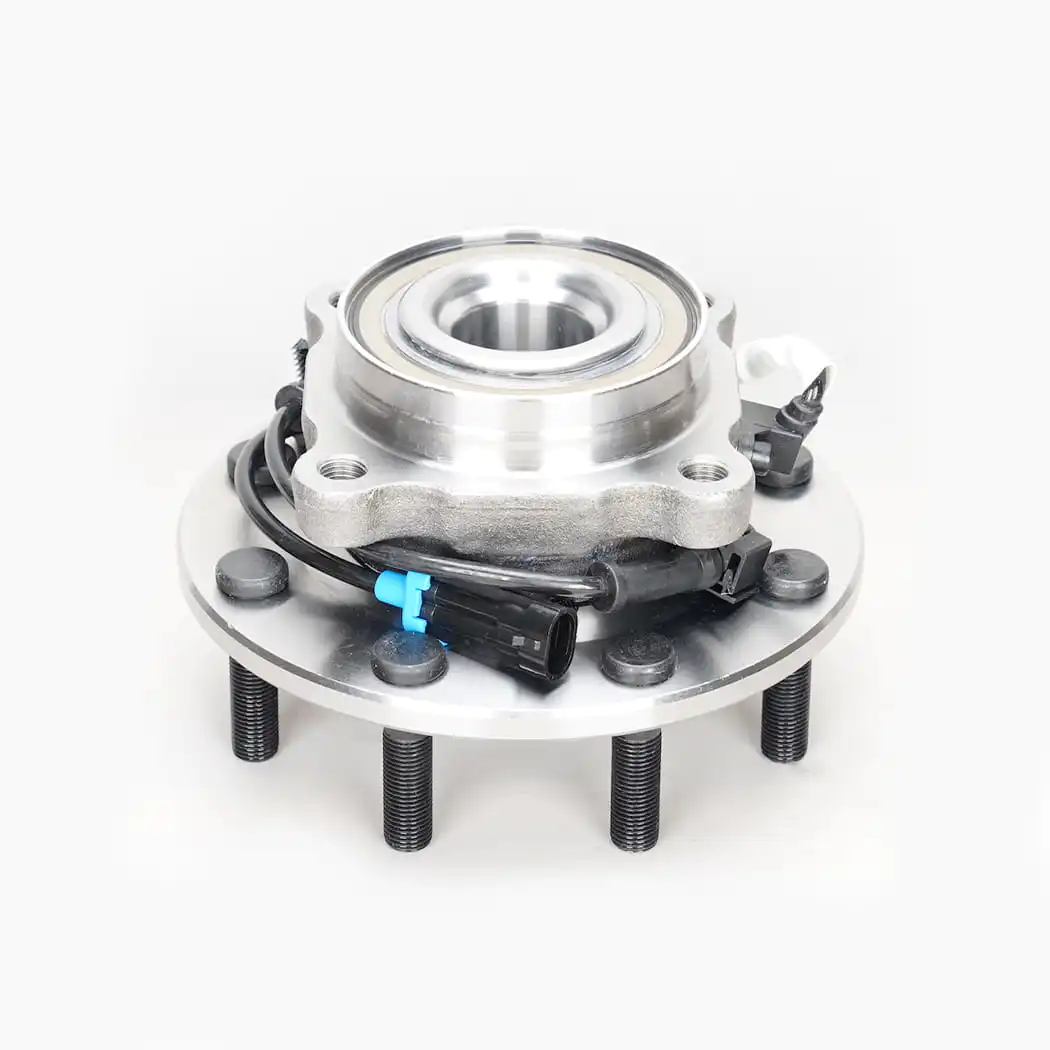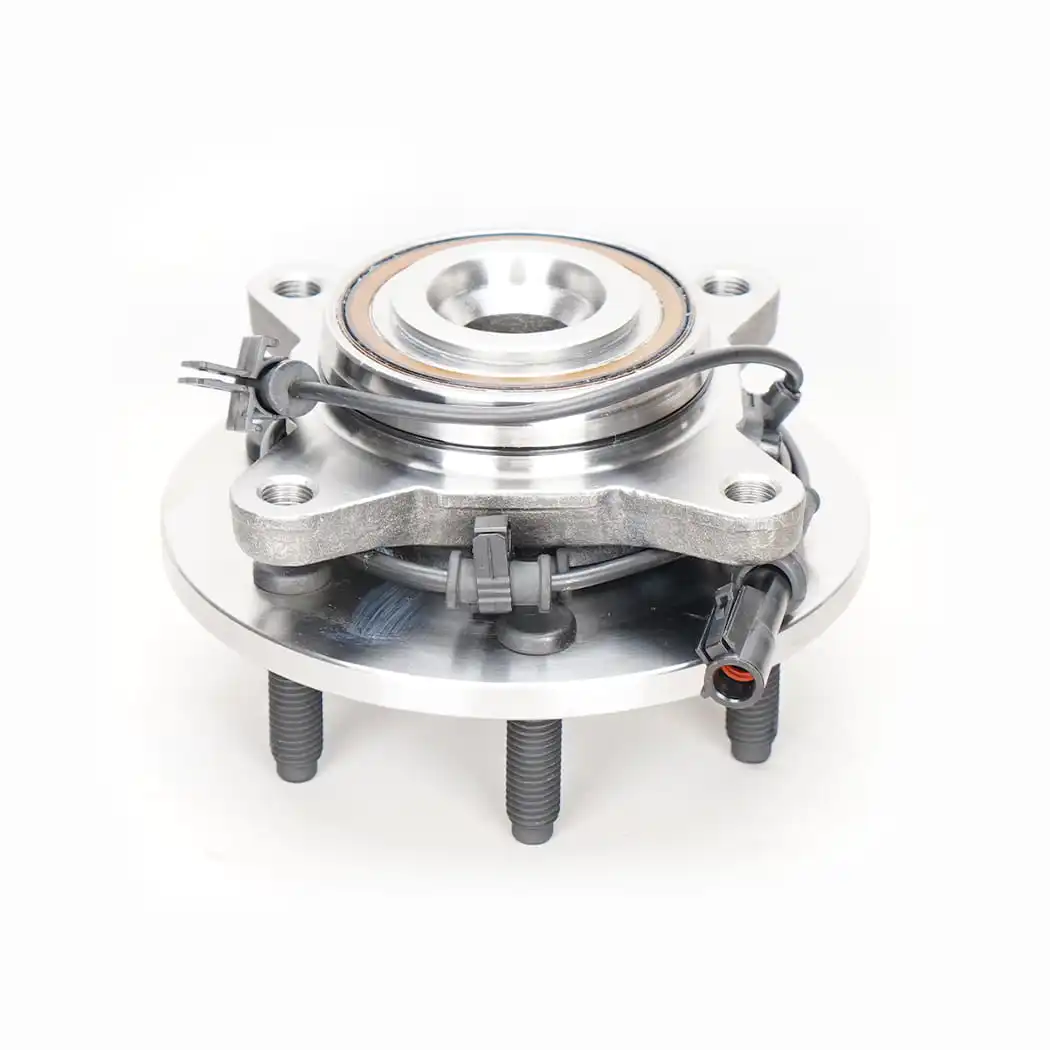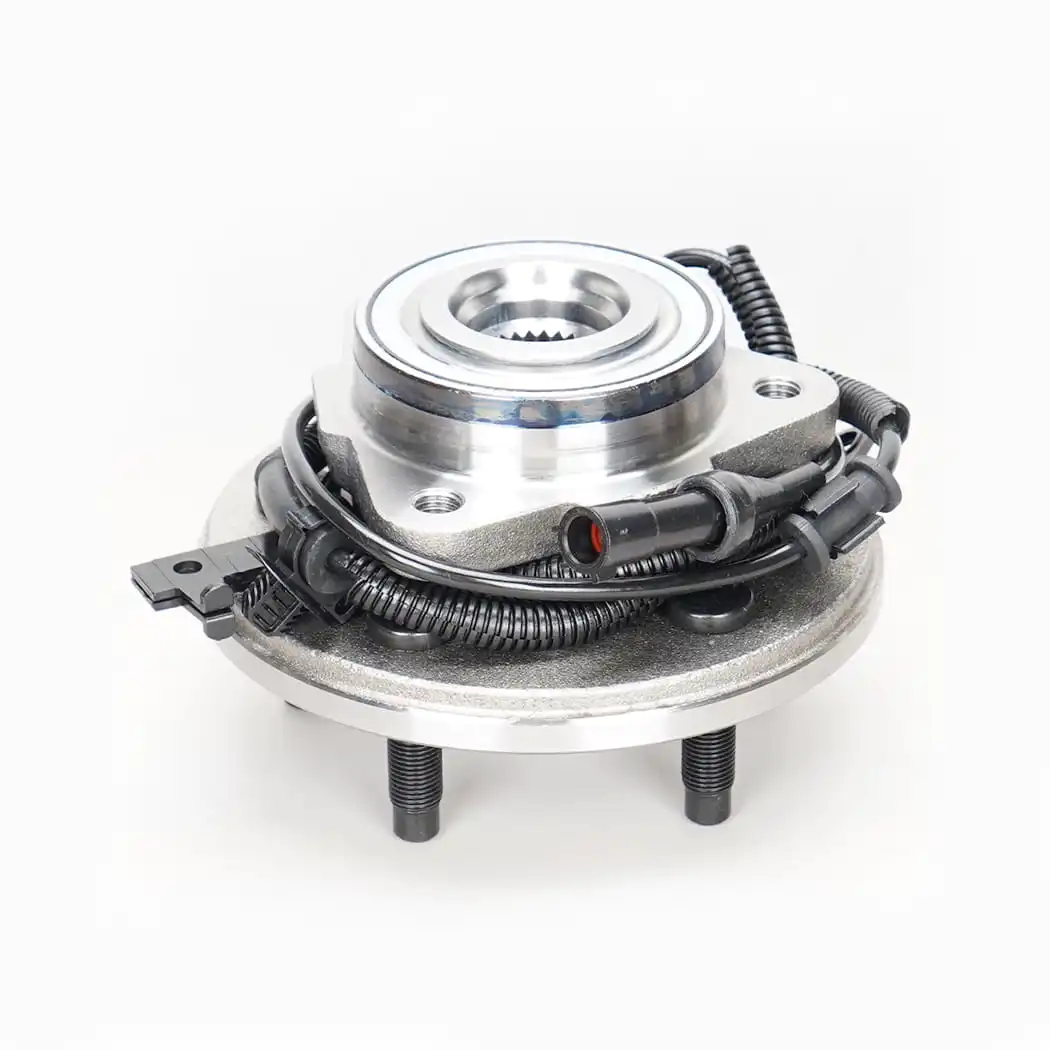
The vehicle wheel hub unit is a small yet essential part that often goes unnoticed. It allows your car’s wheels to rotate freely, supports weight, and ensures safe handling on the road. Understanding how it works can help you maintain your vehicle and prevent costly repairs.
Content
A modern wheel hub unit is a complete assembly that simplifies the wheel system. Key components include:
Replacing a worn wheel hub unit can improve vehicle safety and performance. Here are the key benefits:
Wheel hub units can fail due to wear and tear, road conditions, or poor-quality parts. Some common problems include:
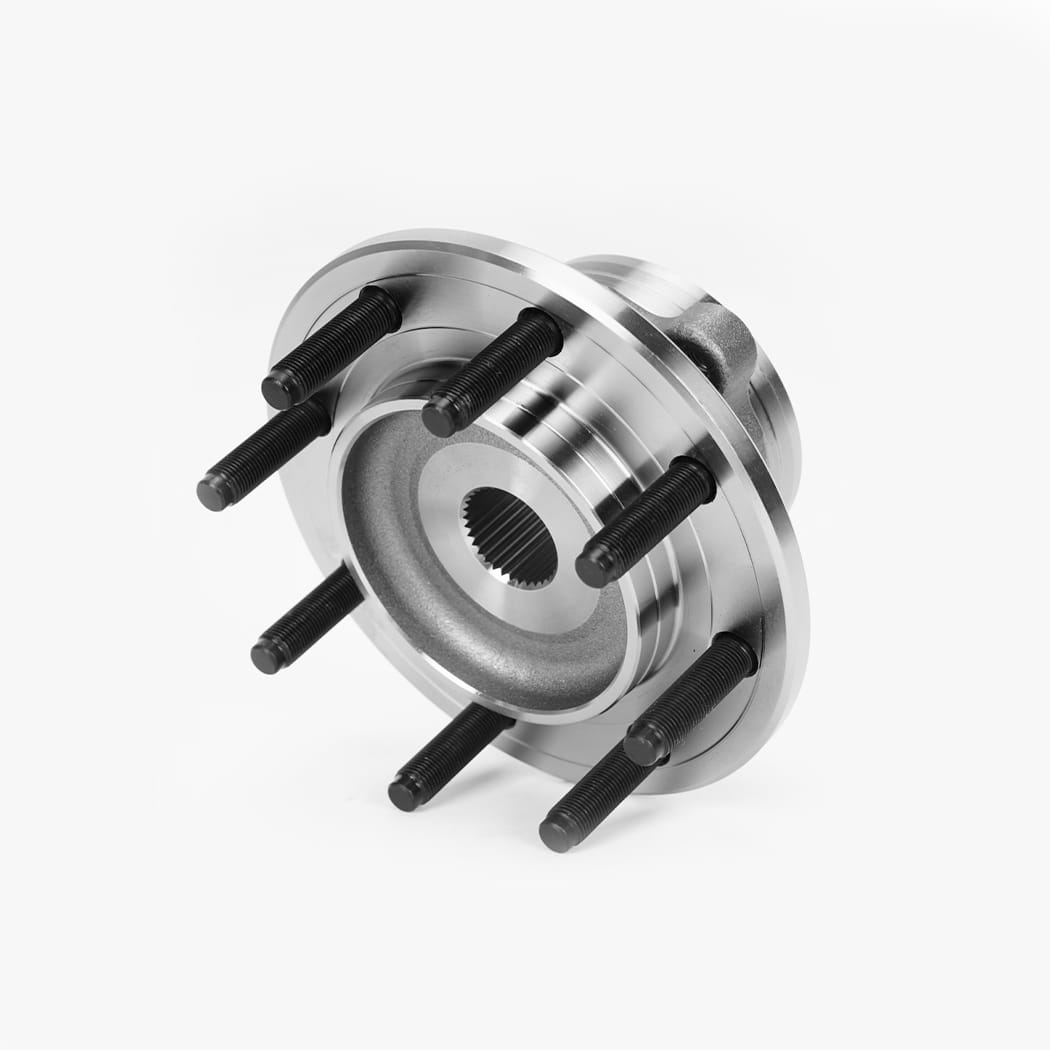
To ensure reliability, select a hub unit based on the following criteria:
| Feature | Consideration |
| Compatibility | Match your car’s make, model, and year |
| Bearing Material | High-quality steel or ceramic bearings |
| ABS Sensor | Ensure sensor integration if your vehicle uses ABS |
| Durability | Corrosion-resistant coating for long-lasting performance |
Regular maintenance helps prevent unexpected failures and ensures a safe drive:
• ADD: 42705 Grand River Avenue, Suite 201, Novi. Michigan 48375, USA.
© Copyright 2017 HANGZHOU HANJI AUTO PARTS.CO.,LTD. All Rights Reserved. Wheel Hub Unit Manufacturer