Content
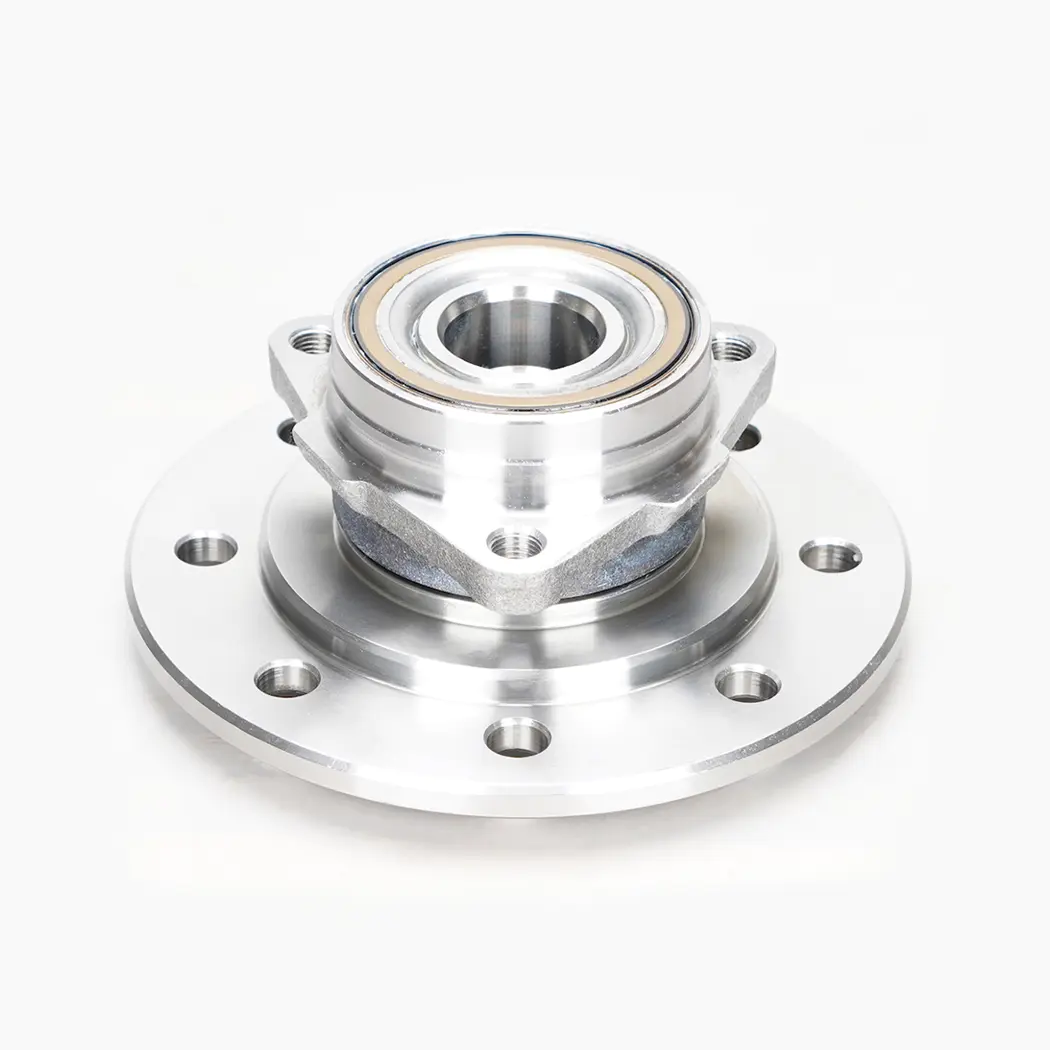
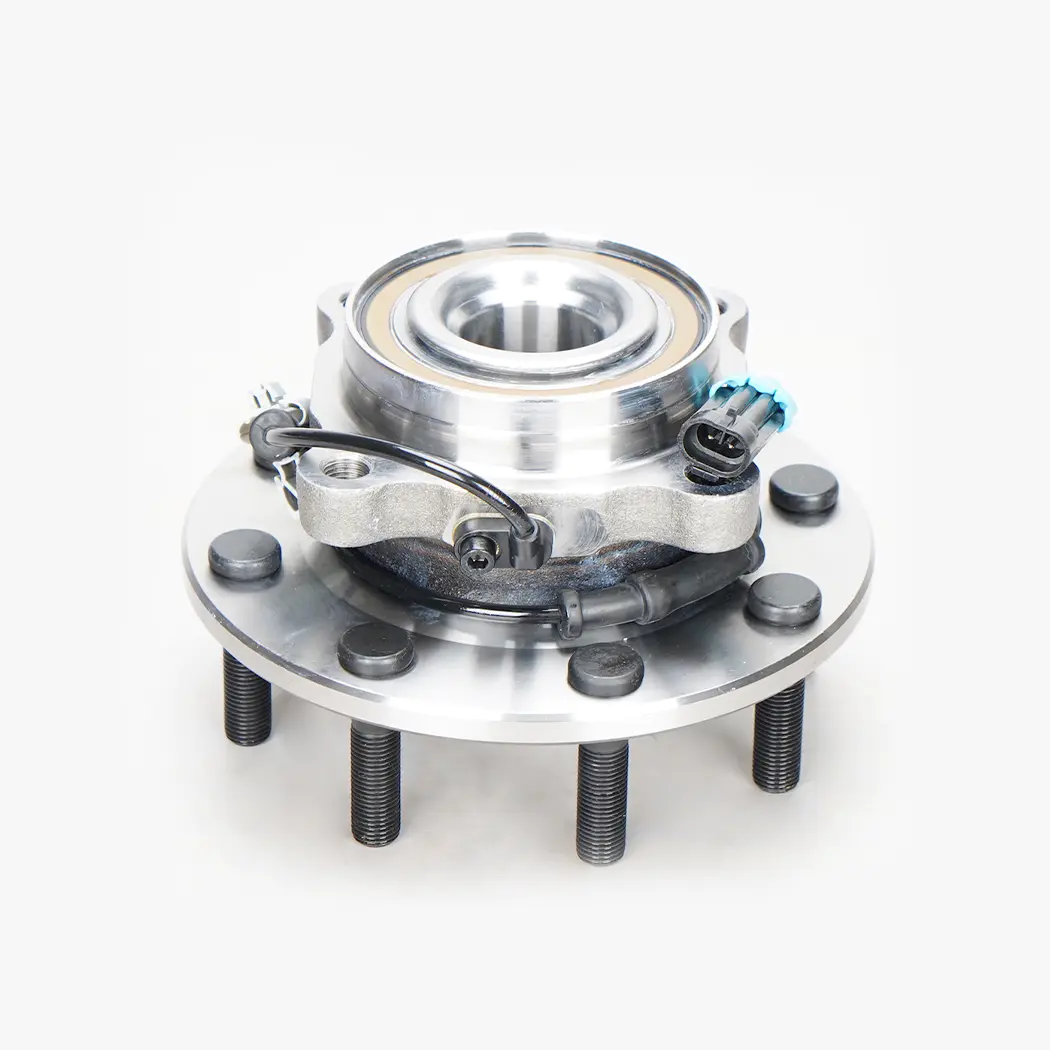
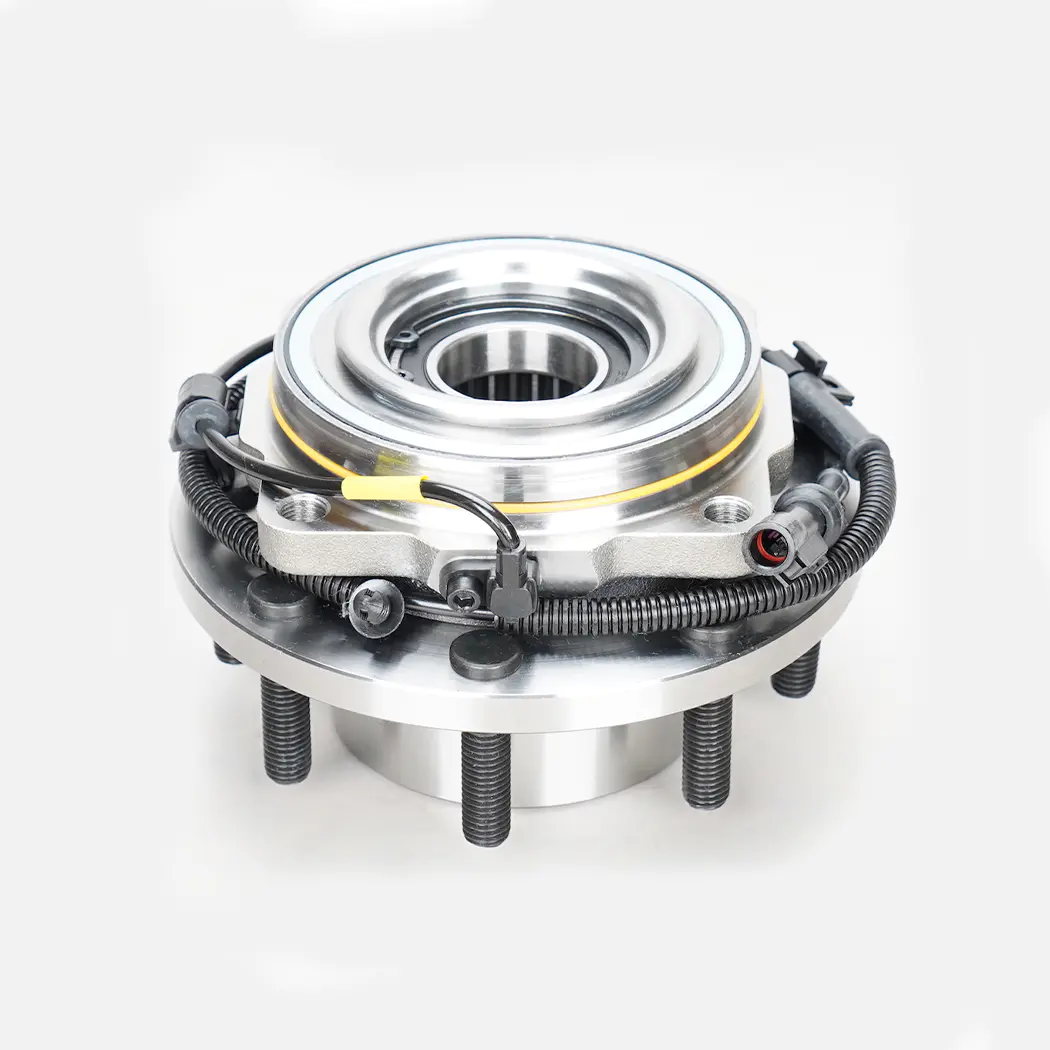
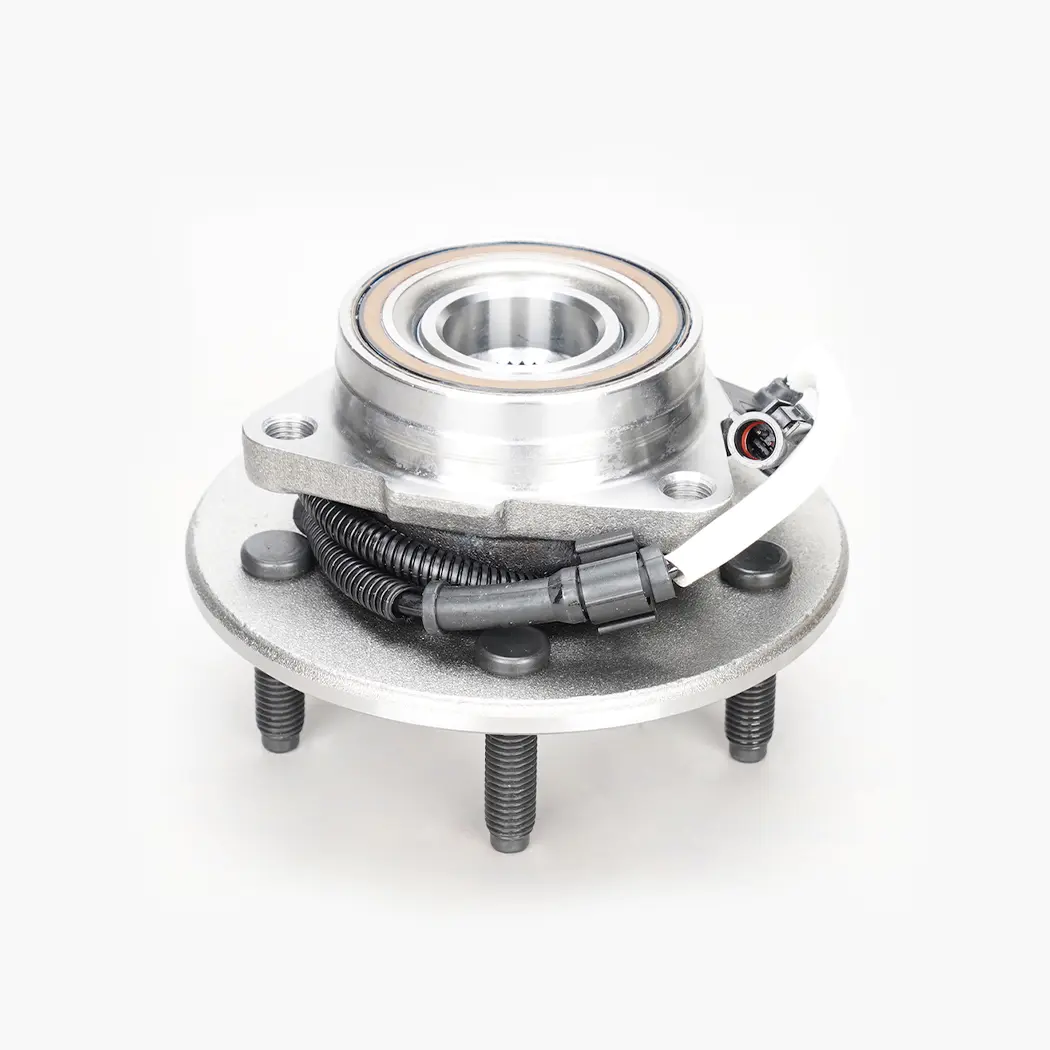
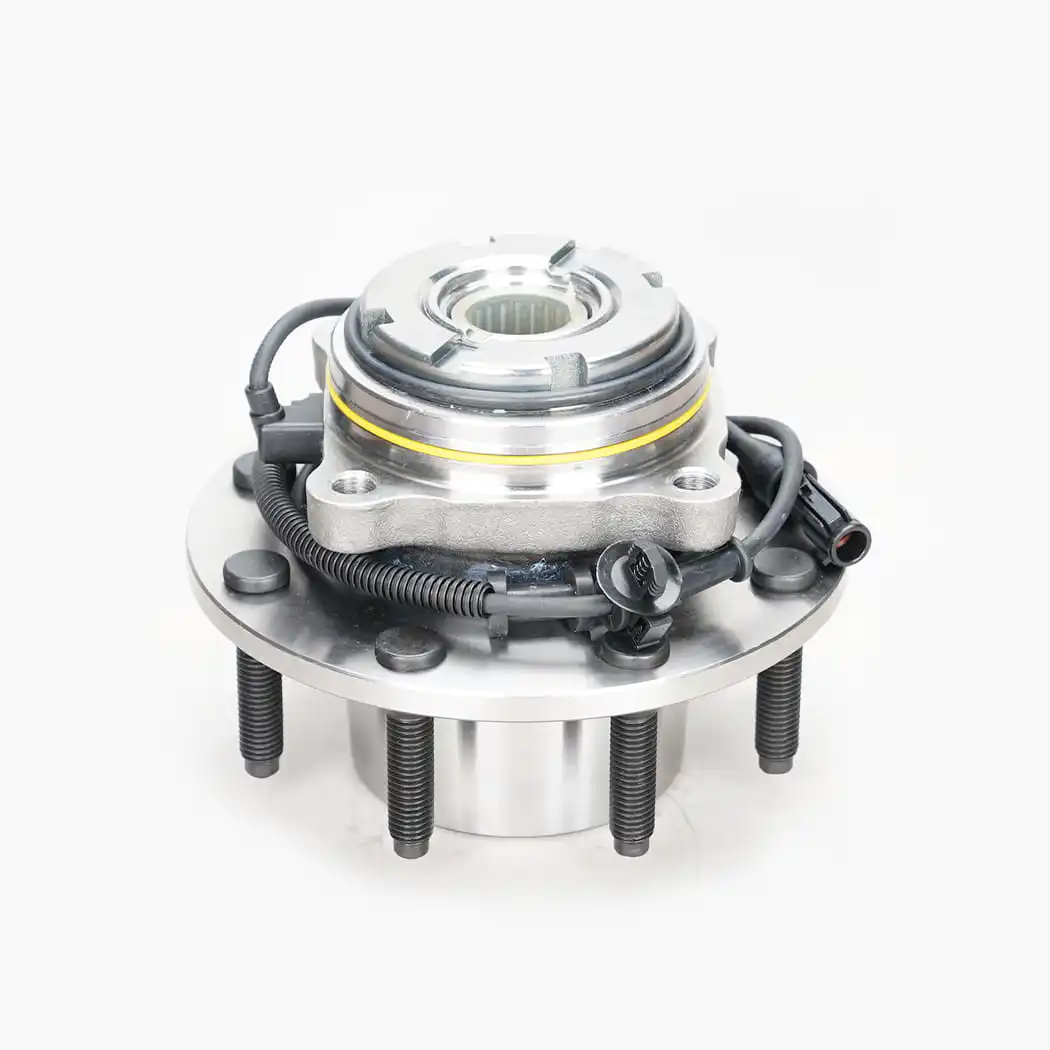
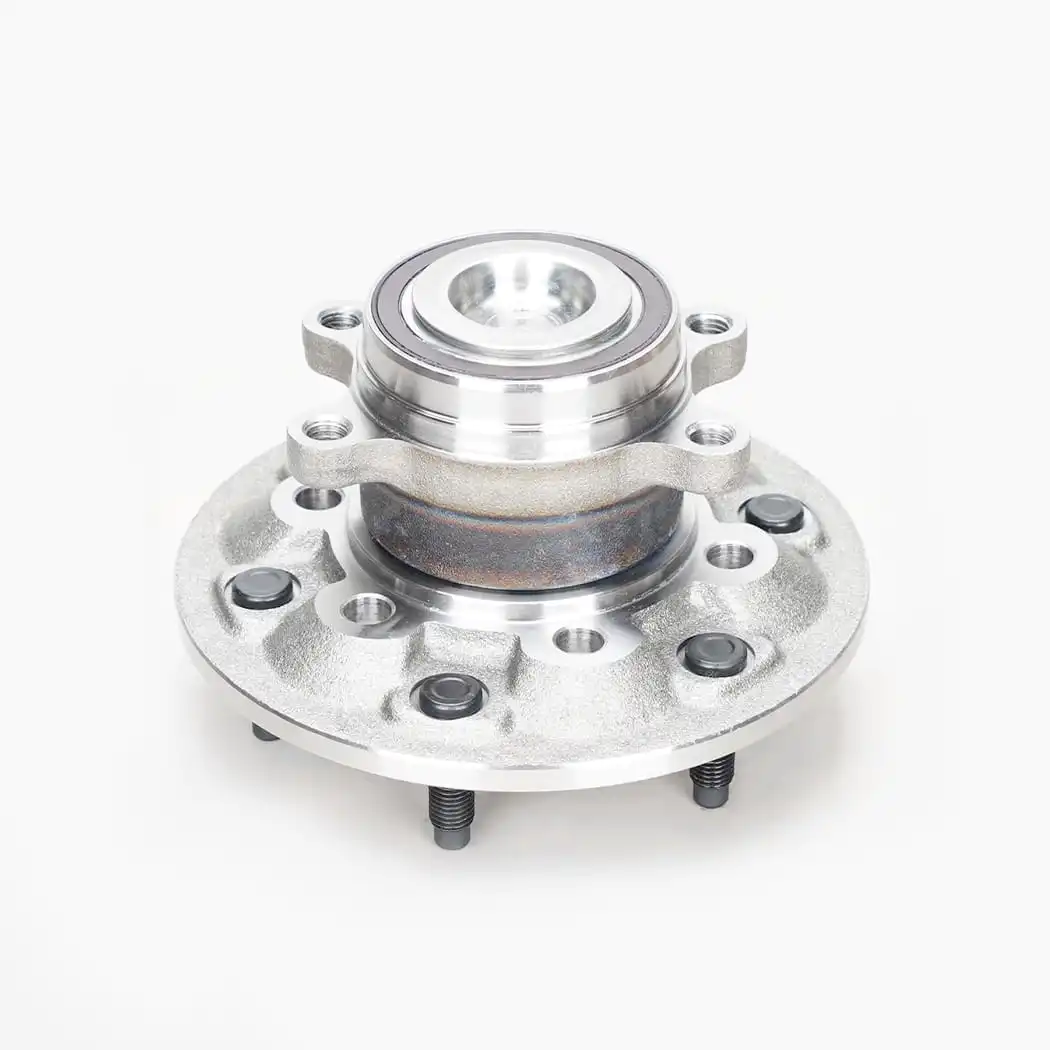
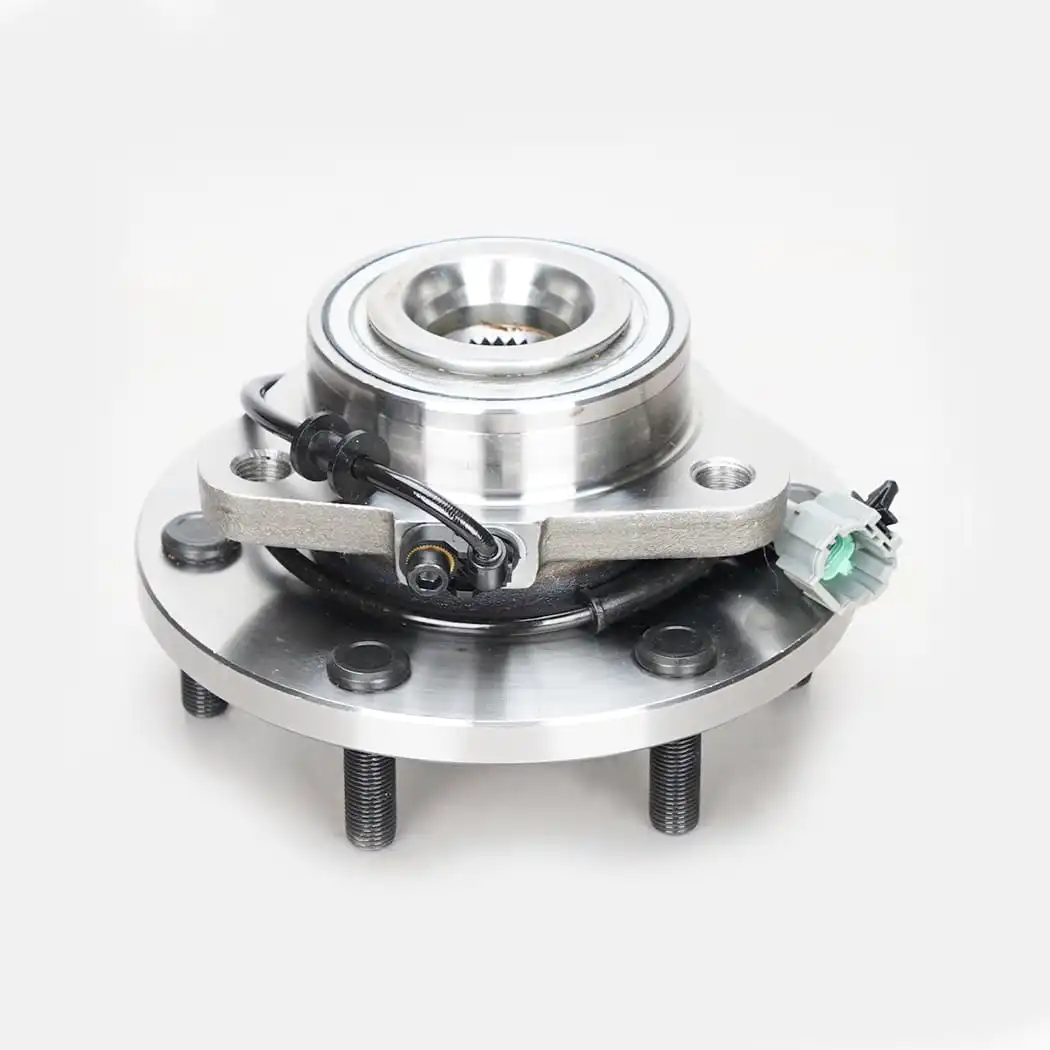
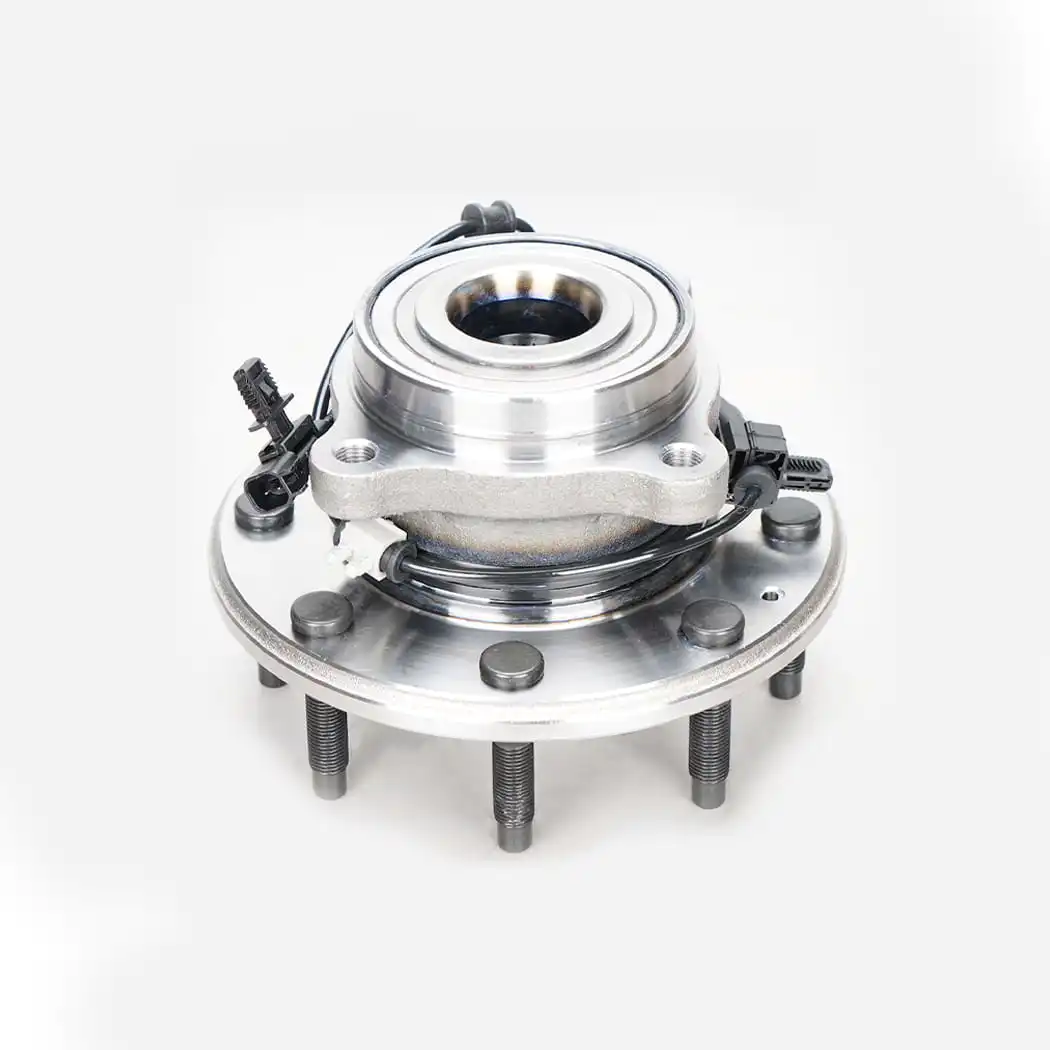
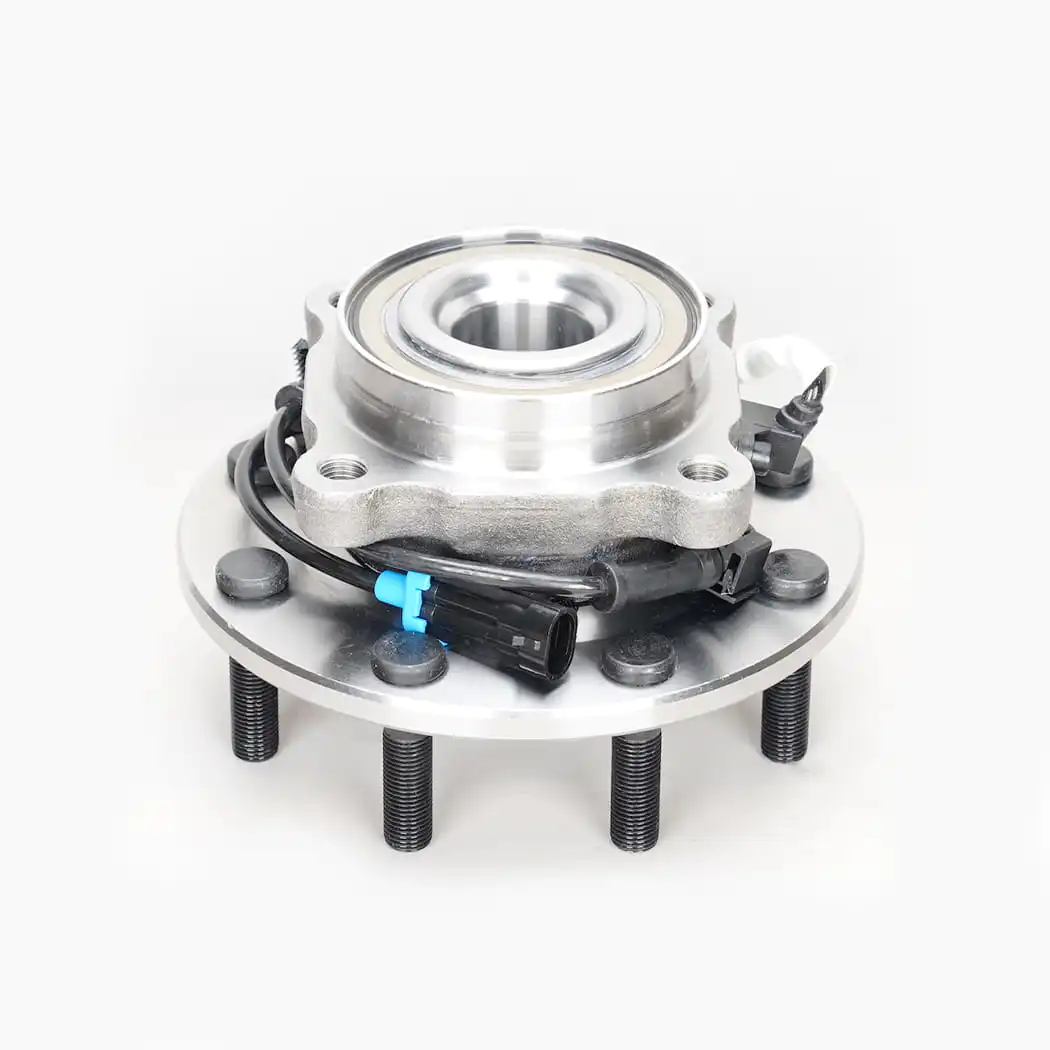
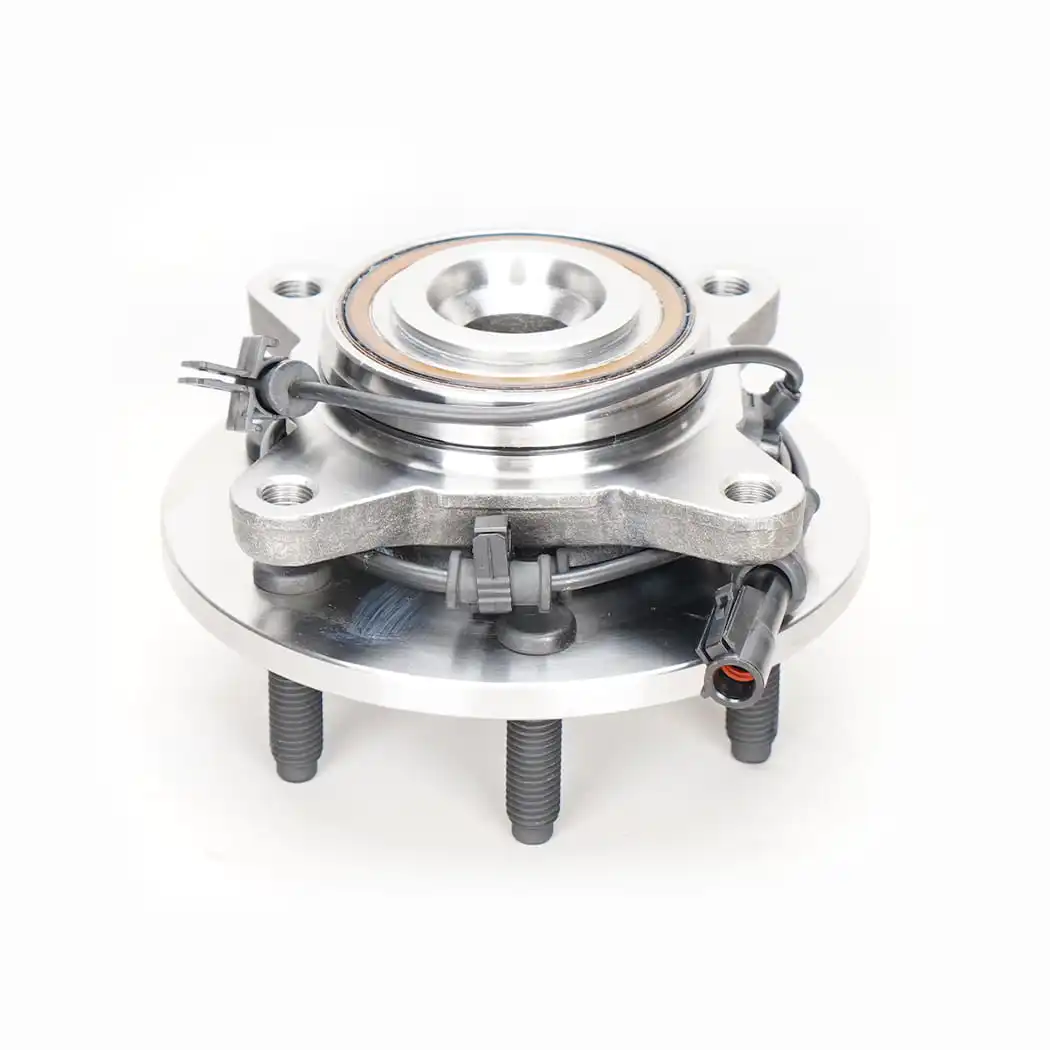
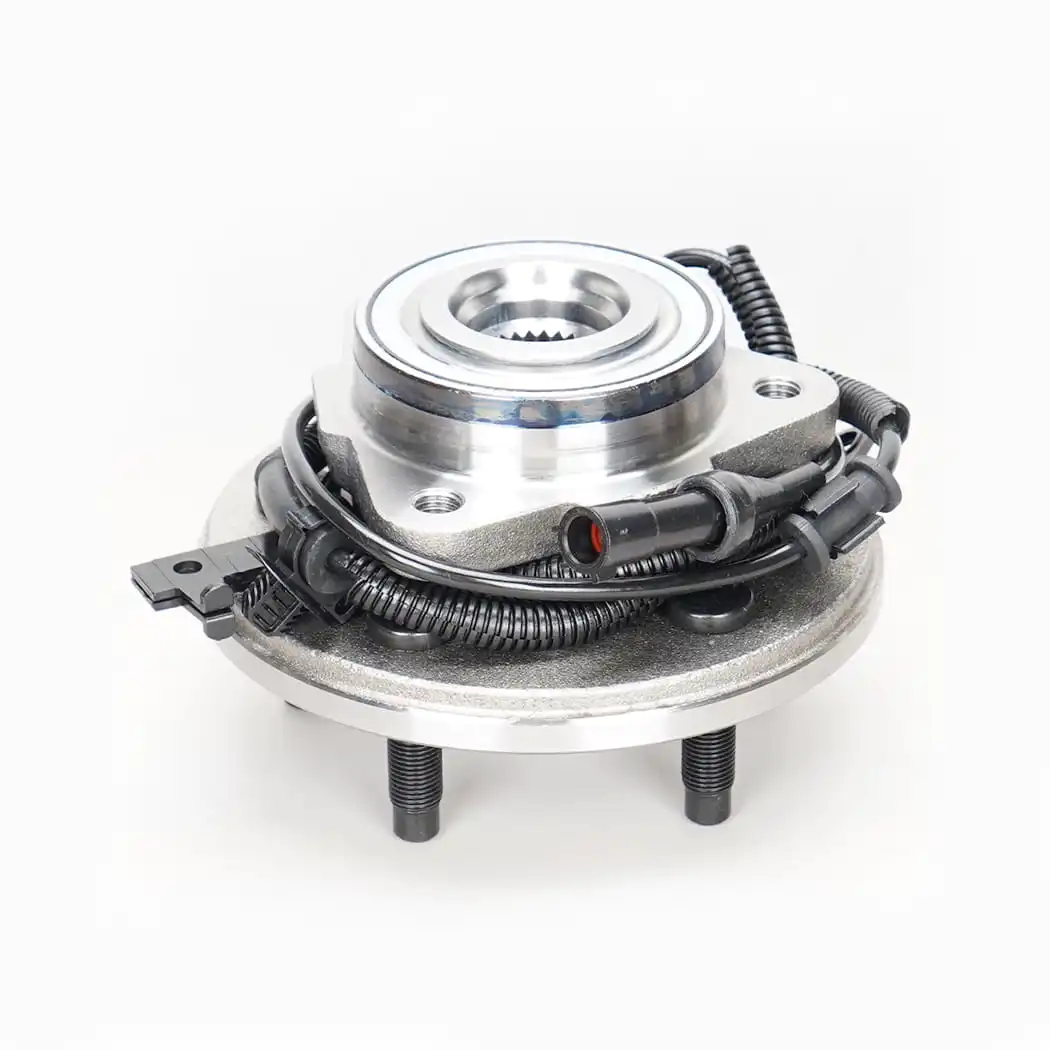
The rear hub assembly is a critical mechanical component that serves as the primary connection point between your vehicle's suspension and its rear wheels. It houses the wheel bearings that allow the wheels to rotate with minimal friction and provides the mounting surface for the brake rotors or drums. In modern vehicles, this unit is often a pre-sealed, non-serviceable component, meaning the bearings, hub, and often the ABS sensor are integrated into a single hub unit. Its structural integrity is paramount, as it must support the weight of the vehicle while enduring the lateral forces generated during cornering and the vertical impacts from uneven road surfaces.
Beyond just mechanical rotation, the rear wheel hub unit plays a significant role in your car's safety systems. Many assemblies feature an integrated tone ring or electronic sensor that monitors wheel speed. This data is transmitted directly to the vehicle's Engine Control Unit (ECU) to manage the Anti-lock Braking System (ABS) and Traction Control System (TCS). A failure in the hub's internal sensor can immediately trigger dashboard warning lights and disable these essential safety features, making it much more than just a "spinning part."
Identifying a deteriorating rear hub assembly early can prevent costly secondary damage to your tires and axles. The most common red flag is a persistent "humming," "growling," or "chirping" noise that increases in pitch as the vehicle accelerates. Unlike engine noise, this sound usually changes when you shift the vehicle's weight during a turn. If the noise gets louder when you turn left, it typically indicates that the right-side hub is under load and failing. Additionally, if you feel a vibration through the seat or floorboard, it may suggest that the internal bearings have developed excessive play.
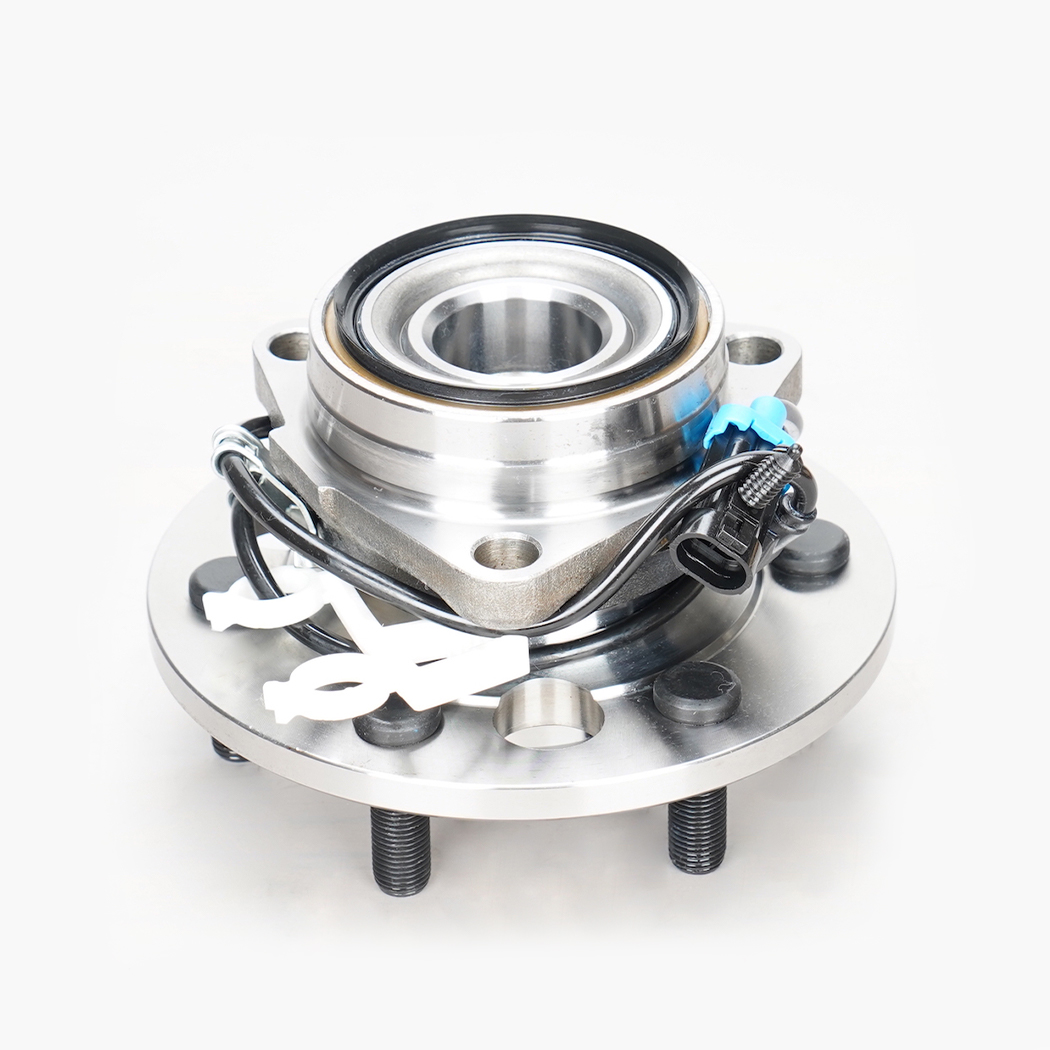
Depending on the age and model of your vehicle, you may encounter either a complete hub assembly or a traditional press-in bearing setup. While older cars allowed mechanics to replace just the internal bearings and "repack" them with grease, the industry has shifted toward the integrated rear hub assembly. This shift was driven by the need for higher precision, easier assembly-line installation, and the integration of electronic sensors. Below is a comparison of how these two systems differ in practical use.
| Feature | Traditional Bearings | Modern Hub Assembly |
| Installation Difficulty | High (Requires a hydraulic press) | Moderate (Bolt-on design) |
| Maintenance | Periodic regreasing needed | Maintenance-free (Sealed) |
| Safety Integration | External ABS rings | Internal electronic sensors |
| Service Life | Varies by maintenance | Consistently long (up to 150k miles) |
Replacing a rear hub assembly is a task that many DIY enthusiasts can handle with the right tools. The process generally involves removing the wheel, the brake caliper, and the rotor to access the mounting bolts. One of the most critical steps in the process is ensuring the mounting surface on the knuckle is perfectly clean. Any rust or debris trapped between the new hub and the knuckle can cause misalignment, leading to premature failure of the new unit. Using a torque wrench is non-negotiable; the hub mounting bolts and the large axle nut must be tightened to specific manufacturer specifications to ensure the bearings are pre-loaded correctly.
To extend the life of your wheel hub bearings, avoid driving through deep water, which can force moisture past the seals. If you frequently tow heavy loads or drive on rough, unpaved roads, inspect the hubs during every tire rotation. While these units are "sealed for life," they are not invincible. Detecting a minor seal leak early or noticing a slight increase in rotational resistance can save you from a complete mechanical failure on the highway.
In summary, the rear hub assembly is a cornerstone of vehicle safety and comfort. It manages the dual responsibility of facilitating smooth wheel rotation while communicating vital data to the vehicle's braking systems. By understanding the symptoms of wear—such as growling noises or dashboard lights—you can take constructive action before a minor bearing issue turns into a major safety hazard. Whether you are performing a DIY wheel hub replacement or choosing the right part for your mechanic to install, prioritizing high-quality, precision-engineered hub units is the best way to ensure your car stays quiet, stable, and safe on the road for miles to come.
• ADD: 42705 Grand River Avenue, Suite 201, Novi. Michigan 48375, USA.
© Copyright 2017 HANGZHOU HANJI AUTO PARTS.CO.,LTD. All Rights Reserved. Wheel Hub Unit Manufacturer