Content
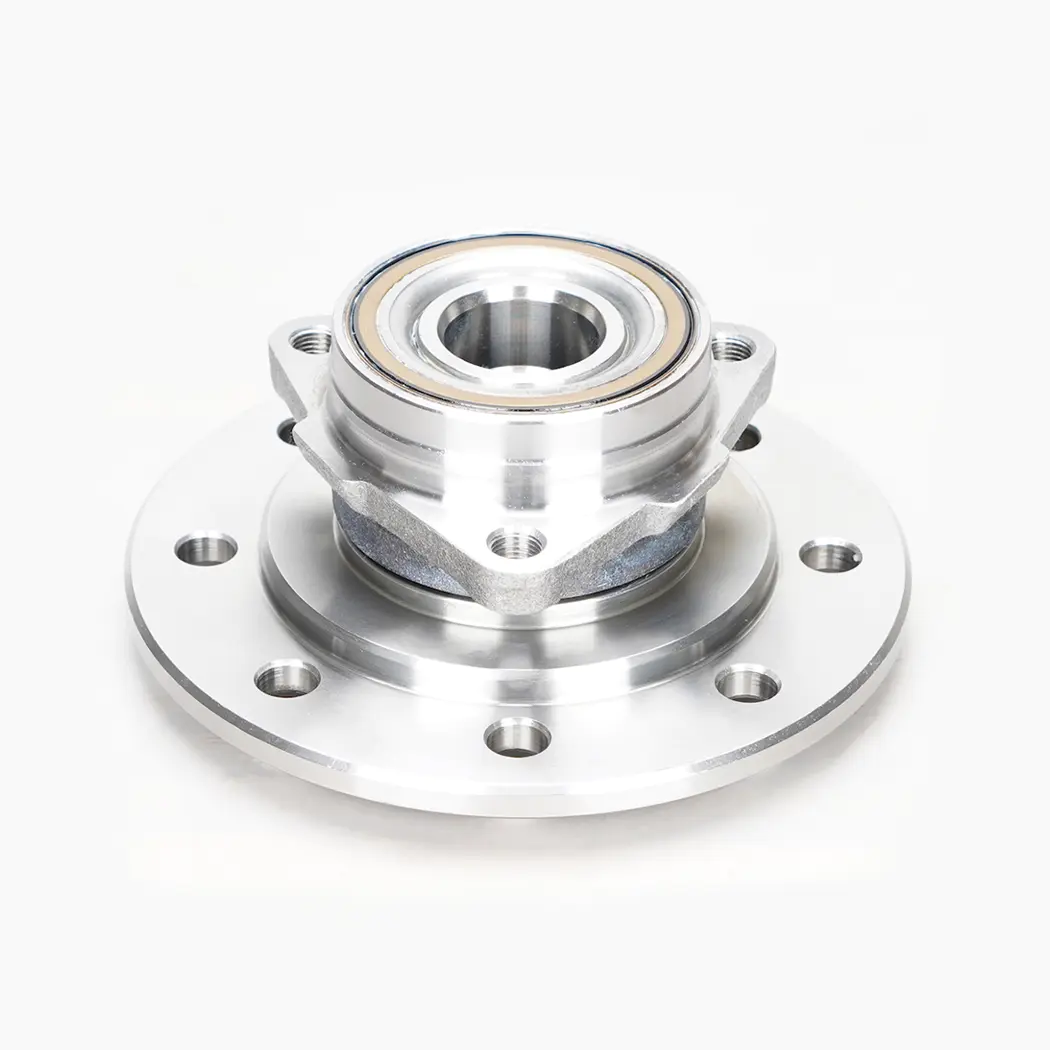
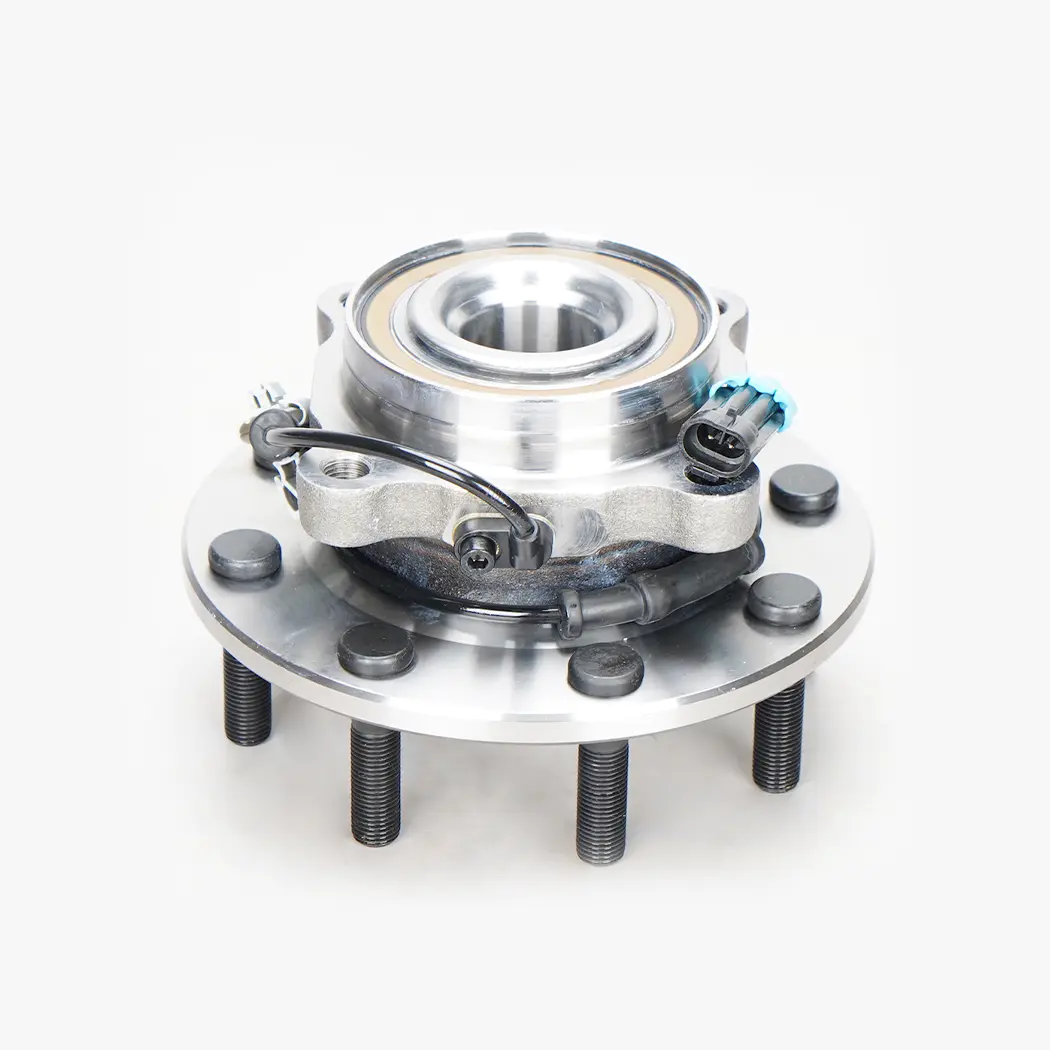
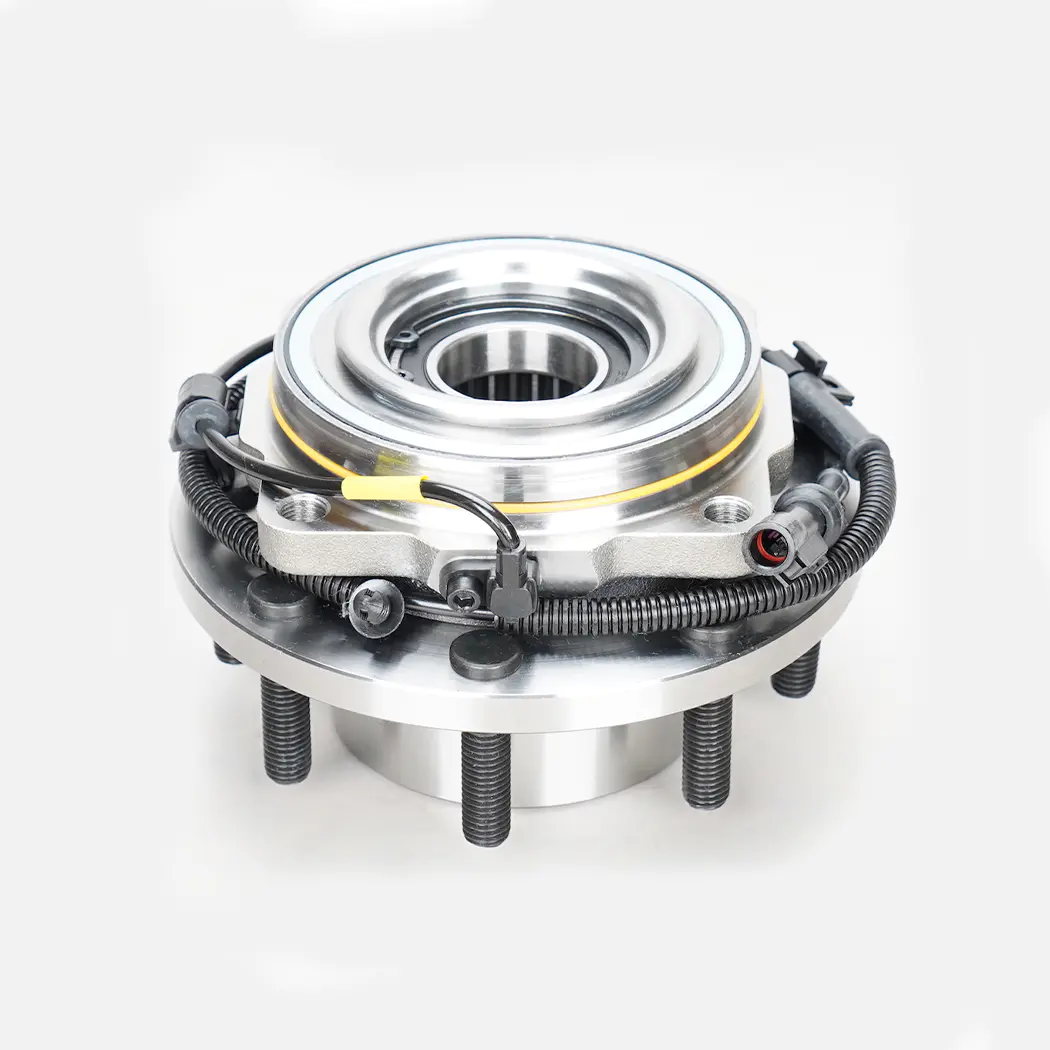
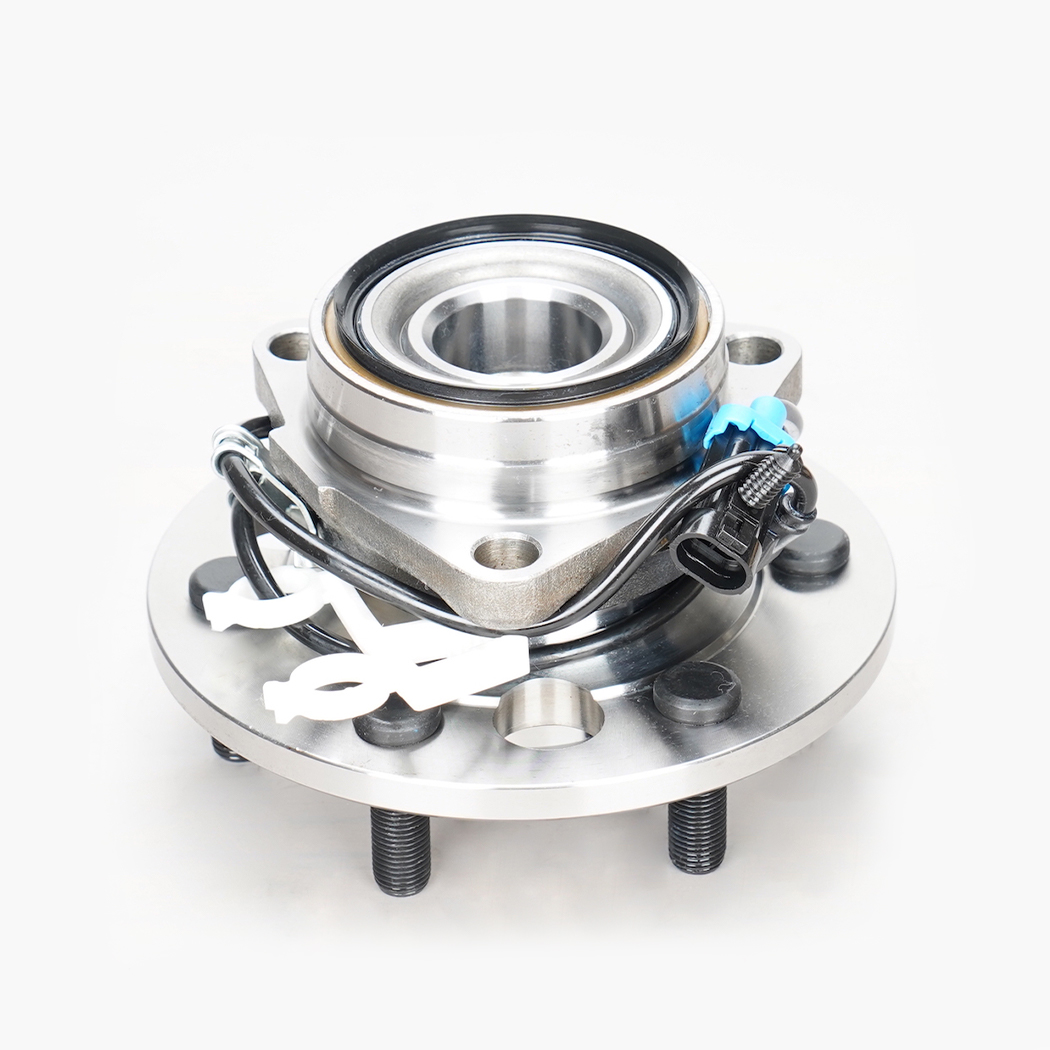
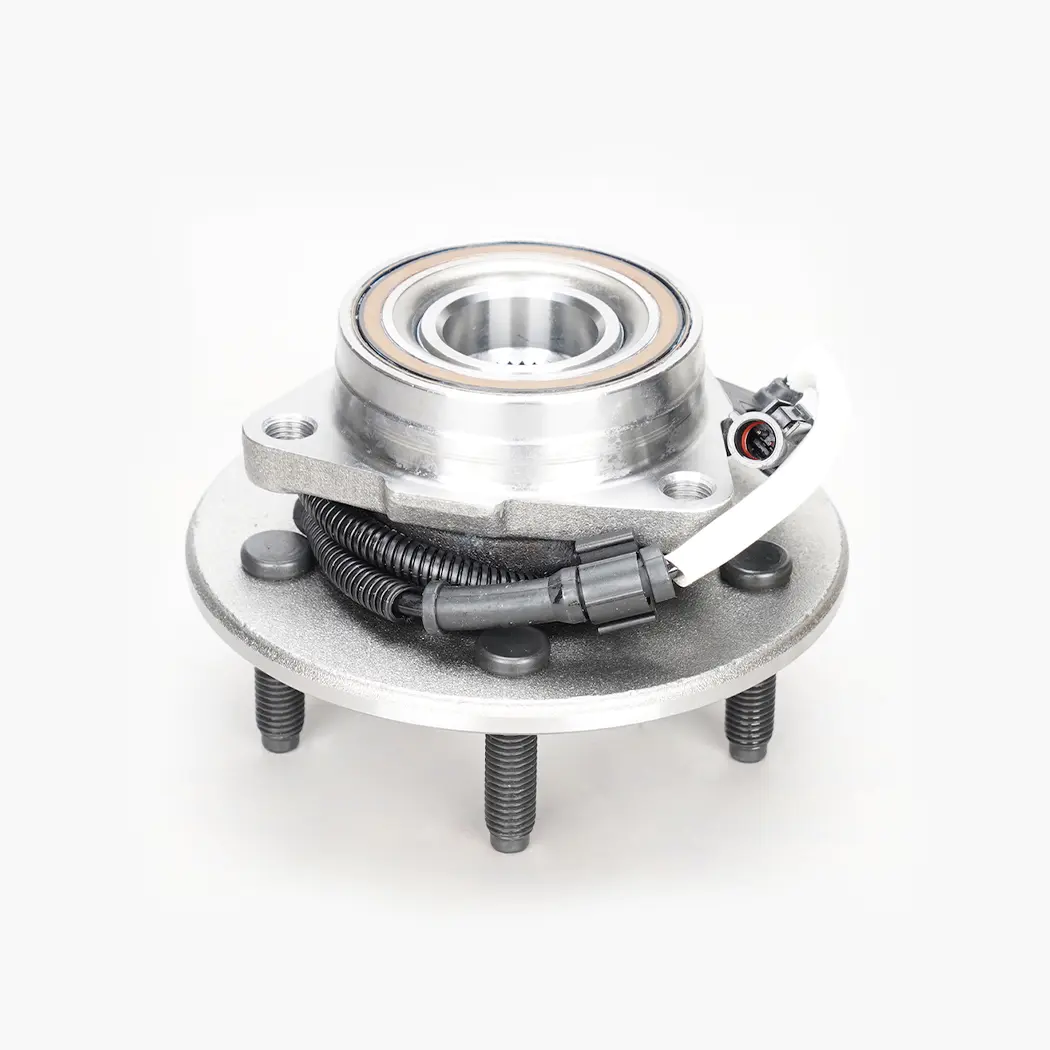
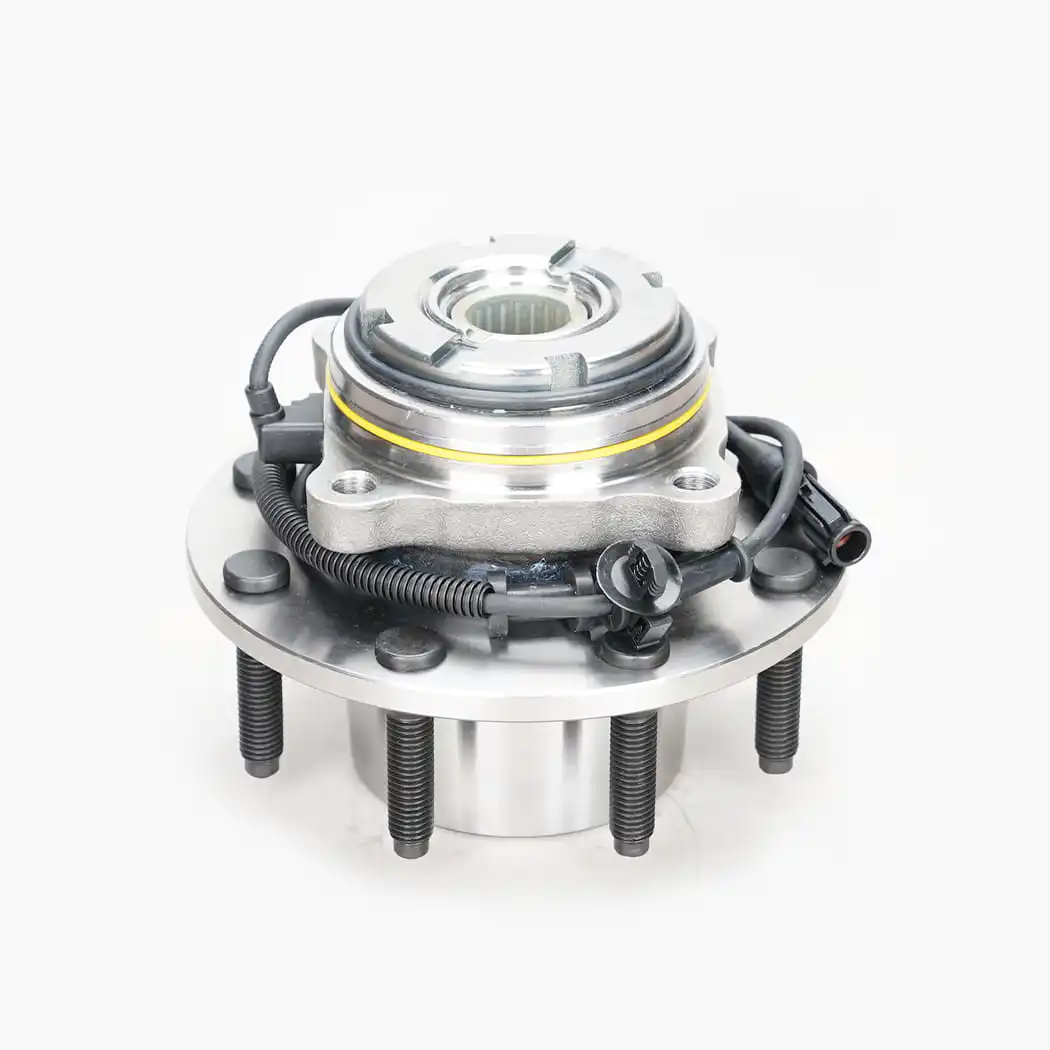
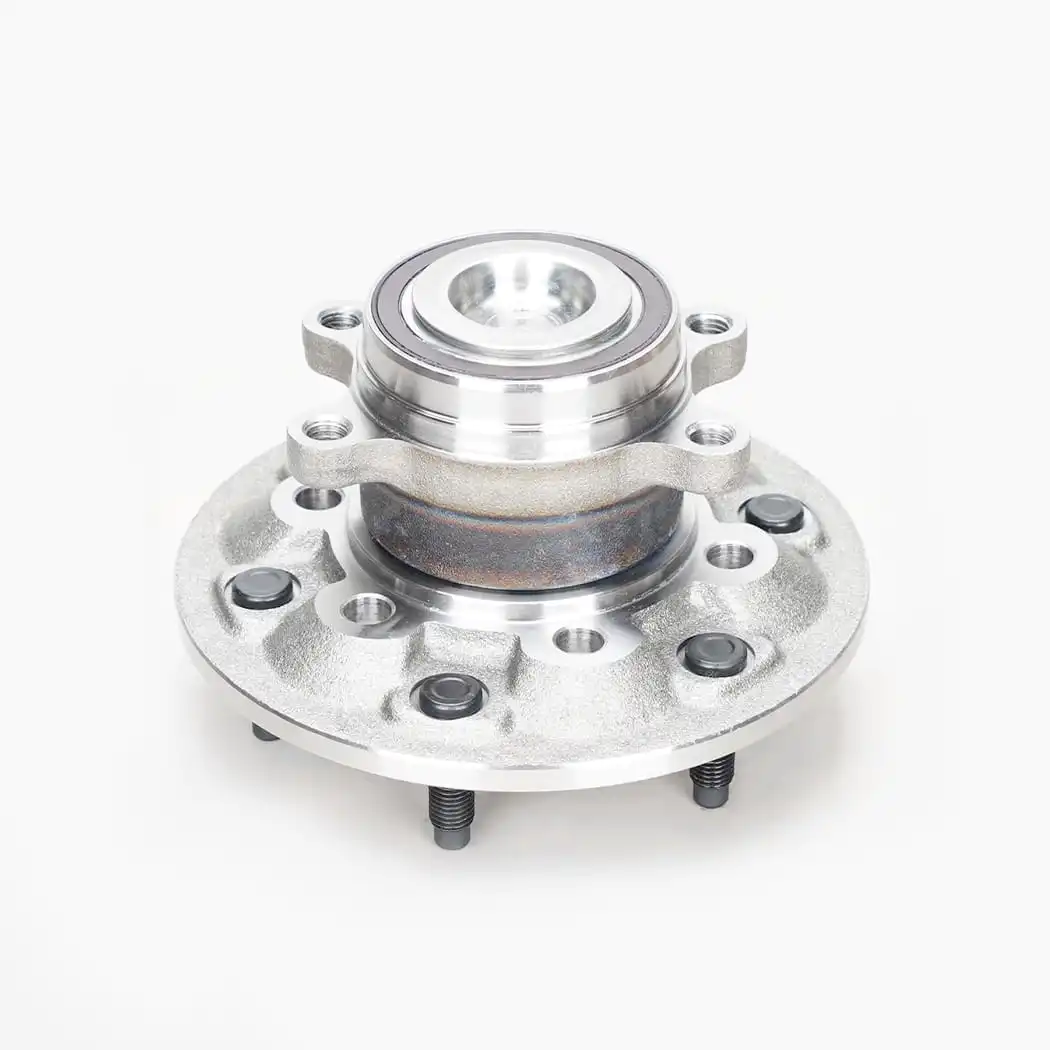
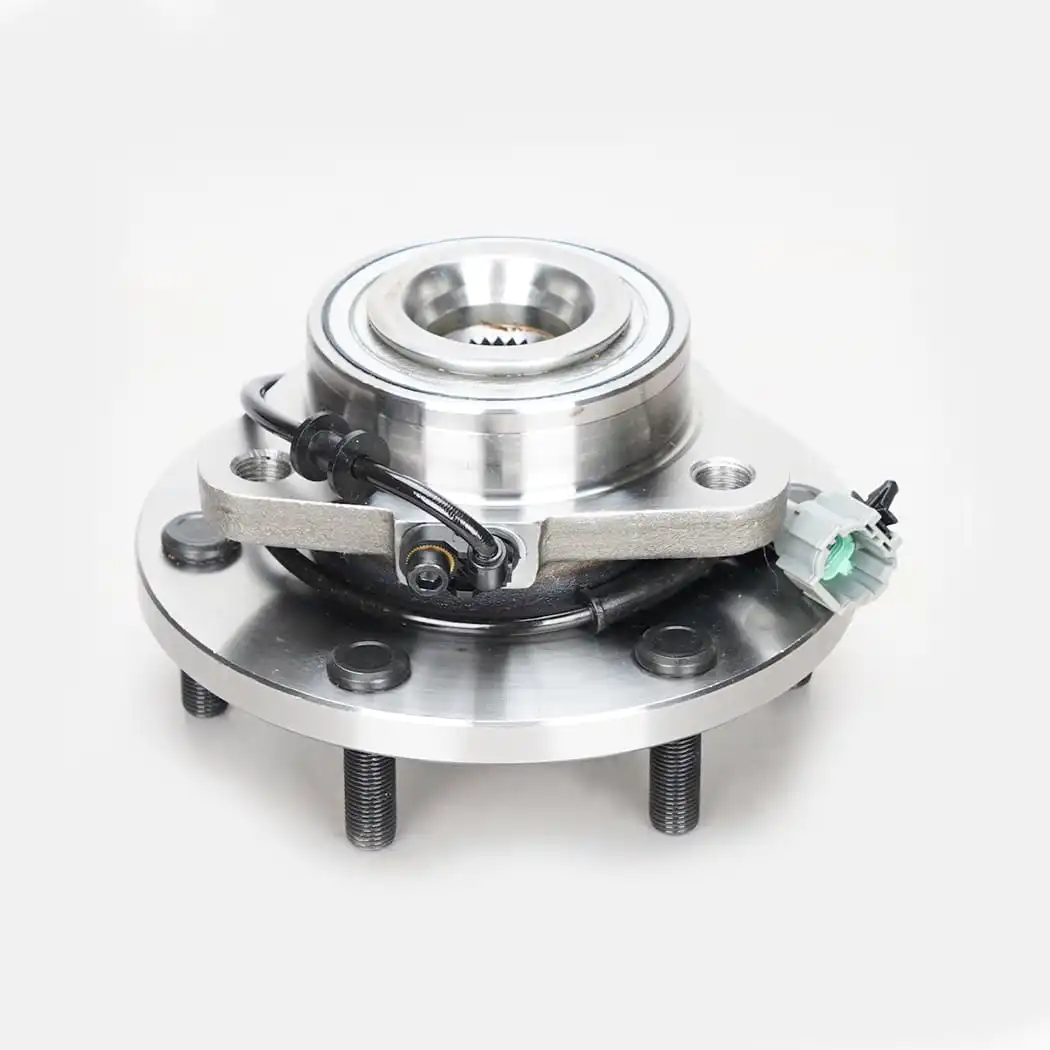
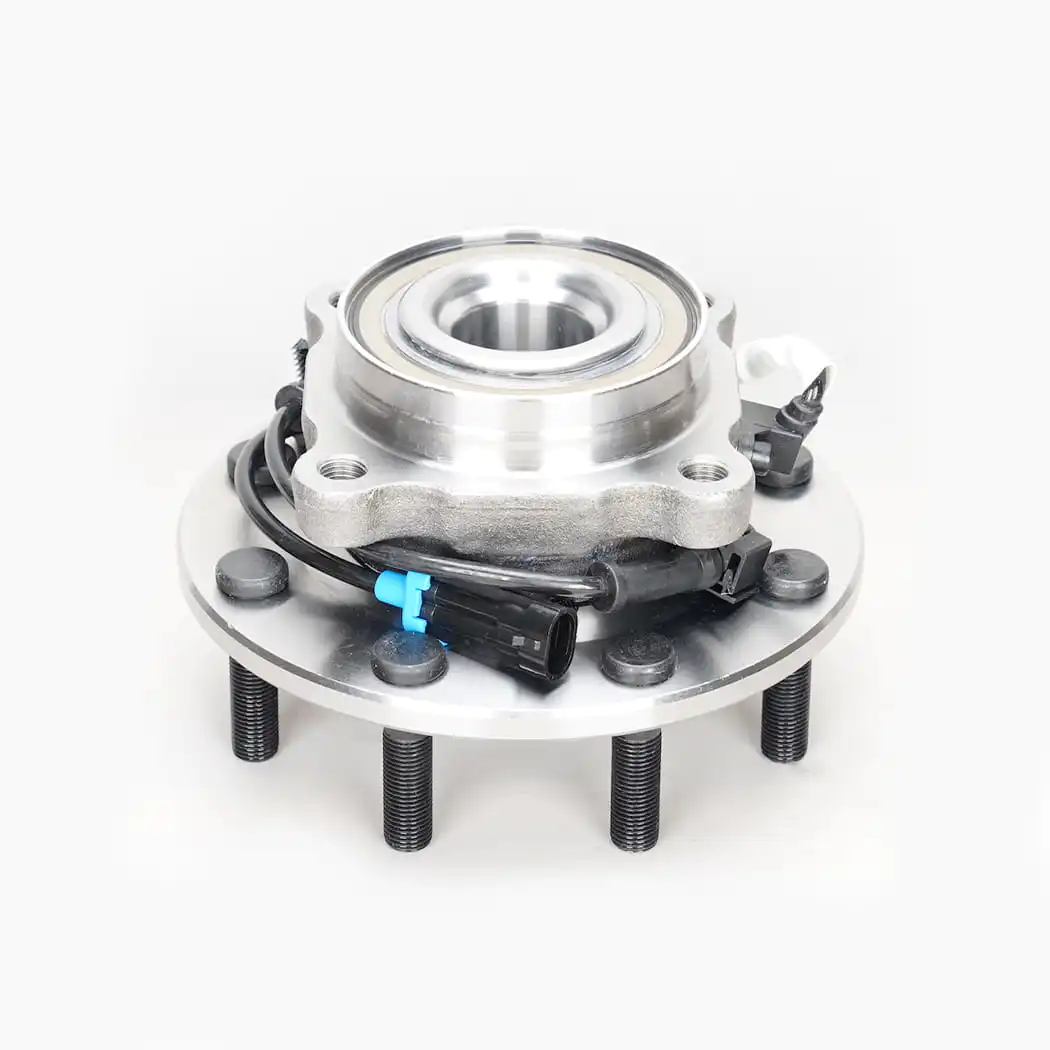
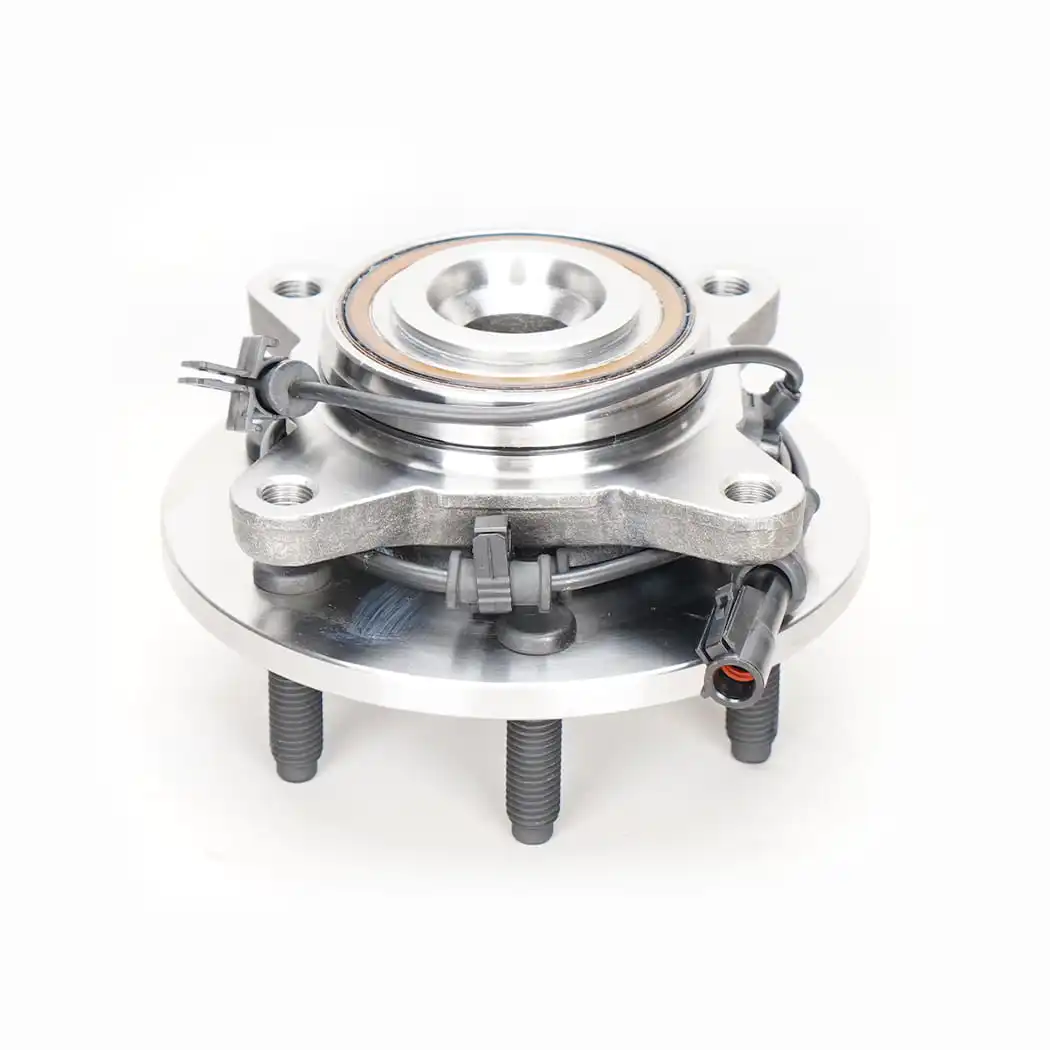
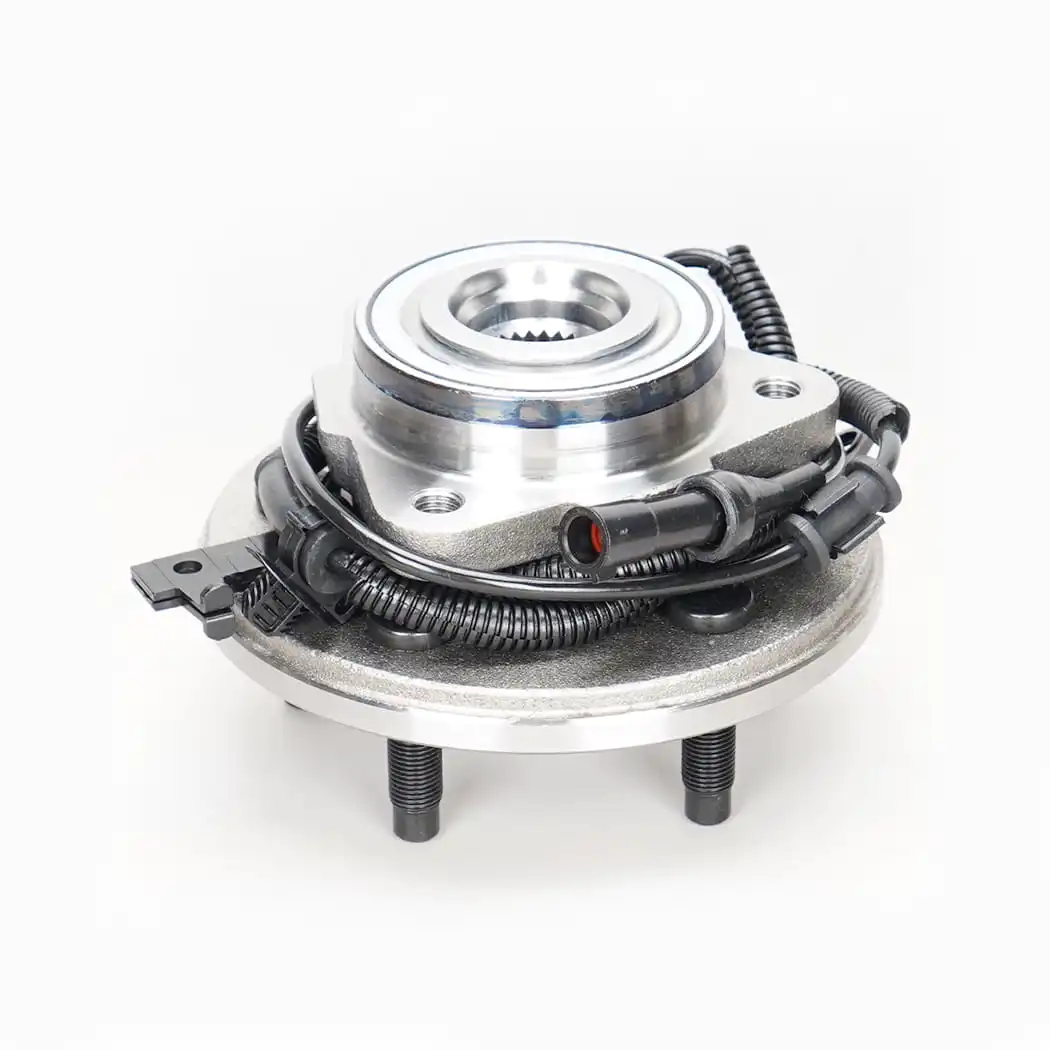
A wheel hub assembly is the critical component that connects your vehicle's wheel to the suspension and allows it to spin smoothly. It houses the wheel bearings, integrates with the ABS sensor in modern cars, and provides the mounting surface for your brake rotor and wheel. Unlike older designs where bearings were pressed in separately, today's hub bearing assembly comes as a sealed, pre-lubricated unit—making replacement simpler but also meaning the whole assembly must be swapped if any part fails. Understanding this part helps you recognize warning signs early and avoid costly downstream damage to your brakes, suspension, or steering.
Wheel hub assemblies don't fail overnight, but they do give clear warnings before complete failure. The most common symptom is a humming, growling, or rumbling noise that increases with vehicle speed and may change when turning. You might also notice uneven tire wear, a wobble in the steering wheel, or ABS warning lights flickering on the dash. In severe cases, the wheel can feel loose when jacked up and shaken at the 12-and-6 o'clock positions. Catching these signs early prevents dangerous situations like wheel separation or loss of ABS functionality—so don't ignore unusual noises or handling changes.
While front and rear hub bearing assemblies serve the same core function, they differ in design and stress factors. Front wheel hub assemblies typically handle more load because they manage steering forces, braking torque, and drive power in FWD/AWD vehicles. They also often integrate the ABS tone ring and wheel speed sensor directly. Rear hub assemblies may be simpler on non-driven axles but can include parking brake components on drum-in-hat designs. When ordering replacements, always specify front or rear—and your exact vehicle make, model, and drivetrain—since even the same car can use different hub units depending on trim or production date.
| Feature | Front Hub Assembly | Rear Hub Assembly |
| Typical Load | Higher (steering + drive forces) | Moderate (mainly vehicle weight) |
| ABS Integration | Usually built-in sensor/tone ring | Often integrated, but varies by model |
| Replacement Complexity | Moderate (may require ball joint separation) | Often simpler (fewer suspension links) |
| Common Failure Cause | Potholes, curb impacts, worn CV joints | Water intrusion, bearing wear over time |
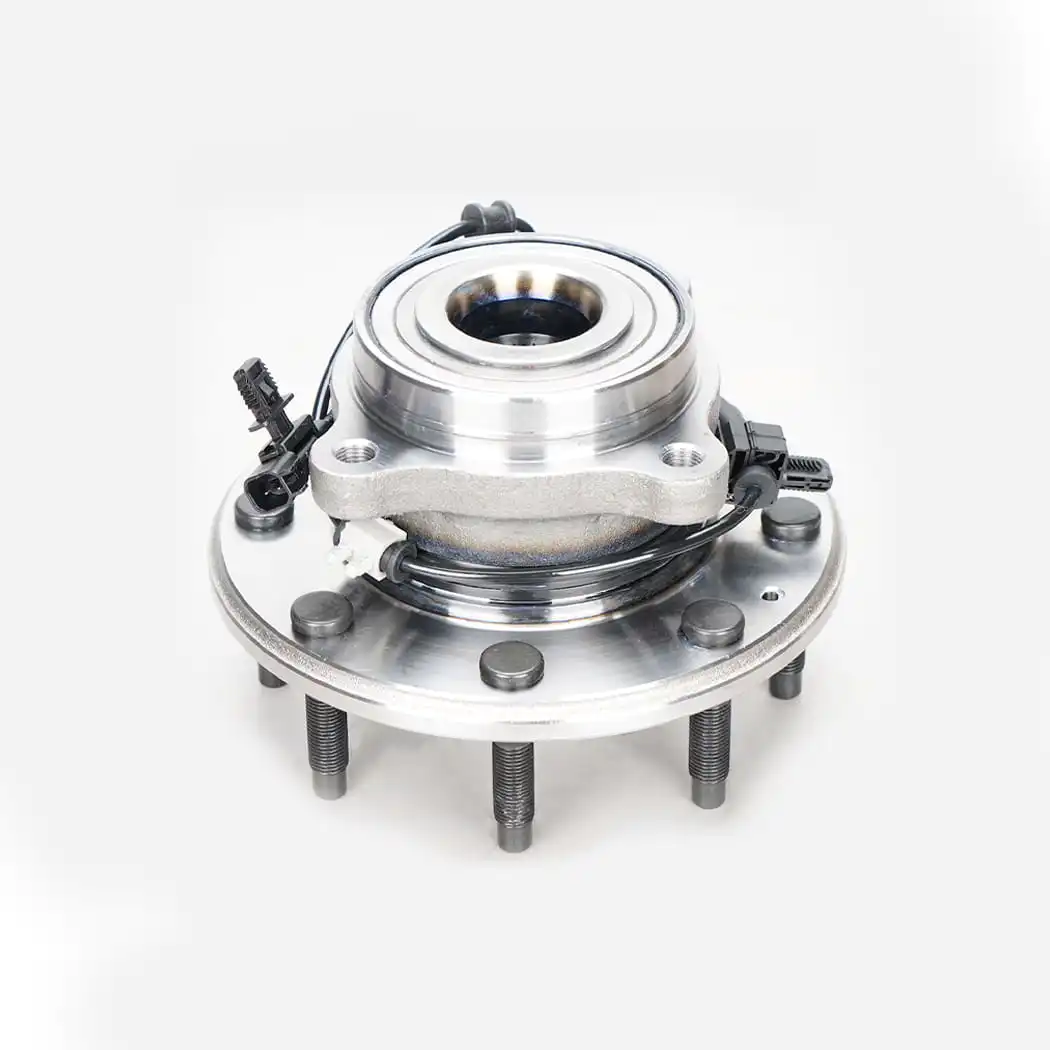
Not all hub assemblies are created equal. When shopping for a replacement wheel hub unit, prioritize OEM-equivalent or reputable aftermarket brands that meet or exceed original specifications. Look for features like pre-packed high-temp grease, sealed ABS sensors, and corrosion-resistant coatings—especially if you live in a snowy, salted-road area. Avoid the cheapest no-name options; a failing hub can damage your CV axle, brake components, or even cause wheel loss. Always verify fitment using your VIN, and consider buying in pairs (both front or both rear) since hubs wear at similar rates. Investing in quality now saves money and hassle later.
Replacing a hub bearing assembly is a moderate-level DIY job that requires basic hand tools, a torque wrench, and sometimes a press or special puller. The process typically involves removing the wheel, brake caliper and rotor, disconnecting the ABS sensor, unbolting the hub from the knuckle, and pressing or bolting in the new unit. Critical steps include cleaning the mounting surface thoroughly, applying anti-seize to the hub face (not the studs), and torquing all fasteners to spec—especially the axle nut, which often requires 150+ ft-lbs. If you're not comfortable with suspension work or lack the right tools, have a professional handle it; improper installation can lead to premature failure or safety risks. Either way, a fresh wheel hub assembly restores smooth rotation, quiet operation, and reliable ABS function.
While wheel hub assemblies are sealed units, you can still take steps to maximize their lifespan. Keep your vehicle's suspension in good repair—worn struts or control arms increase impact forces on hubs. Avoid slamming into potholes or curbs when possible, and rinse wheel wells after driving on salted roads to reduce corrosion. If you notice early warning signs like faint humming or minor play, address them before they worsen. Regular tire rotations and alignments also help ensure even loading across all hubs. These small habits won't prevent all failures, but they can add thousands of miles to your wheel hub assembly's service life and keep your rides smooth and safe.
• ADD: 42705 Grand River Avenue, Suite 201, Novi. Michigan 48375, USA.
© Copyright 2017 HANGZHOU HANJI AUTO PARTS.CO.,LTD. All Rights Reserved. Wheel Hub Unit Manufacturer