Content
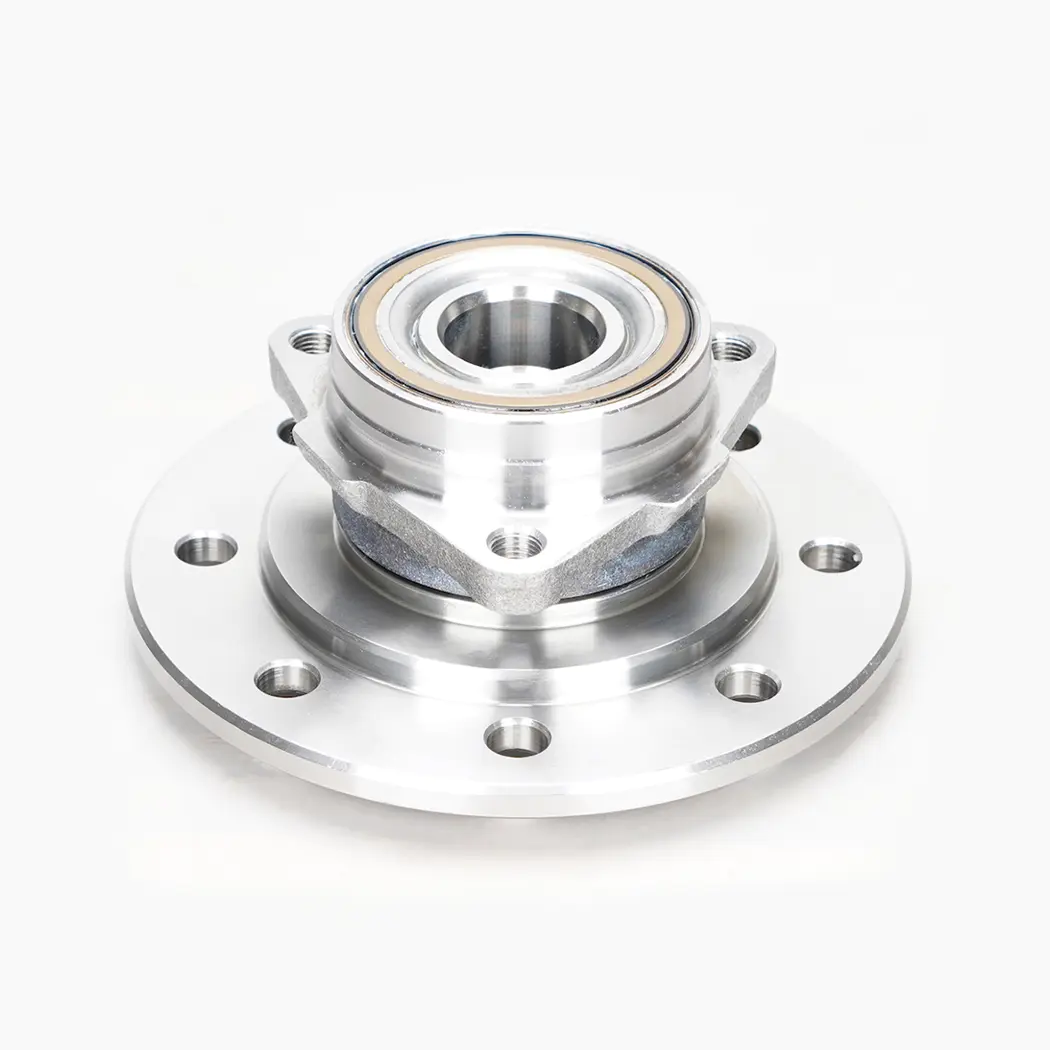
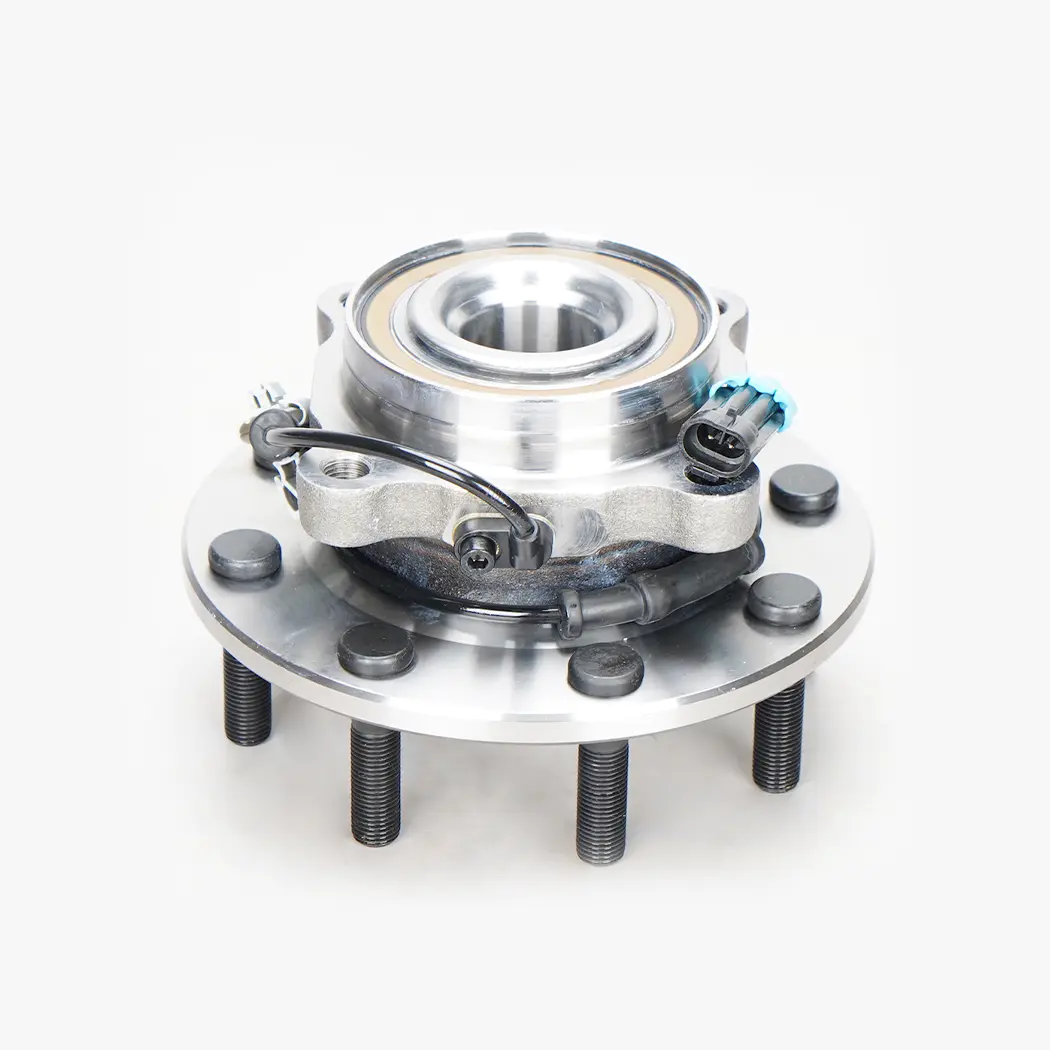
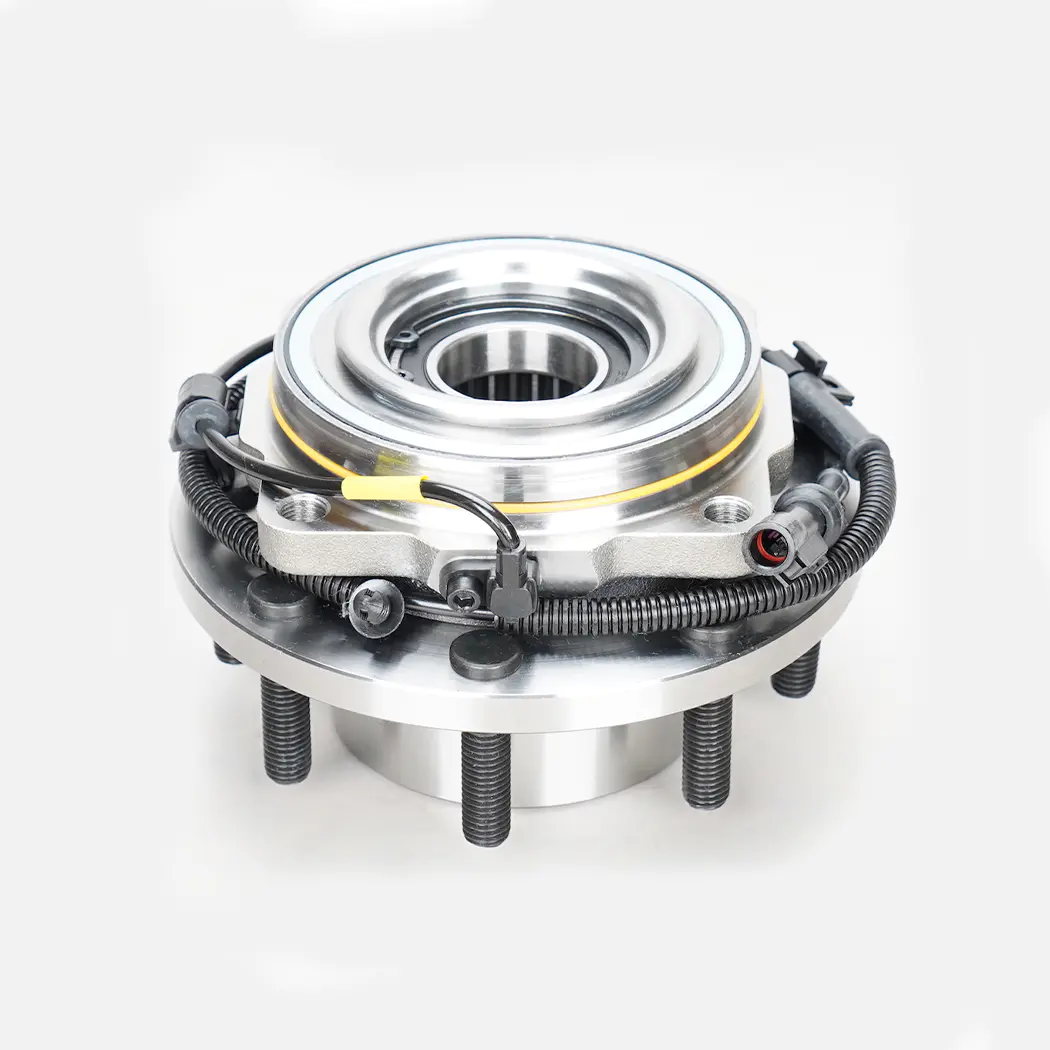
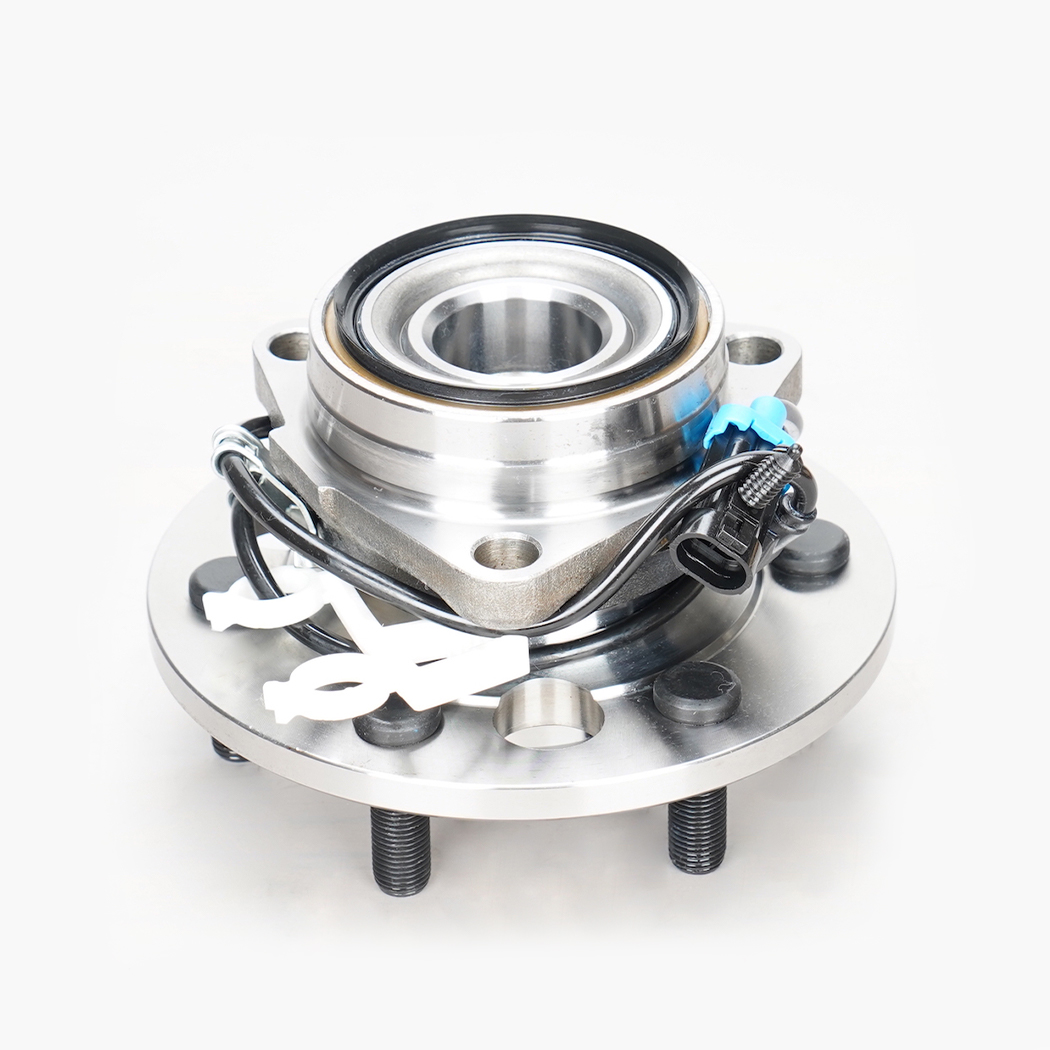
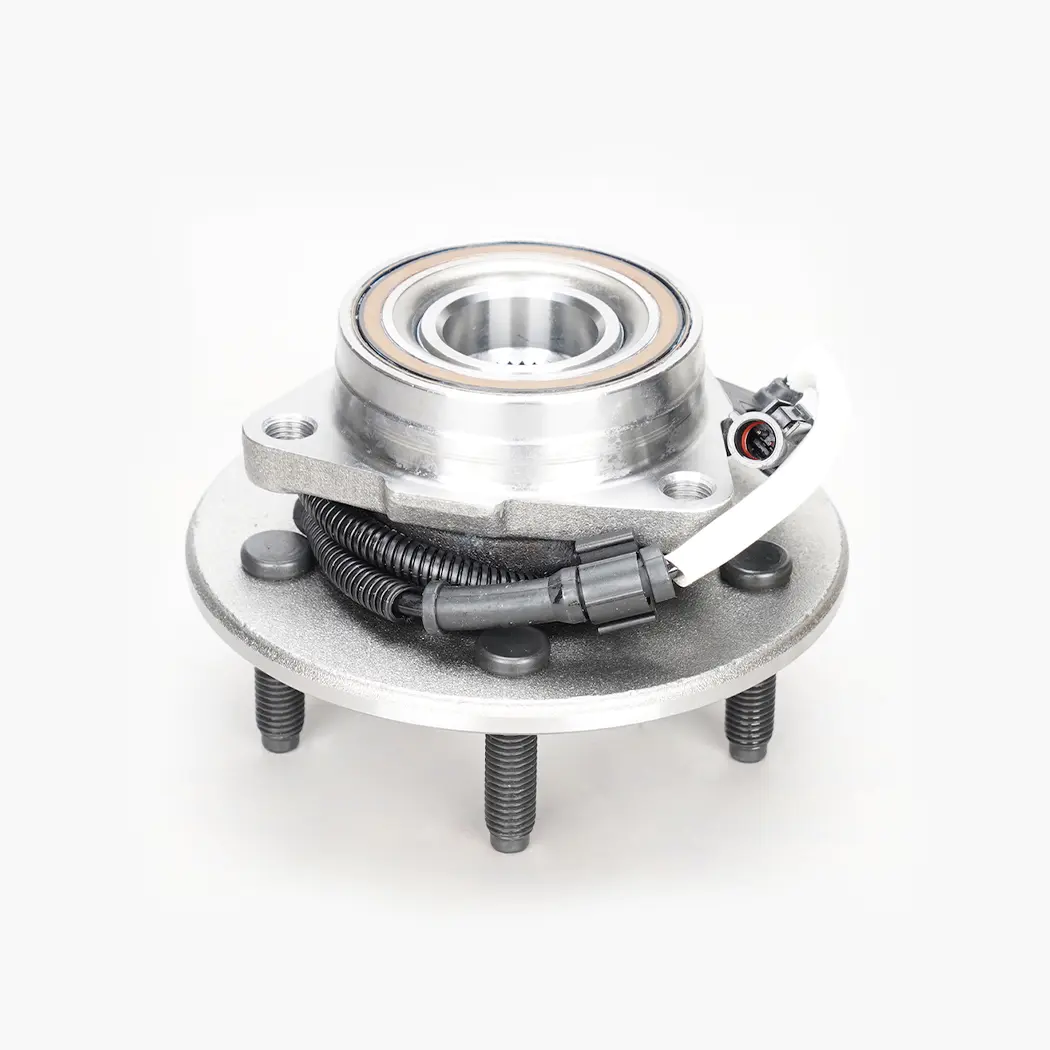
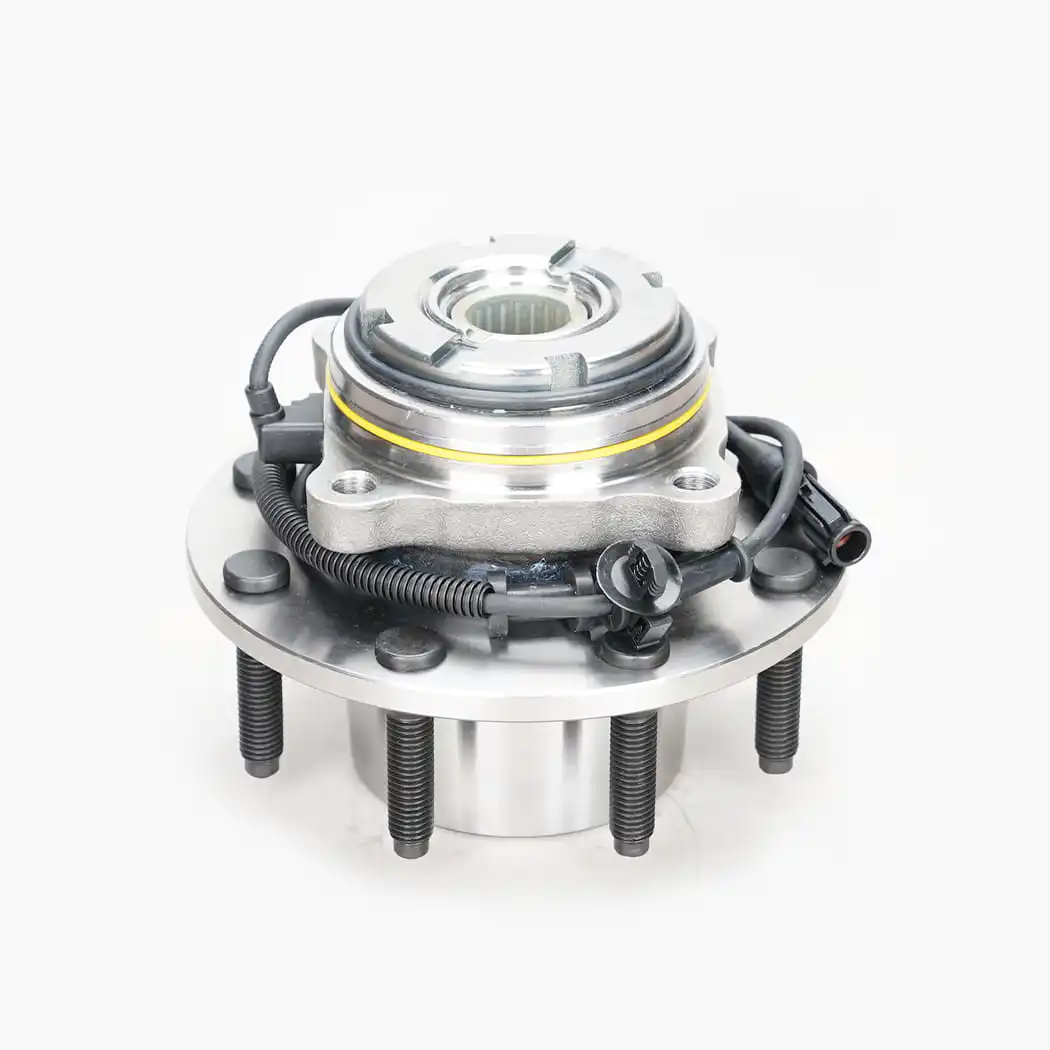
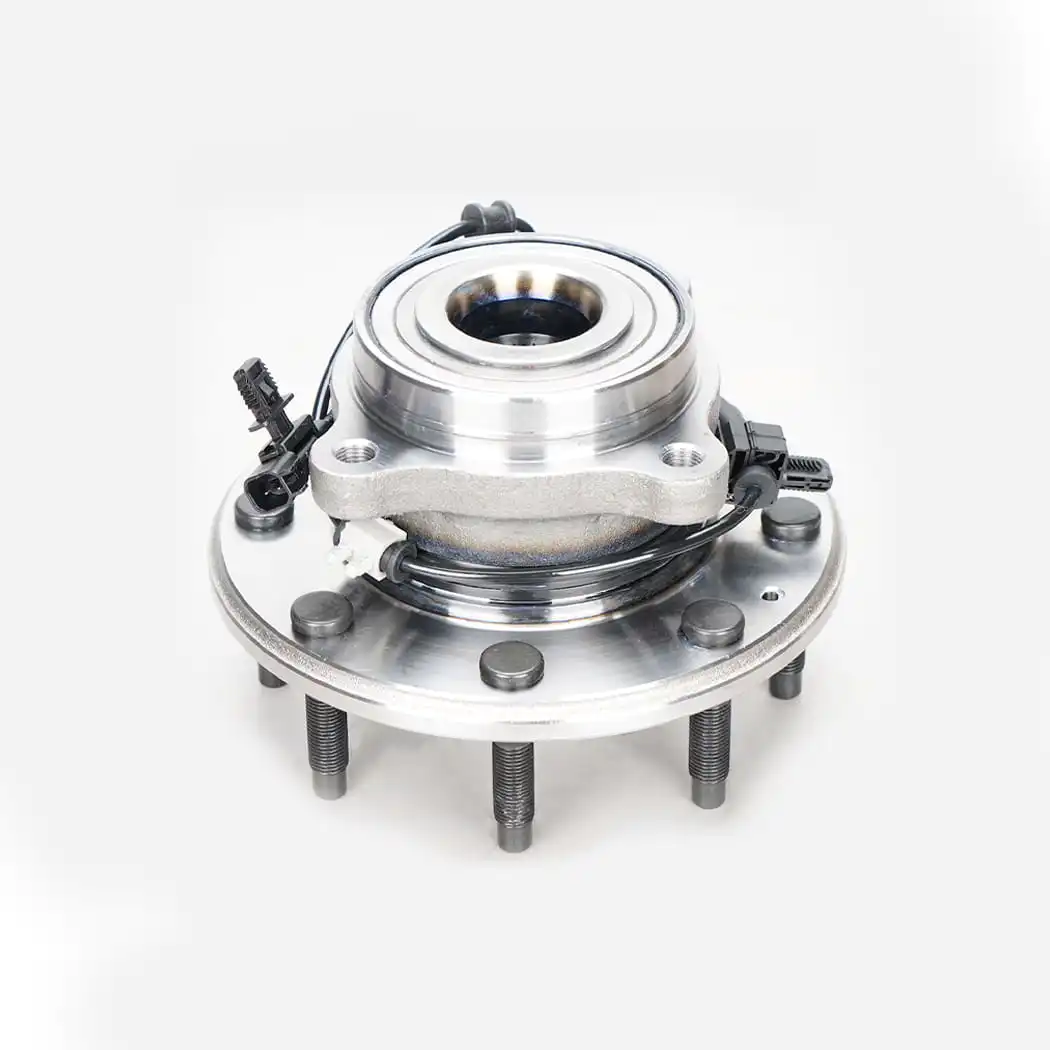
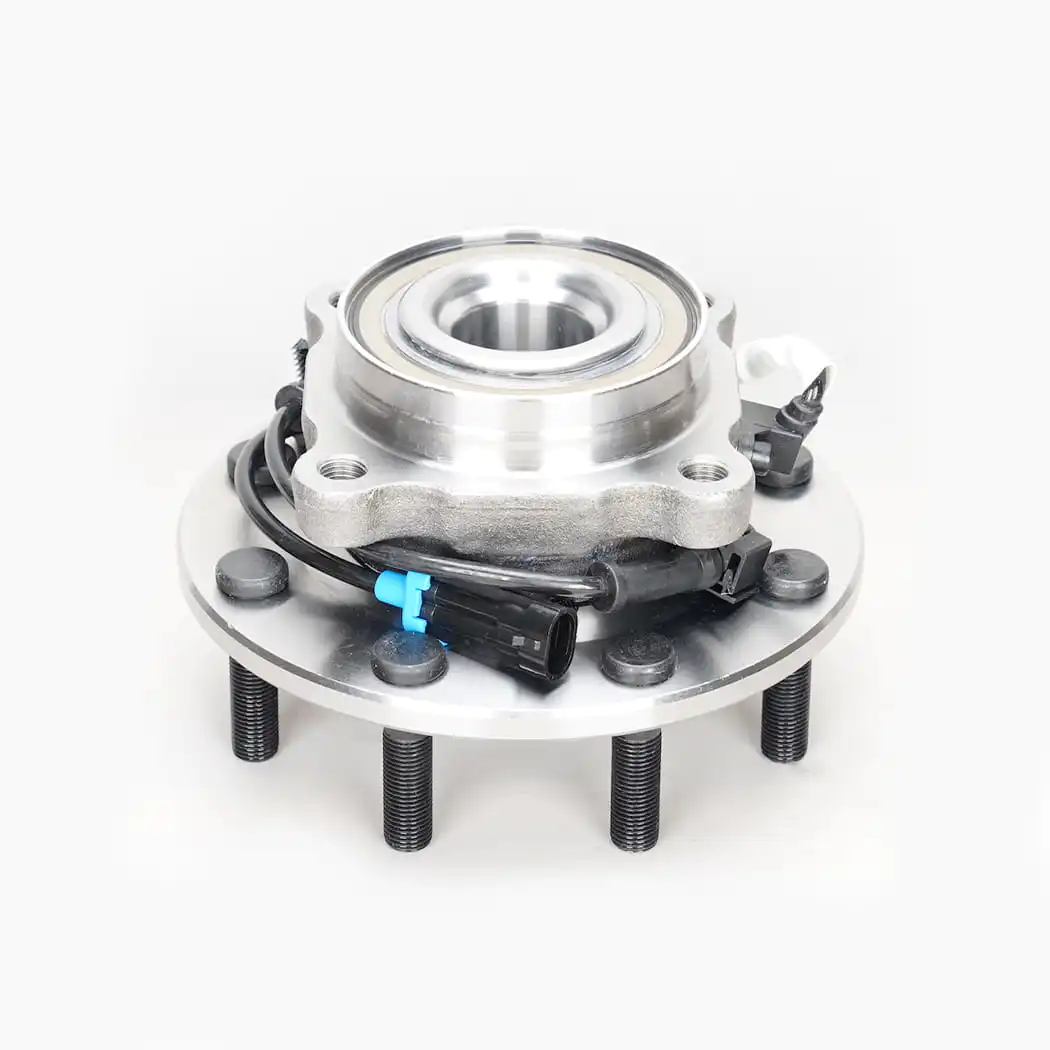
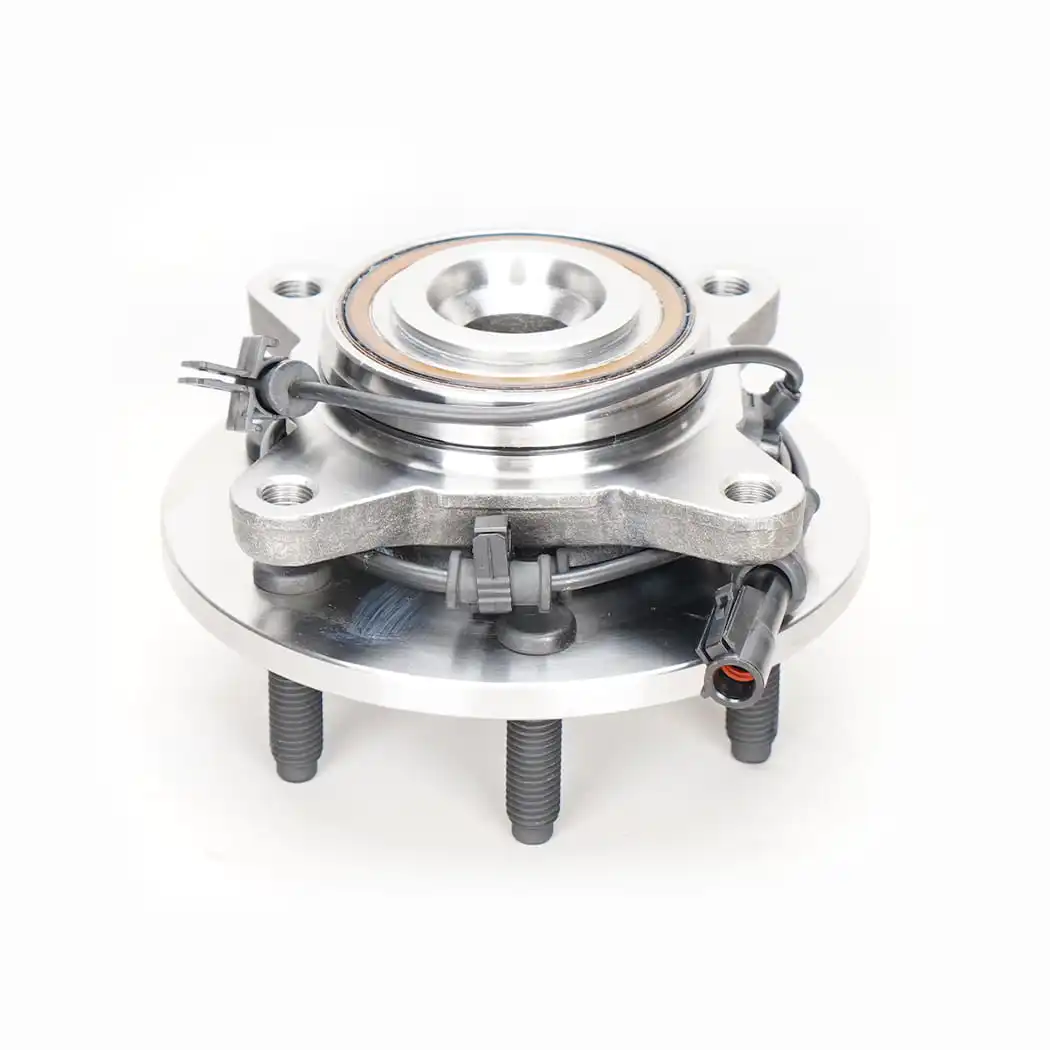
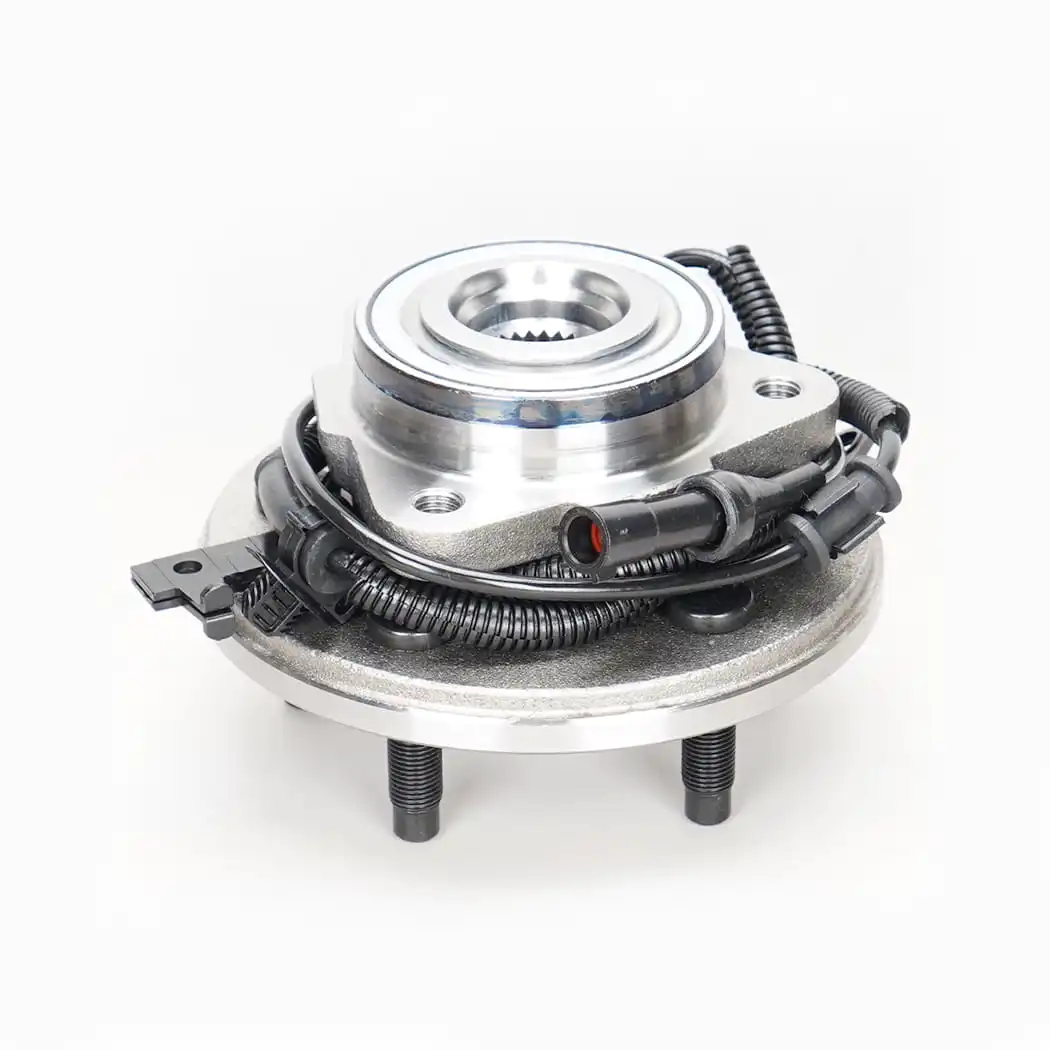
Vehicle wheel bearings are essential components that allow wheels to rotate smoothly with minimal friction. They sit inside the wheel hub and support the vehicle’s weight while enabling consistent and stable rotation. Without properly functioning wheel bearings, driving safety, comfort, and performance would be significantly compromised.
Modern automotive wheel bearings are typically sealed units designed to operate for long periods without maintenance. However, their performance directly affects steering, braking, and overall vehicle handling, making them a critical part of any vehicle system.
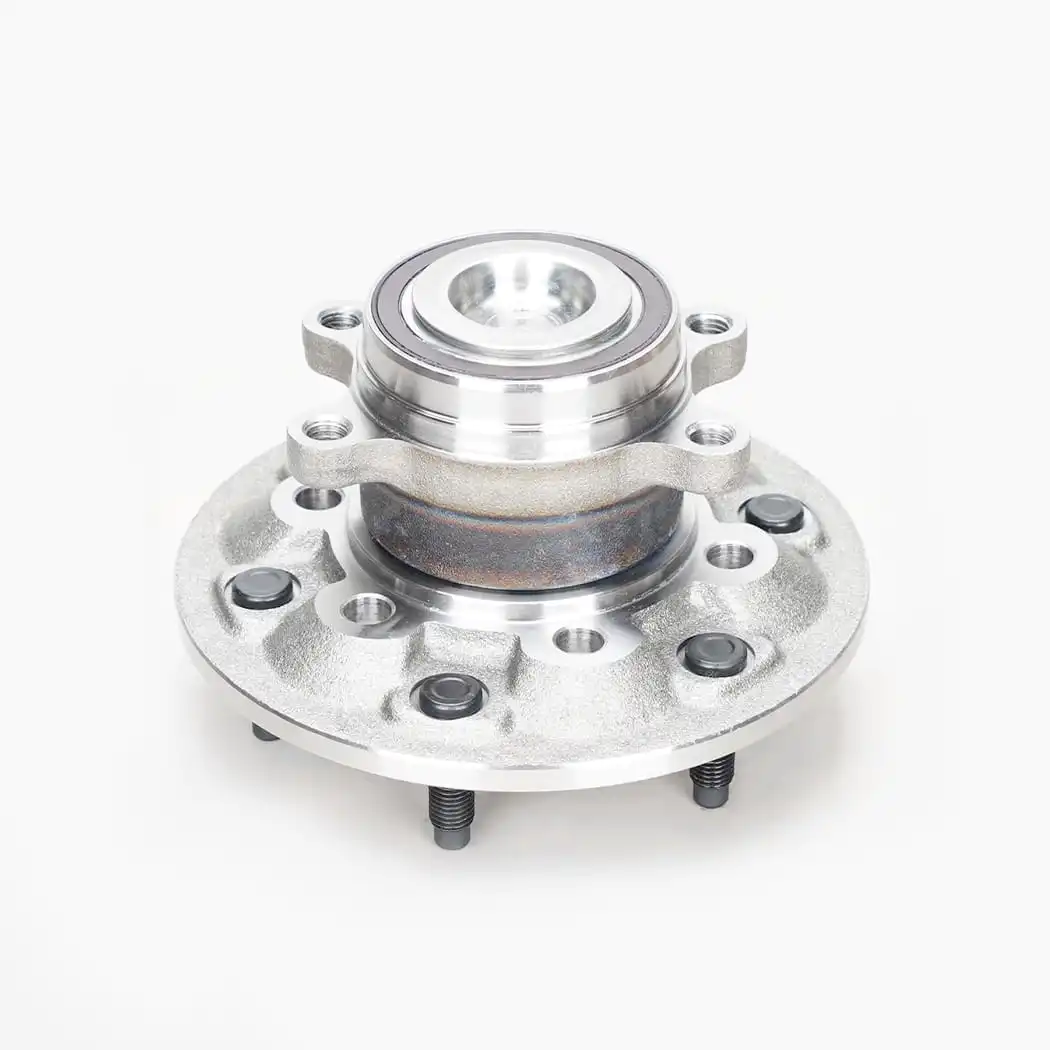
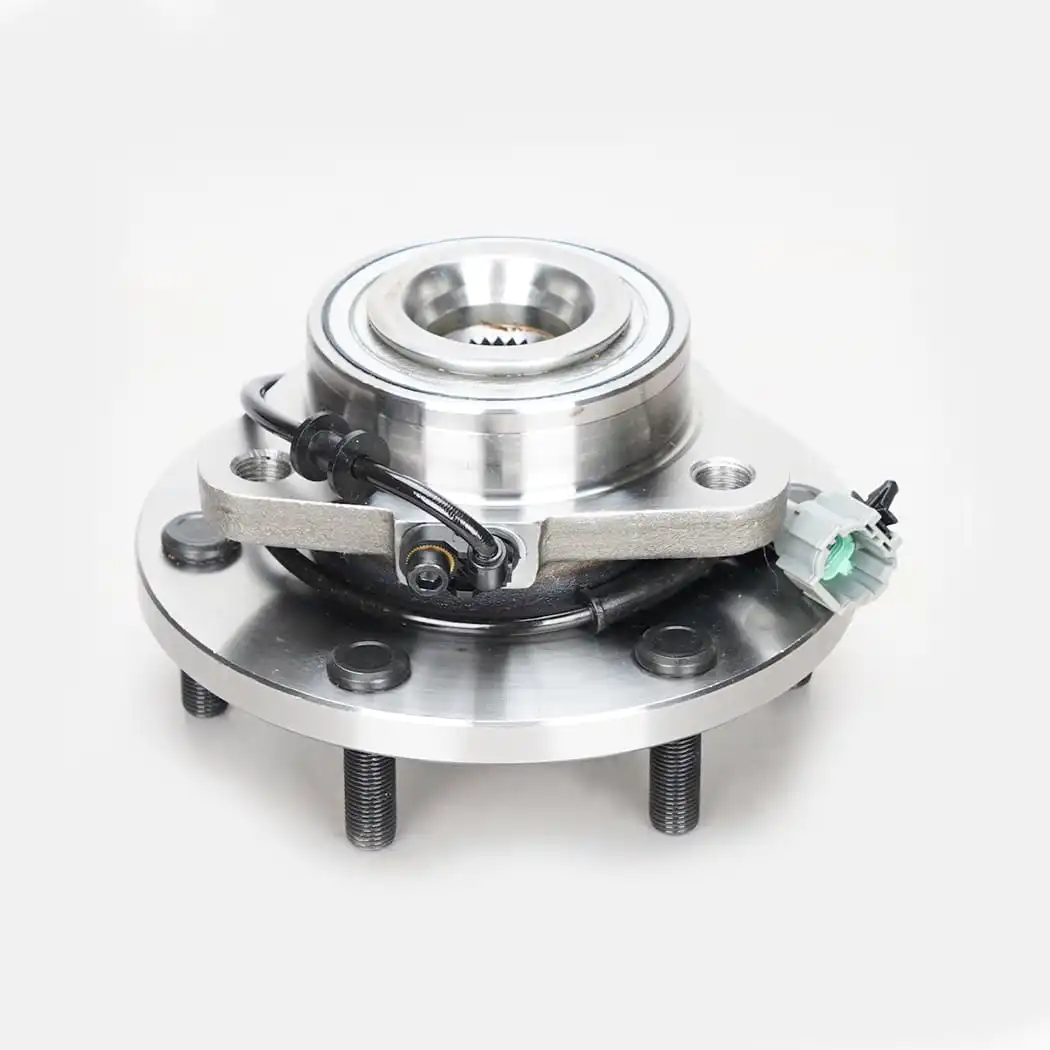
Different types of vehicle wheel bearings are used depending on vehicle design, load requirements, and performance expectations. Understanding these types helps in selecting the right replacement or upgrade.
Wheel bearings do more than just enable rotation. They play several important roles in ensuring safe and efficient vehicle operation.
Recognizing early warning signs of failing vehicle wheel bearings can prevent costly repairs and safety risks. These symptoms usually become more noticeable over time.
When selecting vehicle wheel bearings, it is important to understand the technical parameters that influence performance and compatibility.
| Parameter | Description |
| Inner Diameter | Matches axle shaft size |
| Outer Diameter | Fits hub assembly |
| Material | High-carbon steel or alloy steel |
| Sealing Type | Rubber seal or metal shield |
| Load Capacity | Designed for radial and axial loads |
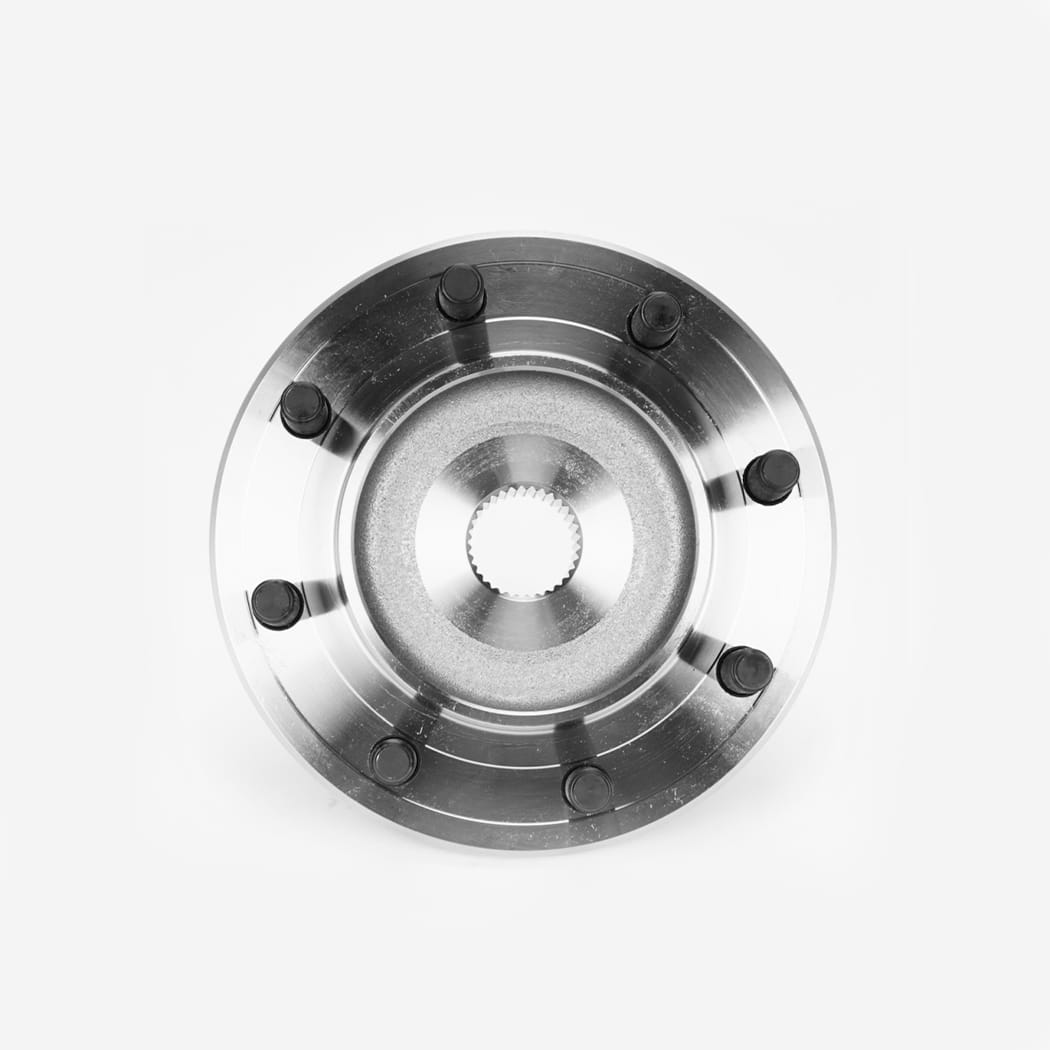
Selecting the correct automotive wheel bearing requires attention to both technical compatibility and performance requirements.
Always choose wheel bearings that match your vehicle model, year, and manufacturer specifications to ensure proper fit and performance.
For heavy-duty use or rough road conditions, opt for high-load capacity bearings with enhanced durability.
High-quality seals protect against dust, water, and contaminants, extending bearing life and reducing maintenance.
Reliable manufacturing ensures precision, smooth operation, and long-term performance.
Proper installation and maintenance are crucial for maximizing the lifespan of vehicle wheel bearings.
Investing in high-quality vehicle wheel bearings provides long-term benefits in performance and safety.
Vehicle wheel bearings are small components with a big impact on vehicle performance and safety. From enabling smooth rotation to maintaining stability and load support, their role is essential in everyday driving.
By understanding their types, recognizing warning signs, and choosing high-quality replacements, users can ensure reliable vehicle operation and avoid unexpected breakdowns.
• ADD: 42705 Grand River Avenue, Suite 201, Novi. Michigan 48375, USA.
© Copyright 2017 HANGZHOU HANJI AUTO PARTS.CO.,LTD. All Rights Reserved. Wheel Hub Unit Manufacturer