Content
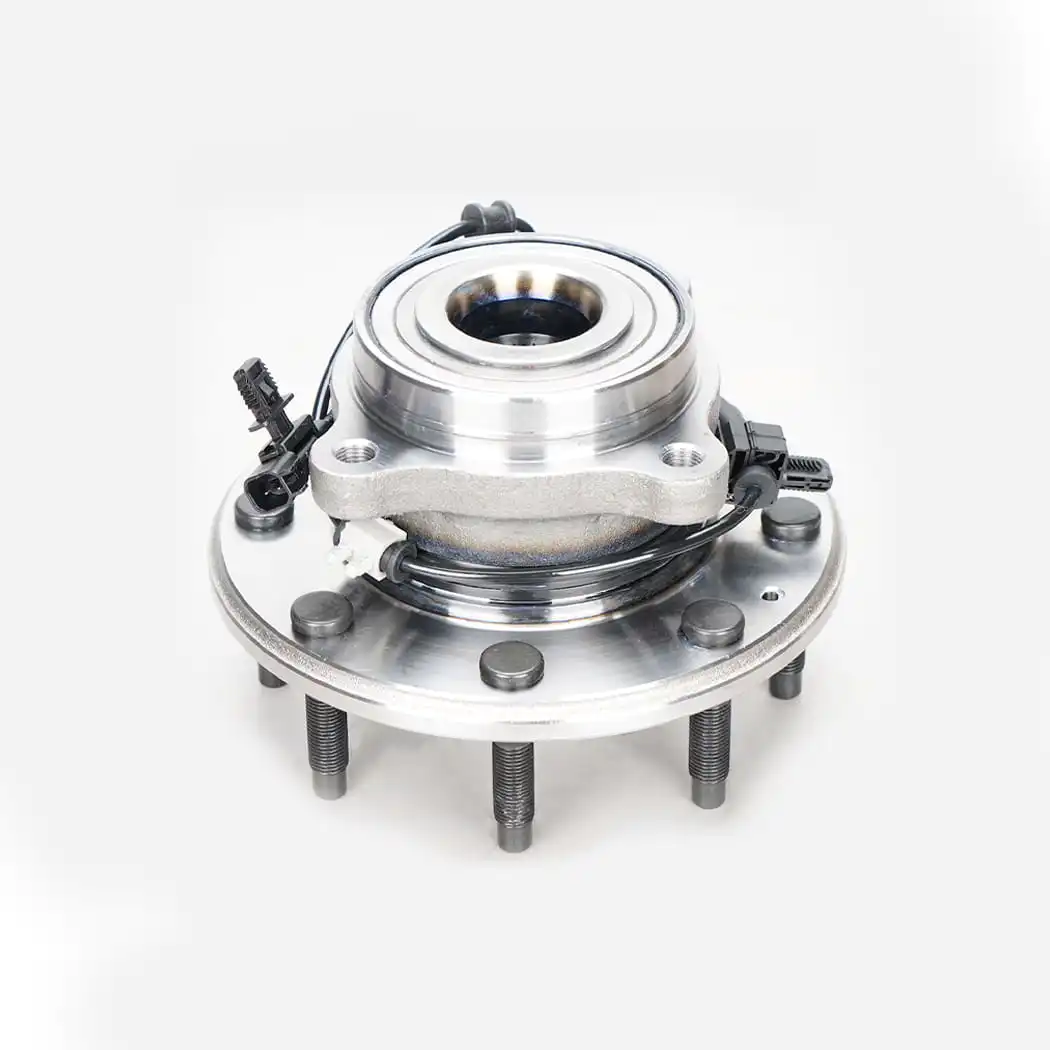
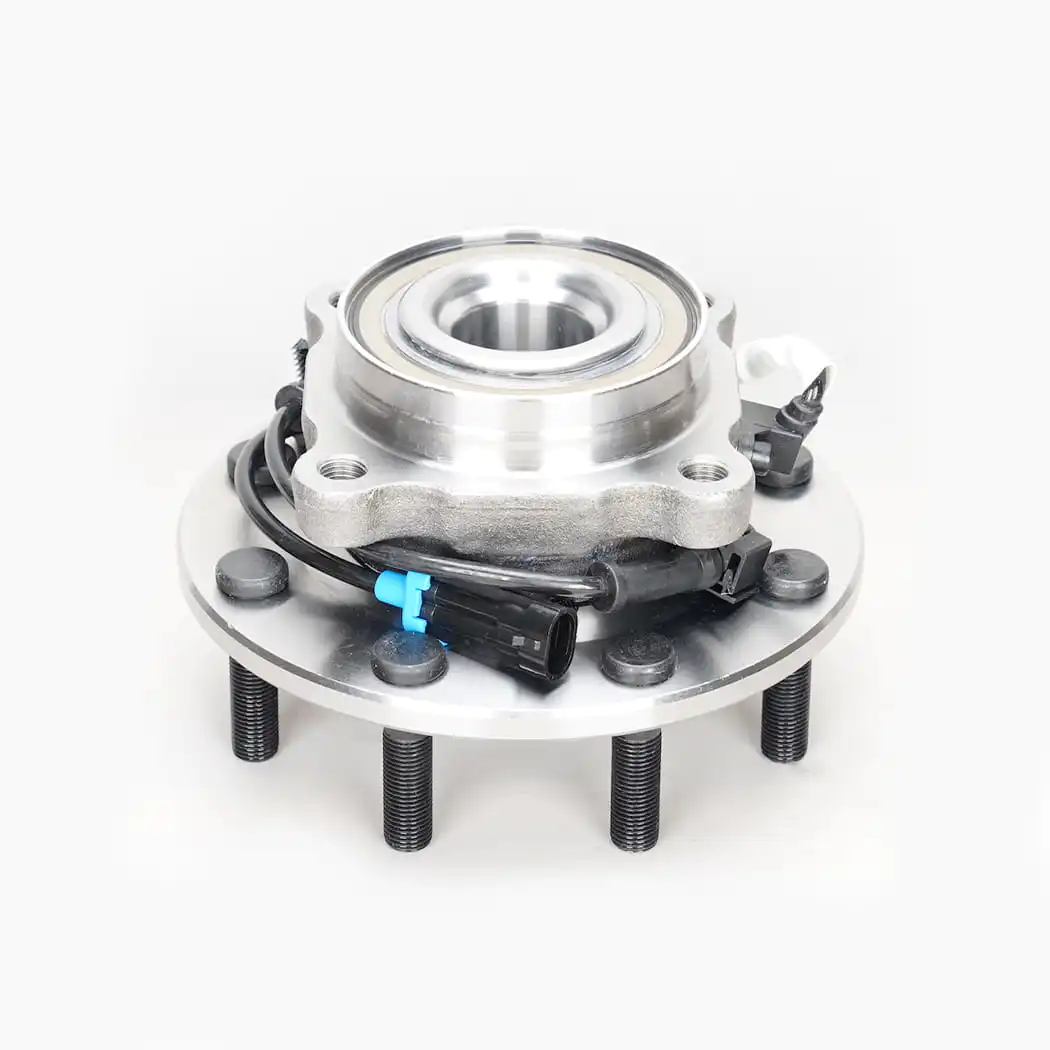
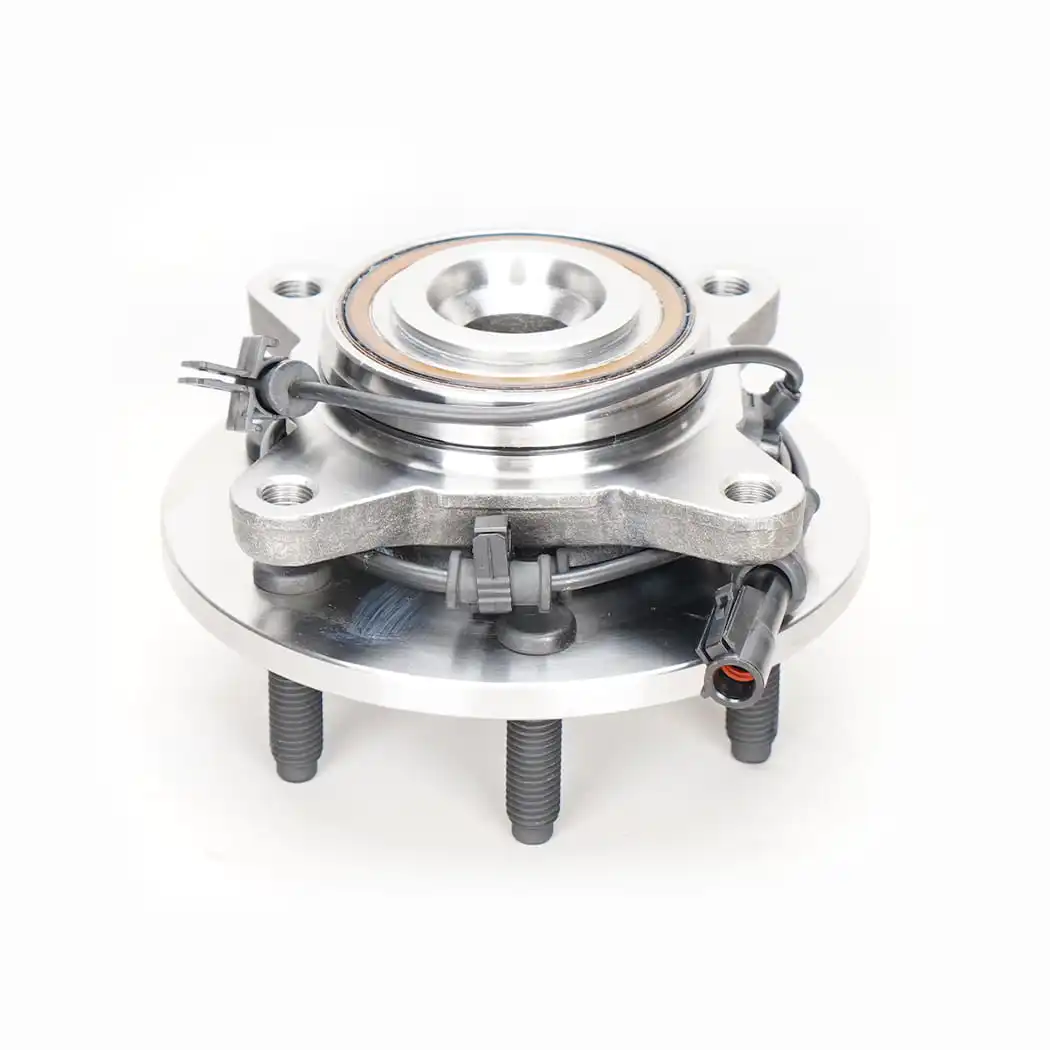
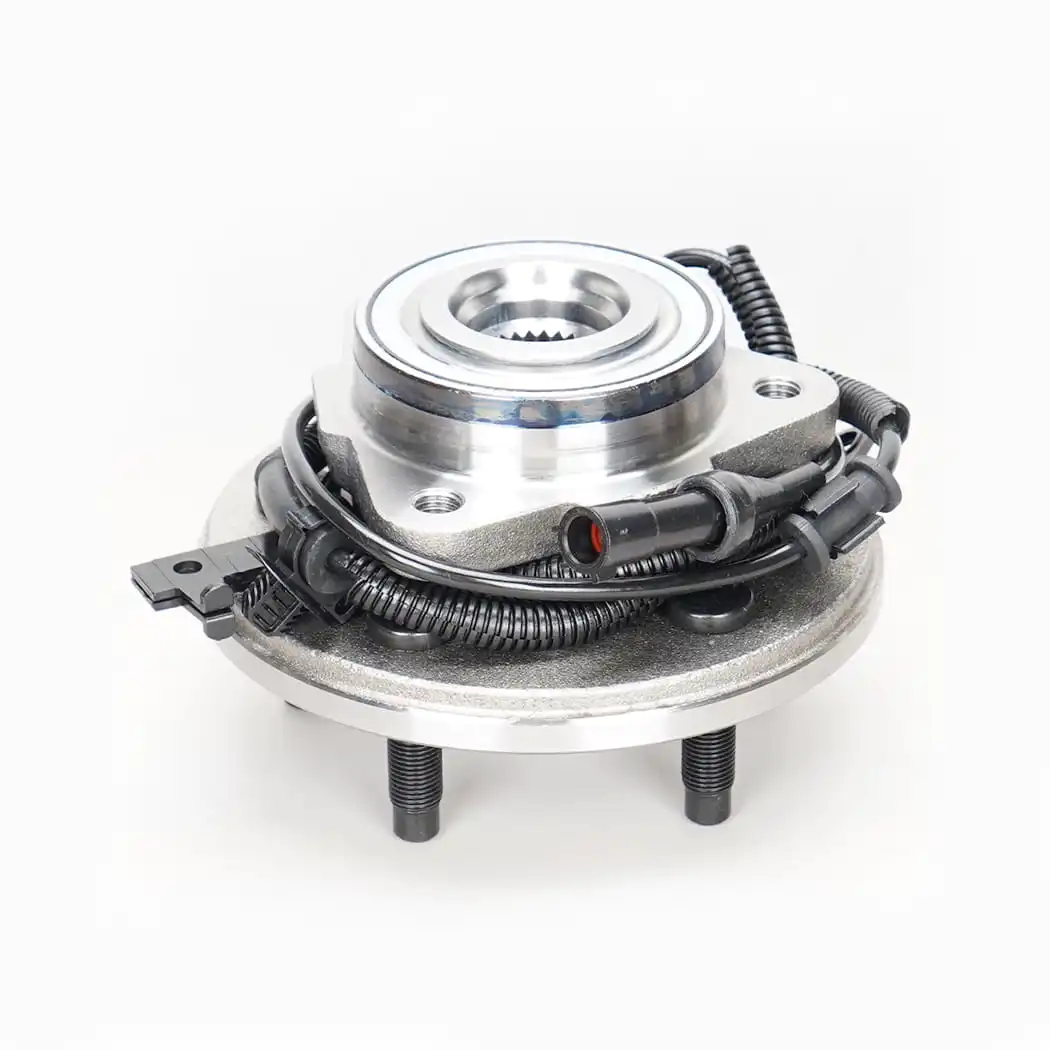
Wheel hub spindles are the fixed shafts that the wheel hub and bearings rotate around, essentially forming the connection point between your vehicle's suspension and the wheel itself. Mounted to the steering knuckle or axle housing, the spindle carries the full weight of the vehicle at that corner while allowing the wheel to spin freely through the bearing assembly. Without a solid, properly aligned spindle, the entire wheel end assembly loses stability, which affects everything from steering response to tire wear.
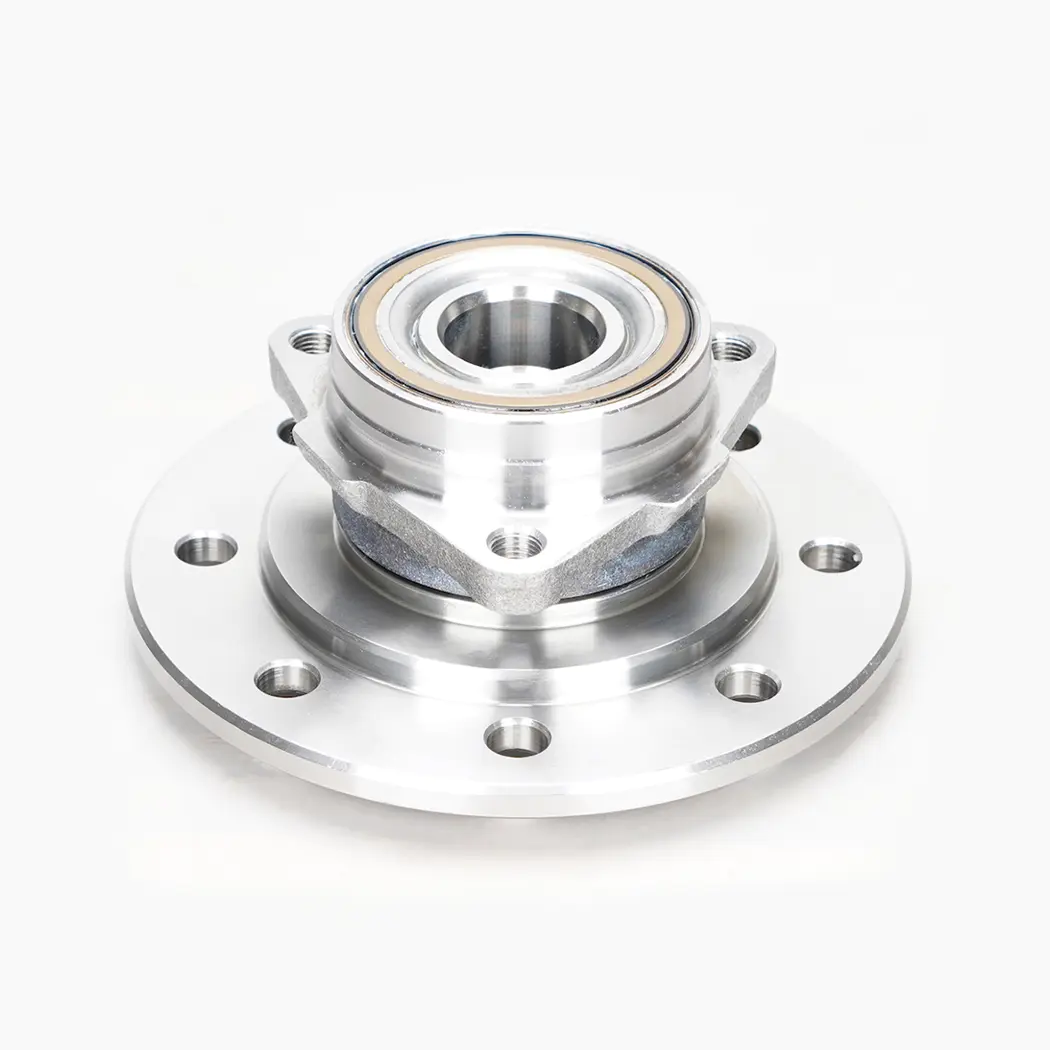
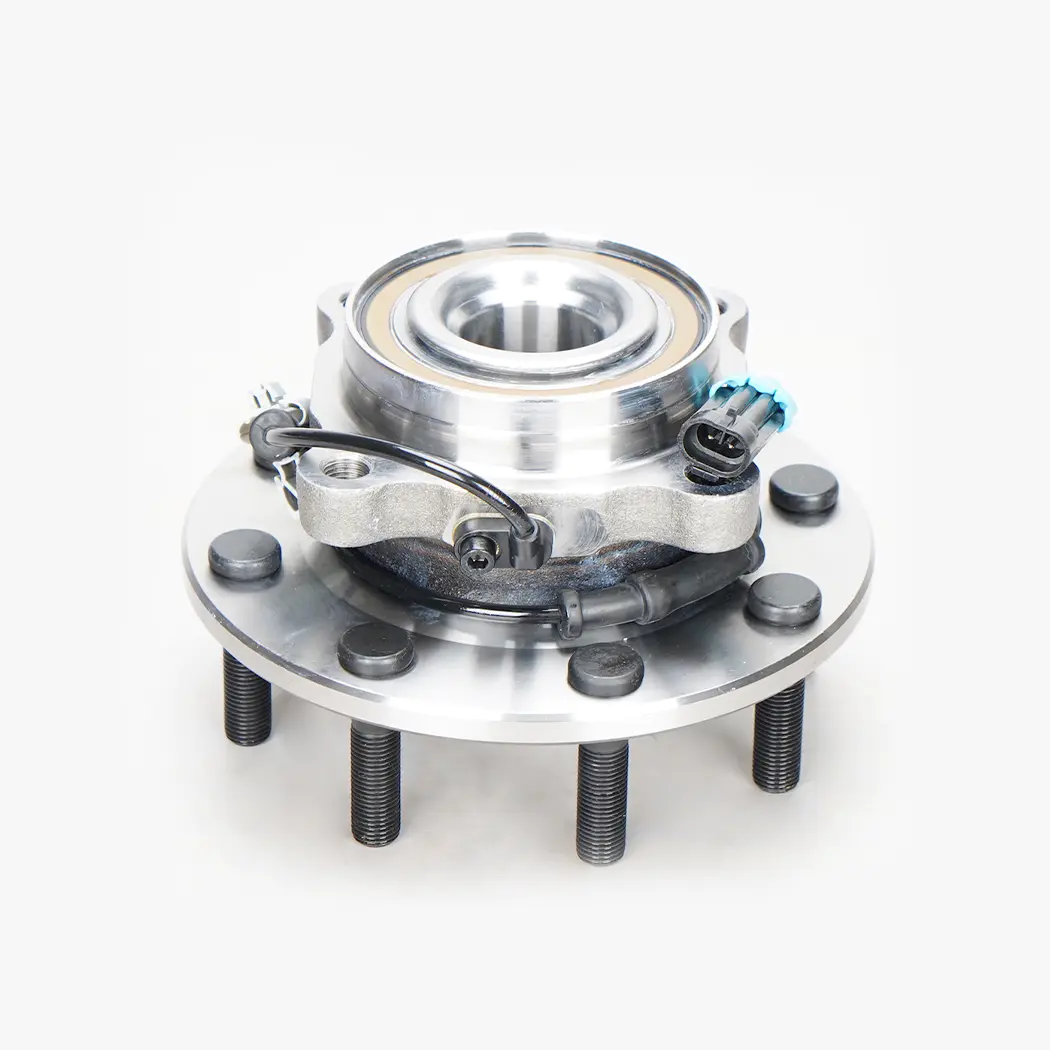
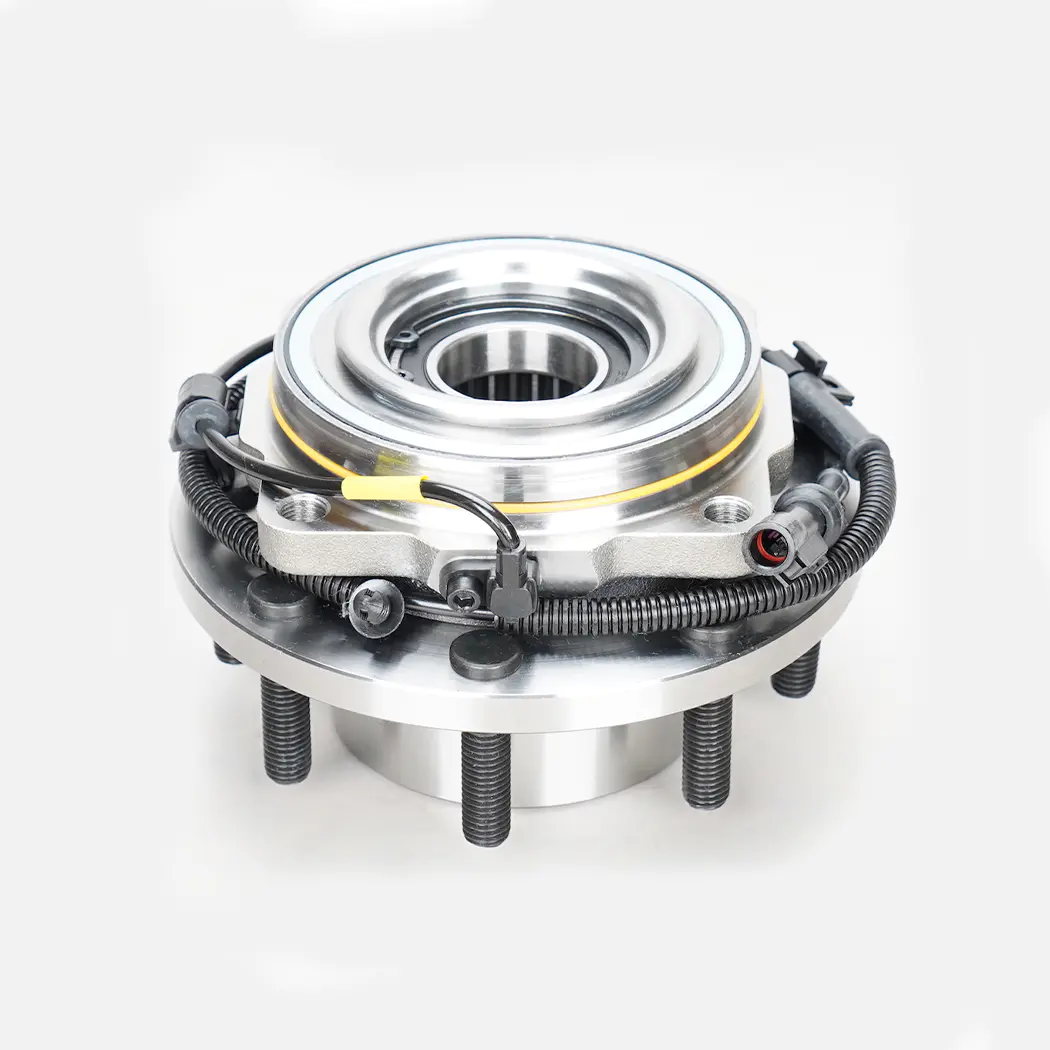
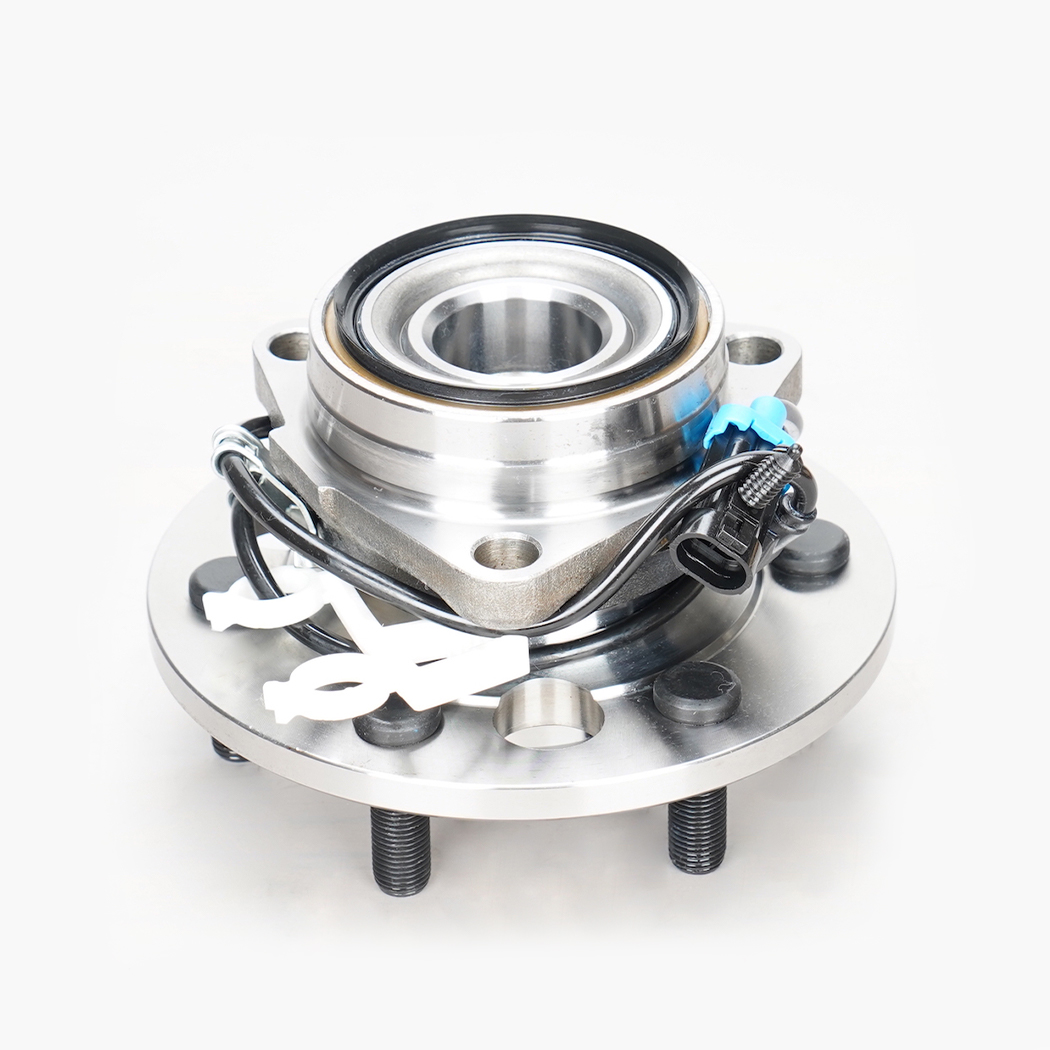
On most modern vehicles, wheel hub spindles work closely with the hub assembly and bearing unit, and on many trucks and trailers, the spindle is a separate replaceable part rather than integrated into the axle. Understanding this distinction matters a lot when diagnosing wheel end problems, since a worn bearing feels similar to a damaged spindle but requires a completely different repair.
Spindle design varies significantly depending on the vehicle type and axle configuration. Knowing which category applies to your setup makes sourcing the correct replacement part much easier.
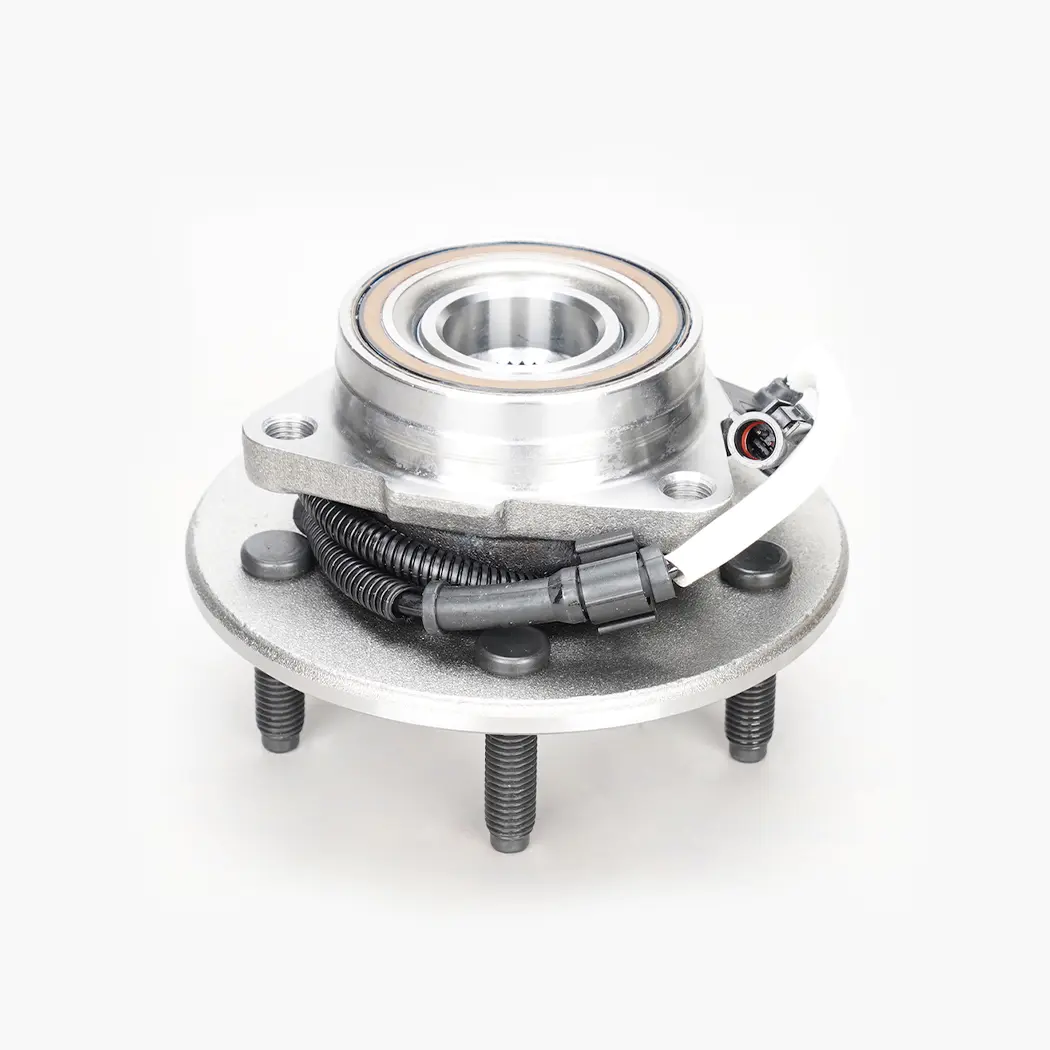
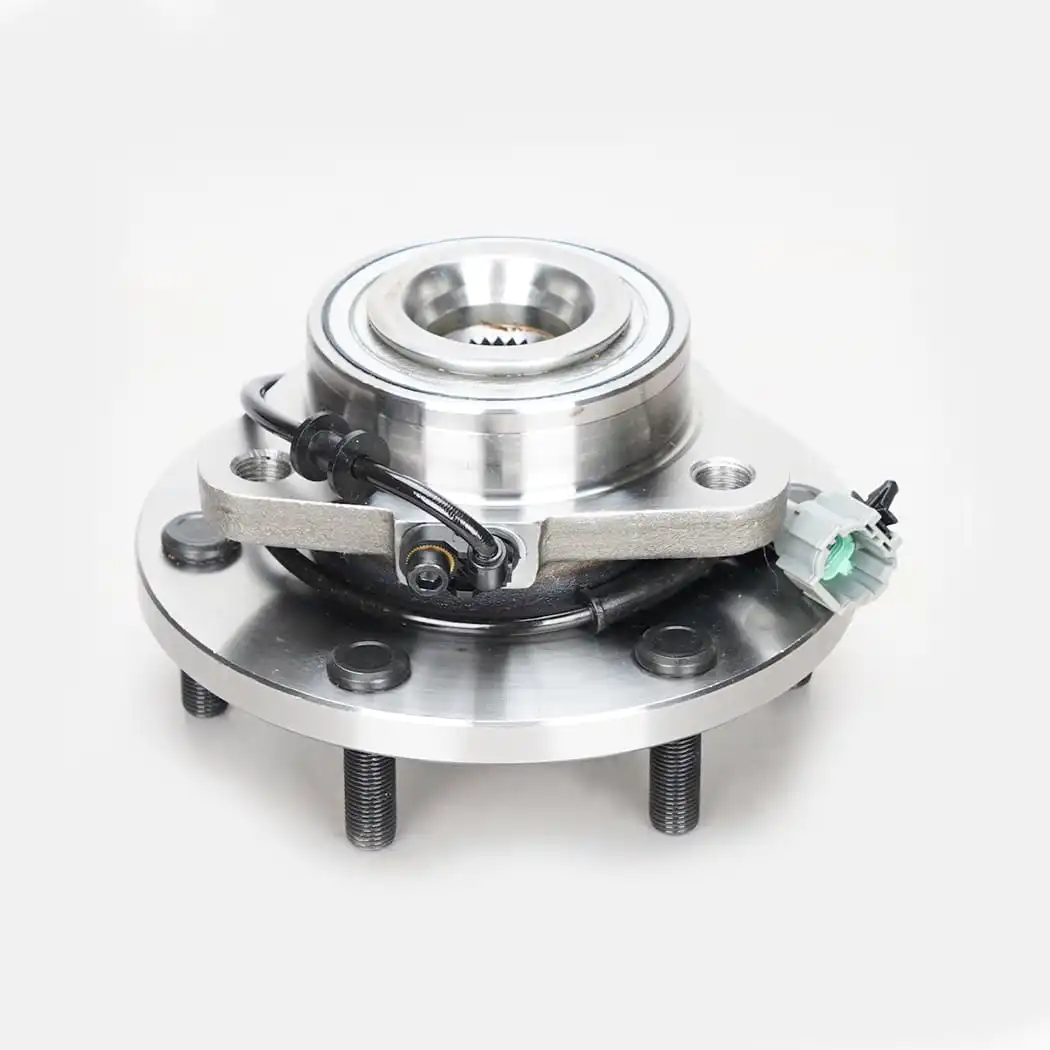
These are typically integrated into or bolted directly to the steering knuckle, working alongside sealed wheel bearing hub assemblies that are often replaced as a single unit rather than serviced individually.
Boat trailers, utility trailers, and cargo trailers use standalone spindles welded or bolted to the axle beam, paired with serviceable tapered roller bearings that require periodic repacking with grease.
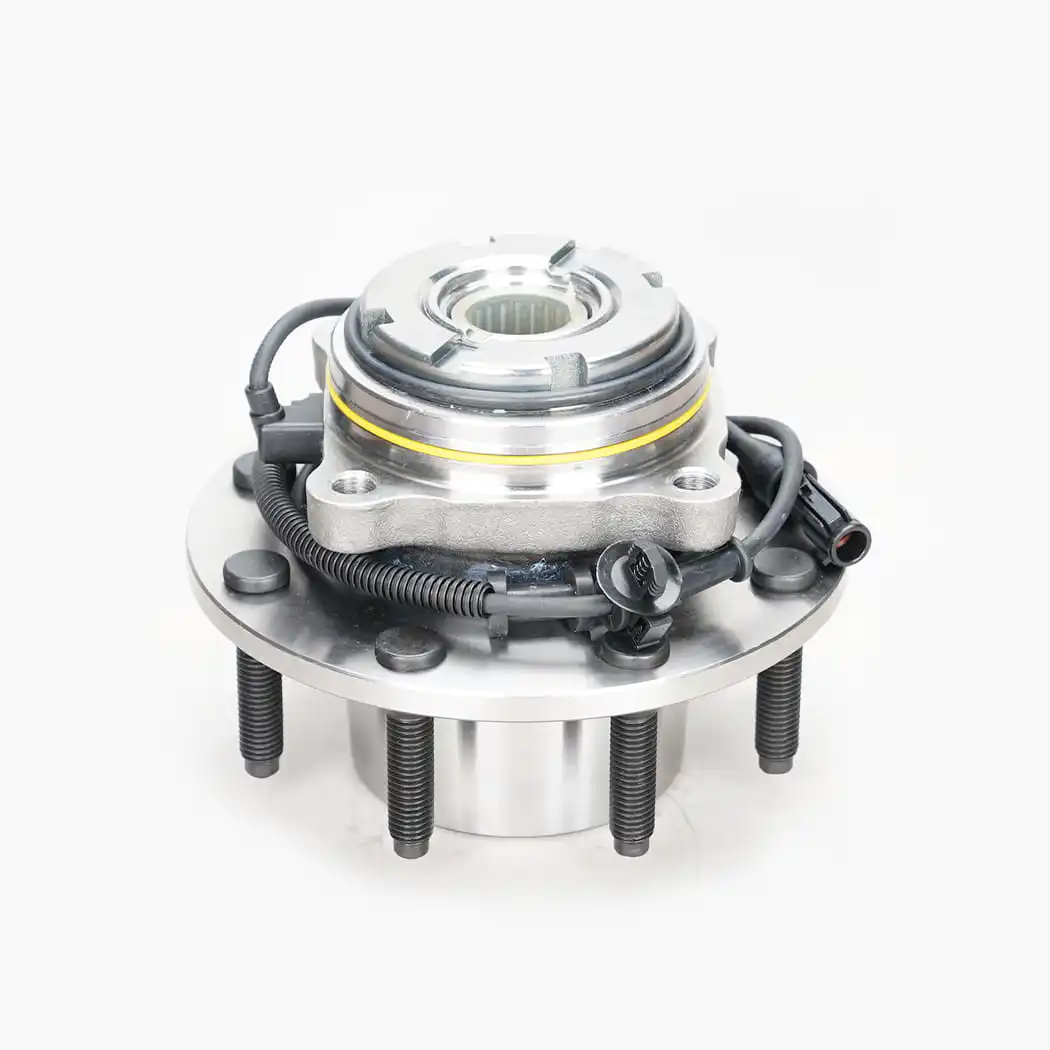
Built to handle much higher axle loads, these spindles are forged from high-strength steel and often feature larger bearing surfaces to accommodate dual-wheel setups and heavier cargo capacities.
Spindle problems rarely appear suddenly. Instead, they build up gradually and produce noticeable symptoms that shouldn't be ignored.
A proper inspection requires removing the wheel and hub assembly to get a clear view of the spindle surface and bearing races. Rushing this step often leads to missed damage that causes repeat failures down the road.
After lifting the vehicle or trailer safely on jack stands, remove the wheel, brake components if necessary, and the hub assembly to expose the bare spindle.
Run a finger along the bearing seating surface feeling for grooves, pitting, or rough spots. Any noticeable ridge means the spindle has been damaged by a failing bearing and needs replacement.
Using a caliper, measure the spindle diameter at the bearing contact points and compare it against manufacturer specifications, since even minor undersizing can cause a bearing to spin loosely and generate heat.
Look closely at the base of the spindle where it meets the axle or knuckle, since this is the most common location for stress cracks to develop after impact damage or prolonged overloading.
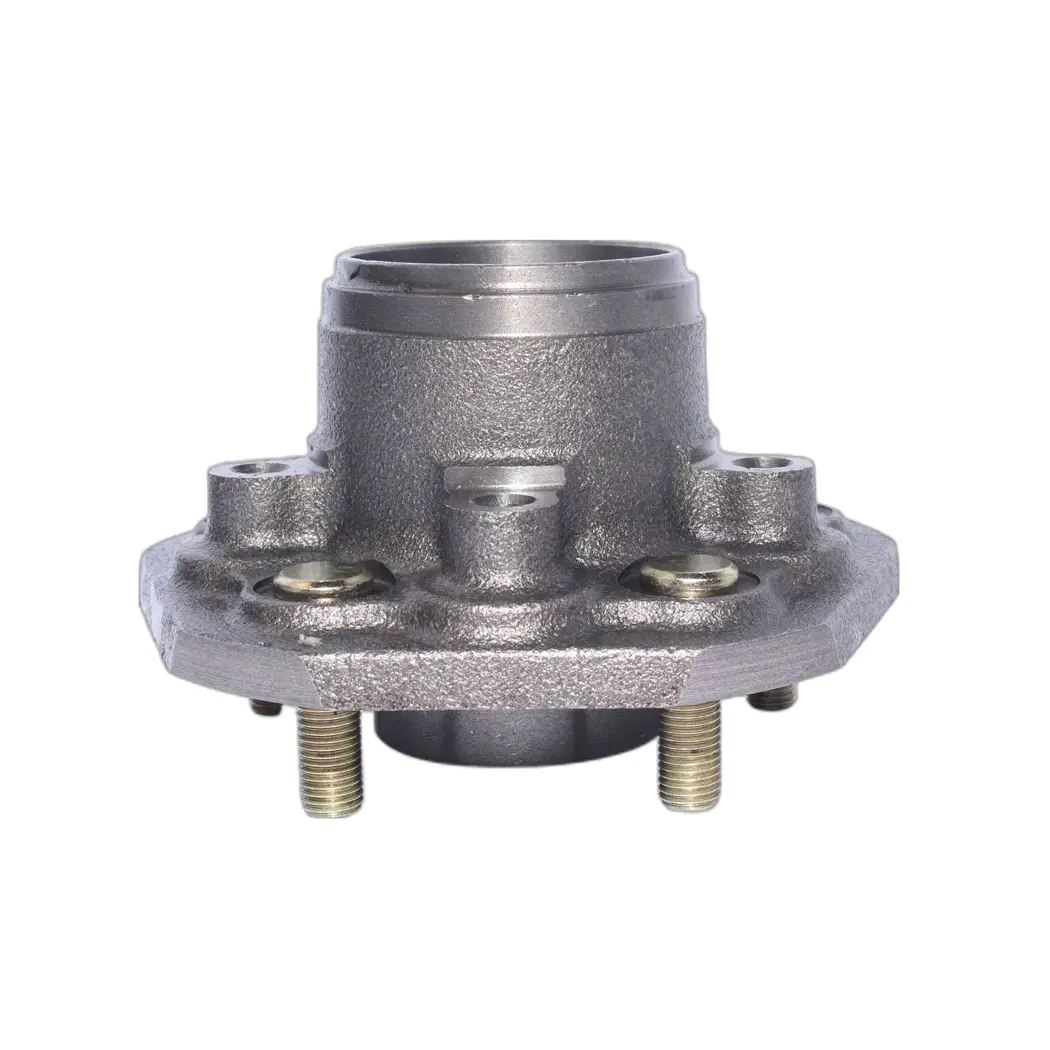
Spindle material affects both durability and cost, and choosing the right one depends on the application's load demands. The table below outlines the most common options.
| Material | Load Capacity | Common Application |
| Forged Carbon Steel | Moderate to High | Passenger vehicles, light trucks |
| Alloy Steel | High | Heavy-duty trucks, commercial fleets |
| Cast Steel | Low to Moderate | Utility and boat trailers |
Replacing a spindle is more involved than a standard bearing swap since it often requires unbolting or cutting the old spindle away from the axle beam, especially on welded trailer axles. On vehicles where the spindle is part of the knuckle assembly, the entire knuckle may need replacement rather than the spindle alone. After installation, proper torque specifications on the spindle nut and hub assembly are critical, since overtightening can damage bearings while undertightening allows dangerous wheel play.
For trailer applications, many owners choose to upgrade to a slightly larger spindle and matching hub kit during replacement, which can increase load capacity and reduce the chance of future bearing failure under heavy hauling conditions.
Most spindle damage is actually secondary damage caused by neglected bearing maintenance. Keeping up with these habits significantly extends spindle life.
• ADD: 42705 Grand River Avenue, Suite 201, Novi. Michigan 48375, USA.
© Copyright 2017 HANGZHOU HANJI AUTO PARTS.CO.,LTD. All Rights Reserved. Wheel Hub Unit Manufacturer