Content
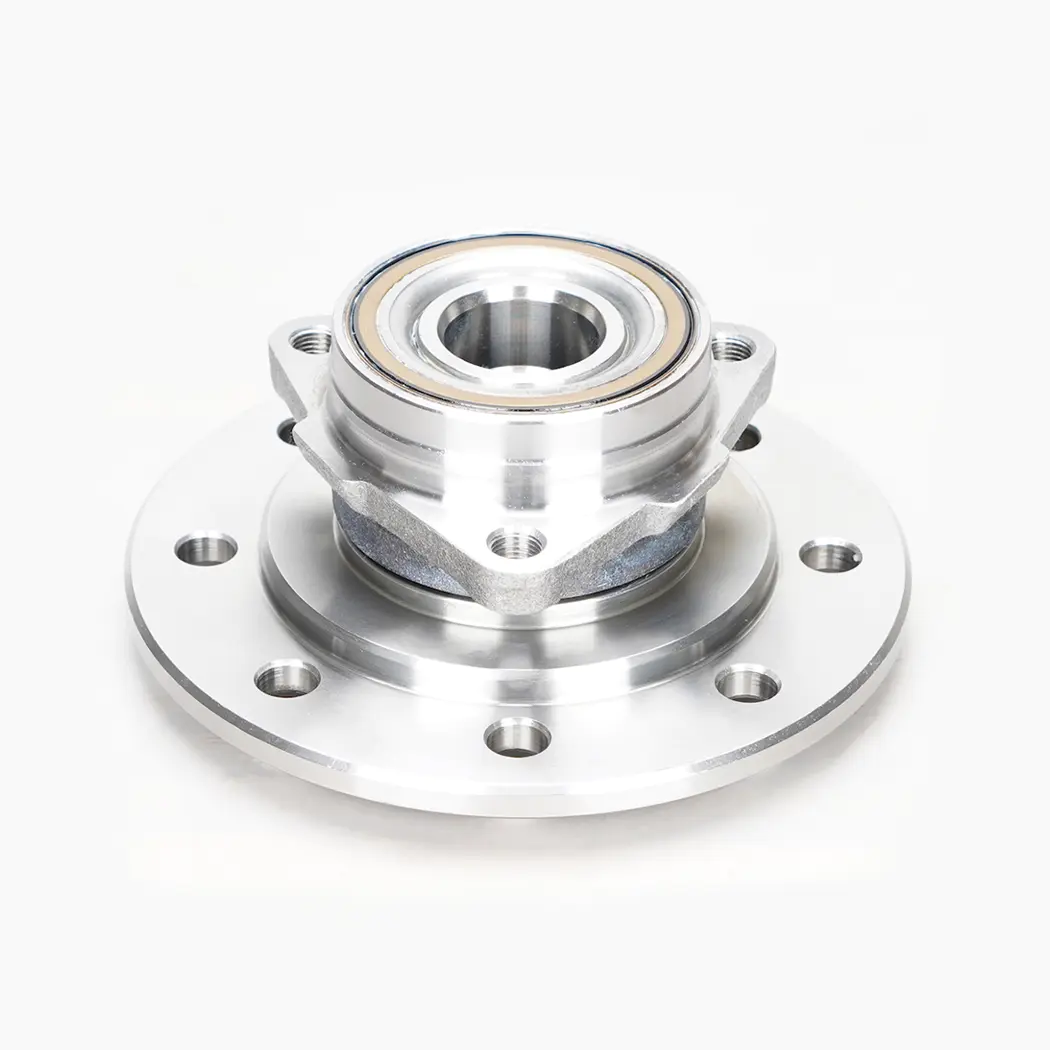
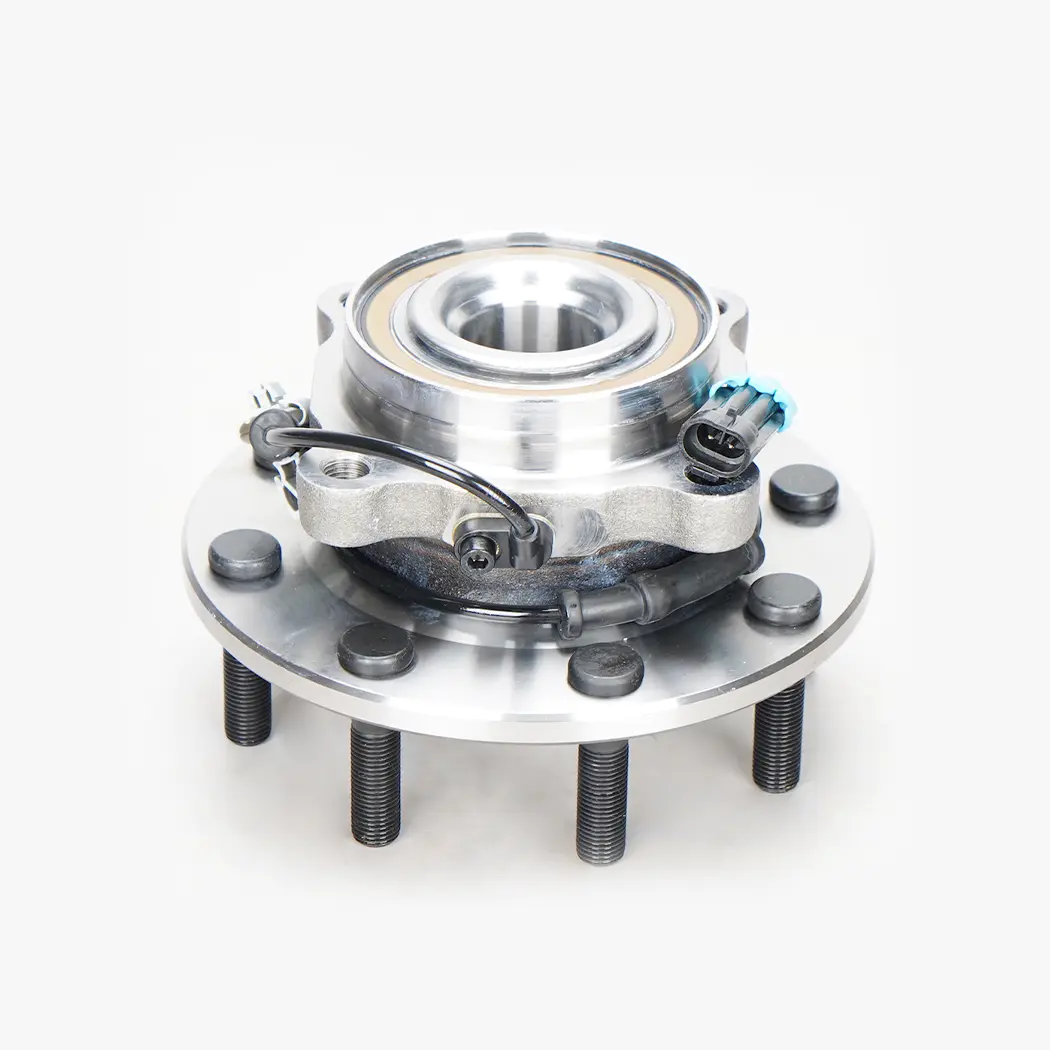
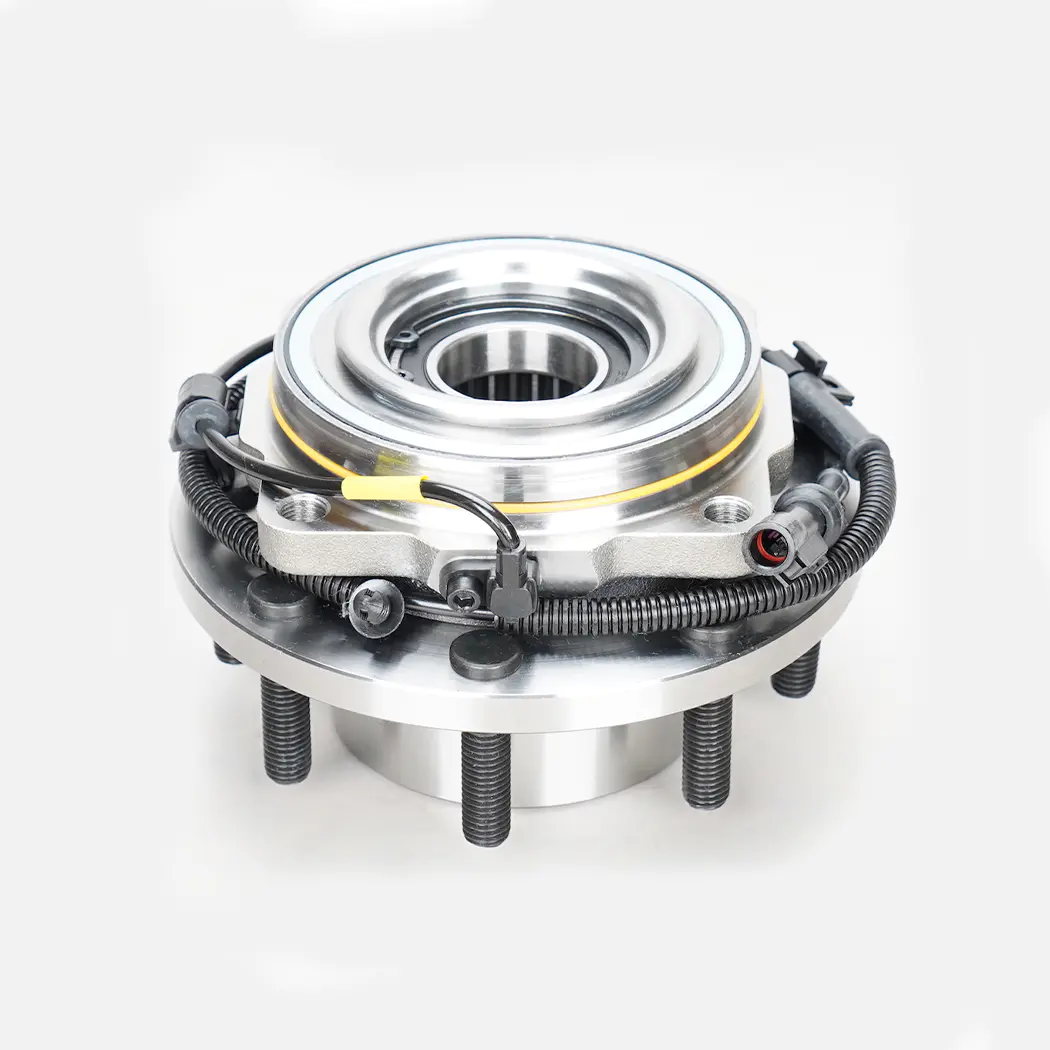
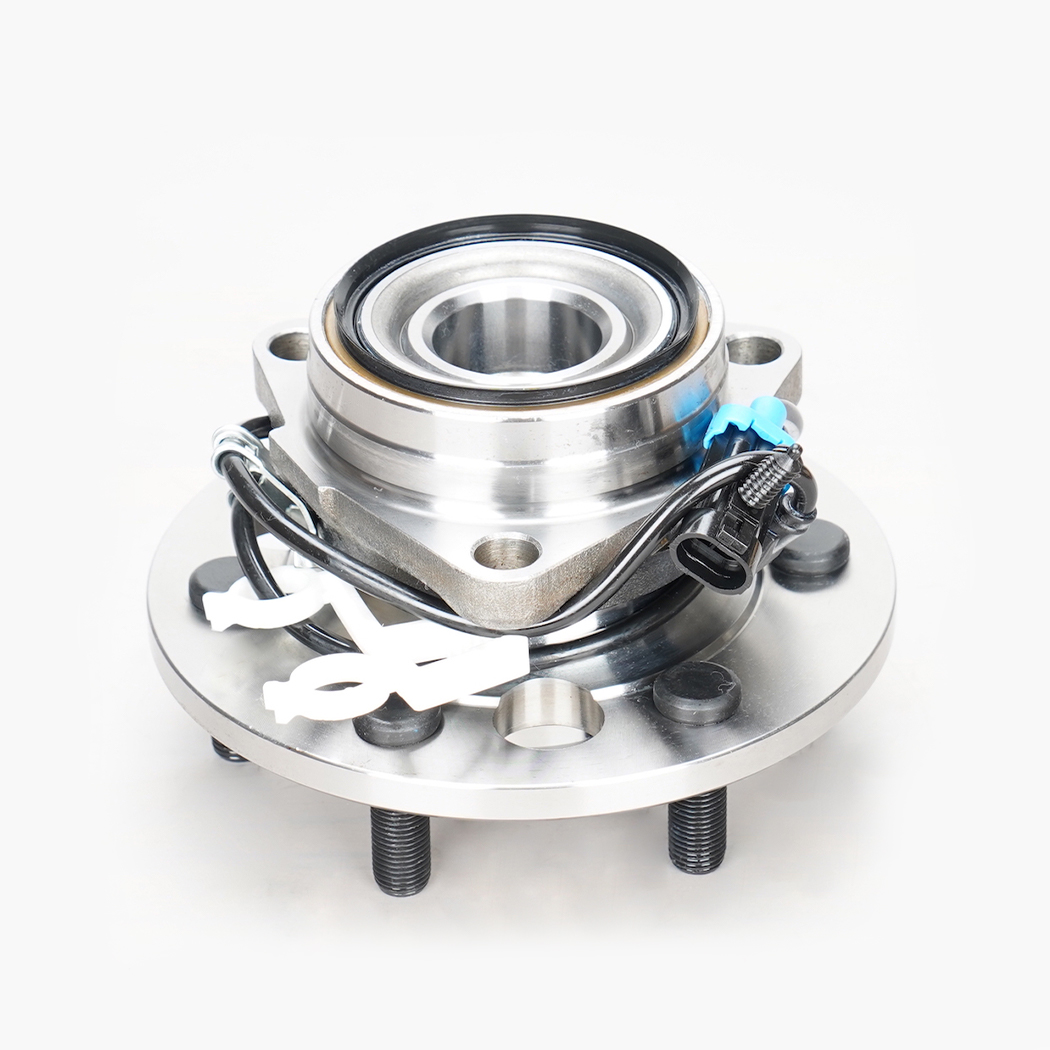
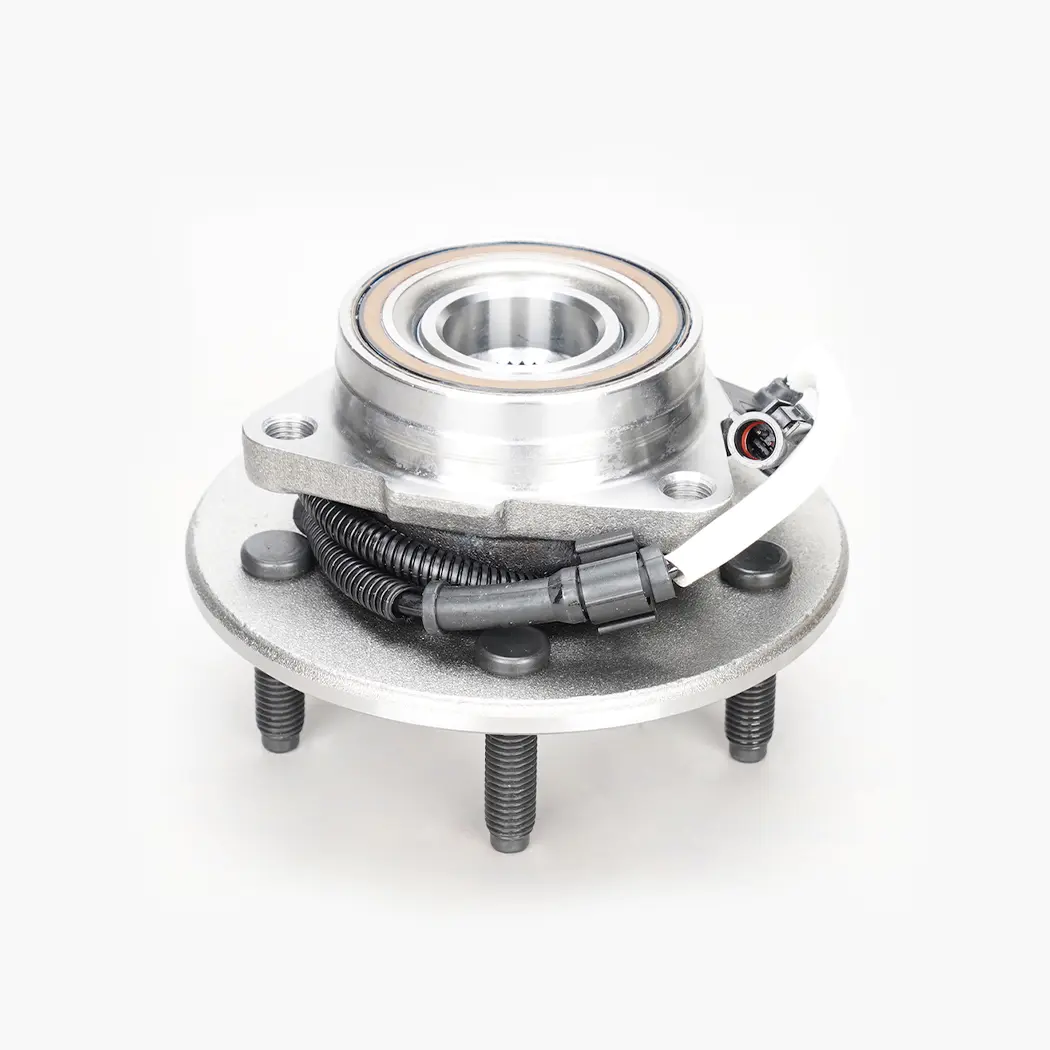
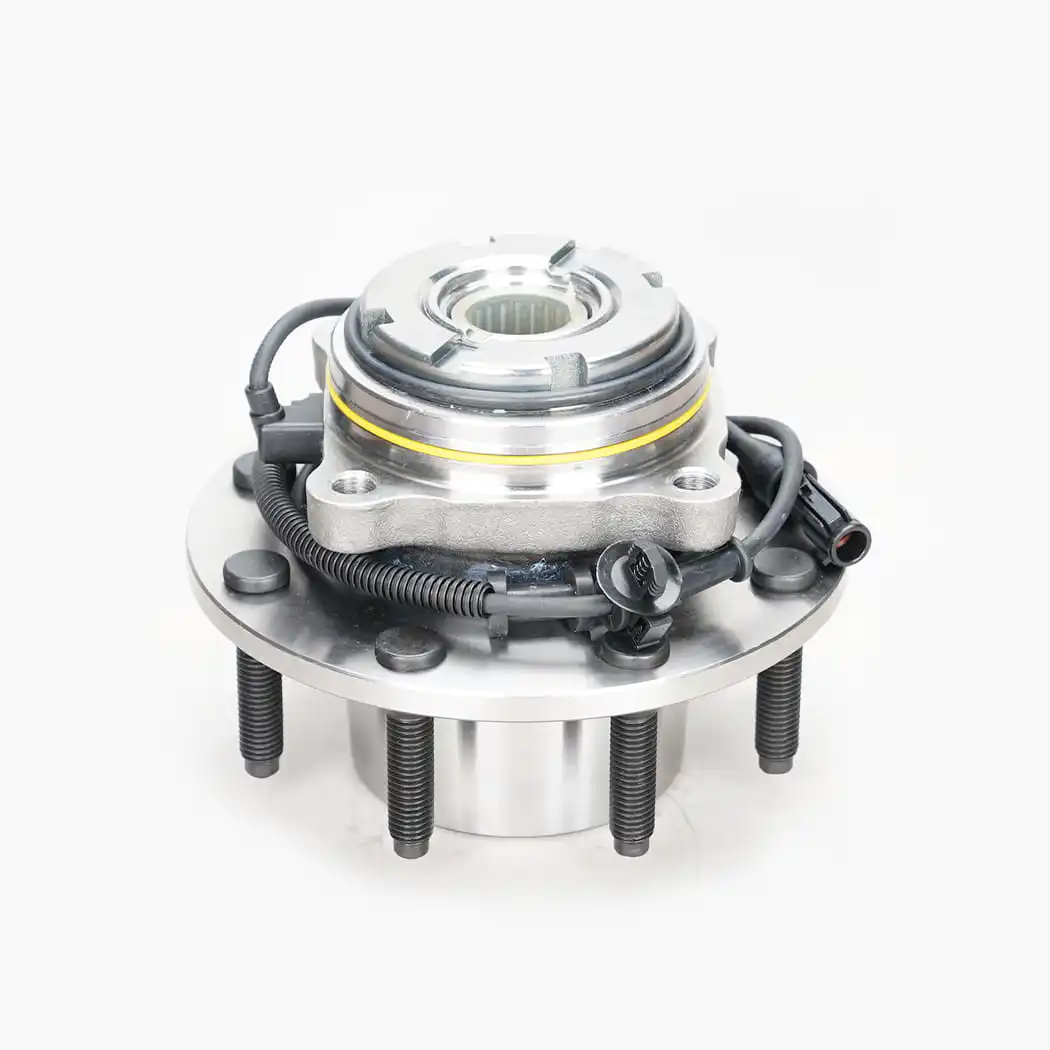
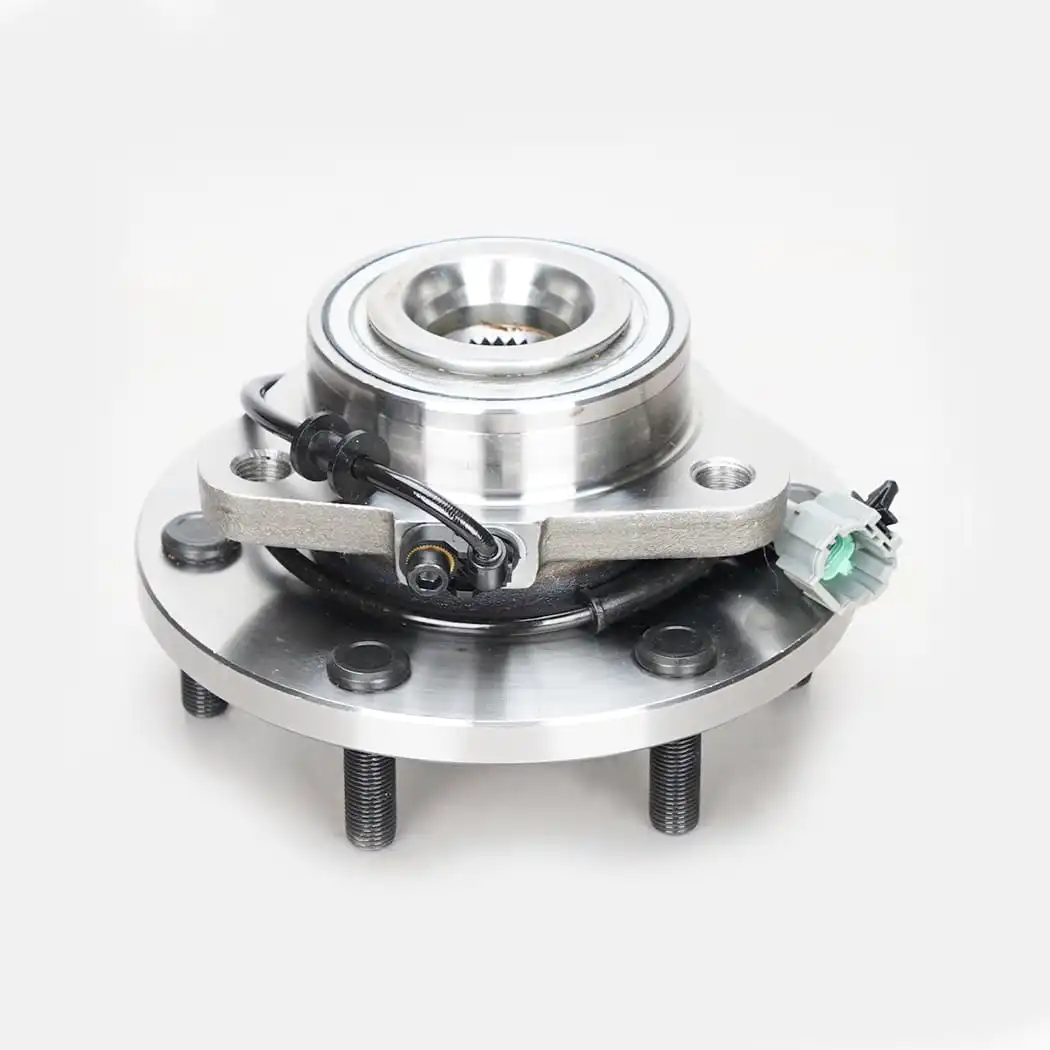
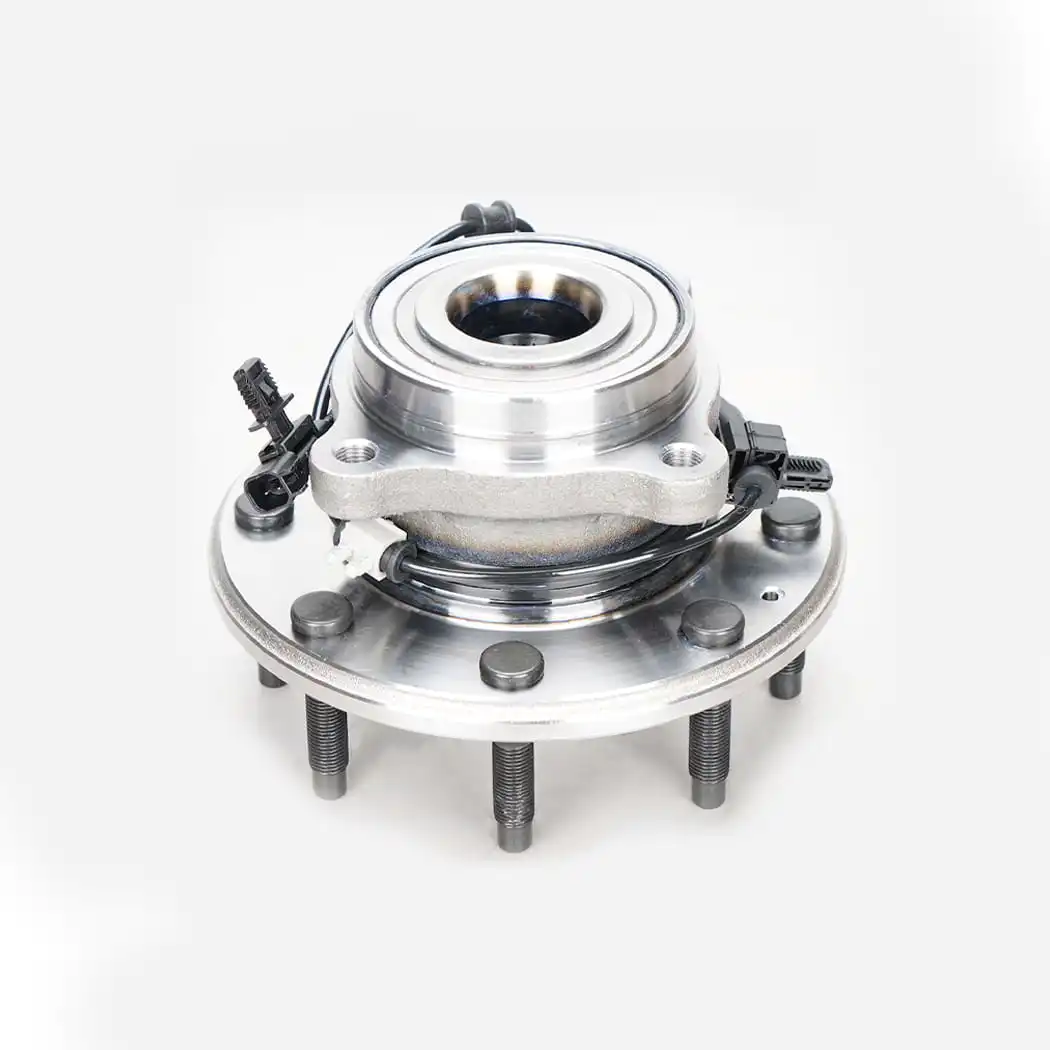
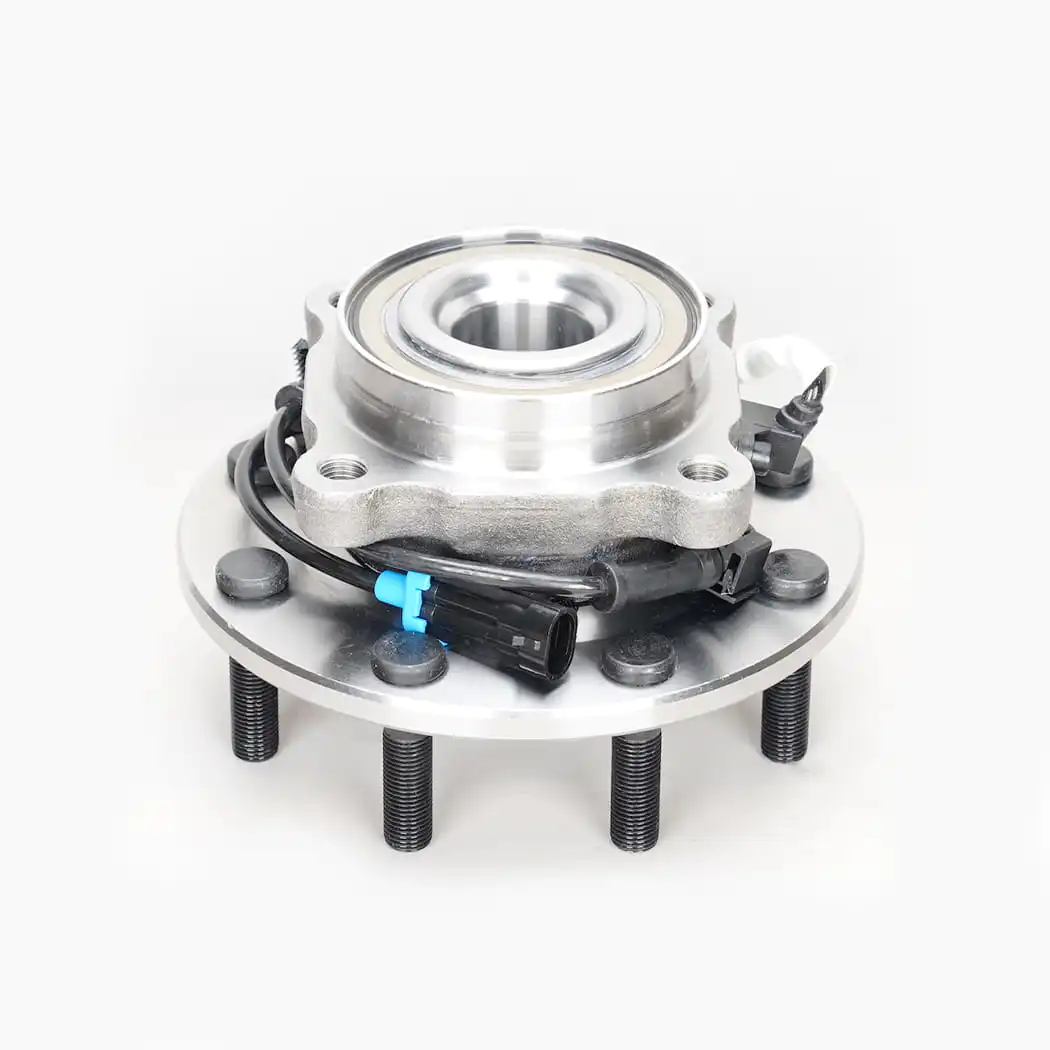
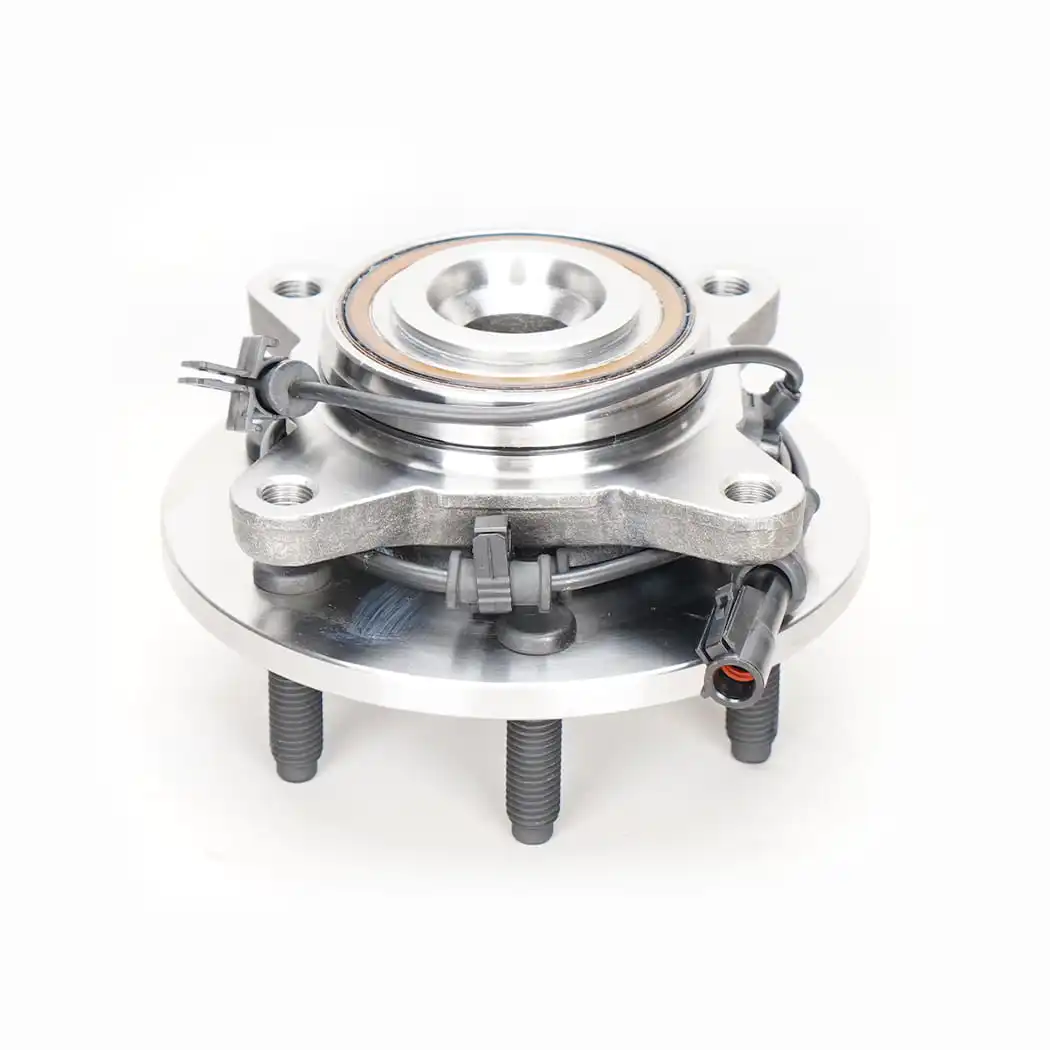
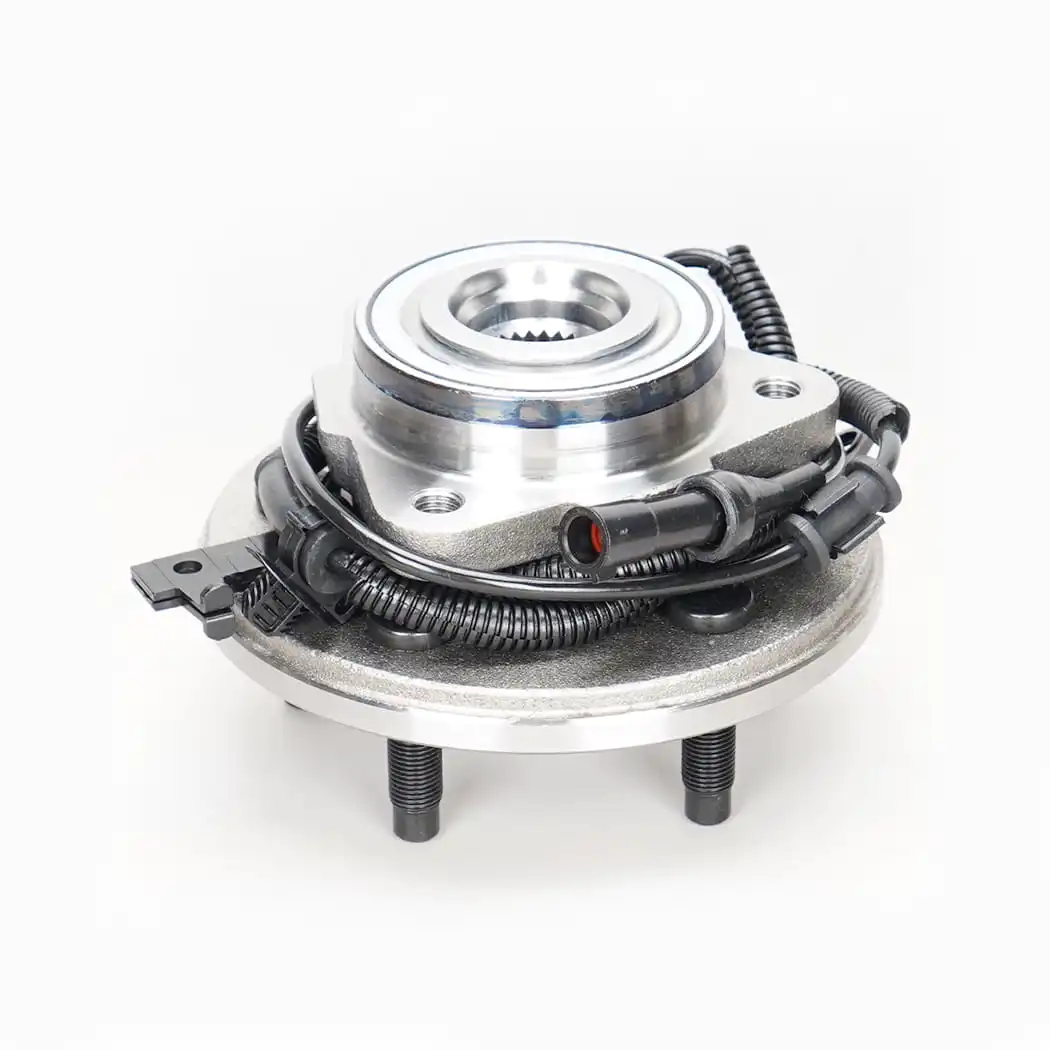
The front hub assembly is a cornerstone of your vehicle's steering and suspension system. It serves as the mounting point for the wheels and houses the wheel bearings that allow for smooth rotation. Beyond just holding the wheels in place, the assembly often integrates critical sensors for the Anti-lock Braking System (ABS) and Traction Control System (TCS). Because this component bears the entire weight of the front end while enduring constant friction and road vibration, its integrity is paramount for maintaining directional stability and braking efficiency.
Modern vehicles typically utilize a "sealed unit" design, which integrates several components into one pre-assembled package. This design is engineered to be maintenance-free, though it requires total replacement if a single internal part fails. Understanding these components helps in diagnosing issues before they lead to a roadside breakdown.
Early detection of a failing front hub assembly can prevent damage to the axle and CV joints. Neglecting these signs can lead to the wheel seizing or, in extreme cases, detaching from the vehicle. Mechanics often look for a combination of auditory and physical feedback during a test drive.
| Symptom | Potential Cause |
| Growling or Humming Noise | Worn or pitted internal bearings. |
| Steering Wheel Vibration | Excessive "play" or looseness in the hub. |
| ABS Warning Light | Damaged sensor or debris on the tone ring. |
| Uneven Tire Wear | Misalignment caused by a shifting hub unit. |
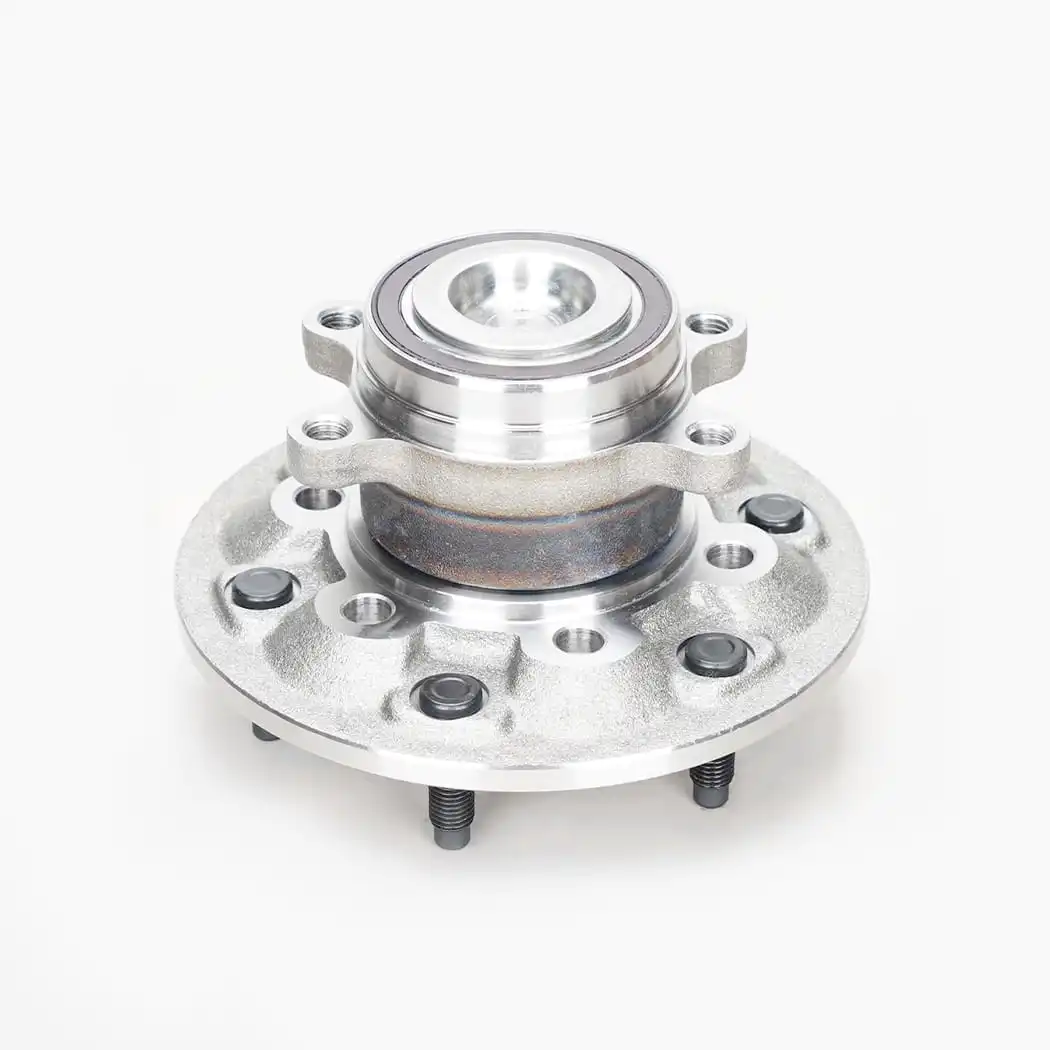
When replacing a front hub assembly, the precision of the installation is just as important as the quality of the part itself. Improper torque settings are the leading cause of premature hub failure. It is essential to use a calibrated torque wrench rather than an impact gun for the final tightening of the axle nut and mounting bolts.
By adhering to these practical steps and monitoring for early warning signs, drivers can ensure their front hub assembly remains reliable. Quality parts and meticulous installation are the best insurance against the costly repairs associated with drivetrain and suspension failure.
• ADD: 42705 Grand River Avenue, Suite 201, Novi. Michigan 48375, USA.
© Copyright 2017 HANGZHOU HANJI AUTO PARTS.CO.,LTD. All Rights Reserved. Wheel Hub Unit Manufacturer