Content
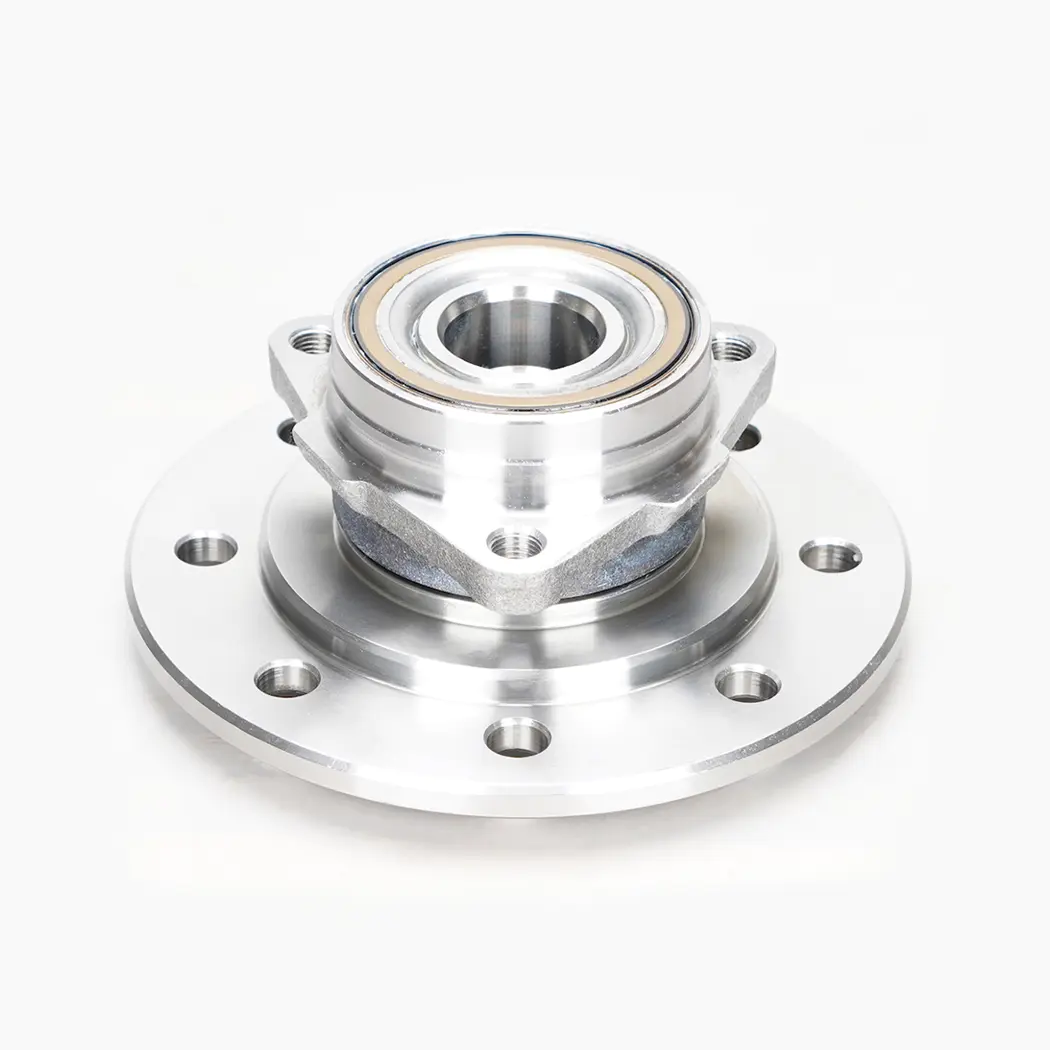
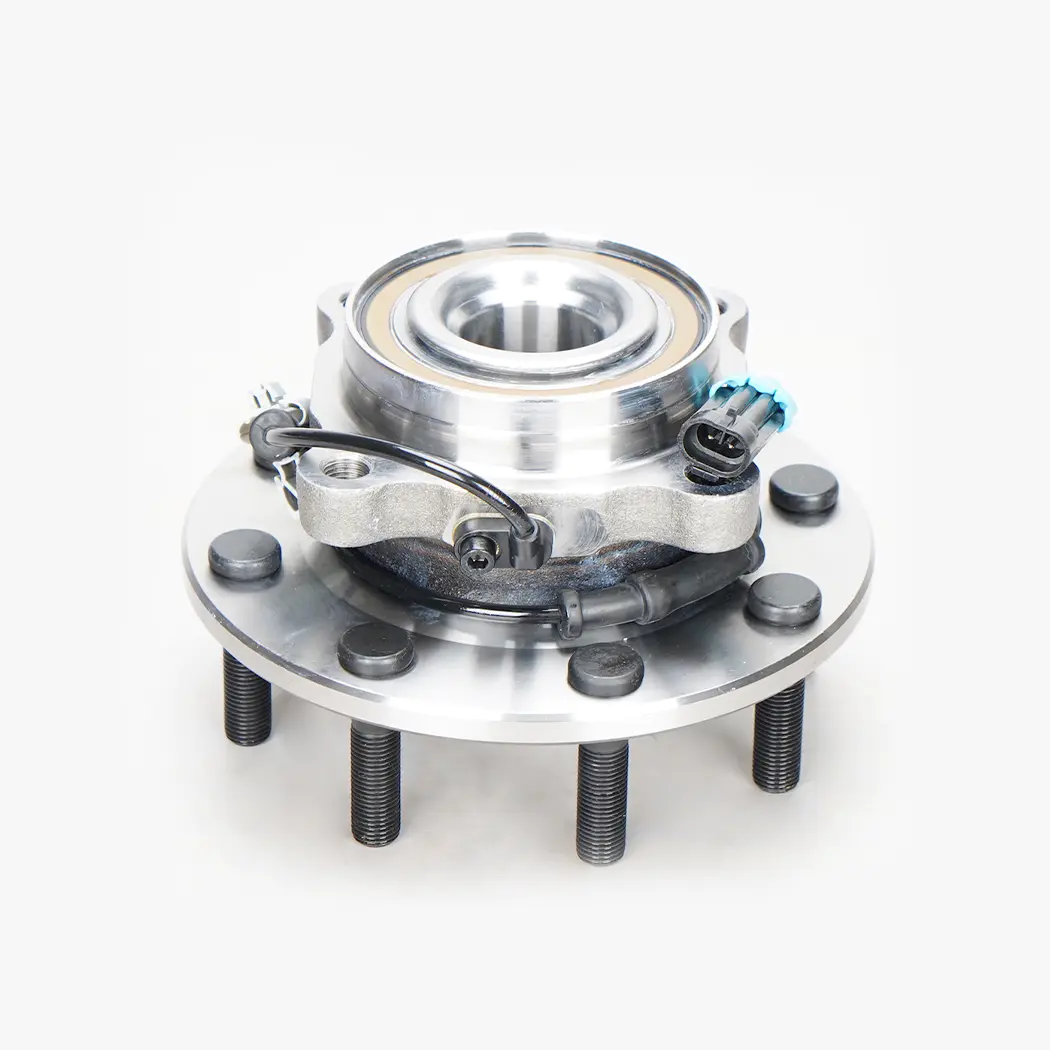
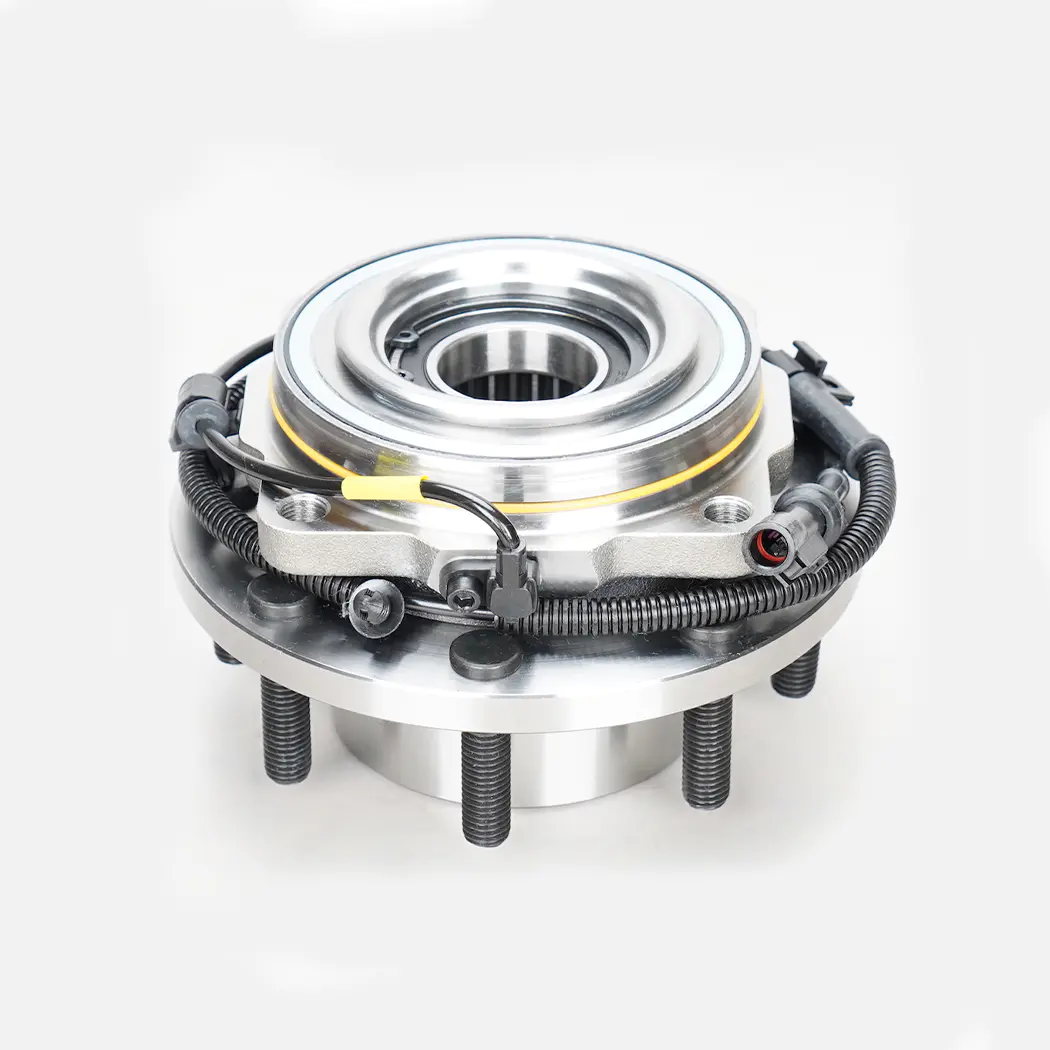
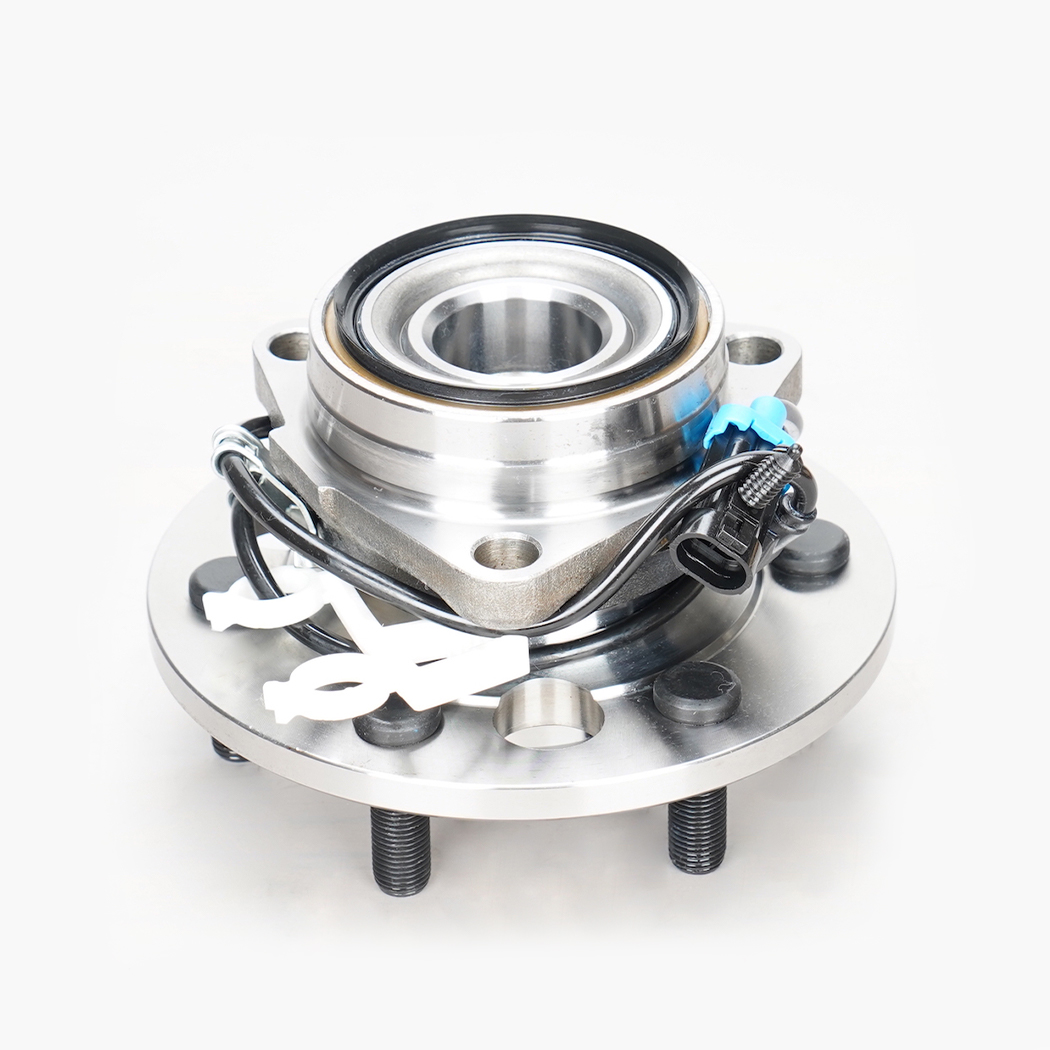
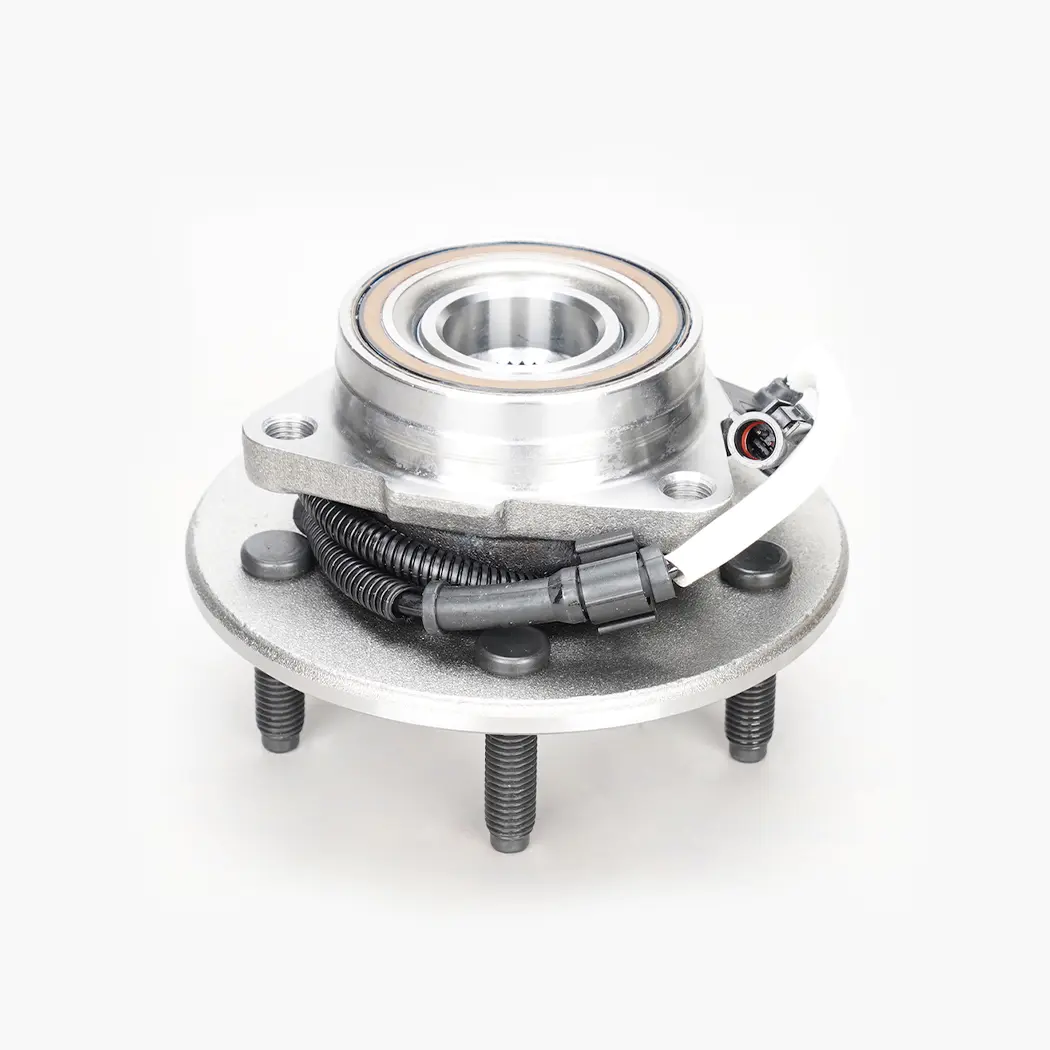
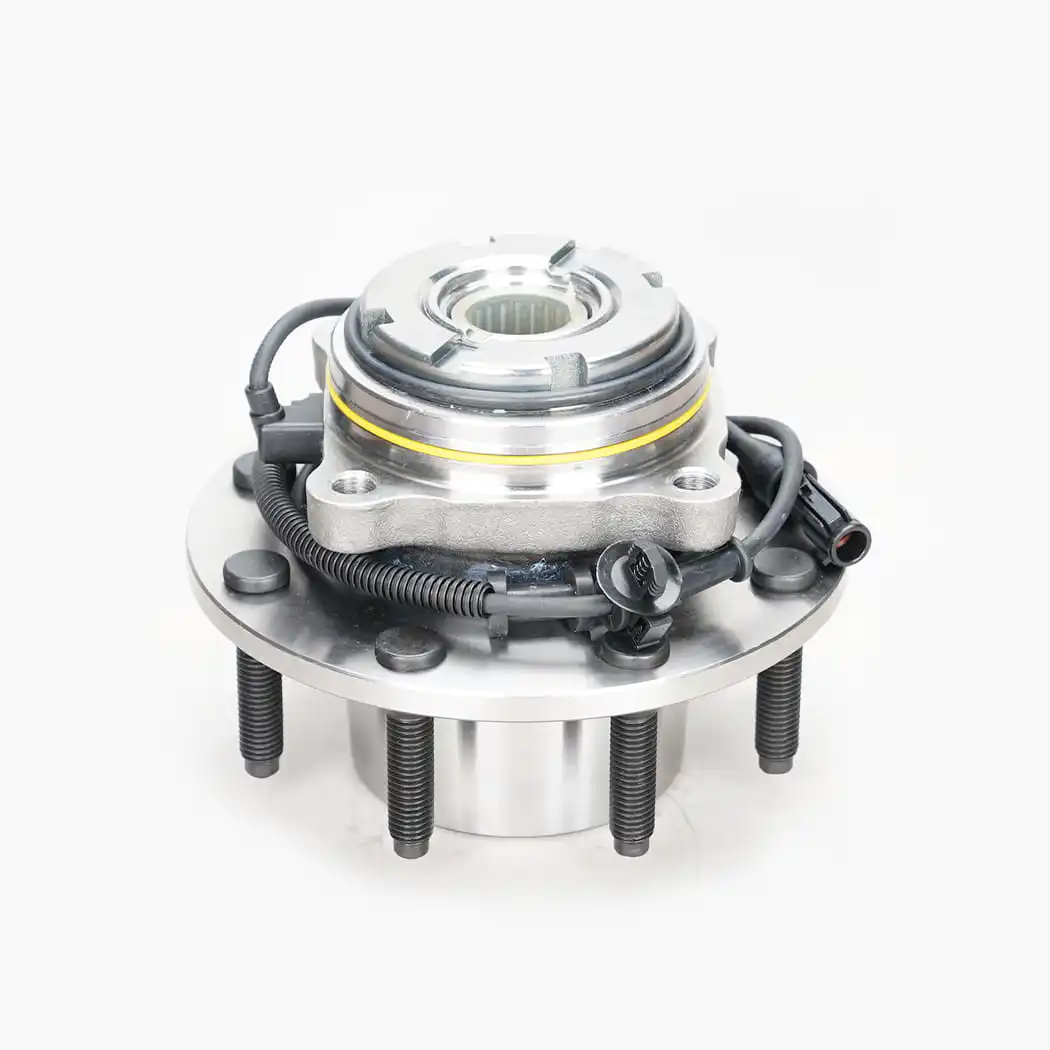
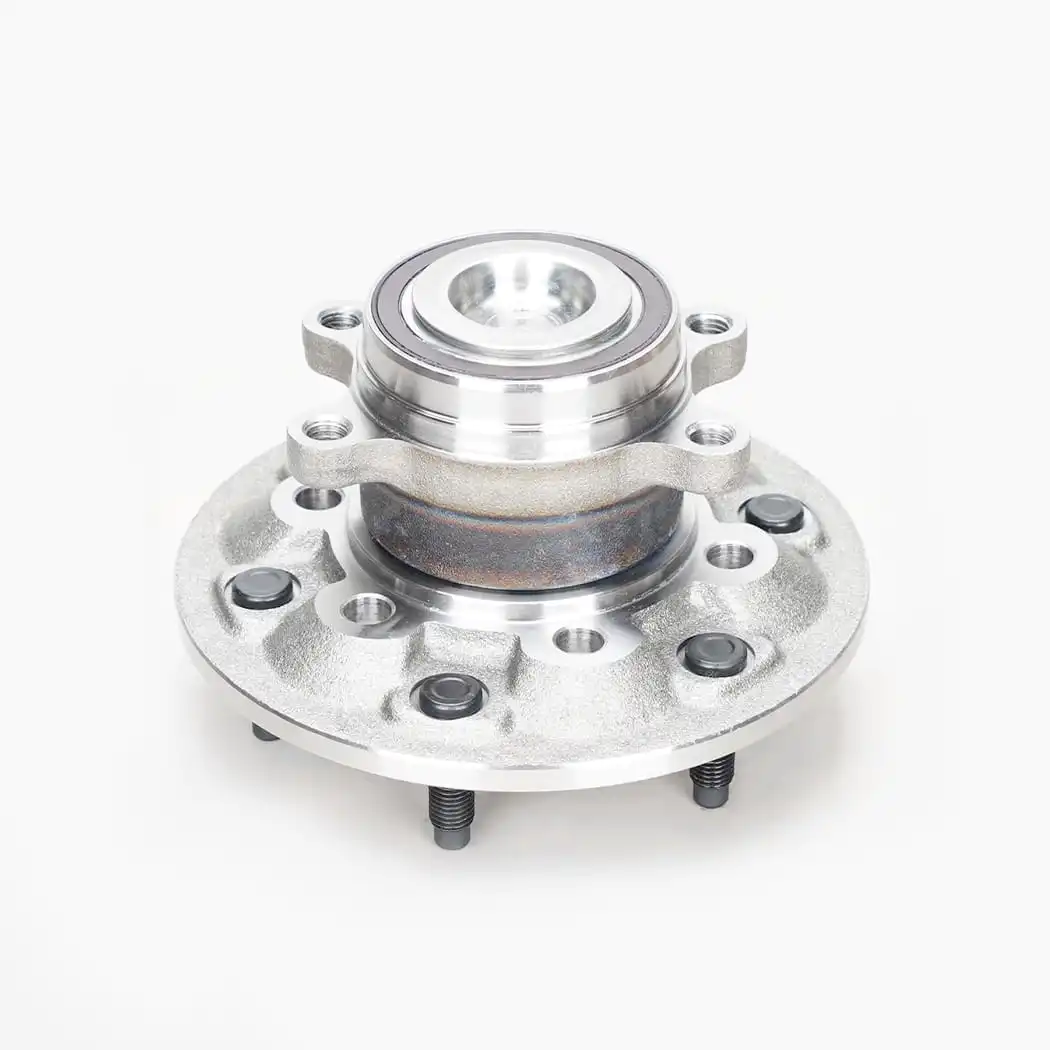
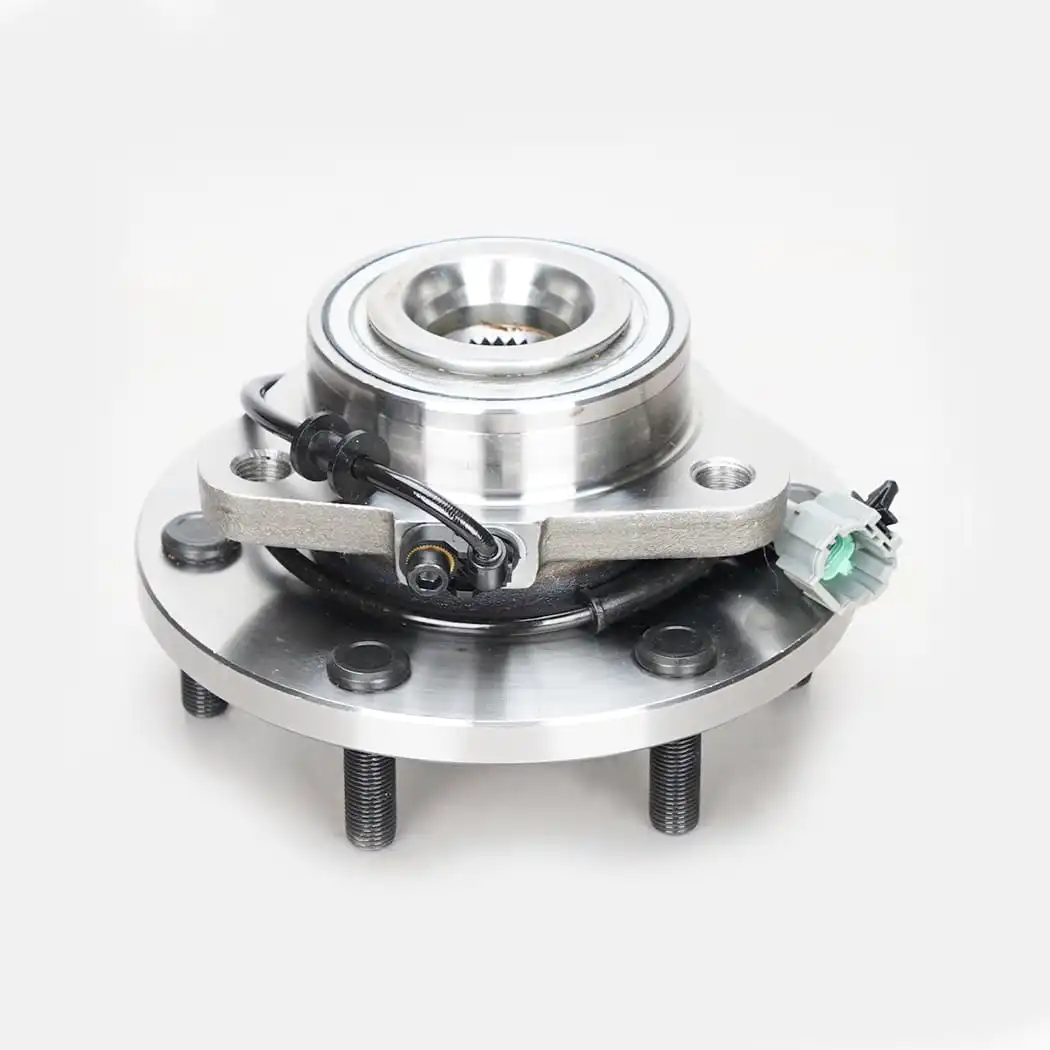
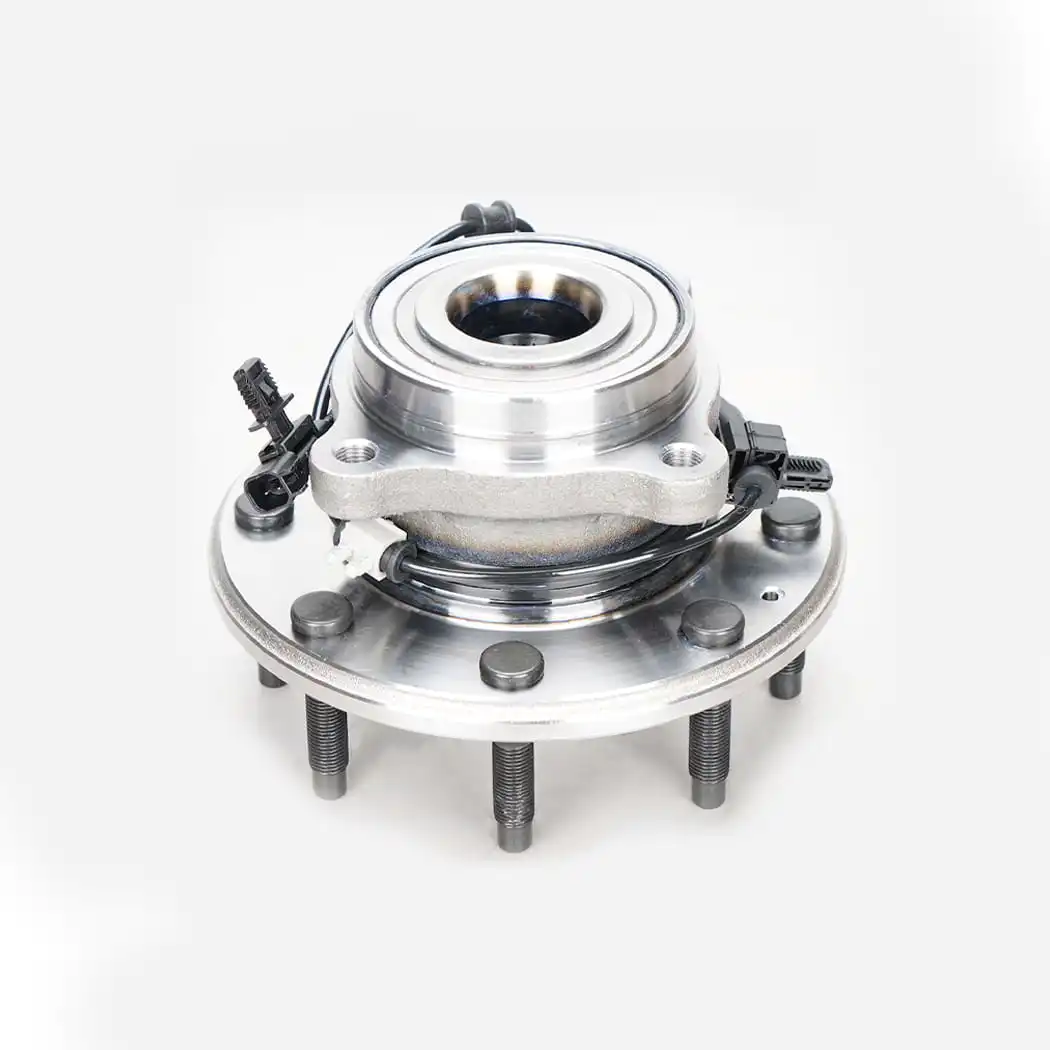
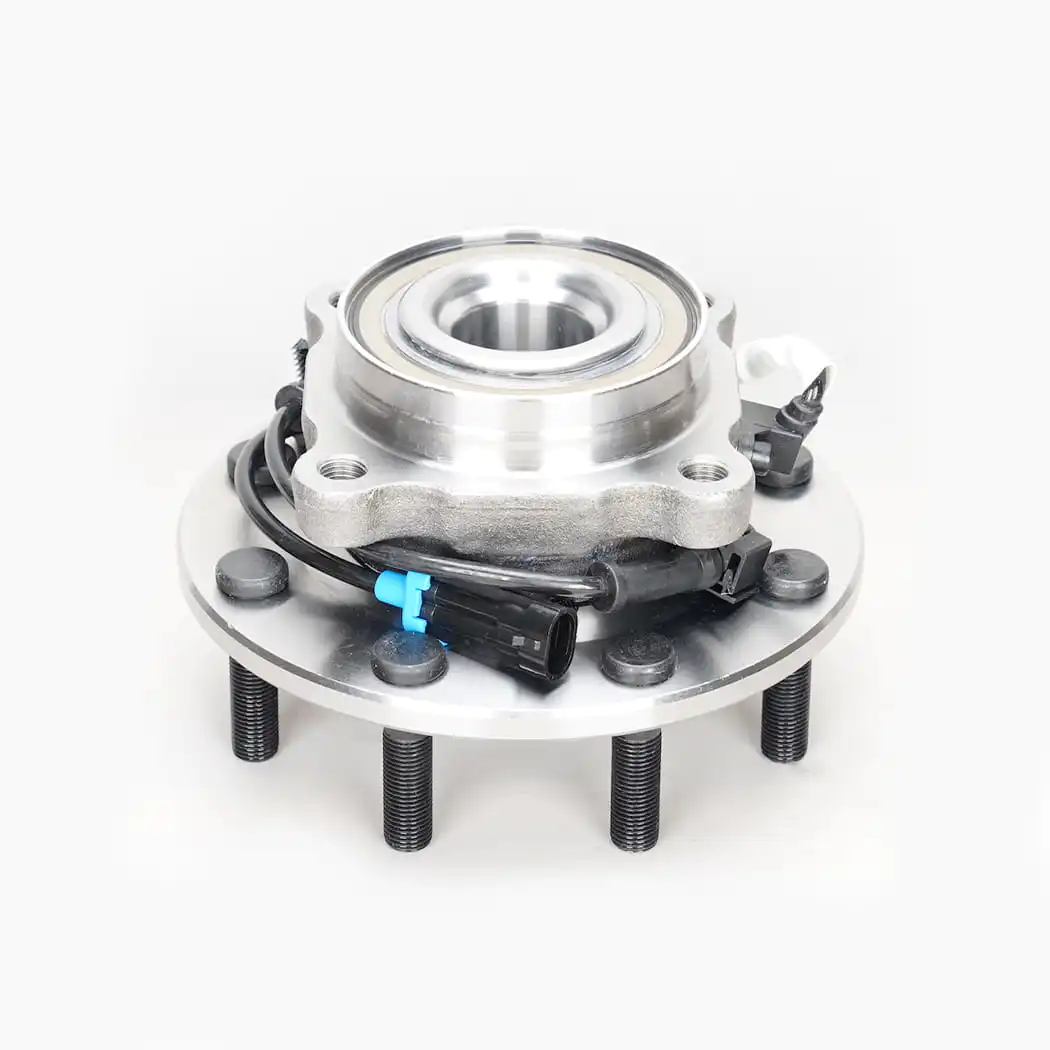
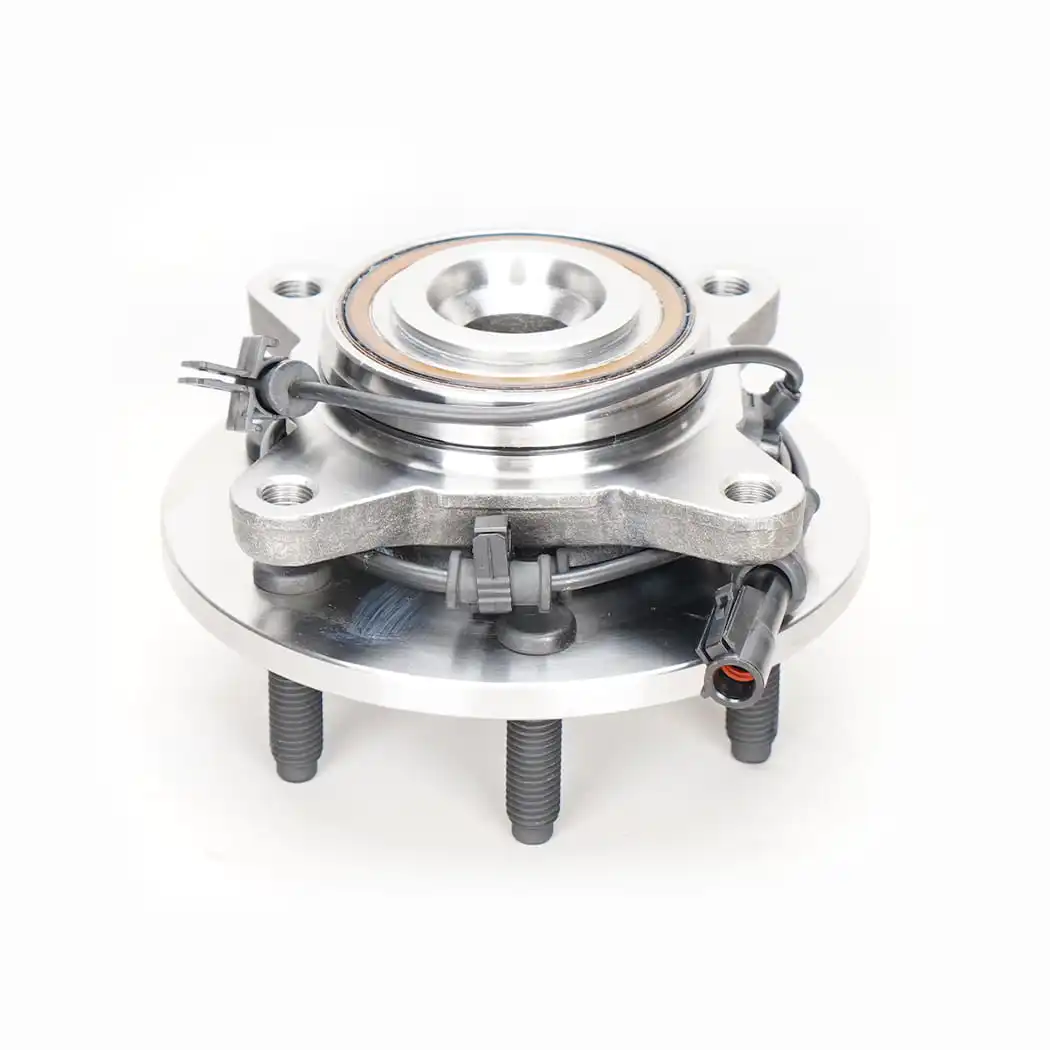
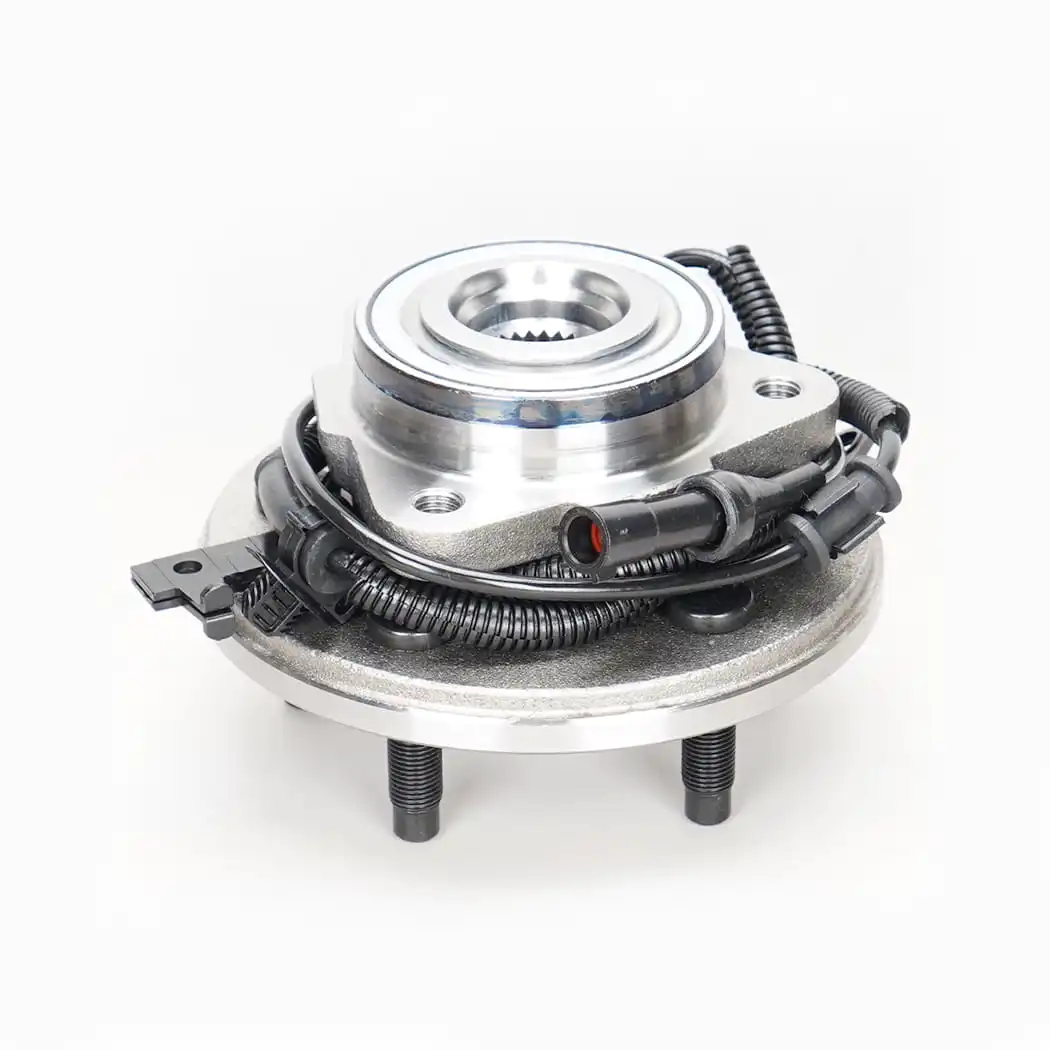
The wheel hub unit is a fundamental component of a vehicle's chassis system, acting as the primary connection point between the wheel and the rest of the car. Unlike older designs that used separate bearings and seals, modern hub units integrate these components into a single, pre-assembled package. This integration not only simplifies the manufacturing process but also significantly enhances the structural integrity of the wheel assembly. By maintaining precise alignment and reducing friction, a high-quality hub unit ensures that the vehicle handles predictably while supporting the entire weight of the car under various driving conditions.
Beyond structural support, the hub unit is essential for the functionality of advanced safety systems. Most modern units include integrated sensors that communicate directly with the vehicle's Anti-lock Braking System (ABS) and Traction Control System (TCS). These sensors track the rotational speed of each wheel in real-time, allowing the onboard computer to make split-second adjustments to braking pressure or engine power. Consequently, a failure in the hub unit does not just cause mechanical noise; it can compromise the electronic safety net that protects drivers during emergency maneuvers.
First-generation wheel hub units are essentially double-row angular contact ball bearings or tapered roller bearings. These are generally not integrated with a flange and must be pressed into the steering knuckle or onto the axle. While they are cost-effective for manufacturers, they require more labor-intensive replacement and precise manual torque settings during installation to ensure longevity.
The evolution to Gen 2 and Gen 3 units introduced integrated flanges. Gen 2 units typically feature an outer mounting flange, while Gen 3 units incorporate both inner and outer flanges for mounting the wheel and the brake disc directly. These "bolt-on" designs are significantly easier to service and come pre-set with the correct bearing preload from the factory, which eliminates the risk of human error during installation and improves overall service life.
Selecting the right wheel hub unit requires an understanding of the mechanical differences between bearing types. The following table illustrates the key distinctions between standard ball-type and roller-type hub units used in modern automotive applications.
| Feature | Ball Bearing Hub Units | Tapered Roller Hub Units |
| Load Capacity | Moderate - Best for Passenger Cars | High - Ideal for Trucks and SUVs |
| Friction Level | Very Low - Better Fuel Economy | Slightly Higher |
| Typical Application | Sedans and Compact Vehicles | Heavy Duty Towing/Off-road |
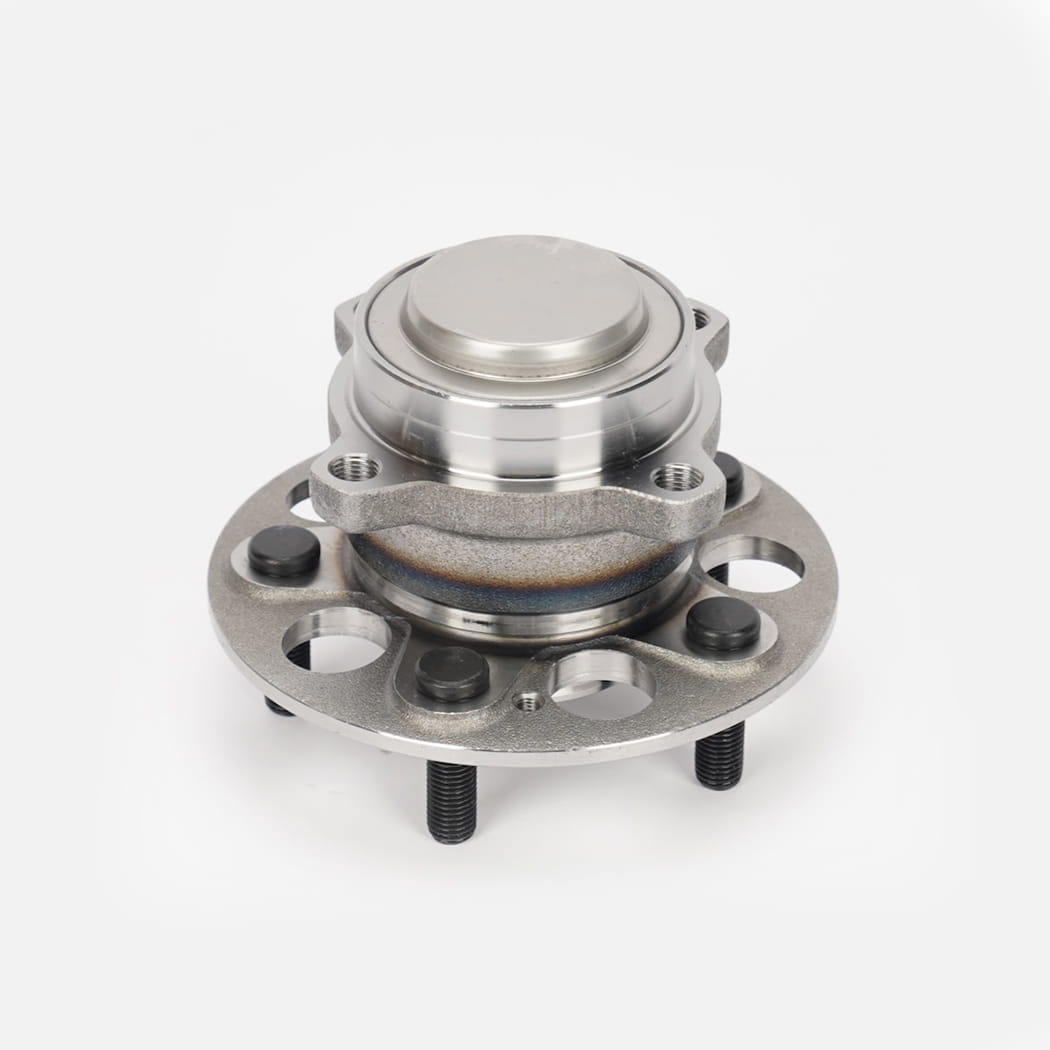
Identifying a failing wheel hub unit early is crucial for preventing roadside breakdowns and expensive secondary repairs to the axle or suspension. Because these units are sealed for life, they cannot be lubricated or serviced; they must be replaced entirely once they begin to degrade. Owners and technicians should look for the following indicators:
To maximize the lifespan of a wheel hub unit, it is essential to avoid hitting deep potholes or curbs at high speeds, as the sudden impact can create microscopic indentations (brinelling) in the bearing races. Additionally, ensuring that your wheels are properly balanced and that the suspension system is in good repair will prevent unnecessary stress and heat buildup within the hub assembly.
Even the highest quality wheel hub unit will fail prematurely if installed incorrectly. One of the most common mistakes is the use of an impact wrench to tighten the axle nut. This can lead to over-torquing, which crushes the internal bearings and leads to immediate overheating and failure. Professionals always use a calibrated torque wrench to meet the specific manufacturer requirements. Furthermore, cleaning the mounting surfaces on the steering knuckle is vital to ensure the hub sits perfectly flush, preventing misalignment that could cause the brakes to pulsate or the ABS sensor to provide false readings.
• ADD: 42705 Grand River Avenue, Suite 201, Novi. Michigan 48375, USA.
© Copyright 2017 HANGZHOU HANJI AUTO PARTS.CO.,LTD. All Rights Reserved. Wheel Hub Unit Manufacturer