Content
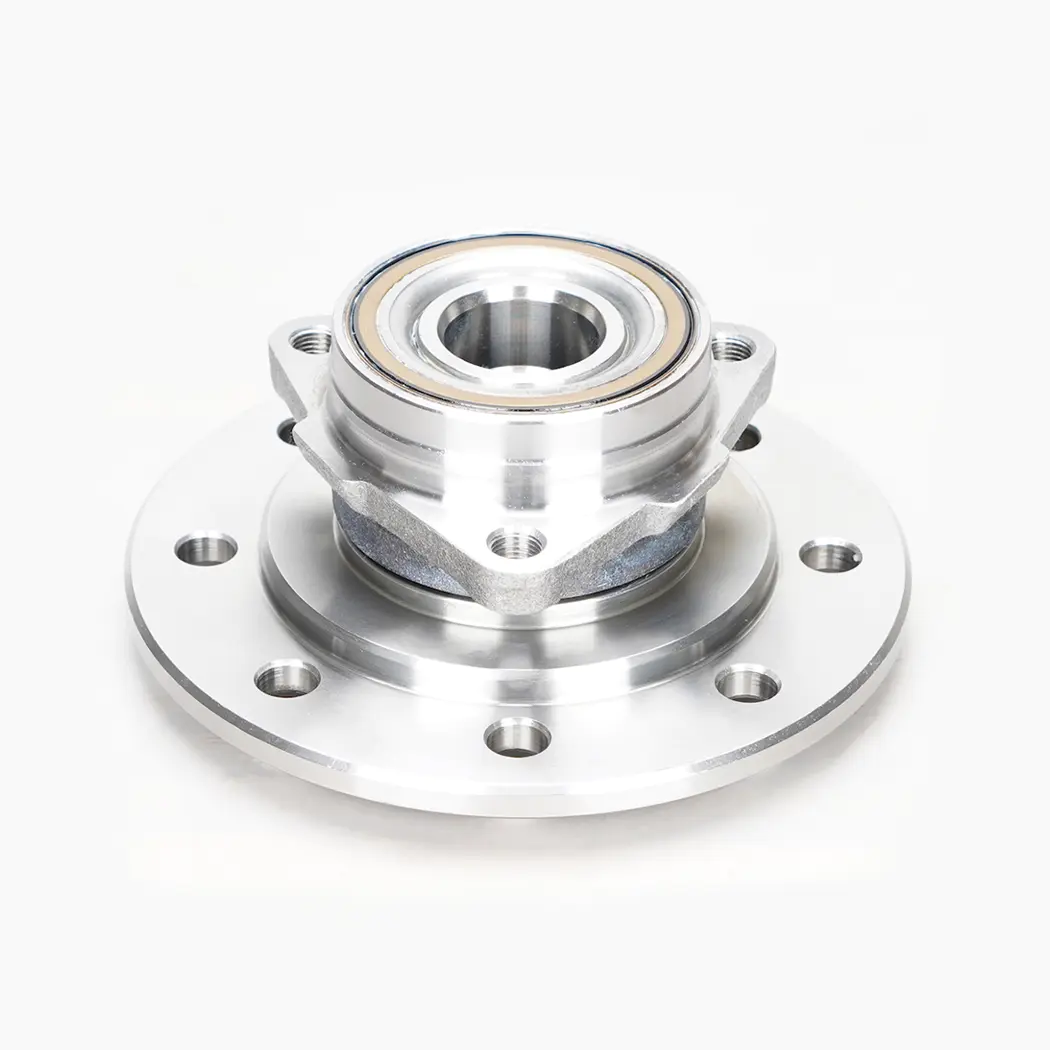
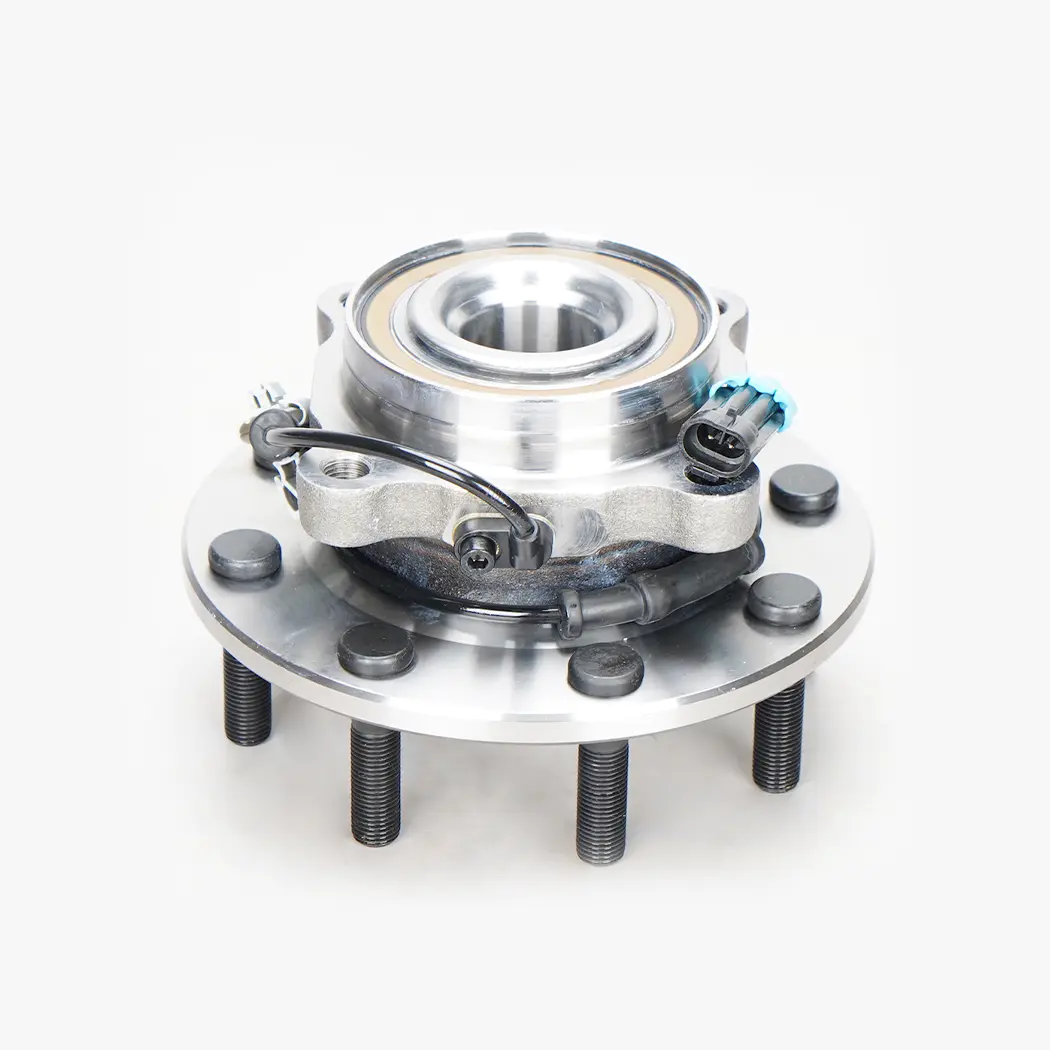
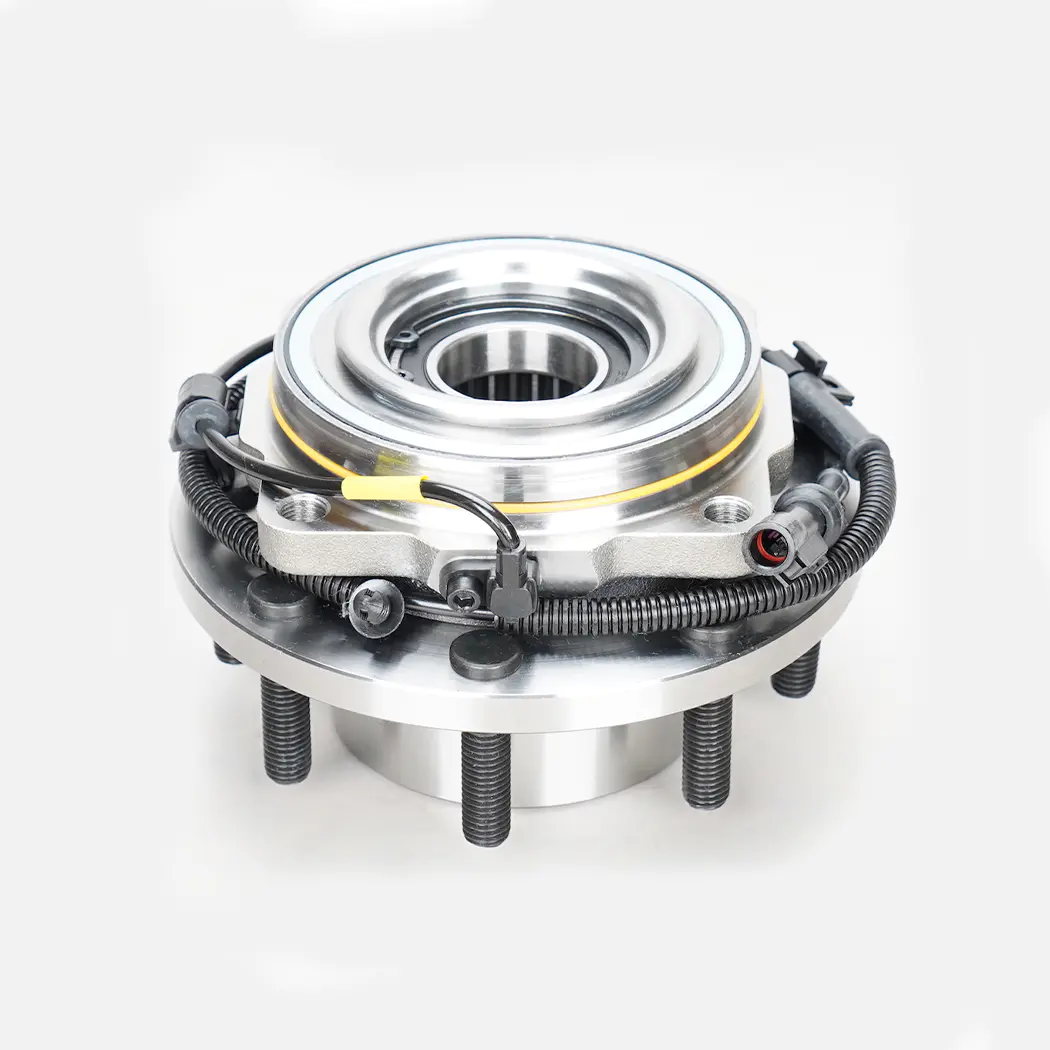
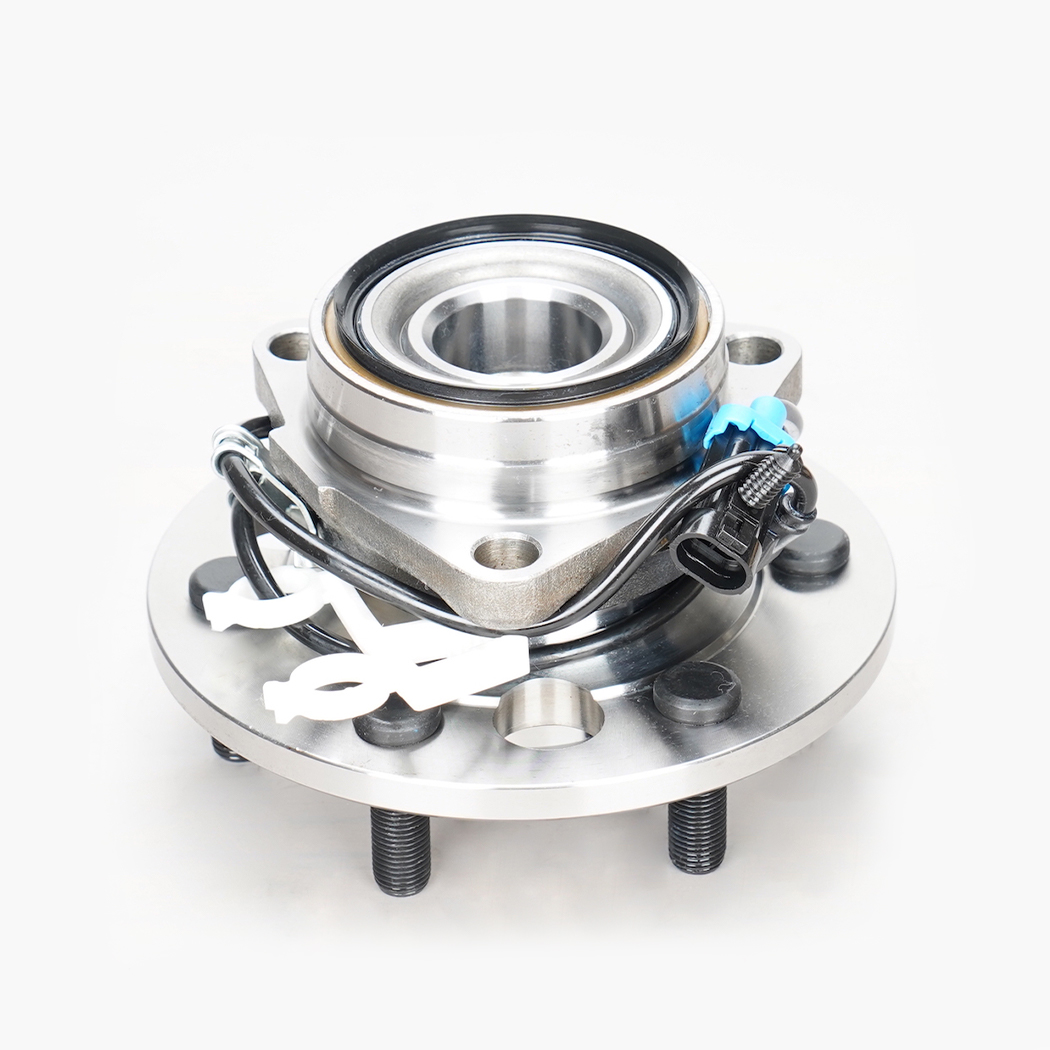
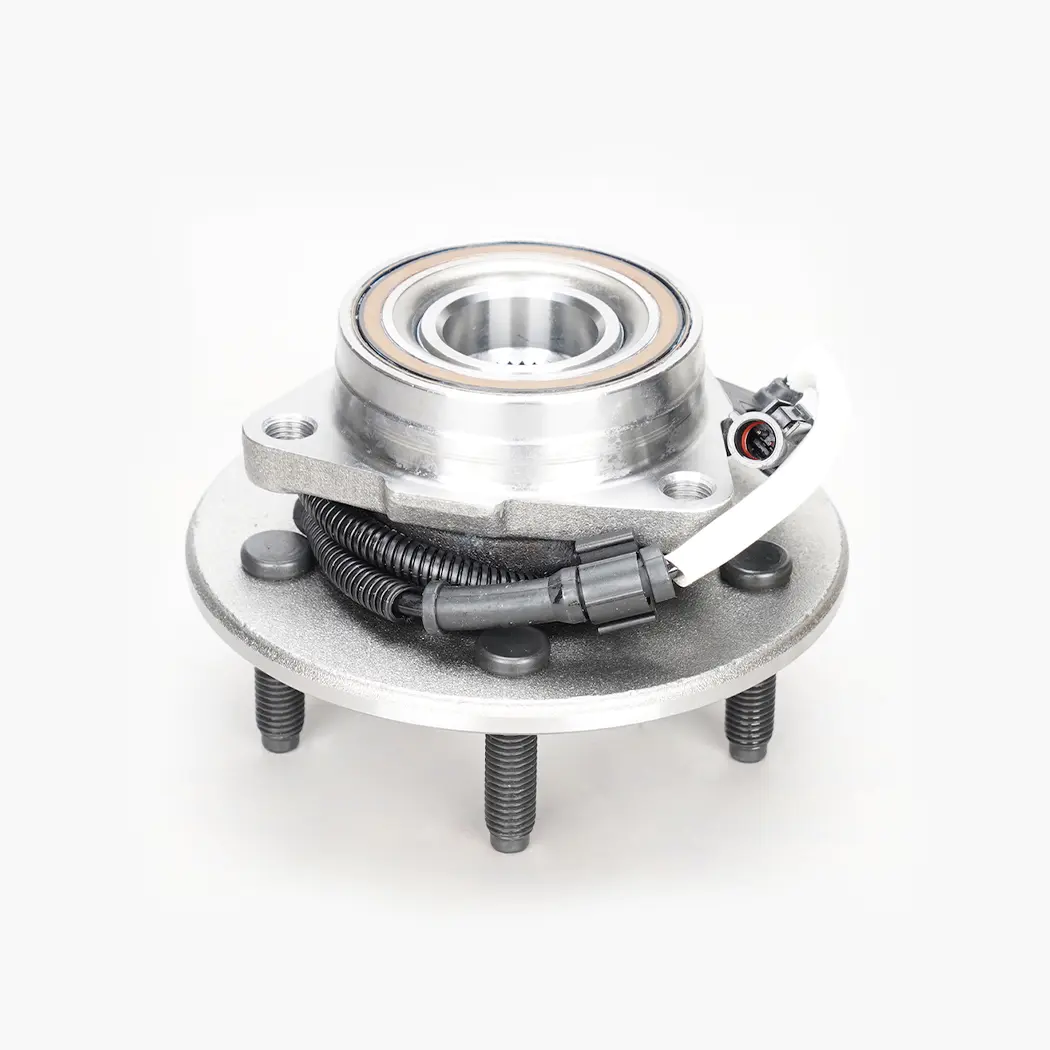
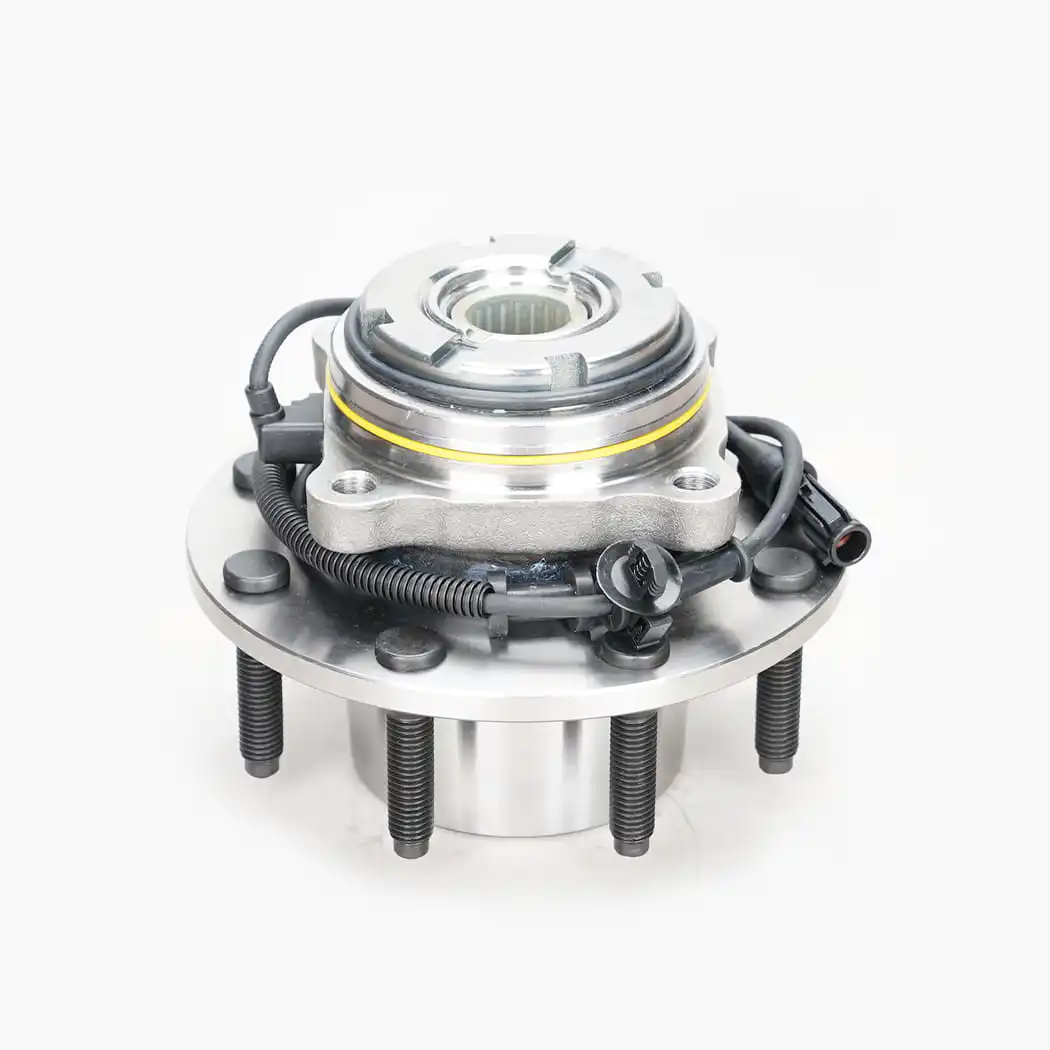
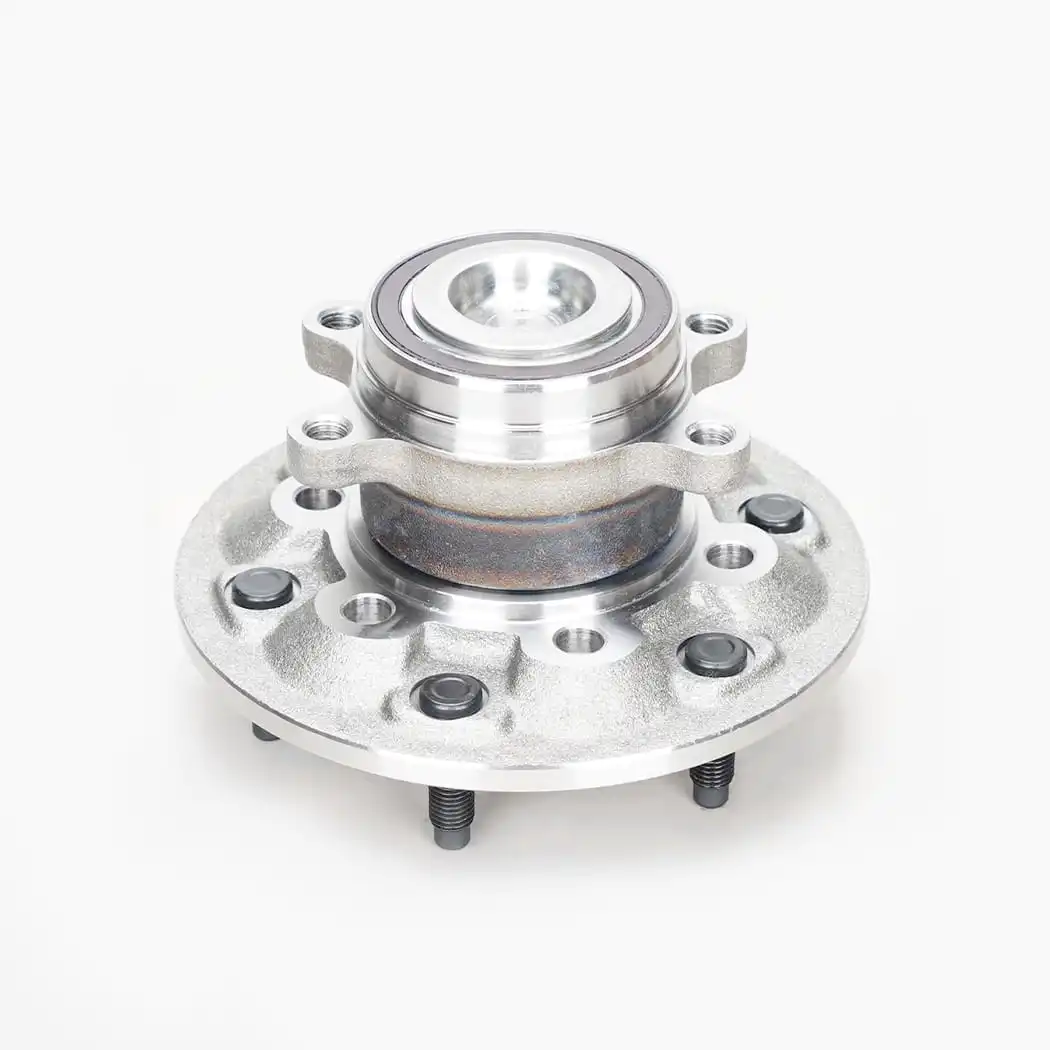
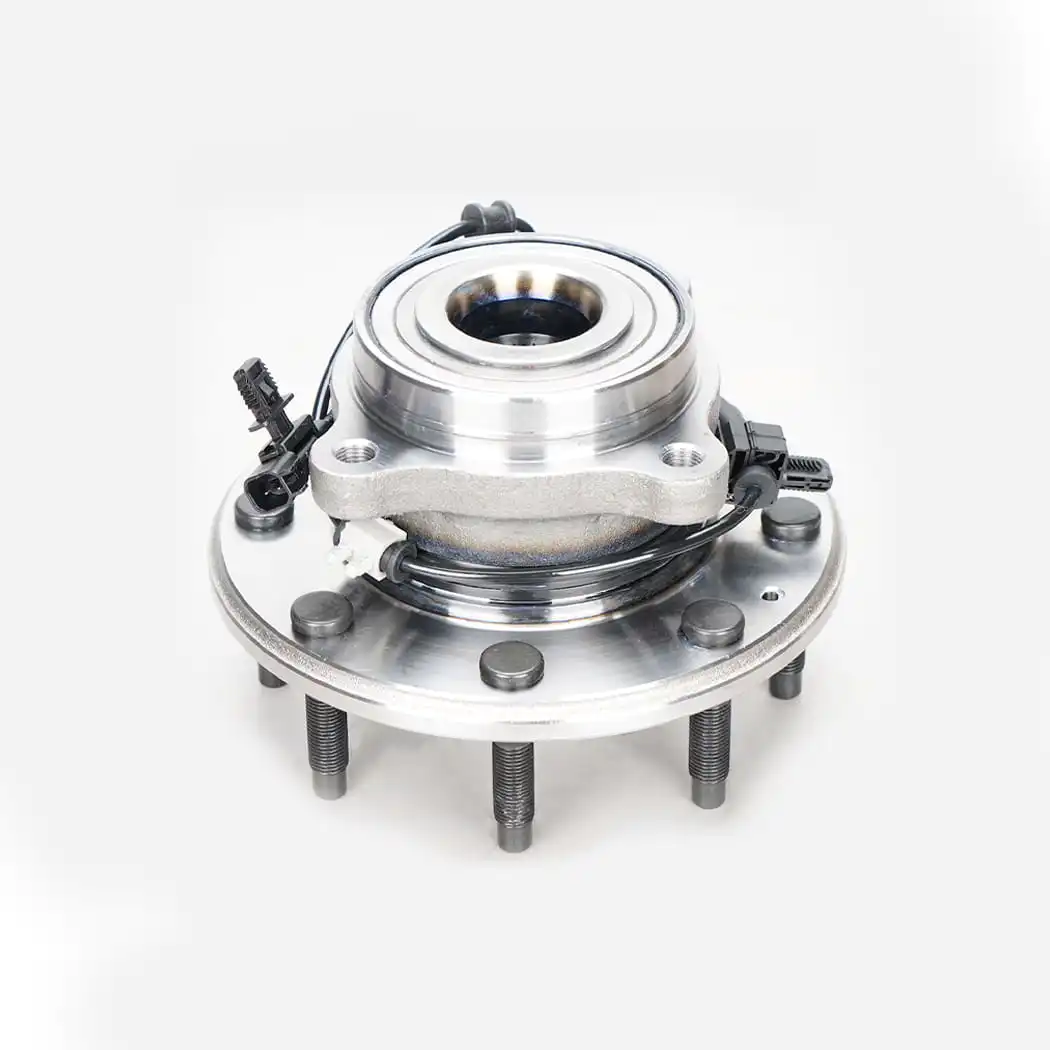
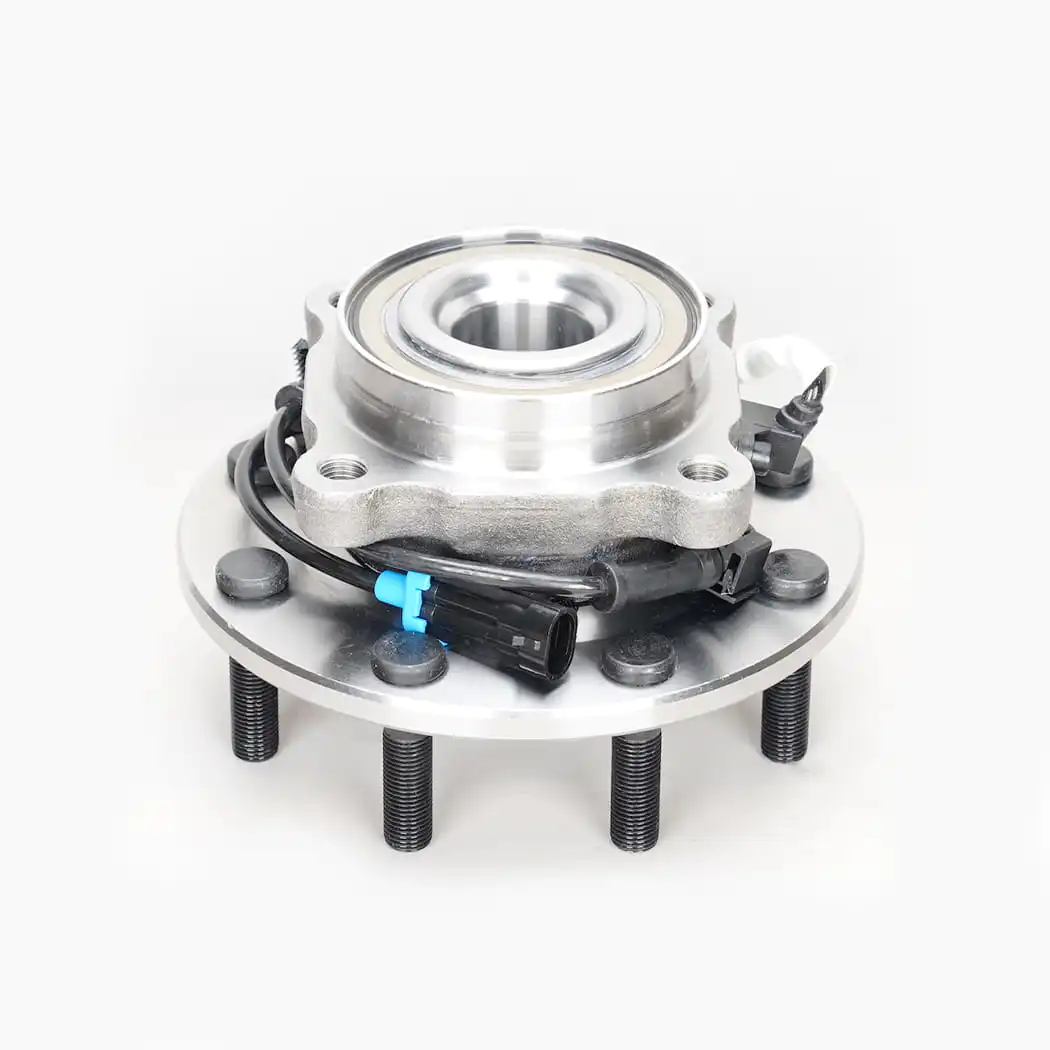
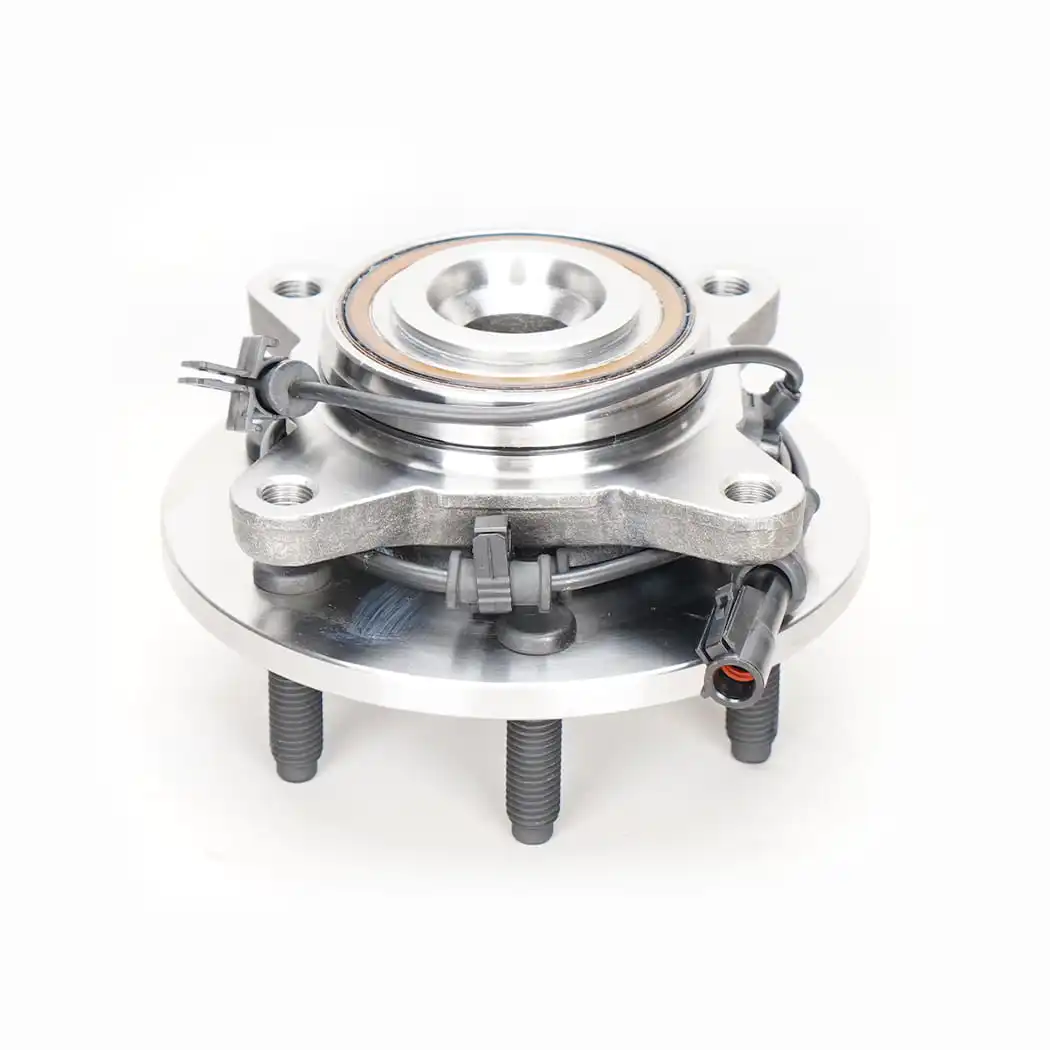
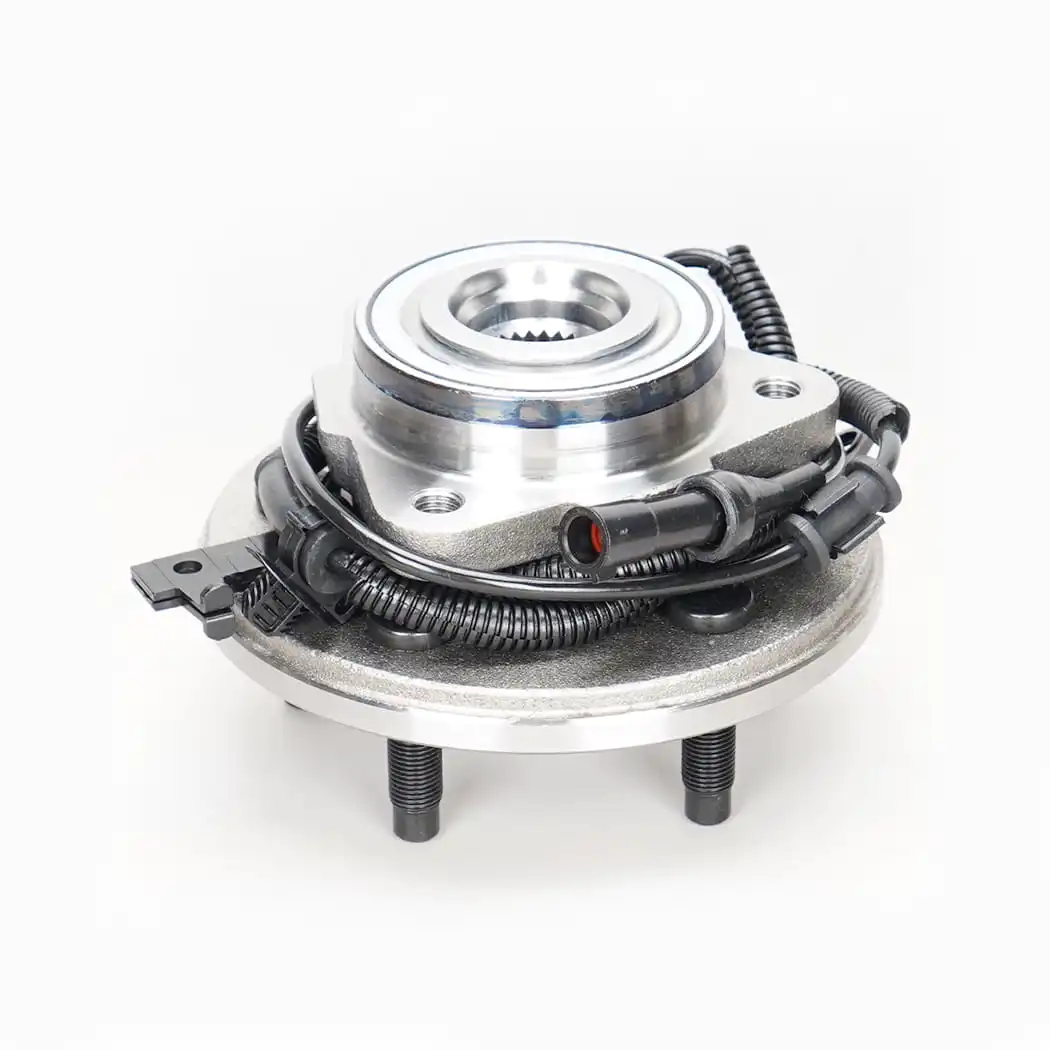
Wheel bearings are fundamental components of a vehicle's chassis system, acting as the primary connection between the moving wheel and the stationary axle. These precision-engineered parts consist of a set of steel balls or rollers held together by a metal ring, known as a race. Their primary function is to enable the wheel to rotate with minimal friction while supporting the entire weight of the vehicle. Because they endure constant rotational force and vertical load, their integrity is vital for both fuel efficiency and mechanical safety.
Identifying a failing wheel bearing early can prevent costly damage to the hub, CV joint, and transmission. Most drivers will first notice an auditory cue that changes based on vehicle speed. Unlike engine noise, wheel bearing noise is directly tied to the rotation of the tires. If you suspect an issue, look for the following symptoms:
Different vehicle architectures require specific bearing designs to handle varying loads. The table below outlines the primary differences between the two most common types found in passenger vehicles and trucks.
| Bearing Type | Load Capacity | Common Application |
| Ball Bearings | Moderate | Sedans and Compact Cars |
| Roller Bearings | High | Trucks and Heavy SUVs |
While most wheel bearings are designed to last between 85,000 and 100,000 miles, several environmental and operational factors can drastically shorten this lifespan. Understanding these variables can help owners take preventative measures to protect their drivetrain.
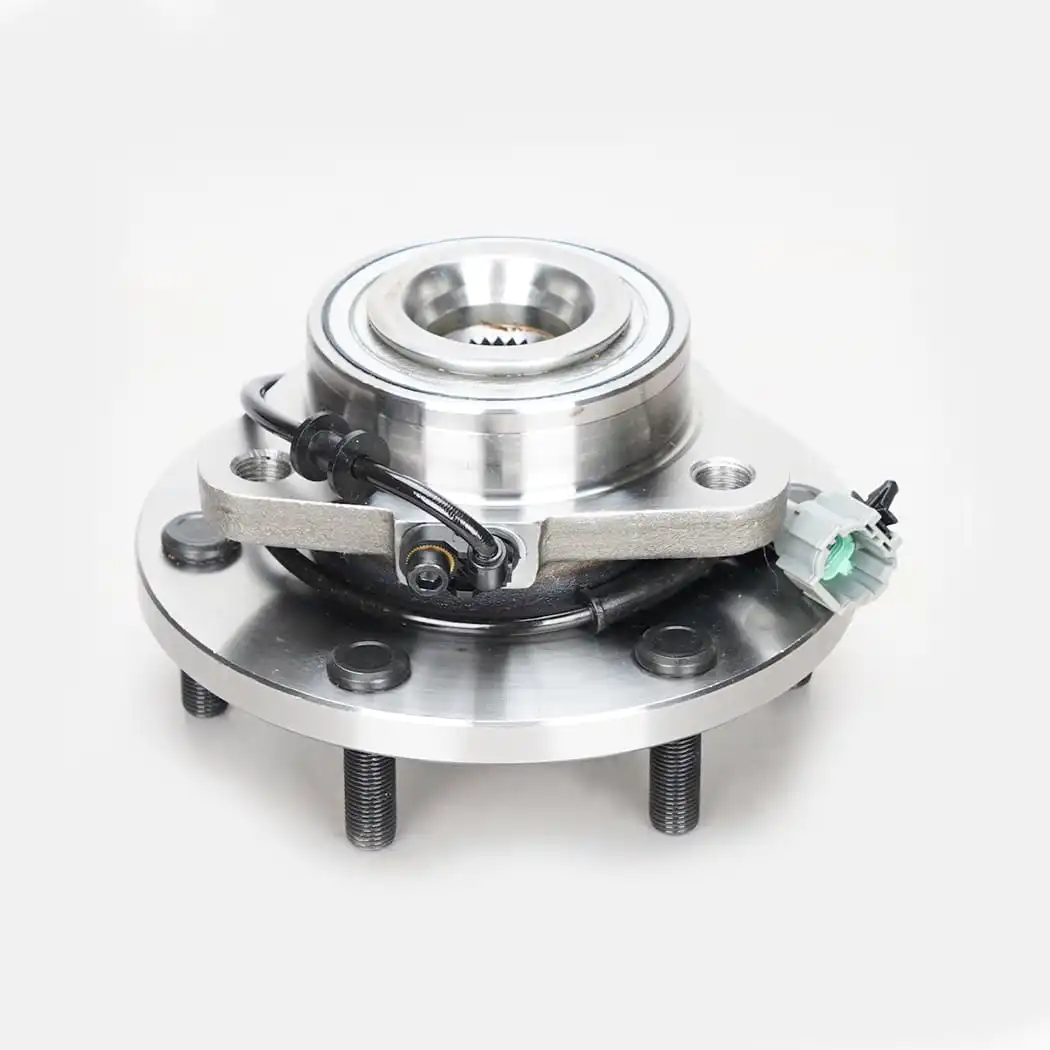
The seals on a wheel bearing are designed to keep grease in and water out. However, frequent driving through deep water, mud, or road salt can degrade these seals. Once moisture enters the bearing, it emulsifies the lubricant and leads to rapid oxidation and pitting of the metal surfaces.
One of the leading causes of premature failure is improper installation, such as using an impact wrench instead of a torque wrench to tighten the axle nut. Additionally, hitting large potholes or curbing a wheel can cause "brinelling," where the rollers indent the race, creating a permanent site for friction and heat buildup.
Modern wheel bearings are typically "sealed for life," meaning they do not require periodic regreasing. However, regular inspections remain necessary. During every brake service or tire rotation, a technician should check for wheel play by grabbing the tire at the 12 and 6 o'clock positions and rocking it. Any audible clicking or perceptible movement indicates that the bearing has exceeded its service limit and requires immediate replacement to ensure the wheel remains securely attached to the vehicle.
• ADD: 42705 Grand River Avenue, Suite 201, Novi. Michigan 48375, USA.
© Copyright 2017 HANGZHOU HANJI AUTO PARTS.CO.,LTD. All Rights Reserved. Wheel Hub Unit Manufacturer