Content
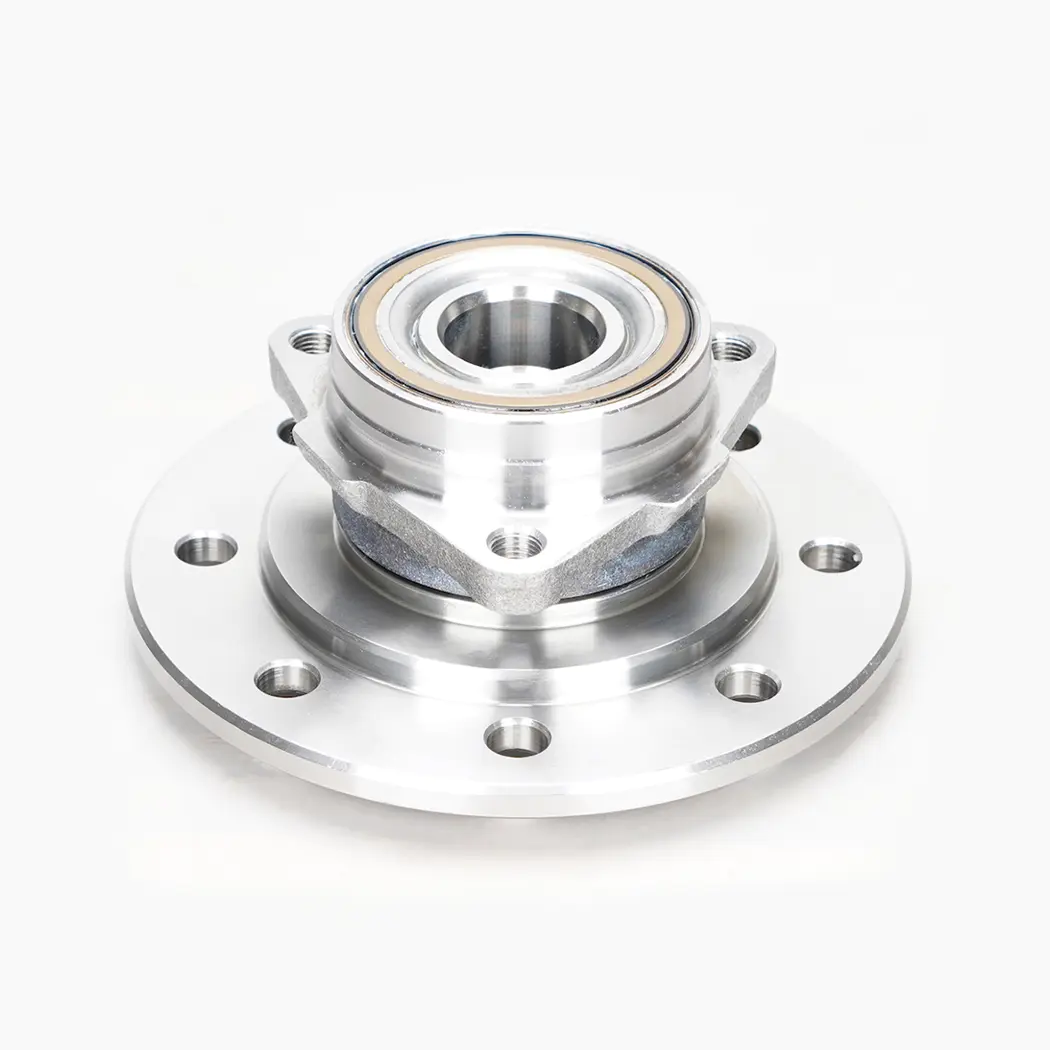
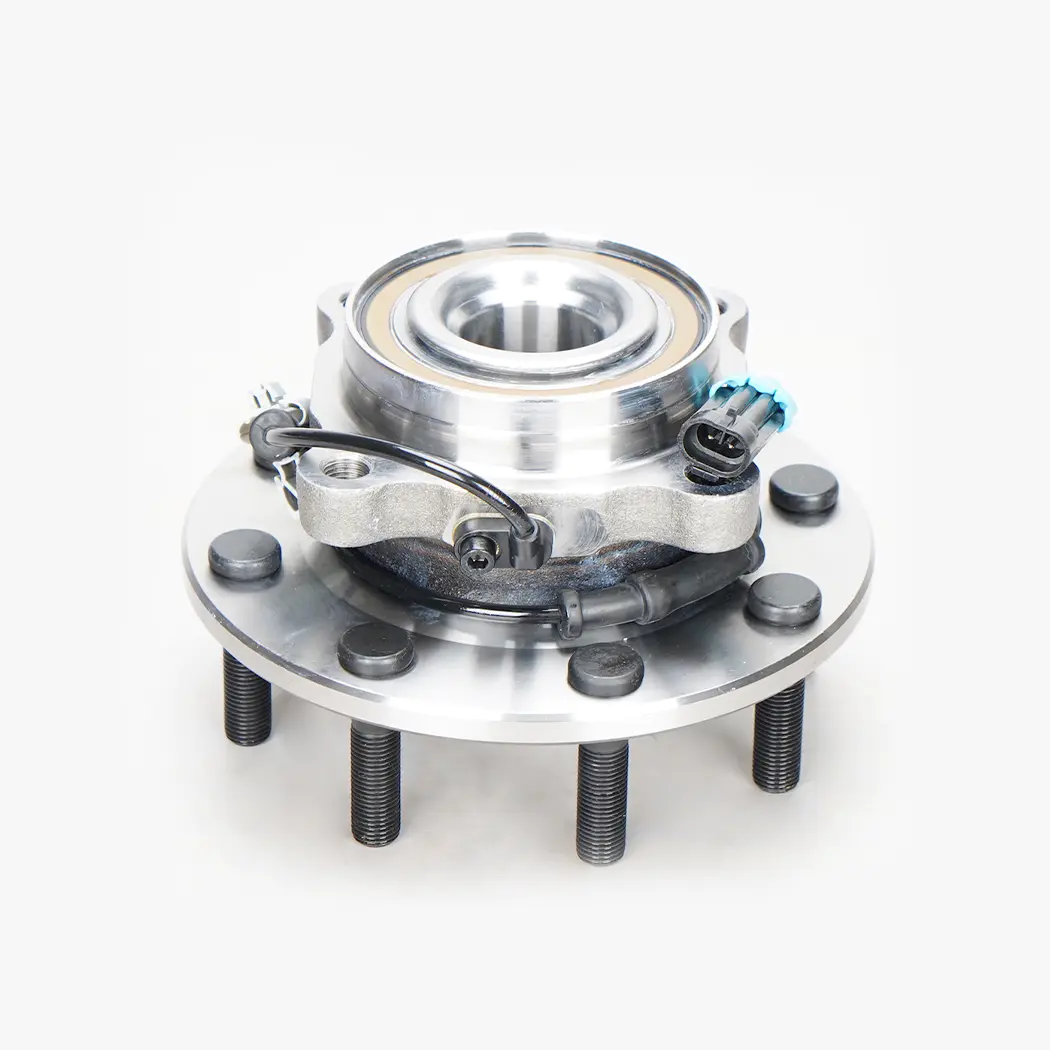
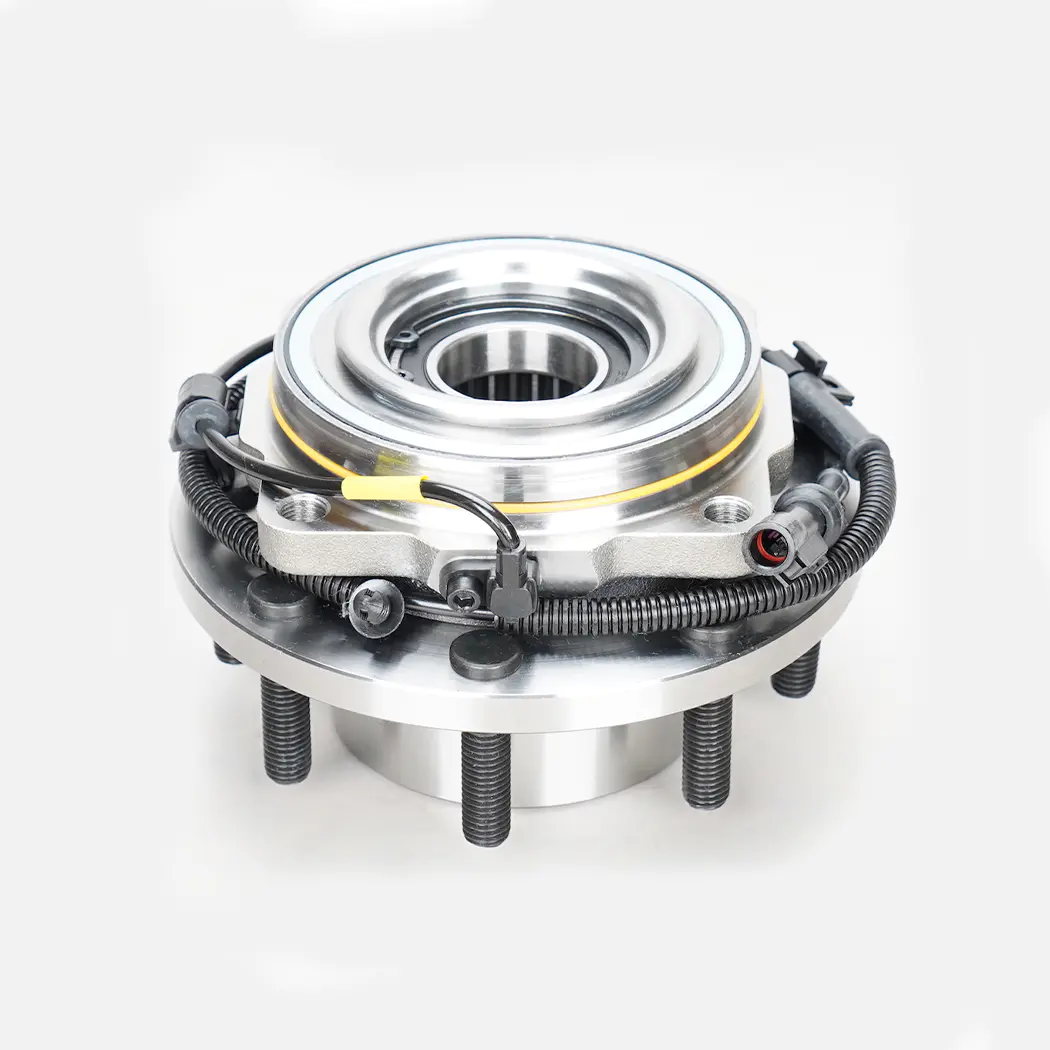
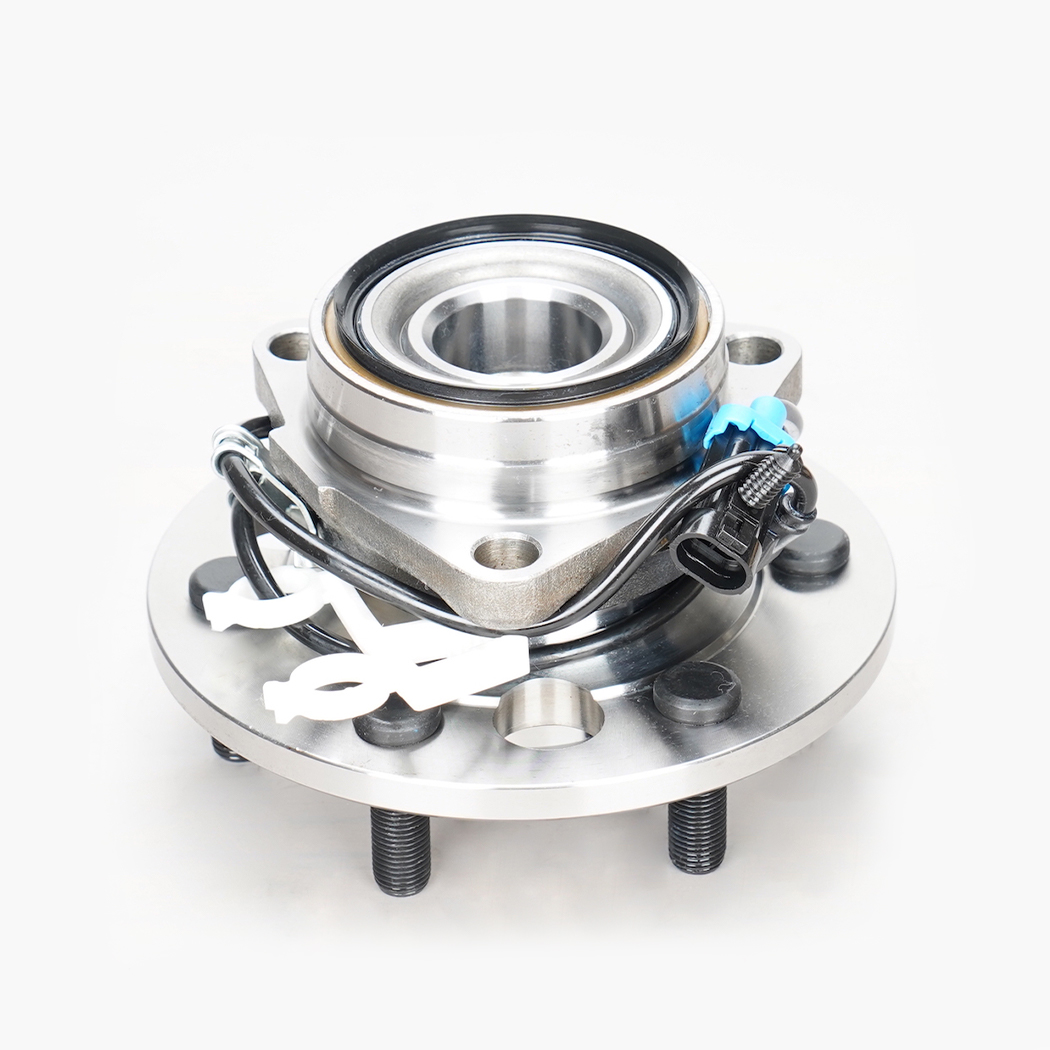
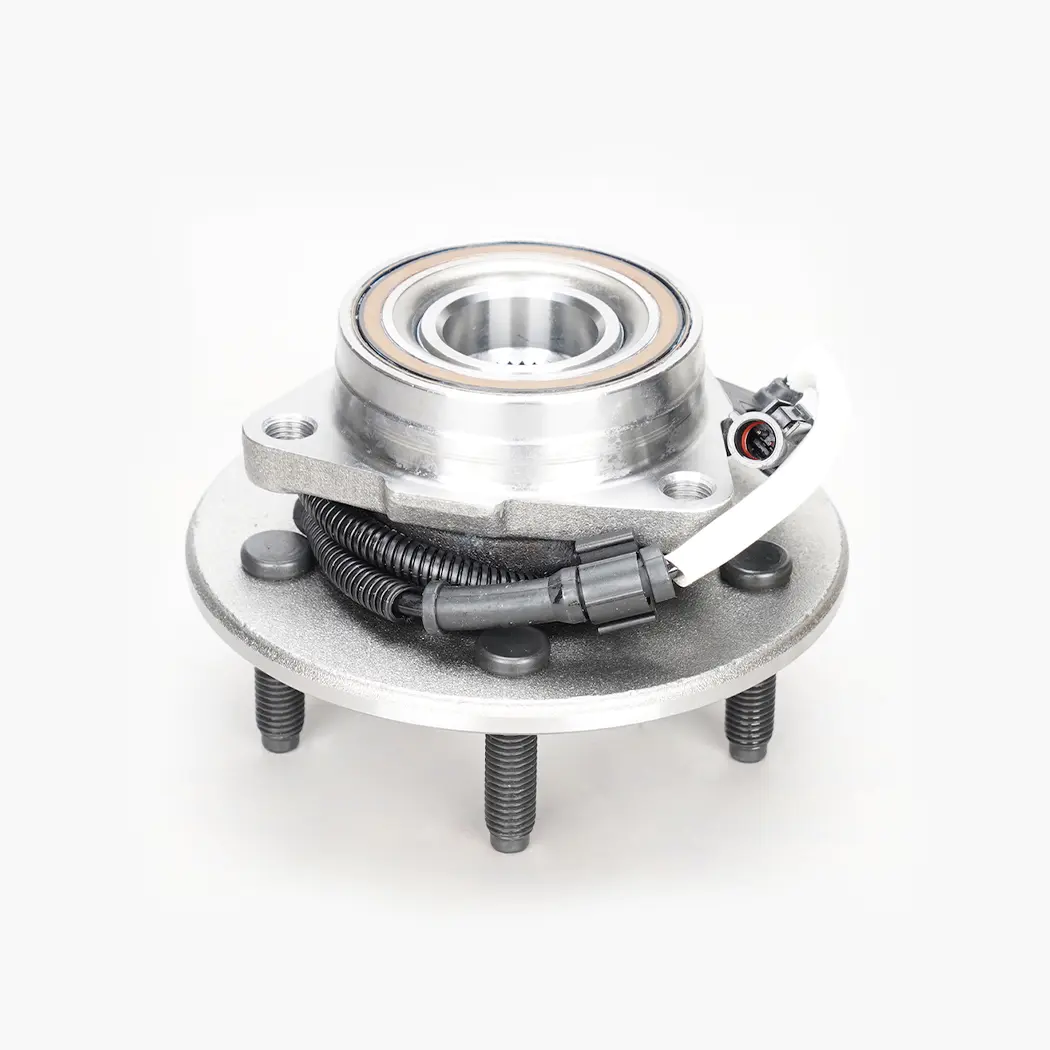
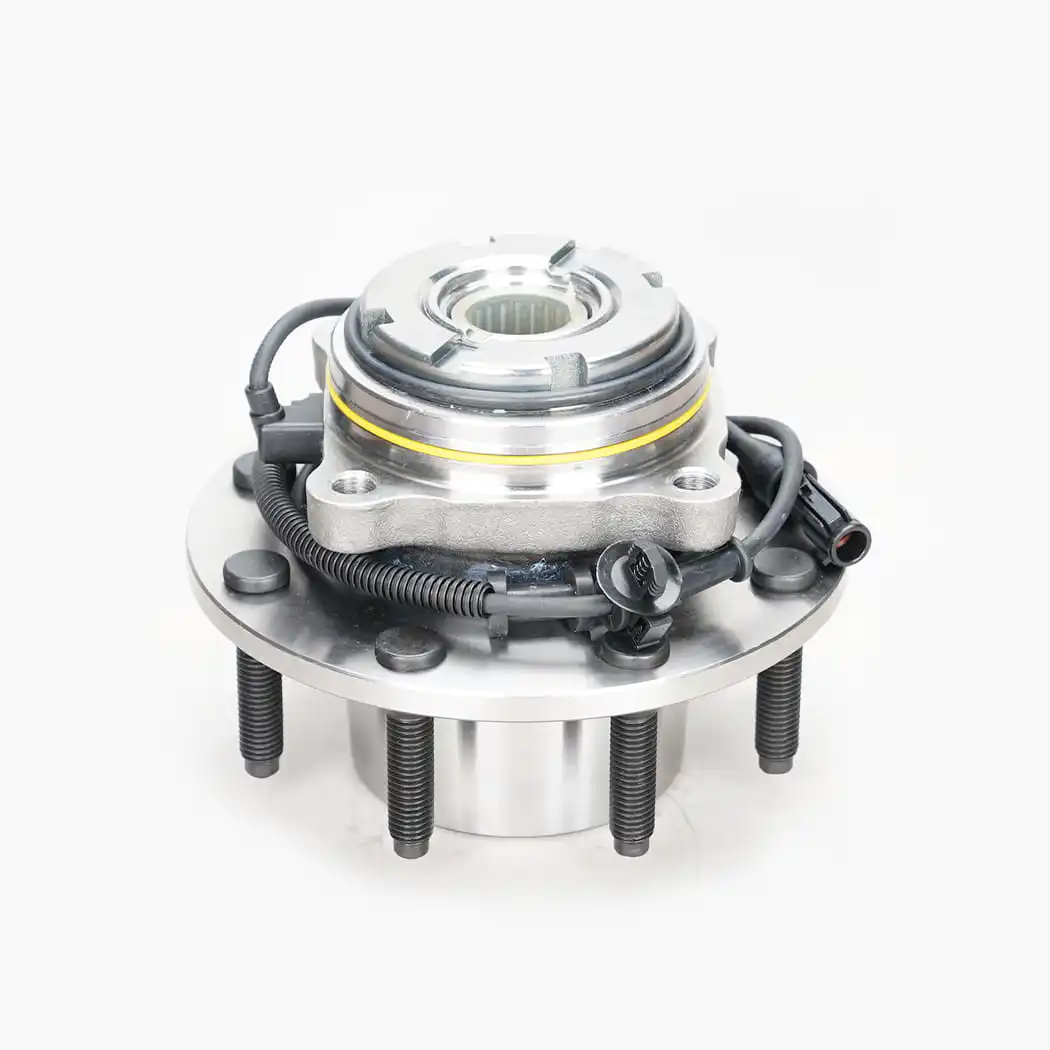
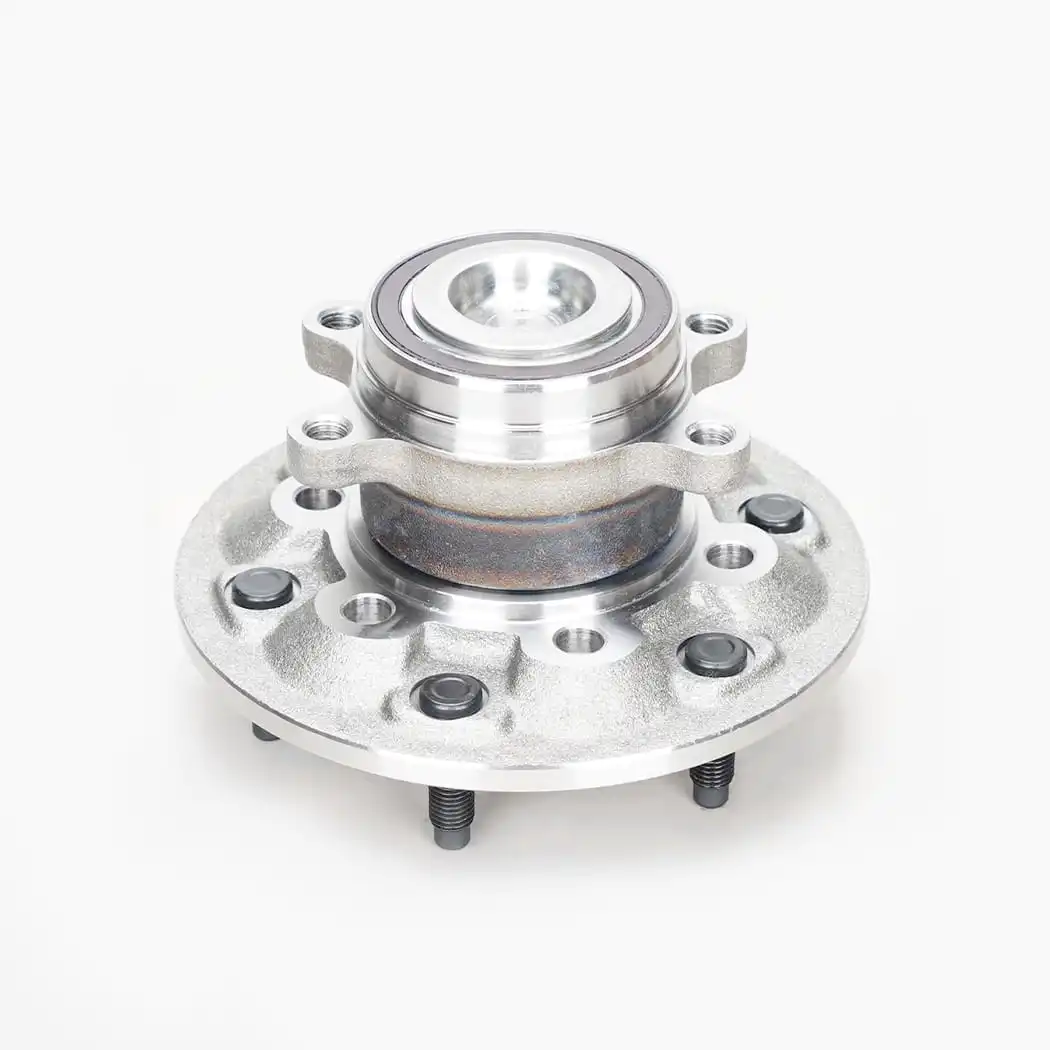
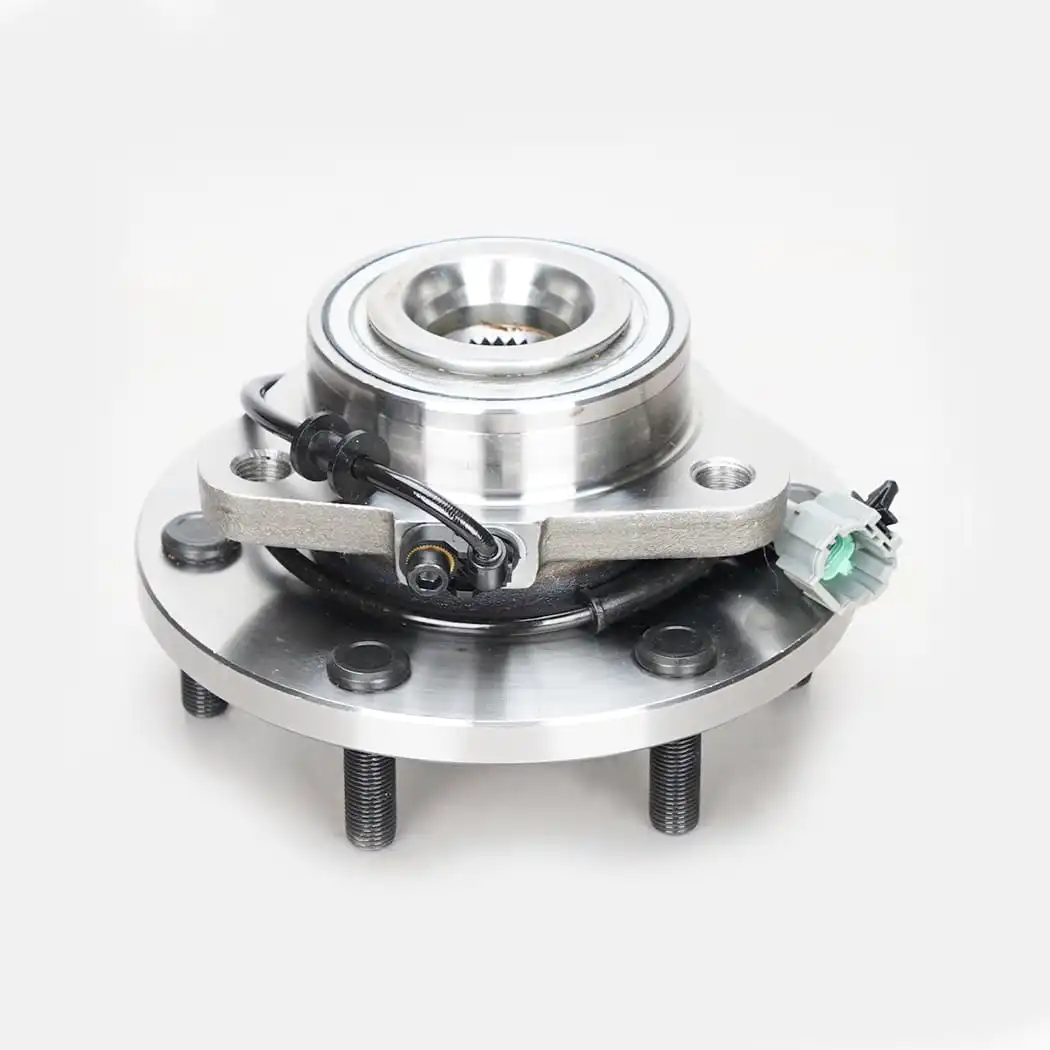
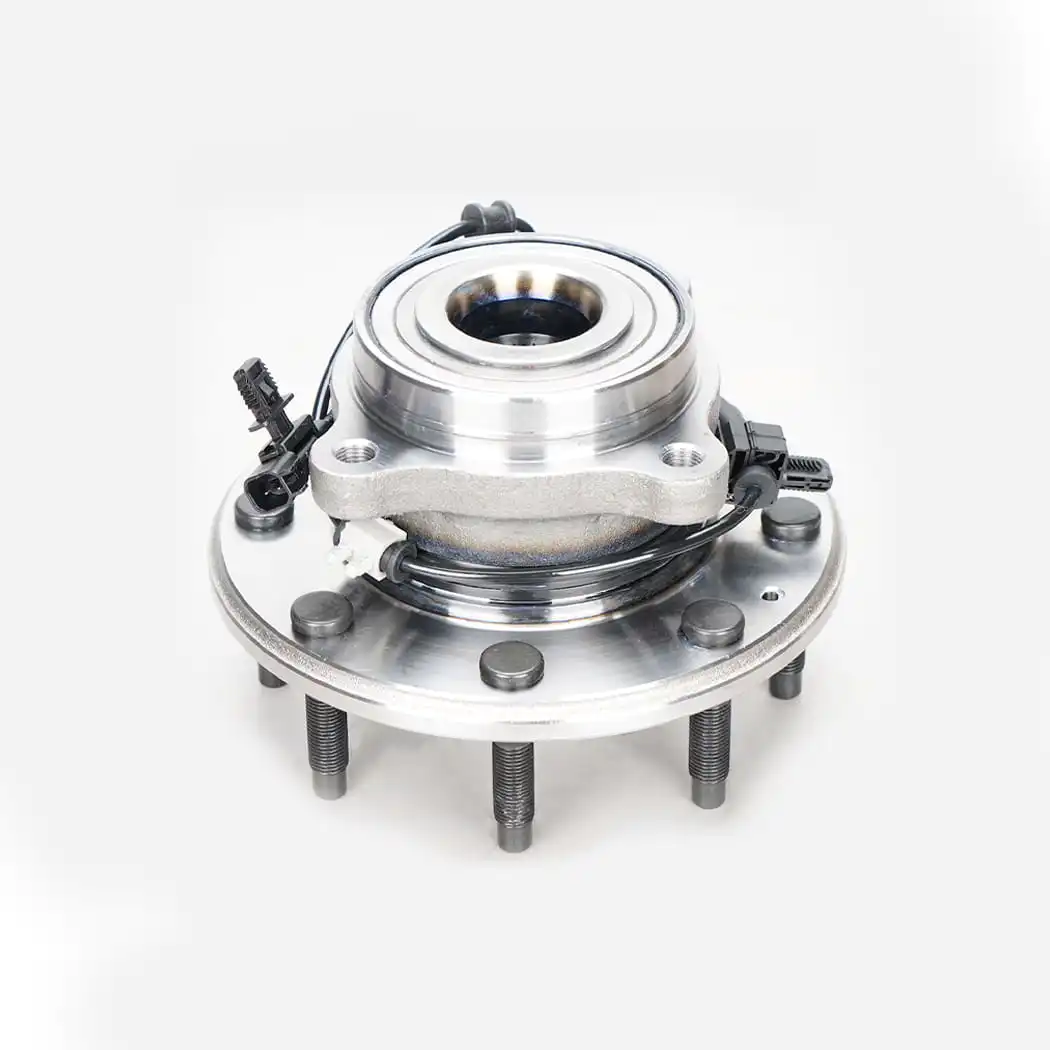
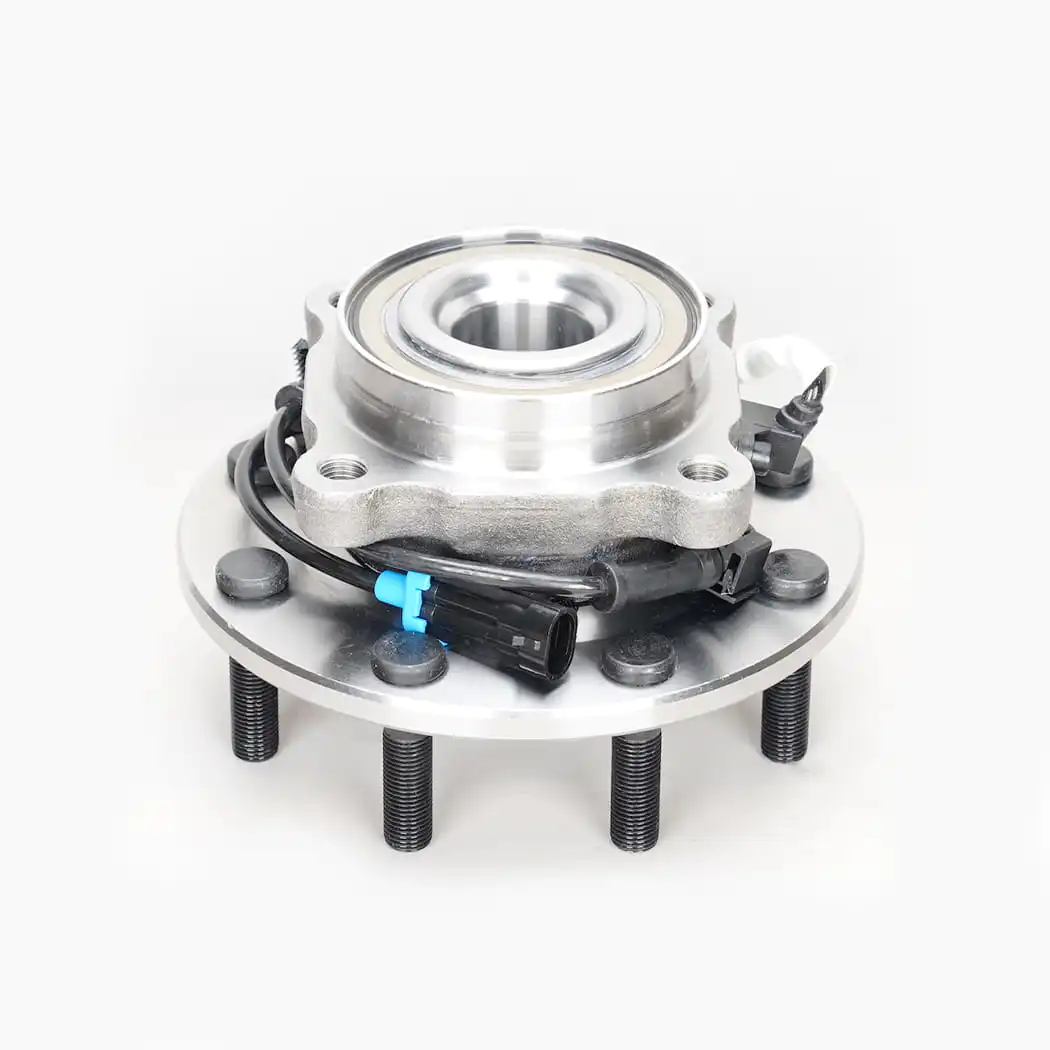
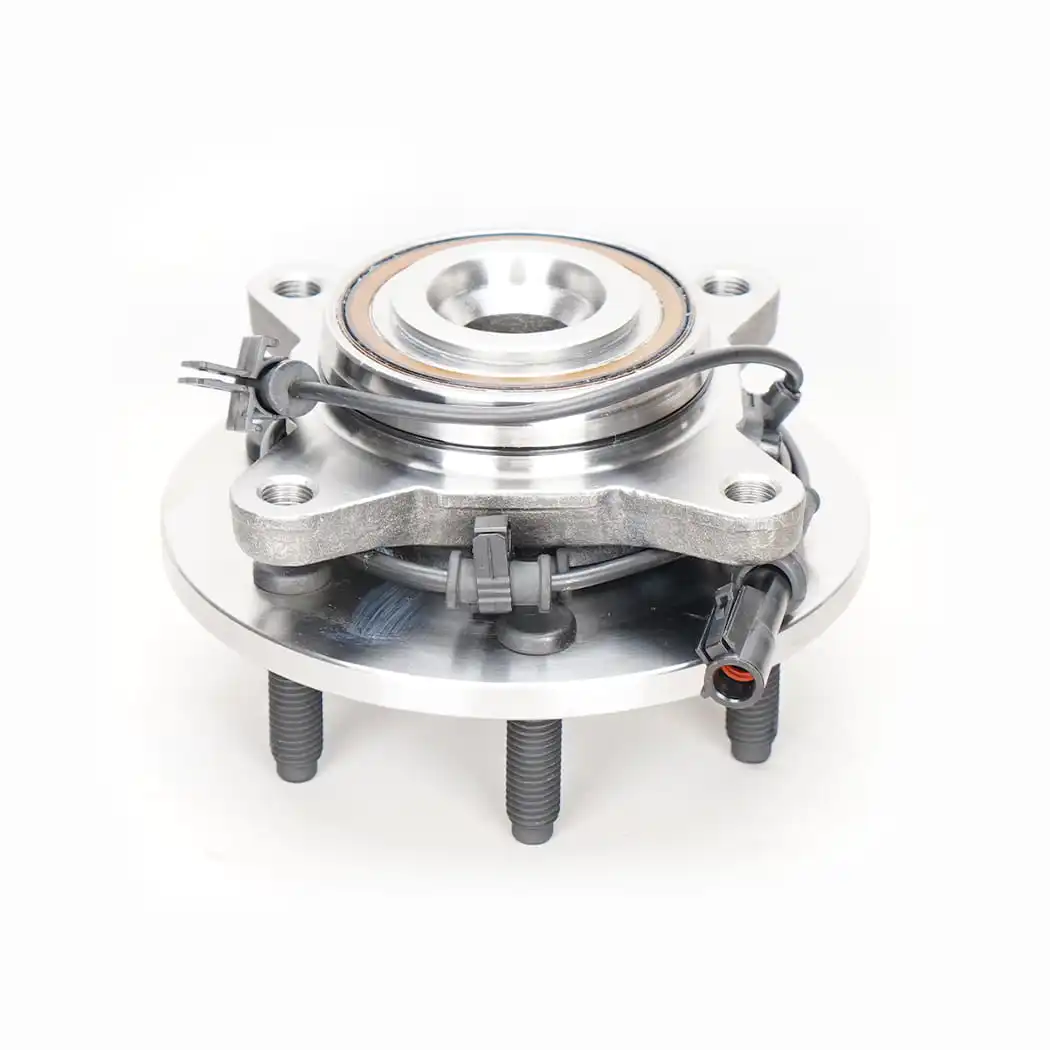
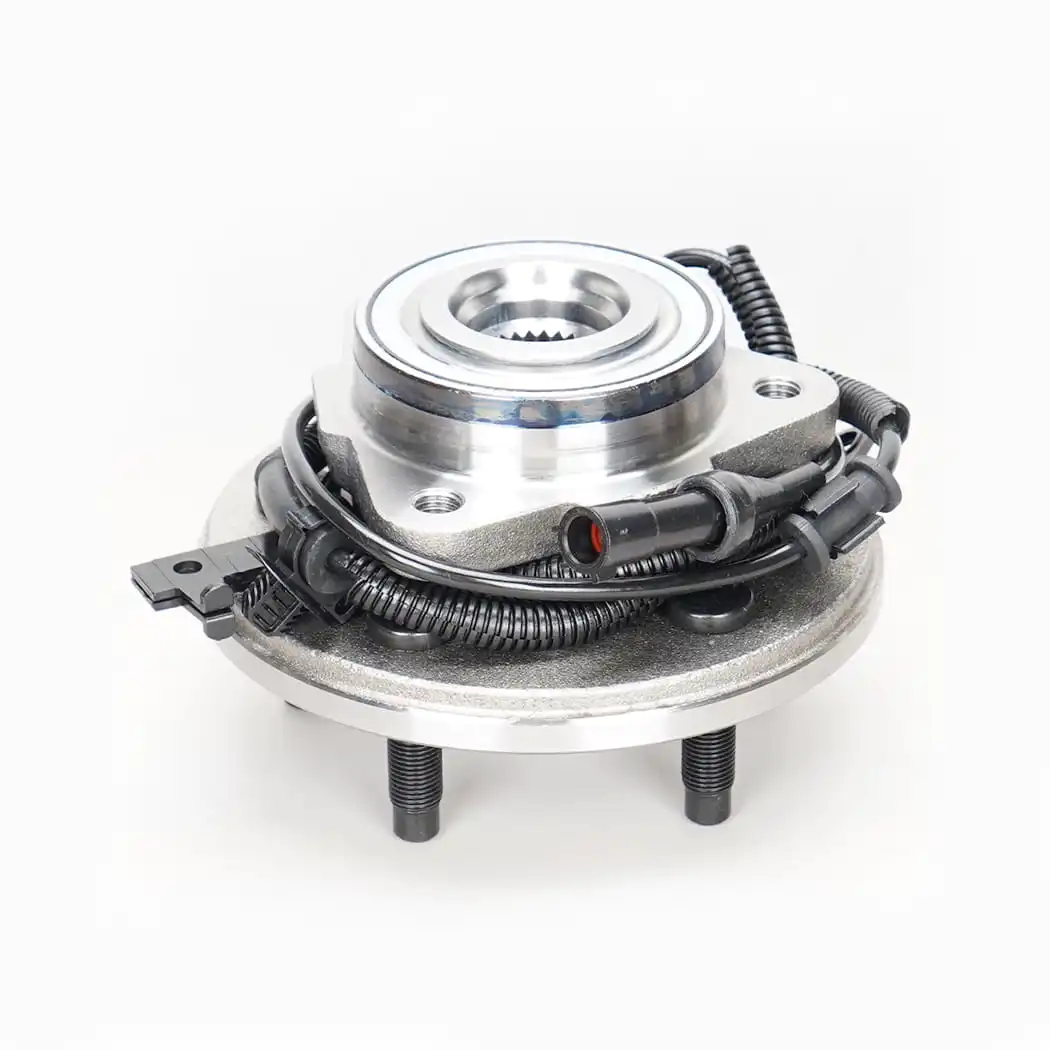
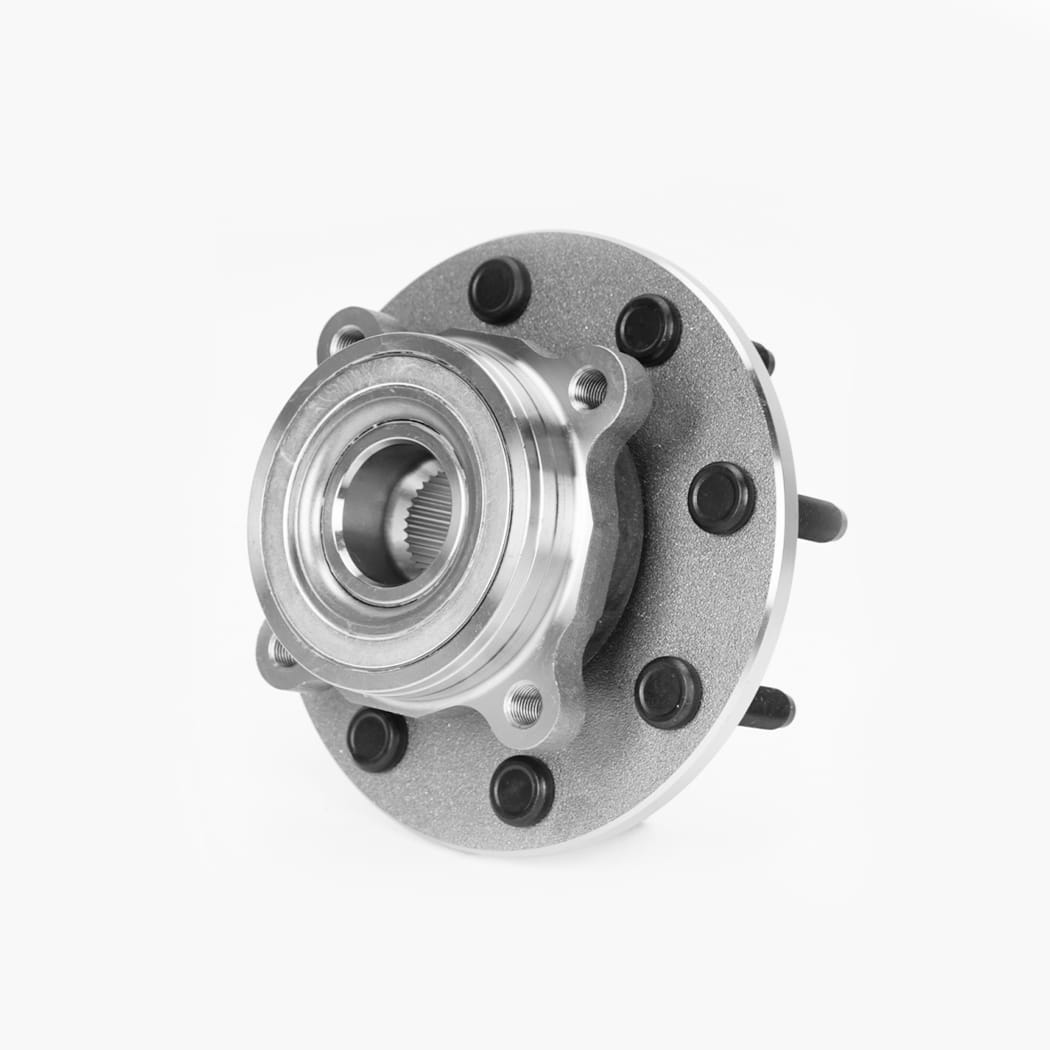
A wheel hub unit — also called a hub bearing assembly or wheel bearing hub — is a self-contained component that connects your vehicle's wheel to its suspension and allows the wheel to spin freely while supporting the full weight of the vehicle. It sits at the center of each wheel and serves as the precise point where the wheel, brake rotor, and axle all meet. Every time you drive, the wheel hub unit is working quietly in the background, enabling smooth rotation, accurate steering, and stable handling.
Modern wheel hub units are integrated assemblies that combine the wheel bearing, hub flange, and — in most late-model vehicles — an ABS speed sensor into a single sealed unit. This is a significant improvement over older designs where the bearing, hub, and race were separate components that required precise field adjustment. The integrated hub assembly is designed to be removed and replaced as one piece, making service straightforward and eliminating the need for specialized bearing press tools in many cases.
Understanding the internal structure of a wheel hub unit helps explain why it eventually wears out and what symptoms to watch for when it does. The core of every hub assembly is a set of precision ball bearings or tapered roller bearings arranged in two rows. These rolling elements sit between an inner race (attached to the spindle or axle) and an outer race (pressed into the hub body), separated by a cage that keeps them evenly spaced.
The entire bearing assembly is packed with high-temperature grease and sealed on both sides with rubber or metal seals. These seals are critical — they keep the grease in and keep road debris, water, and brake dust out. When a seal fails, contamination enters the bearing, the lubricant degrades, and wear accelerates rapidly. The outer hub flange is the bolt circle where your wheel studs are pressed in, and the wheel itself bolts directly to this flange. On driven axles, the hub also has a central bore that accepts the CV axle stub shaft, which is secured by a large axle nut.
Wheel hub technology has evolved through three distinct generations. Each generation represents a change in how the bearing is integrated into the vehicle, how it's serviced, and what features it includes:
| Generation | Design | ABS Sensor | Service Method |
| Gen 1 | Double-row angular contact bearing, pressed into knuckle | External tone ring | Requires press to remove and install |
| Gen 2 | Integrated hub and bearing flange unit, bolts to knuckle | Built-in magnetic encoder ring | Bolt-on replacement, no press required |
| Gen 3 | Fully integrated hub, bearing, and knuckle assembly | Integrated active sensor with multi-directional detection | Complete corner module replacement |
Most passenger cars and light trucks built in the last 20 years use Generation 2 hub assemblies, which are the most practical to service. Generation 3 units are increasingly common on newer platforms and typically require dealer-level tools for replacement. Generation 1 setups are still found on older trucks and rear axles where a simpler, serviceable design was preferred.
Wheel hub bearing failure rarely happens without warning. The symptoms tend to develop gradually and become more noticeable over time. Catching them early can prevent more expensive damage to your knuckle, CV axle, or brake components. Here's what to watch and listen for:
The most common symptom of a worn wheel hub assembly is a grinding, growling, or humming sound that increases with vehicle speed. Unlike road noise, which is fairly constant, hub bearing noise often changes pitch or volume when you shift your weight in a turn. If the noise gets louder when turning left, the problem is typically on the right side, and vice versa — this is because cornering shifts the load from one bearing to the other, and the worn side becomes more audible under increased load.
With the vehicle safely raised on jack stands, grab the wheel at the 12 o'clock and 6 o'clock positions and try to rock it back and forth. A small amount of play in a wheel bearing is normal on some older designs, but noticeable looseness in a modern sealed hub assembly is a clear sign the bearing has worn beyond its tolerances. Also check at the 9 and 3 o'clock positions — play in this direction can indicate a worn hub bearing or tie rod end, and it's important to distinguish between the two.
Because the wheel speed sensor is built into most modern hub units, a failing bearing can corrupt or interrupt the sensor signal. This triggers the ABS warning light, and in some cases the stability control and traction control systems will also deactivate. If you're seeing these lights and don't find any obvious wiring faults, a worn hub assembly with a damaged internal encoder ring is a strong possibility.
Excessive play in a wheel bearing changes the camber angle dynamically as the wheel moves, causing the tire to contact the road unevenly. Over time, this shows up as abnormal wear patterns — typically more wear on the inner or outer edge of the tread. If alignment checks out and you're still seeing unusual tire wear, inspect the hub assemblies for play before assuming a suspension geometry problem.
There's no fixed mileage at which a wheel hub bearing will fail, but most quality units on a well-maintained vehicle last between 100,000 and 150,000 miles under normal driving conditions. Several factors can shorten that lifespan significantly:
On vehicles with Generation 2 bolt-on hub assemblies, replacement is within reach for a capable home mechanic with a basic set of tools. The general process involves removing the wheel, unbolting the brake caliper and rotor, disconnecting the ABS sensor wiring harness, removing the axle nut (if on a driven axle), and unbolting the hub assembly from the steering knuckle. The new unit installs in reverse order, and the axle nut must be torqued to the manufacturer's specification — typically between 150 and 250 ft-lbs depending on the vehicle.
A few things are worth doing during replacement that many people skip. First, inspect the mounting surface on the steering knuckle for corrosion or damage — a pitted or uneven surface will affect how the new bearing seats and can cause premature failure. Clean it thoroughly with a wire brush before installation. Second, always use new hardware where specified, particularly the axle nut, which is a torque-to-yield fastener on many vehicles and should not be reused. Third, check the CV axle splines for wear or damage while the hub is off — it's a lot easier to address now than after the new hub is installed.
With a wide range of hub bearing assemblies available at different price points and quality levels, it's important to know what you're actually buying. Here are the key considerations when selecting a replacement:
Original Equipment Manufacturer (OEM) hub units are made to the same specifications as the part that came on your vehicle from the factory. They're the safest choice in terms of fit, finish, and expected service life, but they typically cost significantly more than aftermarket alternatives. Quality aftermarket brands — such as Timken, SKF, Moog, and FAG — manufacture hub assemblies that meet or exceed OEM standards and are widely trusted by professional technicians. Avoid the cheapest no-name options, particularly for safety-critical components like hub bearings; the cost savings are rarely worth the risk of premature failure.
If your vehicle has ABS — and virtually all cars built after the mid-1990s do — make sure the replacement hub unit includes the correct integrated sensor or is compatible with your existing external sensor, depending on your vehicle's design. The number of teeth on the encoder ring, the type of sensor (passive vs. active), and the connector type all need to match your application. Fitting a hub with the wrong encoder ring or an incompatible sensor will leave your ABS non-functional even if the bearing itself is working perfectly.
Always verify the wheel bolt pattern (PCD), the number of wheel studs, and the hub bore diameter when ordering a replacement hub assembly. These specs are vehicle-specific and are not interchangeable. Most reputable parts suppliers allow you to search by year, make, model, and trim level to filter results to the correct fitment, but it's always worth cross-referencing the part number against your vehicle's original spec, especially on trucks or vehicles that may have had axle swaps or aftermarket modifications.
This is one of the most frequently debated questions in wheel bearing service. The general guidance from most manufacturers is that hub assemblies do not need to be replaced in pairs unless both sides are showing symptoms. Unlike brake pads — where the friction material on both sides of an axle wears at the same rate — wheel bearings are affected by individual factors like pothole impacts or localized seal failure that don't necessarily apply to the opposite side.
That said, if both units on an axle have similar mileage and one has failed, it's reasonable to inspect the other carefully. If the opposite bearing shows noticeable play or is making any noise of its own, replacing both at the same time saves the labor cost of doing the job twice in short succession. On older high-mileage vehicles, paired replacement is often the more practical choice even if the second side hasn't technically failed yet.
It's easy to think of a wheel hub bearing as just a wear item, but its role in the broader safety architecture of a modern vehicle is significant. The wheel speed data generated by the sensor integrated into the hub assembly feeds directly into the ABS controller, which uses it to modulate brake pressure during hard stops and prevent wheel lockup. The same signal feeds the electronic stability control system, which uses individual wheel speed differences to detect oversteer or understeer and apply corrective braking. Traction control, hill-start assist, and — in newer vehicles — semi-autonomous driving features all rely on accurate, real-time wheel speed data from each corner.
A failing hub unit that's producing corrupted speed sensor data doesn't just trigger a warning light — it can cause these systems to respond incorrectly or deactivate entirely at the moment you need them most. This is one of the strongest arguments for addressing wheel hub bearing problems promptly rather than driving on a known bad bearing until it becomes critical.
• ADD: 42705 Grand River Avenue, Suite 201, Novi. Michigan 48375, USA.
© Copyright 2017 HANGZHOU HANJI AUTO PARTS.CO.,LTD. All Rights Reserved. Wheel Hub Unit Manufacturer