Content
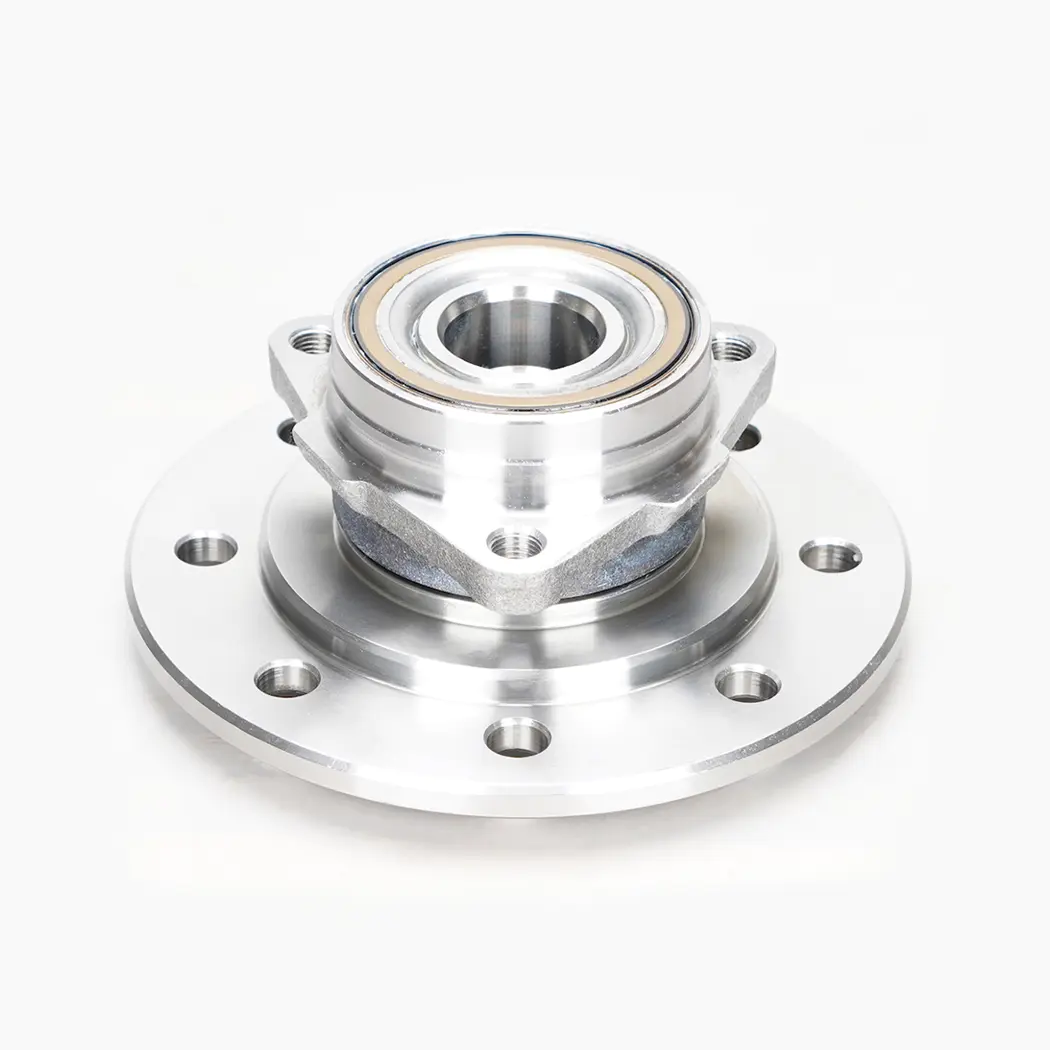
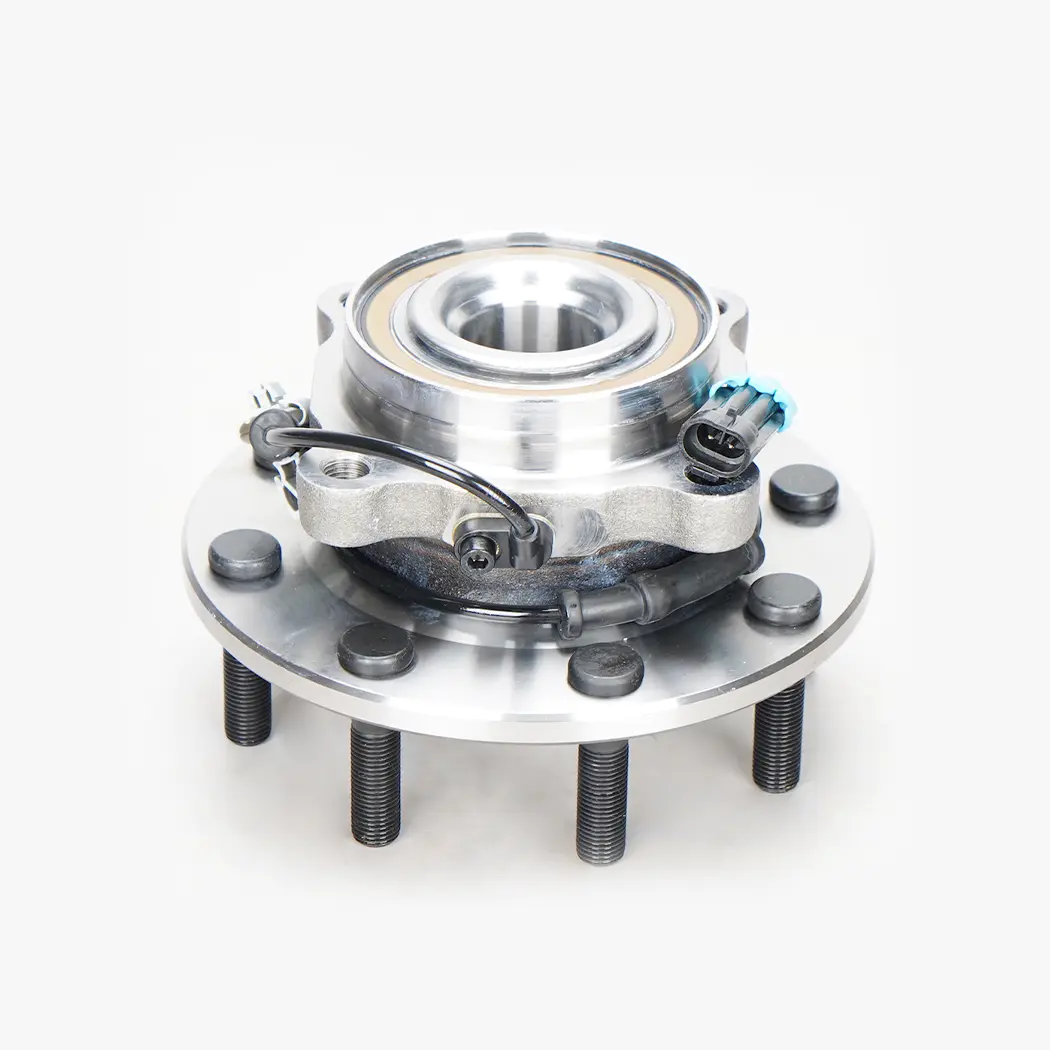
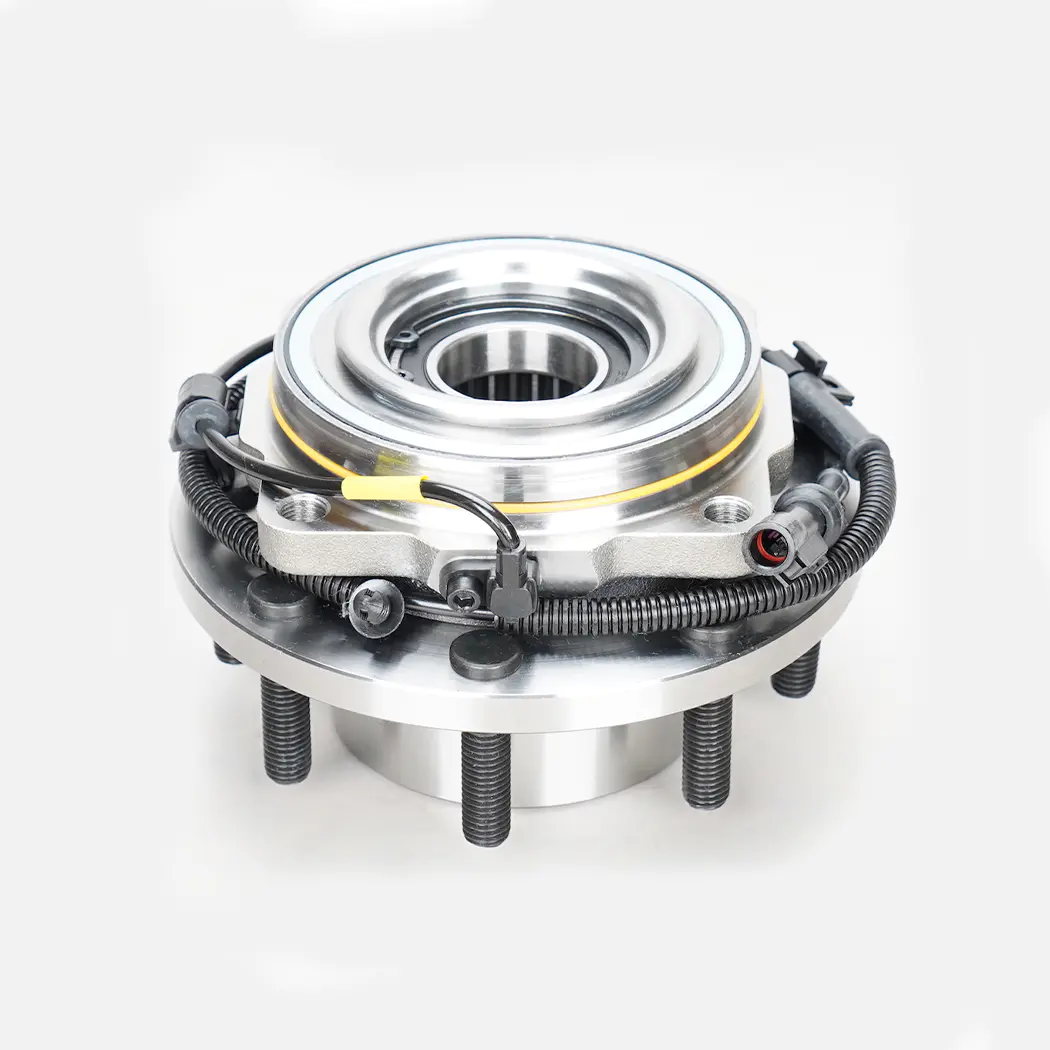
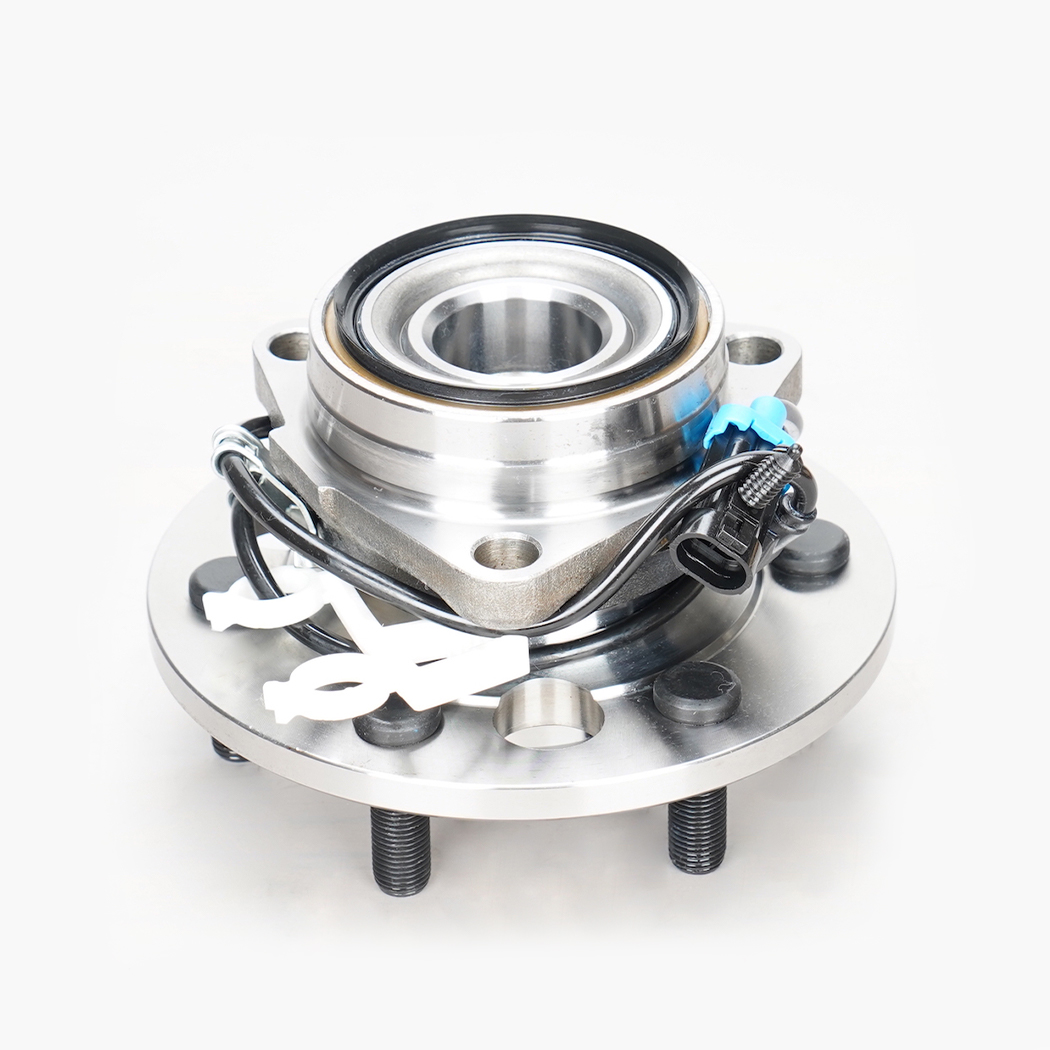
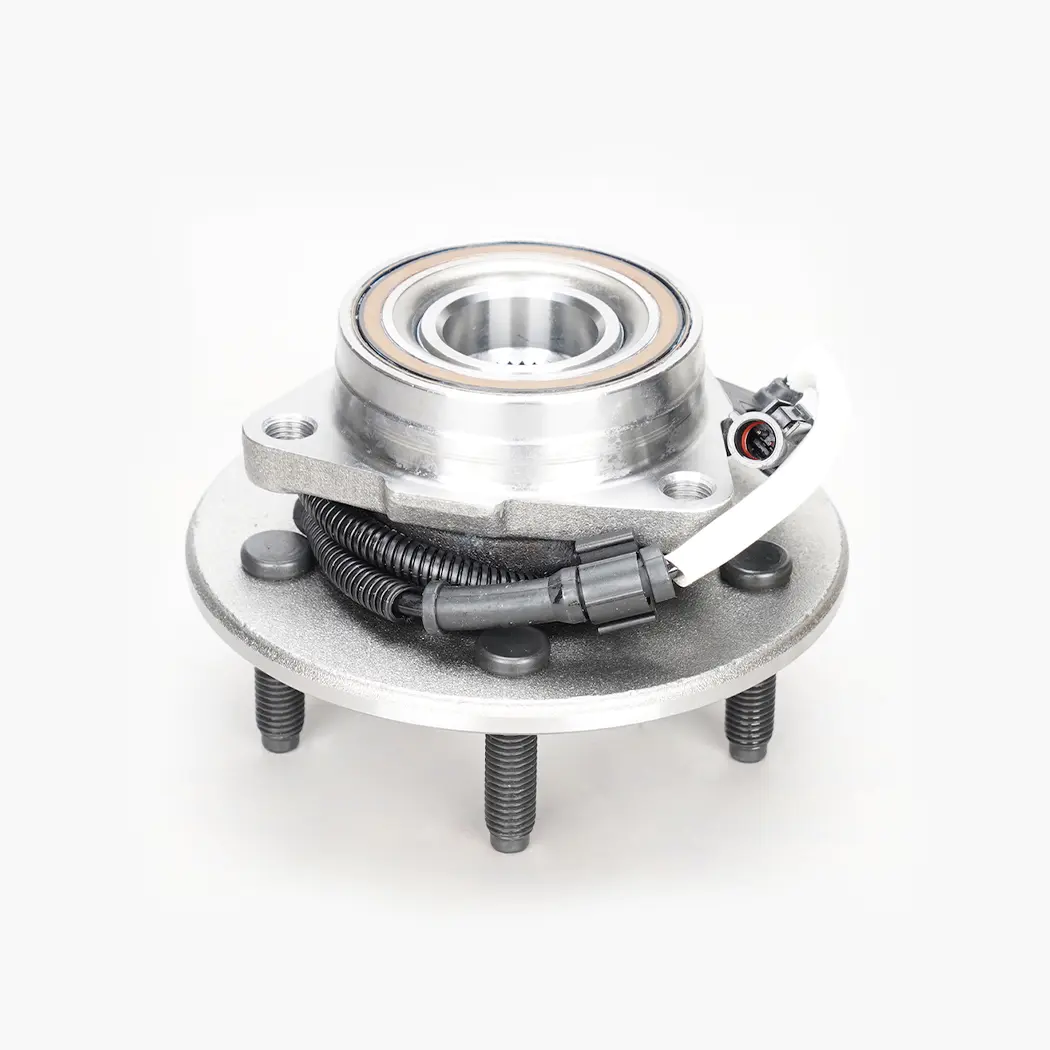
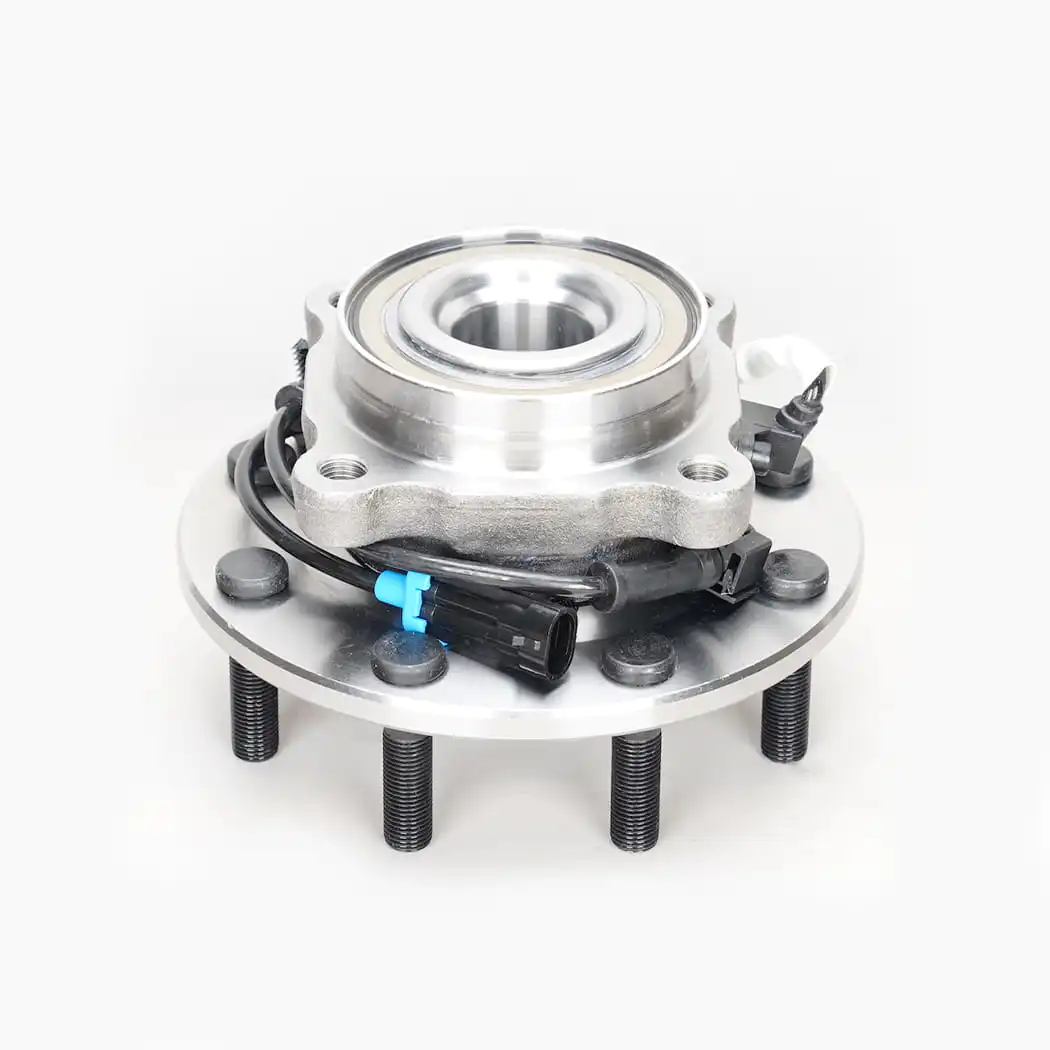
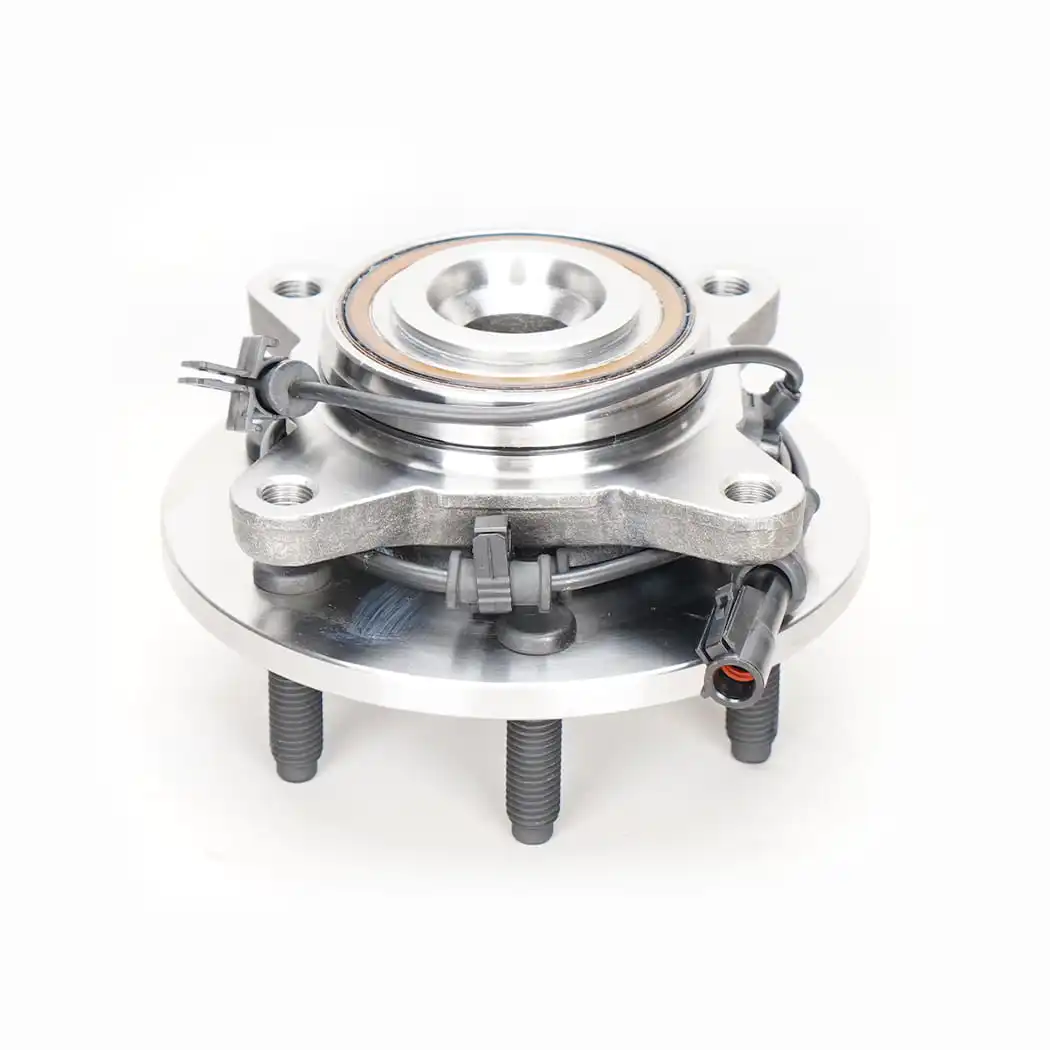
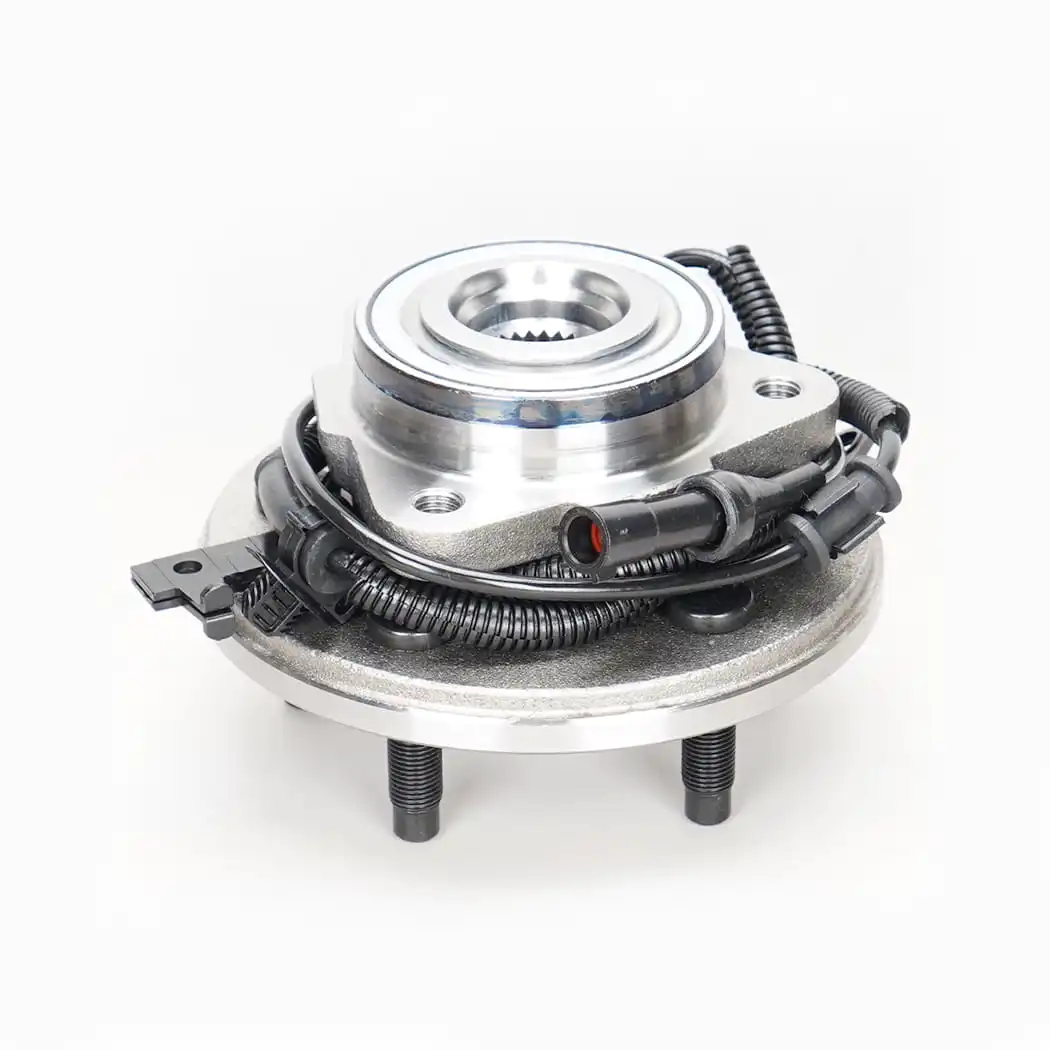
A front hub assembly is the central rotating component mounted at the center of a vehicle's front wheel. It serves as the mechanical interface between the wheel and the suspension system, housing the wheel bearings that allow the wheel to spin freely while supporting the vehicle's weight. On modern vehicles, the front wheel hub assembly is typically a pre-packed, sealed unit that integrates the hub flange, bearing races, rolling elements, and in many cases a built-in ABS wheel speed sensor — all in a single serviceable component.
The front hub assembly performs several critical functions simultaneously. It transfers braking forces from the rotor to the suspension knuckle, supports radial and axial loads generated by cornering and acceleration, and provides a mounting surface for the wheel via precisely machined bolt holes. On front-wheel-drive vehicles, the hub also transmits engine torque from the axle shaft to the wheel through a splined center bore. This combination of structural, rotational, and electronic functions makes the front hub bearing assembly one of the most mechanically demanding components on any vehicle.
Modern front wheel hub assemblies are engineered as integrated units, but understanding the internal components helps diagnose failures and select the correct replacement part. The key elements found within a typical front hub and bearing assembly include:
Front hub assembly designs vary considerably depending on whether the vehicle is front-wheel drive, rear-wheel drive, or four-wheel drive, and whether the front axle is driven or undriven. Selecting the correct replacement requires identifying which type is installed on your specific vehicle.
| Hub Type | Drivetrain | Center Bore | Typical Application |
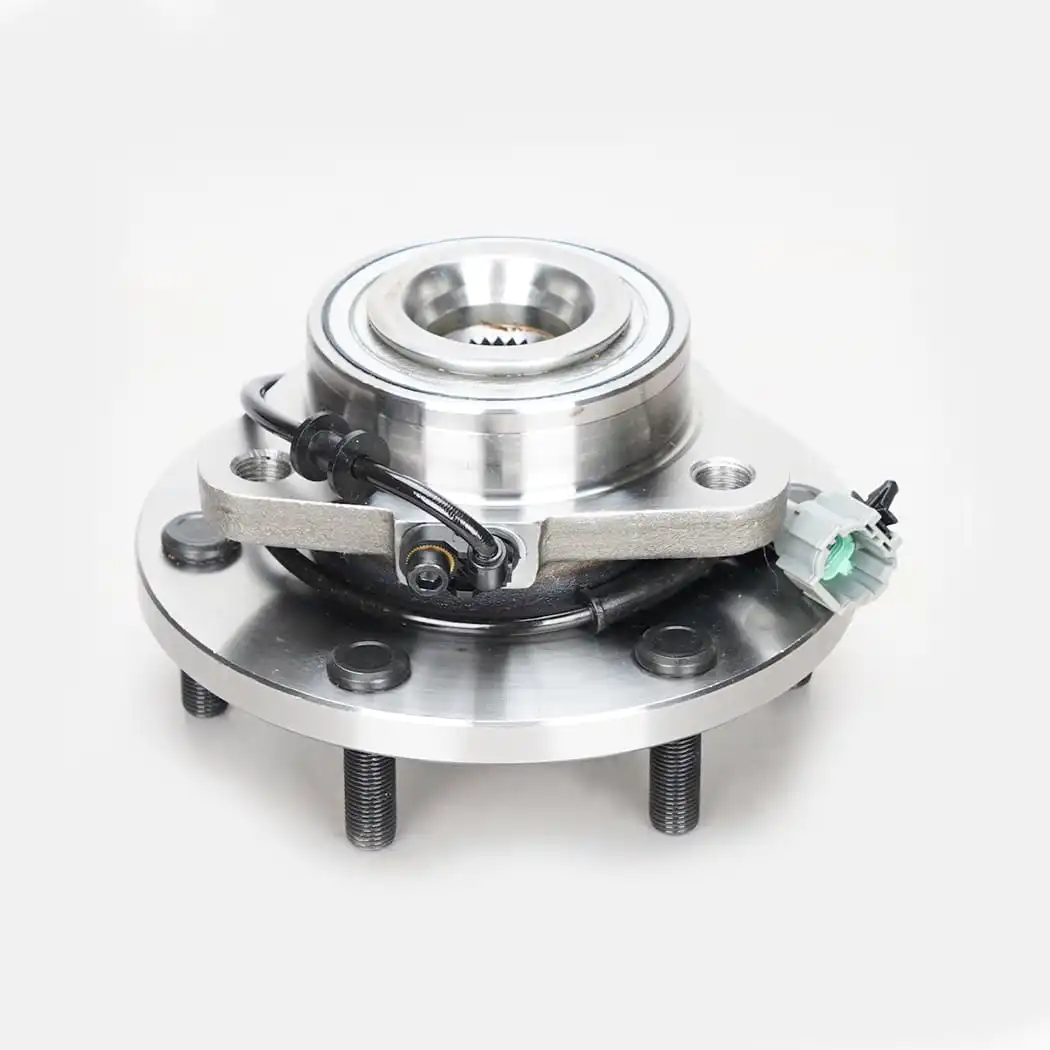
| Driven Front Hub Assembly | FWD / AWD / 4WD | Splined | Most passenger cars and SUVs |
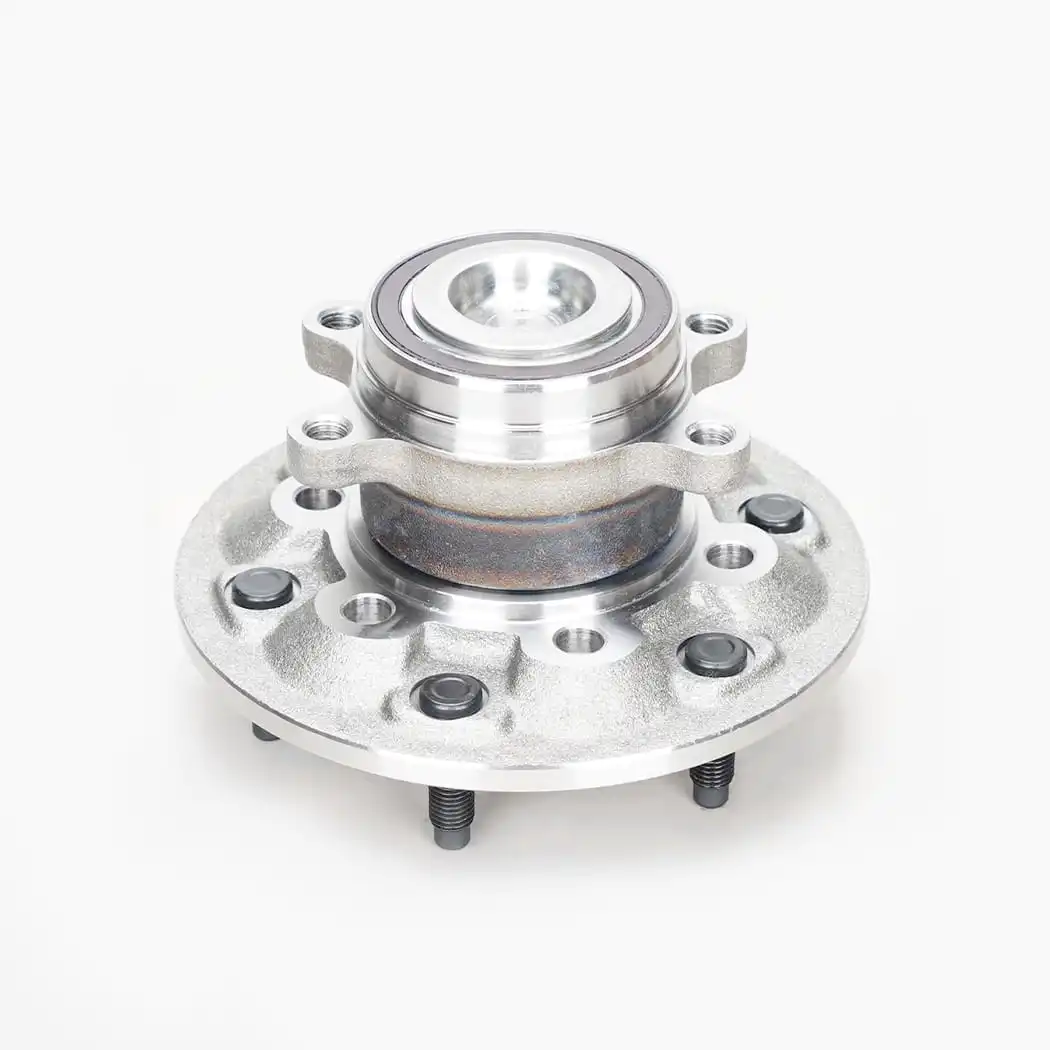
| Non-Driven Front Hub Assembly | RWD | Solid or open | Rear-wheel-drive trucks, muscle cars |
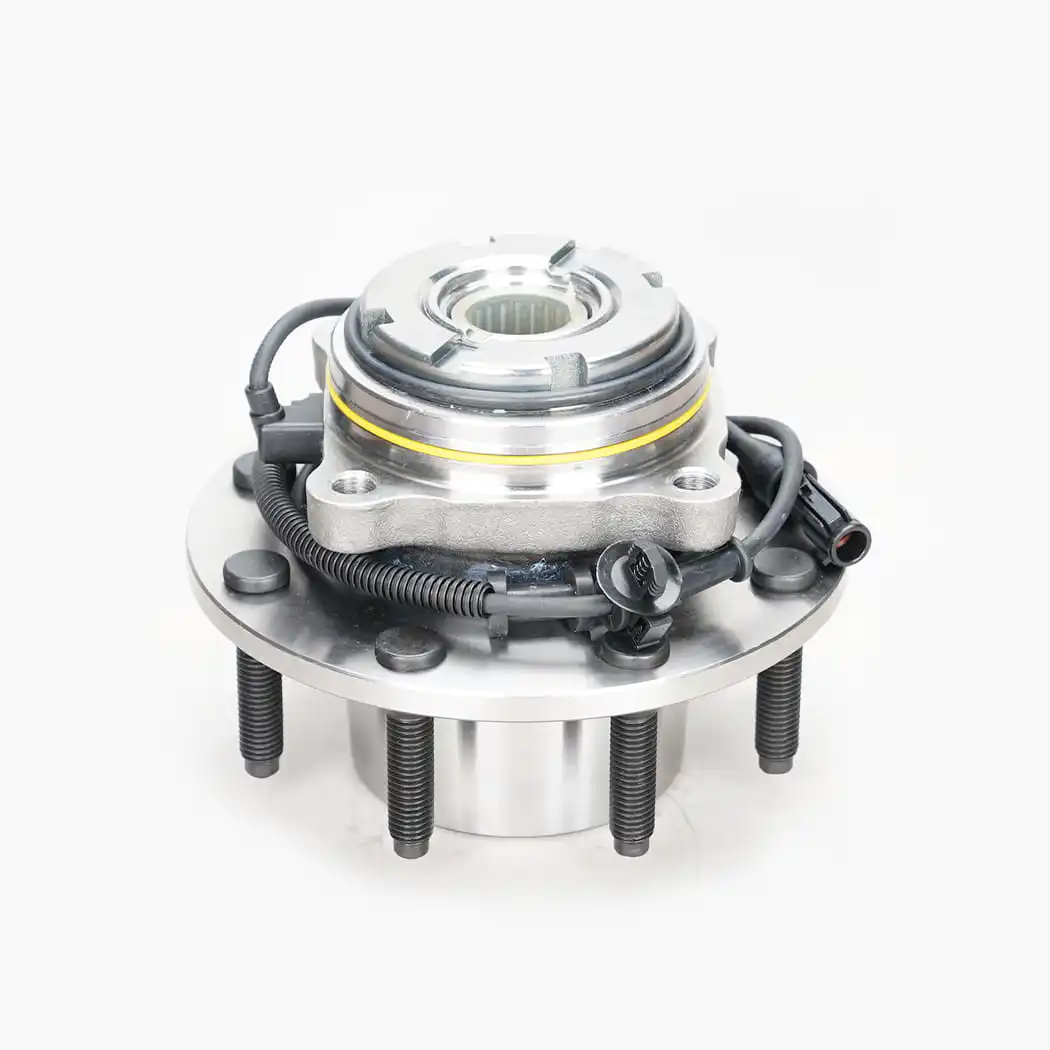
| Locking Hub Assembly | Part-time 4WD | Splined with locking mechanism | Body-on-frame trucks and off-road SUVs |
| Bolt-On Hub Assembly (Generation 3) | FWD / AWD | Splined, flange-mounted | Later-model GM, Ford, Chrysler platforms |
Generation 3 hub assemblies — which bolt directly to the steering knuckle via three or four mounting bolts and include the bearing fully integrated — have become the industry standard on most newer vehicles due to their ease of replacement and consistent preload. Earlier Generation 1 and 2 designs required pressed-in bearings and separate hub components, making replacement far more complex and typically requiring a hydraulic press.
A worn or damaged front wheel hub assembly produces a distinct set of symptoms that worsen progressively as bearing damage advances. Recognizing these signs early prevents more expensive secondary damage to the CV axle, steering knuckle, and brake components, and — critically — prevents a dangerous wheel separation event.
The most common symptom of a failing front hub bearing assembly is a continuous grinding, growling, or humming noise that changes with vehicle speed. The noise typically originates from the wheel area and becomes louder as speed increases. A key diagnostic technique is to gently swerve the vehicle left and right at highway speed while listening for the noise to increase or decrease — shifting weight onto a bad bearing intensifies the sound, while unloading it temporarily quiets it. If the noise worsens when steering right, the left front hub bearing is typically the culprit, and vice versa.
As internal bearing wear progresses, radial play develops within the front hub assembly. This play manifests as a vibration felt through the steering wheel, often peaking within a specific speed range before either intensifying or subsiding at higher speeds. In severe cases, excessive bearing clearance allows the wheel and rotor assembly to wobble, which creates visible brake rotor runout, accelerated brake pad wear, and a pulsating brake pedal that is often misdiagnosed as a warped rotor.
Because the wheel speed sensor on most modern vehicles is integrated into or reads directly from the front hub assembly, a worn or damaged hub can trigger ABS, traction control, and stability control warning lights. Damage to the encoder tone ring — from corrosion, impact, or seal failure allowing metallic debris into the bearing cavity — disrupts the sensor signal and causes erratic or absent wheel speed readings. Replacing the front hub bearing assembly often resolves these fault codes without any additional sensor replacement.
Grabbing the tire at the 12 and 6 o'clock positions and rocking it in and out with the vehicle on a lift is a direct test for hub bearing wear. Any perceptible looseness — more than 0.002 inches of axial play — indicates the bearing is worn beyond acceptable limits and the front wheel hub assembly requires immediate replacement. Do not confuse this with ball joint play (which is best checked at the 9 and 3 o'clock positions) or tie rod end play.
Bearing wear that introduces camber variation or wheel wobble produces abnormal tire wear patterns, typically presenting as feathering or cupping on the inner or outer tread edges of the affected front tire. While this symptom alone does not confirm a bad hub assembly, it warrants a thorough front-end inspection that includes checking the hub bearing for play and noise.
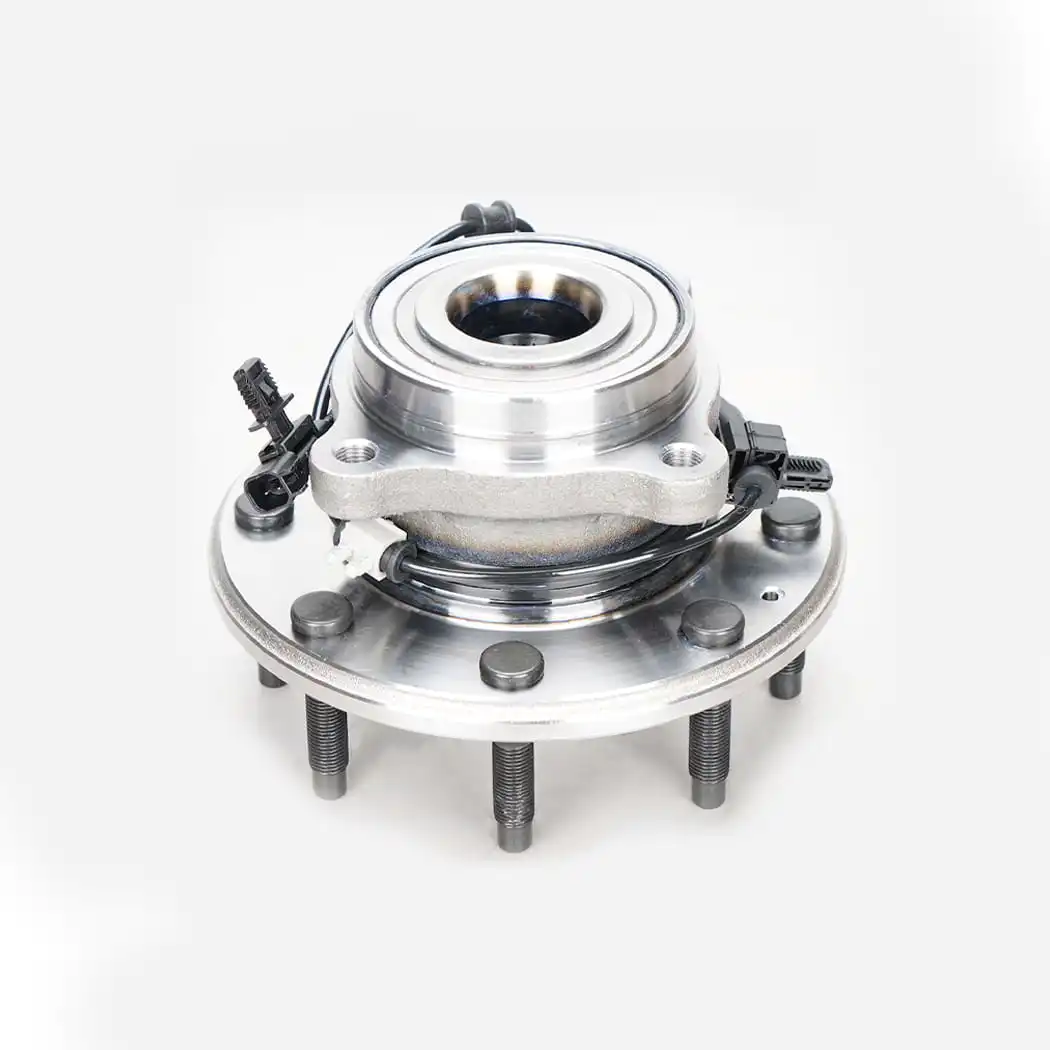
Replacing a front hub and bearing assembly on a modern vehicle with a bolt-on Generation 3 hub is a straightforward procedure for an experienced DIY mechanic. It requires basic hand tools, a torque wrench, and access to a lift or floor jack with jack stands. The following process applies to most front-wheel-drive and all-wheel-drive passenger vehicles.
Begin by loosening the center axle nut with the vehicle's weight still on the ground — this prevents the hub from spinning. Raise and support the vehicle safely, then remove the wheel. Unbolt the brake caliper and hang it with a wire hanger to avoid stressing the brake hose; do not let it hang by the hose. Slide the brake rotor off the hub flange. Locate the three or four hub mounting bolts on the back face of the steering knuckle and remove them. Apply penetrating oil if they are corroded. With the mounting bolts removed, the old hub assembly can typically be pulled outward from the knuckle; a few light hammer taps from behind may be needed to break the corrosion bond. Disconnect the ABS wheel speed sensor connector before fully removing the hub.
Clean the hub mounting bore in the steering knuckle thoroughly with a wire brush to remove rust and debris that could prevent proper seating of the new assembly. Slide the new front hub assembly into position, feeding the CV axle stub shaft through the splined center bore. Thread the mounting bolts by hand first to ensure they are not cross-threaded, then torque them to the manufacturer's specification — typically 45–85 ft-lbs depending on the platform. Reconnect the ABS sensor connector. Reinstall the brake rotor and caliper, then thread the new axle nut onto the CV shaft. Lower the vehicle to the ground and torque the axle nut to specification (consult the vehicle service manual — incorrect axle nut torque is a leading cause of premature hub bearing failure). Stake or cotter-pin the axle nut as required by your vehicle's design.
The replacement front hub assembly market is divided between OEM (Original Equipment Manufacturer) parts supplied by or equivalent to the vehicle manufacturer's specification, and aftermarket parts produced by independent suppliers. Both categories vary significantly in quality and price, and choosing incorrectly can result in premature failure, noise recurrence, or ABS faults.
OEM front hub assemblies — sourced directly from the vehicle manufacturer's dealership parts department or from Tier 1 original equipment suppliers such as SKF, Timken, FAG (Schaeffler), NSK, and Moog — deliver the most reliable fit, finish, and longevity. These units are manufactured to the same dimensional tolerances, bearing preload specifications, and encoder ring calibration as the original part. For vehicles with sophisticated stability control systems or in applications where ABS sensor accuracy is critical, OE-quality hub assemblies are strongly recommended.
Lower-cost aftermarket front hub and bearing assemblies are widely available through online retailers and auto parts chains. While some mid-tier brands offer acceptable quality for high-mileage vehicles nearing end of life, poorly manufactured budget units frequently suffer from incorrect bearing preload, inferior sealing, substandard steel hardness, and improperly calibrated or absent ABS tone rings. These deficiencies lead to early noise recurrence (often within 12,000–20,000 miles) and persistent ABS warning lights. When selecting an aftermarket replacement, look for units from recognized brands with documented warranty coverage and clear ABS compatibility specifications.
A factory front wheel hub assembly is typically designed for a service life of 85,000 to 100,000 miles under normal operating conditions. However, a wide range of factors can dramatically shorten this interval, and understanding them helps prevent early failure after installing a new replacement unit.
• ADD: 42705 Grand River Avenue, Suite 201, Novi. Michigan 48375, USA.
© Copyright 2017 HANGZHOU HANJI AUTO PARTS.CO.,LTD. All Rights Reserved. Wheel Hub Unit Manufacturer