Content
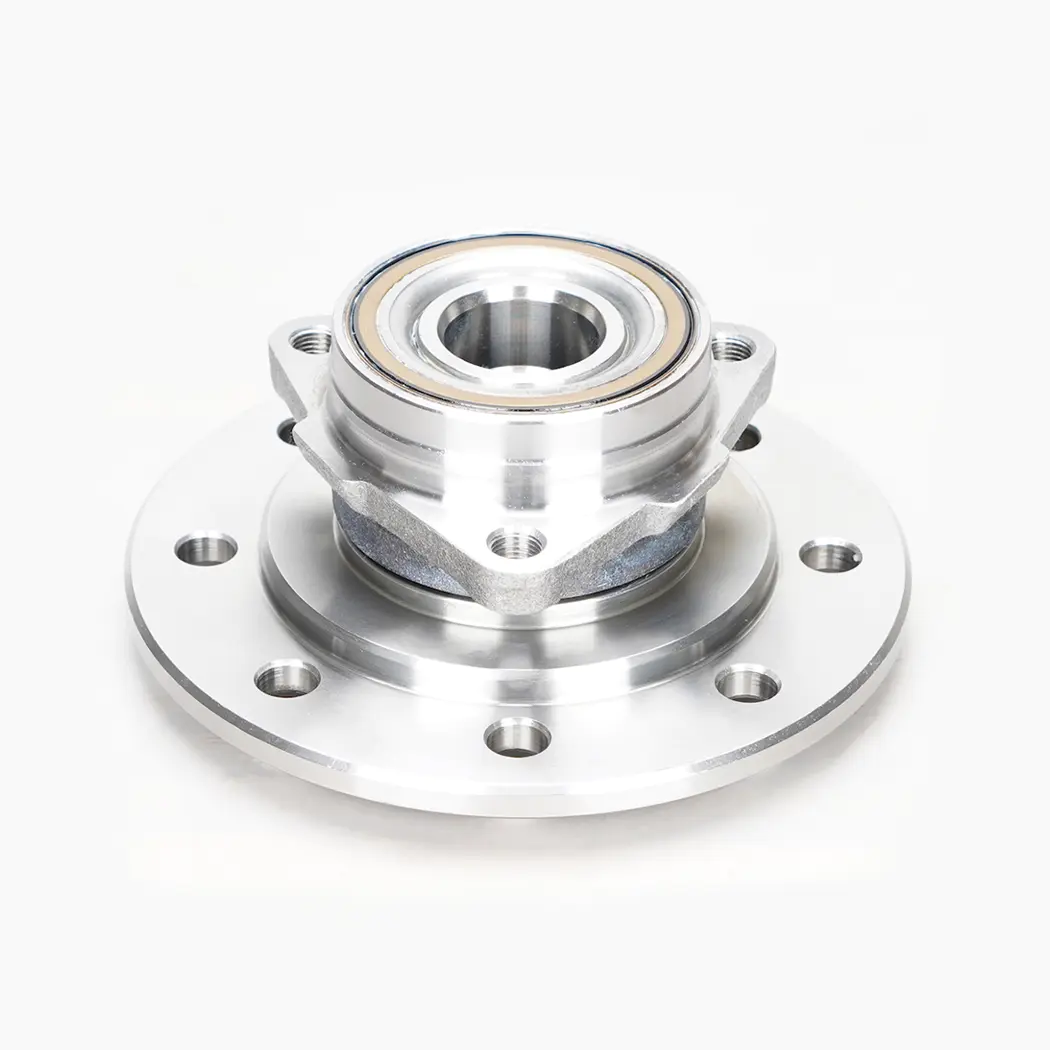
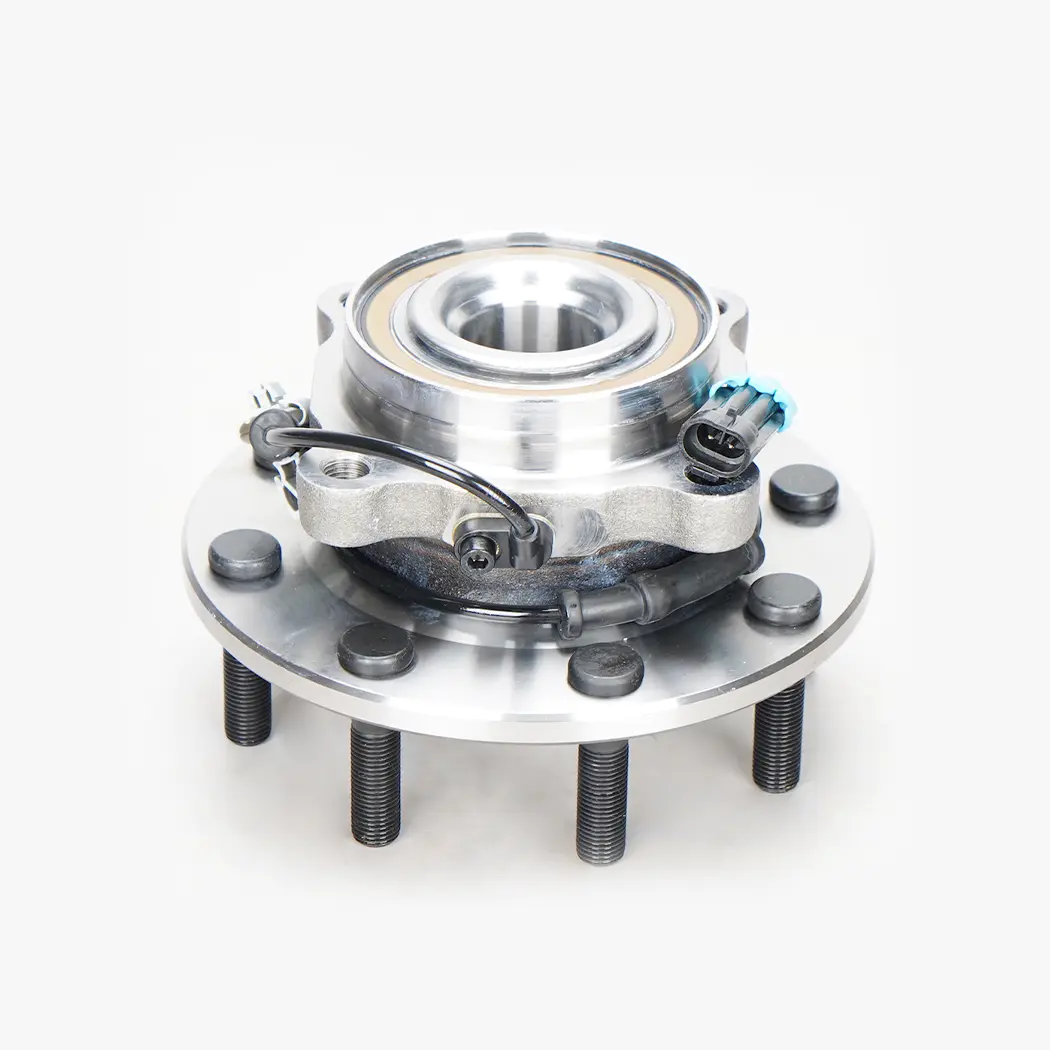
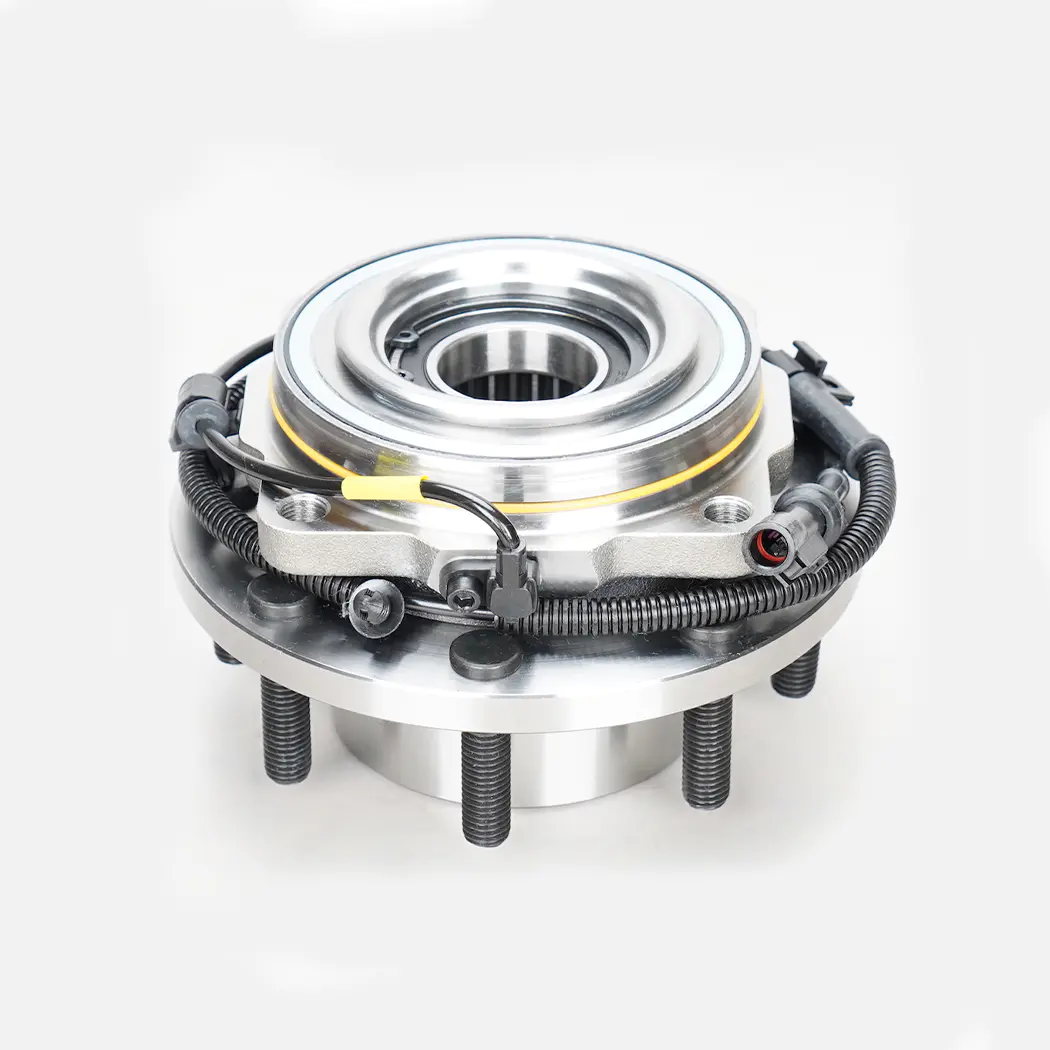
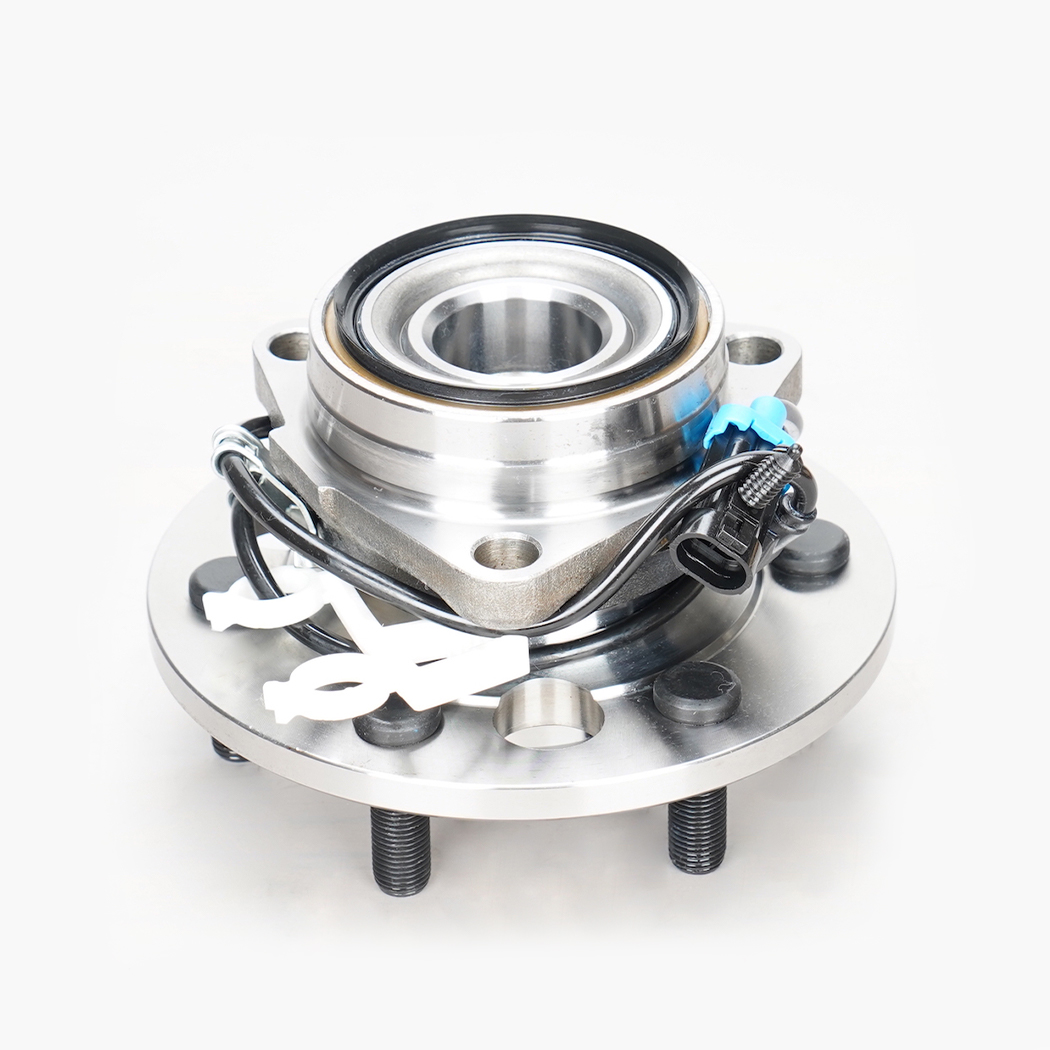
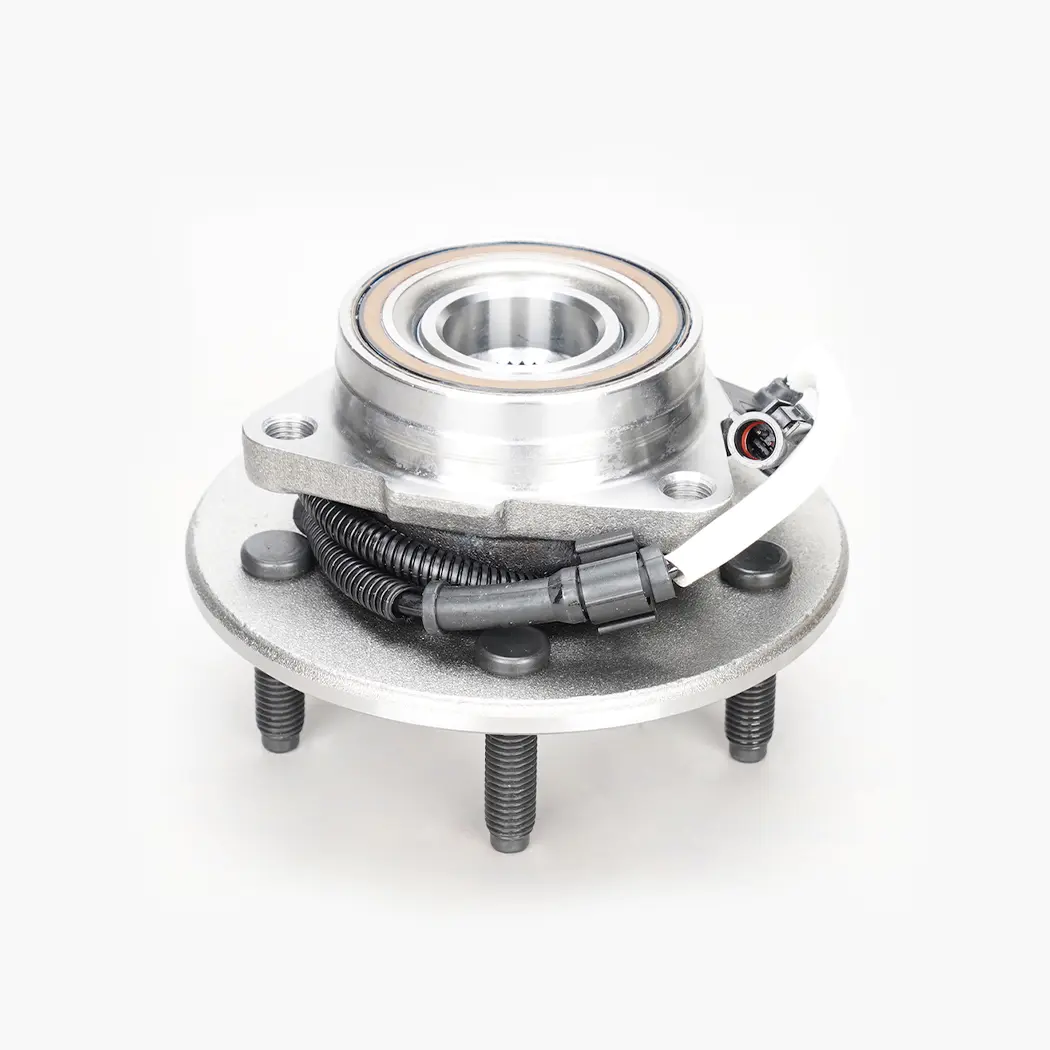
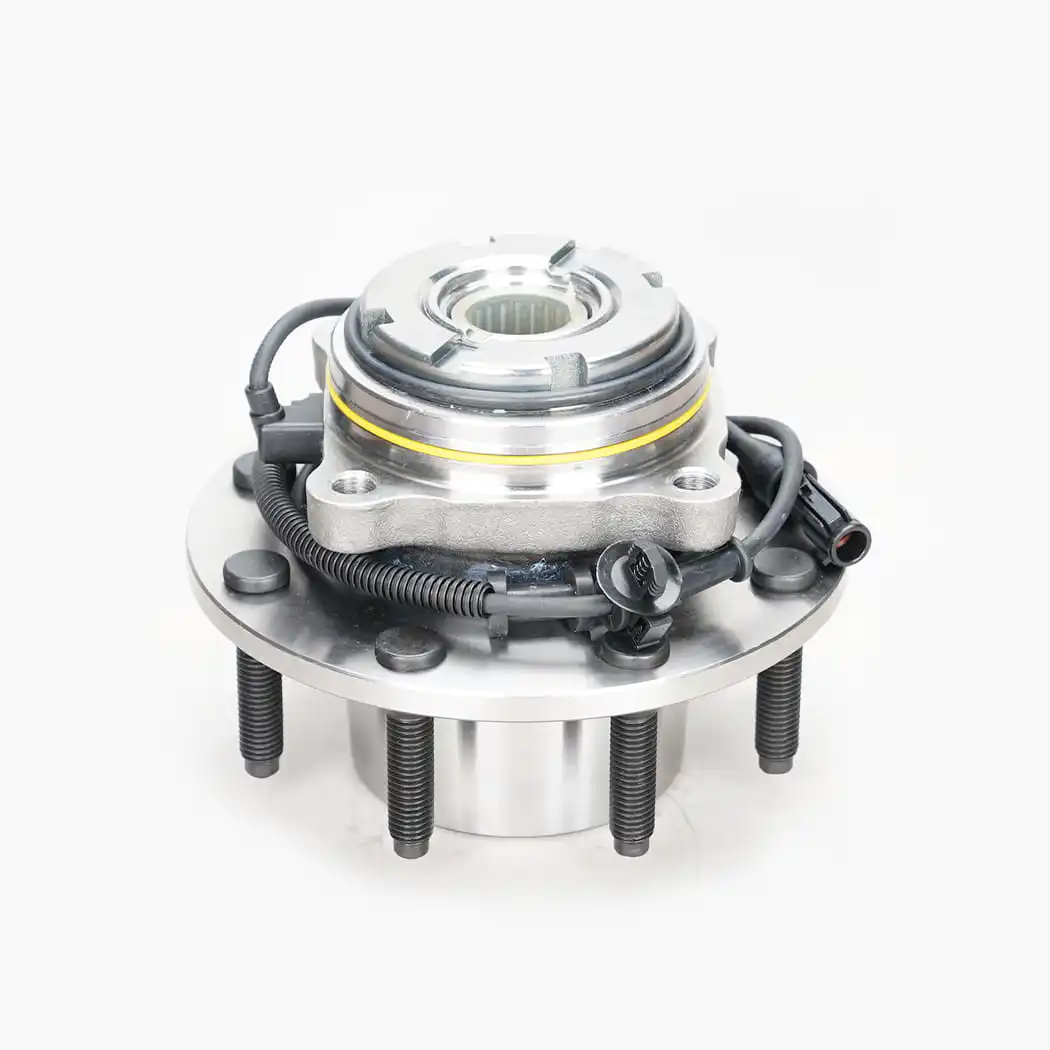
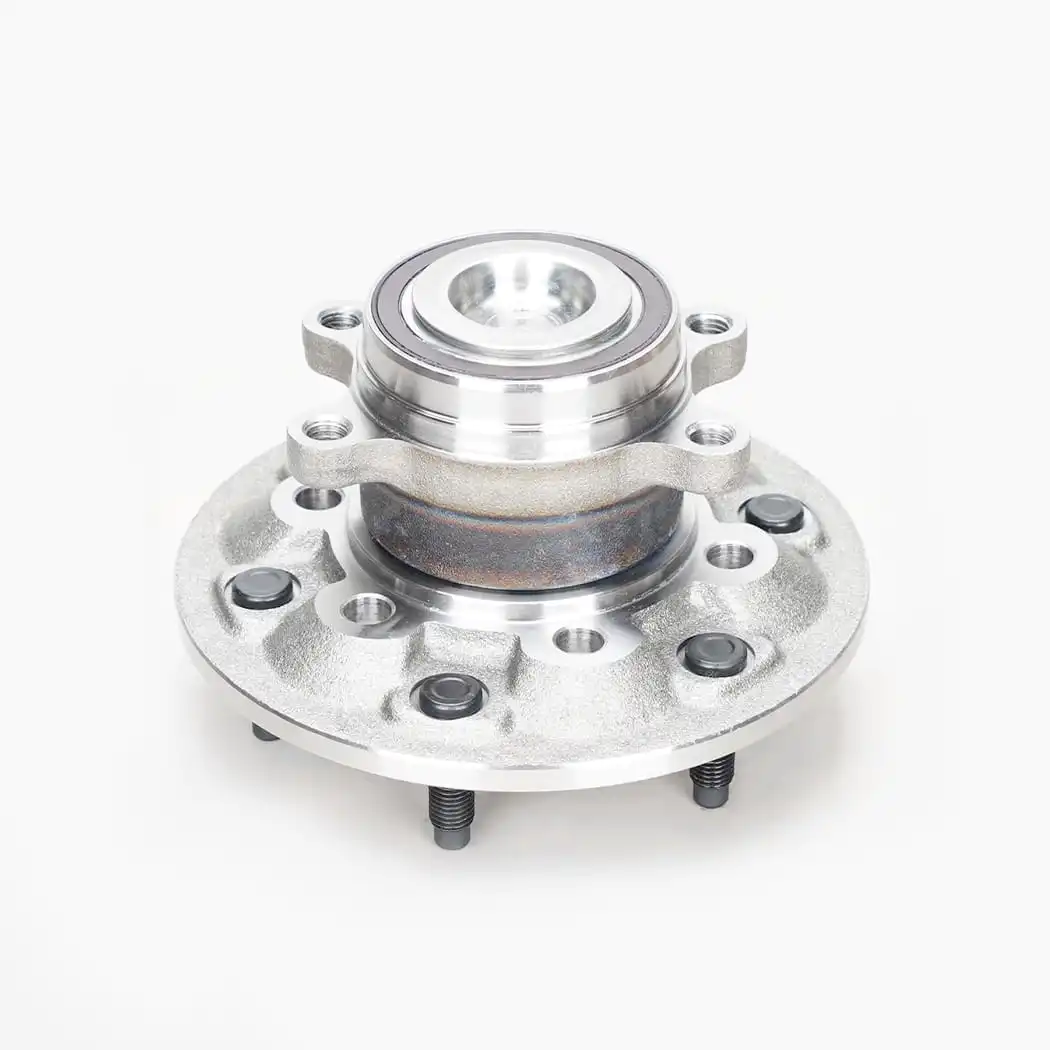
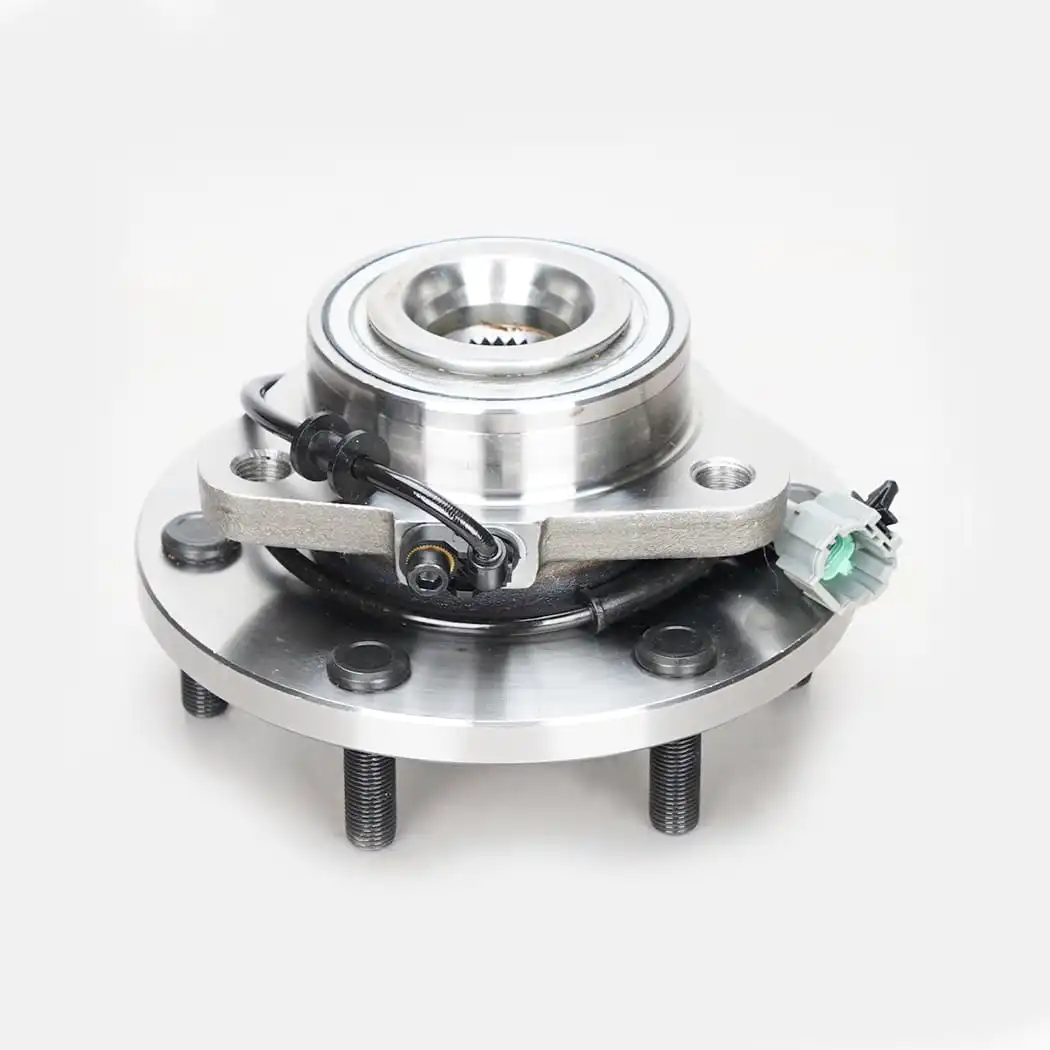
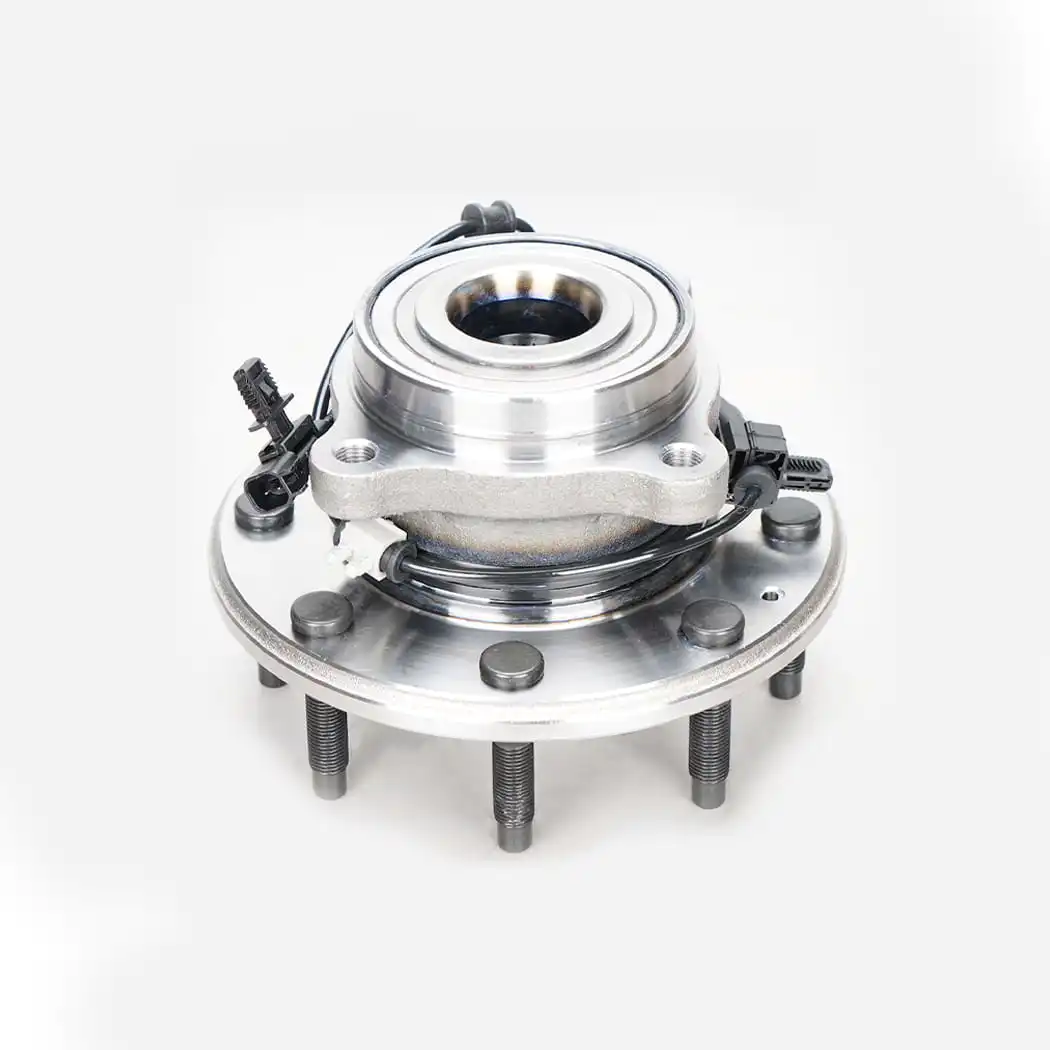
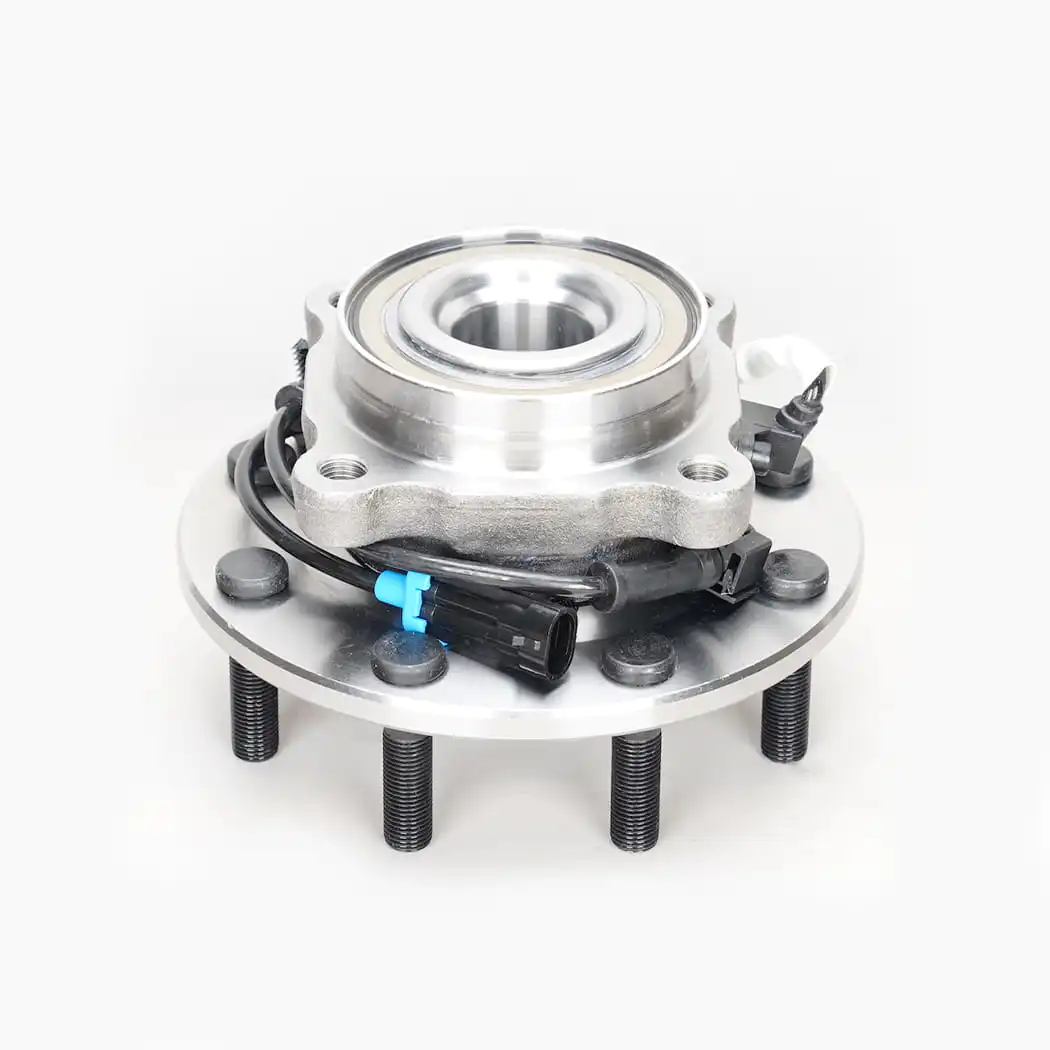
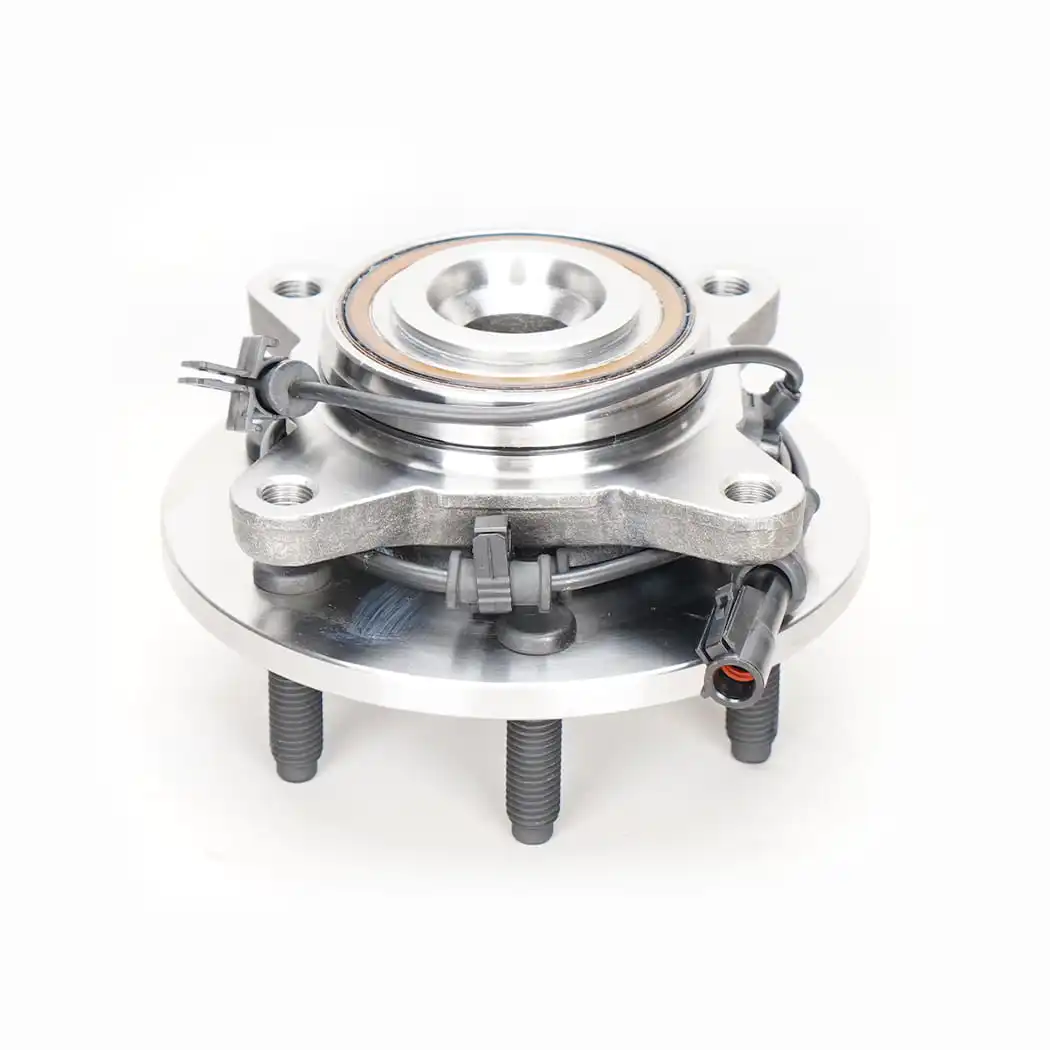
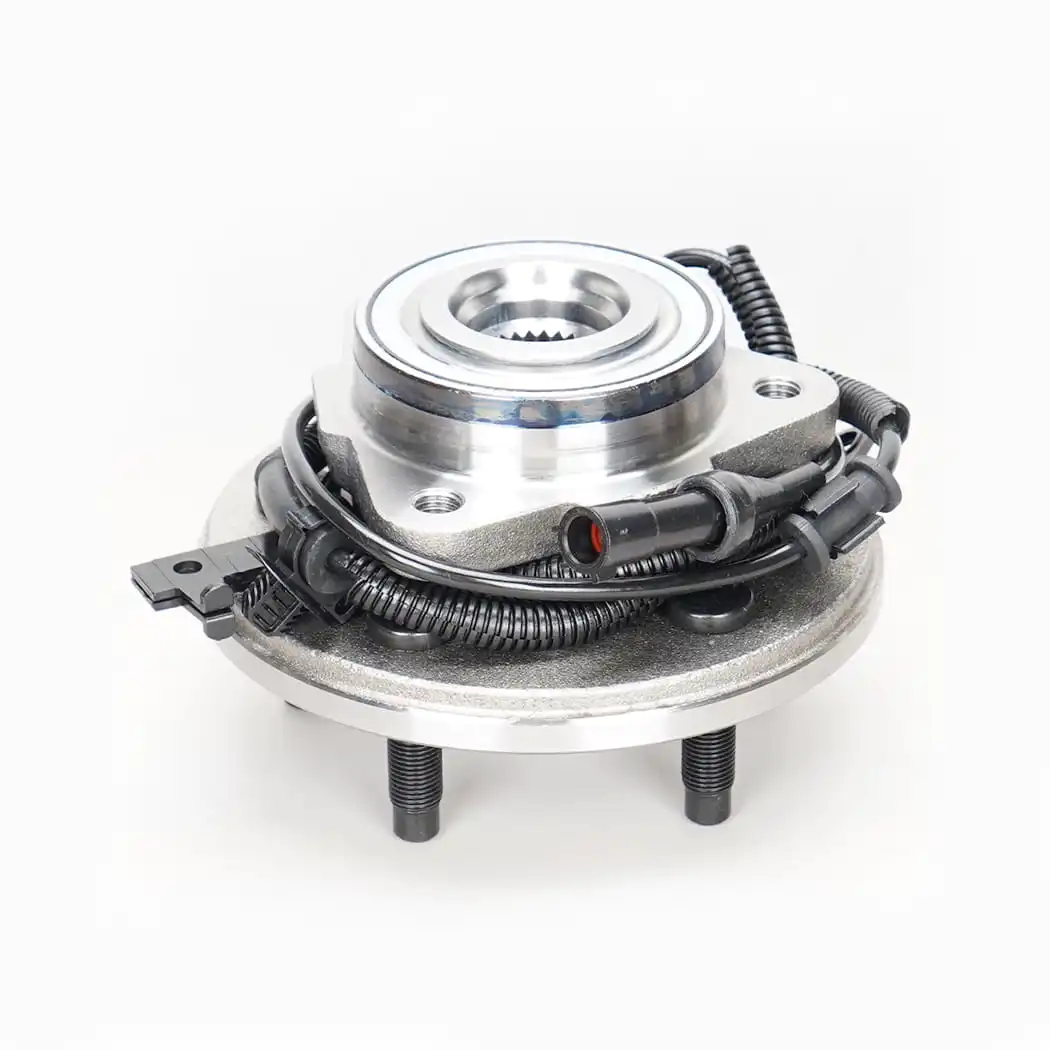
Wheel Hub Units are critical components in modern vehicle wheel systems. They connect the wheel to the vehicle and allow it to rotate smoothly while supporting the vehicle's weight. A typical wheel hub unit integrates the wheel hub, bearings, and mounting flange into one compact assembly. This integration improves reliability, simplifies installation, and reduces maintenance compared with traditional loose bearing systems.
In modern automotive engineering, wheel hub bearing units are designed to withstand heavy loads, high rotational speeds, and harsh road conditions. They ensure smooth wheel rotation, stable vehicle handling, and precise alignment between the wheel and suspension system. Without properly functioning wheel hub assemblies, vehicles may experience vibration, noise, or even safety risks.
Although wheel hub units are manufactured as integrated assemblies, they consist of several important components working together. Each element contributes to the durability and functionality of the entire system.
The integration of these components allows modern wheel hub bearing units to be installed as a single module, which significantly reduces assembly errors and improves performance consistency.
Wheel hub units have evolved over several generations as automotive technology has improved. Each generation provides better performance, easier installation, and higher durability.
| Generation | Key Features | Typical Applications |
| Gen 1 | Integrated double-row bearings but separate hub | Early passenger vehicles |
| Gen 2 | Hub and bearing integrated with mounting flange | Modern passenger cars |
| Gen 3 | Fully integrated hub assembly with ABS sensor | Most modern vehicles and SUVs |
Generation 3 wheel hub assemblies are currently the most widely used because they simplify installation and offer improved durability. They are commonly used in passenger vehicles, light trucks, and crossover SUVs.
Compared with traditional wheel bearing systems, modern wheel hub units provide several important advantages in both manufacturing and vehicle performance.
These advantages have made integrated wheel hub bearing units the standard choice for most modern automotive manufacturers.
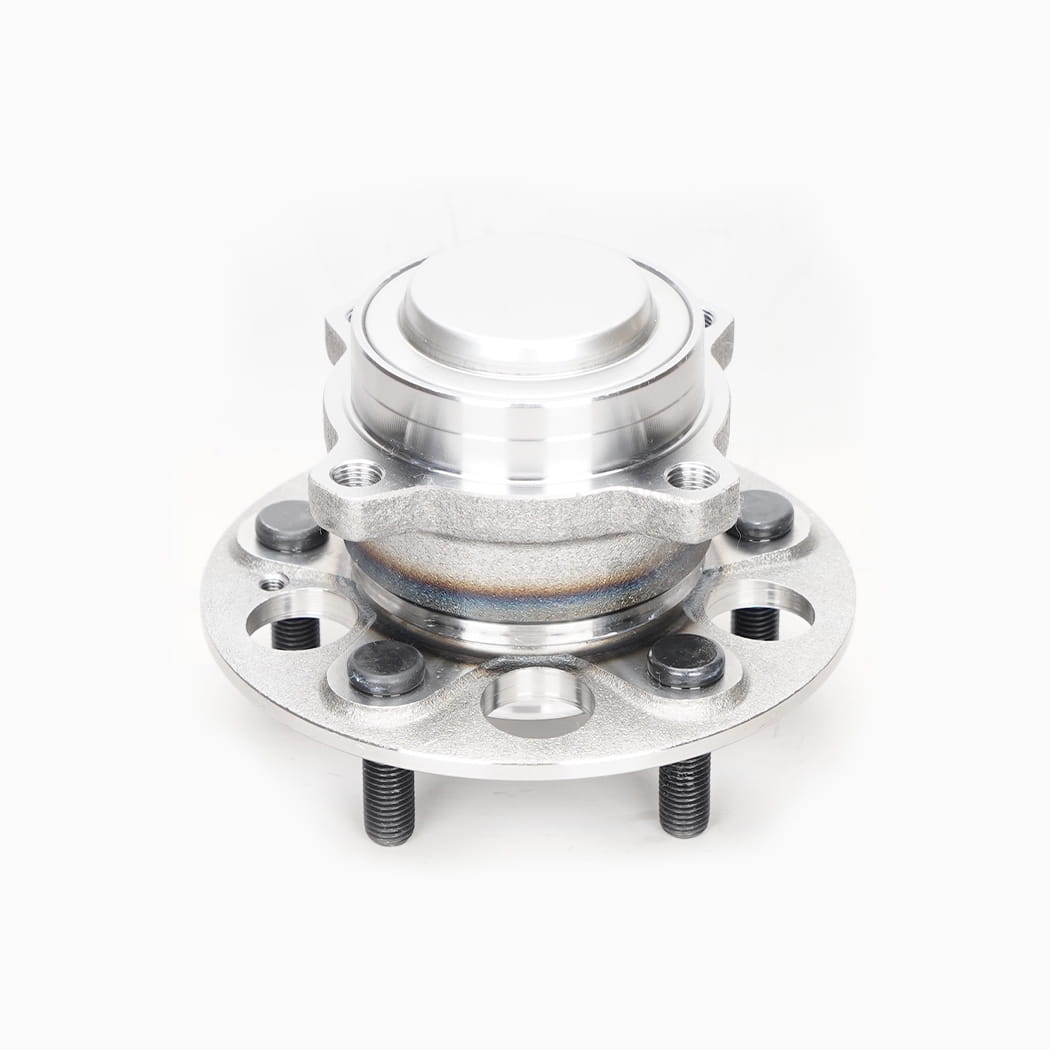
Although wheel hub units are designed to last for many years, they can eventually wear out due to road conditions, contamination, or heavy loads. Identifying early warning signs helps prevent more serious vehicle problems.
If these symptoms appear, the wheel hub assembly should be inspected and replaced if necessary. Continuing to drive with a damaged hub unit can lead to more severe suspension or braking issues.
Selecting the correct wheel hub units is important for both safety and vehicle performance. Buyers and distributors should pay attention to several practical factors when choosing hub assemblies.
High-quality automotive wheel hub units play a crucial role in maintaining vehicle stability, safety, and comfort. Choosing reliable hub assemblies ensures consistent performance and reduces the likelihood of premature failure.
• ADD: 42705 Grand River Avenue, Suite 201, Novi. Michigan 48375, USA.
© Copyright 2017 HANGZHOU HANJI AUTO PARTS.CO.,LTD. All Rights Reserved. Wheel Hub Unit Manufacturer