Content
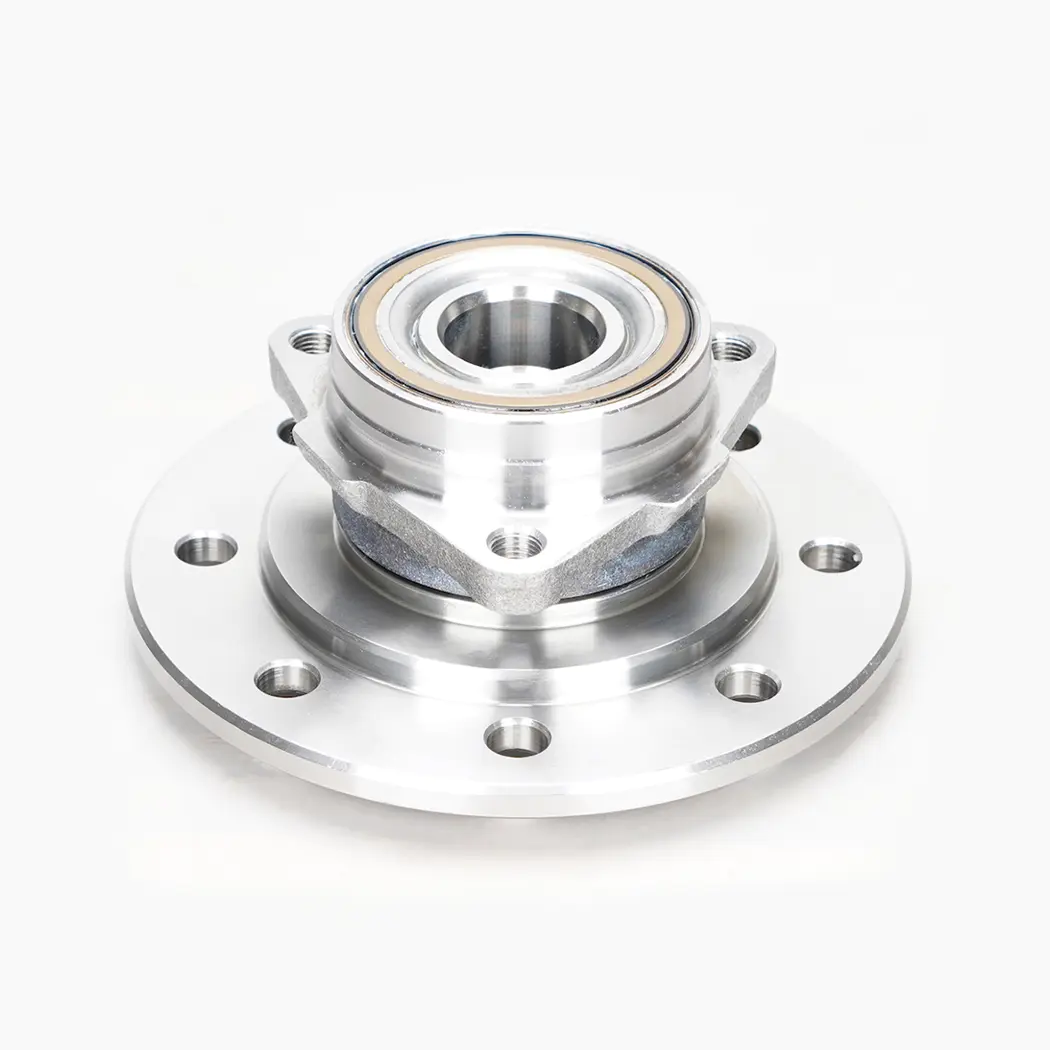
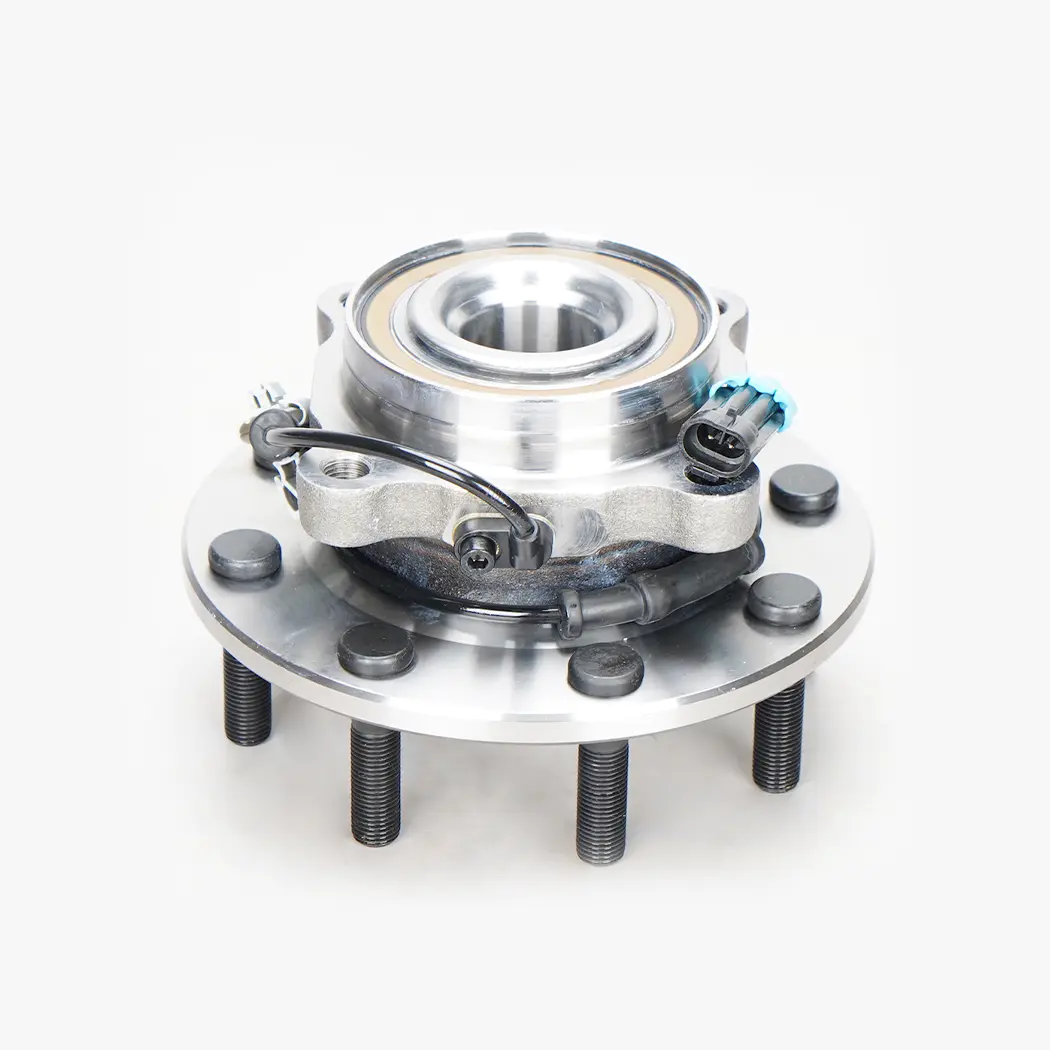
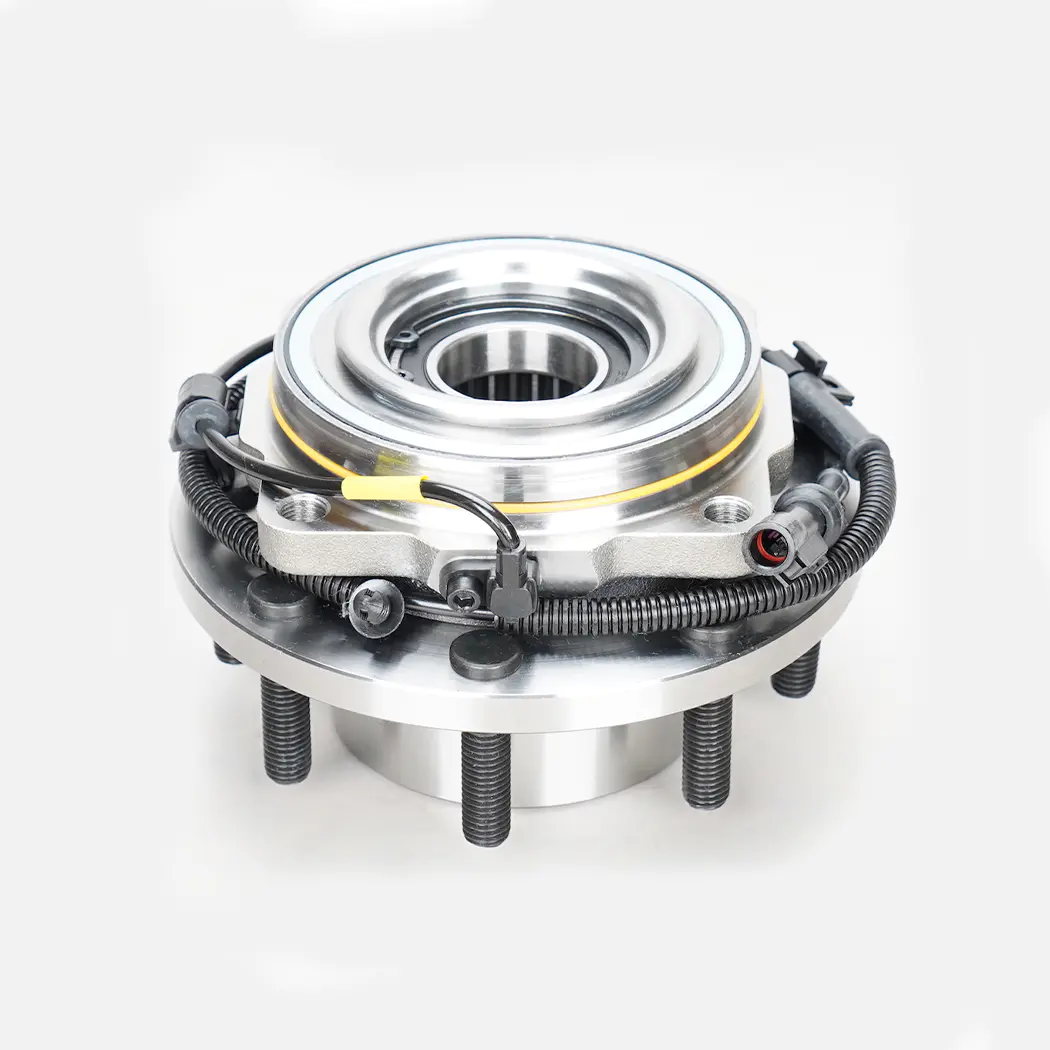
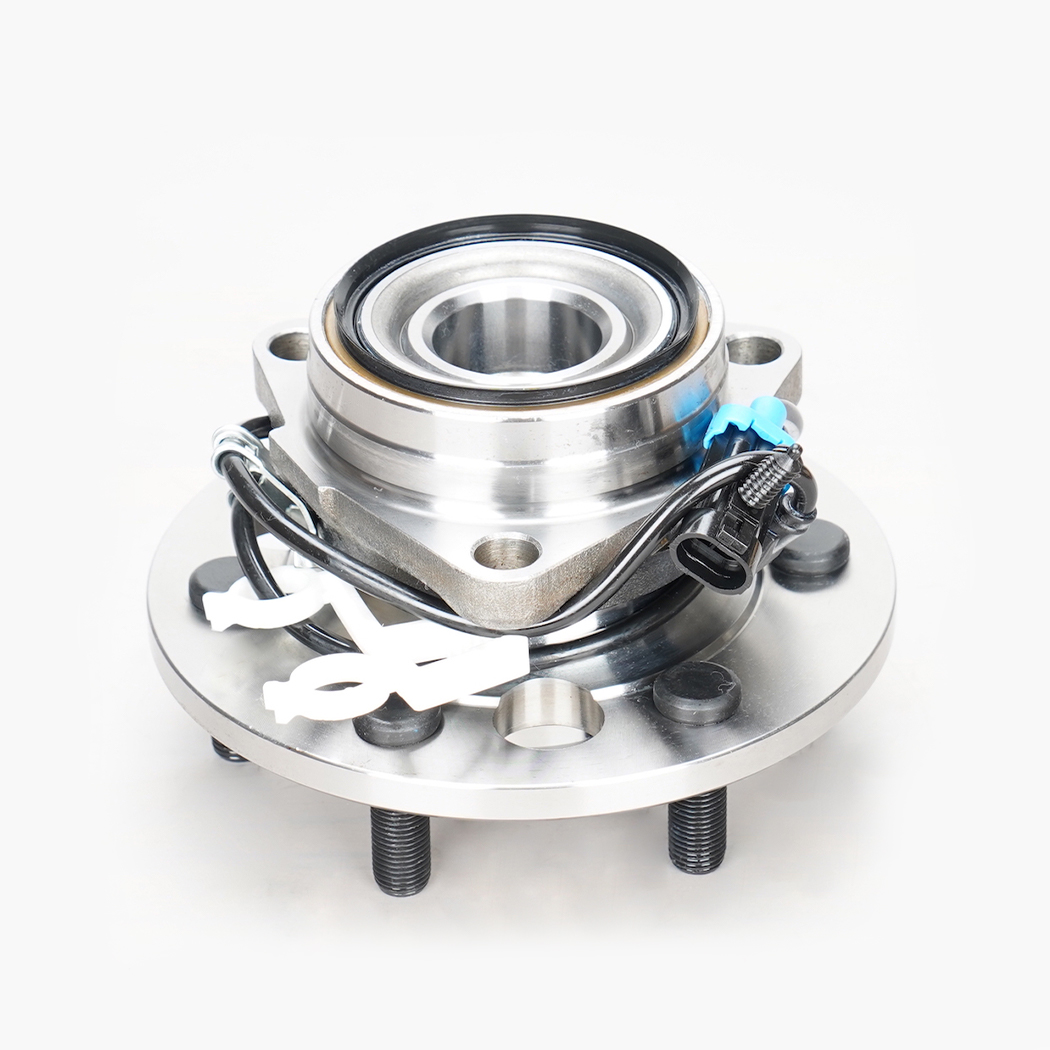
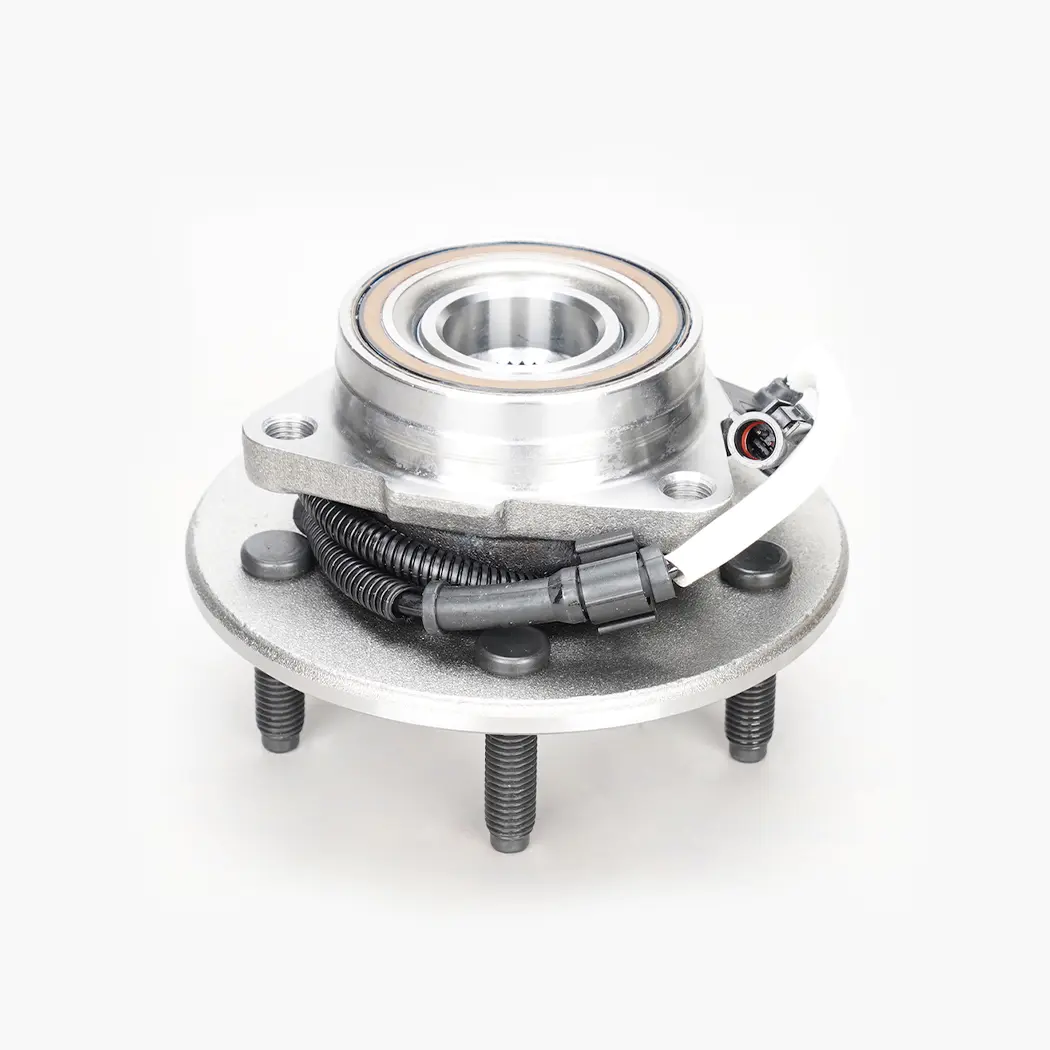
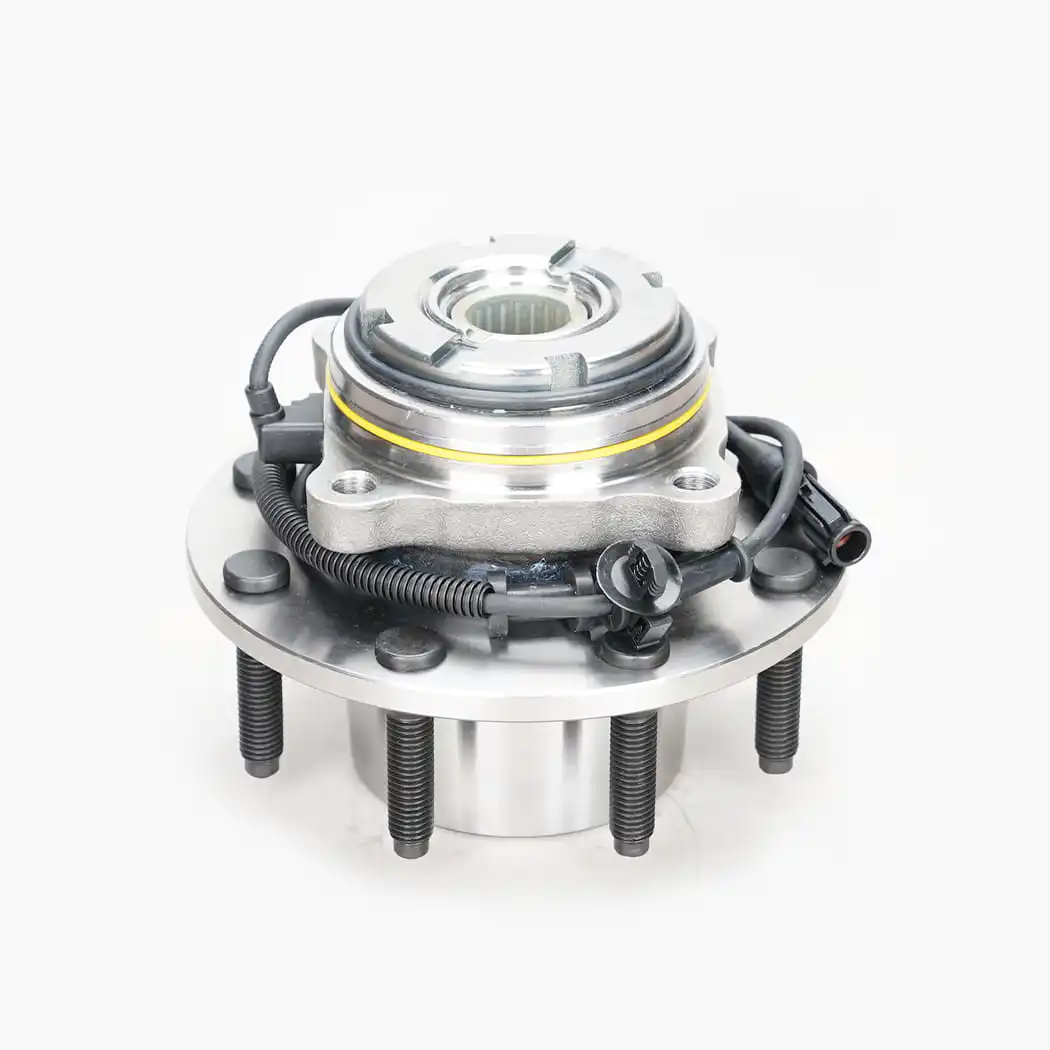
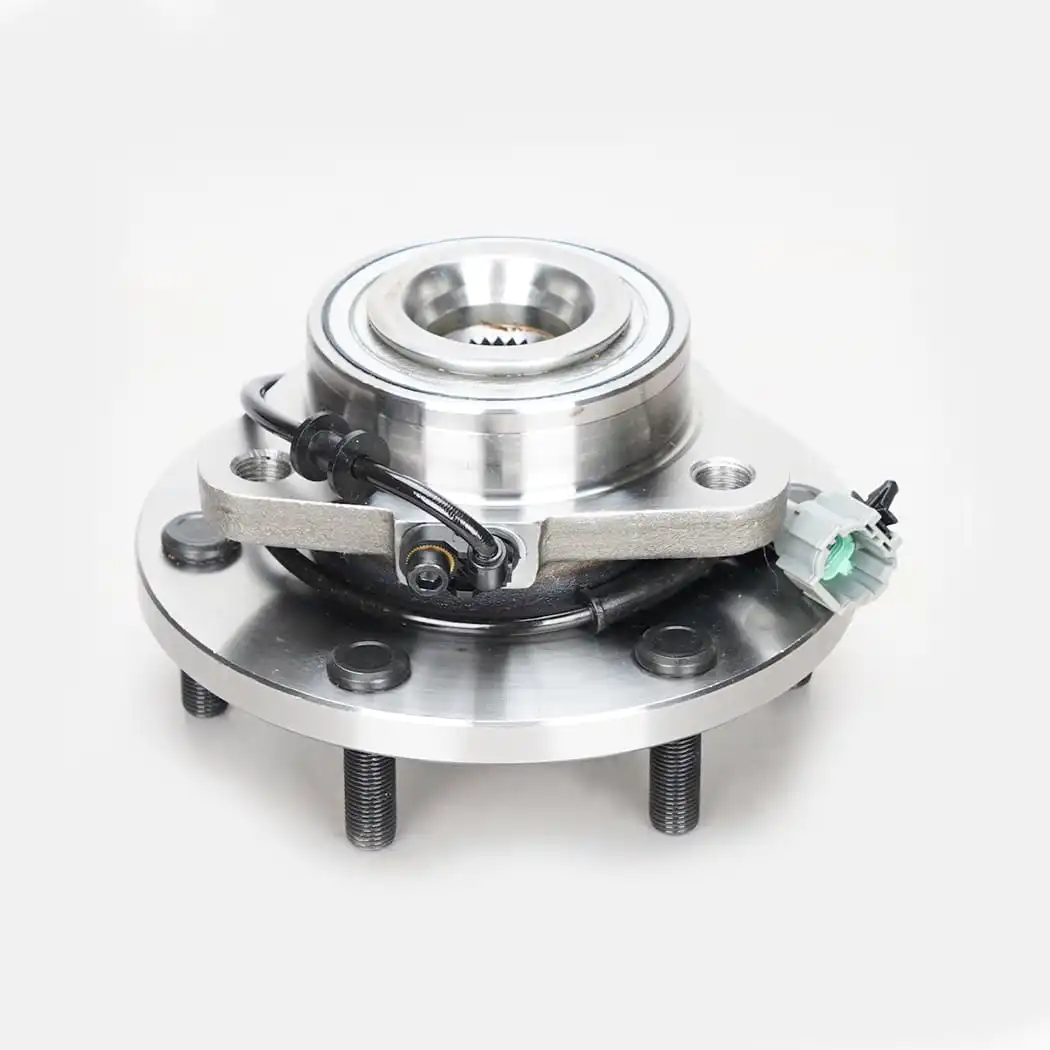
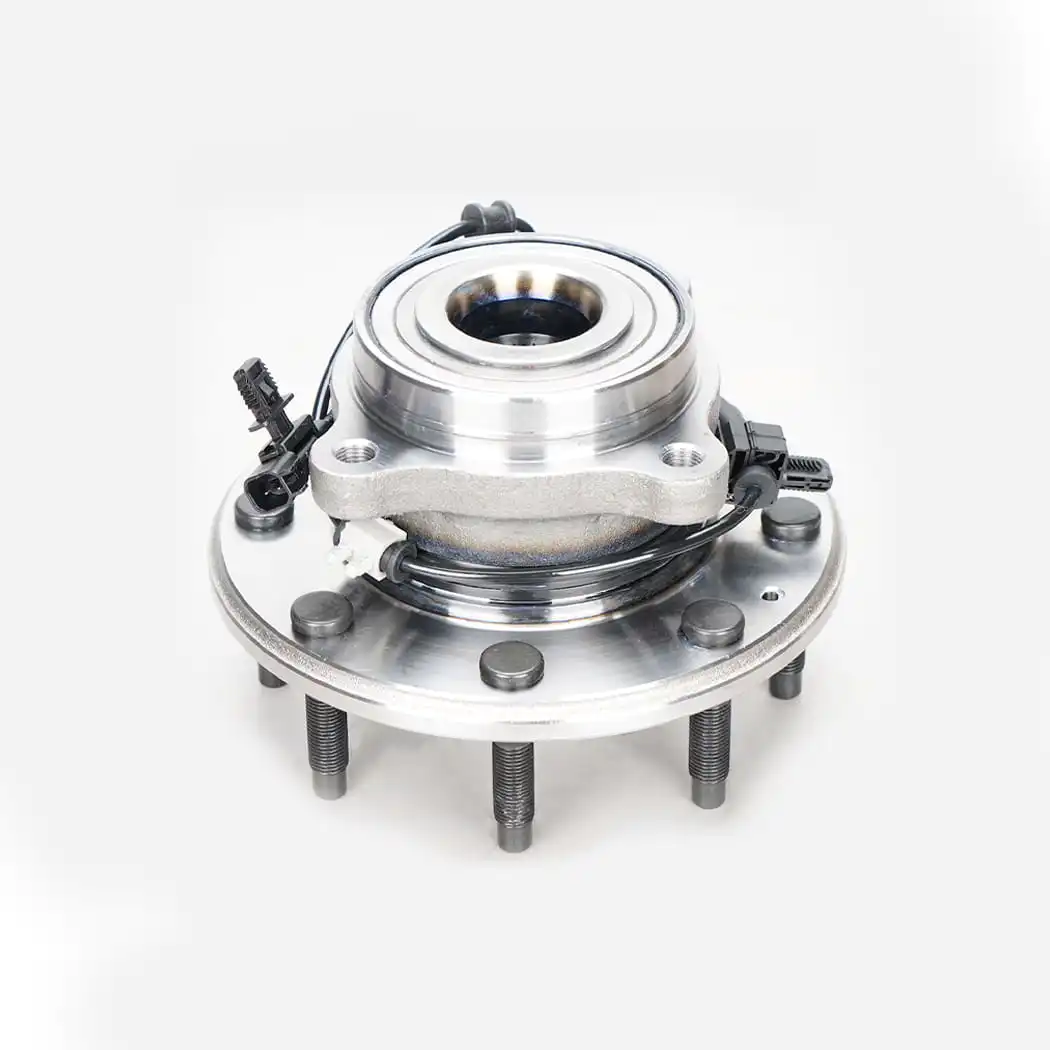
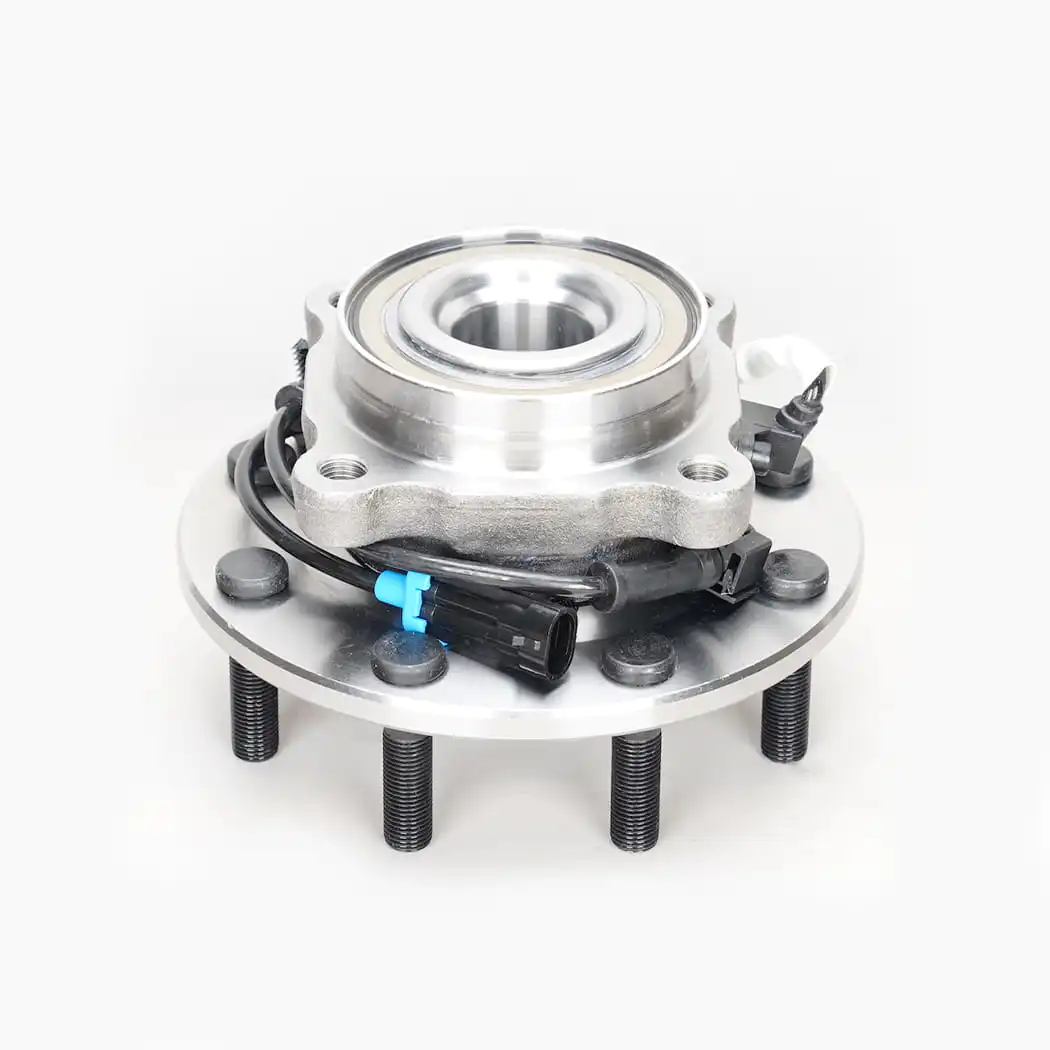
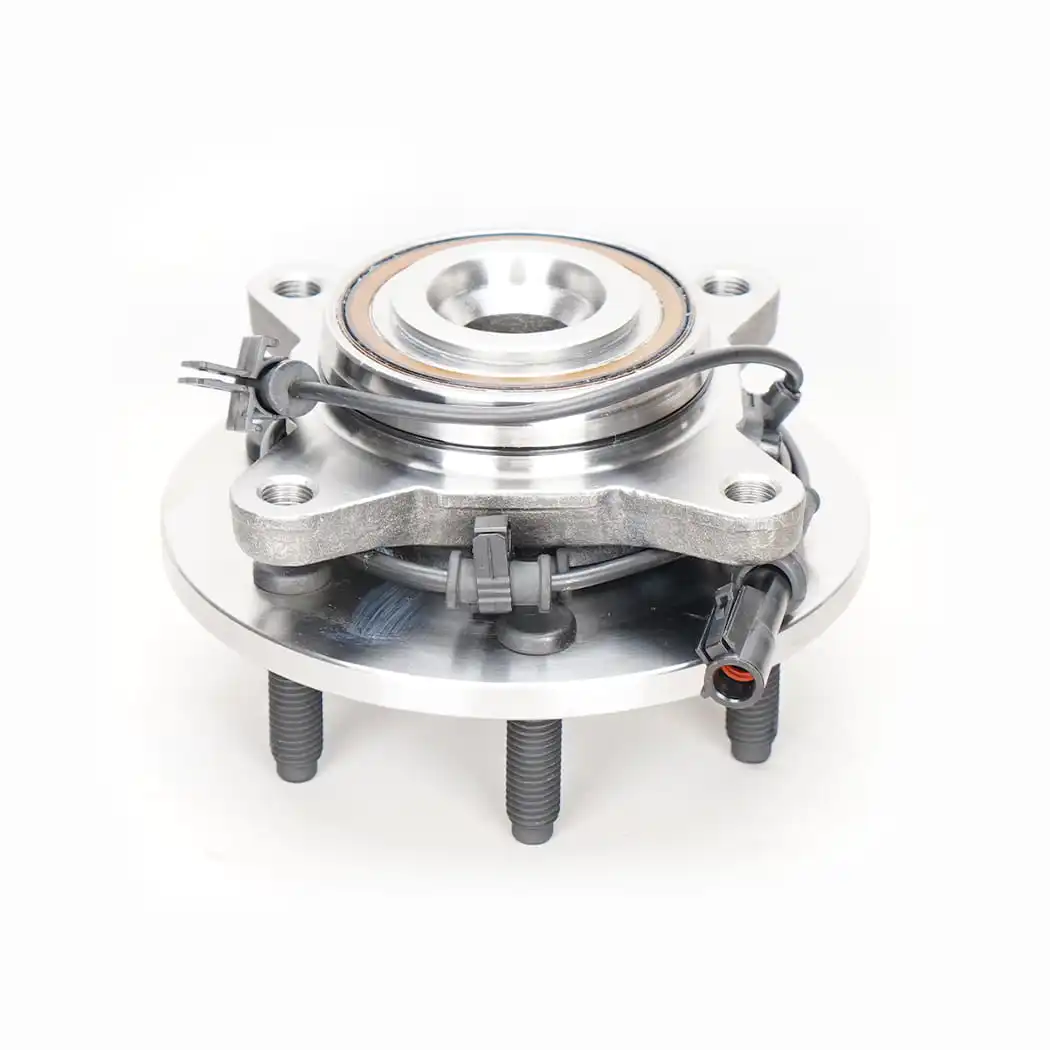
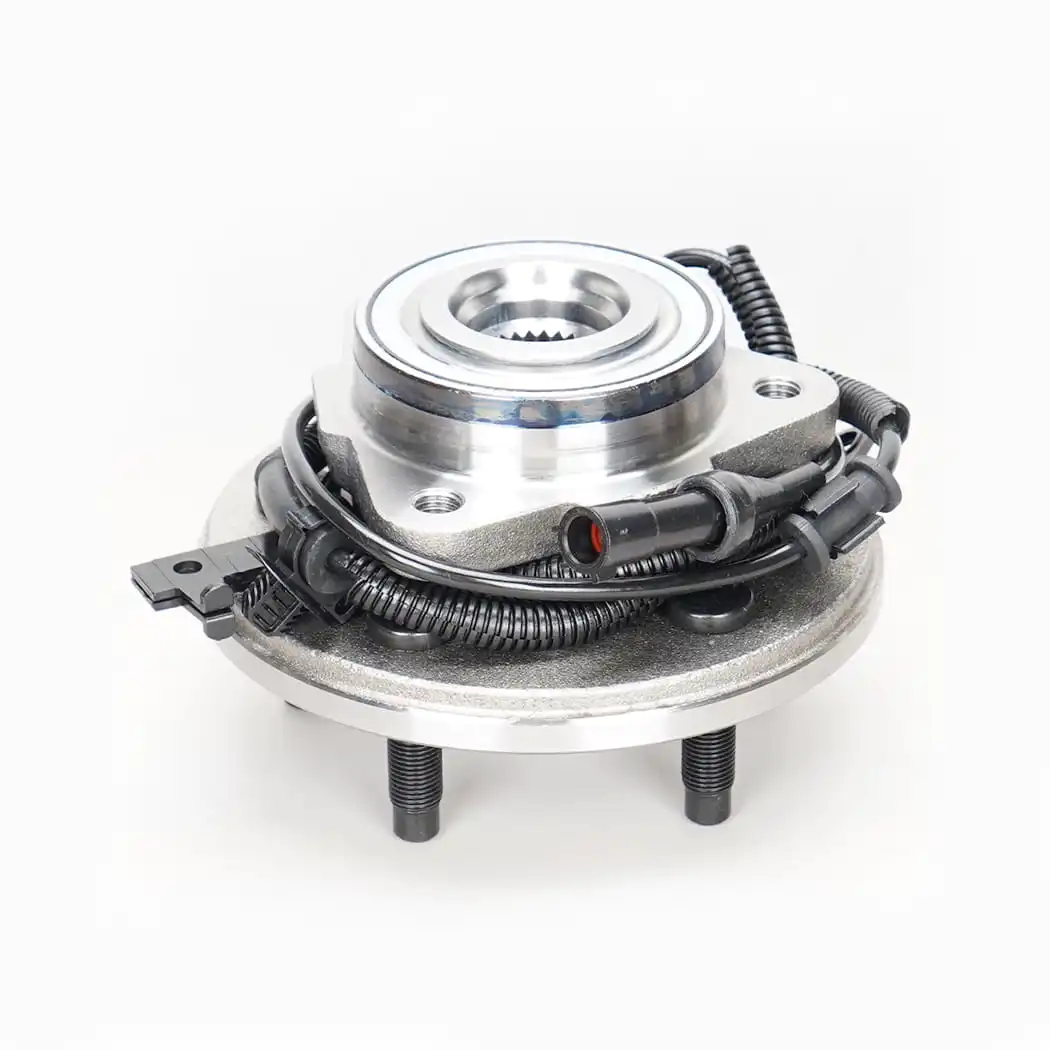
The front hub assembly is the part that connects your front wheel to the rest of the car. It's not just a single piece of metal — it's a combination of the wheel bearing, the hub itself, and in most modern cars, the ABS sensor ring. Together, they let the wheel spin freely while still carrying the full weight of the vehicle. Every time you turn a corner, hit a bump, or brake hard, the front hub assembly is quietly absorbing that stress. If it fails, you're not just dealing with a noisy car — you're dealing with a wheel that could, in the worst case, separate from the vehicle.
Older vehicles used a separate wheel bearing that you'd pack with grease and adjust by hand. Most cars built in the last twenty years use a sealed front hub assembly instead. This design is more convenient because it's a one-piece unit — but it also means that when it wears out, you can't just repack the bearing. You replace the whole assembly.
A failing front hub assembly rarely fails without warning. It usually gives you weeks or even months of symptoms before it becomes a real safety issue. The trouble is that a lot of drivers mistake these symptoms for something else, like a bad tire or a suspension problem. Here's what to actually listen and feel for.
If you notice more than one of these at the same time, it's a strong hint that the front hub assembly — not the tires or brakes — is the actual culprit.
Wear and tear is normal, but a few habits and conditions speed it up dramatically. Water and road salt are the biggest enemies, since they break down the internal seals and let contaminants into the bearing. Aggressive driving over potholes or curbs puts sudden shock loads on the hub that it wasn't designed to absorb. Even something as simple as an unbalanced tire can create constant micro-vibration that shortens the hub's lifespan over time.
| Cause | How It Damages the Hub |
| Water and road salt exposure | Corrodes internal seals and bearing races |
| Hitting potholes or curbs | Creates sudden shock loads that crack races |
| Unbalanced or worn tires | Adds constant vibration and uneven loading |
| Overloading the vehicle | Increases pressure beyond rated bearing capacity |
| Age and mileage | Natural breakdown of grease and metal fatigue |
A trained technician won't just guess based on noise alone. They'll typically raise the front of the car, grab the tire at the 12 and 6 o'clock positions, and rock it to check for play. Excessive movement usually points straight to the hub. They'll also spin the wheel by hand, listening and feeling for roughness or grinding, since a healthy hub should spin smoothly and silently.
These checks won't replace a professional inspection, but they can help you decide whether it's worth booking an appointment soon rather than waiting.
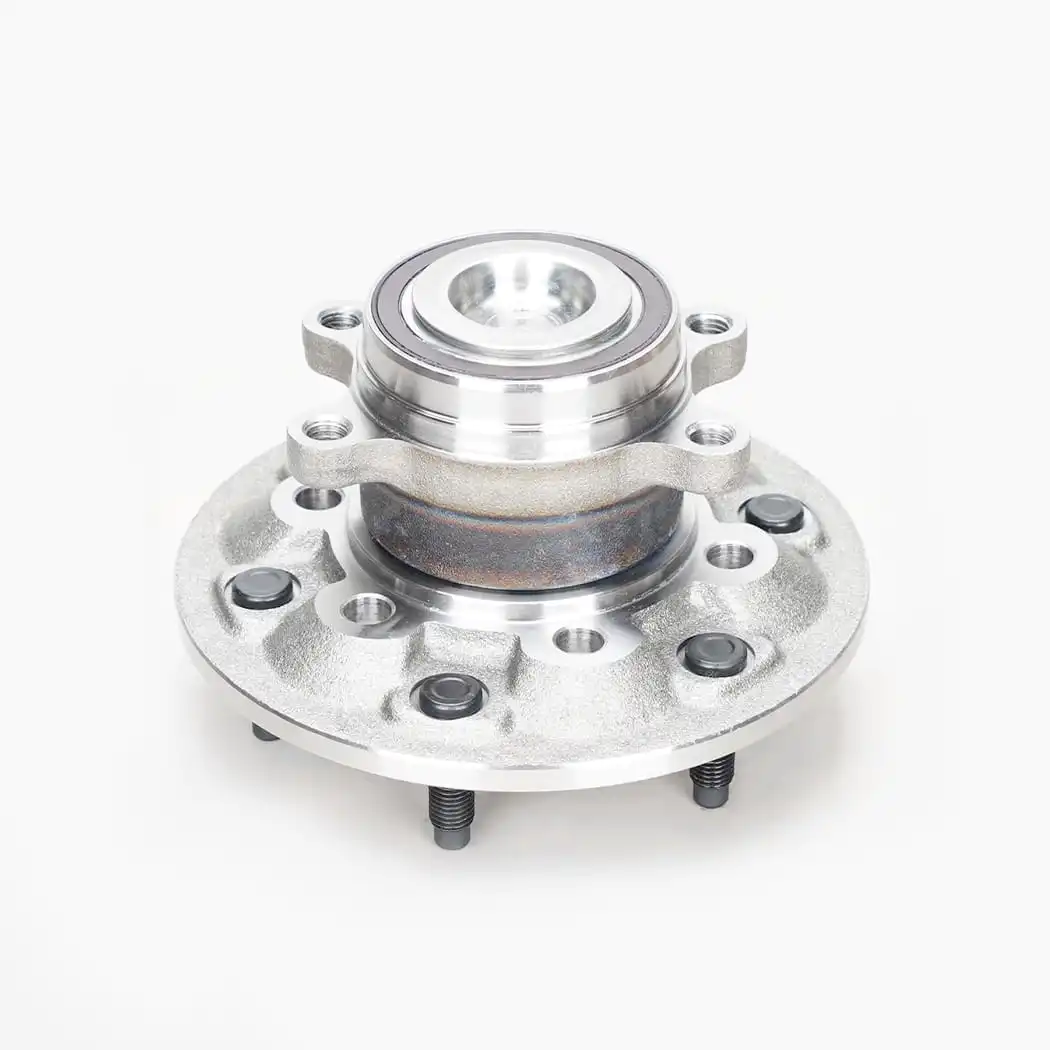
Because most modern front hub assemblies are sealed units, there's usually no in-between option — you either replace the whole assembly or you don't touch it. Attempting to repack or service a sealed hub bearing isn't practical and won't restore it to a safe condition. The good news is that the part itself is often less expensive than people expect, and the labor is usually a few hours per side depending on the vehicle.
It's also worth considering whether to replace both front hub assemblies at the same time, even if only one is showing symptoms. Since both sides experience roughly the same mileage and road conditions, the healthy side is often not far behind. Many shops recommend replacing in pairs to avoid a second repair bill just months later.
Not all replacement parts are created equal. OEM (original equipment manufacturer) hub assemblies tend to match the fit and durability of the part that came with your car, while aftermarket options vary widely in quality. A cheap hub assembly might save money upfront but can wear out again within a year or two, while a mid-range or OEM-equivalent part usually lasts far longer.
Once a new front hub assembly is installed, a few simple habits can help it last as long as possible. Keep tires balanced and properly inflated, since uneven loading is one of the fastest ways to wear out a healthy hub. Avoid driving through deep water or hitting curbs and potholes at speed whenever you can. Regular front-end alignments also help distribute weight evenly across both hubs, reducing unnecessary strain over time.
A front hub assembly isn't something most drivers think about until it starts making noise, but catching the early symptoms can save you from a much bigger repair — or a genuinely dangerous situation on the road. If your car is humming, growling, or vibrating in a way that seems tied to your front wheels, it's worth getting the hub checked sooner rather than later.
• ADD: 42705 Grand River Avenue, Suite 201, Novi. Michigan 48375, USA.
© Copyright 2017 HANGZHOU HANJI AUTO PARTS.CO.,LTD. All Rights Reserved. Wheel Hub Unit Manufacturer