Content
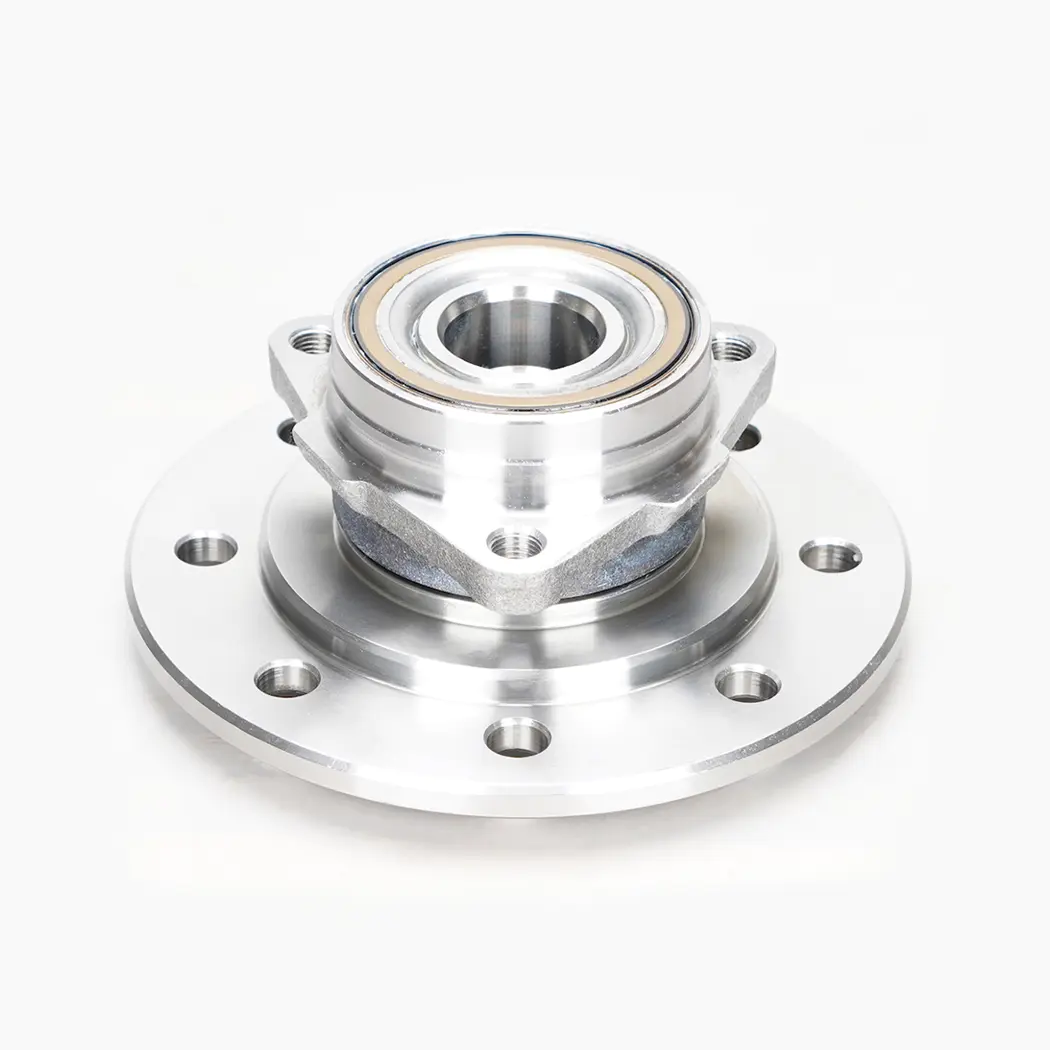
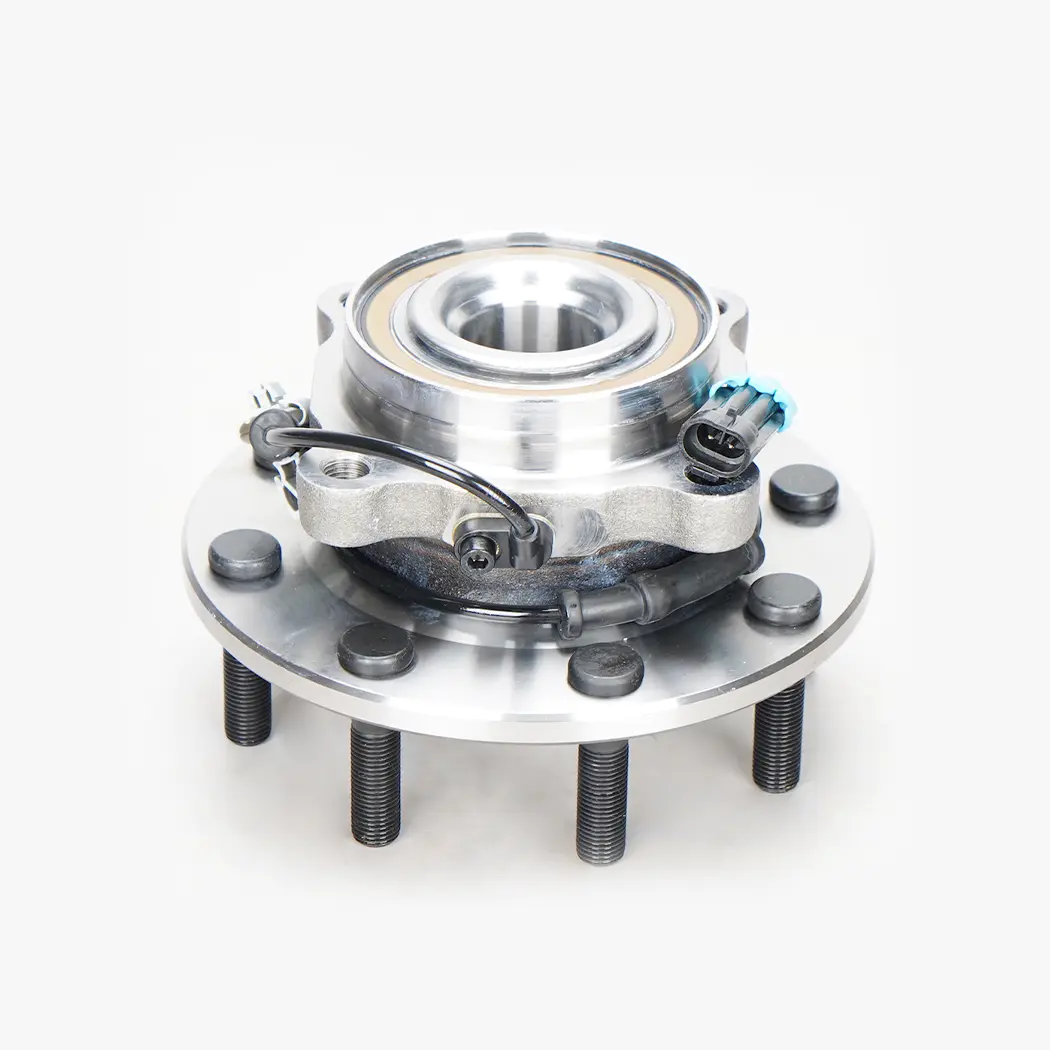
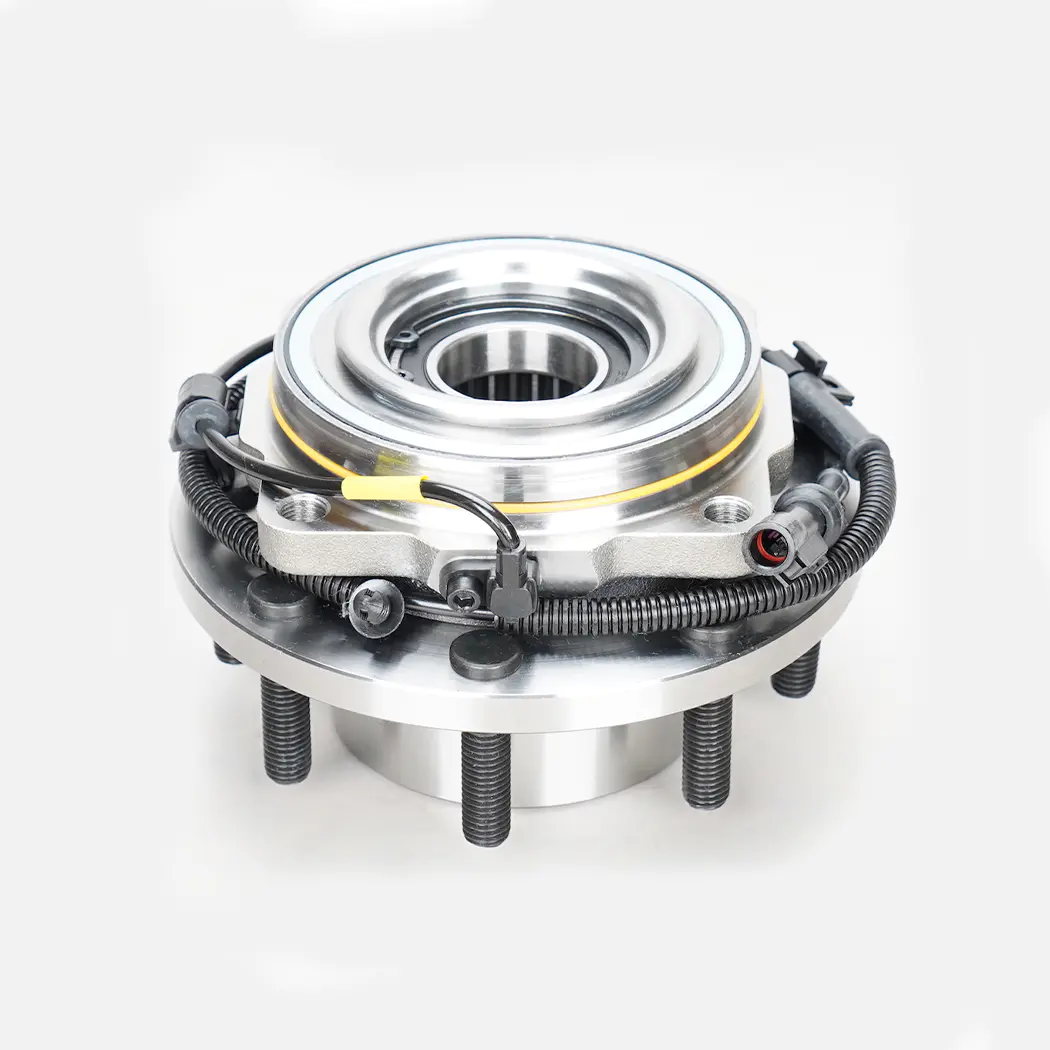
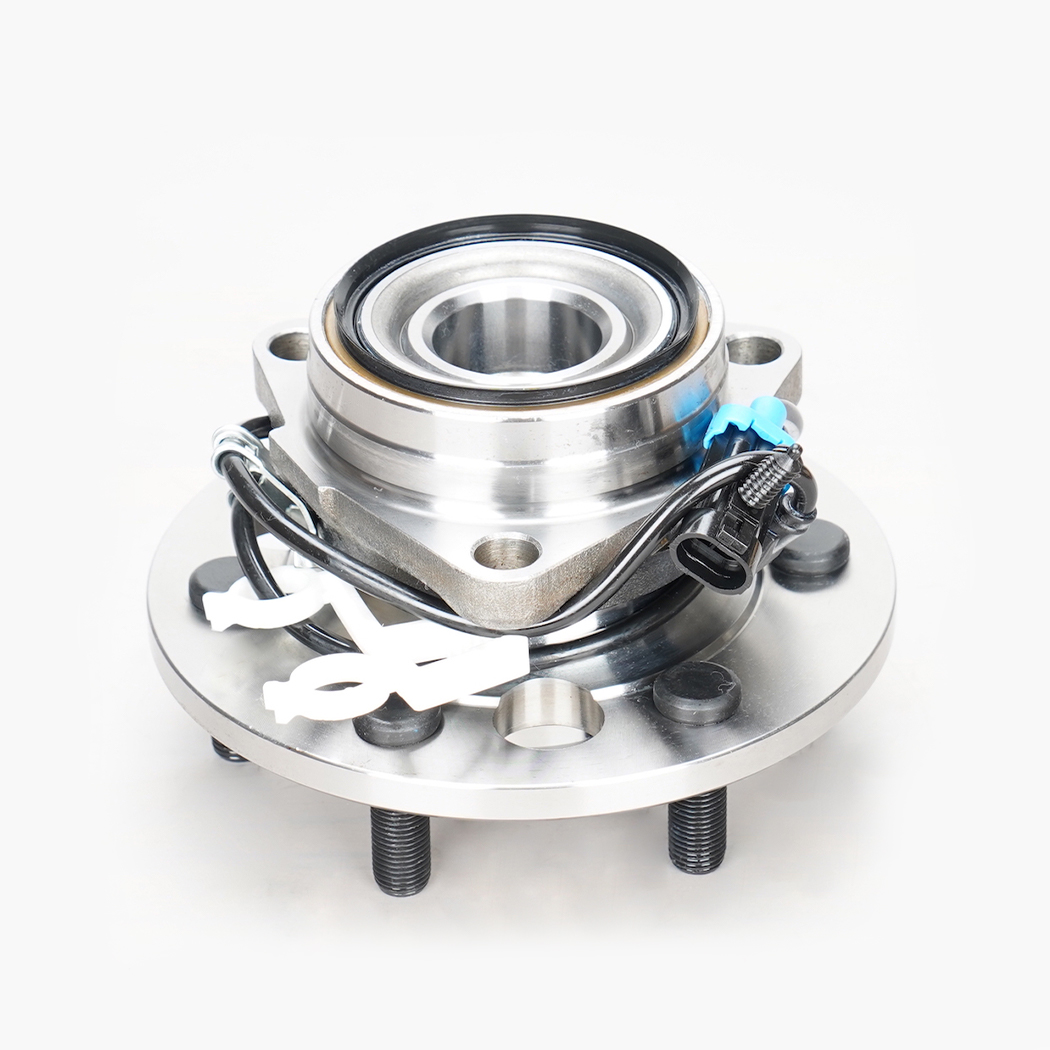
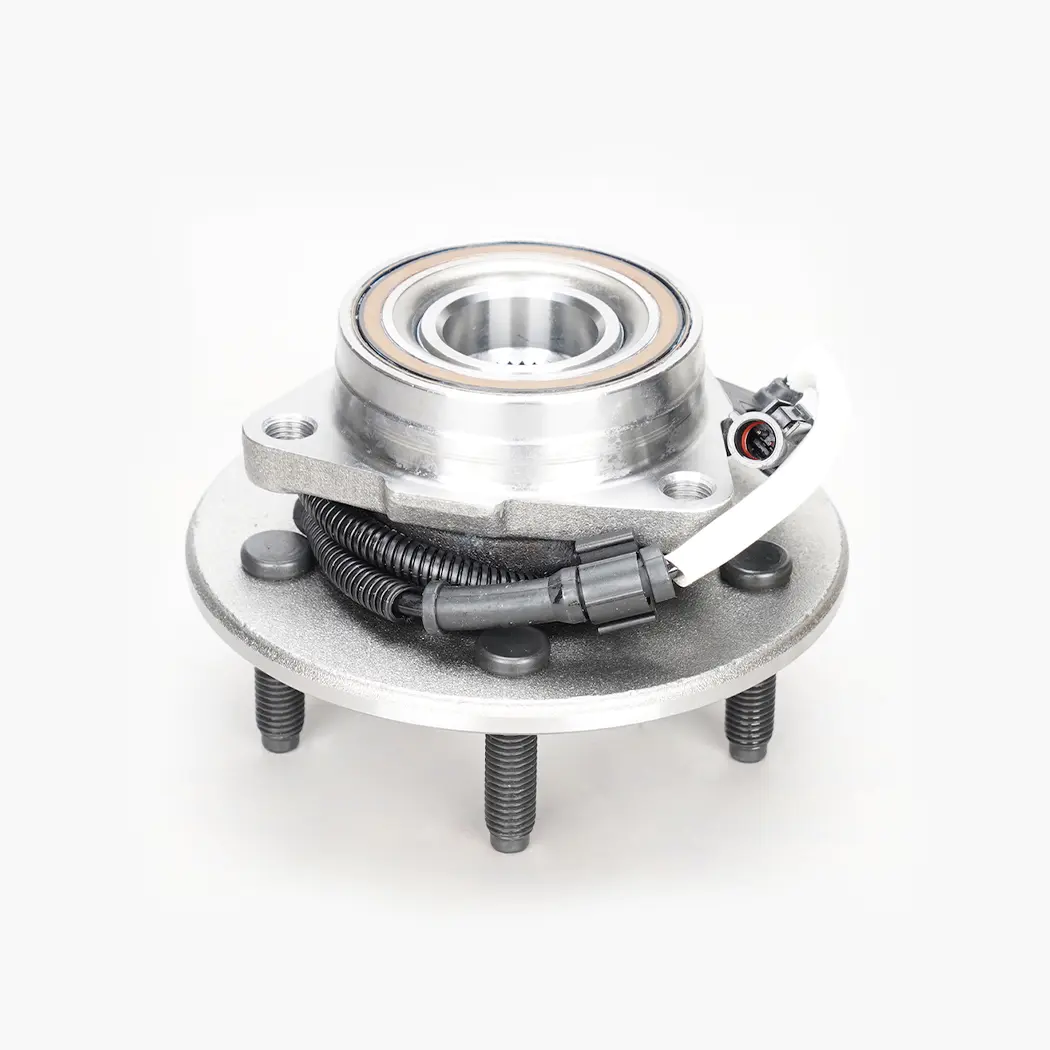
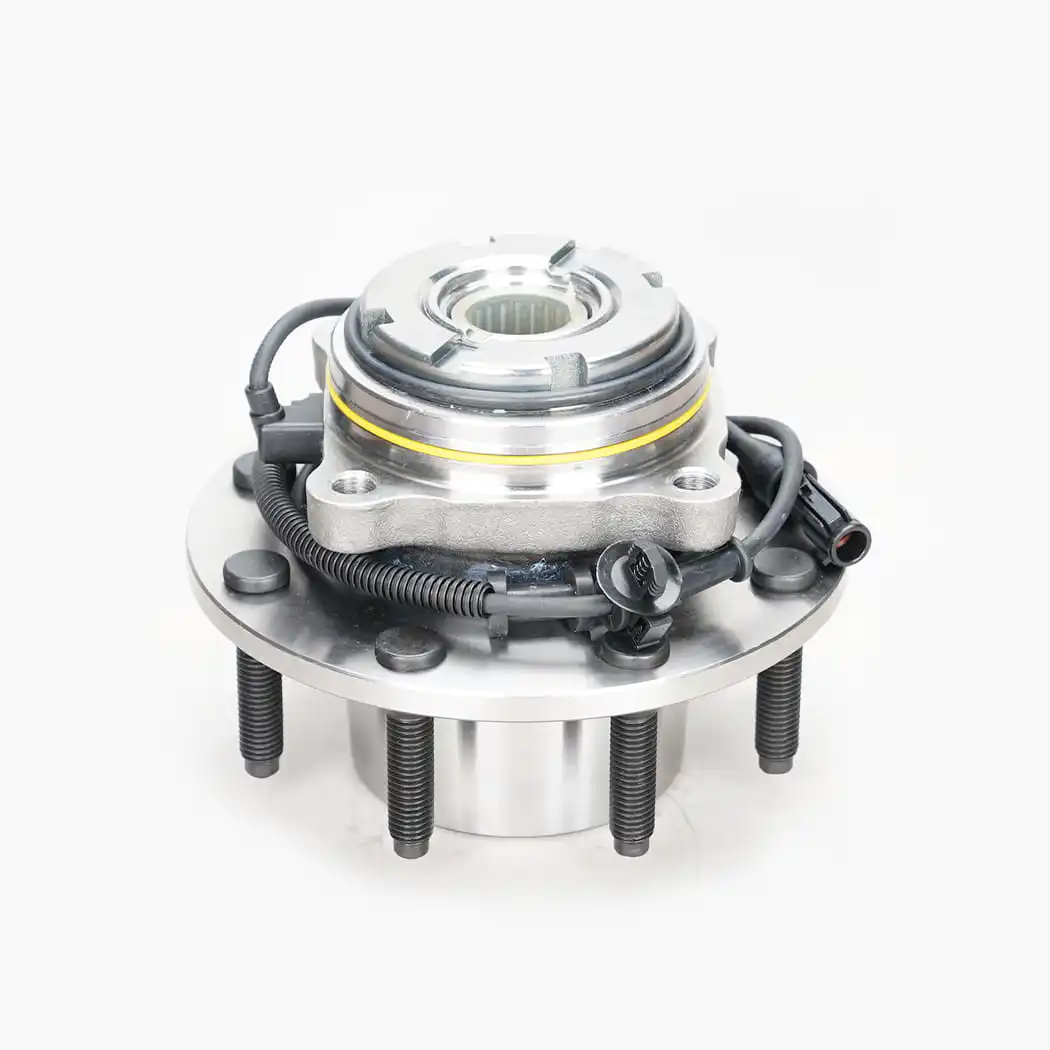
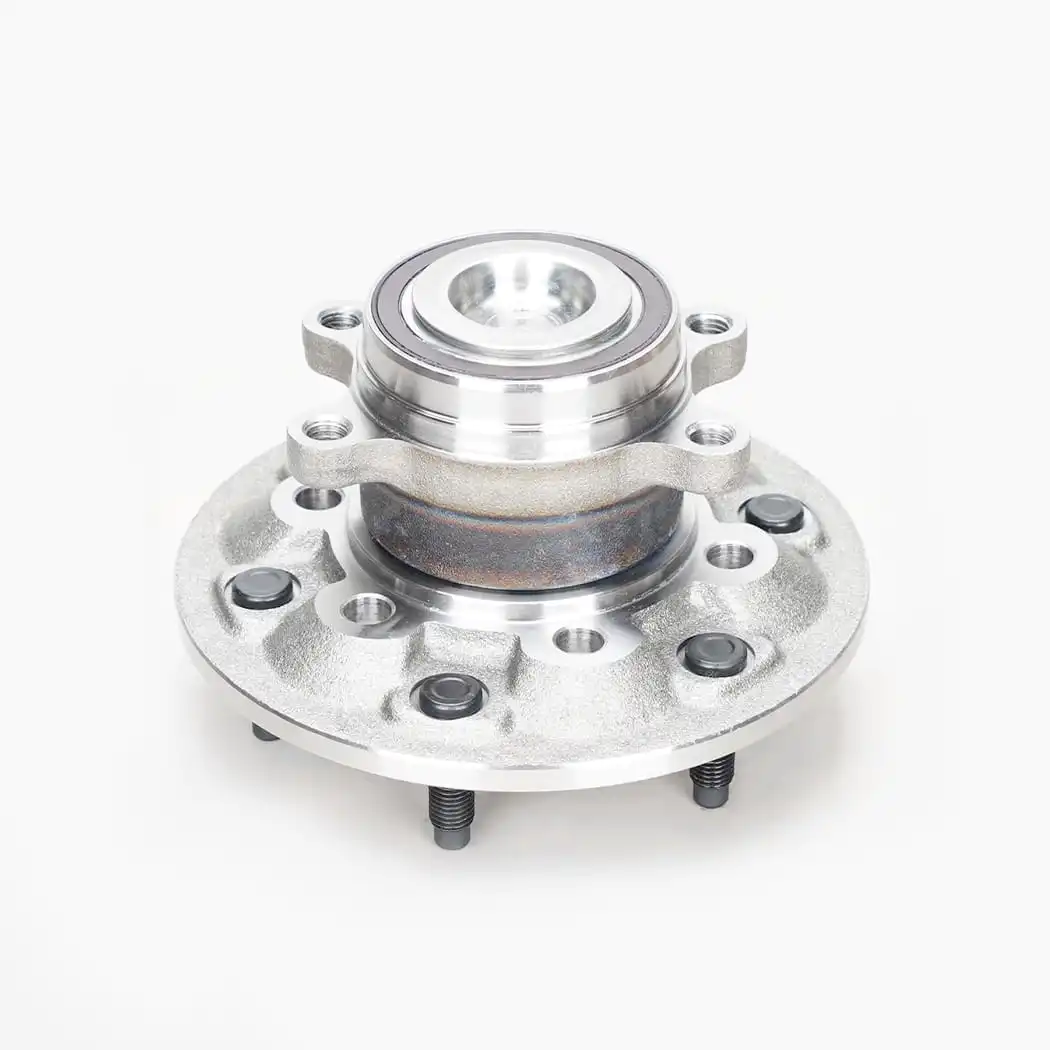
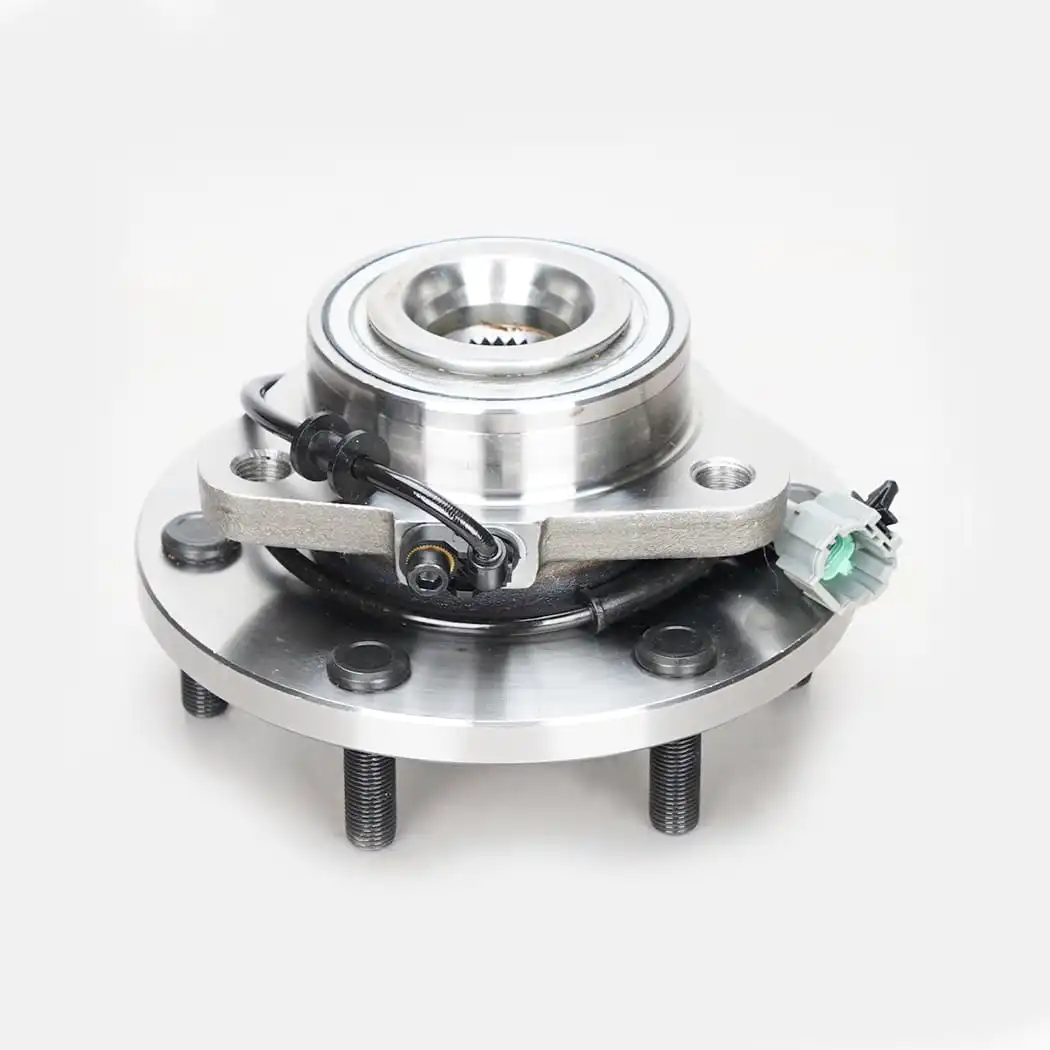
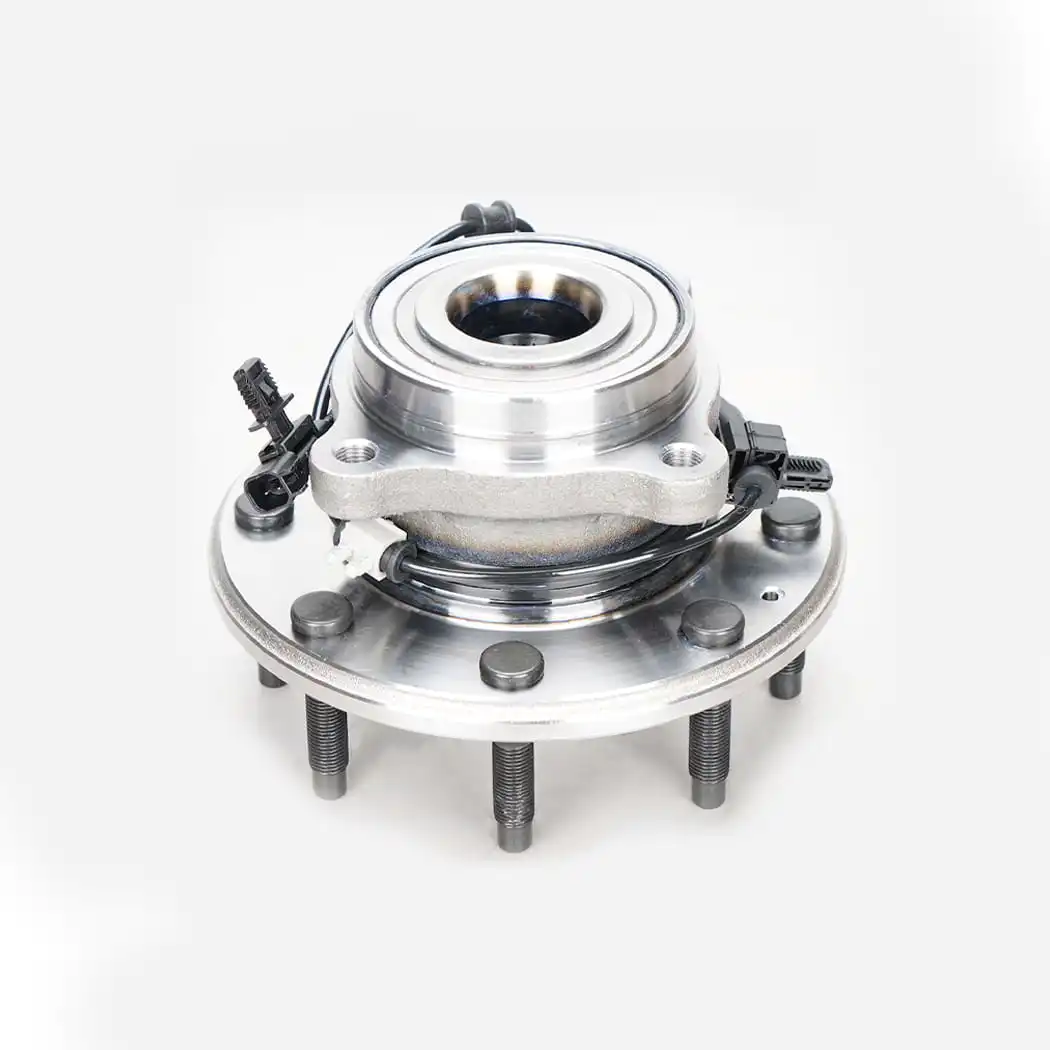
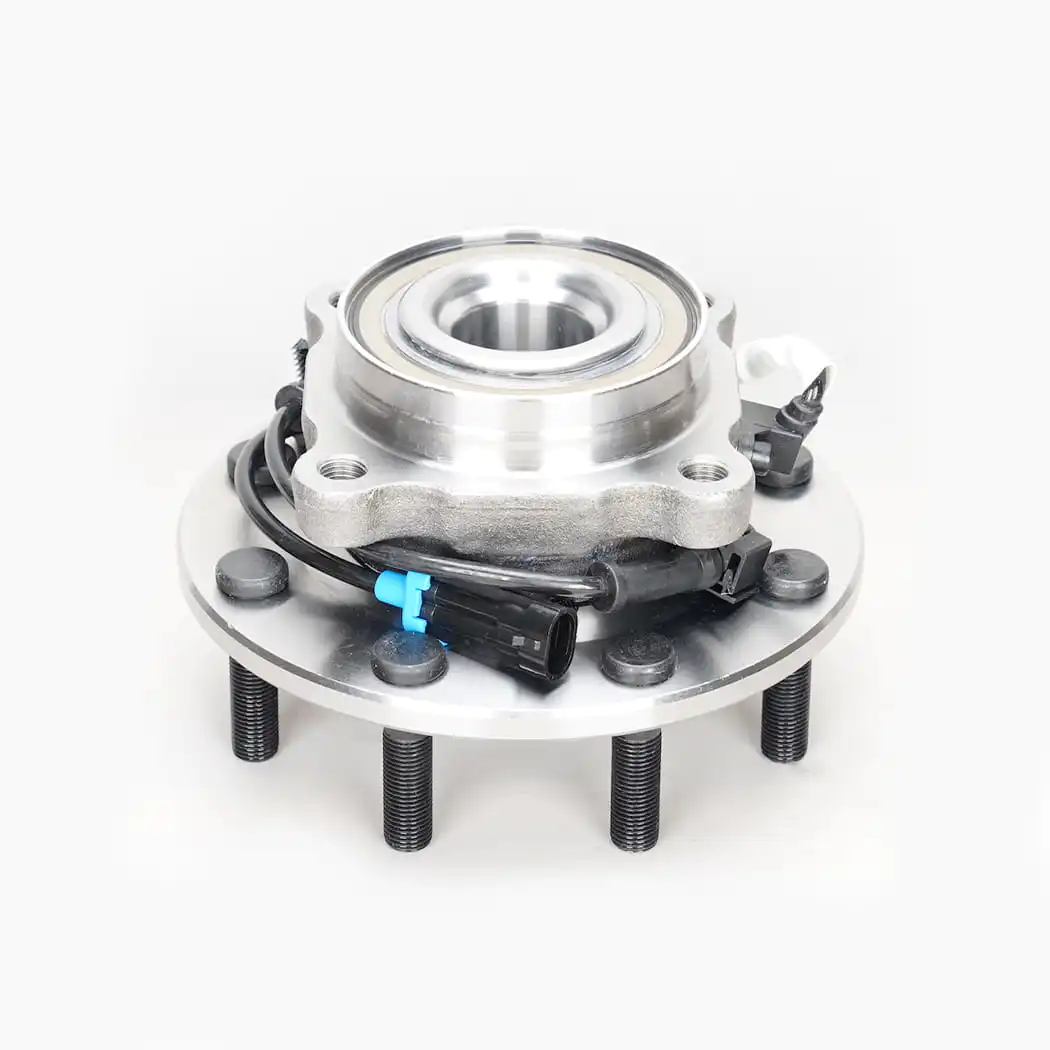
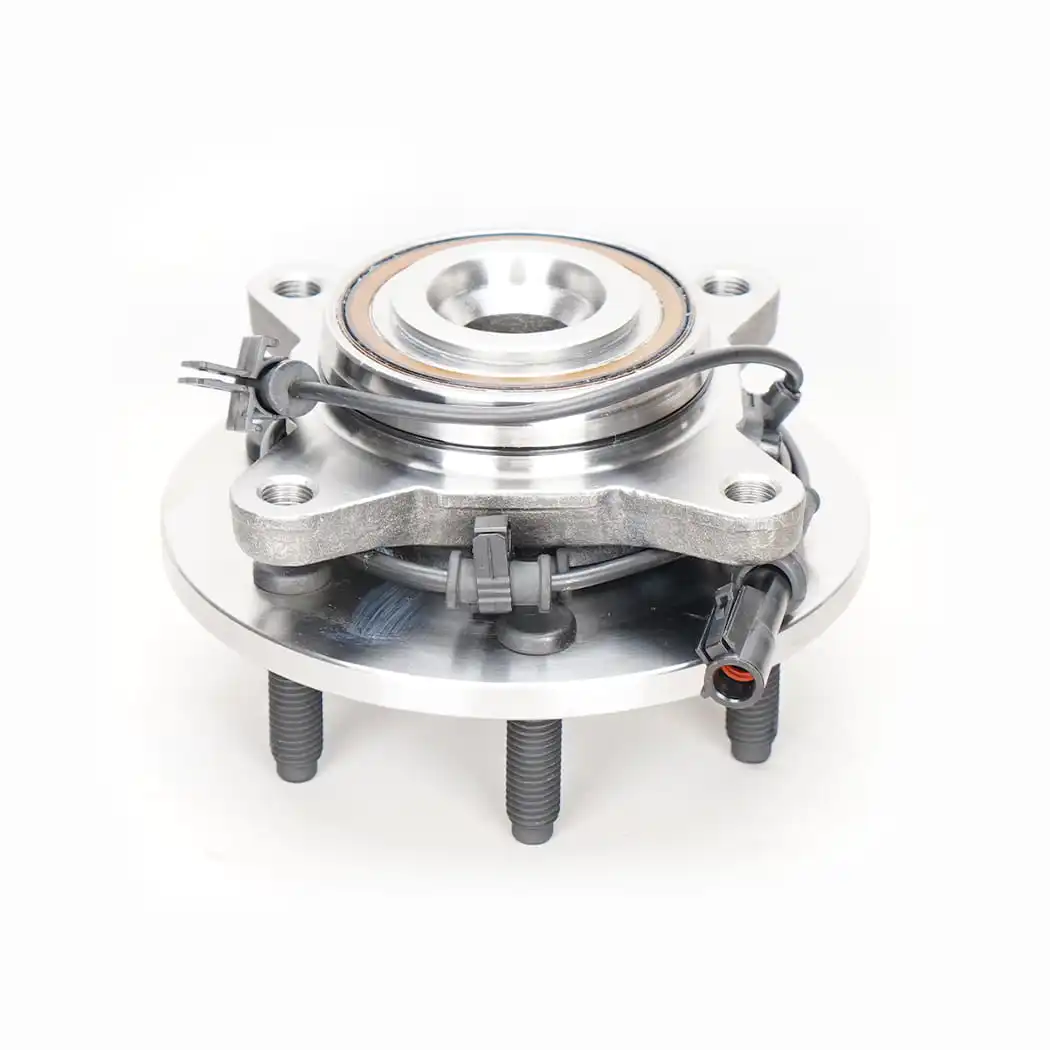
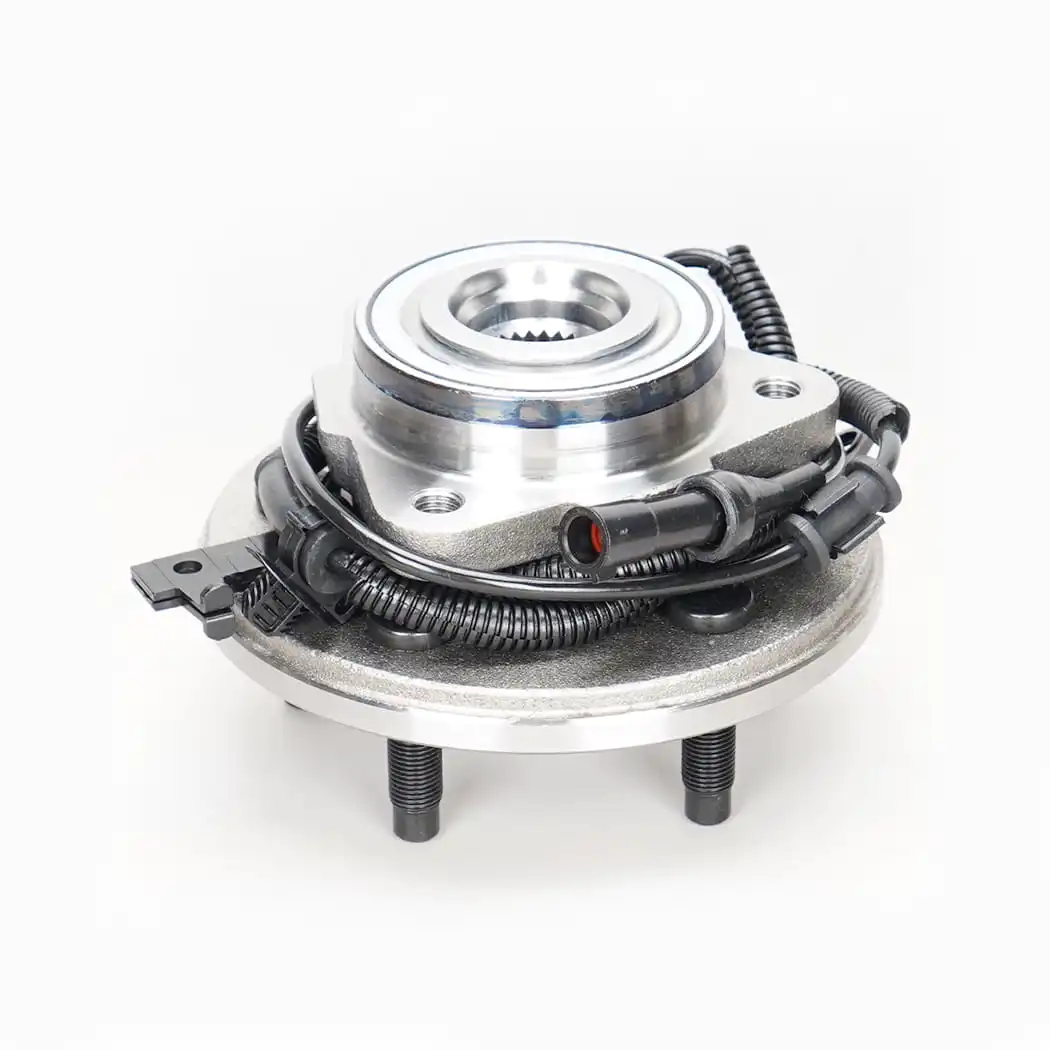
Wheel hub spindles are the stationary shafts that the wheel hub and bearing assembly rotate around. Mounted to the steering knuckle or axle housing, the spindle carries the full weight of the vehicle at each corner while allowing the wheel to spin freely. Without a solid, properly fitted spindle, the wheel hub has nothing stable to turn on, and the entire suspension and steering system loses its footing. Whether you drive a compact sedan, a pickup truck, or a heavy-duty trailer, the spindle is one of those parts that rarely gets attention until something goes wrong — and by then, the fix usually costs more than routine maintenance would have.
In simple terms, think of the wheel hub spindle as the axle stub the wheel bearing rides on. It transfers load from the wheel to the suspension, keeps the wheel aligned with the vehicle's centerline, and provides the mounting point for the brake rotor or drum. Because it sits at the intersection of so many critical systems, a worn or damaged spindle can trigger a cascade of problems in steering, braking, and tire wear all at once.
A spindle doesn't work alone. It's part of a coordinated assembly that includes the wheel bearing, hub, steering knuckle, and brake components. On front-wheel-drive vehicles, the spindle is often integrated into or bolted to the steering knuckle, allowing it to pivot when you turn the wheel. On solid rear axles or trailers, the spindle is typically a fixed shaft pressed or welded onto the axle tube, with no steering function at all.
Front wheel spindles usually pivot on ball joints or kingpins, letting the driver steer while the spindle still supports vehicle weight. These spindles endure constant directional stress, which makes them more prone to wear at the bearing surfaces and mounting points over time.
Rear spindles, especially on trucks, trailers, and rear-wheel-drive cars, don't steer but still bear significant load. On trailers in particular, spindle failure is a leading cause of roadside breakdowns because they're often overlooked during routine trailer maintenance.
Spindle problems rarely appear out of nowhere. They usually build gradually, often masked by symptoms drivers associate with other parts like bearings, tires, or shocks. Recognizing the signs early can prevent a small issue from turning into a wheel separation event, which is genuinely dangerous at highway speeds.
If you notice more than one of these symptoms together, it's worth getting the wheel hub spindle assembly inspected promptly rather than waiting for the noise to get worse.
Spindles are built tough, usually from forged or cast steel, but they're not immune to damage. Understanding the common causes helps you catch problems before they escalate.
| Cause | Effect on the Spindle |
| Worn or failed wheel bearing | Excess play wears down the spindle's bearing surface, sometimes scoring the shaft |
| Corrosion from road salt or moisture | Weakens the metal and can cause the spindle nut or bearing seat to seize |
| Overloading beyond rated capacity | Bends or stresses the spindle shaft, especially common on trailers |
| Impact damage from potholes or curbs | Can crack or bend the spindle instantly, even if damage isn't visible right away |
| Improper bearing installation or lubrication | Accelerates friction and heat buildup, shortening spindle life |
Trailers deserve a special mention here, since spindle failure on boat trailers and utility trailers is often linked to skipped bearing repacking and towing weights that exceed the axle's rating.
Routine inspection is the cheapest insurance against spindle failure. Most mechanics check the spindle every time they service the wheel bearings, but you can also do a basic visual and physical check yourself if the wheel is off the ground.
For trailer owners, repacking wheel bearings and inspecting the spindle annually, or before any long trip, is one of the simplest habits that prevents a roadside failure.
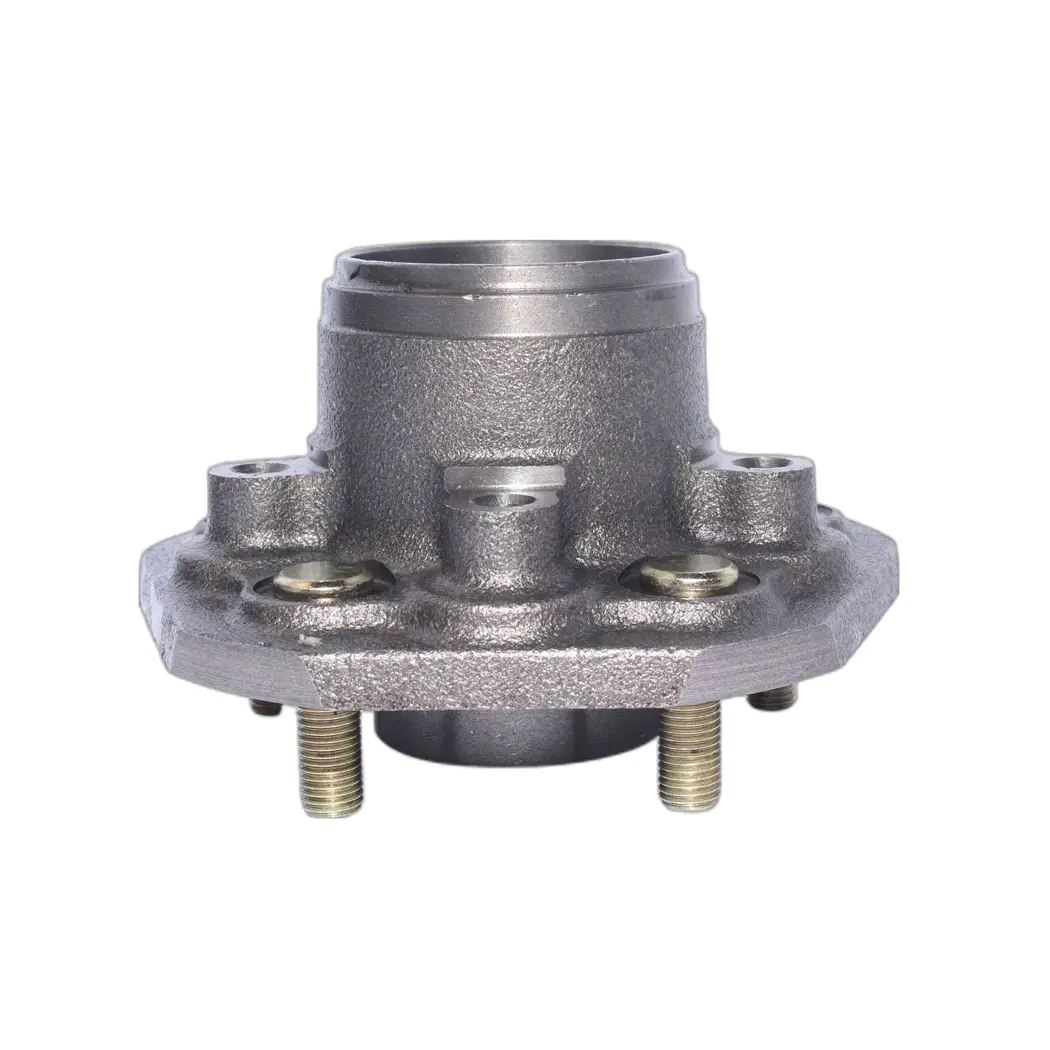
Spindle replacement is more involved than a typical bearing service because it usually requires disassembling the hub, brake components, and sometimes the steering knuckle. On vehicles where the spindle is a separate part bolted to the knuckle, replacement is more straightforward. On unitized designs where the spindle is welded or integrated into the knuckle, the whole knuckle assembly often needs to be replaced together.
Because torque specs and bearing preload are critical to a spindle's lifespan, this is a job where precision matters more than speed. A slightly over-tightened spindle nut can destroy a new bearing within a few hundred miles.
Not every worn spindle needs full replacement, but certain conditions make repair unsafe or impractical. Minor surface corrosion can sometimes be cleaned up, while cracks, bends, or deep grooves in the bearing surface almost always call for replacement.
| Condition | Recommended Action |
| Light surface rust, no pitting | Clean and re-grease, monitor at next service |
| Grooved or pitted bearing surface | Replace spindle |
| Visible bend or impact damage | Replace spindle immediately, do not drive |
| Stripped or damaged threads | Replace spindle |
When in doubt, replacement is the safer route. A spindle failure while driving can cause the wheel to detach entirely, so this isn't a part to gamble on.
A little proactive care goes a long way toward keeping wheel hub spindles in good shape for the life of the vehicle or trailer.
Wheel hub spindles are simple in design but essential to safe driving. Treating them as part of your regular maintenance routine, rather than an afterthought, is the most reliable way to avoid costly repairs and dangerous failures down the road.
• ADD: 42705 Grand River Avenue, Suite 201, Novi. Michigan 48375, USA.
© Copyright 2017 HANGZHOU HANJI AUTO PARTS.CO.,LTD. All Rights Reserved. Wheel Hub Unit Manufacturer