Every time a car rolls down the road, a small but critical component is working continuously behind each wheel to keep everything spinning smoothly: the wheel bearing. Vehicle wheel bearings allow the wheel and hub assembly to rotate with minimal friction while also supporting the weight of the vehicle and handling the lateral forces generated during turns. When they start to wear out, the symptoms can range from a subtle hum to a serious safety hazard if left unaddressed. This article walks through how wheel bearings function, the warning signs that indicate a problem, and what to expect when it's time for replacement.
Content
A wheel bearing is a set of steel balls or tapered rollers held together by a metal ring, positioned between the wheel hub and the spindle or axle. Its primary job is to allow the wheel to rotate freely with minimal resistance while simultaneously supporting both the vertical weight of the vehicle and the side-to-side forces generated when cornering, braking, or driving over uneven surfaces.
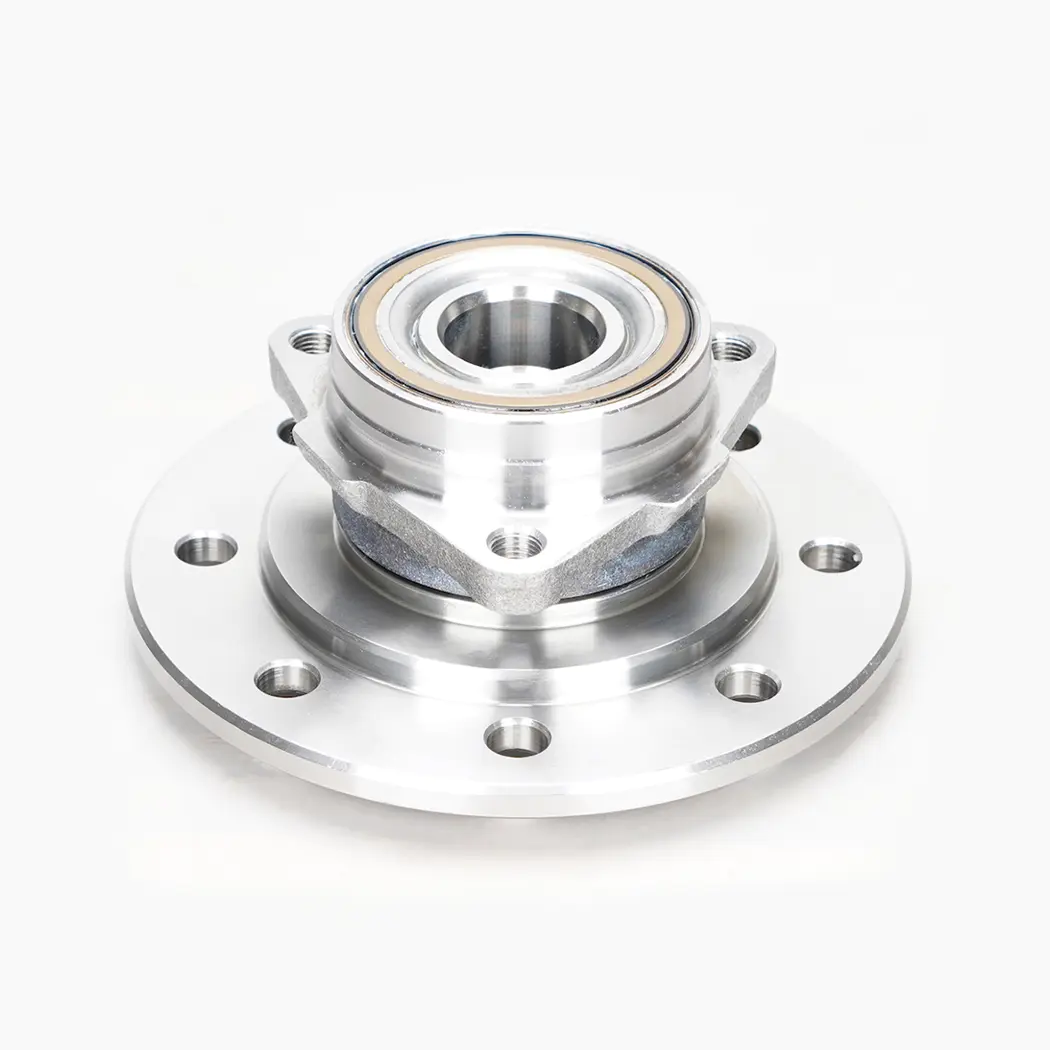
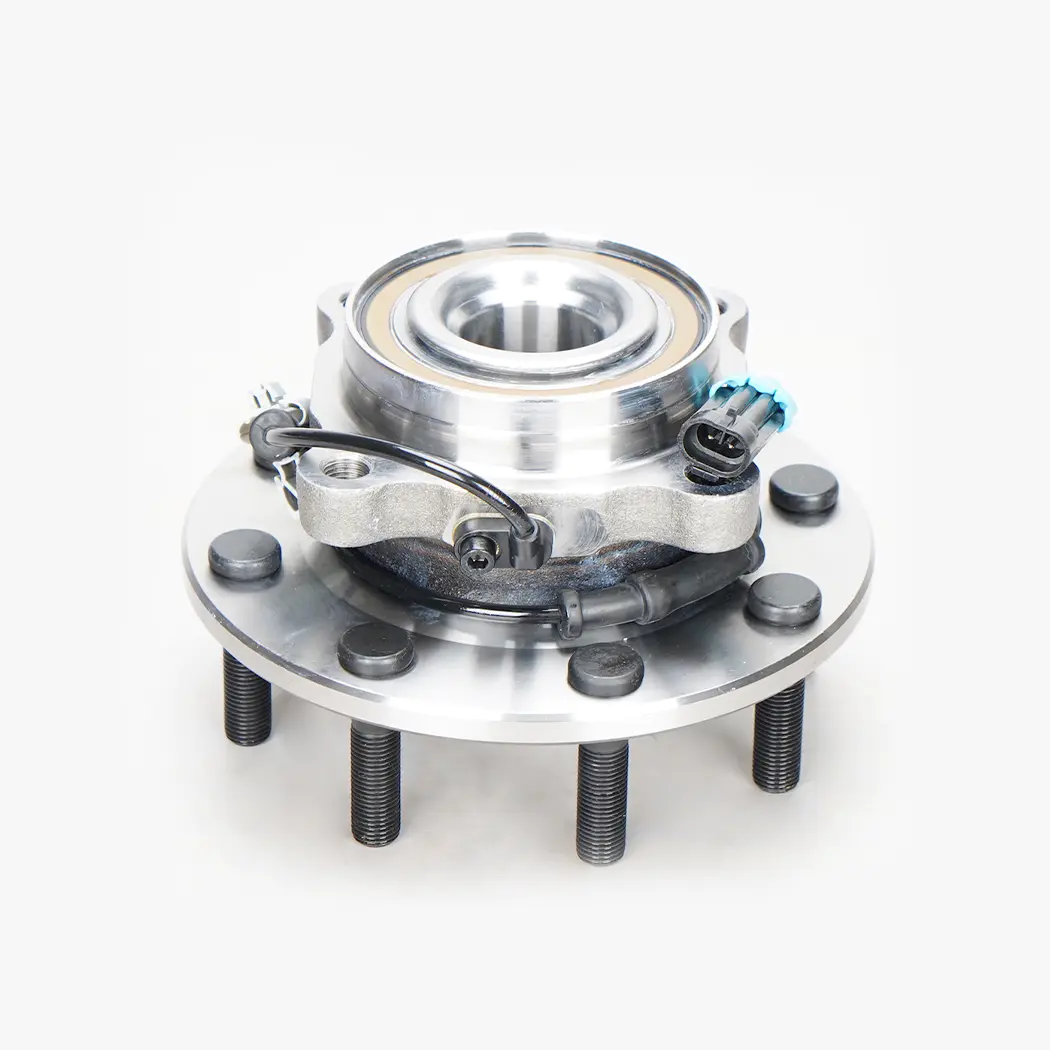
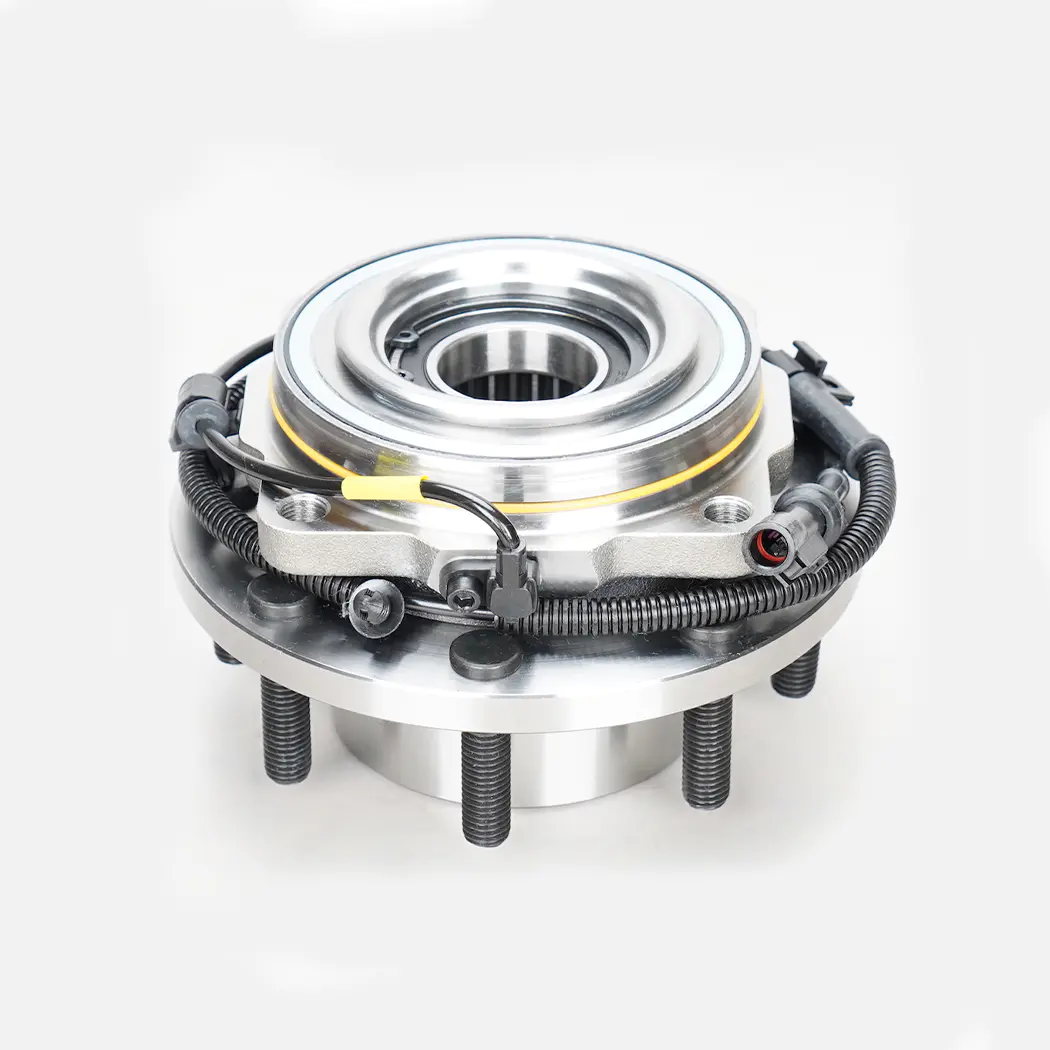
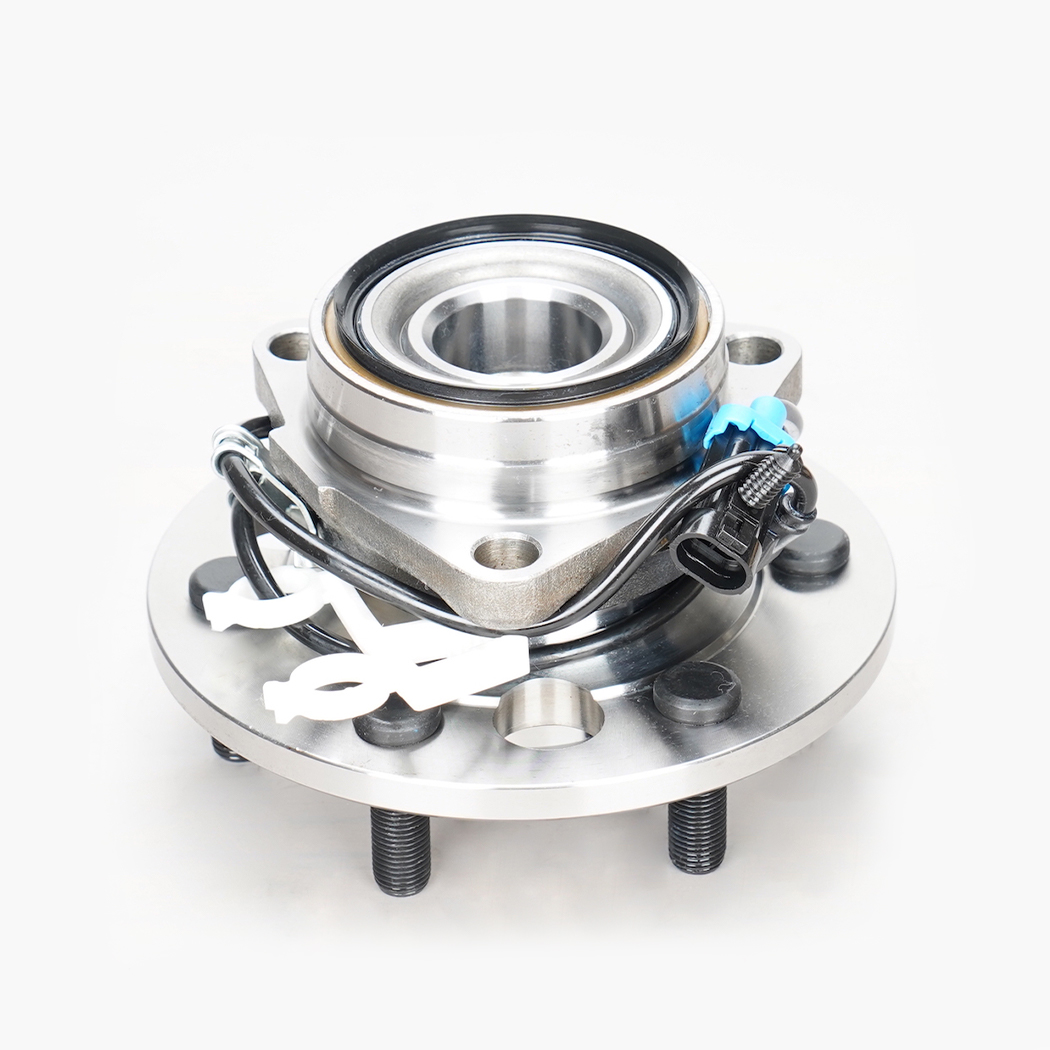
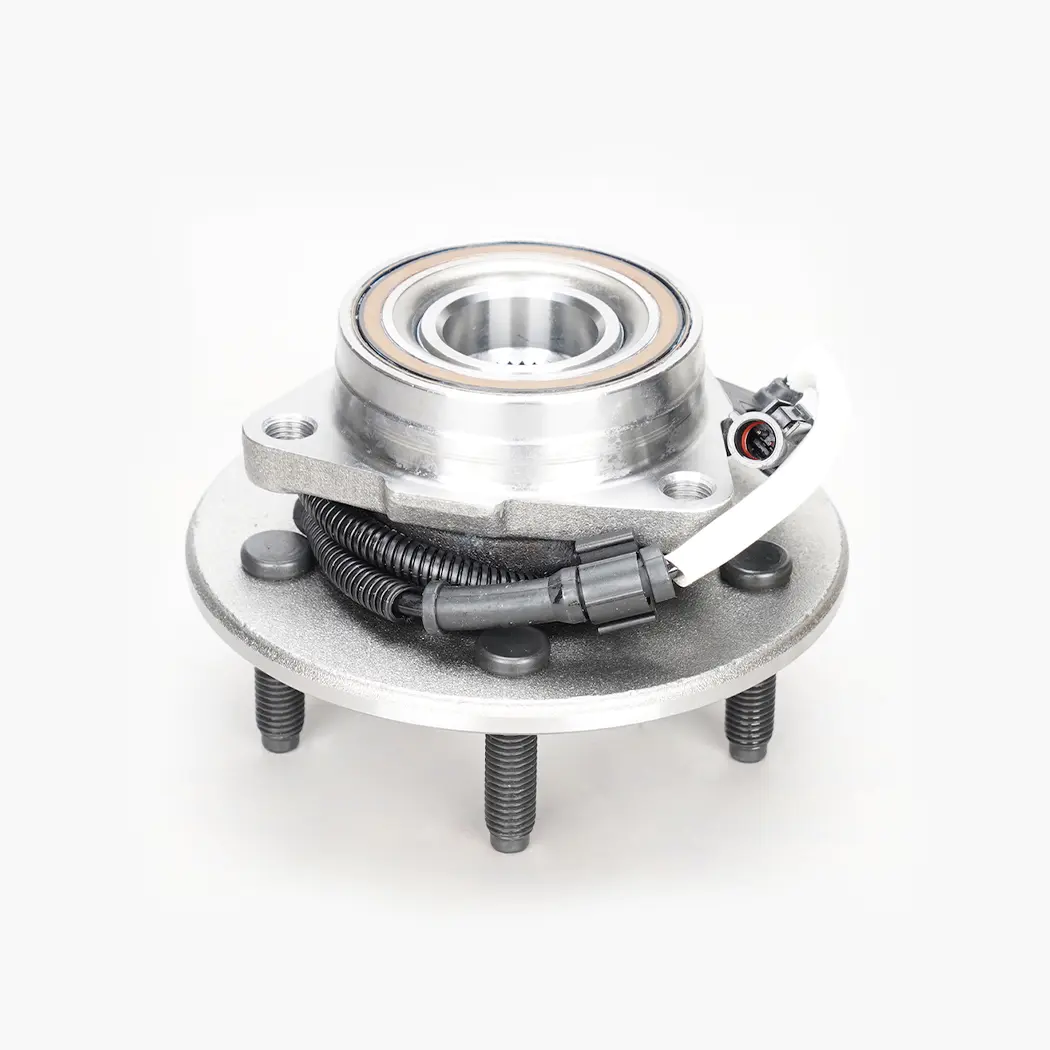
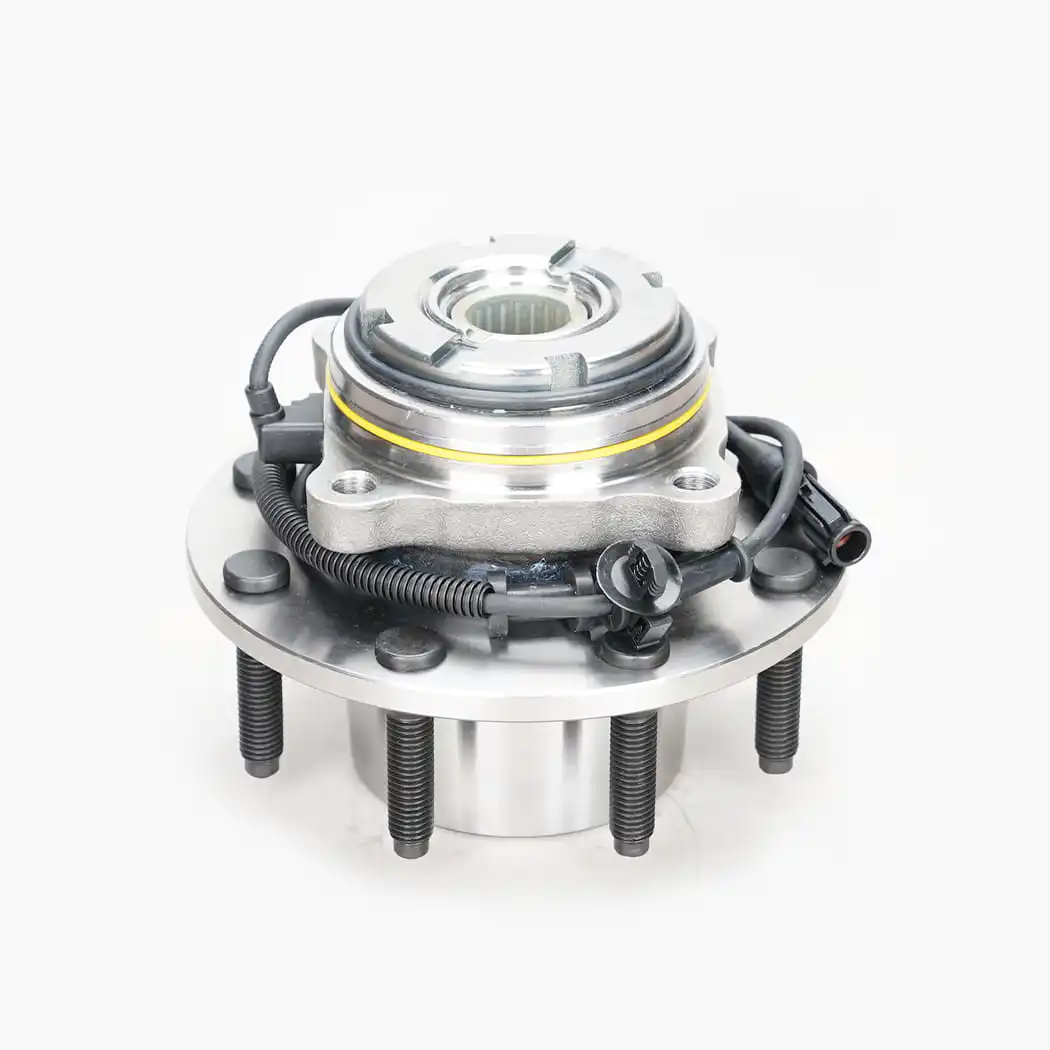
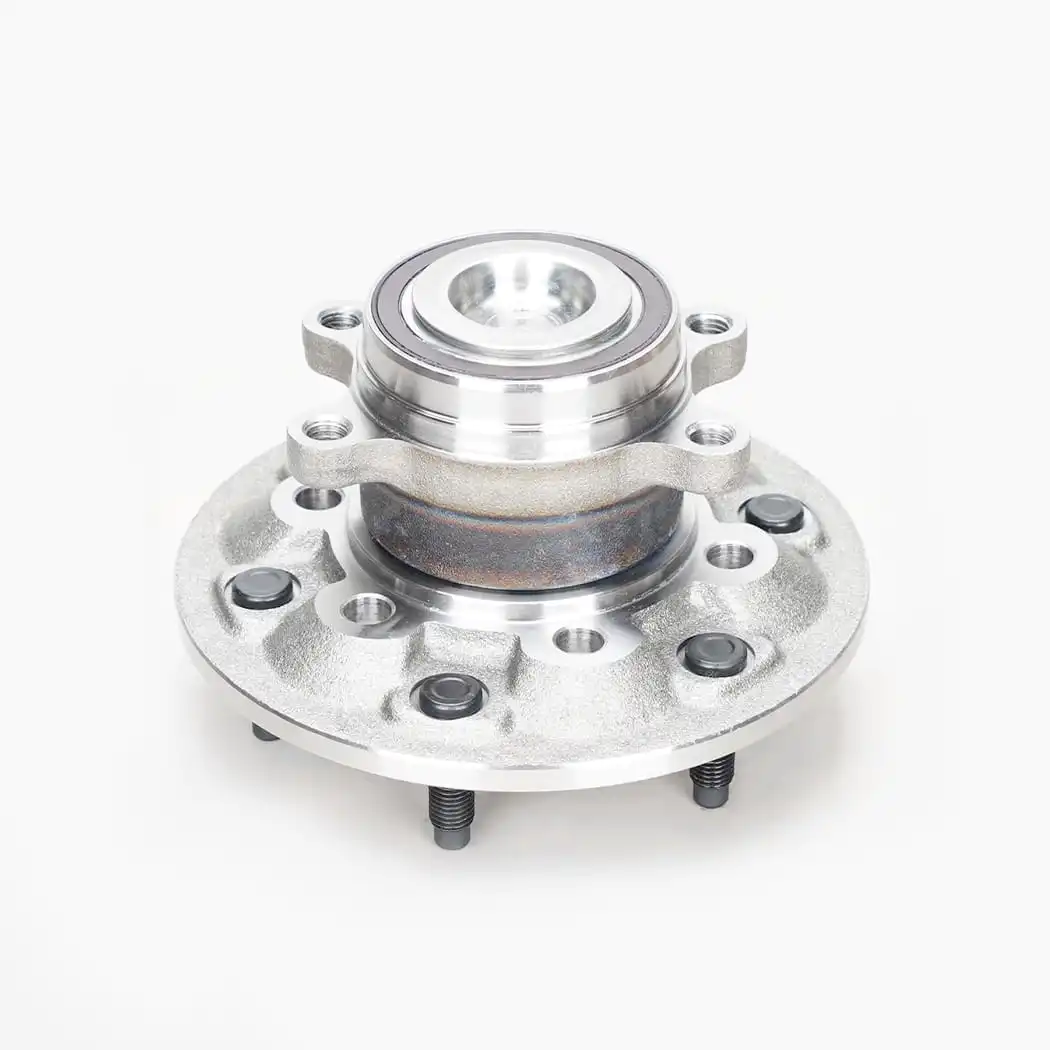
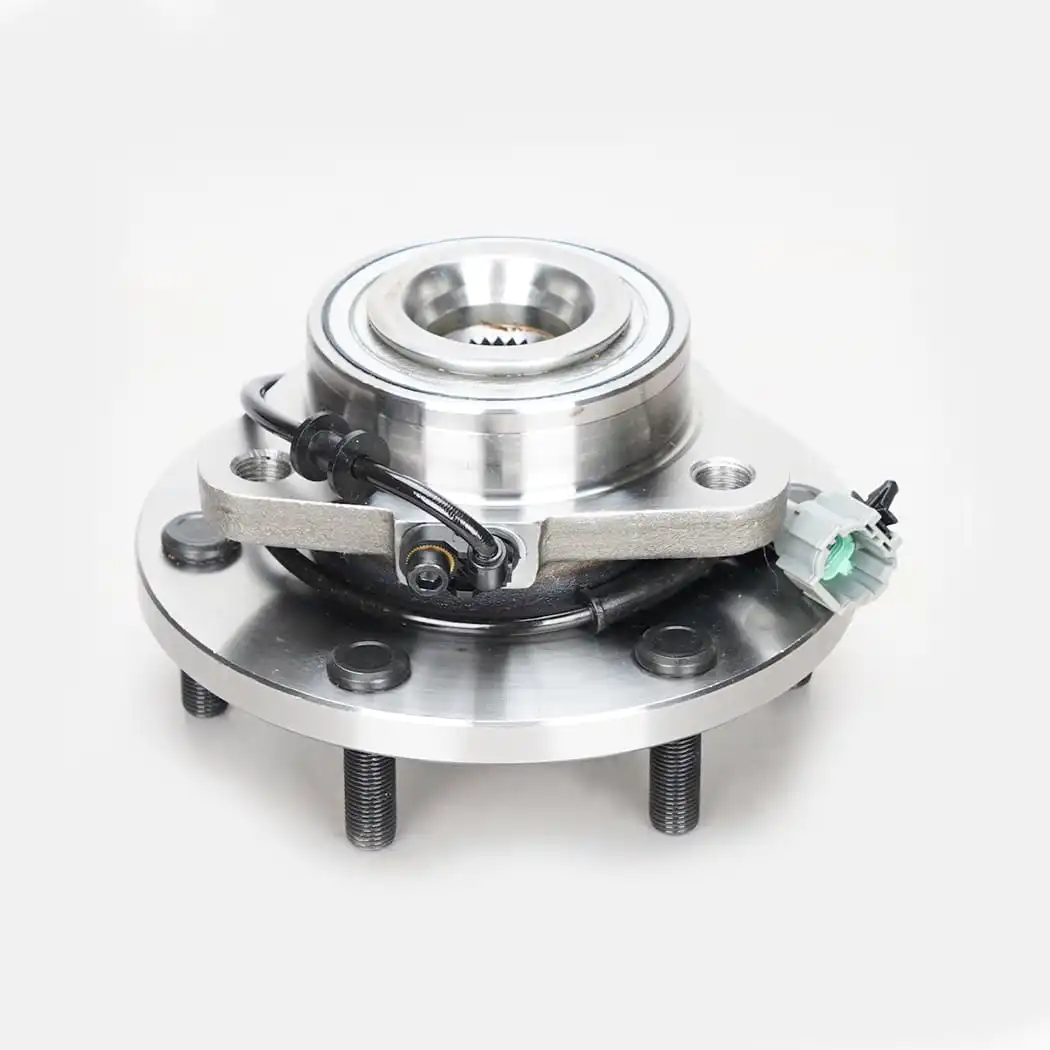
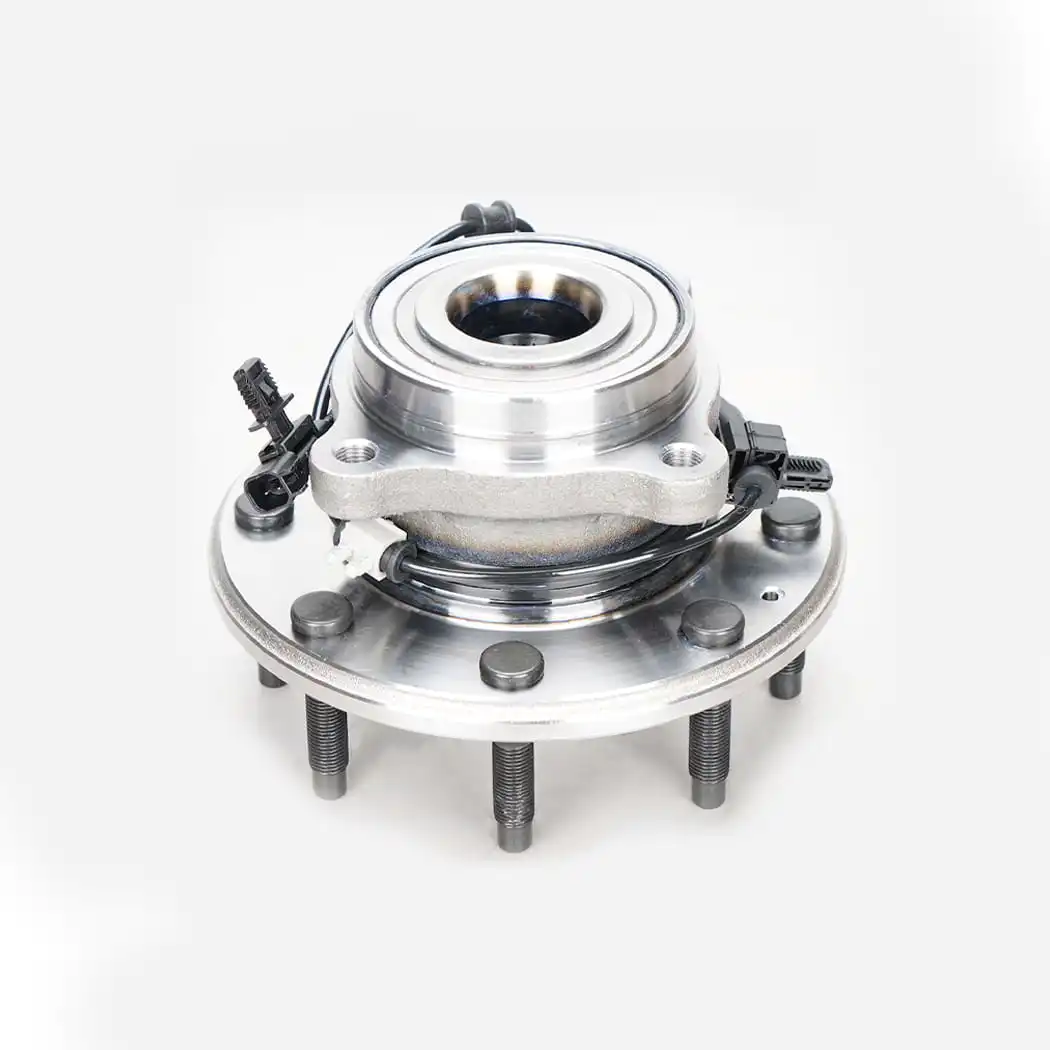
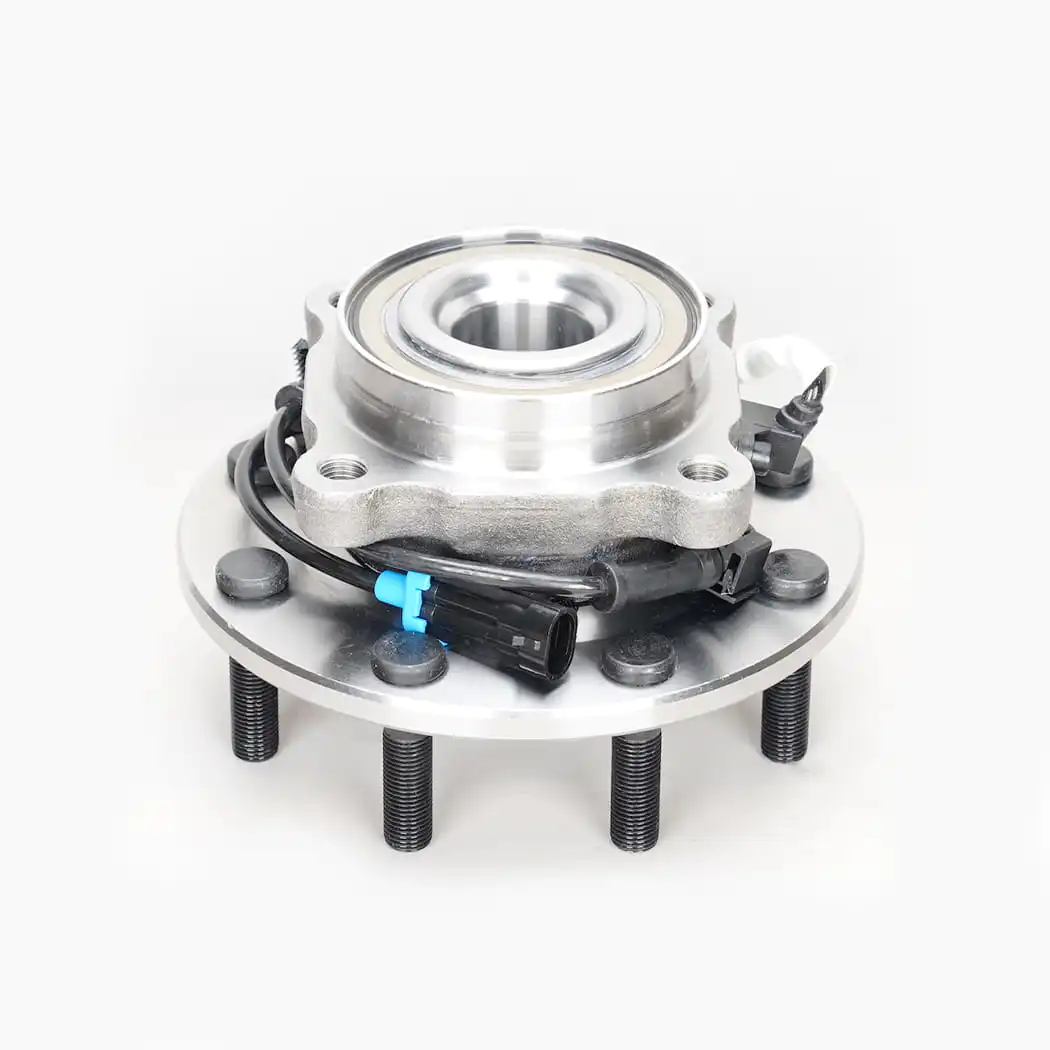
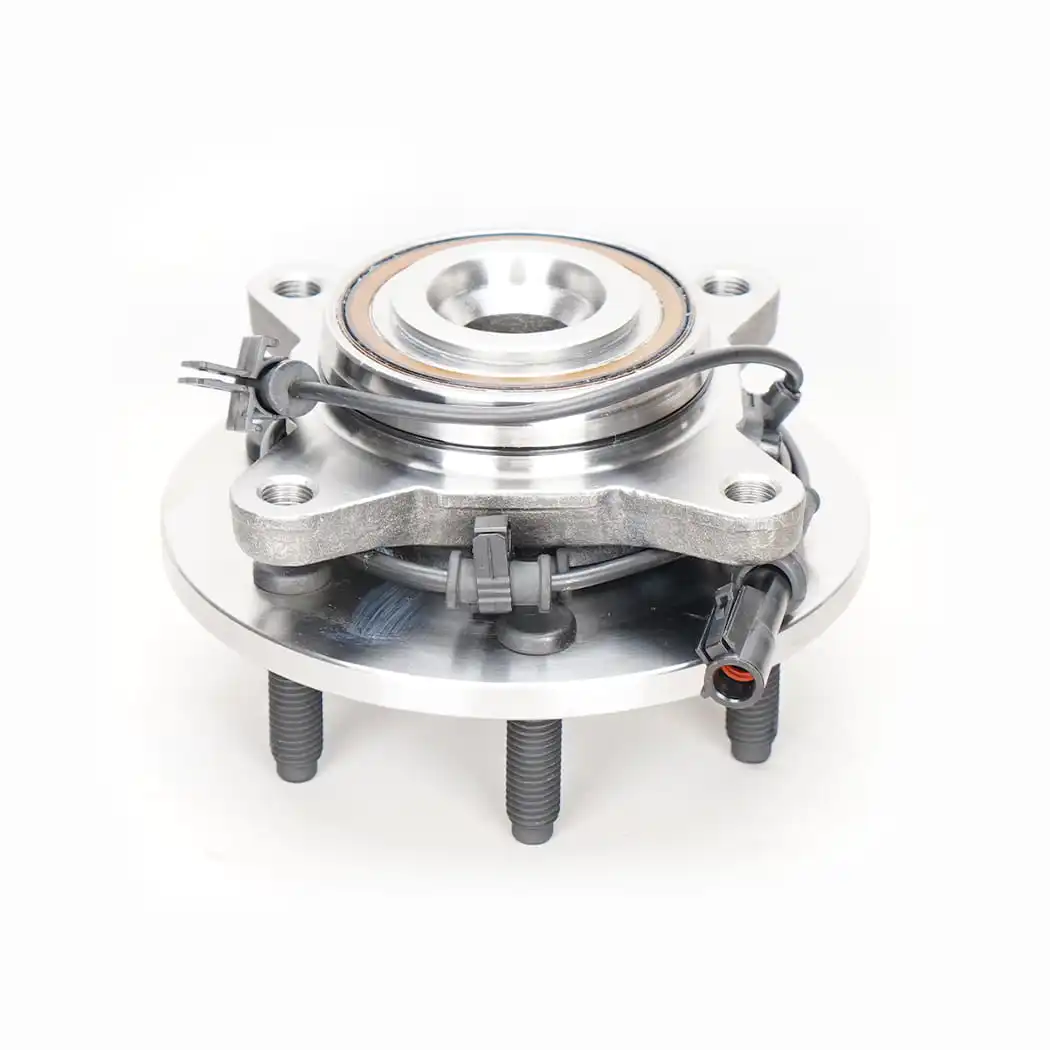
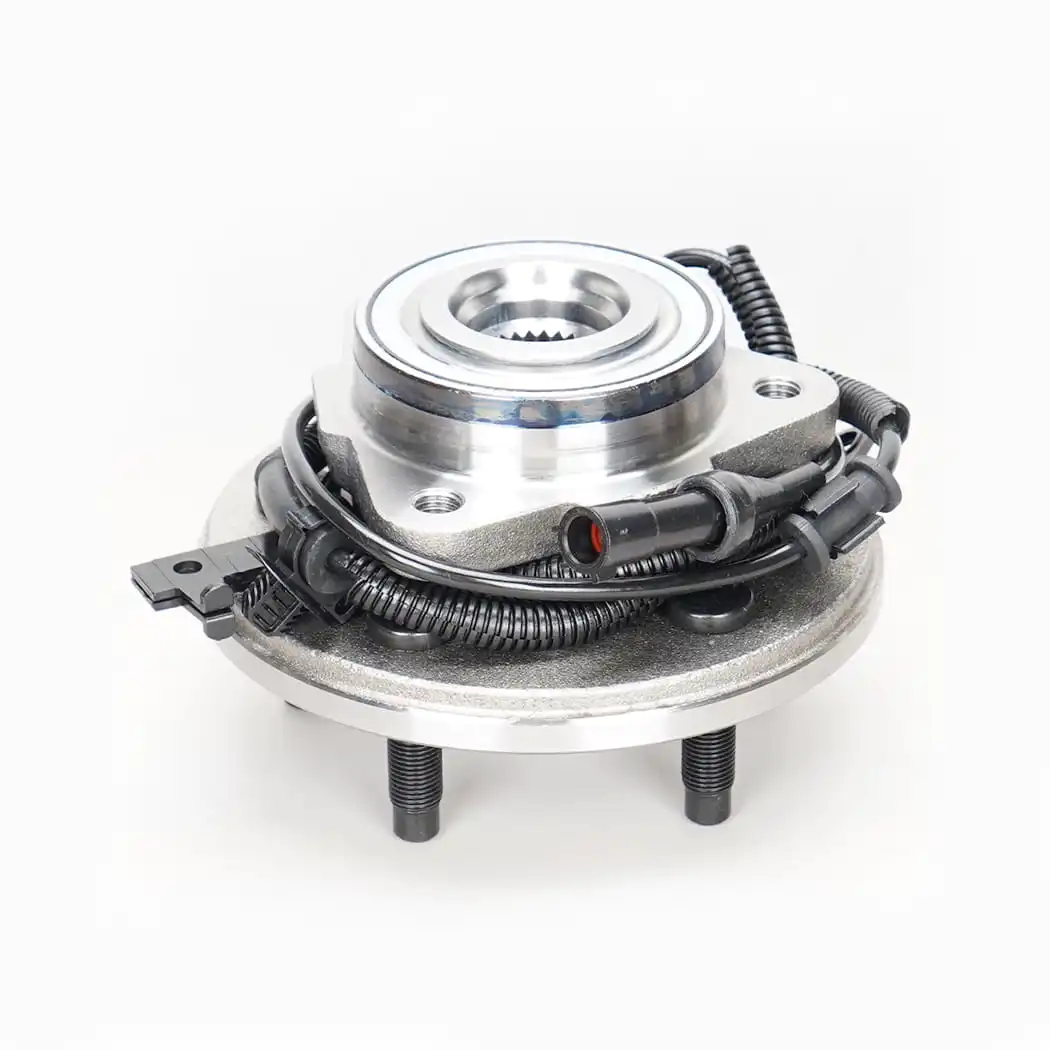
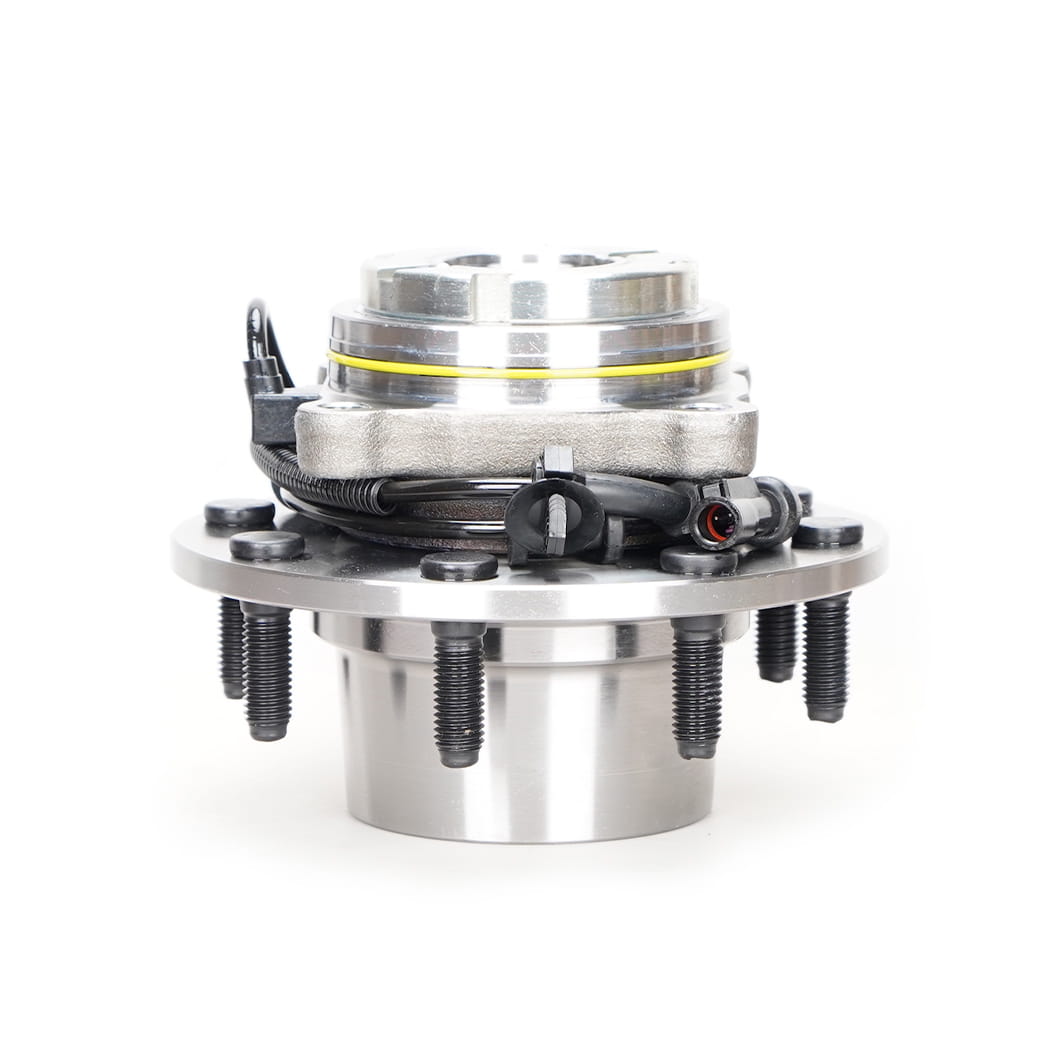
Modern vehicles typically use one of two general wheel bearing types: ball bearings, which use round steel balls and are common on the front wheels of many vehicles, and tapered roller bearings, which use cone-shaped rollers and are often found on rear wheels or heavier-duty applications where additional load capacity is needed. In many contemporary vehicles, the wheel bearing is integrated into a sealed hub assembly, which combines the bearing, hub, and sometimes the ABS sensor into a single pre-lubricated unit designed to simplify installation and reduce maintenance.
Because wheel bearings degrade gradually rather than failing all at once, learning to recognize early warning signs can help prevent a minor issue from becoming a more serious and costly repair — or a safety risk.
Understanding the common causes of wheel bearing failure can help drivers take preventive steps and recognize when a bearing might be at higher risk of premature wear.
If a wheel bearing's seal becomes damaged or degraded, water, dirt, and road debris can enter the bearing assembly, washing away lubricant and introducing abrasive particles. This contamination accelerates wear on the internal rolling elements and races, often leading to the characteristic humming or grinding noise associated with bearing failure.
Hitting a deep pothole, curb, or other significant road hazard can transmit a sudden shock load through the wheel and into the bearing assembly, potentially causing microscopic damage to the bearing races that gradually worsens over time even if no immediate symptoms are noticeable.
Like any component with moving parts under constant load, wheel bearings experience gradual wear over tens of thousands of miles of normal driving. Most vehicle wheel bearings are designed to last significantly long service intervals, but factors such as driving conditions, vehicle weight, and maintenance history all influence how long a given bearing will last before replacement becomes necessary.
Because several other components can produce similar symptoms, properly diagnosing a wheel bearing issue often requires a bit of careful investigation rather than relying on noise alone.
| Symptom | Possible Wheel Bearing Cause | Other Possible Causes |
| Humming noise at speed | Worn or contaminated bearing | Uneven or worn tires |
| Clicking during turns | Severely worn bearing | Worn CV joint |
| Steering wheel vibration | Damaged bearing races | Wheel imbalance or bent rim |
| ABS warning light | Bearing interfering with sensor signal | Faulty ABS sensor or wiring |
A common diagnostic method involves raising the vehicle and checking for play by grasping the tire at the top and bottom and attempting to rock it. Excessive movement, combined with a grinding sensation when the wheel is spun by hand, is a strong indicator of a worn wheel bearing rather than one of the other potential causes listed above.
Replacing a vehicle wheel bearing typically involves removing the wheel, brake caliper, and rotor to access the hub assembly, followed by removing the old bearing or complete hub unit and installing the new one. On vehicles with a pressed-in bearing design, this process usually requires a hydraulic press and specialized tools to safely remove and install the bearing without damaging the hub or spindle. Vehicles equipped with a sealed hub bearing assembly generally allow for a more straightforward swap, since the bearing, hub, and sometimes the sensor come as a single pre-assembled unit.
After installation, it's important to verify proper torque specifications on the axle nut and any related fasteners, since incorrect torque can lead to premature bearing failure even with a brand-new part. Many vehicles also require the ABS system to be checked or recalibrated if the bearing assembly included an integrated wheel speed sensor.
While an early-stage wheel bearing issue might seem like a minor annoyance, continuing to drive on a significantly worn bearing carries real safety risks. As wear progresses, excessive play in the bearing can affect wheel alignment and tire contact with the road, potentially reducing handling stability and increasing stopping distances. In severe cases, a completely failed wheel bearing can cause the wheel to wobble excessively or, in extreme situations, separate from the vehicle entirely while driving.
Because the symptoms of a failing bearing often start subtly and worsen gradually, addressing noise or vibration issues promptly — rather than waiting for symptoms to become severe — is one of the most effective ways to avoid both a more expensive repair and a genuinely dangerous driving situation.
• ADD: 42705 Grand River Avenue, Suite 201, Novi. Michigan 48375, USA.
© Copyright 2017 HANGZHOU HANJI AUTO PARTS.CO.,LTD. All Rights Reserved. Wheel Hub Unit Manufacturer