Content
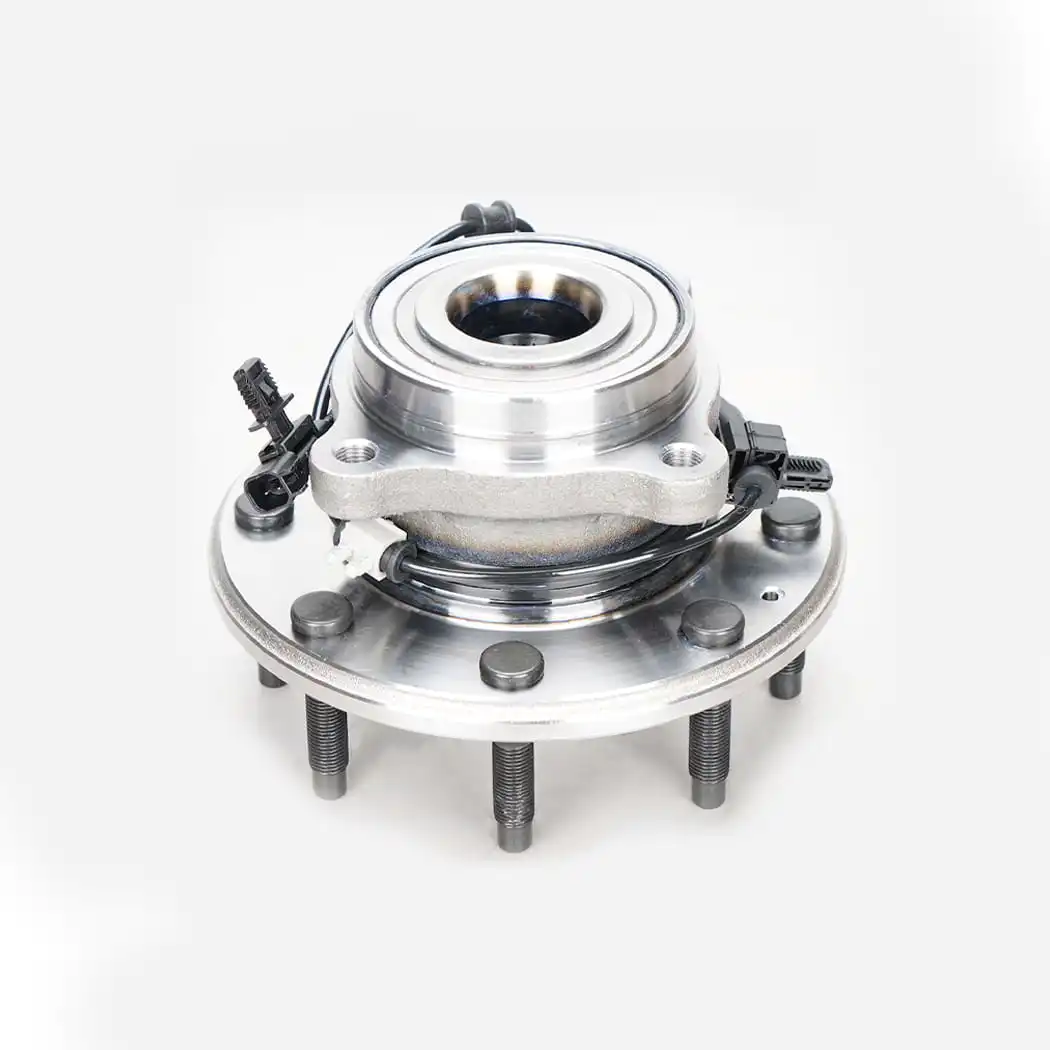
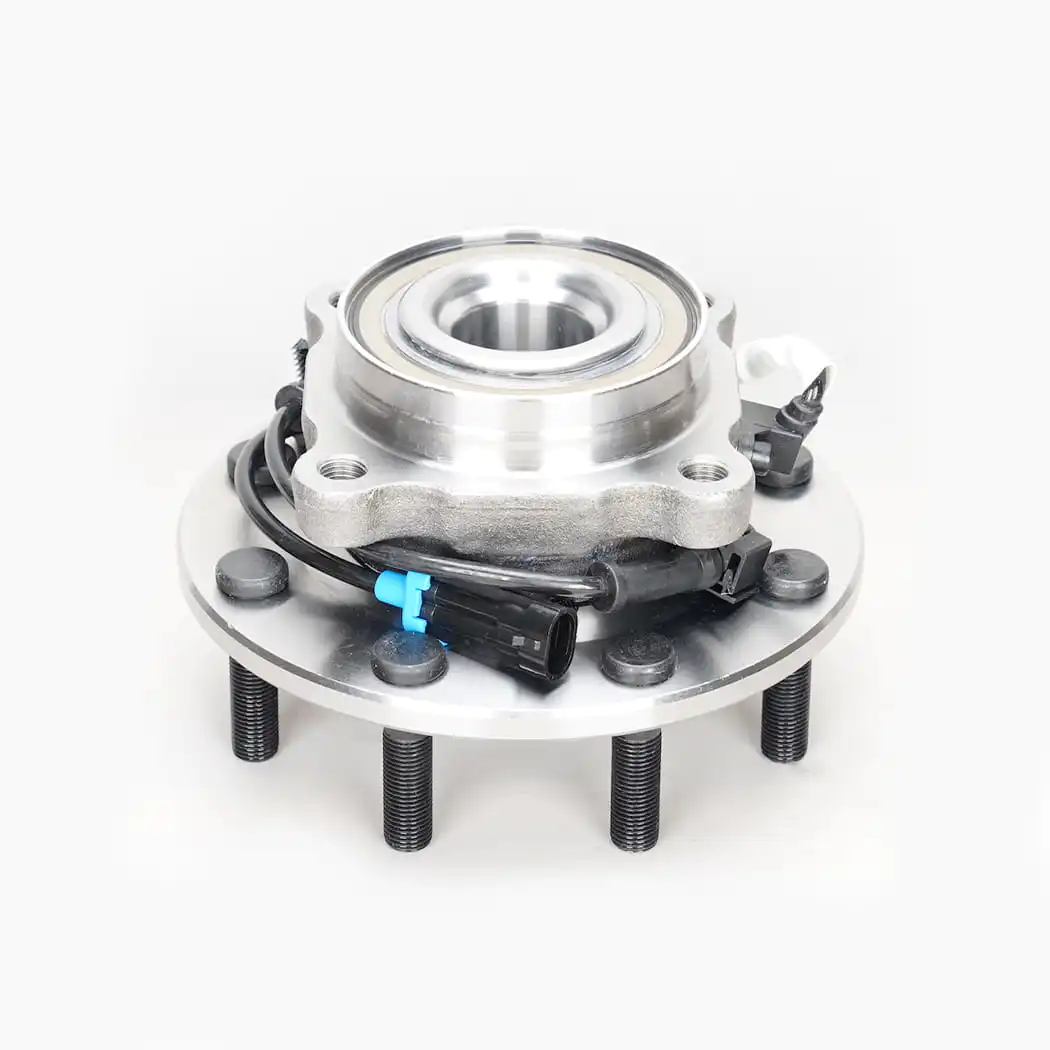
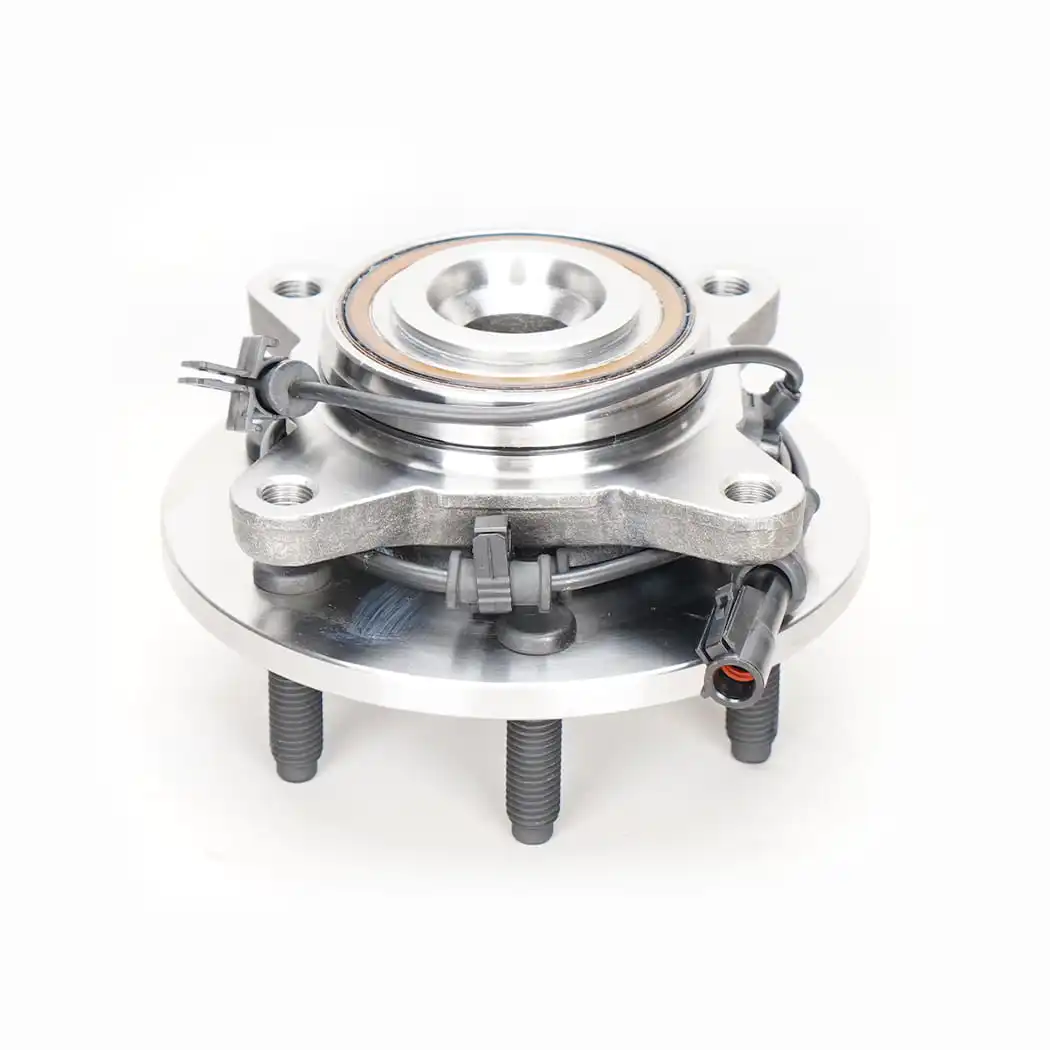
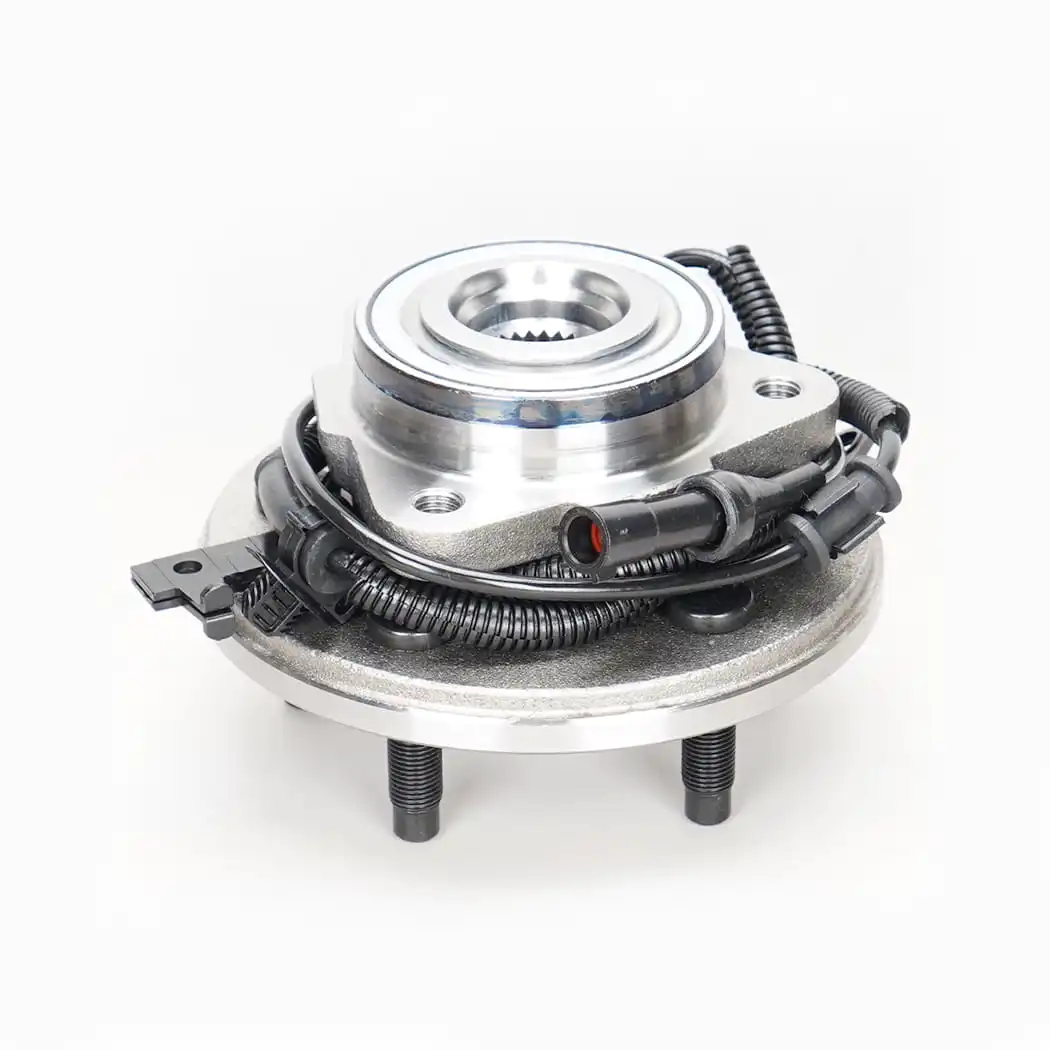
If your car has ever made a low humming or grinding noise that gets louder as you accelerate, the rear hub assembly is one of the first components mechanics check. This part sits at the center of each rear wheel, housing the wheel bearing and providing the mounting point where the wheel attaches to the vehicle. A properly functioning rear hub assembly allows the wheel to spin smoothly while supporting the vehicle's weight and handling the constant stress of acceleration, braking, and cornering.
Because the rear hub assembly plays such a direct role in wheel rotation and vehicle stability, any wear or damage to this component can affect ride quality, handling precision, and even braking performance in vehicles where the rear hub also houses the ABS sensor ring. Understanding how this part works, recognizing early warning signs of failure, and knowing what to expect during replacement can help drivers avoid more serious and costly repairs down the road.
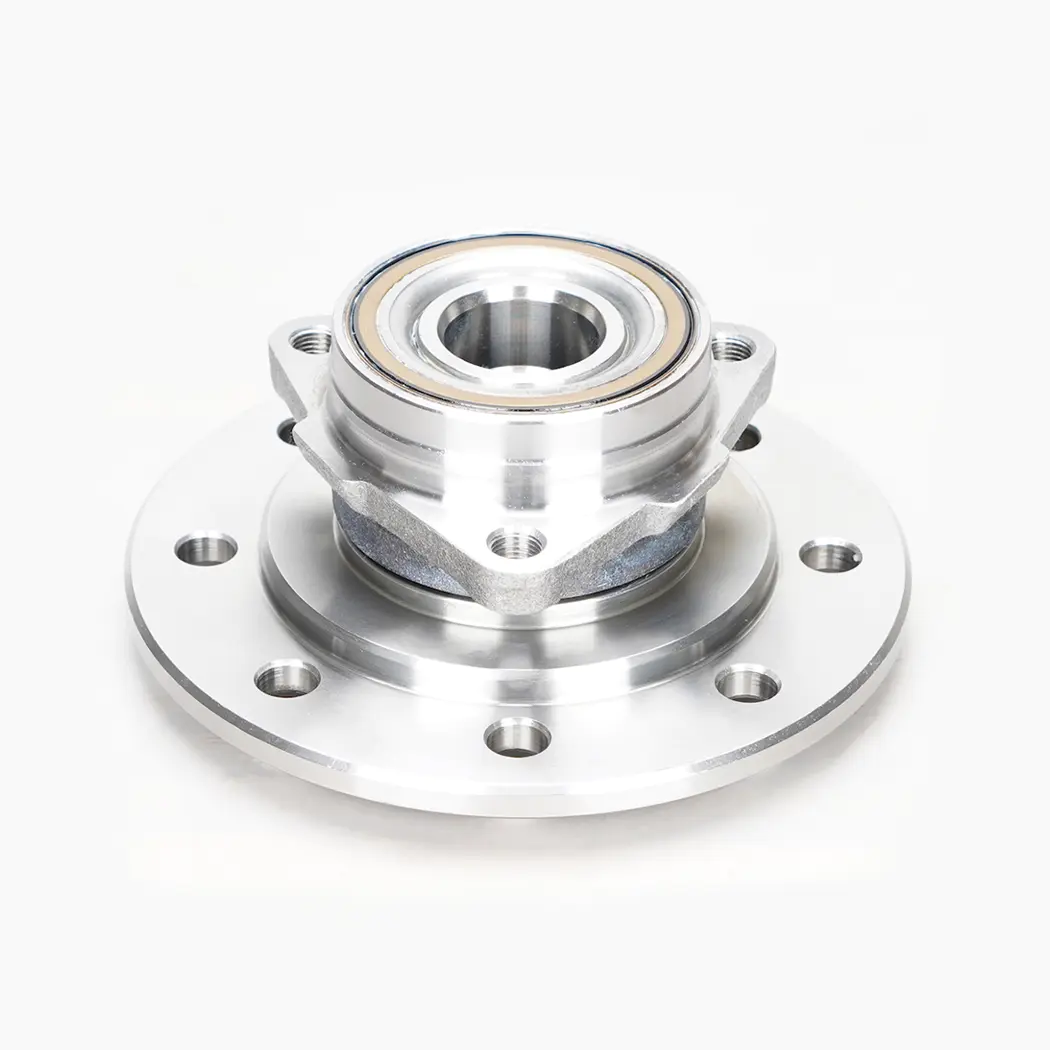
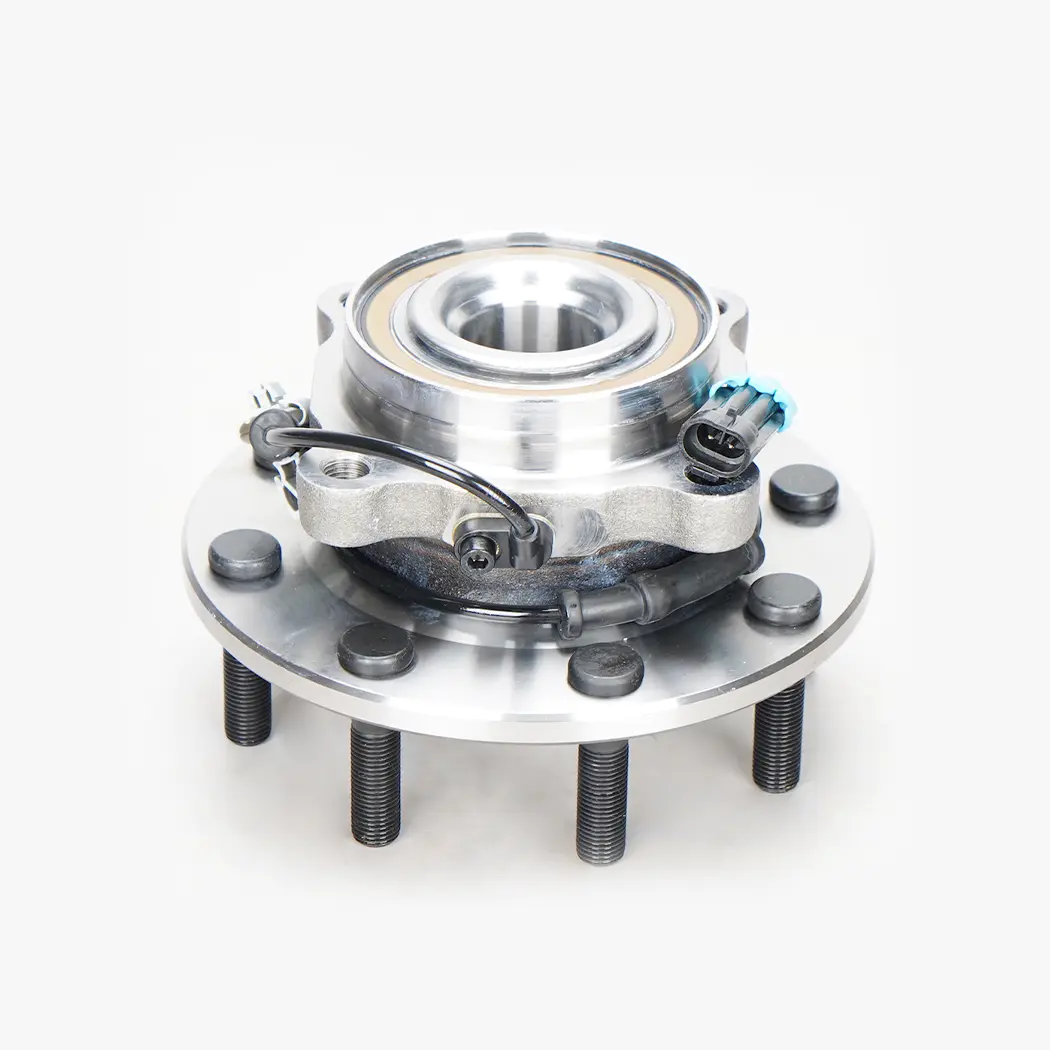
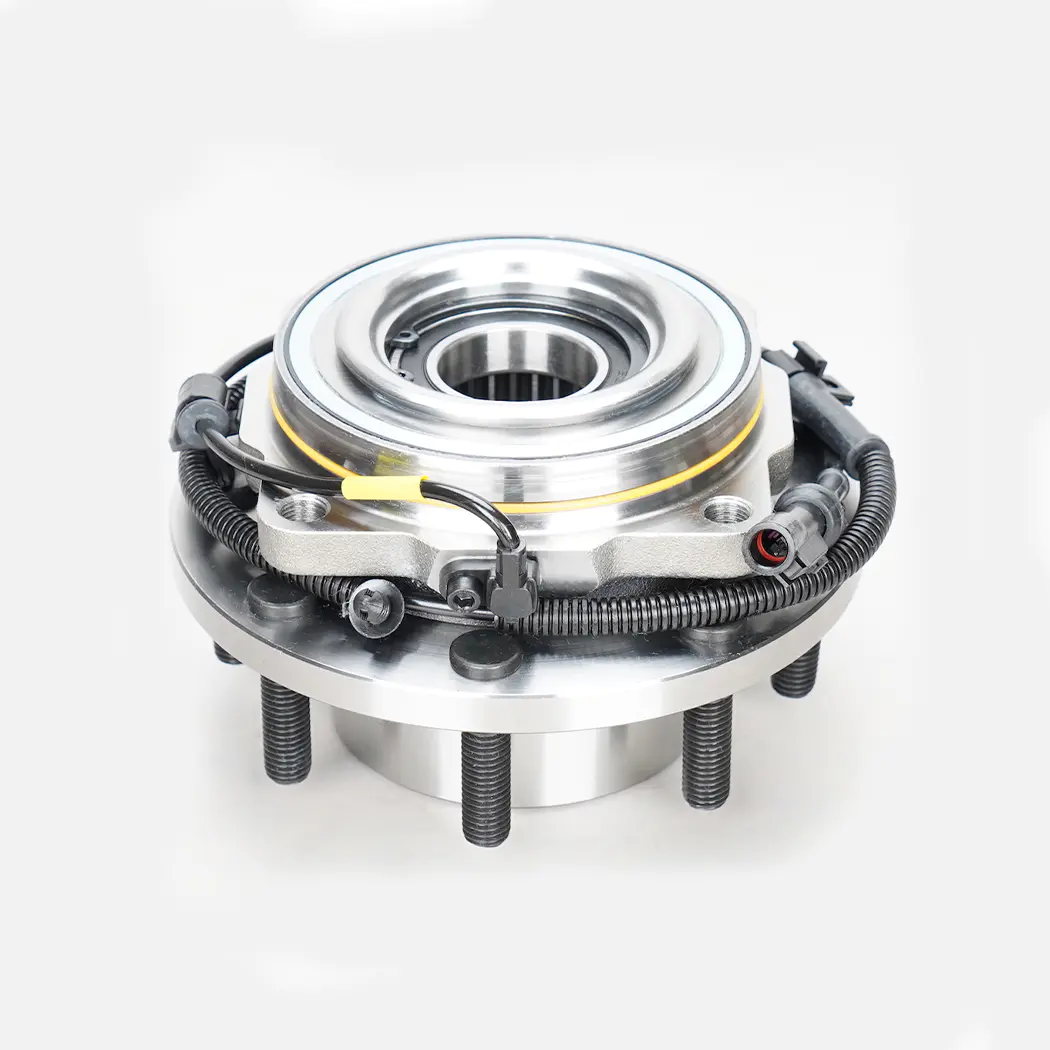
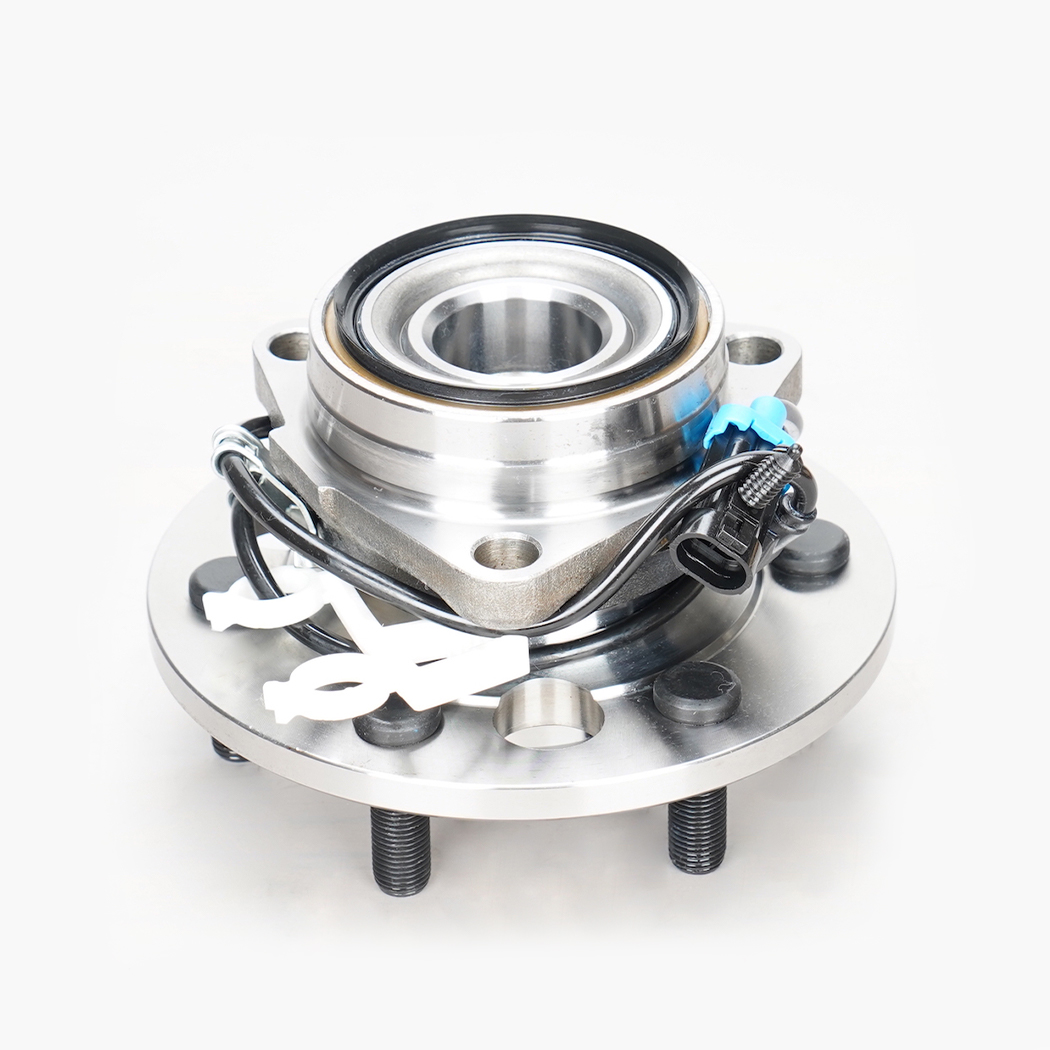
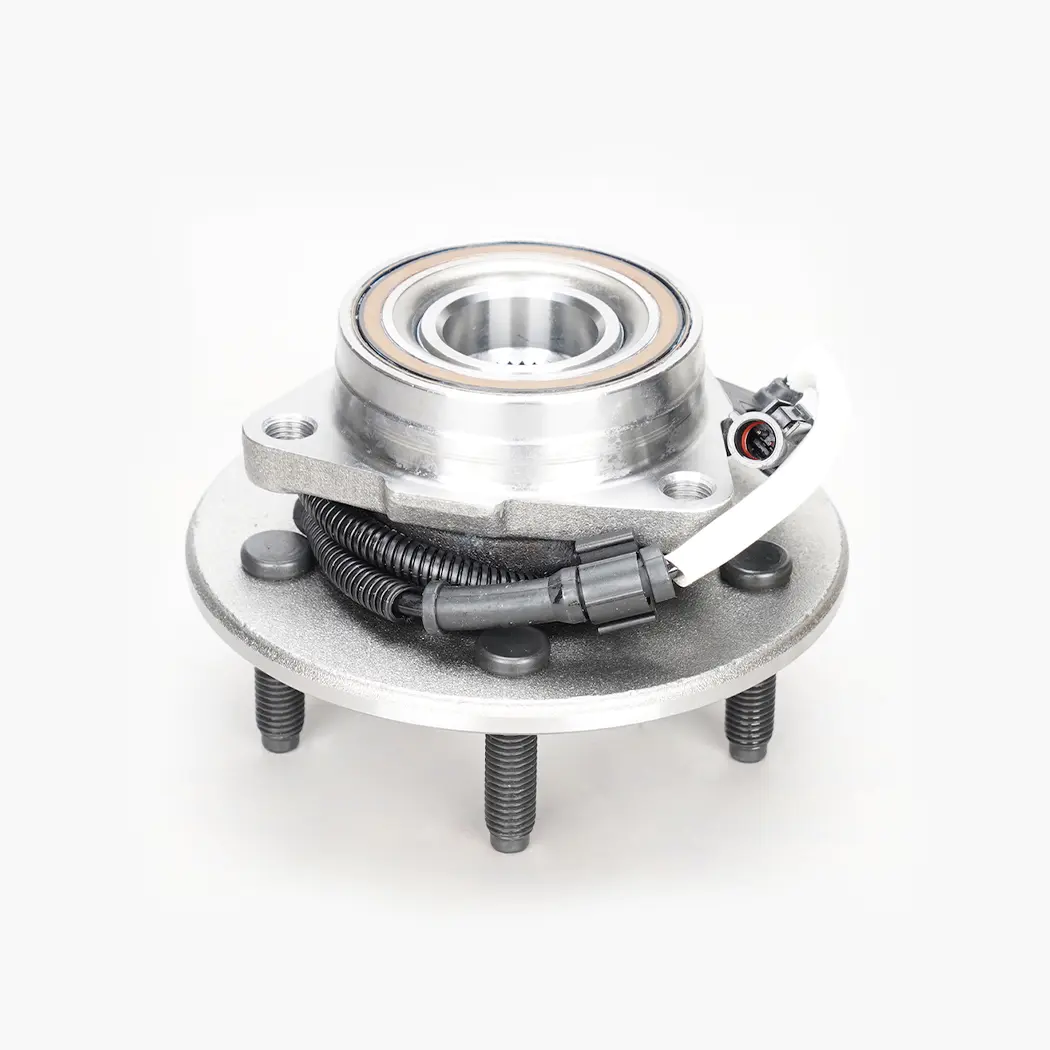
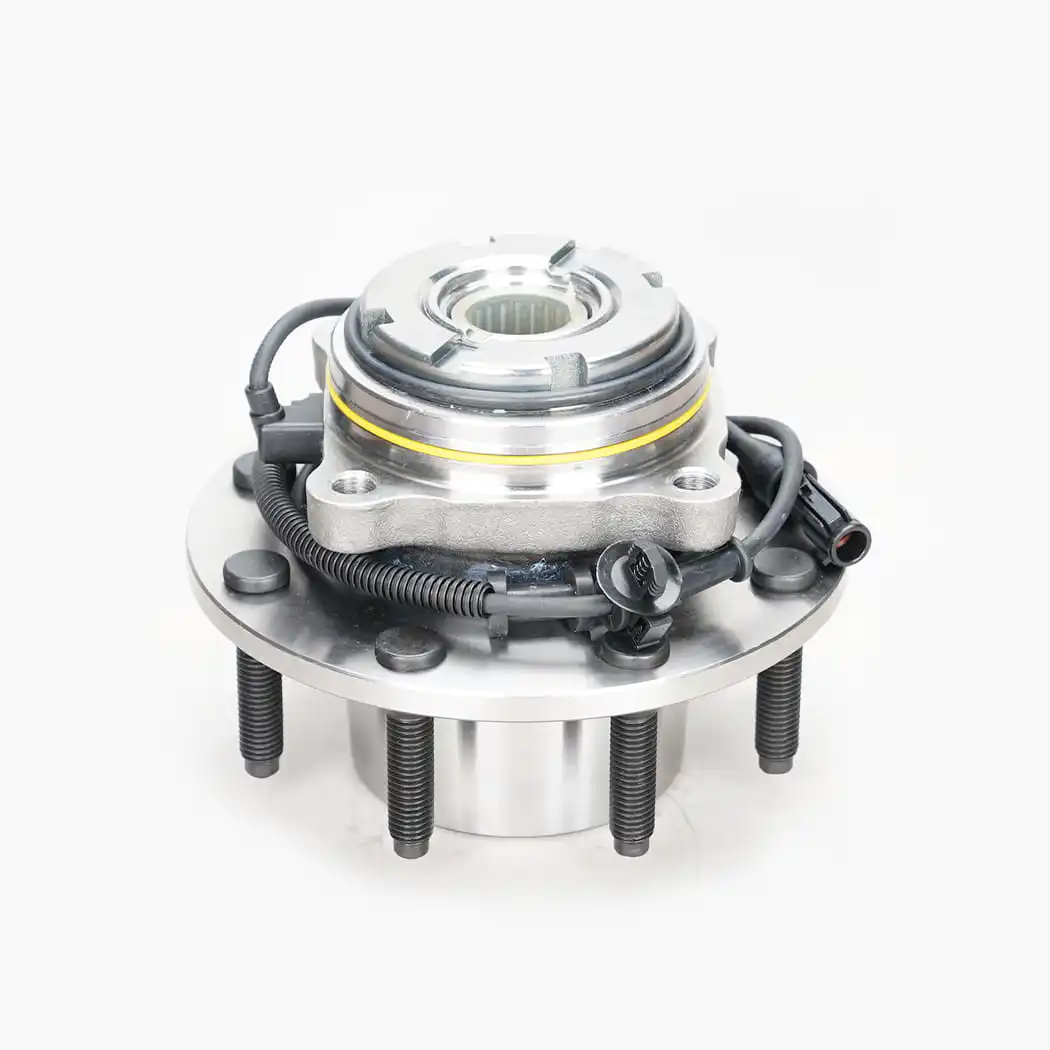
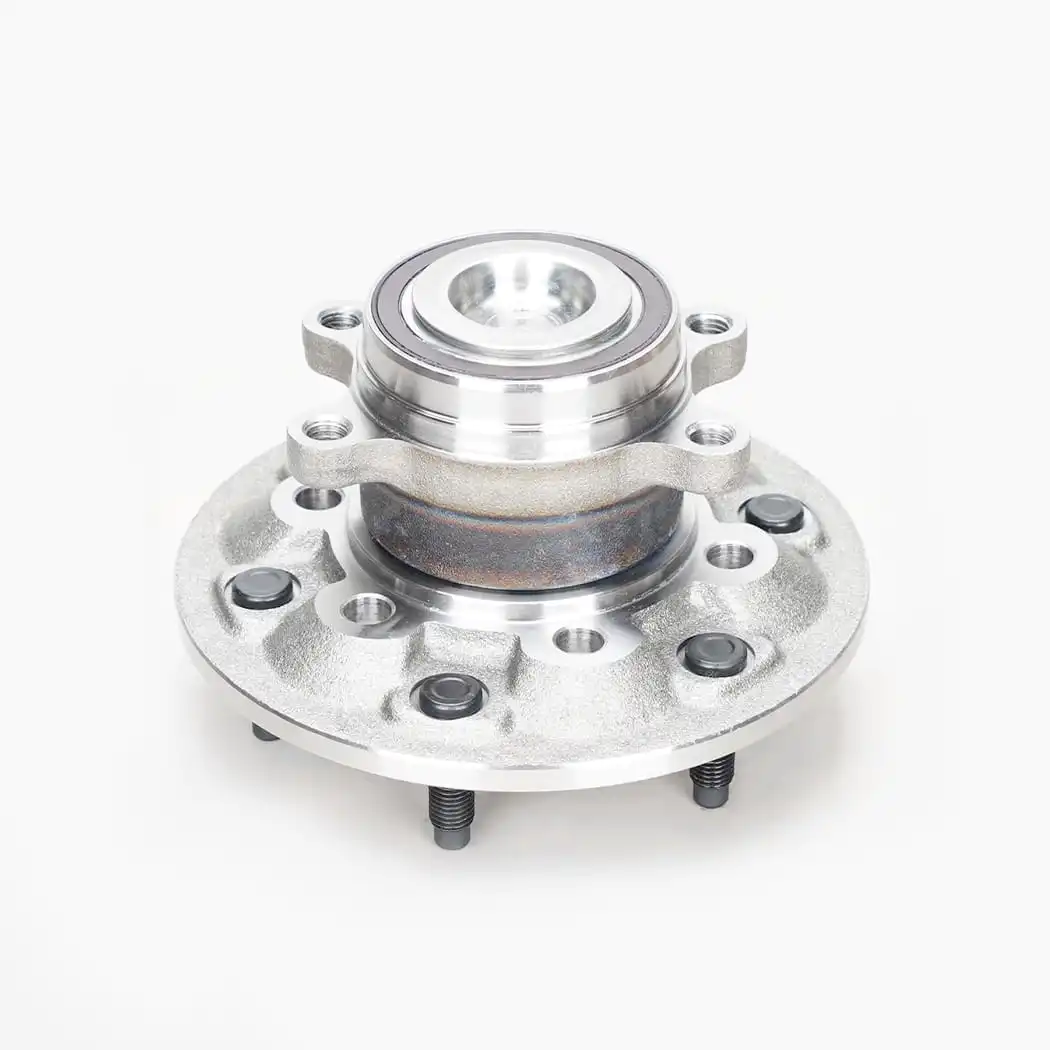
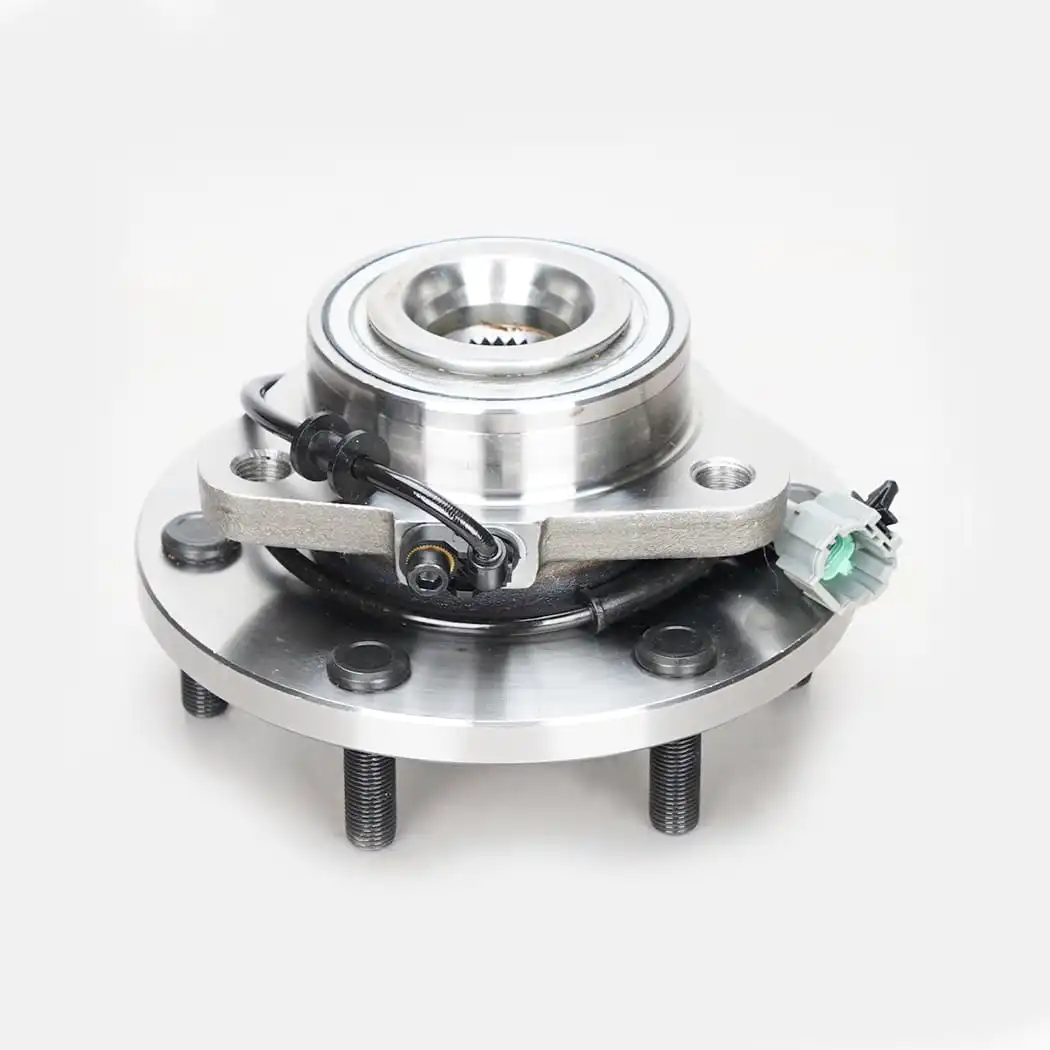
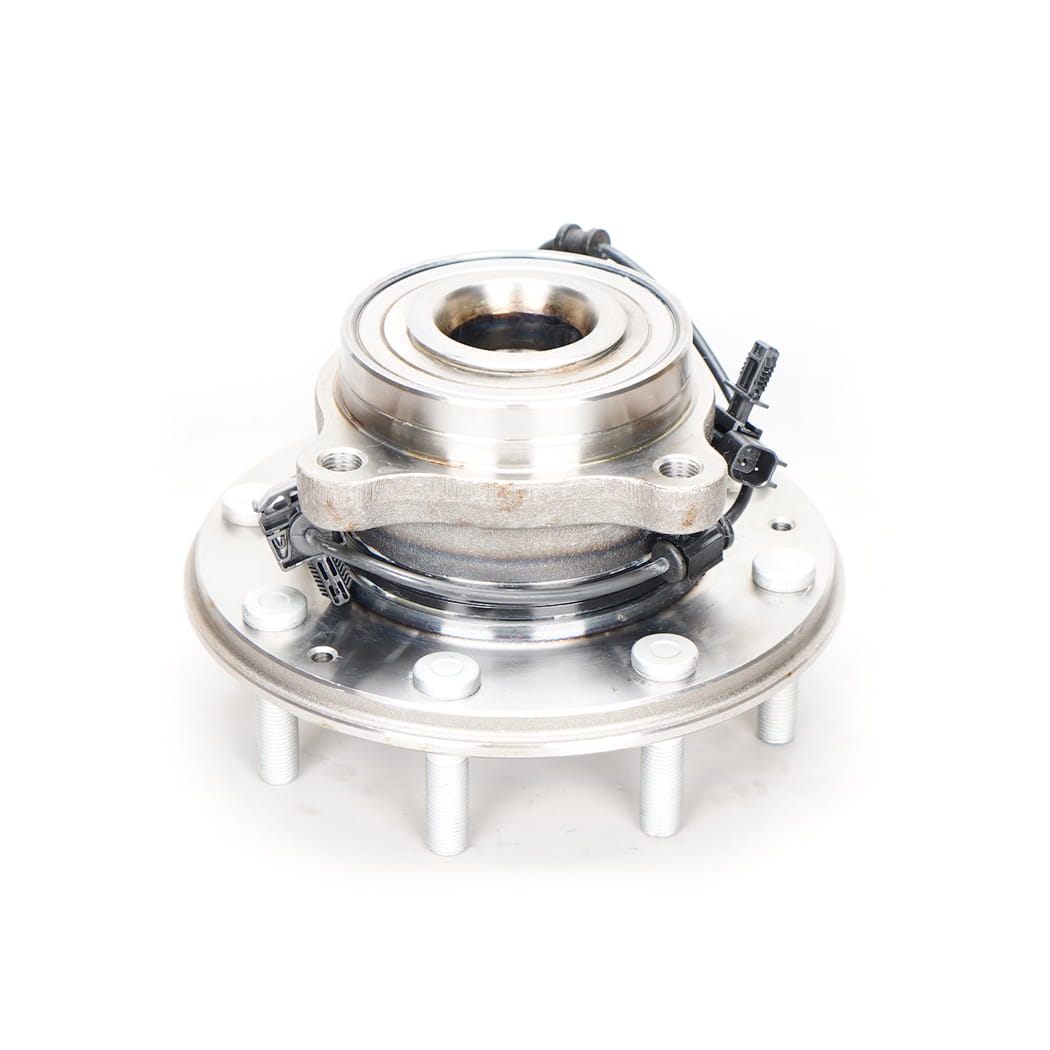
A modern rear hub assembly is typically sold as a complete unit that combines several individual parts, which simplifies replacement compared to older designs that required separate bearing installation and adjustment.
| Component | Function |
| Wheel bearing | Allows smooth rotation while supporting vehicle weight |
| Hub flange | Provides the mounting surface for the wheel and brake rotor |
| Wheel studs | Secures the wheel to the hub using lug nuts |
| ABS sensor ring | Sends wheel speed data to the anti-lock braking system |
| Sealed housing | Protects internal bearing components from dirt and moisture |
Since most modern vehicles use a sealed, pre-assembled rear hub assembly, individual bearing adjustment is largely a thing of the past, which actually simplifies the replacement process even though it means the entire unit typically needs to be replaced together when a bearing fails.
One of the most recognizable symptoms of a failing rear hub assembly is a humming, grinding, or growling noise that changes pitch with vehicle speed. This noise often becomes more noticeable during turns, as cornering shifts weight distribution and puts additional stress on a worn bearing inside the hub.
A worn rear hub assembly can also cause a noticeable vibration that travels through the floor, seat, or steering wheel, particularly at highway speeds. This vibration typically results from excessive play or wear inside the bearing, which allows slight wobble in the wheel as it rotates.
Since many rear hub assemblies include an integrated ABS sensor ring, damage or excessive wear can sometimes trigger the ABS warning light on the dashboard. This happens when the sensor cannot accurately read wheel speed due to physical damage or excessive bearing play affecting the sensor ring's position.
Understanding what leads to premature rear hub assembly failure can help drivers take preventive steps and recognize risk factors specific to their driving habits or environment.
Drivers who frequently travel on rough or unpaved roads, or who live in regions with heavy winter road salt use, often experience rear hub assembly wear sooner than those driving primarily on well-maintained highways.
Because wheel bearing noise can sometimes be confused with other issues like tire wear or suspension problems, a mechanic will often perform a road test while listening carefully to determine whether the noise changes with speed, changes during turns, or remains constant, helping narrow down whether the rear hub assembly is truly the source.
With the vehicle safely lifted, technicians typically grab the wheel at the top and bottom to check for excessive play or looseness, which is a strong indicator of bearing wear inside the rear hub assembly. Spinning the wheel by hand while listening and feeling for roughness can also reveal internal bearing damage.
If the ABS warning light is illuminated, a diagnostic scan tool can help identify whether the fault relates to a wheel speed sensor issue tied to the rear hub assembly's ABS ring, helping confirm the diagnosis before recommending a replacement.
Replacing a rear hub assembly is a fairly standard repair for most modern vehicles, especially since most units are sold as a complete pre-assembled part rather than requiring separate bearing pressing and adjustment.
Proper torque specifications matter significantly during this process, since both under-tightening and over-tightening the hub assembly can lead to premature failure or unsafe wheel mounting, making this a repair best left to an experienced technician with the correct torque wrench and specifications.
When replacing a rear hub assembly, drivers typically have a choice between OEM parts made by the original vehicle manufacturer's supplier and aftermarket alternatives from third-party brands. While OEM parts often carry a higher price tag, many reputable aftermarket manufacturers produce hub assemblies that meet or exceed original specifications at a more competitive price point.
Since rear hub assemblies vary significantly between vehicle makes, models, and trim levels, confirming exact fitment using your vehicle's identification number or specific model details is essential before purchasing. An incorrect rear hub assembly may not fit properly or could fail to correctly interface with the ABS system.
Paying attention to unusual noises, vibrations, or ABS warning lights can help drivers catch rear hub assembly problems early, before they lead to more serious handling or safety issues. Whether you are diagnosing a current noise or simply want to understand this important suspension component better, knowing how the rear hub assembly works and what factors contribute to its wear can help you make more informed decisions about maintenance and repair timing for your vehicle.
• ADD: 42705 Grand River Avenue, Suite 201, Novi. Michigan 48375, USA.
© Copyright 2017 HANGZHOU HANJI AUTO PARTS.CO.,LTD. All Rights Reserved. Wheel Hub Unit Manufacturer