Content
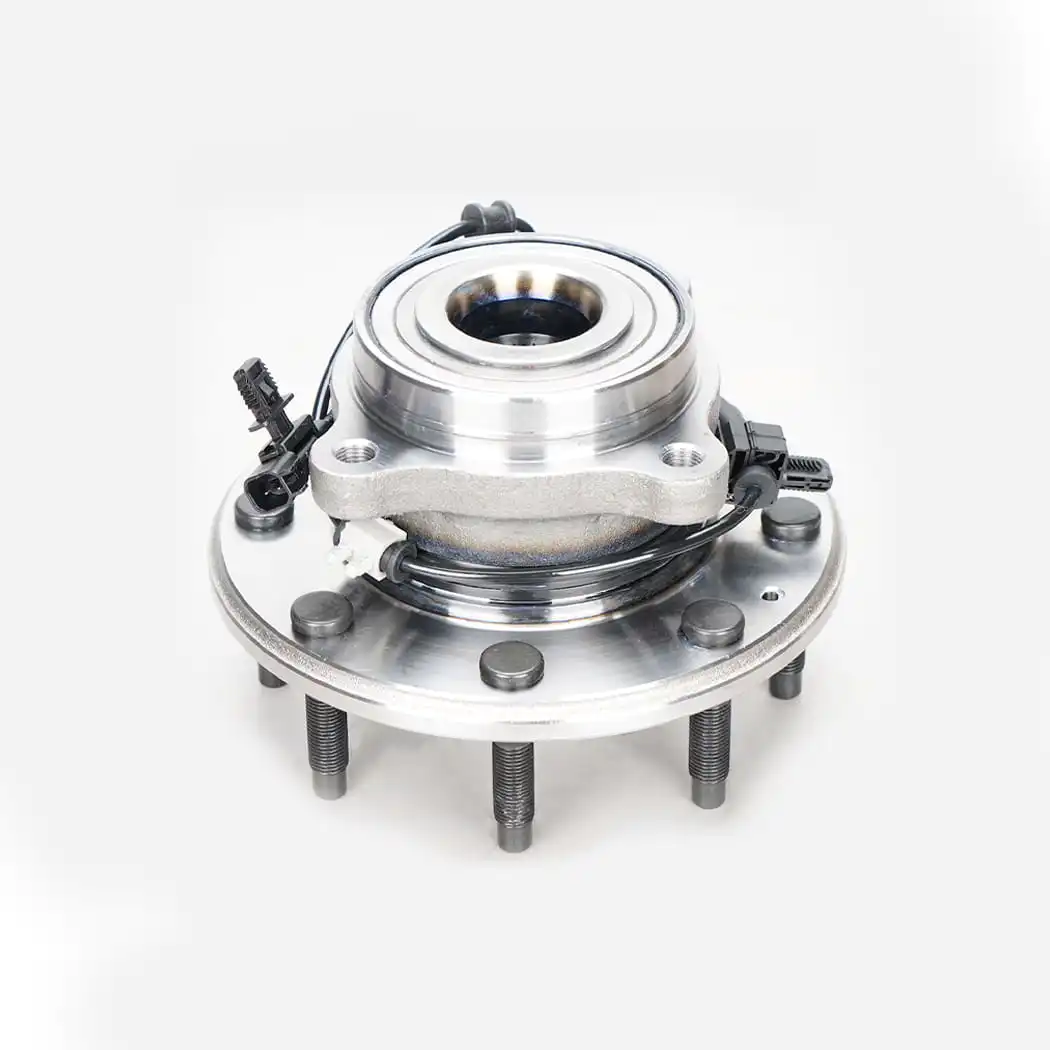
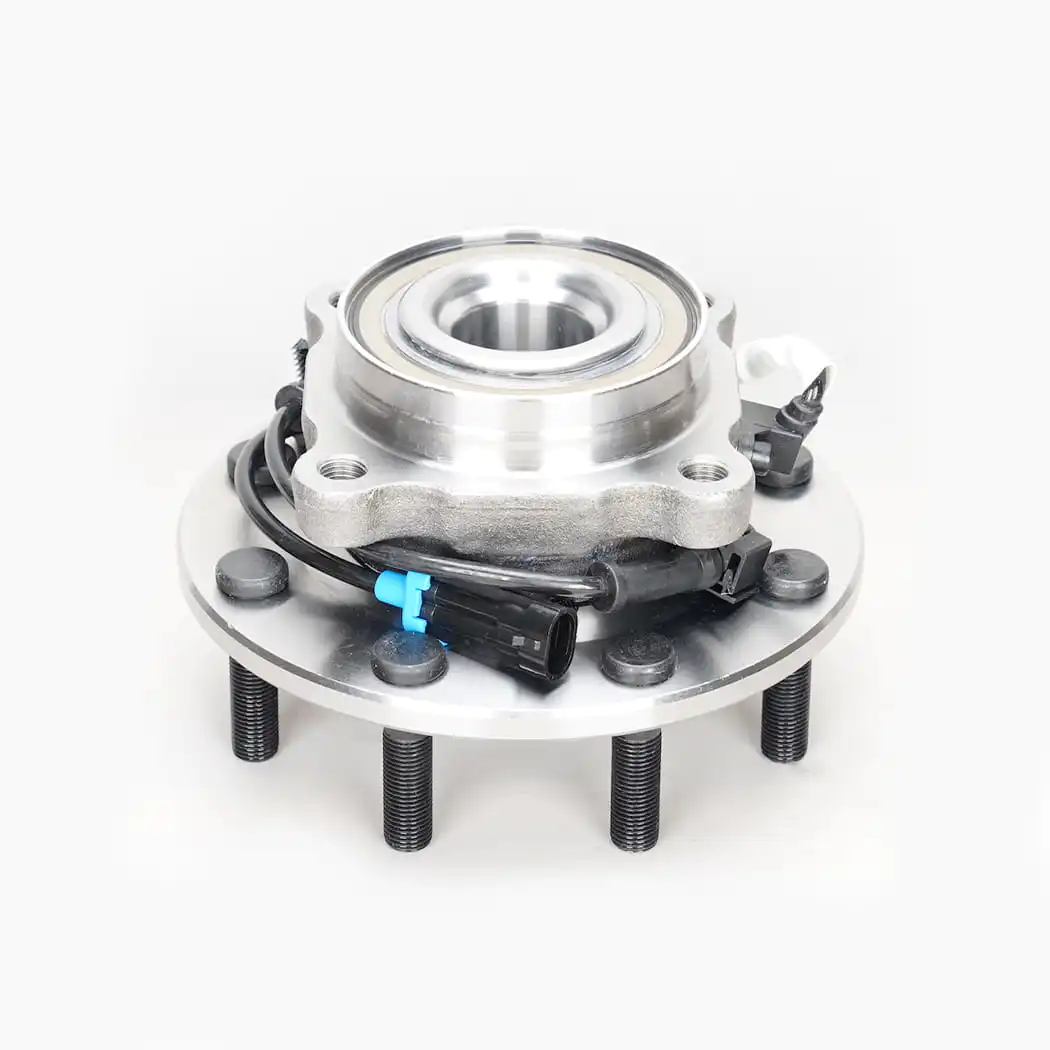
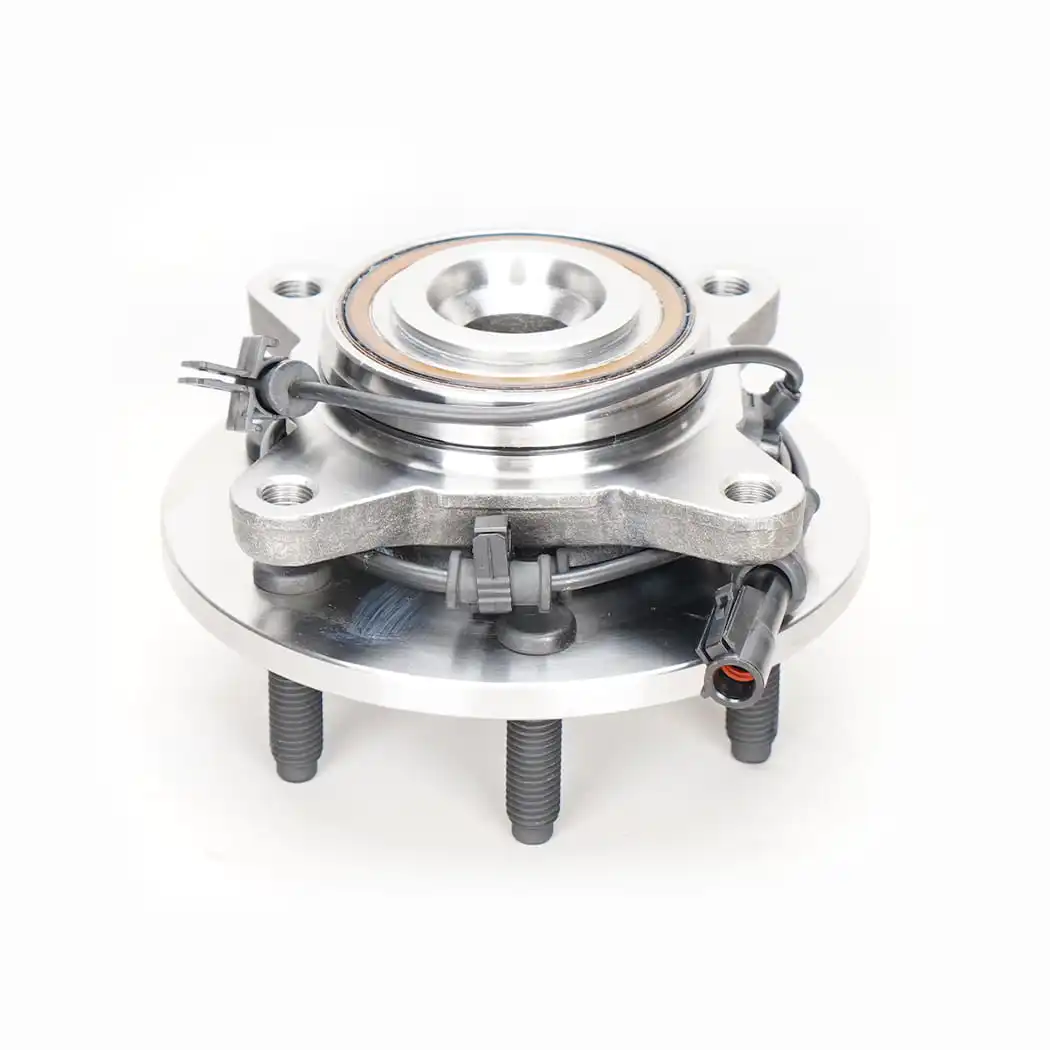
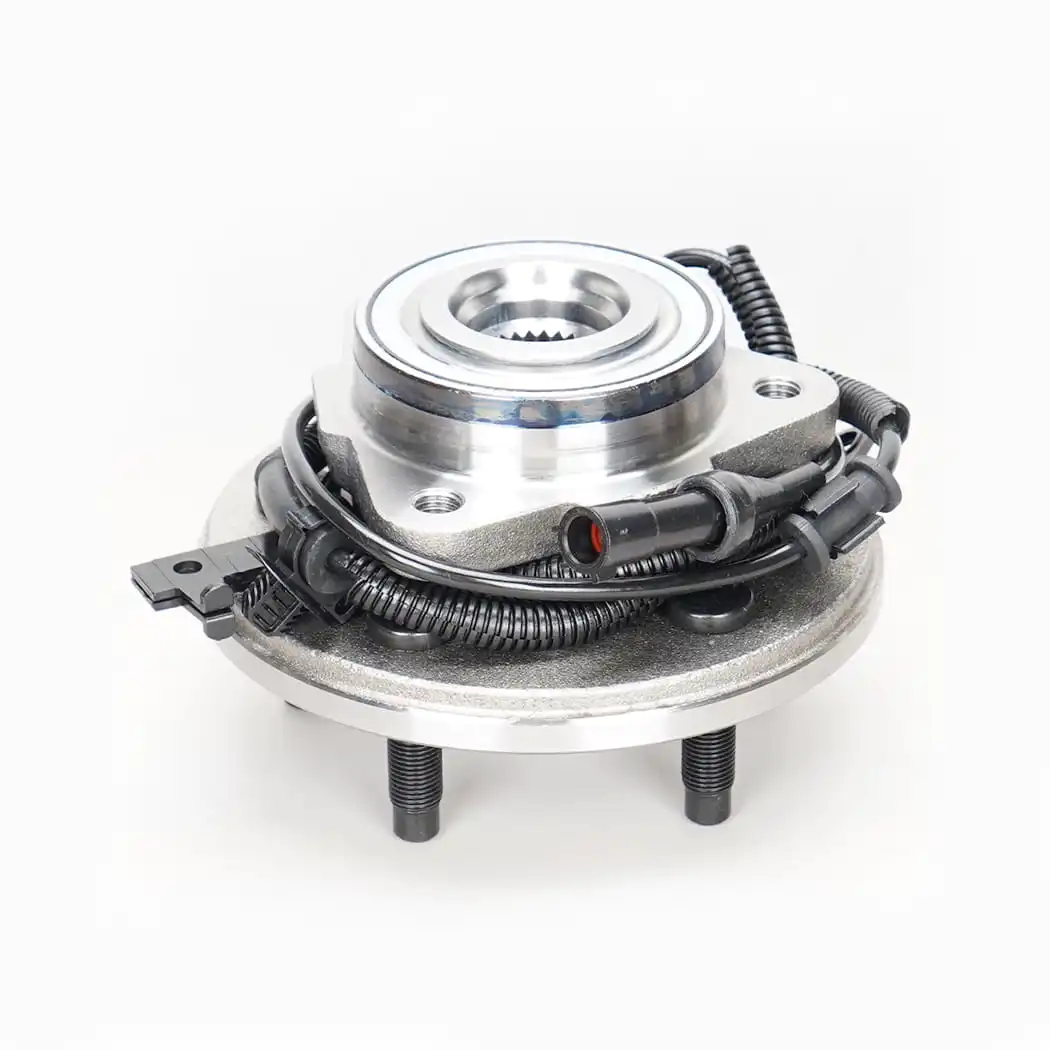
Vehicle wheel bearings are a set of steel balls or rollers held together within a metal ring, positioned inside the wheel hub to allow the wheel to spin smoothly with minimal friction. They support the entire weight of the vehicle at each wheel while also handling the lateral forces created during turns, acceleration, and braking. Without properly functioning wheel bearings, the wheel wouldn't be able to rotate freely, and the friction generated would quickly cause overheating and mechanical failure.
These components are sealed with grease and protected by seals designed to keep contaminants like dirt, water, and road debris from entering. Over time, however, seals can wear down, grease can dry out, and the constant load-bearing stress causes gradual wear, eventually leading to the need for replacement.
Catching wheel bearing problems early can prevent more serious drivetrain damage and reduce the risk of a wheel locking up or separating while driving. Several noticeable symptoms tend to show up before complete failure.
If any of these symptoms appear, particularly a noise that gets louder with speed or changes when turning, it's worth having the wheel bearing inspected promptly rather than waiting for the problem to worsen.
Understanding what causes wheel bearing wear helps drivers recognize risk factors and potentially extend the lifespan of these components through better maintenance habits.
Like most mechanical components under constant load, wheel bearings naturally degrade over tens of thousands of miles of driving, even under normal conditions. Most bearings are rated for a specific mileage range, though actual lifespan varies based on driving habits and road conditions.
Driving through deep water, mud, or road salt can accelerate bearing wear if seals become compromised, allowing moisture and debris to wash out the internal grease and introduce corrosion.
Hitting potholes, curbs, or debris at speed can cause sudden stress on the bearing assembly, sometimes leading to premature failure even if the bearing was otherwise in good condition.
Not all vehicle wheel bearings are configured the same way, and knowing the differences helps when discussing repairs with a mechanic or sourcing replacement parts.
| Bearing Type | Description | Common Applications |
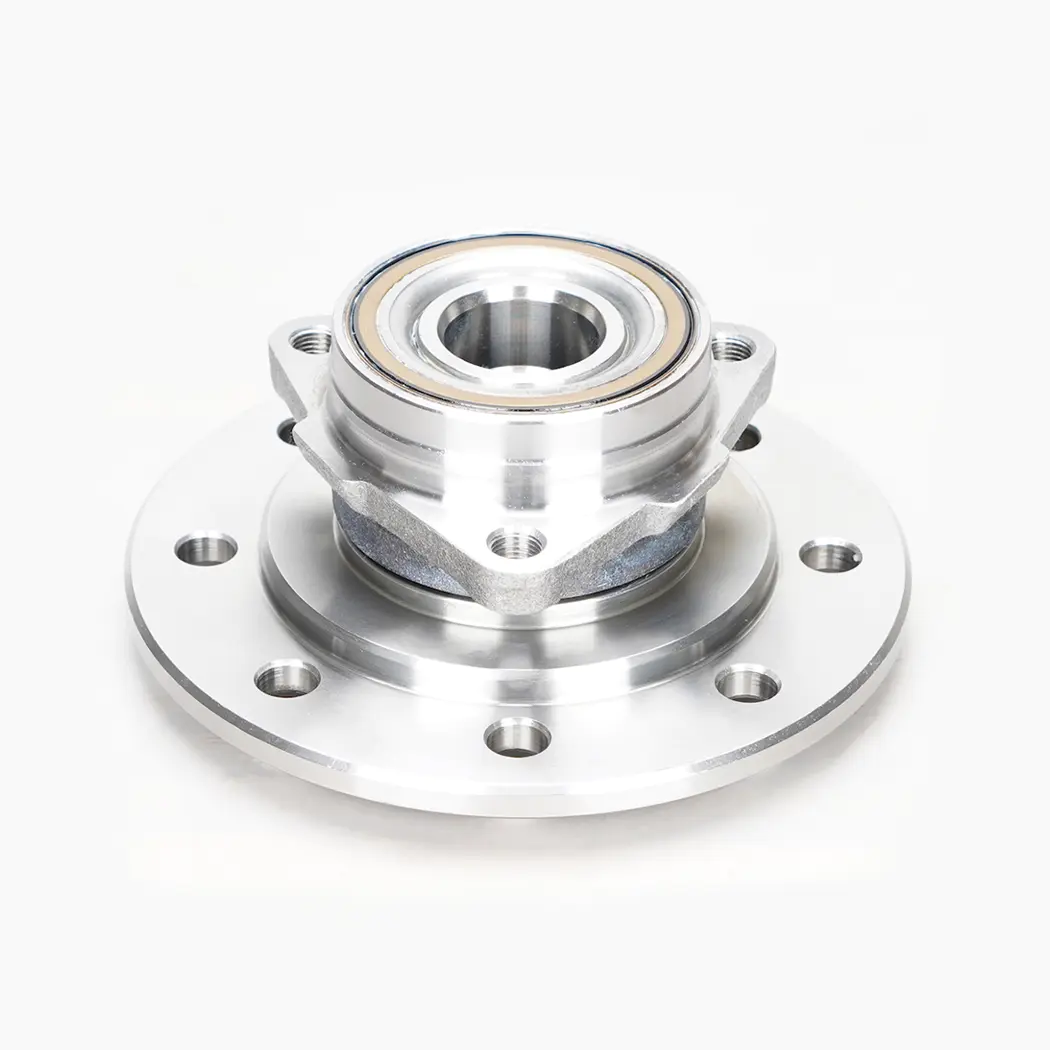
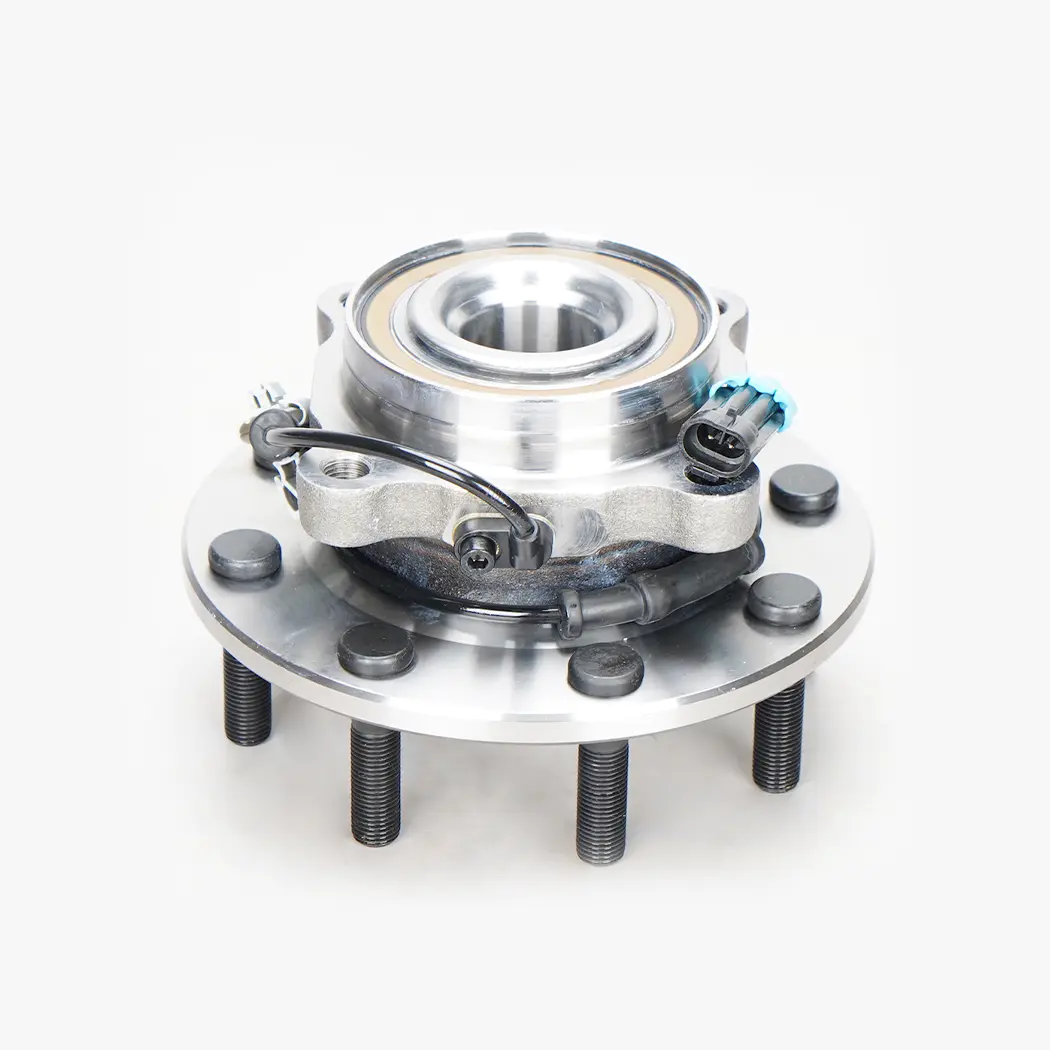
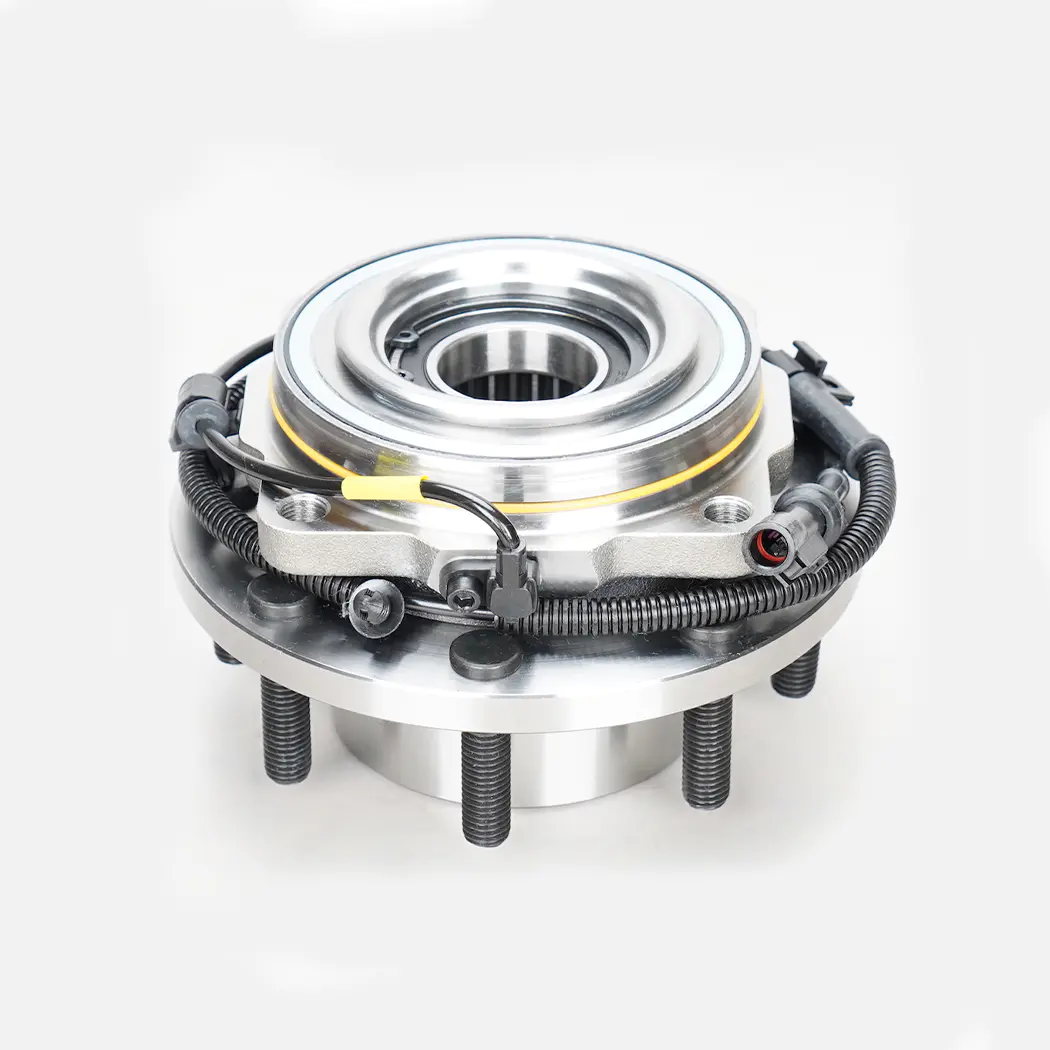
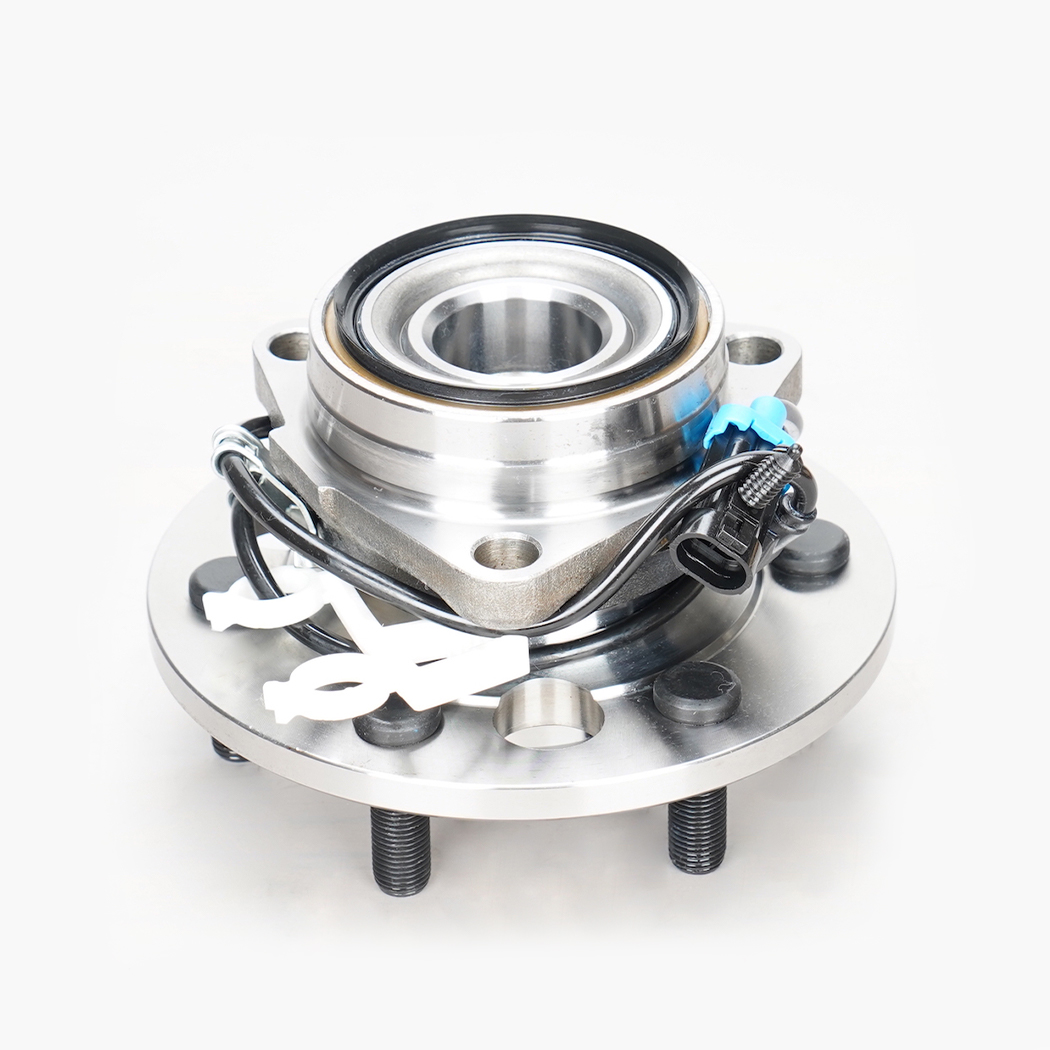
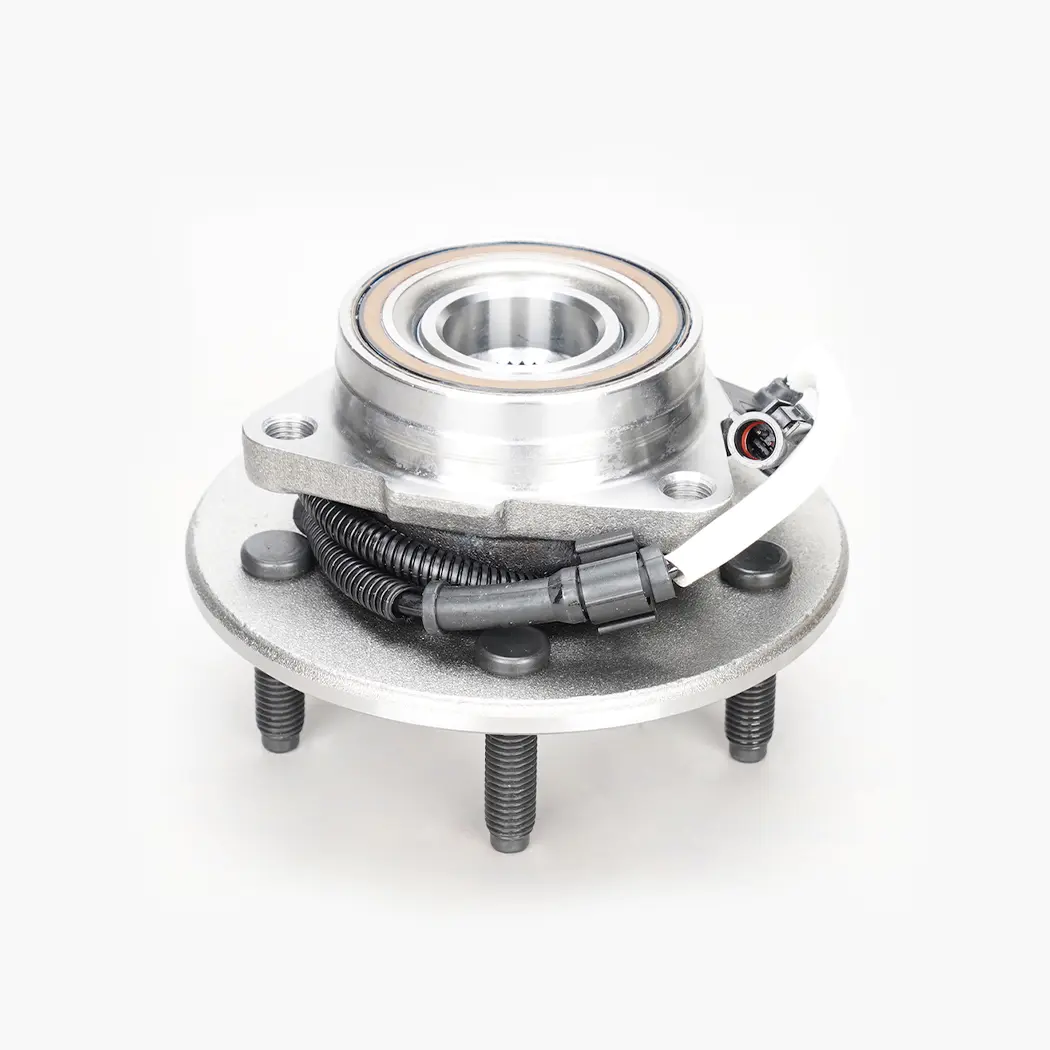
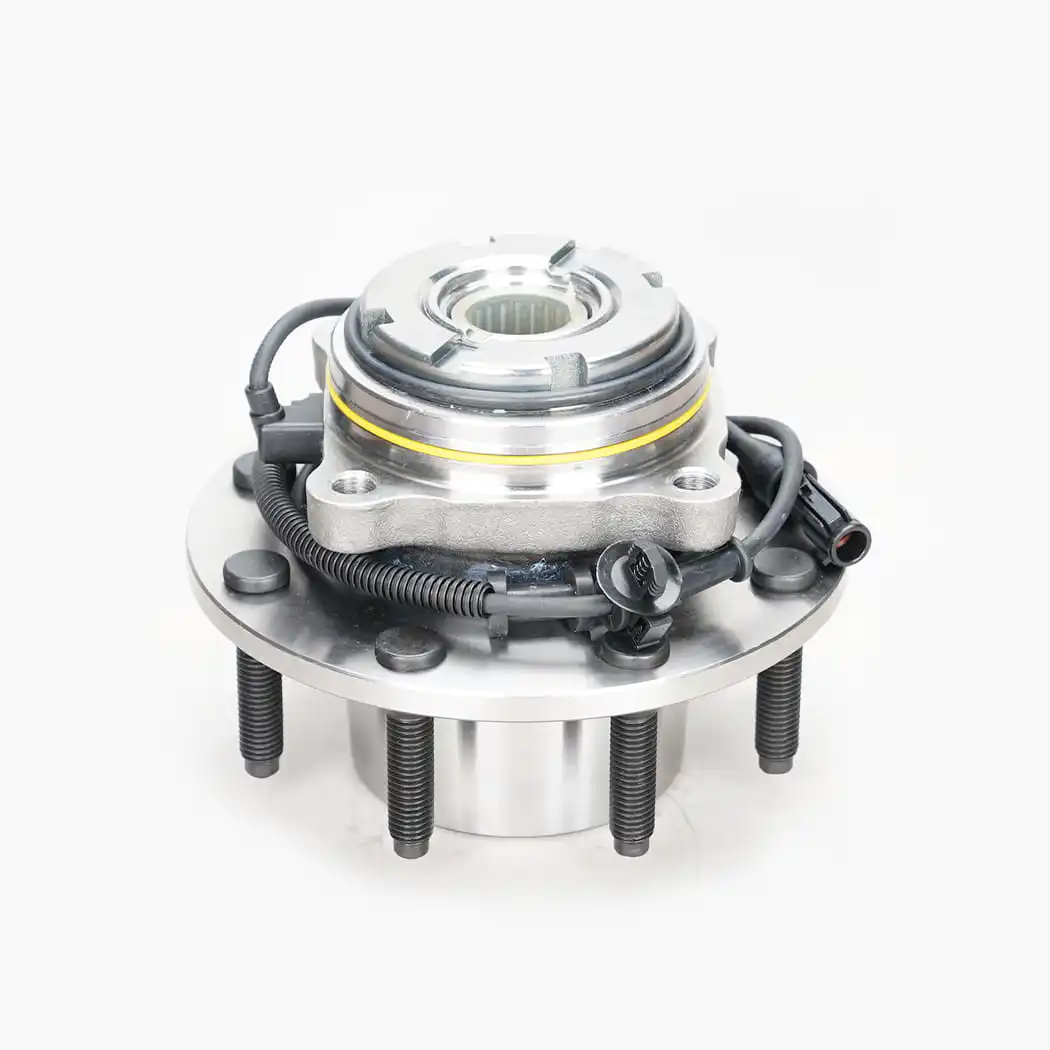
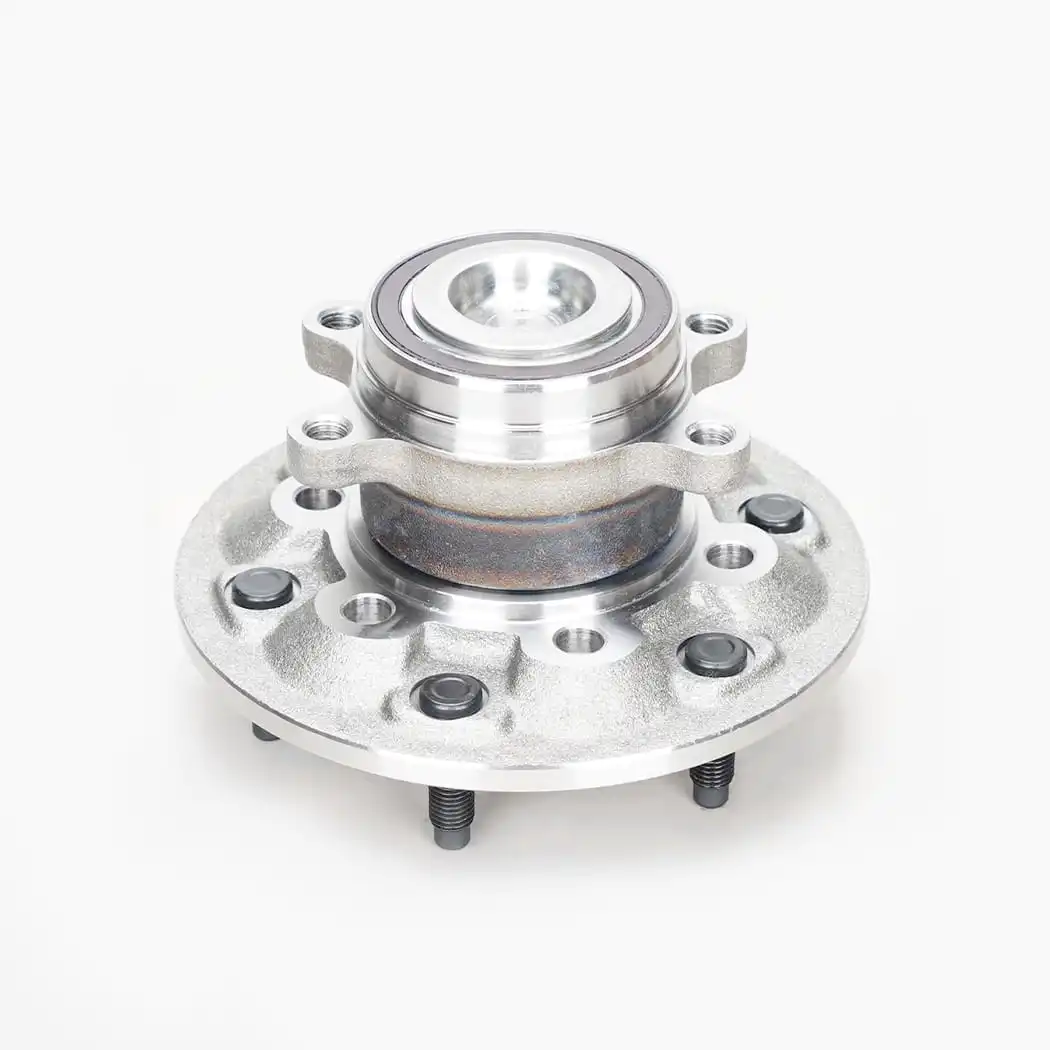
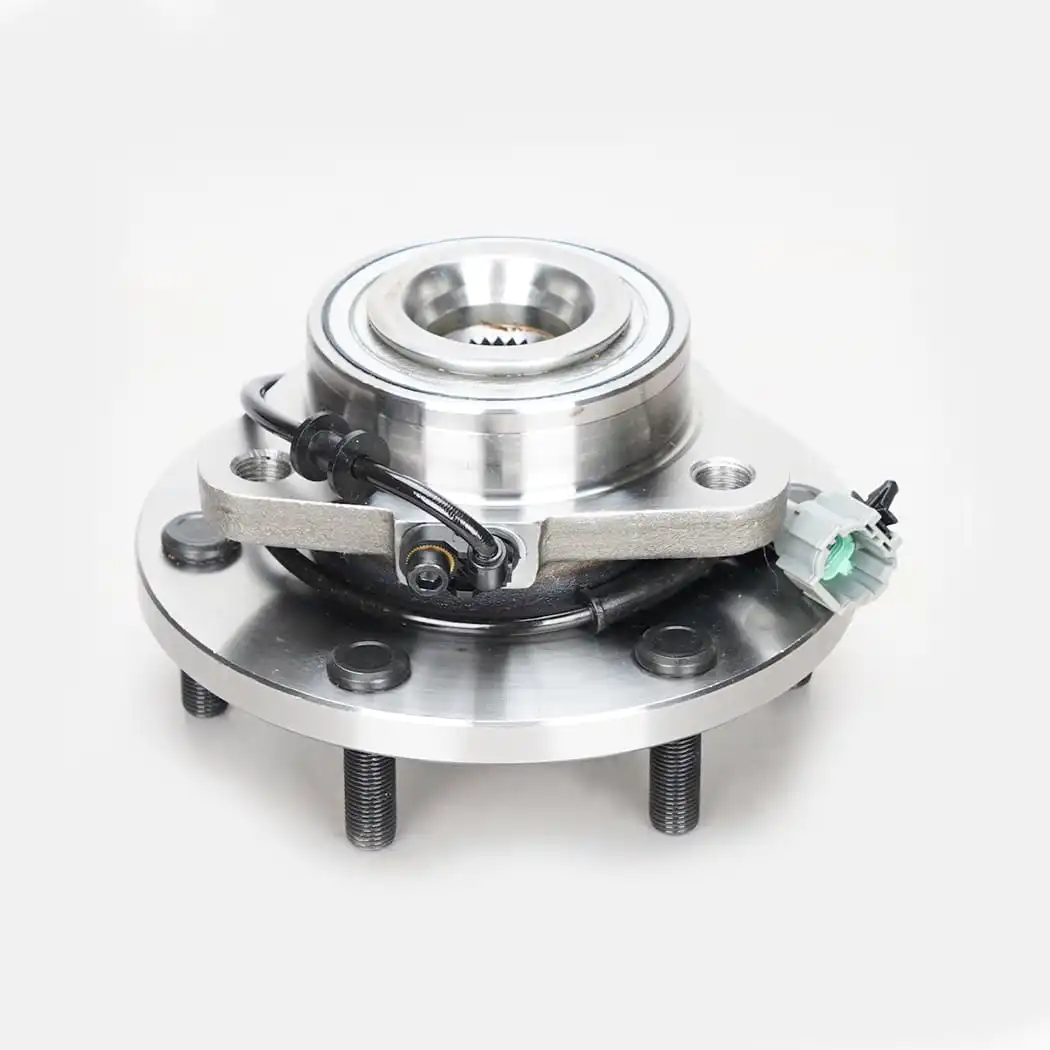
| Wheel Bearing Hub Assembly | Bearing pre-integrated with the hub and sometimes ABS sensor | Most modern passenger vehicles |
| Bearing and Race Set | Separate bearing and outer race installed manually | Older vehicles, trailers, some trucks |
| Sealed Unit Bearing | Fully sealed, non-serviceable bearing unit | Many newer front-wheel-drive vehicles |
Modern vehicles increasingly use hub assembly units since they simplify installation and often integrate sensor components, though this design typically means the entire unit must be replaced rather than just the bearing itself.
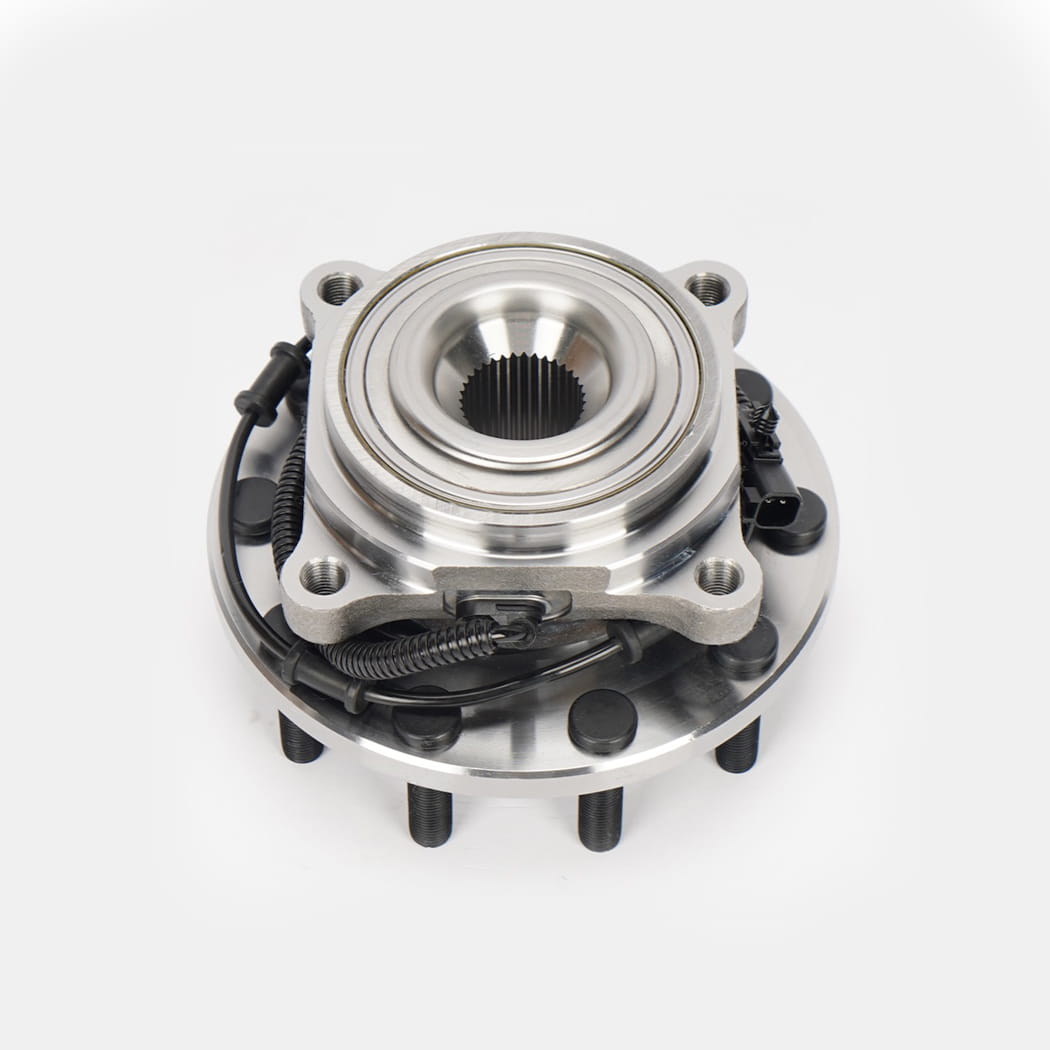
Replacing a wheel bearing typically involves removing the wheel, brake components, and sometimes the axle nut to access the hub assembly. Depending on the vehicle and bearing type, this can range from a relatively quick job on vehicles with bolt-on hub assemblies to a more involved process on vehicles requiring pressing the old bearing out and pressing a new one into place.
Because wheel bearings directly affect vehicle safety and handling, this is generally considered a repair best left to a qualified mechanic unless the person doing the work has proper tools and experience with the specific vehicle's bearing configuration.
When sourcing new vehicle wheel bearings, it's worth paying attention to a few key factors rather than choosing based on price alone.
Since wheel bearings on the same axle typically experience similar wear patterns and mileage, replacing them as a pair can help avoid a second repair job shortly after the first, especially on higher-mileage vehicles.
While wheel bearings will eventually wear out regardless of care, certain habits can help extend their functional lifespan. Avoiding deep water crossings when possible, addressing tire balance and alignment issues promptly, and having wheel bearings inspected during routine service appointments all contribute to catching early wear before it becomes a bigger problem.
Paying attention to unusual noises or vibration early, rather than dismissing them, is often the simplest way to avoid a more expensive repair down the road, since a failing bearing can eventually cause damage to surrounding components like the hub, axle, or brake assembly if left unaddressed.
• ADD: 42705 Grand River Avenue, Suite 201, Novi. Michigan 48375, USA.
© Copyright 2017 HANGZHOU HANJI AUTO PARTS.CO.,LTD. All Rights Reserved. Wheel Hub Unit Manufacturer