Content
Wheel hub spindles are the fixed shafts mounted to the axle that the wheel hub, bearings, and wheel assembly rotate around. Whether you're dealing with a trailer axle, a boat trailer, a utility trailer, or certain non-drive vehicle axles, the spindle is what actually carries the load of the wheel and transfers it back into the axle beam. Unlike a drive axle shaft that spins to power the wheel, a spindle stays stationary while the hub and bearings spin around it, which means the spindle's surface finish and structural integrity directly determine how smoothly and safely that wheel rotates under load.
Because spindles bear the full weight of whatever the axle is supporting, from a small utility trailer to a heavy equipment hauler, any wear, pitting, or bending in the spindle surface creates problems that cascade into the bearings, seals, and eventually the hub itself. This is why spindle condition is one of the first things inspected during axle maintenance, even before checking the bearings directly.
Spindle wear doesn't usually happen overnight. It builds up gradually from heat, moisture, or repeated bearing failures that damage the spindle surface over time. Catching the warning signs early can save you from a much more expensive repair down the road.
If you can grab the top and bottom of the tire and feel noticeable play when rocking it back and forth, this often points to a worn spindle, damaged bearings, or a combination of both. A small amount of play is normal, but significant looseness usually means metal has worn away from the spindle's bearing surface.
Once a wheel hub is removed, visually inspecting the spindle for grooves, rust pitting, or bluish discoloration from overheating tells you a lot. Discoloration in particular usually indicates the bearing ran without enough lubrication at some point, generating heat that damaged both the bearing and the spindle surface it rides on.
Grinding, humming, or squealing noises coming from a wheel hub while driving or towing often trace back to bearing damage that has already started affecting the spindle. Checking hub temperature after a drive (carefully, since it can be hot) is a quick field test; a hub noticeably hotter than the others on the same axle is a red flag.
Spindles aren't one-size-fits-all. Different axle types and load capacities call for different spindle designs, and picking the wrong one can lead to premature bearing failure even if everything else is installed correctly.
| Spindle Type | Typical Application | Load Range |
| Straight Spindle | Light utility and boat trailers | Up to around 3,500 lbs per axle |
| Drop Spindle | Lowered trailers needing reduced ride height | Varies by axle rating |
| Heavy-Duty Spindle | Equipment trailers, car haulers, industrial axles | 5,000 lbs and above per axle |
| Idler Spindle Assembly | Non-braked axle positions | Matches axle rating without brake components |
Replacing a wheel hub spindle isn't just about matching the physical shape; it needs to match your axle's load rating, bearing size, and mounting configuration exactly. Getting any of these wrong can lead to bearing failure again within a short time.
Taking time to confirm these specs before ordering prevents the frustrating situation of receiving a replacement spindle that looks right but doesn't actually fit your hub or bearing set once you start installation.
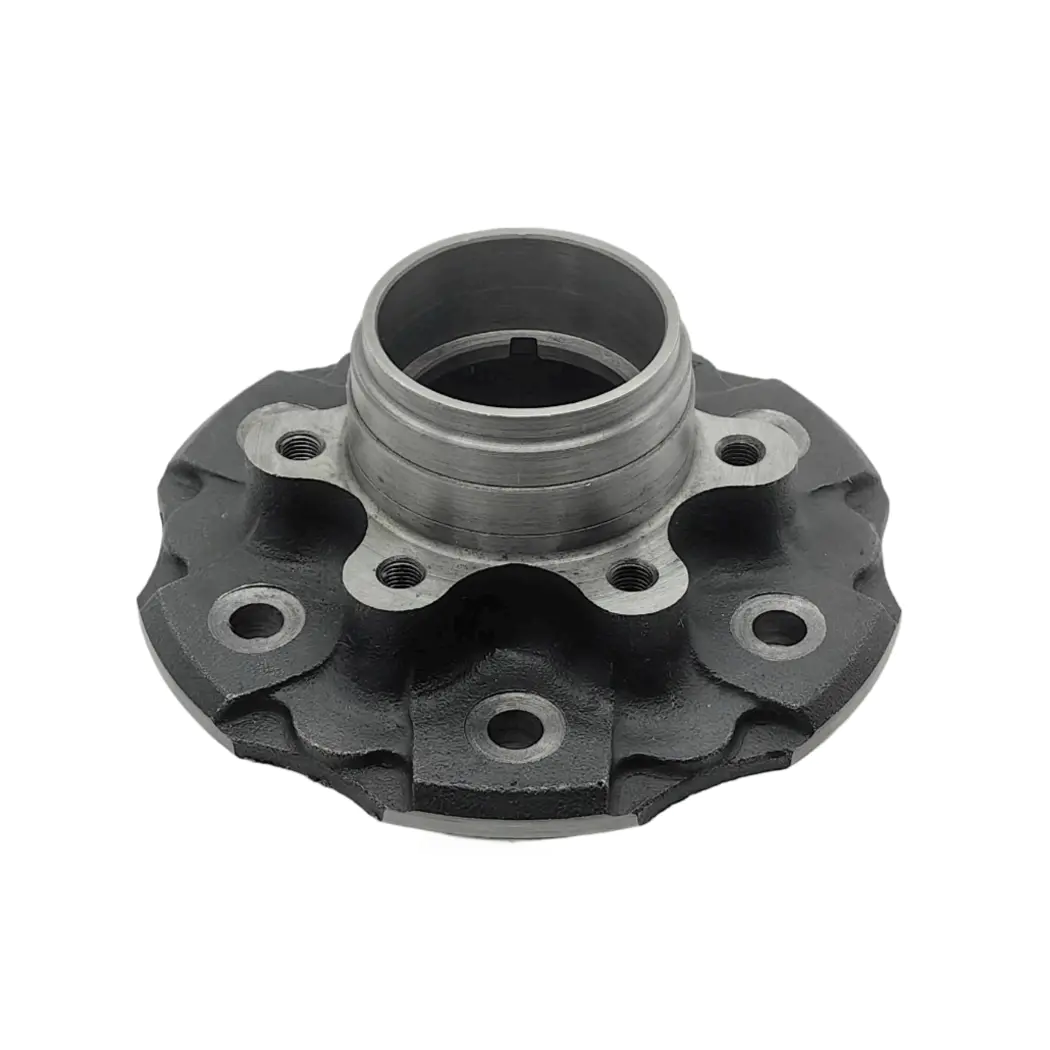
A new spindle installed carelessly can fail just as fast as an old worn one. A few careful steps during installation make a real difference in how long the new part lasts.
Following these steps closely after any spindle replacement helps catch small installation issues early, before they turn into the same wear pattern that caused the original spindle to fail.
Most spindle failures are preventable with a consistent maintenance routine rather than waiting for something to go wrong. Repack wheel bearings on a regular schedule based on your trailer or vehicle's usage, especially before long trips or after driving through water, since moisture intrusion is one of the fastest ways to damage both bearings and the spindle surface underneath. Inspect seals for cracking or leaking grease during every bearing service, since a failed seal lets in dirt and water that accelerate spindle wear. Keeping a simple log of service dates and mileage for each axle helps you stay ahead of wear patterns instead of reacting only after you notice play, noise, or heat coming from the hub.
• ADD: 42705 Grand River Avenue, Suite 201, Novi. Michigan 48375, USA.
© Copyright 2017 HANGZHOU HANJI AUTO PARTS.CO.,LTD. All Rights Reserved. Wheel Hub Unit Manufacturer