Content
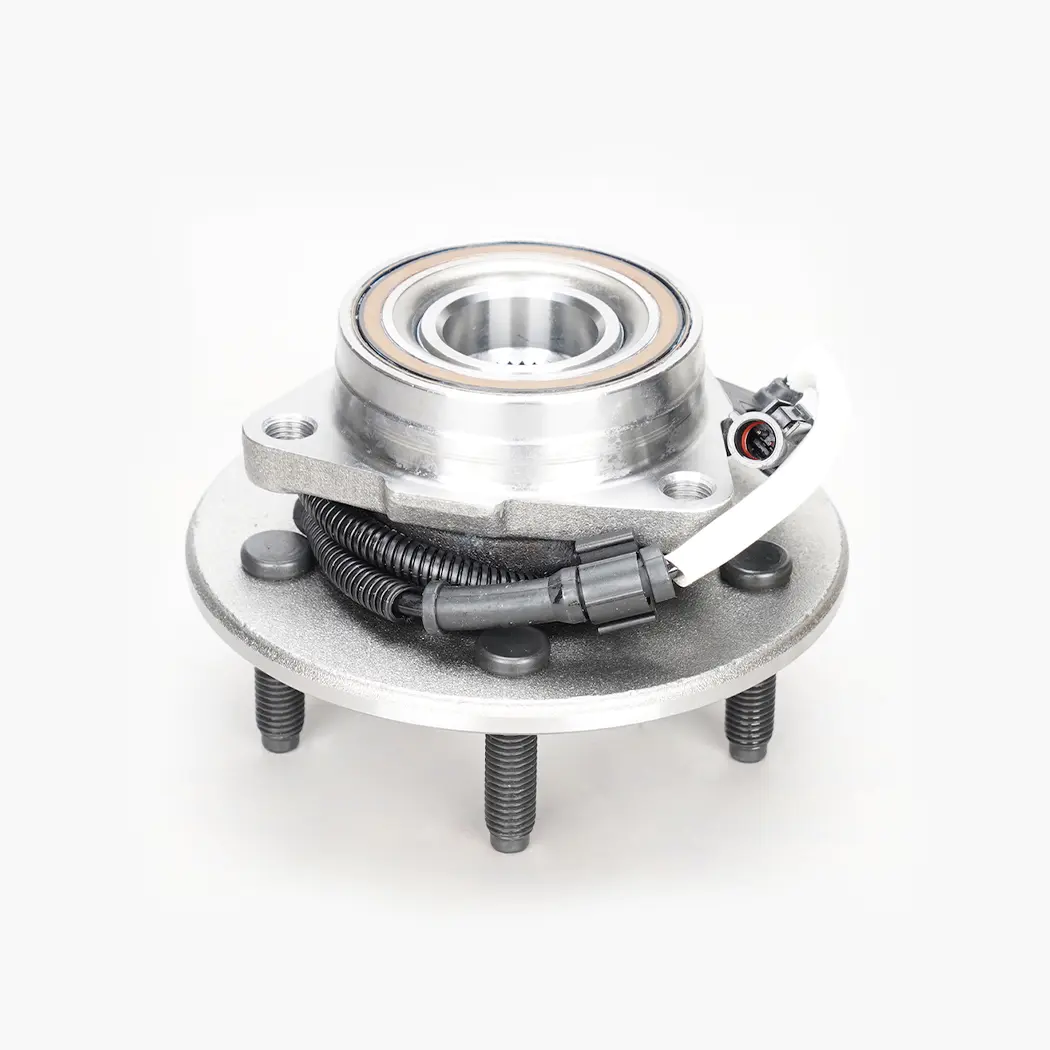
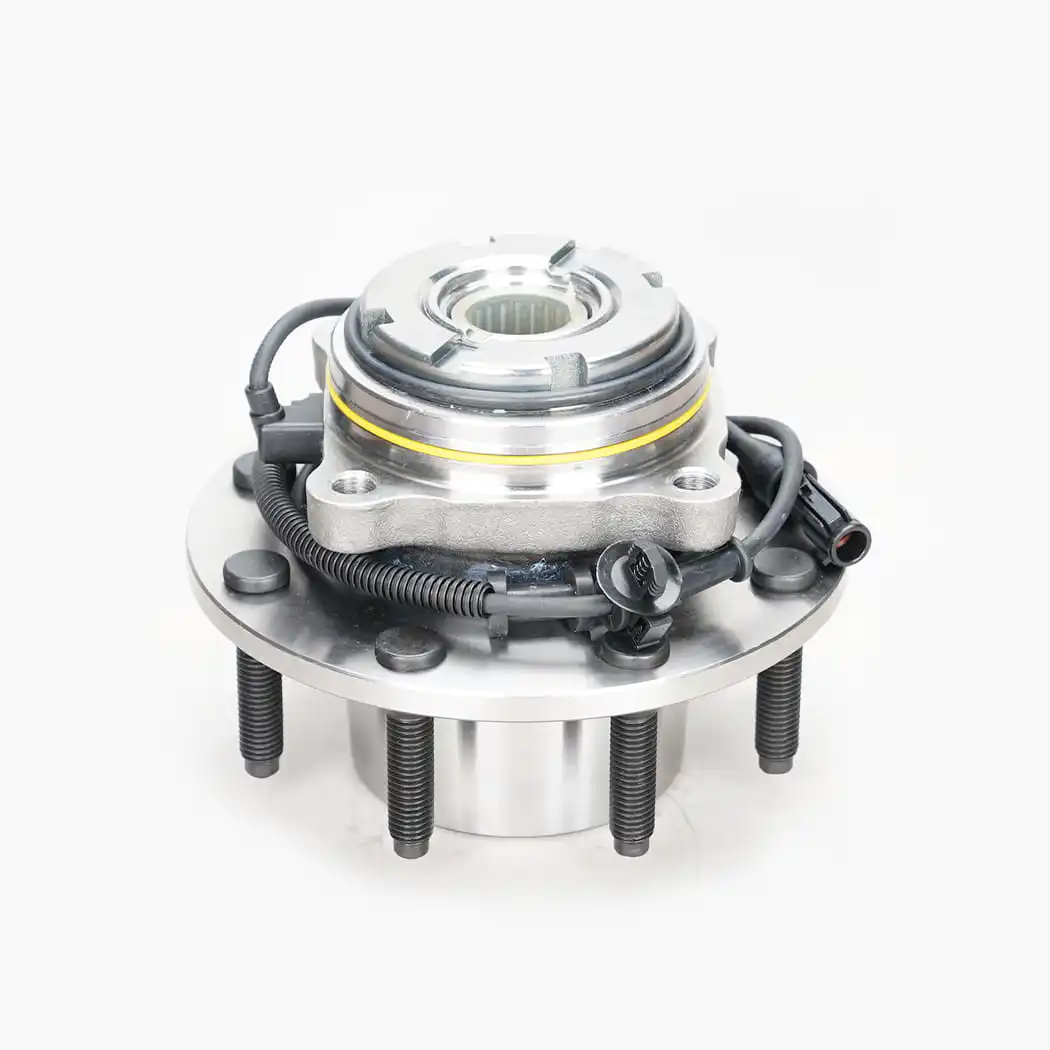
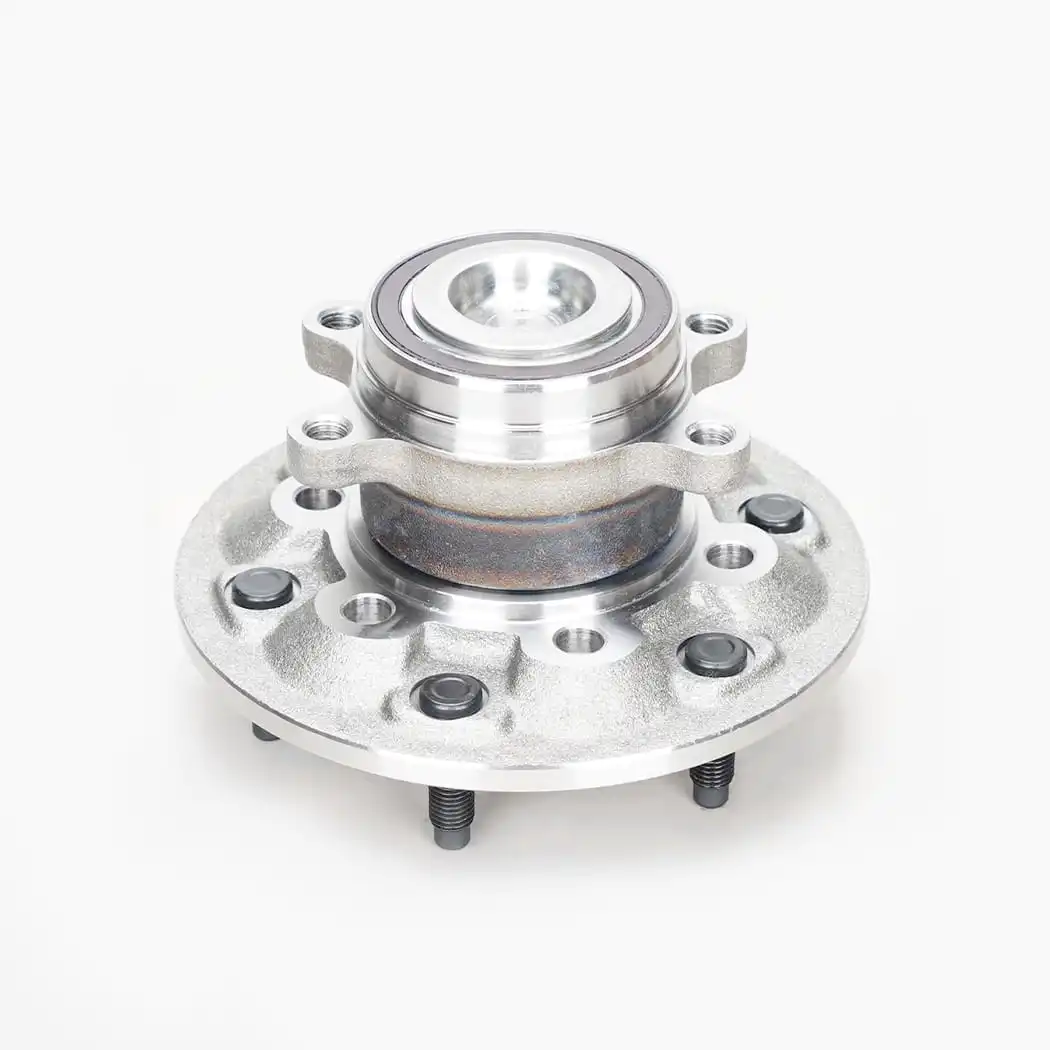
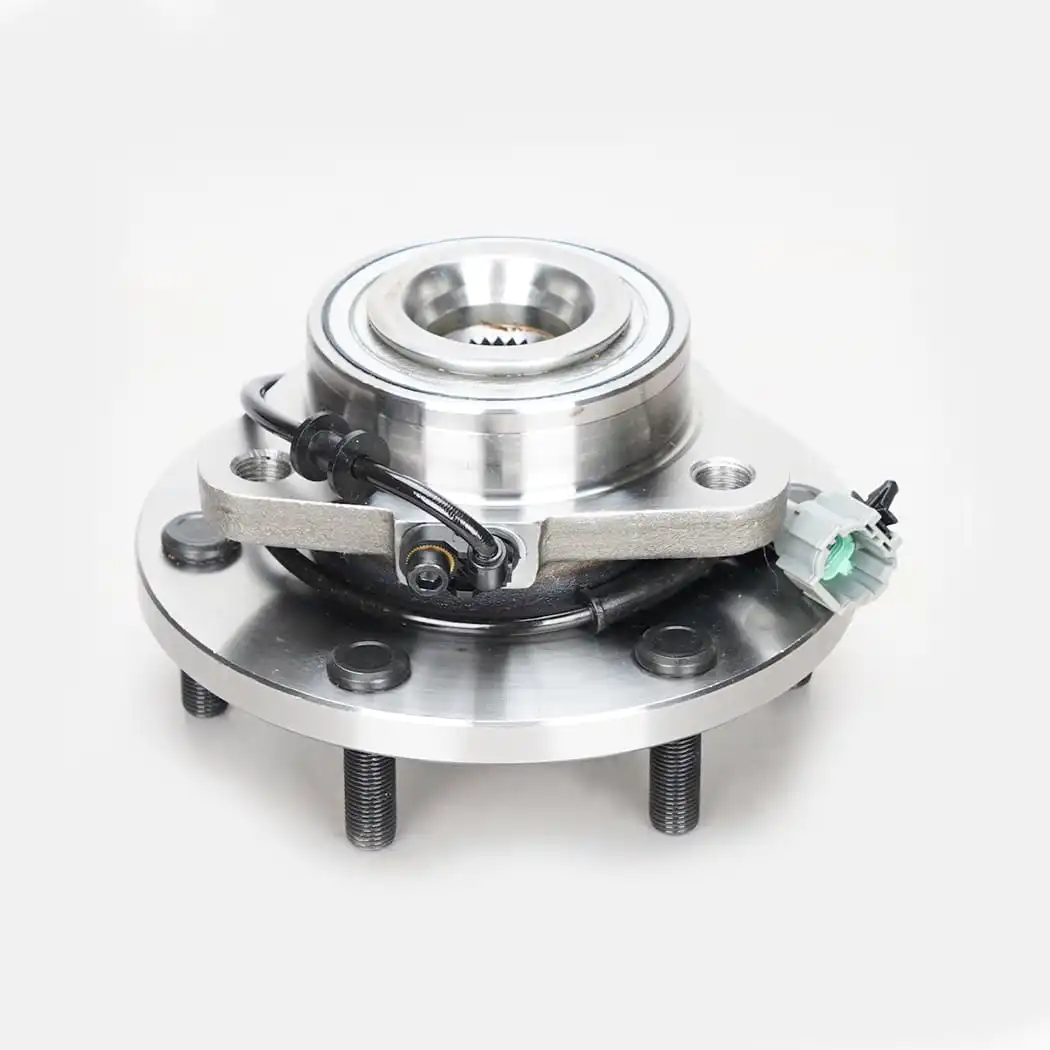
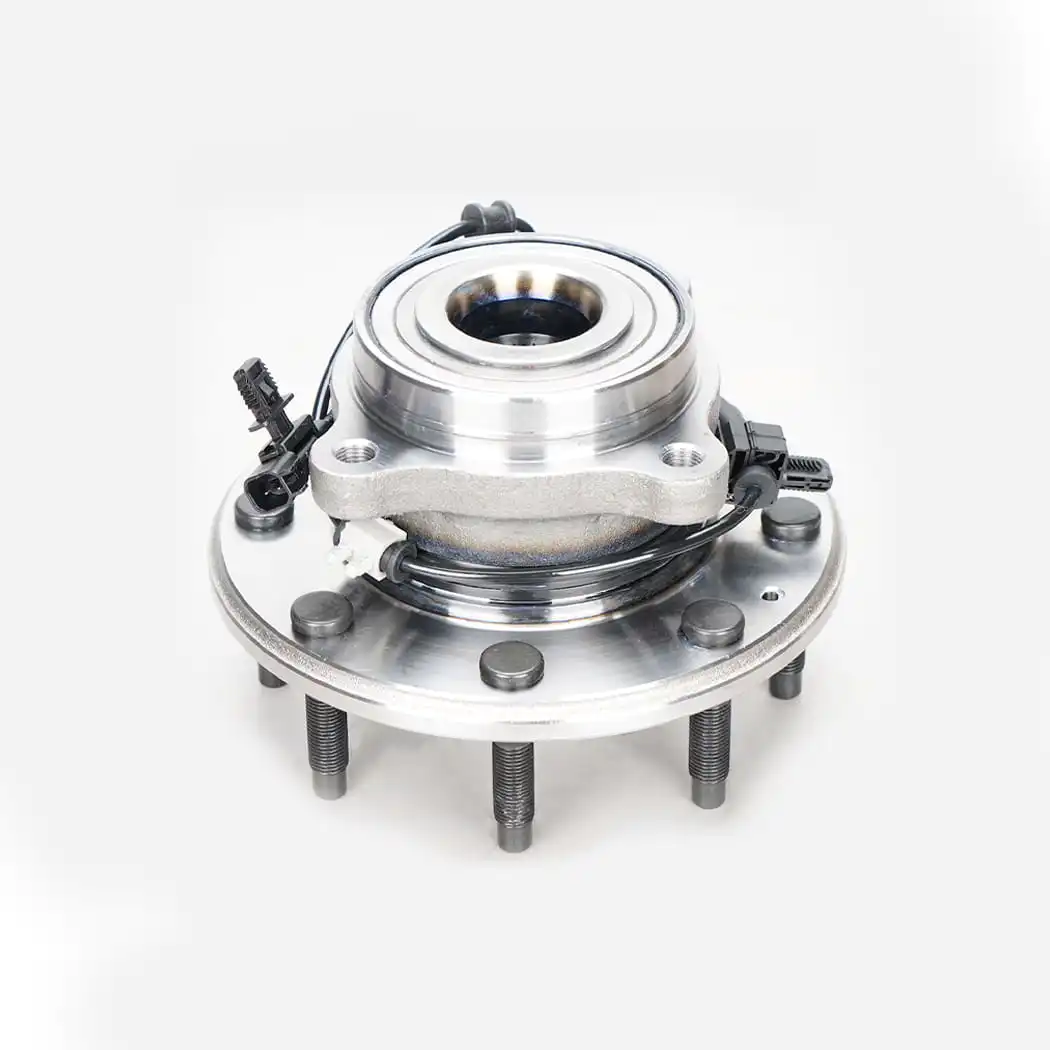
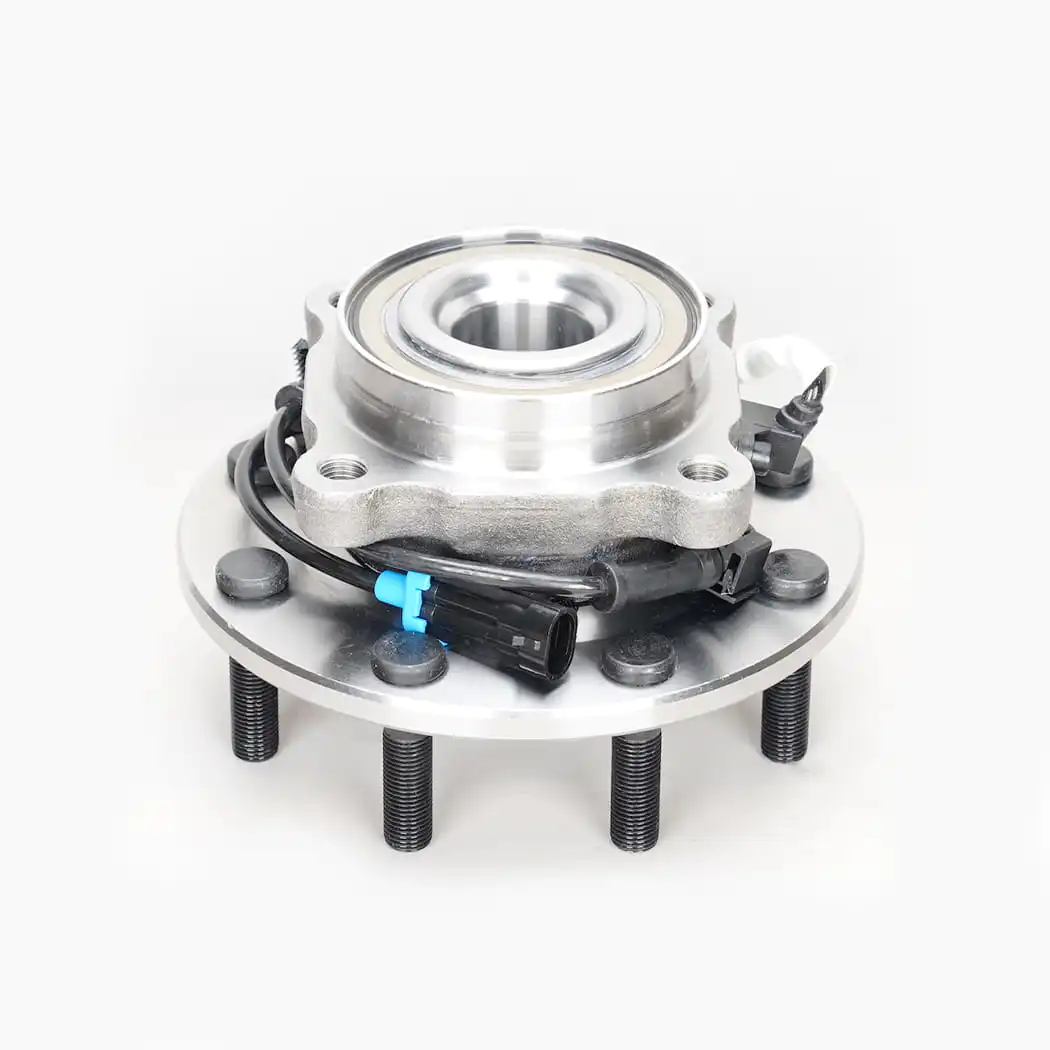
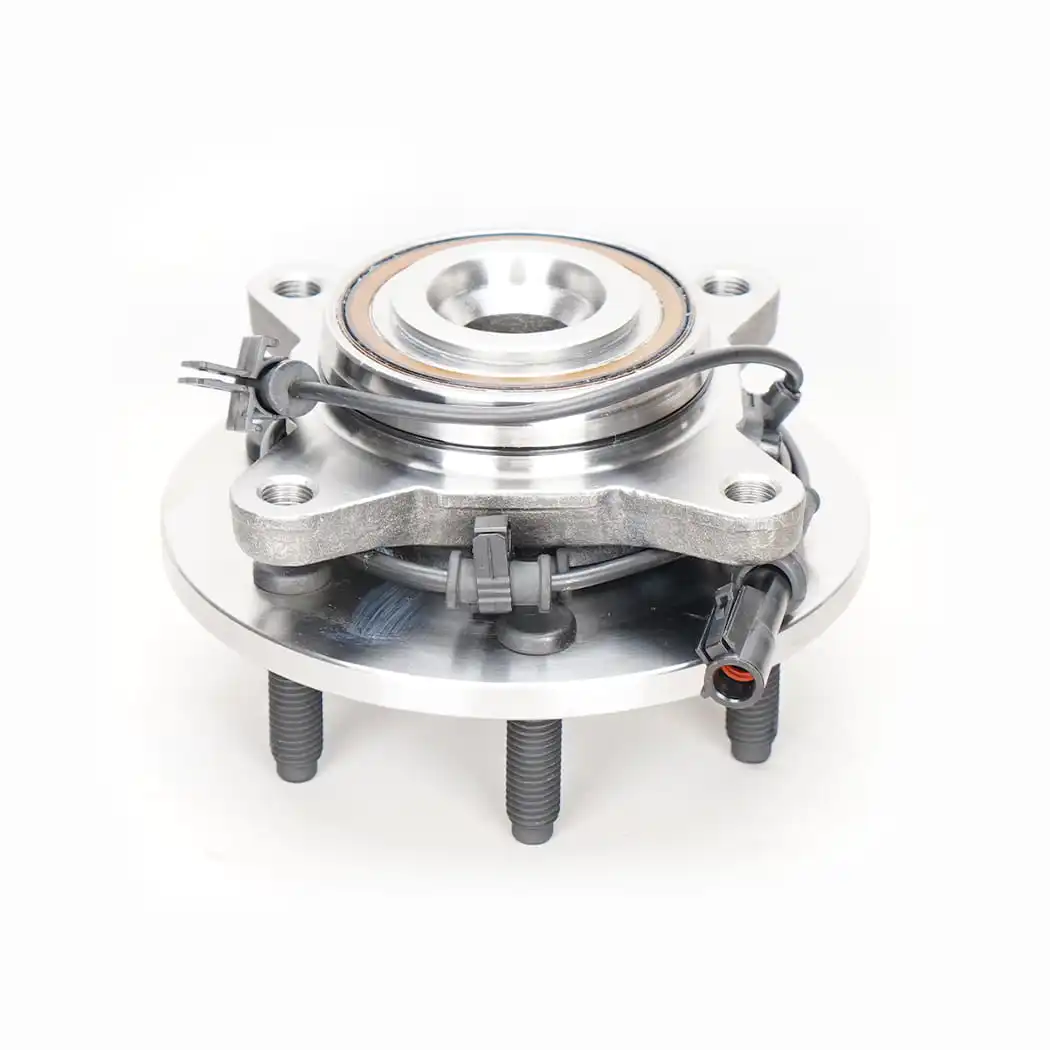
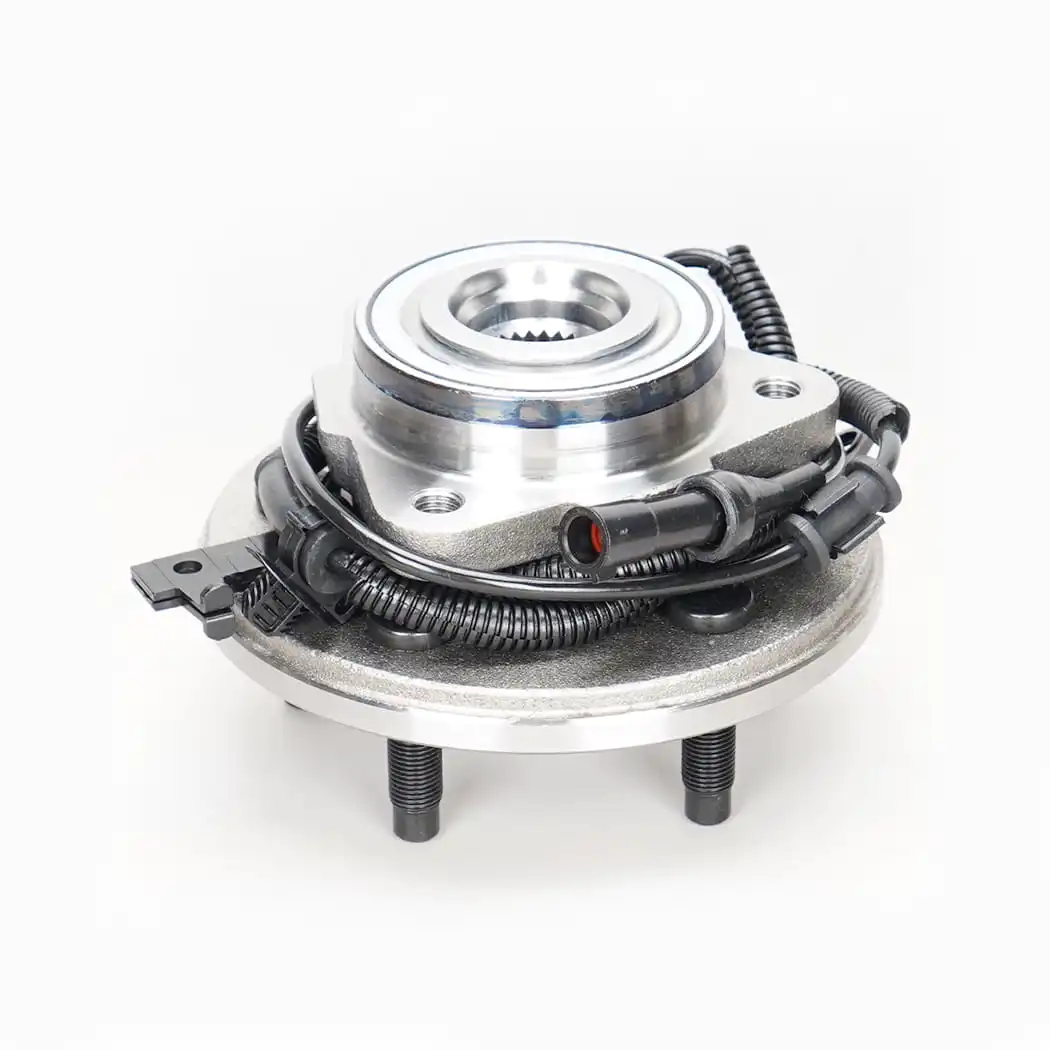
Every time you drive your car, a small but critically important component is doing a heavy-duty job, spinning thousands of times per minute under immense stress. This component is the hub bearing unit. Essentially, it is the part that allows your wheel to rotate freely and smoothly around the axle, connecting the wheel to the vehicle.
Imagine your car’s wheel. It needs to spin, but it also needs to stay firmly attached to the rest of the car, and it needs to handle the entire weight of the vehicle, plus all the forces generated during braking, cornering, and hitting bumps. The hub bearing unit is engineered to manage all of these conflicting demands with high precision and durability.
The concept of reducing friction to allow movement is ancient, but modern automotive technology has perfected it.
In the early days of the automobile, and even on many older vehicles today, the wheel bearing system consisted of separate components, primarily tapered roller bearings. These required periodic maintenance, including cleaning, inspecting, and re-greasing, which was often a messy and time-consuming job. They also needed careful adjustment to ensure they weren’t too tight (which causes heat and failure) or too loose (which causes wheel wobble and noise).
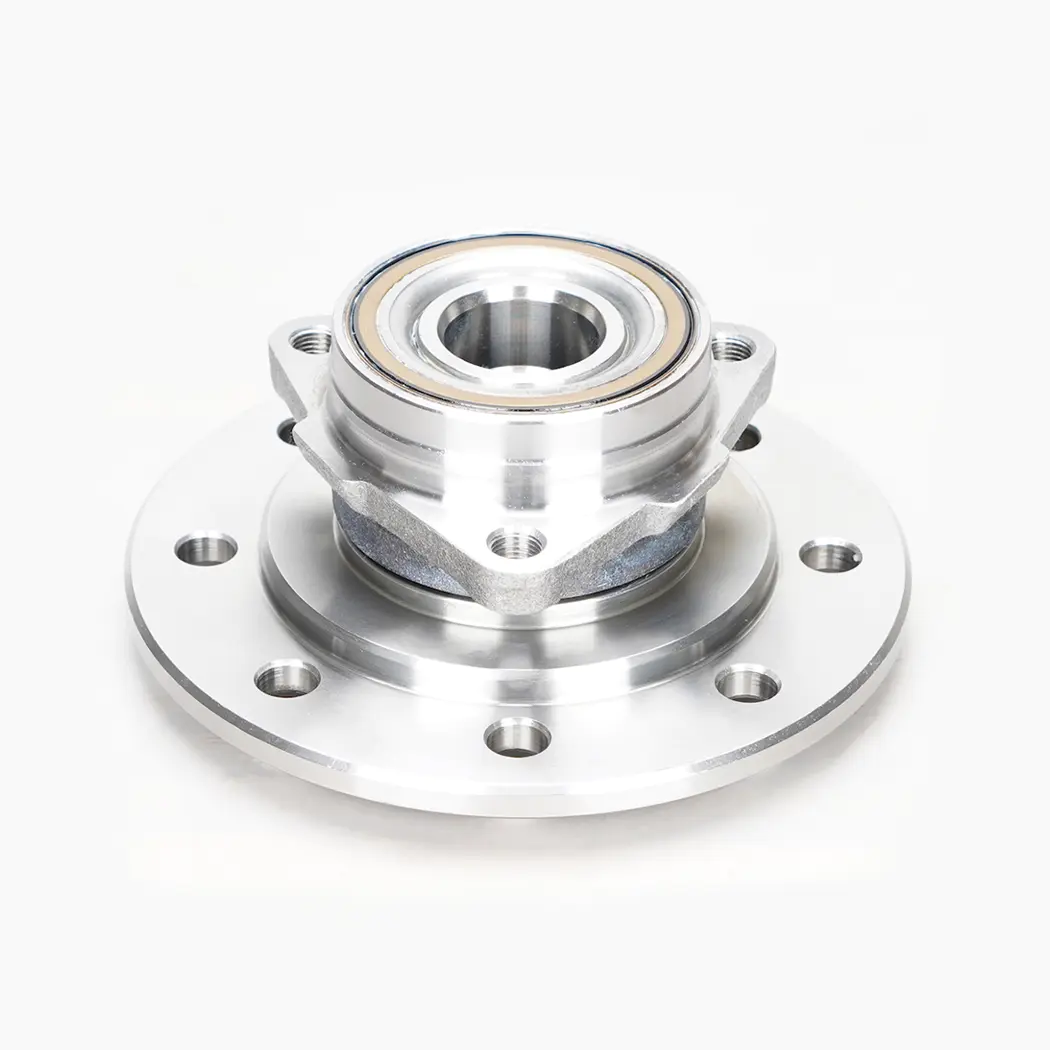
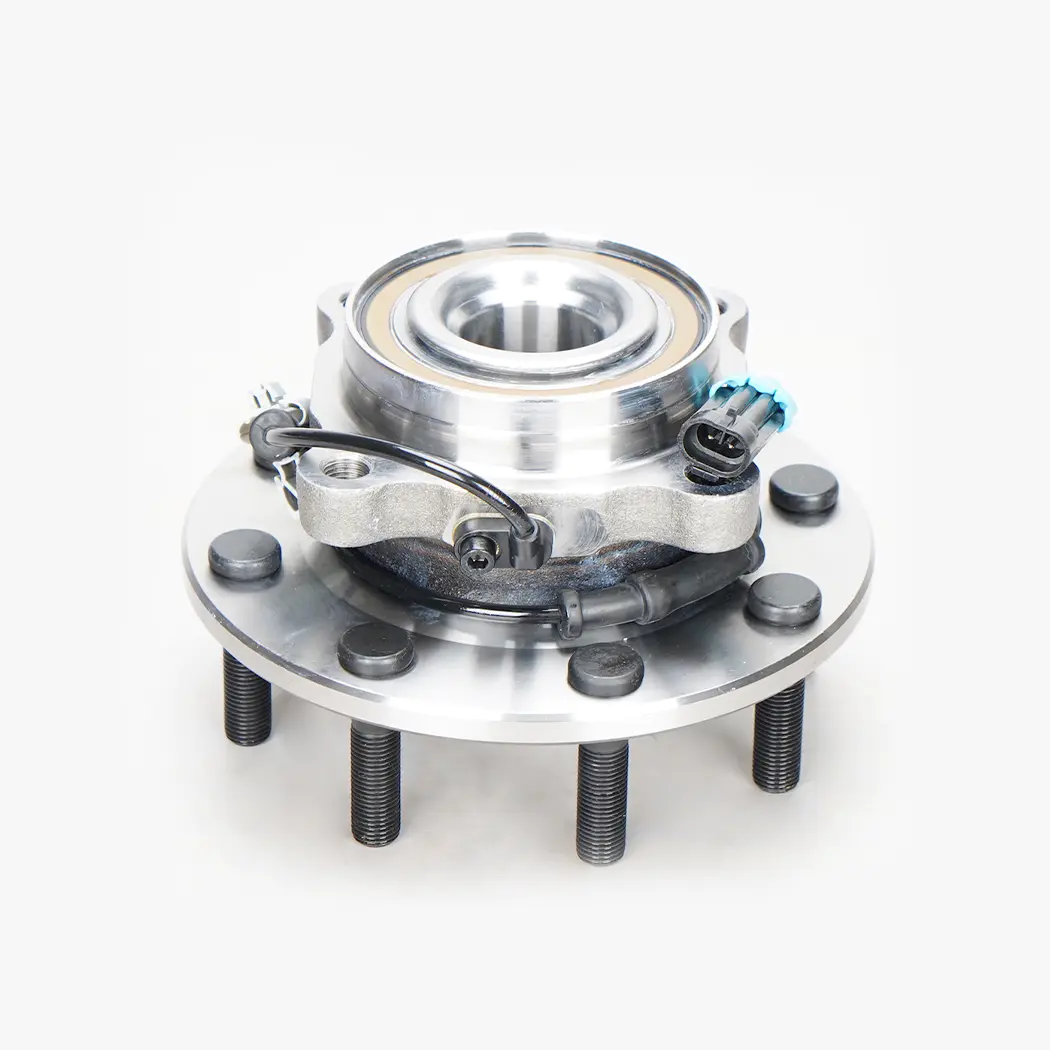
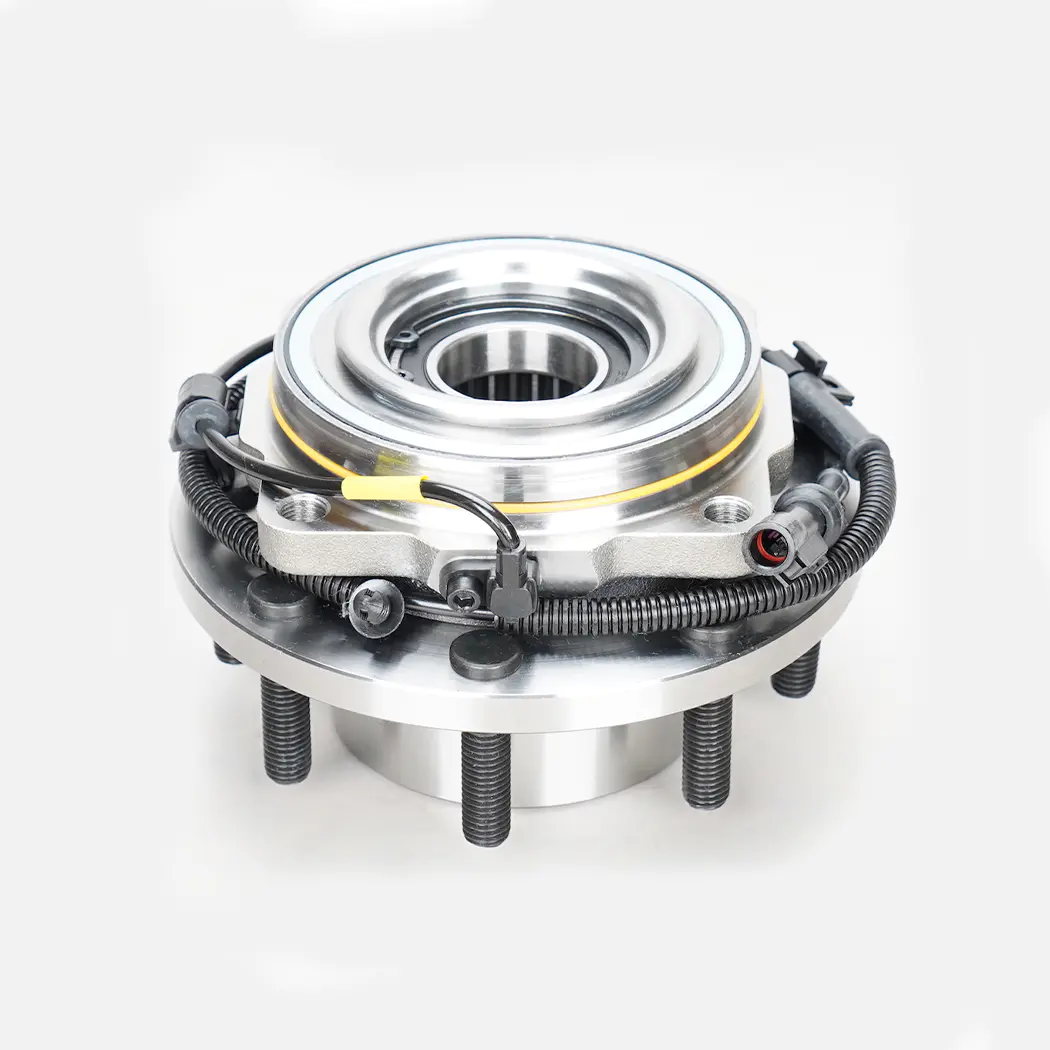
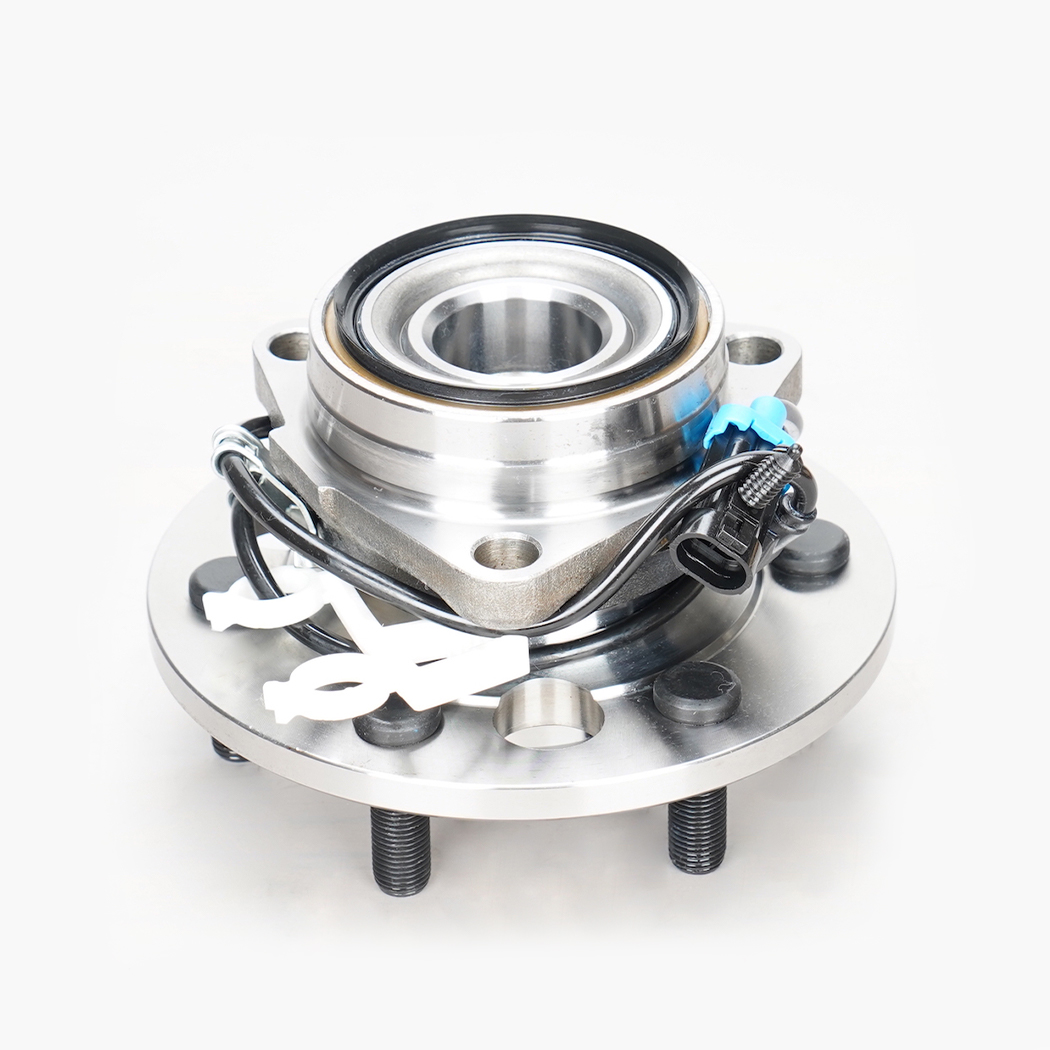
Modern vehicles, especially those with front-wheel drive and independent suspension, almost universally use the integrated hub bearing unit. This design is a sealed assembly that includes the bearing, the hub, and often the mounting flange for the wheel and brake rotor, all in one robust package.
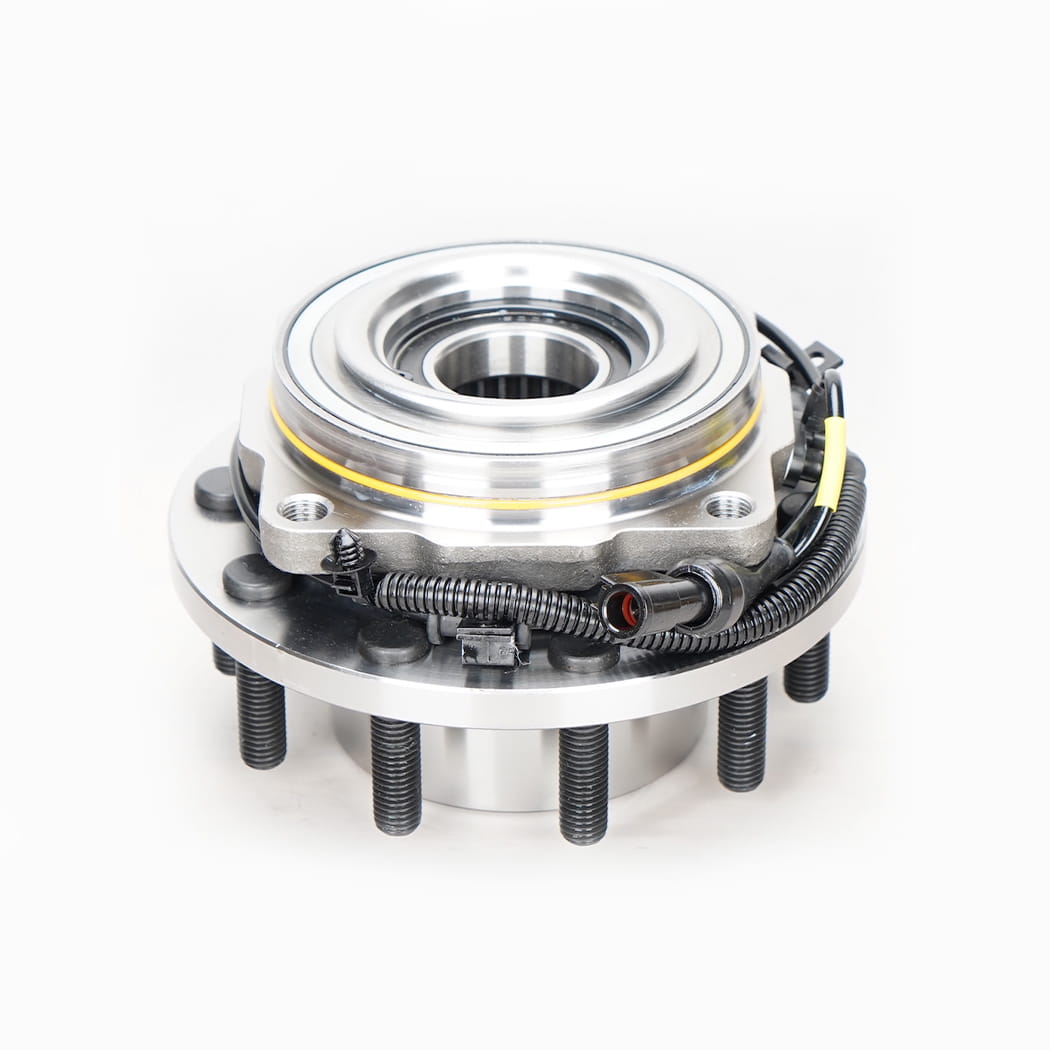
At its core, the unit is a sophisticated bearing assembly. It typically uses two rows of balls or rollers (or a combination) separated by races.
The basic principle is simple: rolling friction is far less than sliding friction. The rollers or balls within the unit reduce the contact area between the spinning and stationary parts, allowing the wheel to spin with minimal resistance. This increases fuel efficiency and prevents catastrophic overheating.
The entire assembly is packed with a high-temperature grease and sealed with a rubber or plastic shield. This seal keeps the lubricant in and, more importantly, keeps road grit, water, and contaminants out. Contamination is the number one enemy of a bearing, as foreign particles can rapidly damage the precision-machined surfaces, leading to premature failure.
Despite their robust design, hub bearing units eventually wear out. Knowing the signs of failure is important for safety and to prevent further, more costly damage to the suspension or braking systems.
The hub bearing unit may be hidden behind the wheel, but it is one of the most hardworking and essential pieces of technology ensuring your car rolls smoothly, safely, and efficiently down the road.
• ADD: 42705 Grand River Avenue, Suite 201, Novi. Michigan 48375, USA.
© Copyright 2017 HANGZHOU HANJI AUTO PARTS.CO.,LTD. All Rights Reserved. Wheel Hub Unit Manufacturer