Content
A wheel bearing is a set of steel balls or rollers held together inside a metal ring called a race. Its job is to allow the wheel hub to spin freely around the axle with as little friction as possible, while simultaneously supporting the full weight of the vehicle. Every time your car moves, the wheel bearings are working — absorbing radial loads from the vehicle's weight and thrust loads from cornering, all while spinning thousands of times per minute. A typical passenger car has four wheel bearings, one at each corner, and they're expected to last for years of hard use without any maintenance.
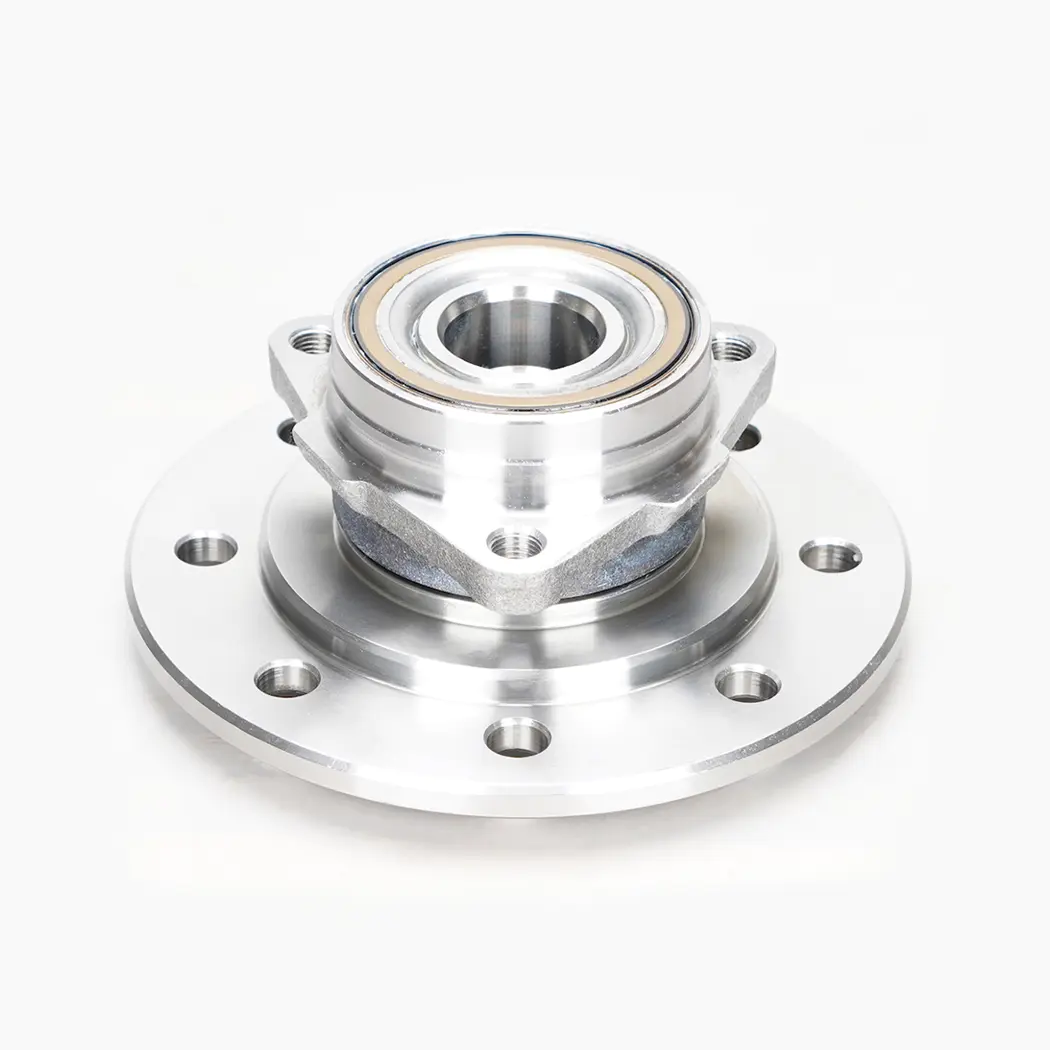
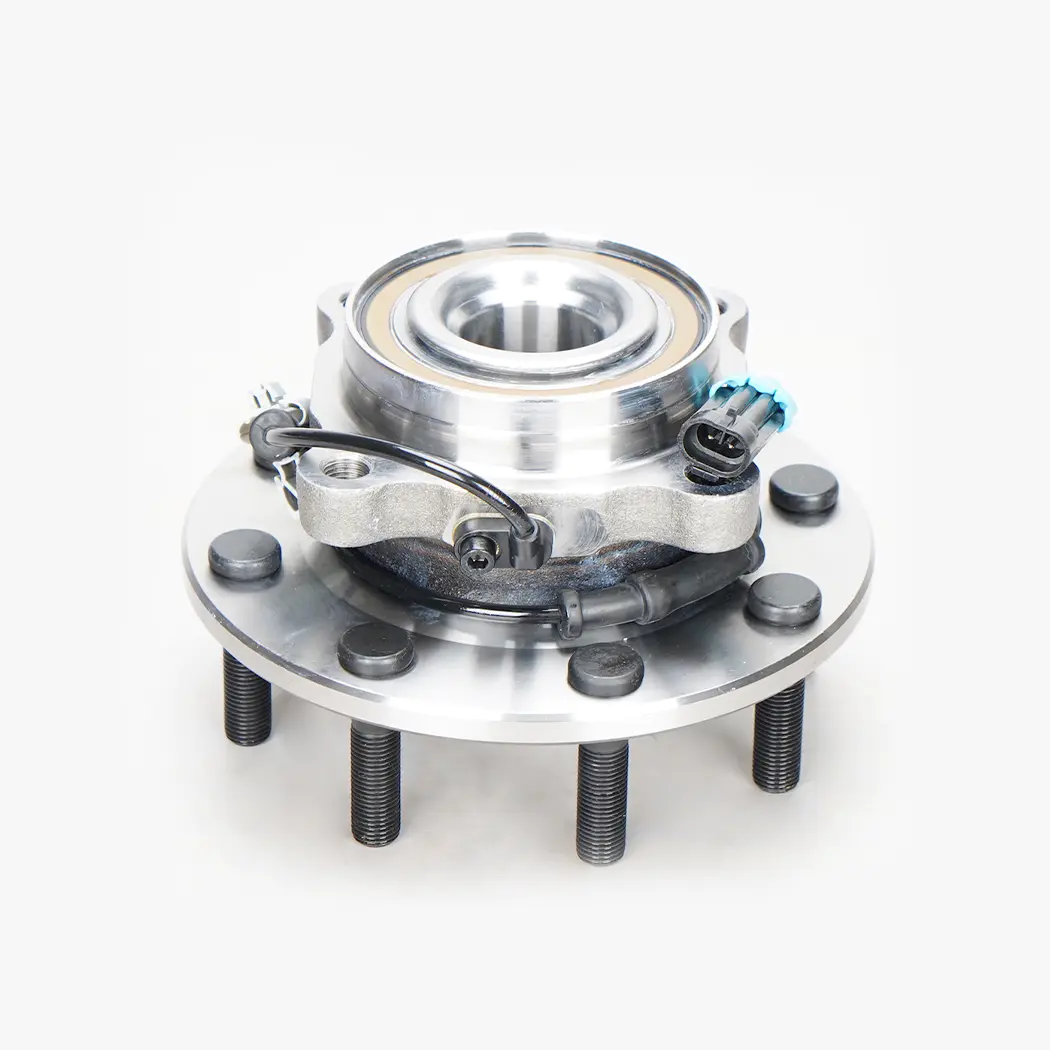
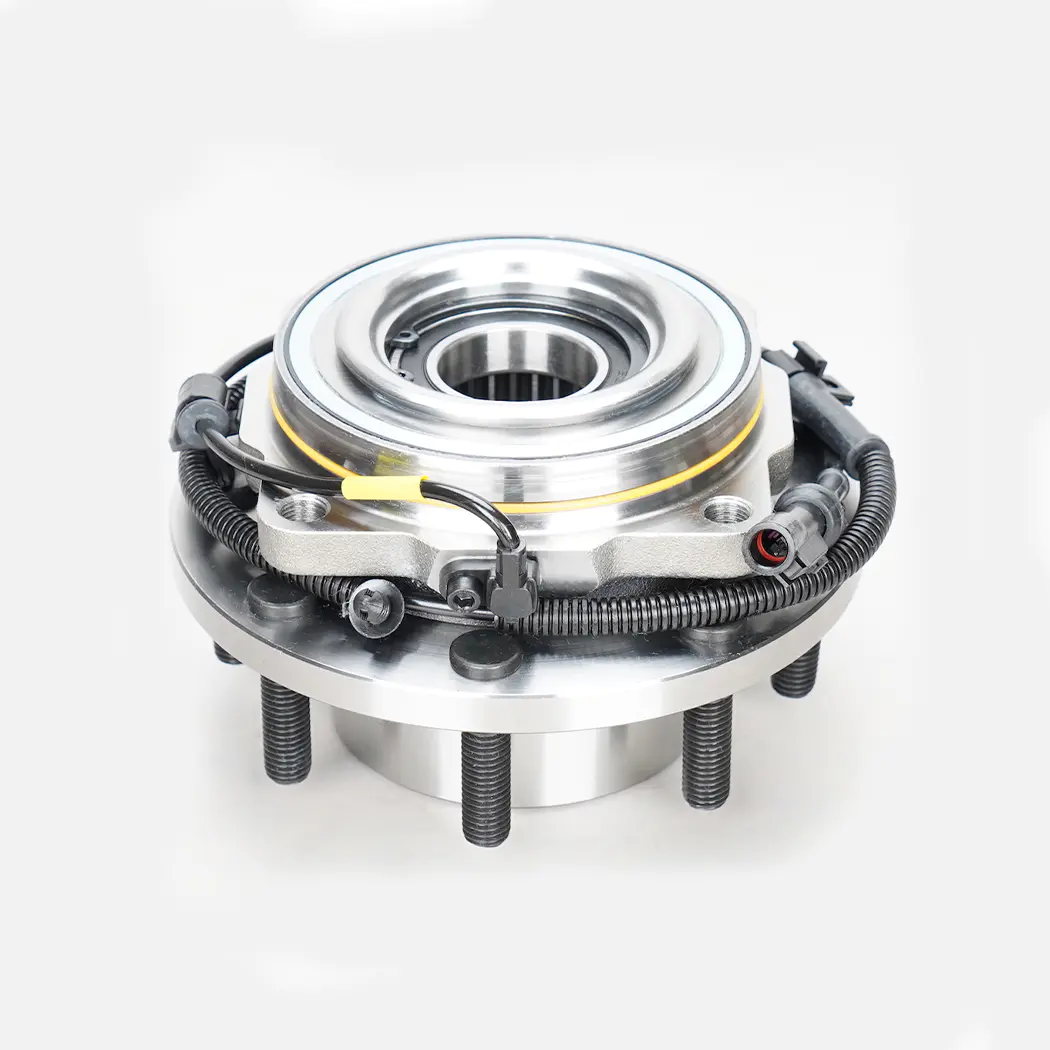
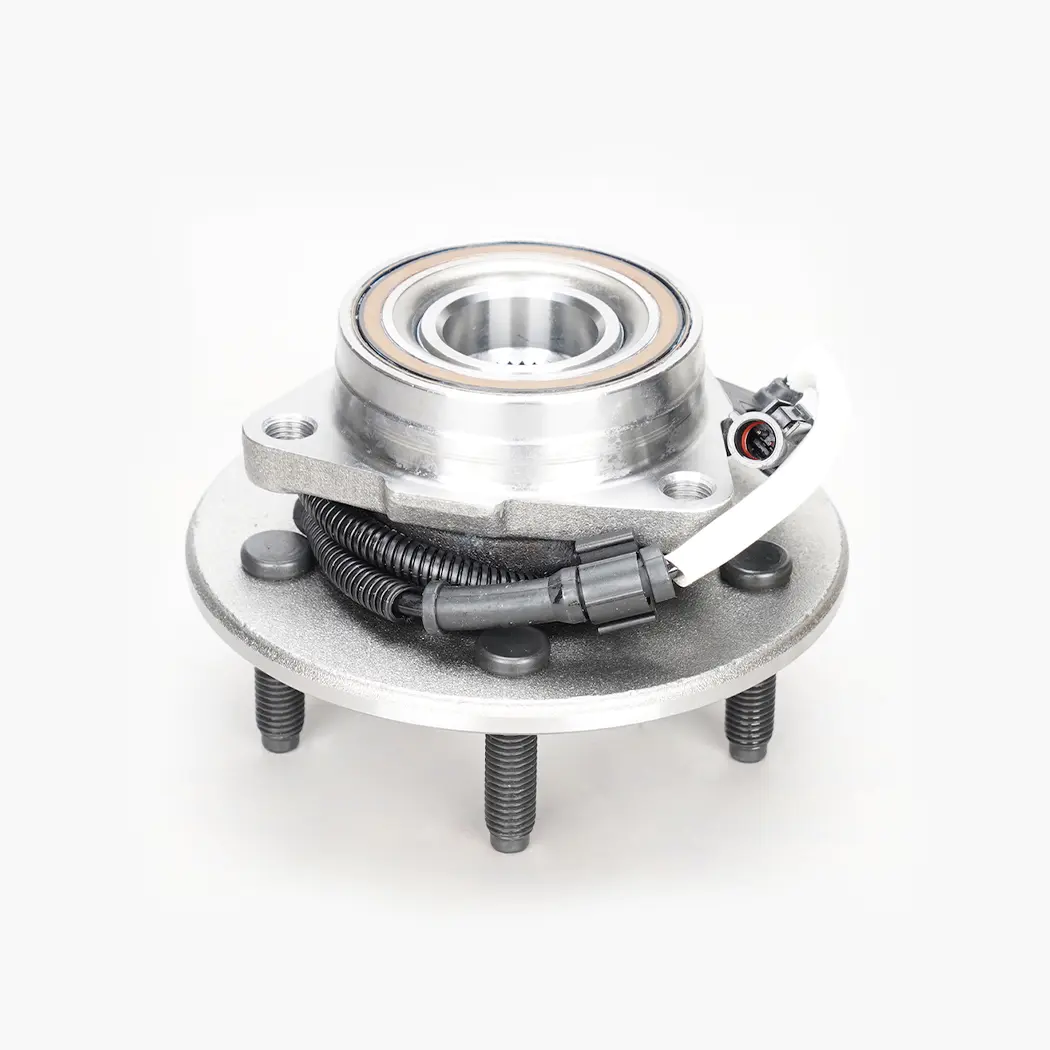
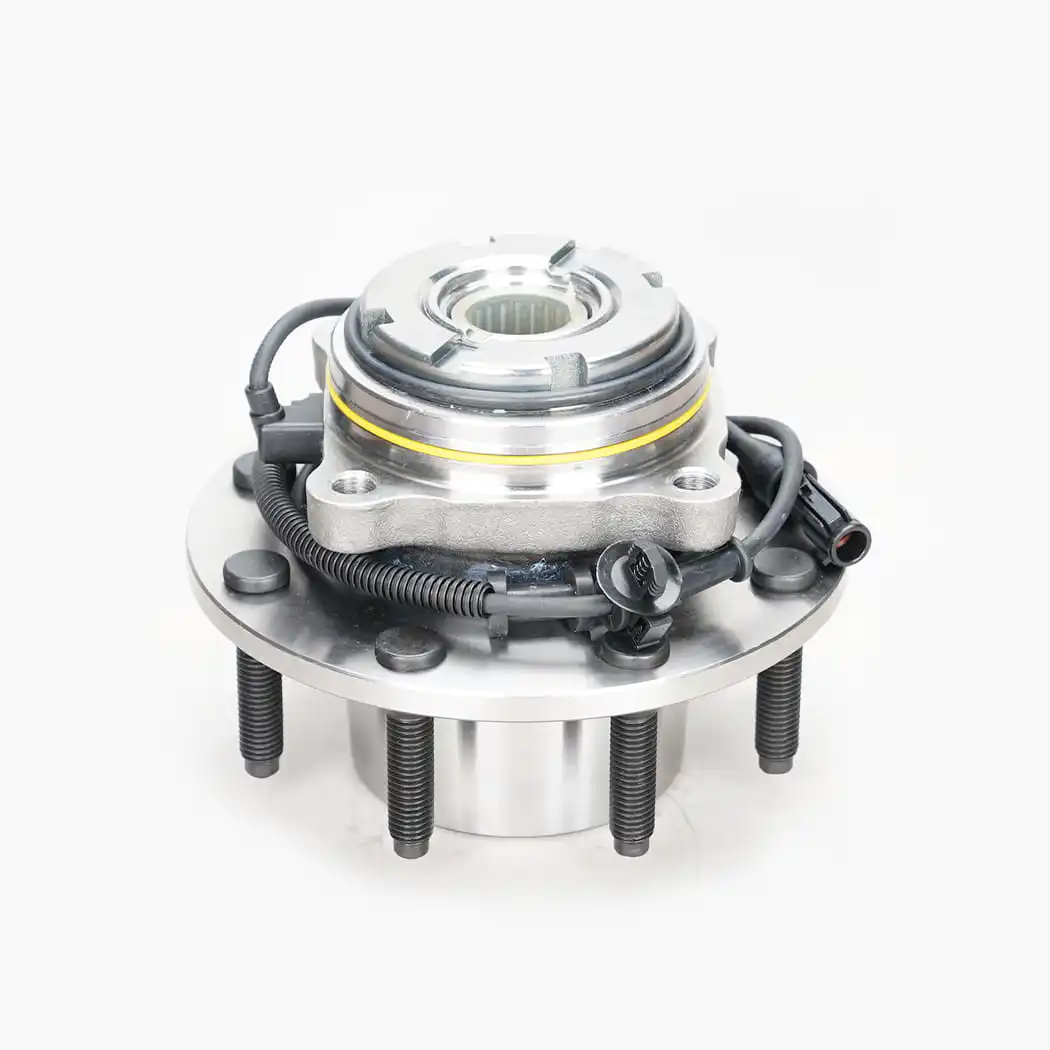
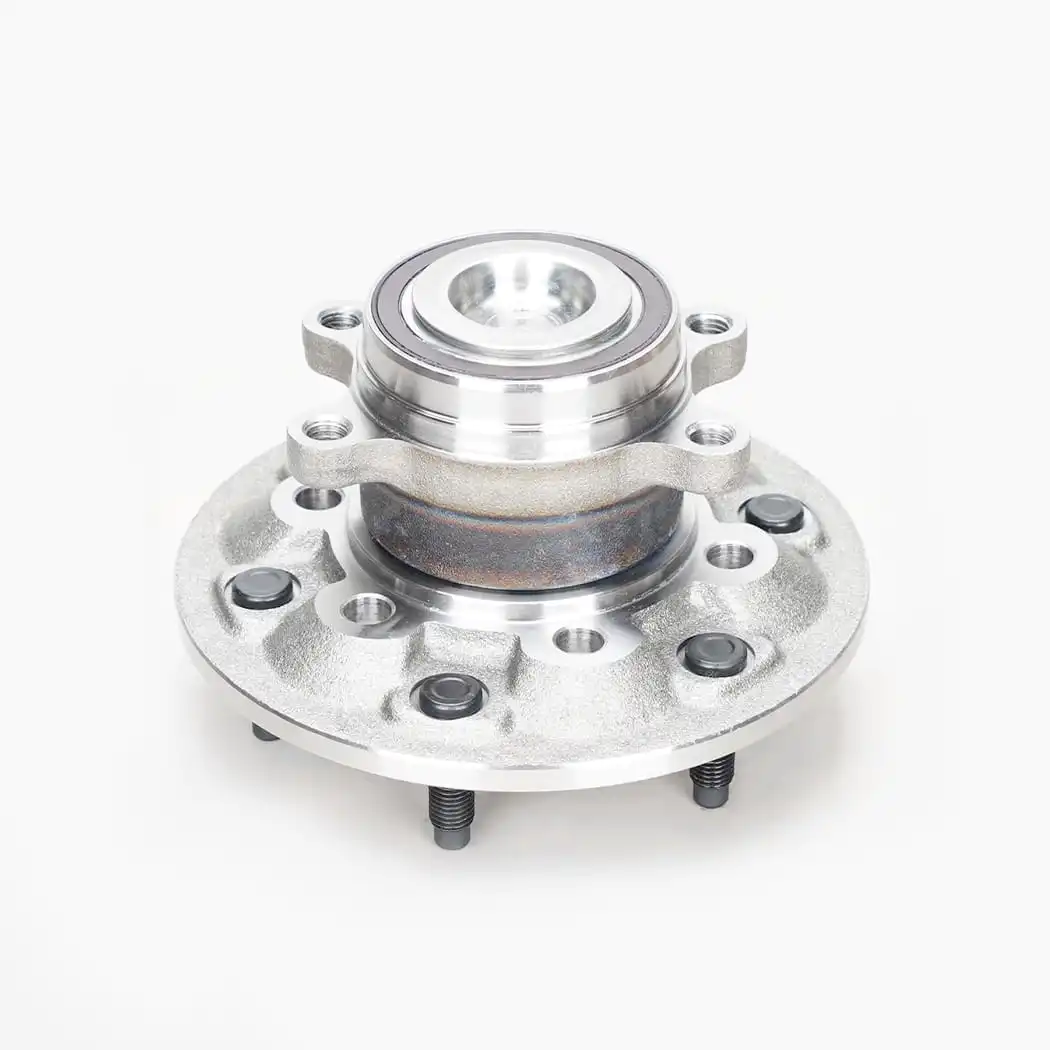
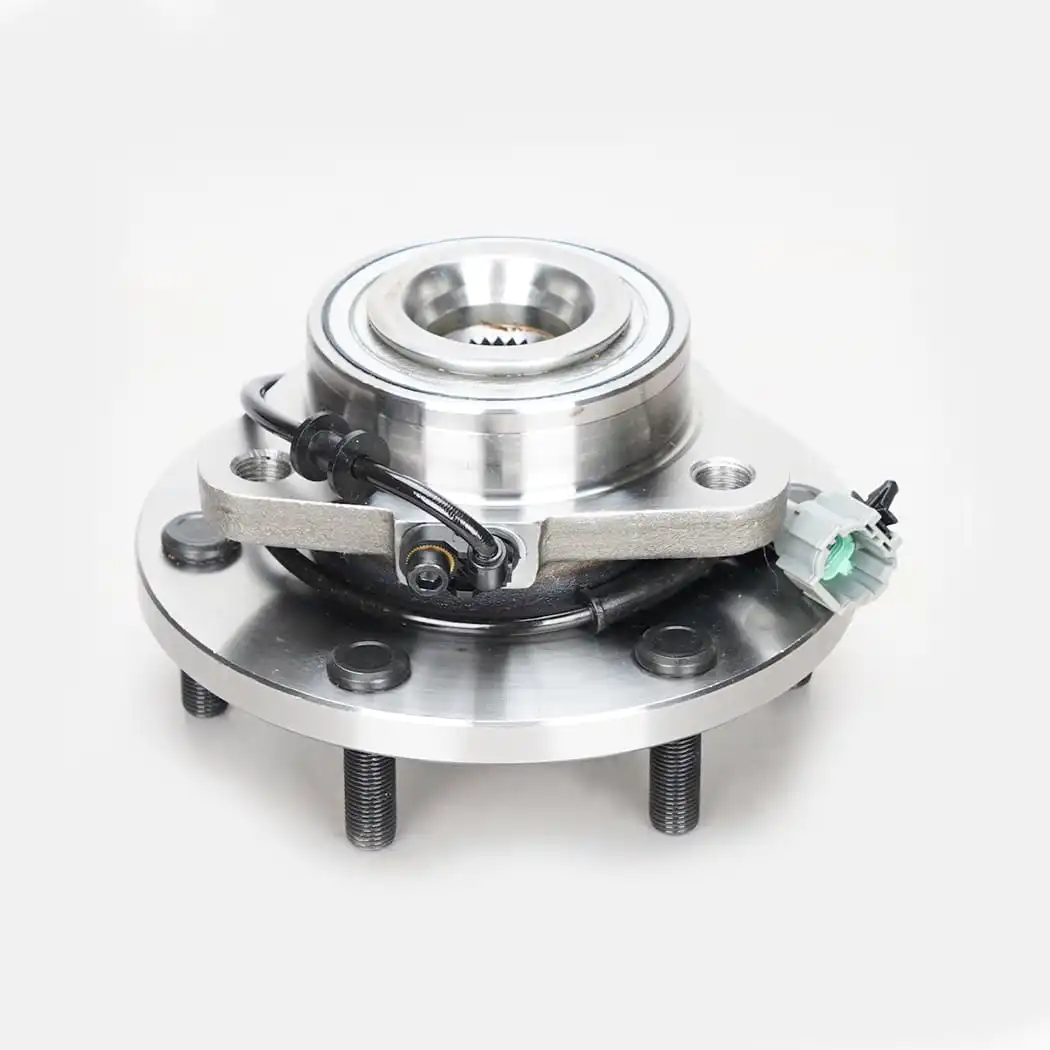
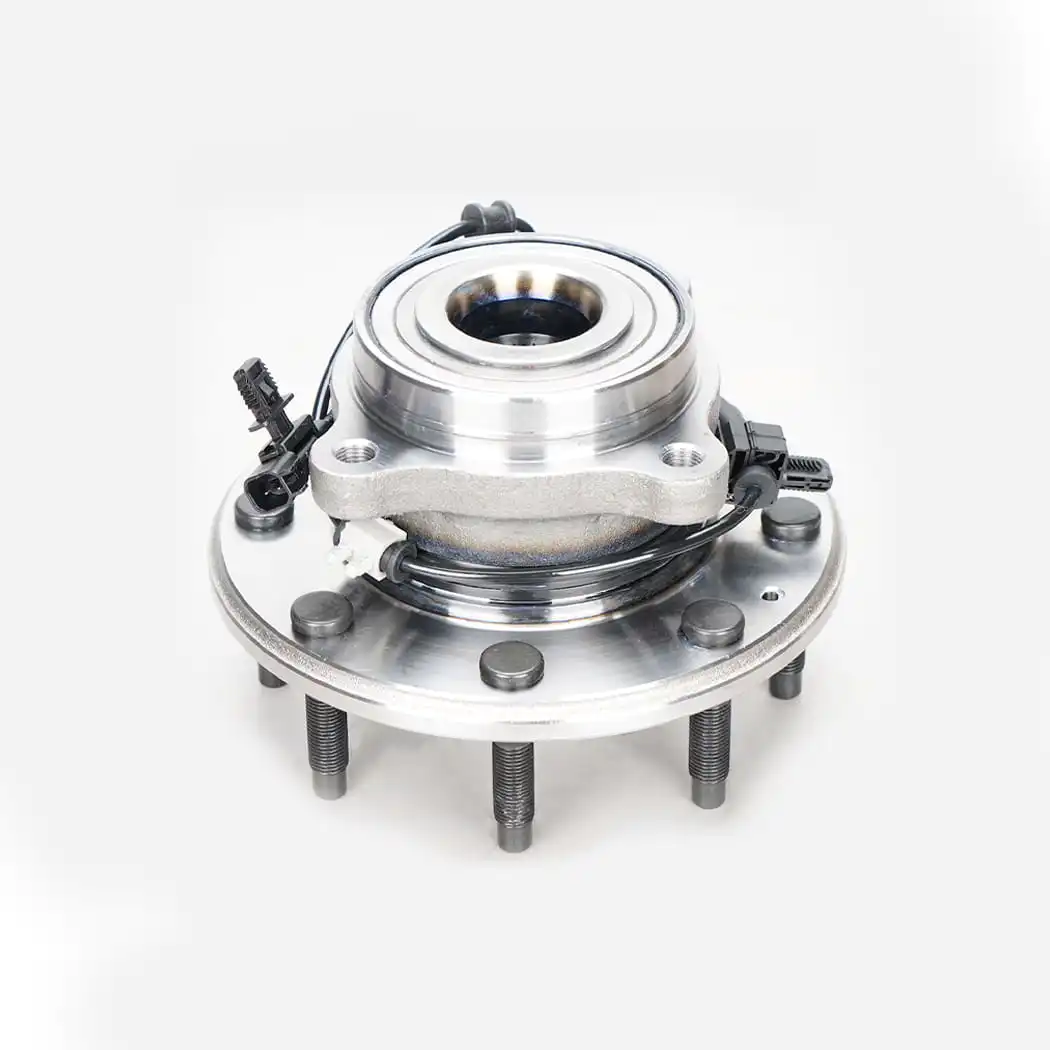
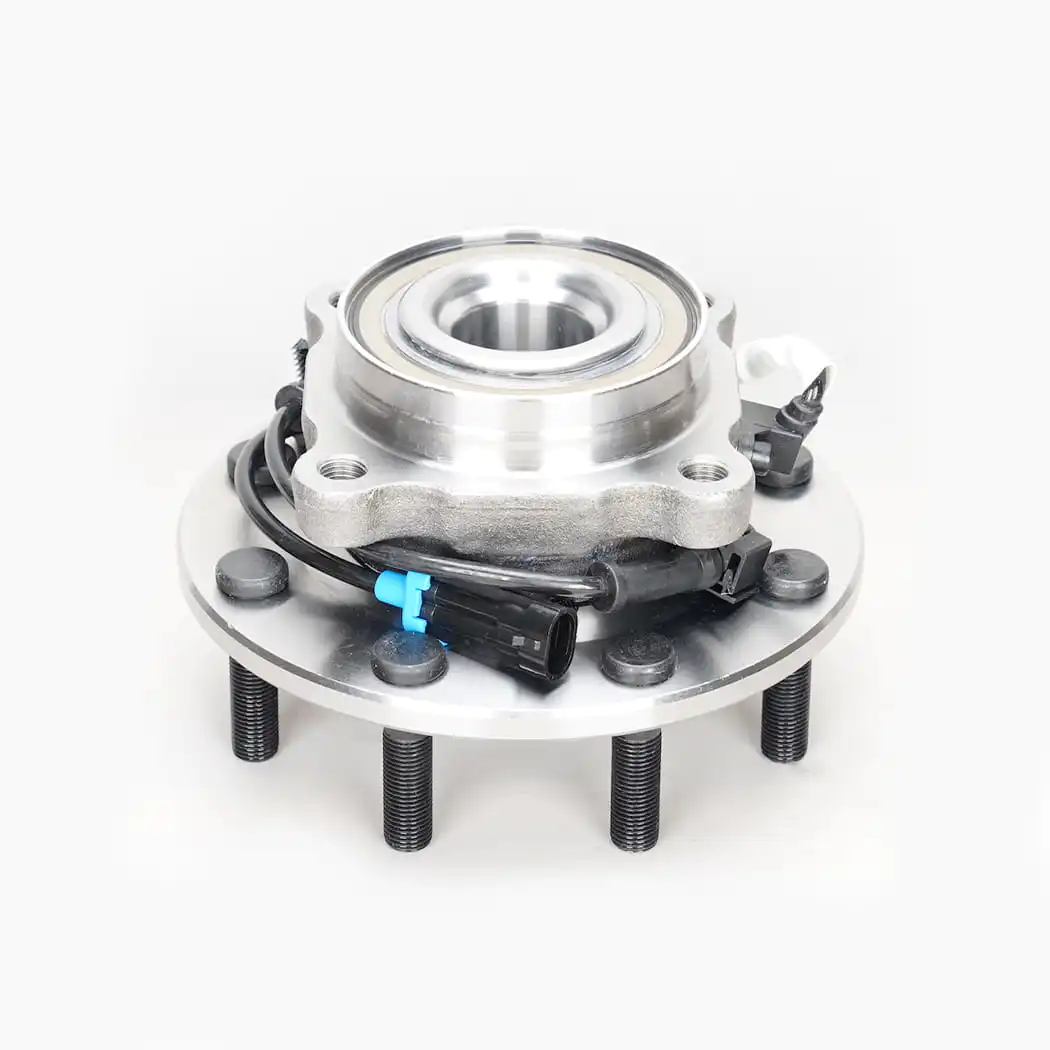
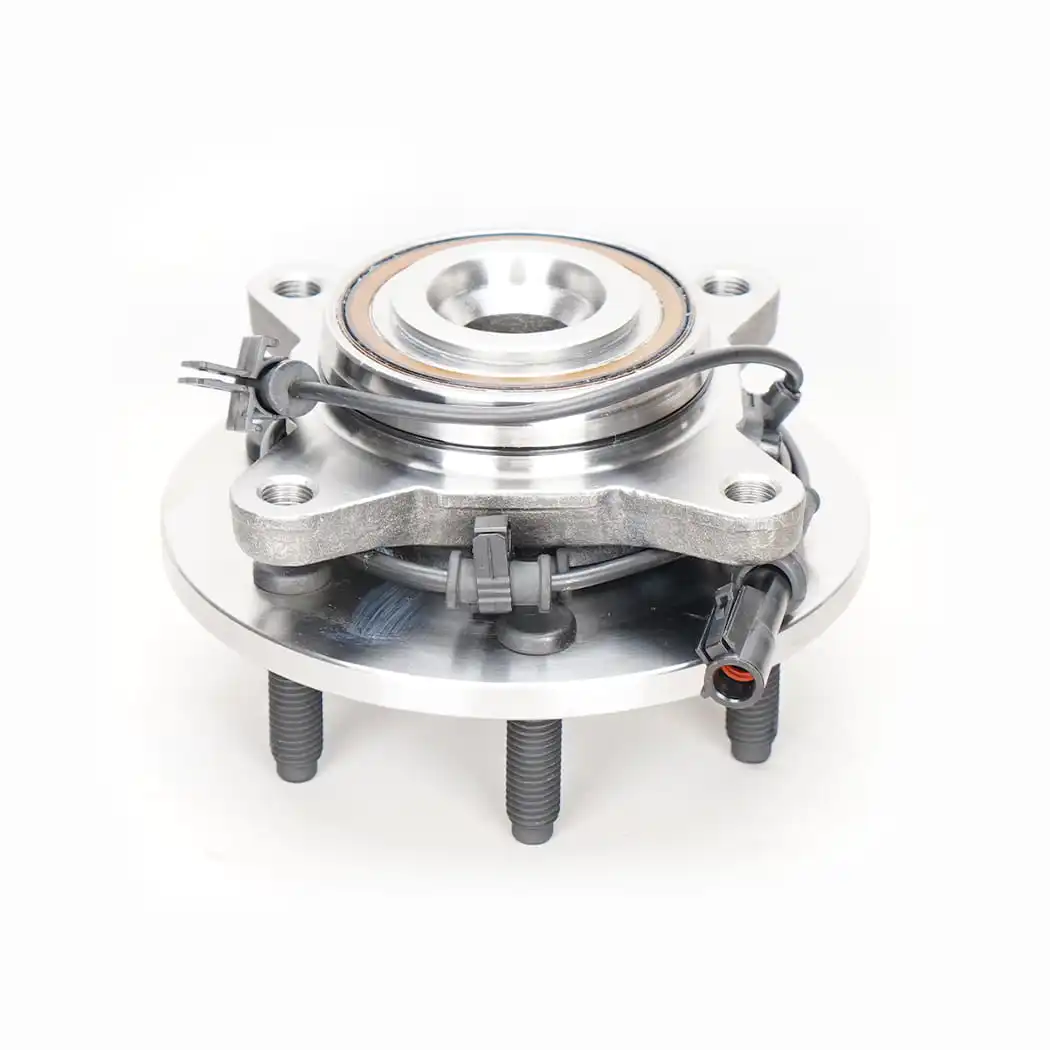
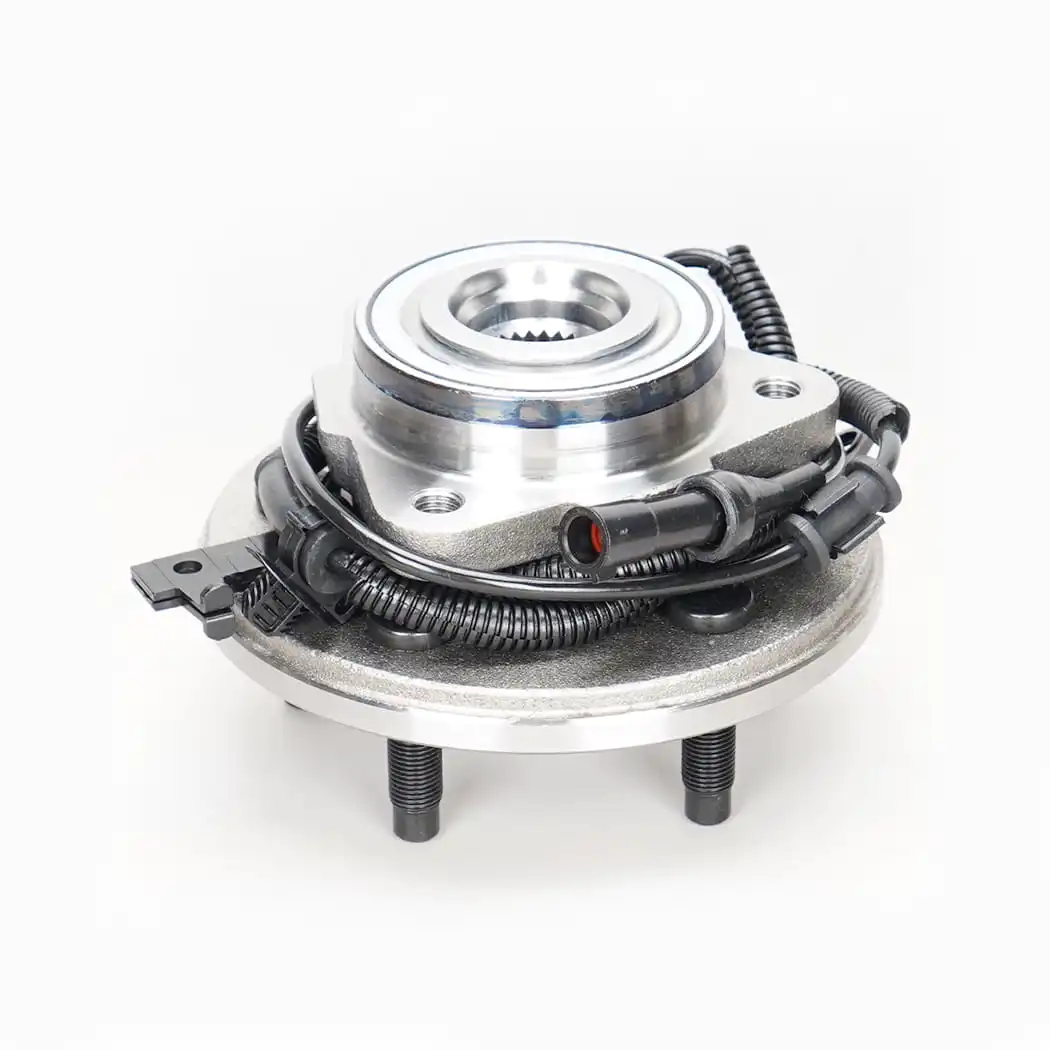
Modern vehicles use one of two main bearing configurations. Older cars and trucks often use serviceable tapered roller bearings that can be repacked with grease and adjusted for play. Most vehicles built in the last two decades use a sealed wheel bearing hub assembly — also called a wheel hub bearing or hub unit — where the bearing is pre-packed, permanently sealed, and pressed or bolted into place as a single unit. When a sealed hub bearing fails, the entire assembly is replaced rather than repacked or adjusted. This design reduces maintenance requirements but means replacement is the only option when problems develop.
A failing wheel bearing rarely gives out without warning. There are several recognizable symptoms that get progressively worse as the bearing deteriorates, and catching them early can prevent more expensive damage to the hub, axle, or ABS system.
The most common symptom of a bad wheel bearing is a low humming, rumbling, or grinding noise that increases with vehicle speed. Unlike tire noise, which tends to stay constant, a bad bearing noise often changes pitch or intensity when you shift your weight — for example, when gently swerving left or right on a highway. If the noise gets louder when you steer slightly to the left, the right-side bearing is likely the problem, and vice versa. This happens because turning shifts lateral load from one bearing to the other, loading the bad bearing more and amplifying the noise.
A severely worn wheel bearing will develop noticeable play — meaning the wheel can be wiggled side to side or up and down when lifted off the ground. To check this, jack the vehicle safely, grip the tire at the 9 o'clock and 3 o'clock positions, and attempt to rock it. Some play is normal in older serviceable bearings, but in sealed hub assemblies, any detectable movement indicates the bearing is worn past its service limit. Checking at the 12 and 6 o'clock positions tests for wear in the ball joints and tie rod ends rather than the bearing, so it's worth checking both directions to narrow down the source.
Many modern wheel hub bearing assemblies have the ABS wheel speed sensor integrated directly into the bearing unit. When the bearing wears excessively, the sensor ring — also called a tone ring — can shift position or become damaged, sending incorrect speed signals to the ABS control module. This triggers the ABS warning light on the dash and can cause the ABS to activate unnecessarily at low speeds or fail to activate at all during hard braking. If the ABS light appears alongside a humming noise from one corner of the vehicle, a failed hub bearing assembly is a likely culprit.
A wheel bearing with significant play allows the wheel to shift slightly out of its correct alignment position, which causes the tire to scrub against the road at a slight angle. Over time, this produces uneven wear patterns — typically feathering on the inner or outer edge of the tread. While uneven tire wear has many possible causes including misalignment, inflation issues, and suspension problems, the combination of uneven wear on one side and a humming noise from the same corner strongly points to a worn wheel bearing.
Driving on a known bad wheel bearing is a risk that escalates quickly as the bearing continues to deteriorate. In the early stages — a faint hum that only appears at highway speeds — the vehicle is still drivable for a short period while you arrange repair. However, a bearing that has reached the grinding or growling stage is in a much more serious condition and should be addressed immediately. Here's why the risk escalates rapidly:
As a practical rule: if you can hear the bearing at normal road speeds and the noise has been present for more than a few days, book the repair promptly. If the noise is loud, constant, or accompanied by vibration through the steering wheel, avoid highway speeds and get it looked at the same day.
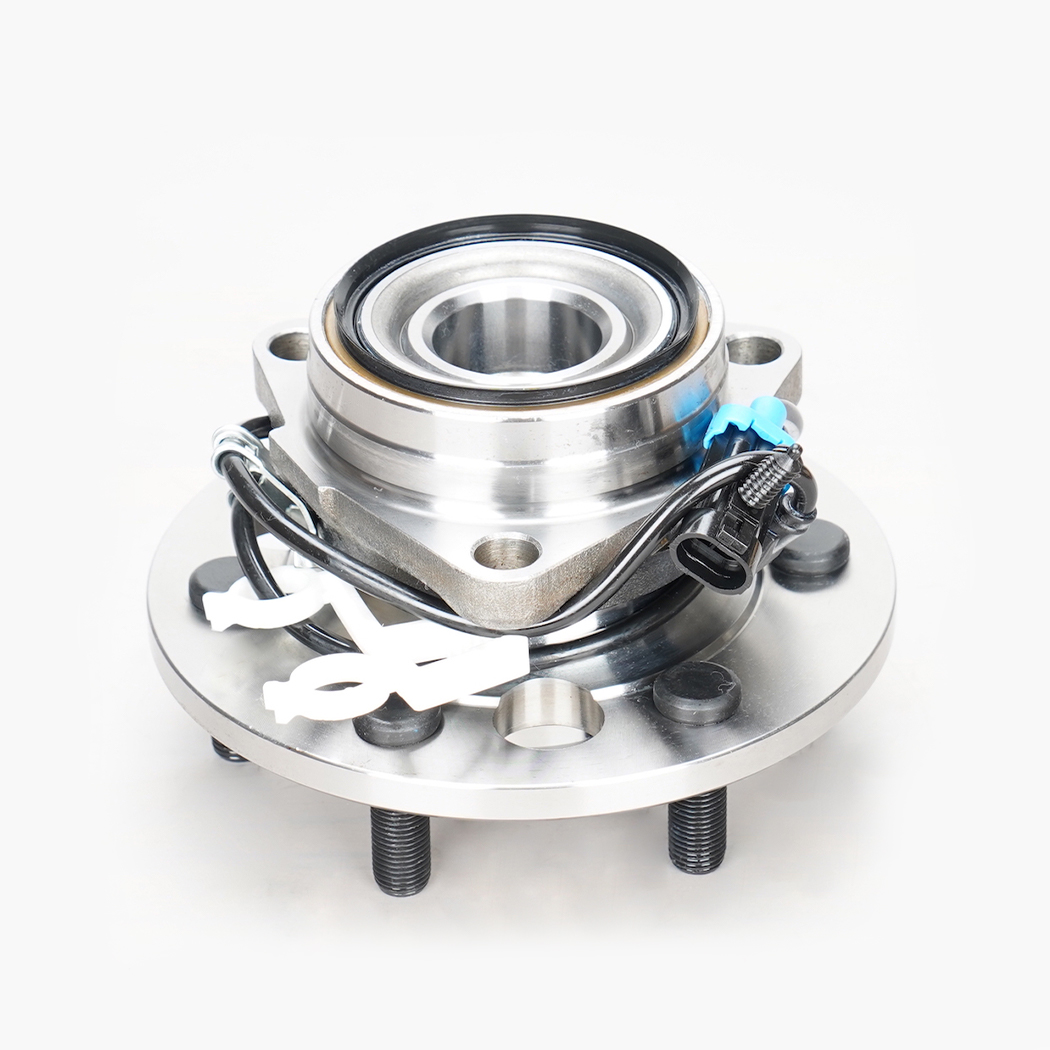
The cost of replacing a wheel bearing varies considerably depending on whether the vehicle uses a serviceable tapered bearing or a sealed hub assembly, which axle it's on, and how accessible the bearing is on that specific vehicle. Labor time is typically the biggest variable — some hub assemblies bolt off in under an hour, while others require pressing work or the removal of significant surrounding components.
| Bearing Type / Location | Parts Cost (Approx.) | Labor Cost (Approx.) | Total Estimate |
| Front bolt-on hub assembly (FWD) | $80 – $200 | $80 – $150 | $160 – $350 |
| Rear bolt-on hub assembly | $60 – $180 | $70 – $130 | $130 – $310 |
| Press-in bearing (requires press) | $40 – $120 | $150 – $300 | $190 – $420 |
| Tapered roller bearing (serviceable) | $20 – $60 | $60 – $120 | $80 – $180 |
| 4WD / AWD front hub assembly | $120 – $300 | $150 – $250 | $270 – $550 |
These are general estimates for a single bearing. Dealer pricing typically runs 30–50% higher than independent shops for the same job. If the bearing has been neglected long enough to damage the hub knuckle, CV axle, or ABS sensor separately, those add-on costs can push the total repair bill significantly higher. Replacing bearings in pairs (both sides of the same axle) is sometimes recommended if one bearing is worn and the vehicle has high mileage, since the other side has experienced identical service conditions.
Replacing a bolt-on wheel hub bearing assembly is one of the more approachable DIY jobs for a home mechanic with basic tools and a safe way to lift and support the vehicle. The job is significantly more straightforward than it might appear, especially on front-wheel-drive vehicles with a simple bolt-on hub unit.
With the vehicle safely lifted and the wheel removed, the process for a typical bolt-on wheel hub bearing assembly goes as follows. Loosen and remove the axle nut (on driven wheels) — this is often very tight, so have the wheel on the ground when initially breaking it loose. Disconnect the ABS sensor wire if it has a separate connector from the hub. Remove the brake caliper and rotor, setting them aside without hanging the caliper by the hose. The hub assembly is typically held to the steering knuckle by three or four bolts accessible from the back of the knuckle. Remove these bolts, then work the old hub free — corrosion can make this difficult, and gentle tapping with a dead-blow hammer on the housing (not the sensor ring) helps.
Clean the knuckle bore thoroughly with a wire brush before installing the new hub bearing. Apply a thin coat of anti-seize to the mating surface to make future removal easier. Install the new hub, torque the mounting bolts to spec, reinstall the rotor and caliper, then torque the new axle nut to the manufacturer's specification — typically between 150 and 250 ft-lb depending on the vehicle. Never estimate this torque by feel; use a torque wrench. Plug in the ABS connector, reinstall the wheel, and lower the vehicle. Take a short test drive and confirm the noise is gone.
Not every vehicle uses a simple bolt-on hub assembly. Some designs — particularly on rear axles of older vehicles, and on certain European models — use a bearing that is pressed directly into the steering knuckle or axle housing rather than bolting in as a complete unit. In these cases, the bearing race must be pressed out and the new bearing pressed in using a hydraulic shop press. Attempting this without a press by using a hammer and drift is likely to damage the new bearing's races before the vehicle even moves. If your vehicle requires a pressed-in wheel bearing, this is a job for a shop with the right equipment, unless you own or have access to a press and the correct adapters for the job.
You can identify which type your vehicle uses by looking up the bearing part number or checking a repair database like AllData or Mitchell1. If the replacement part is a complete hub unit with a bolt pattern visible on the back, it's a bolt-on assembly. If the part is just a bearing ring or a bearing and hub sold separately, a press is almost certainly required.
A quality wheel hub bearing on a well-maintained vehicle should last between 85,000 and 100,000 miles under normal driving conditions. Many last longer. However, several factors can drastically shorten bearing life and cause premature failure:
The replacement wheel bearing market ranges from OEM-equivalent units sold by reputable aftermarket brands to very cheap no-name assemblies of questionable quality. Given that a wheel bearing is a safety-critical component, this is not an area where saving $20 on a budget part makes sense. Here's how to navigate the options:
Always match the replacement hub bearing assembly to your exact vehicle by year, make, model, and sometimes trim level — front and rear bearings often differ, and AWD variants sometimes use a different unit than 2WD versions of the same model. Cross-reference part numbers from at least two sources before ordering to confirm fitment.
• ADD: 42705 Grand River Avenue, Suite 201, Novi. Michigan 48375, USA.
© Copyright 2017 HANGZHOU HANJI AUTO PARTS.CO.,LTD. All Rights Reserved. Wheel Hub Unit Manufacturer