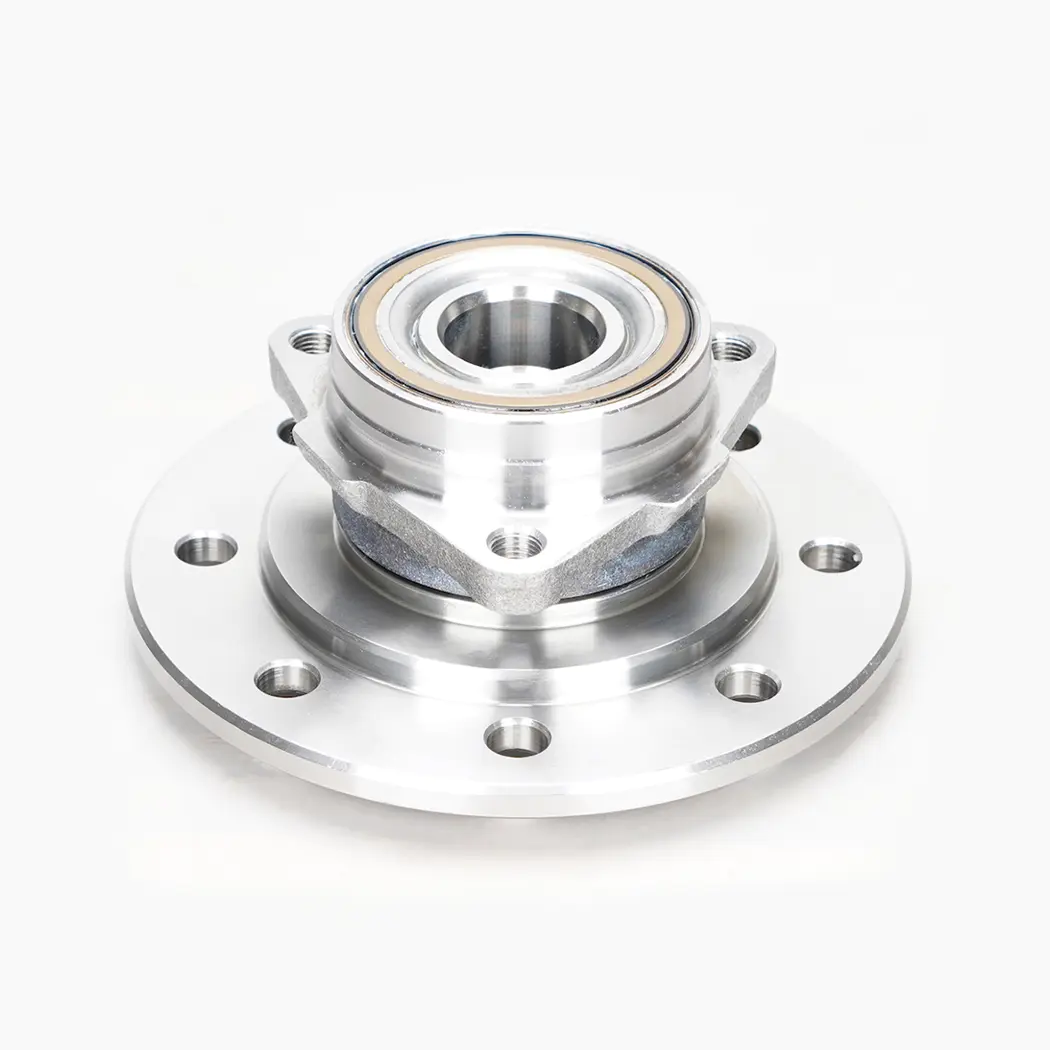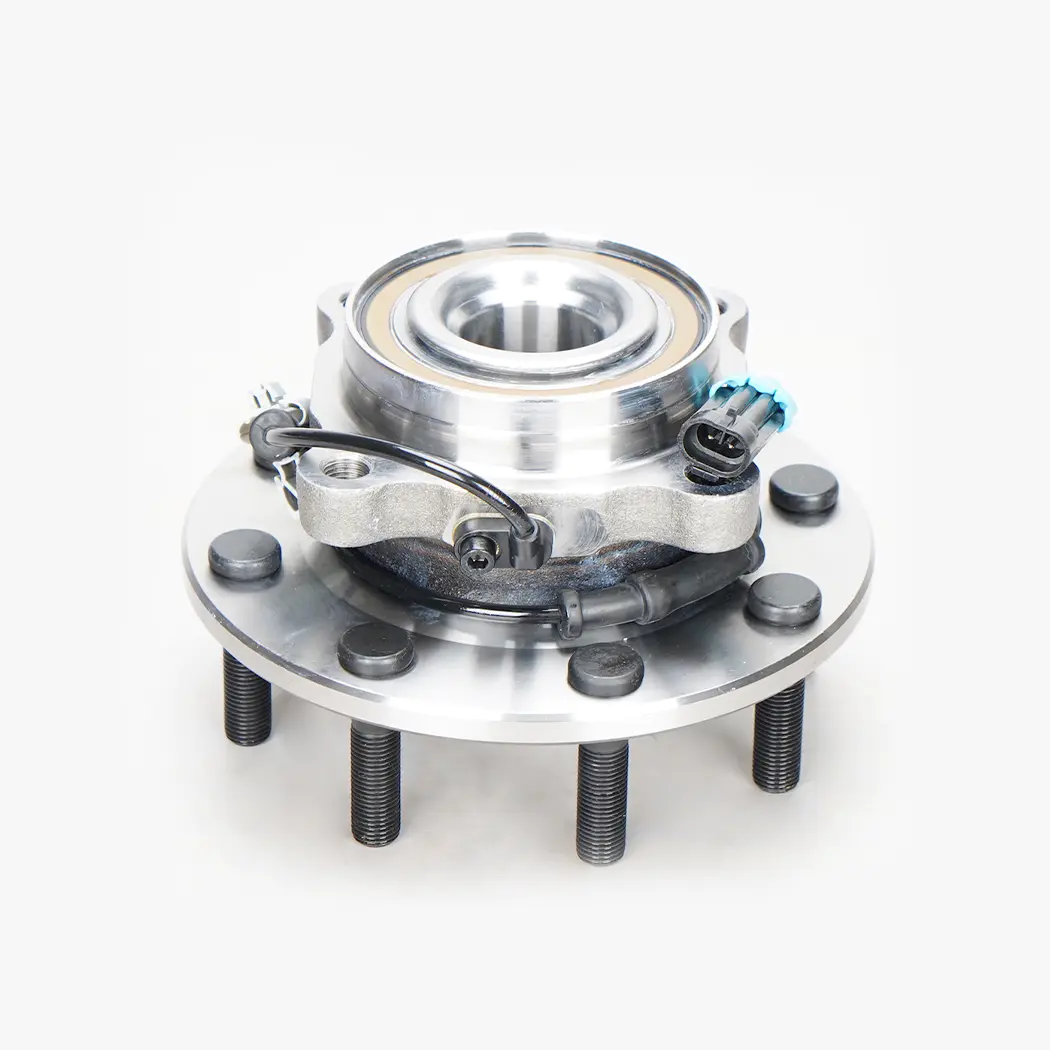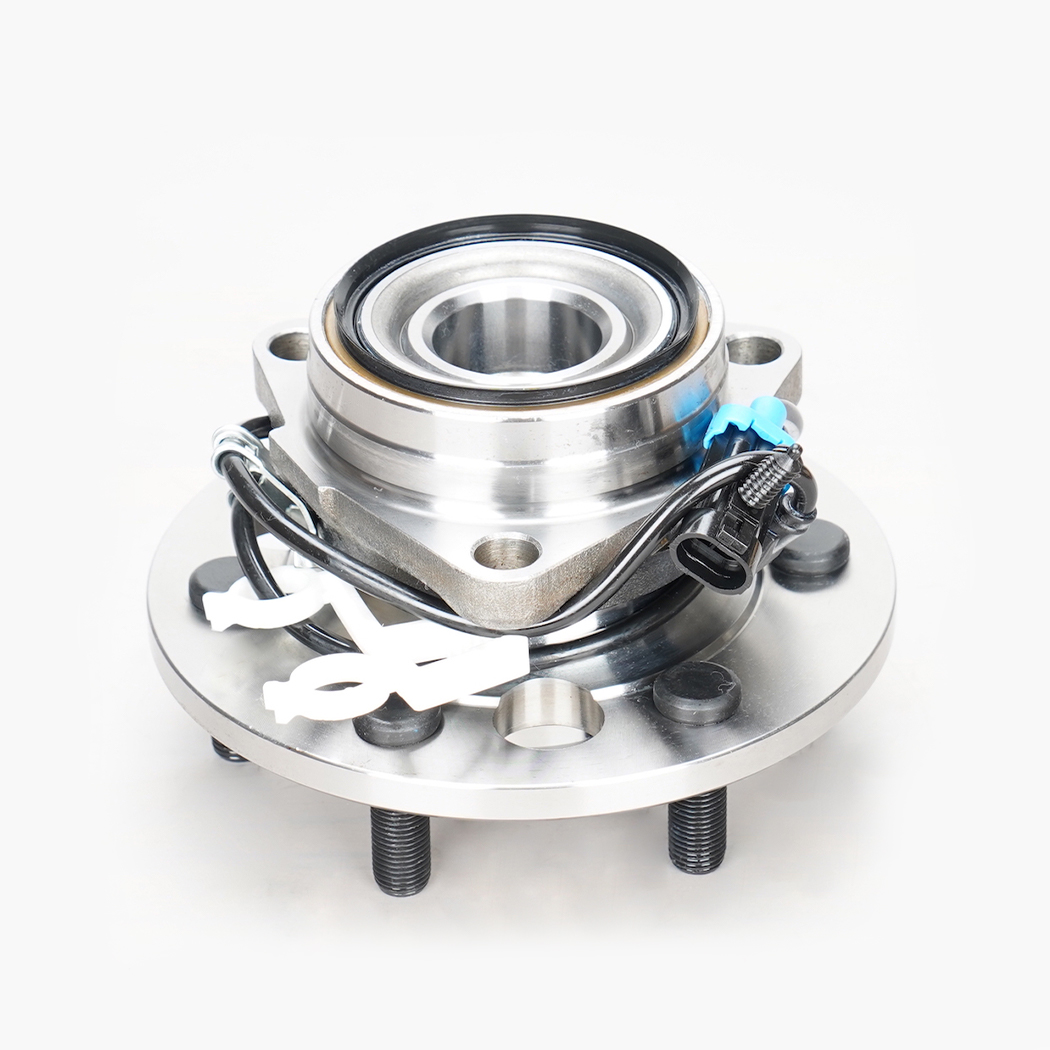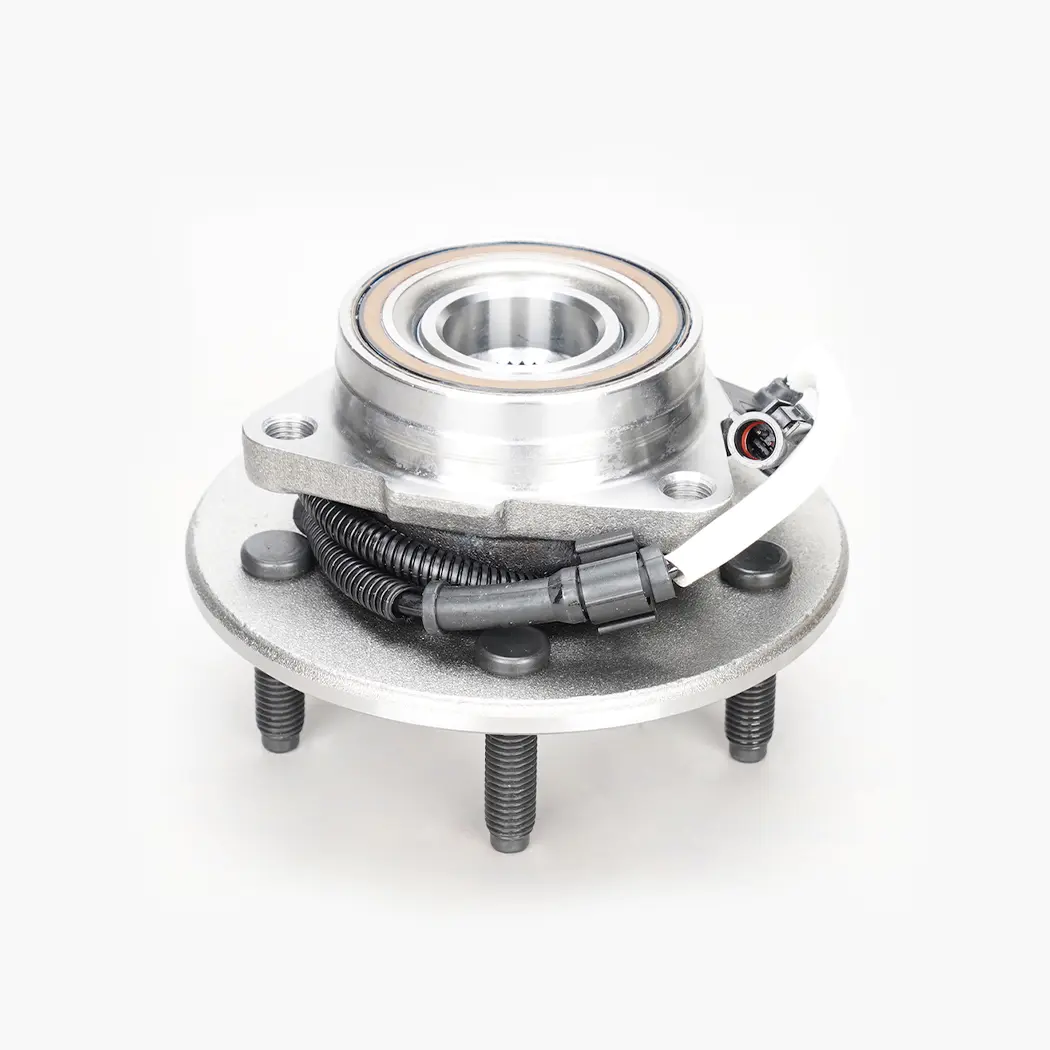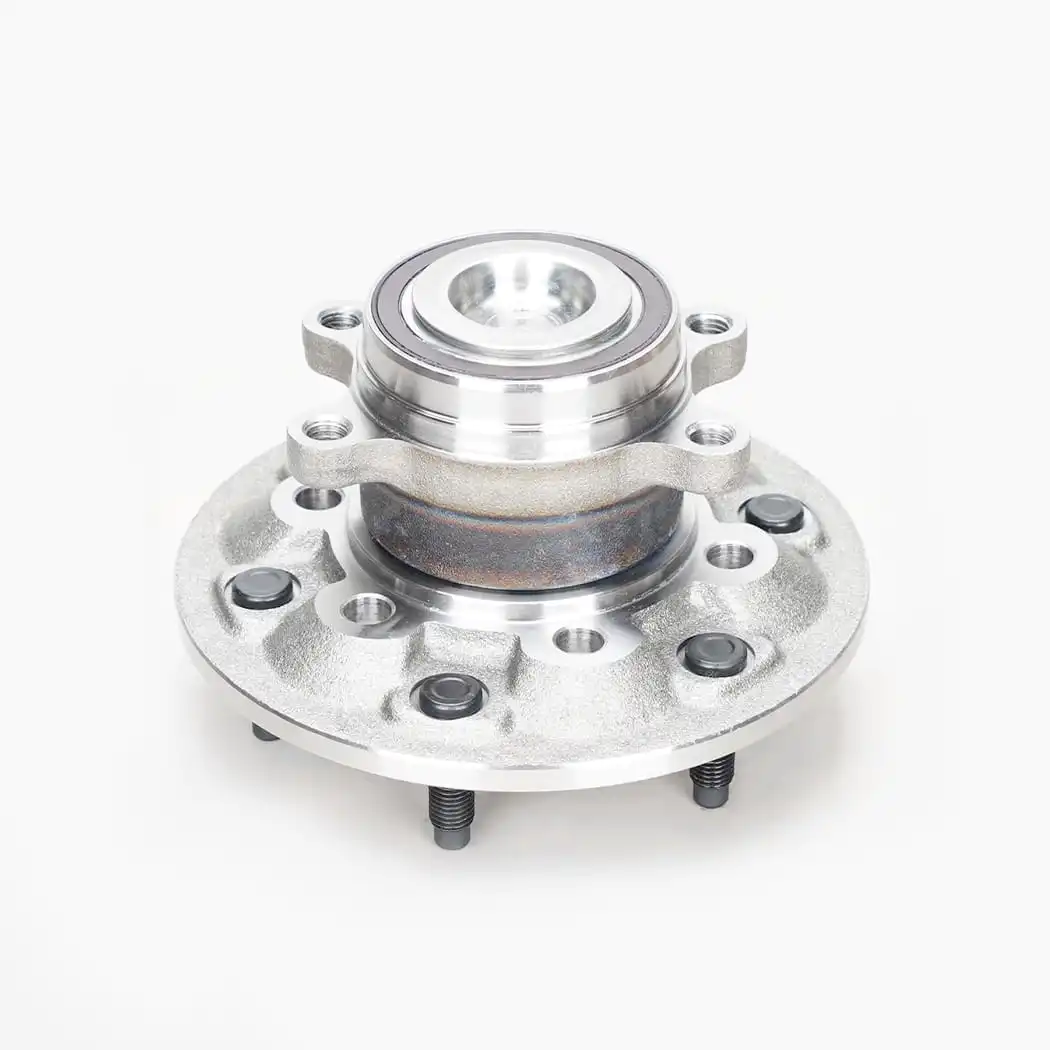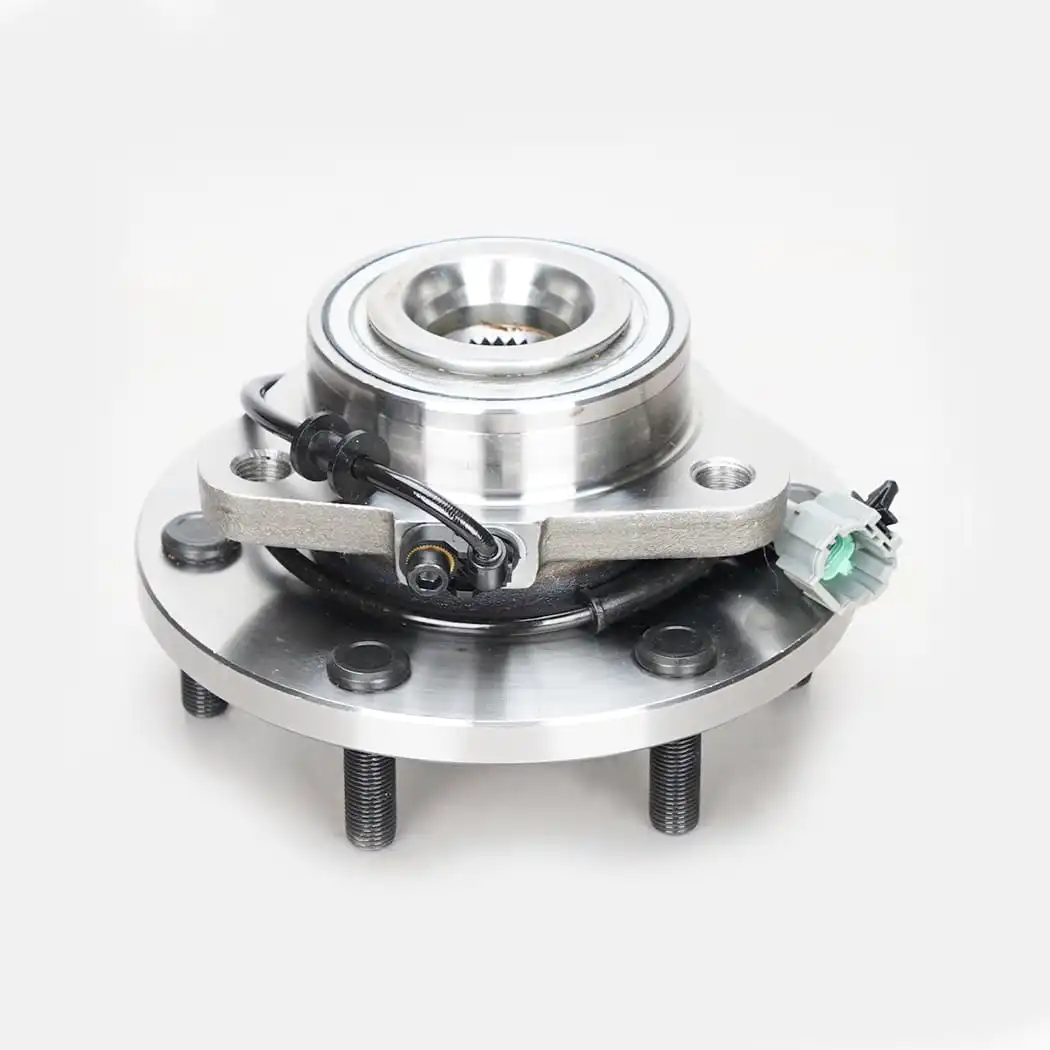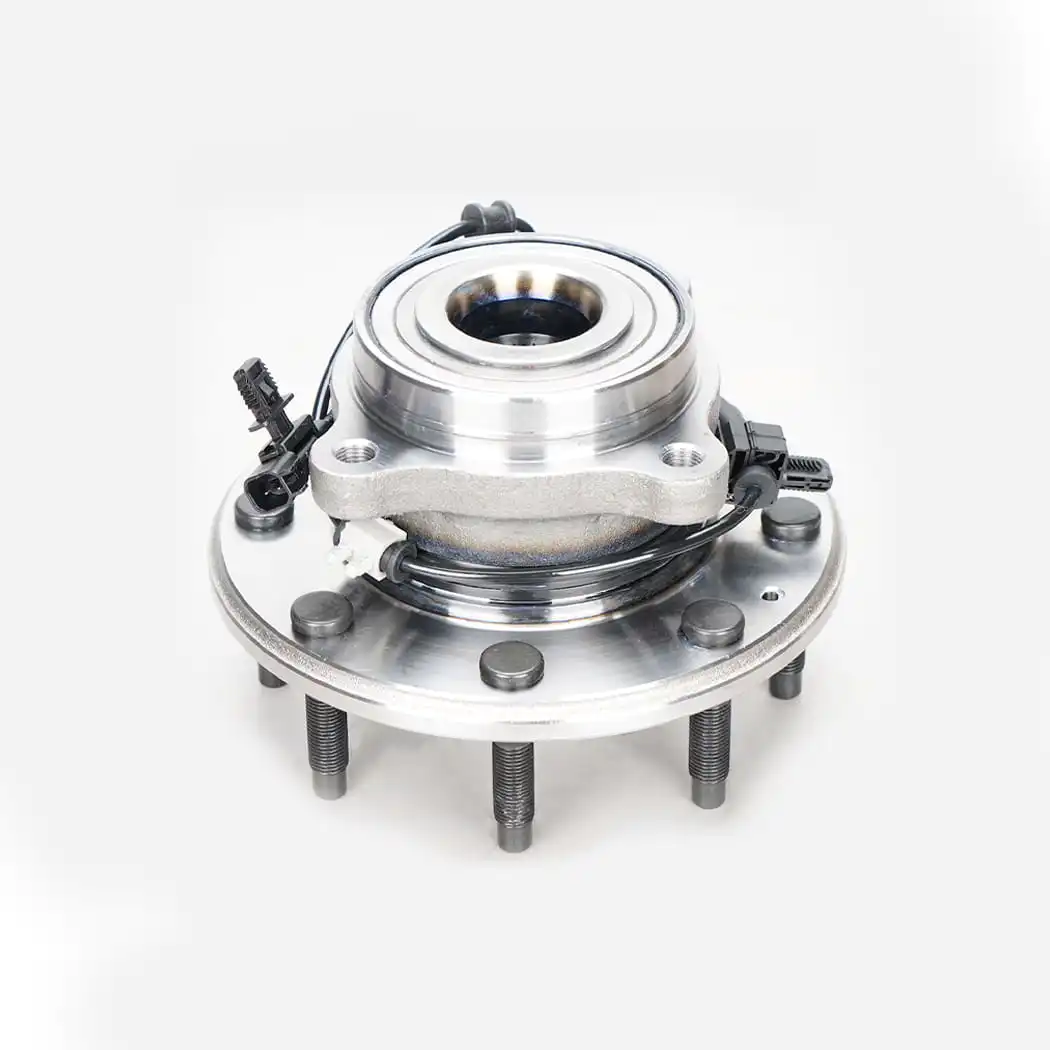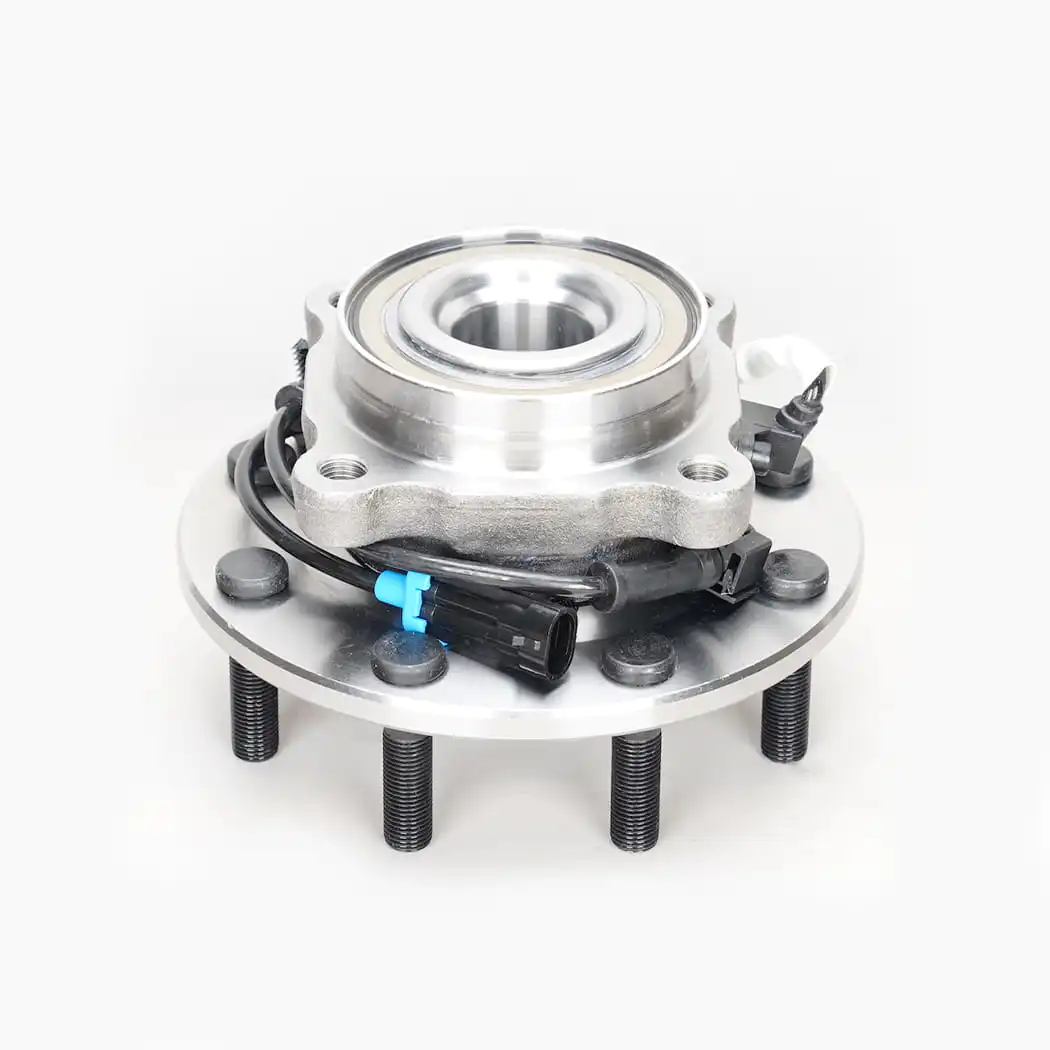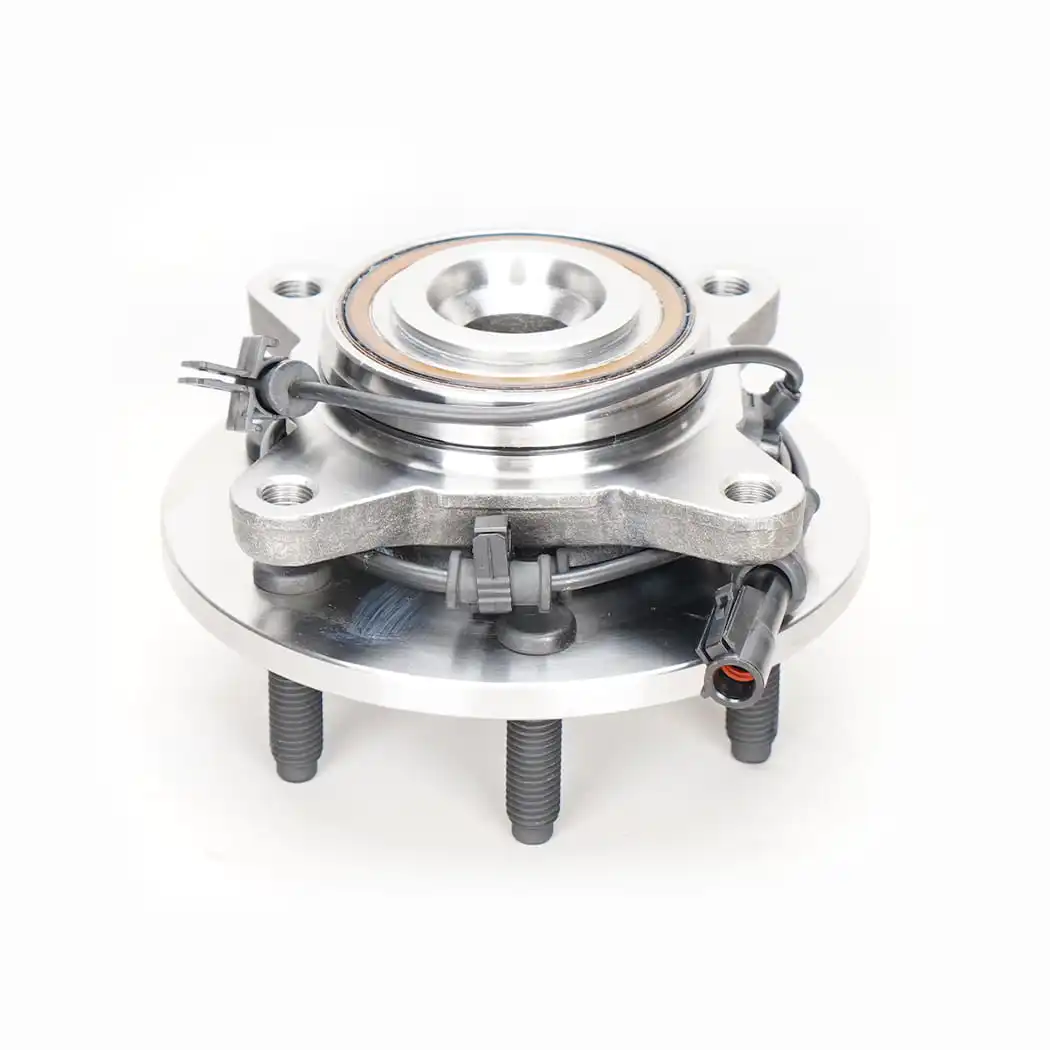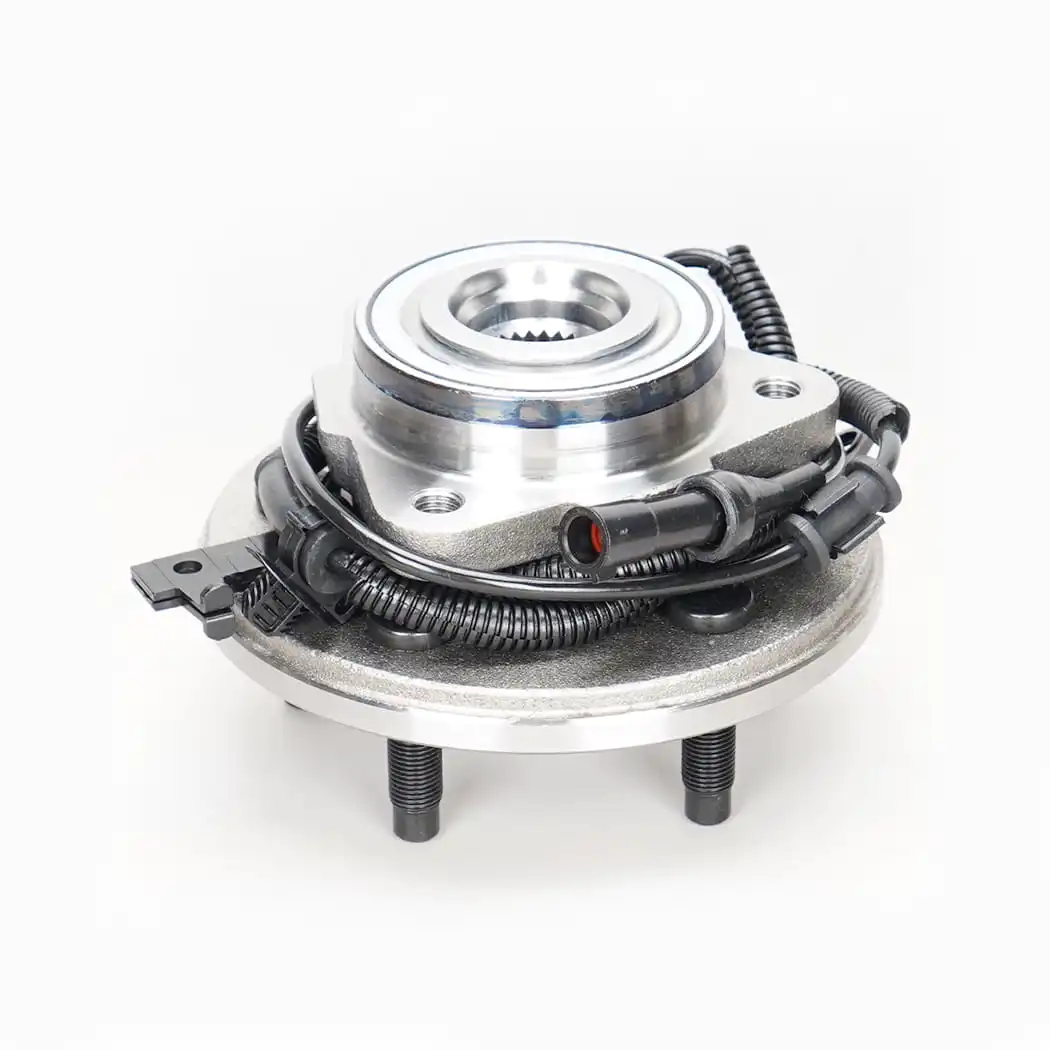
Wheel hub spindles live in one of the hardest-working places on any vehicle. They carry the weight of the corner, absorb braking torque, and resist the side loads a tire generates every time the wheel is turned. Most drivers never think about them until something growls, vibrates, or triggers an ABS light, and by then the wheel end is usually due for service.
As a manufacturer of wheel end components for the North American aftermarket, we spend our days thinking about exactly these parts. This guide covers what a wheel hub spindle does, how it differs from a hub unit, what to look for when a wheel end goes bad, and how to specify the right replacement the first time.
Content
A wheel hub spindle is the machined shaft that extends from the steering knuckle or rear axle housing and carries the wheel hub, its bearings, and ultimately the wheel and tire. It looks like a simple stepped cylinder, yet it performs three jobs at once: it positions the wheel precisely in space, it provides the ground bearing journals that let the hub spin with minimal friction, and it transfers every load the tire produces back into the suspension and chassis.
Two architectures share the road today. On older rear-wheel-drive cars, many solid-axle pickups, and a large share of trailers, the wheel turns on tapered roller bearings that ride directly on the spindle. On most late-model passenger cars and light trucks, that design has given way to a sealed hub unit, a wheel hub and bearing assembly that bolts to the knuckle and needs no separate spindle. Both still depend on the same fundamentals: accurate geometry, the right grade of steel, and a journal finish that helps a bearing reach six figures of mileage.
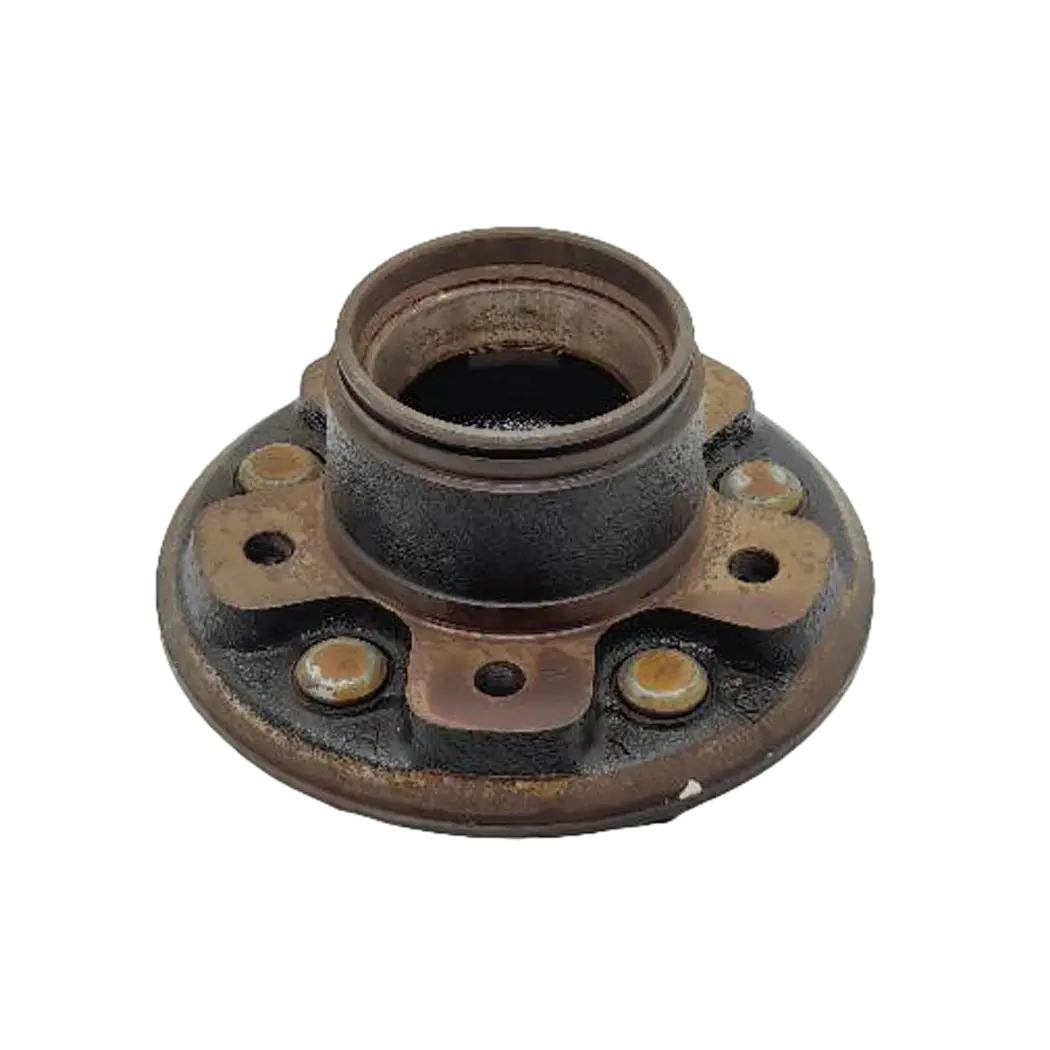 WHEEL HUB SPINDLES Supplier/hanhub/2024/05/13/rand/9596/wheel-hub-spindle-kits-list-download.pdfView Product →
The terms get used loosely at the parts counter, so it helps to separate them. The spindle is the stationary shaft. The hub is the rotating flange that holds the wheel and rotor. The bearing sits between the two. In a hub unit, all of those functions are built into a single sealed assembly that often carries the ABS tone ring as well.
| Component | Primary job | Common failure mode |
|---|---|---|
| Wheel hub spindle | Locates the hub, provides the bearing journals, and transfers wheel loads into the suspension | Scored or pitted journals, bent shaft, damaged threads, corrosion at the seal shoulder |
| Wheel hub flange | Mounts the wheel and brake rotor and carries the wheel studs | Stretched or spinning studs, cracked flange, excessive lateral runout |
| Wheel bearing | Allows the hub to rotate with very low friction under load | Pitting and spalling, grease loss, roughness, measurable play |
| Wheel hub unit | Combines hub and bearing in one bolt-on assembly for faster service | Bearing noise, seal failure, intermittent ABS signal |
| ABS tone ring and sensor | Reports wheel speed to the ABS, traction, and stability systems | Rust jacking under the ring, cracked ring, damaged wiring or connector |
Load type matters as much as load size. A spindle sees radial load from vehicle weight, axial load during cornering, and bending load under braking. A part designed for a compact sedan can look similar in a catalog photo to one built for a one-ton truck, but the section thickness, material specification, and heat treatment are nowhere near the same.
On the manufacturing side, three details separate a long-lived spindle from a short-lived one. The first is the steel itself, usually a medium-carbon or alloy grade that can be forged and then heat treated for strength and toughness. The second is the bearing journal, where roundness, diameter tolerance, and surface roughness determine how evenly the rollers or balls carry load. The third is the seal shoulder, which must stay smooth and corrosion resistant so the seal keeps grease in and road spray out. We look at how spindle design influences vehicle handling and safety in more depth, because geometry changes quietly change how a vehicle steers and stops.
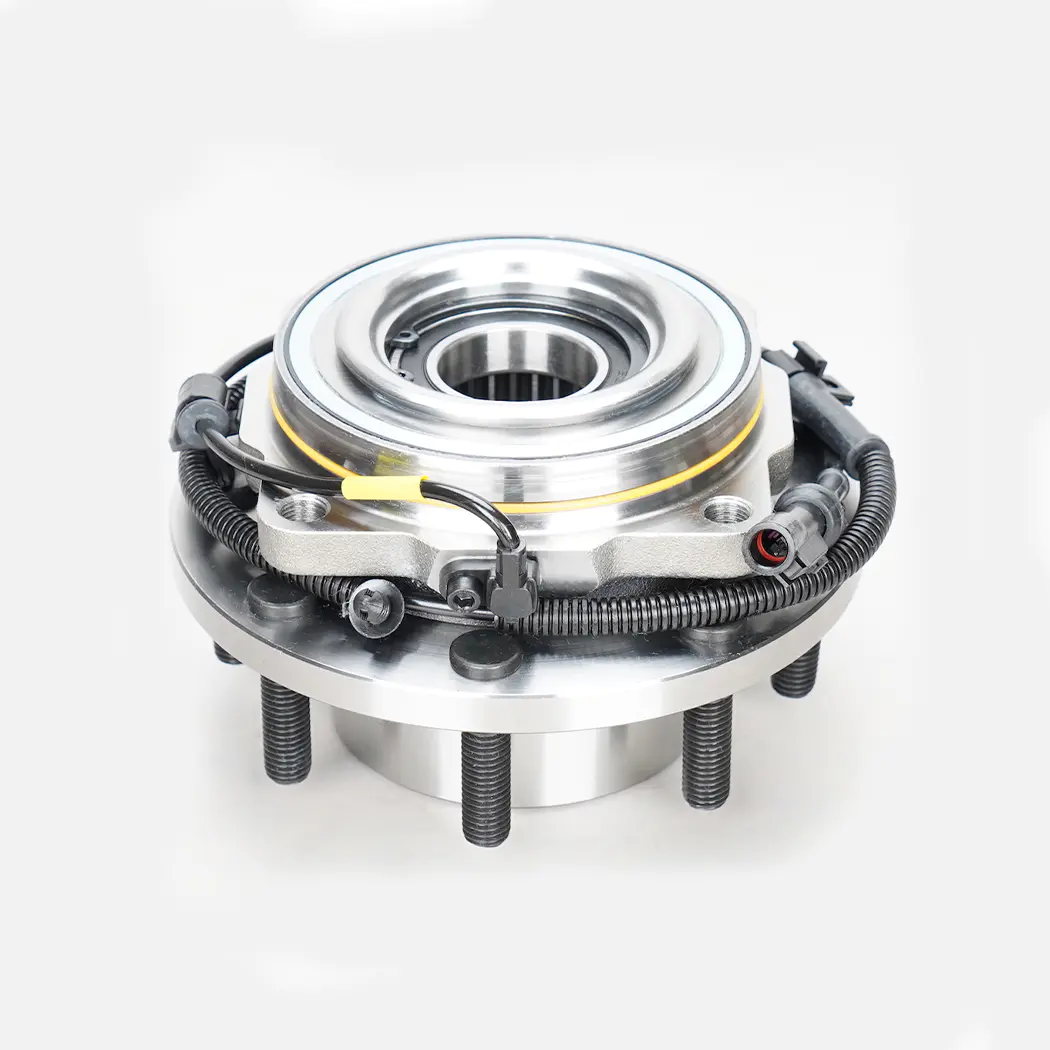
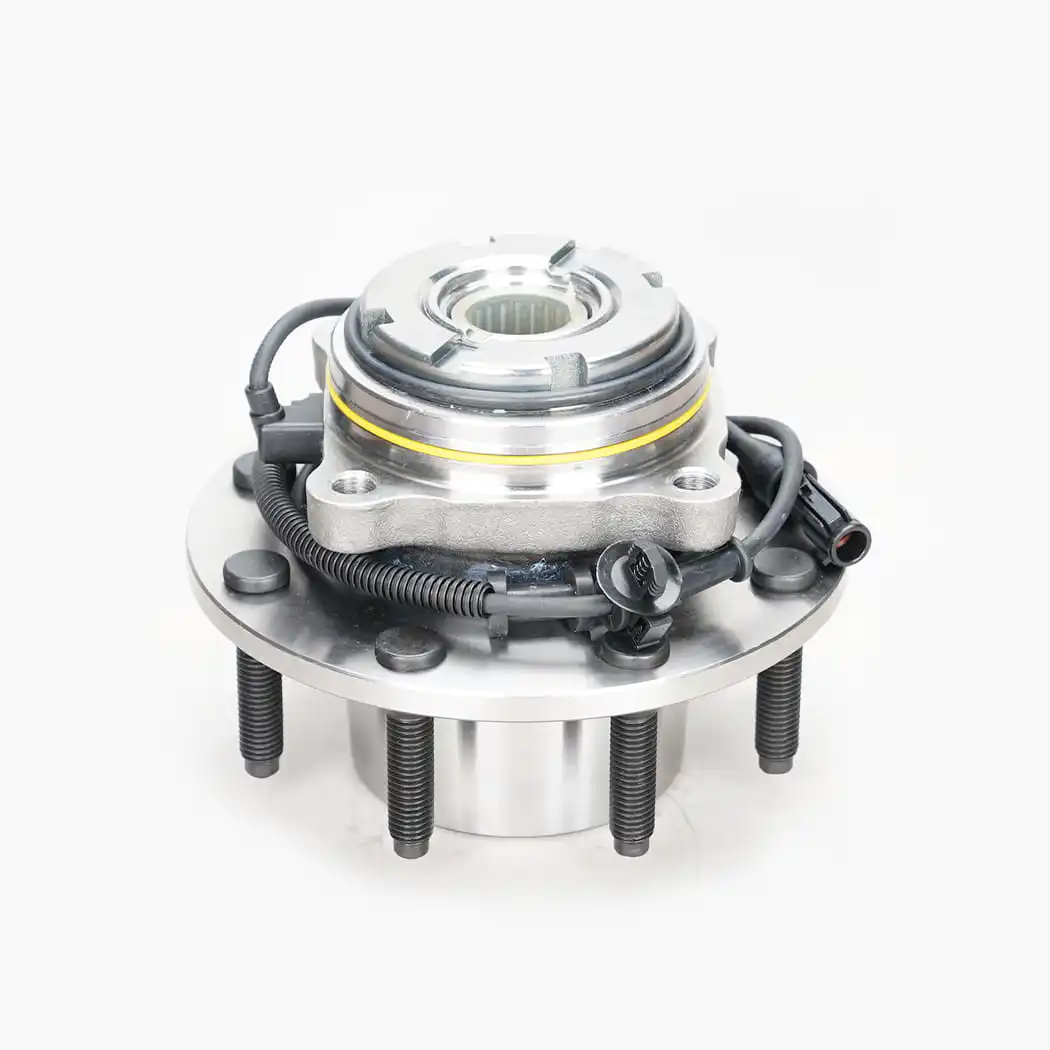
Heavy-duty applications raise the stakes. Compare a four-hole compact spindle with the front hub unit used on a ten-lug Super Duty and the difference is obvious in the bearing bore alone. When we develop a part in that class, we start from the original equipment drawing and work backward through material, hardness, and sealing until the finished unit matches the load case it will face.
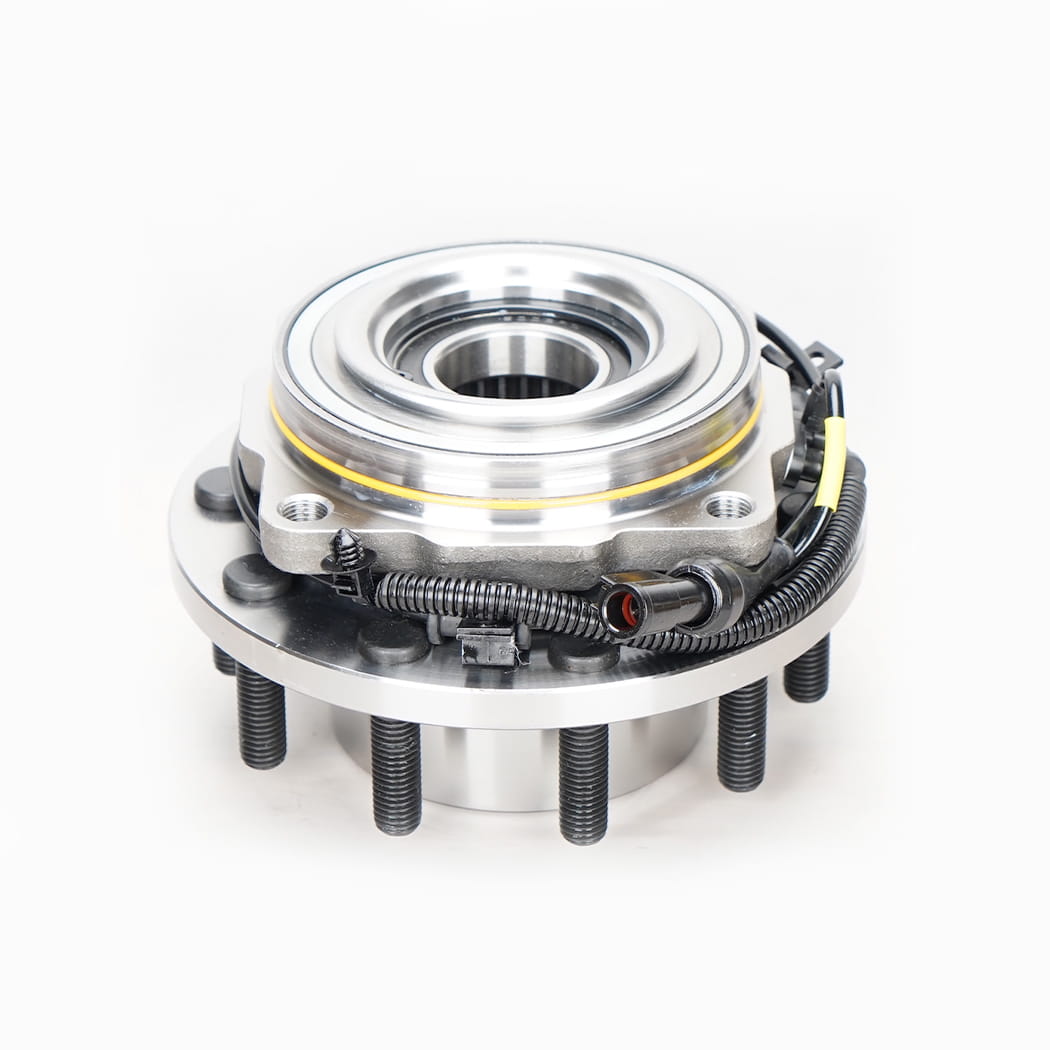 HANHUB 515083 Front Wheel Hub and Bearing Assembly Compatible with F-450 Super Duty F-550 HANGZHOU HANJI AUTO PARTS.CO.,LTD.View Product →
Wheel end wear rarely appears without warning. These are the symptoms our distributors and driveline shops report most often, and any one of them justifies putting the vehicle on a lift:
Noise alone is not proof. A worn wheel bearing, a bad tire, and a failing spindle can all sound similar, so confirm the diagnosis with a dial indicator on the flange and a careful inspection of the journal before ordering parts.
Wheel ends are application-specific, and lug count is the fastest way to narrow the field. It tells you roughly what class of bearing and flange the vehicle needs, even before you open the catalog.
| Lug pattern | Common platforms | Wheel end notes |
|---|---|---|
| 4 lug | Toyota and Lexus trucks and SUVs, some compact cars | Smaller bearings and lower load ratings, so fit and finish matter |
| 5 lug | Mid-size sedans, compact SUVs, Ranger and F-150 Heritage | One of the highest-volume aftermarket categories |
| 6 lug | Tahoe, Yukon, Explorer, Durango, Colorado and Canyon | Balances load capacity with packaging space |
| 7 lug | Specific F-150 applications | Requires an exact original equipment match |
| 8 lug | Ram 2500 and 3500, Silverado 2500 HD, F-250 and F-350 Super Duty | Larger bearing bores and thicker flanges |
| 10 lug | F-450 and F-550 Super Duty, Ram 4500 and 5500 | Highest load ratings, never substitute a lighter part |
The second step is interchange. A single wheel end often carries several numbers across the supply chain: an original equipment part number, a bearing manufacturer reference, and one or more aftermarket crossovers. Searching by any of them is fine, provided the crossover actually reflects the same bearing bore, flange offset, and sensor configuration. Two units that look identical on the shelf can differ in stud length or tone ring placement.
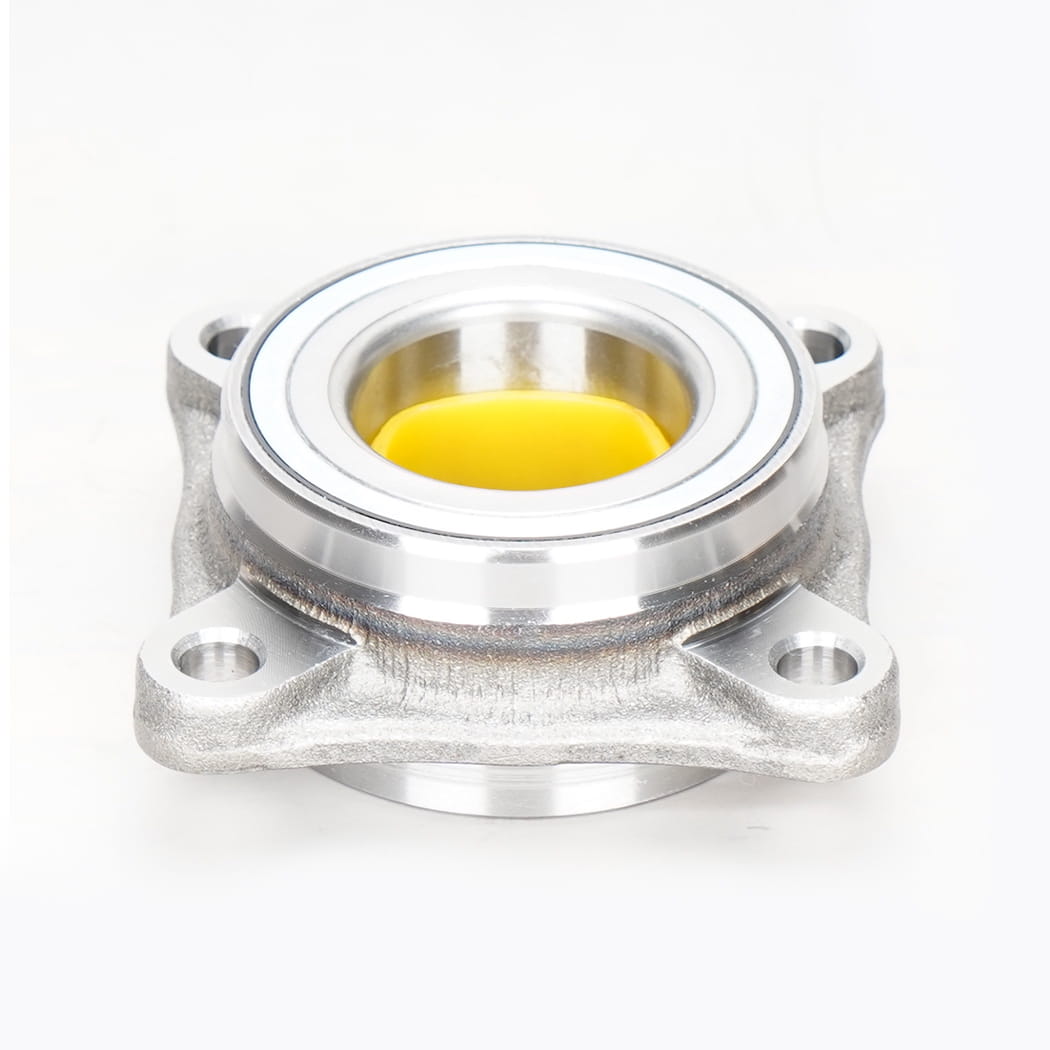 HANHUB 515040 Front Wheel Hub and Bearing Assembly Compatible with GX460 GX470 4RUNNER FJ HANGZHOU HANJI AUTO PARTS.CO.,LTD.View Product →
Wheel ends fail early for installation reasons more often than for manufacturing ones. A few habits keep the job clean and the come-back rate low:
Where a separate spindle is used, confirm that the bearing preload is set correctly and that the seal seats squarely. A seal that is not fully seated will leak grease within a few hundred miles.
For warehouse distributors, national retail chains, and driveline shops, supply reliability matters as much as the parts themselves. Our own programs are built around original equipment standards, from the steel specification through packaging design, and our testing laboratory verifies dimensions, hardness, and sealing before a part number is released. You can see more about the equipment and process on our factory page.
Coverage is the other half of the equation. We have developed more than 1,400 part numbers specifically for the United States market, which we estimate covers over 96 percent of vehicles in operation across passenger cars and light trucks. That range spans four-lug compact applications through ten-lug heavy-duty trucks, with matching wheel hub spindles, hub assemblies, and bearing kits under one catalog structure.
Because we operate our own packaging and plastics production, orders can be configured for the way a distributor actually sells, whether that is individual boxes, shelf-ready packaging, or bulk cases. For customers in North America, our associated distribution company, WHB AMERICA LLC in Novi, Michigan, handles packaging, warehousing, and local delivery, which keeps lead times short and returns simple.
Wheel hub spindles and hub units are not glamorous parts, but they decide how a vehicle feels, stops, and stays safe at speed. Understanding the difference between the spindle, the hub, and the complete assembly is the first step toward specifying the right component, and matching load class and interchange data is the second. If you are working through an application and want a hand, our team is happy to compare drawings, crossover numbers, or load requirements with you before you order.
• ADD: 42705 Grand River Avenue, Suite 201, Novi. Michigan 48375, USA.
© Copyright 2017 HANGZHOU HANJI AUTO PARTS.CO.,LTD. All Rights Reserved. Wheel Hub Unit Manufacturer